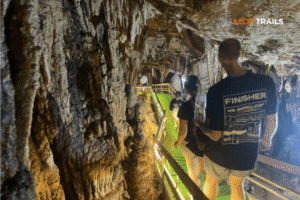


Thúy Kiều( Grace) is a travel blogger and content contributor for Loop Trails Tours Ha Giang. She holds a bachelor’s degree in Sustainable Tourism from Vietnam National University, Hanoi, and has a strong passion for exploring and promoting responsible travel experiences in Vietnam’s northern highlands.
The Ha Giang Loop has become Vietnam’s most sought-after motorcycle adventure, drawing thousands of riders each year to its dramatic mountain passes and remote ethnic villages. If you’re planning this journey for 2025, choosing the right tour operator and route can make the difference between an unforgettable adventure and a frustrating experience.
I’ve spent years riding these mountain roads and helping travelers navigate the Ha Giang Loop booking process. This guide cuts through the noise to give you the practical information you need to choose the best tour for your travel style, budget, and riding ability.
Learn more: Best Ha Giang Loop Tours
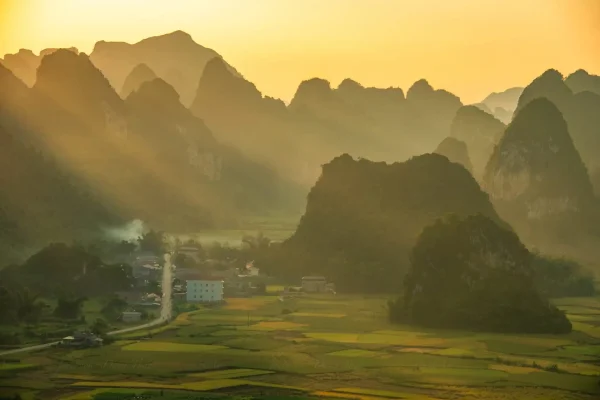
Ha Giang province sits in Vietnam’s far north, sharing a border with China across some of the most dramatic terrain in Southeast Asia. The landscape here is something else entirely. Limestone karst mountains rise vertically from deep valleys, creating scenery that makes even seasoned travelers stop their bikes just to stare.
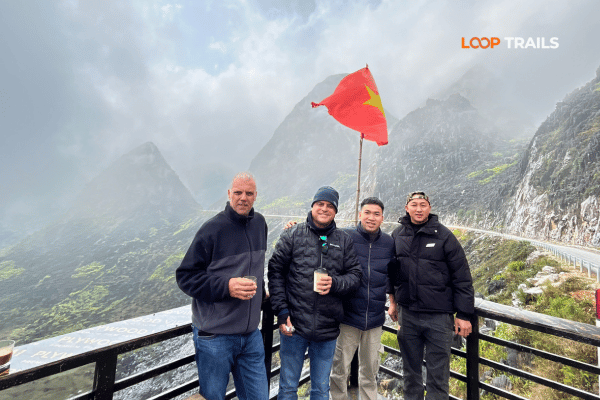
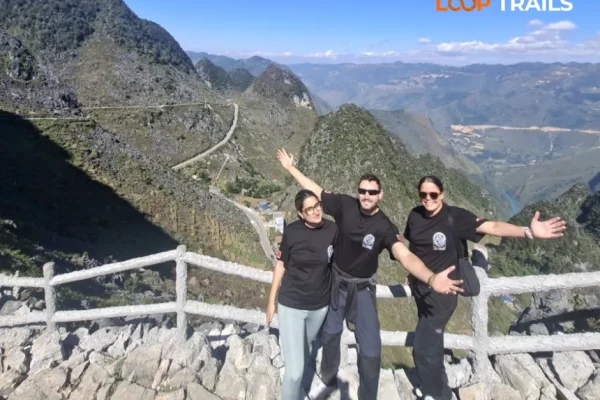
The roads carved into these mountains include the legendary Ma Pi Leng Pass, regularly ranked among the most spectacular mountain passes in the world. You’re riding along cliff edges with drops of hundreds of meters, the Nho Que River a green ribbon far below. This isn’t just about the views though. The engineering behind these roads is remarkable, and experiencing them from a motorcycle lets you feel every curve and elevation change in a way that tour buses simply can’t replicate.
What really sets Ha Giang apart from other Vietnamese destinations are the ethnic minority communities still living traditional lifestyles throughout the region. H’Mong, Tay, Dao, and Lo Lo people maintain villages where daily life hasn’t changed dramatically in generations. You’re not visiting a cultural theme park. These are real communities where people still farm terraced rice fields by hand, wear traditional clothing daily, and speak languages distinct from Vietnamese.
The combination of world-class riding terrain, stunning natural beauty, and authentic cultural encounters creates an experience that’s become legendary among motorcyclists and adventure travelers throughout Southeast Asia.
Learn more: Best Season Guide Ha Giang Loop
Ha Giang’s seasons dramatically affect your riding experience, and timing your visit correctly matters more than many travelers realize.
September through November is peak season for good reason. The weather is reliably dry, temperatures stay comfortable for riding (15-25°C), and this period includes the famous rice harvest season when terraced fields turn brilliant gold. Late September and early October specifically offer the best combination of weather, scenery, and road conditions. You’ll share the roads with more tourists during these months, but the conditions justify the crowds.
December through February brings cold weather that surprises many travelers. Temperatures in the mountains can drop to 5°C or lower, and occasional frost isn’t uncommon at higher elevations. If you’re planning a winter trip, pack serious warm layers. The advantage of winter travel is fewer tourists and dramatically reduced accommodation prices in some areas.
March through May marks spring in Ha Giang. The weather warms up, flowers bloom across the valleys, and the roads shake off winter. This can be an excellent time to visit if you want smaller crowds while avoiding the extreme cold. Just be aware that occasional spring rains can make some mountain roads slippery.
June through August is monsoon season. While Ha Giang receives less rainfall than many parts of Vietnam, summer storms can make riding challenging and occasionally dangerous. Landslides sometimes close roads temporarily, and visibility can drop dramatically in mountain fog. Some experienced riders specifically seek out the monsoon season for its dramatic weather and empty roads, but this isn’t recommended for first-time visitors or less confident riders.
Learn more: Ha Giang Loop Tours
The Ha Giang Loop isn’t a single standardized tour. You have three fundamentally different ways to experience these roads, each with distinct advantages and limitations. Understanding these options before booking prevents the common mistake of choosing a tour style that doesn’t match your skills or expectations.
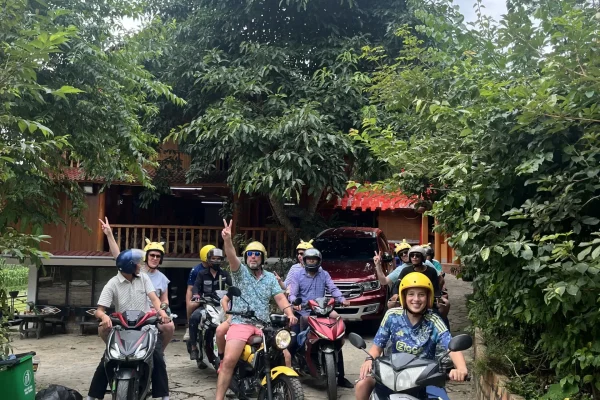
Easy Rider tours put you on the back of a motorcycle driven by a local guide. This is the most popular option for travelers without motorcycle experience or those who want to focus entirely on the scenery rather than navigating challenging roads.
Your driver is typically a local Vietnamese rider who knows every curve, pothole, and photo stop along the route. These drivers have often been riding these specific roads for years. The benefit goes beyond just safety. Local drivers can take you to viewpoints, restaurants, and villages that self-drive tourists often miss. They understand when to pause for photos without holding up the group, and they know which local families welcome visitors for tea or traditional meals.
The riding style on Easy Rider tours tends to be relaxed but confident. You’re not racing, but you’re also not crawling along. Expect 6-8 hours of riding per day with regular stops for photos, meals, and rest. The pace allows for conversation and often includes interactions with locals that would be difficult to arrange independently.
One important consideration: you’re trusting your safety to your driver’s judgment and skills. Reputable tour companies carefully vet their drivers and provide regular bike maintenance, but quality varies significantly between operators. This makes choosing the right tour company critical for Easy Rider options.
Learn more: Best Ha Giang Loop Tours 2025
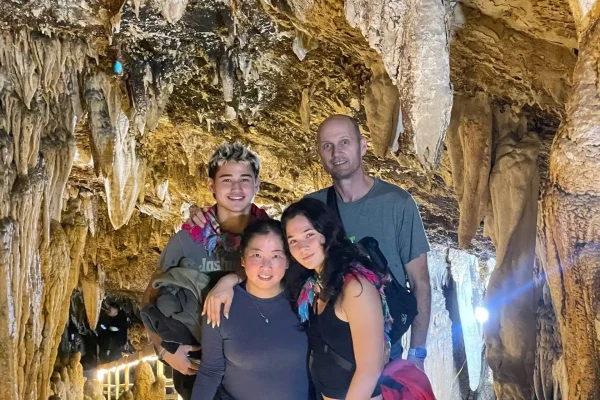
Self-drive tours give you your own motorcycle to ride throughout the loop. This option requires either an international driving permit or a Vietnamese motorcycle license, and you should have genuine experience riding in challenging conditions before attempting Ha Giang’s mountain roads independently.
The appeal of self-drive is obvious: complete control over your pace, schedule, and stops. Want to spend an extra hour photographing a particular valley? No problem. Interested in taking a side road to a village mentioned by locals? Go for it. You’re not bound to a group schedule or waiting for others.
Tour companies providing self-drive options supply the motorcycle (typically semi-automatic bikes like Honda Blades or Futures), arrange accommodations, and often have a guide bike leading the group. The guide helps with navigation, handles interactions with homestay owners, and provides mechanical support if bikes break down. You’re riding independently but not completely on your own.
The challenge with self-drive tours is that Ha Giang’s roads demand real riding skill. You’ll encounter steep grades, tight hairpin turns, loose gravel, and occasional unexpected obstacles like livestock or oncoming trucks taking your lane on blind curves. Rain can make these conditions significantly more difficult. First-time riders or those whose experience is limited to flat roads should honestly assess whether they’re ready for this terrain.
Jeep tours offer the Ha Giang Loop experience for travelers who don’t want to (or can’t) ride motorcycles. You’re transported in a 4WD vehicle with a local driver who handles the challenging mountain roads while you enjoy the scenery.
These tours work particularly well for families with children, older travelers, couples where only one person rides, or anyone dealing with physical limitations that make long motorcycle rides uncomfortable. The jeeps can accommodate groups of 2-4 passengers, and the higher seating position actually provides better views of some landscapes than you’d get from a motorcycle.
The trade-off with jeep tours is experiential rather than practical. You miss the visceral feeling of riding through these mountains yourself – the temperature changes as you climb and descend, the smell of mountain air and village cooking fires, the physical sensation of navigating the curves. A jeep provides climate control and comfort but creates a barrier between you and the environment.
Jeep tours also visit fewer remote locations than motorcycle tours. Some narrow village roads and scenic viewpoints simply aren’t accessible to 4WD vehicles. Your itinerary will focus on the main loop highlights while skipping some of the more isolated ethnic minority villages that motorcycles can reach.
Learn more: Ha Giang Loop Motorbike Tours
Ha Giang Loop tours range from rushed 2-day sprints to comprehensive 5-day journeys extending to Cao Bang province. Each option offers different experiences and requires different time commitments. Here’s what actually happens on each route length.
The 2-day option is Ha Giang Loop on fast-forward. You’ll hit the major highlights but expect long riding days with limited time for exploration or rest.
Day 1 typically runs from Ha Giang city through Quan Ba and Yen Minh to Dong Van. You’re covering roughly 150 kilometers with significant elevation changes, riding through Heaven Gate viewpoint and along the Dong Van Karst Plateau. The day includes lunch stops and brief photo opportunities, but you’re generally moving from morning until late afternoon.
Day 2 tackles the famous Ma Pi Leng Pass, often considered the loop’s highlight. You’ll ride the dramatic cliff-edge road, potentially take a boat on Nho Que River if time permits, then return through Quan Ba back to Ha Giang city. This is another 150+ kilometers with even more spectacular scenery than Day 1.
The 2-day route works if you’re genuinely short on time or have already traveled extensively in Vietnam and specifically want to hit Ma Pi Leng Pass. However, you’ll miss the more relaxed pace that makes the Ha Giang Loop special for most travelers. The rushed schedule means limited interaction with local communities, less flexibility for unexpected discoveries, and frankly, pretty tired legs by the end of Day 2.
The 3-day loop is the sweet spot for most travelers. You get all the major highlights with enough time to actually enjoy them, plus opportunities for cultural interactions and side trips that the 2-day route skips.
Day 1 follows a similar route to the 2-day option but with a more relaxed pace. You’re still reaching Dong Van for the night, but there’s time to properly explore Lung Tam weaving village, visit local homes for tea, and maybe detour to Lung Khuy Cave if conditions allow. The riding still covers substantial distance but doesn’t feel like a race against sunset.
Day 2 is where the 3-day route really shines. Instead of immediately heading back to Ha Giang, you spend the full day exploring the area around Dong Van and Meo Vac. This typically includes visiting Lung Cu Flag Tower at Vietnam’s northernmost point, exploring the former palace of the H’Mong King, riding the full Ma Pi Leng Pass at a leisurely pace, and taking the Nho Que River boat trip without feeling rushed. You’re overnight in Du Gia or Meo Vac area, where homestays tend to be particularly memorable.
Day 3 provides the return journey through different scenery than you saw going out. You’ll visit Du Gia waterfall for a morning swim, ride through the peaceful valley farmlands, and potentially stop at additional ethnic minority villages that you bypassed on the outbound route. This varied scenery prevents the common problem of return routes feeling repetitive.
The 3-day option gives you time to properly photograph locations, chat with locals through your guide, and absorb the experience rather than just collecting viewpoint check-ins. For most travelers, this is the minimum recommended duration.
Four days allows for the deepest Ha Giang experience without extending into other provinces. This duration gives you everything the 3-day tour offers plus additional time for exploration, rest, and cultural immersion.
The key difference in 4-day itineraries is reduced daily riding hours and expanded activities at each location. Day 1 might include a proper trek to Lung Khuy Cave rather than just a quick visit, with time to explore the local markets in Quan Ba town. The homestay that night often includes cooking classes or traditional music performances that rushed tours skip.
Day 2 adds visits to villages like Lao Sa near the Chinese border, where H’Mong families still live in traditional wooden homes practically clinging to the mountainsides. You have time to visit the Vuong Palace with a proper guided tour rather than a quick photo stop, and the visit to Lung Cu Flag Tower can include the full hike to the top rather than just viewing it from the base.
Day 3 along Ma Pi Leng Pass becomes a highlight day rather than another riding marathon. Tours often include longer boat trips on Nho Que River, allowing time to swim in certain sections and visit riverside villages. Some itineraries add a visit to Lo Lo Chai village, home to the Lo Lo ethnic minority in their traditional adobe houses. The slower pace means you’re actually stopping to drink tea with families rather than just waving from your bike.
Day 4 focuses on the return with visits to Duong Thuong valley, extended time at Du Gia waterfall, and usually a stop at Lung Tam linen village where you can watch (and learn) traditional weaving techniques. The riding ends by mid-afternoon, giving you time to properly pack, reflect on the journey, and not immediately rush onto a night bus.
Four days works particularly well for photography enthusiasts, cultural travelers, or anyone who prefers deeper experiences over efficiently collecting destinations.
Days 1-2 follow similar patterns to the 3- or 4-day Ha Giang options, covering Dong Van, Lung Cu, and Ma Pi Leng Pass. Day 3 is where the route diverges, heading east from Meo Vac toward Cao Bang province through Bao Lac district.
This eastern section rides through Khau Coc Cha pass, featuring 15 dramatic hairpin turns that rival Ma Pi Leng for pure riding excitement. You’ll visit Pac Bo cave, historically significant as Ho Chi Minh’s revolutionary base, and stay in the Xuan Truong valley area where tourism infrastructure is significantly less developed than Ha Giang.
Day 4 continues to Ban Gioc Waterfall on the Vietnam-China border. This massive cascade is among Southeast Asia’s most spectacular waterfalls, and reaching it requires riding through rural Trung Khanh district on roads that see far fewer tourists than the main Ha Giang Loop. The waterfall area includes caves, riverside villages, and walking trails that justify spending most of the day in this location.
Day 5 focuses on the return journey to Cao Bang city, visiting Nguom Ngao Cave (one of Vietnam’s most impressive cave systems), local paper-making villages, and the unique “God’s Eye Mountain” before ending in Cao Bang city.
The 5-day tour requires strong riding stamina and genuine interest in off-the-beaten-path experiences. Roads in Cao Bang province can be rougher than Ha Giang’s main routes, and English-speaking services are less common. However, you’re getting access to areas that few international travelers ever see, and the sense of adventure significantly exceeds the standard Ha Giang Loop.

Lean more: Best Ha Giang Loop Tours 2025
Understanding the daily realities of Ha Giang Loop tours prevents unrealistic expectations and helps you prepare properly. Here’s what actually happens day-to-day on these tours.
Ha Giang Loop tours follow predictable daily rhythms. You’re typically up around 7:00-7:30 AM for breakfast at your homestay or guesthouse. Breakfast is usually Vietnamese-style: rice, vegetables, meat or eggs, and fruit. Coffee is available but tends to be instant at homestays in remote areas.
Riding generally starts between 8:00-9:00 AM depending on the day’s distance. The first hours of morning riding are often the most pleasant, with cooler temperatures and good visibility. Tours typically ride for 2-3 hours before stopping for morning refreshments and a bathroom break.
Lunch happens around noon or early afternoon, usually in a local restaurant in whichever town you’re passing through. Meals are Vietnamese home-style cooking: rice, multiple vegetable dishes, meat or fish, and soup. Expect family-style service where everyone shares from communal plates.
Afternoon riding continues for another 2-3 hours with photo stops at major viewpoints. Groups typically arrive at the night’s accommodation between 3:00-5:00 PM, giving you time to shower, rest, and explore the local area before dinner.
Evenings at homestays often include dinner around 6:00-7:00 PM followed by social time with other travelers. Many homestays provide rice wine or “happy water” (locally-distilled spirits), and impromptu music sessions with traditional instruments are common. Expect to be in bed by 9:00-10:00 PM, as wake-up comes early and the day’s riding genuinely tires you out.
The total daily riding time ranges from 4-7 hours depending on route and stops, covering anywhere from 100-180 kilometers. This might not sound like much, but mountain riding at varying altitudes with frequent stops is more physically demanding than highway cruising.
Learn more: Best Ha Giang Loop Tours 2025
Ha Giang Loop accommodation varies significantly by location and tour price point. Setting realistic expectations prevents disappointment.
In Ha Giang city itself, you’ll typically stay at a hostel or guesthouse with standards comparable to budget accommodation anywhere in Vietnam: private rooms or dorms with hot showers, clean sheets, WiFi, and air conditioning or fans. These are professional tourism businesses operating year-round.
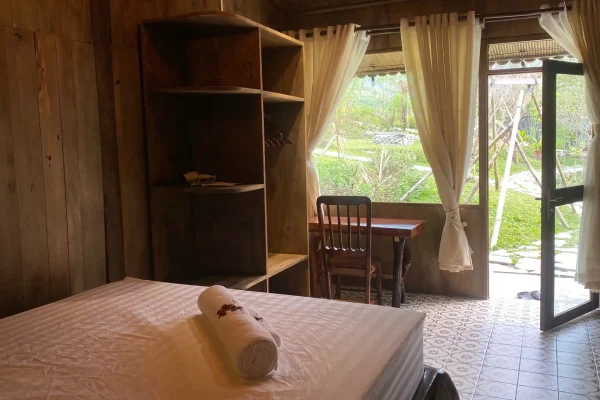
Homestays in villages along the loop represent genuine local homes opening rooms to tourists. Comfort levels vary considerably. The best homestays provide clean private rooms with attached bathrooms, hot water, comfortable mattresses, and basic Western toilets. More basic options offer dormitory-style sleeping on mats in a shared room, squat toilets, and limited hot water.
Realistically, even the best homestays won’t match hotel standards. You’re sleeping in rural mountain villages where electricity is sometimes unreliable, hot water runs out if you shower late, and walls between rooms are thin. WiFi exists at some homestays but tends to be slow when it works at all. Cell phone coverage is spotty in many valley locations.
What homestays lack in modern amenities, they compensate for with authenticity and hospitality. You’re staying with families who genuinely welcome you into their homes, share meals at their table, and are interested in cultural exchange beyond just collecting room fees. Many travelers find the homestay experience highlights their entire Ha Giang trip.
Higher-priced tours sometimes offer hotel upgrades in Dong Van or Meo Vac, where small hotels provide more conventional tourism accommodation. Whether this upgrade is worthwhile depends on how important comfort is to you versus authentic cultural experience.
Food on Ha Giang Loop tours reflects local Vietnamese home cooking rather than tourism restaurant fare. Understanding this prevents surprise and helps you appreciate what you’re actually experiencing.
Meals are invariably rice-based with multiple side dishes shared family-style. Breakfast might include fried rice, scrambled eggs with tomatoes, stir-fried vegetables, and fruit. Lunch and dinner feature larger spreads: steamed rice, two or three vegetable dishes, a meat or fish dish, perhaps a tofu dish, pickled vegetables, and soup.
The cooking style tends toward simple preparation highlighting fresh ingredients rather than complex sauces or heavy spicing. Flavors are often subtle by Western standards. Chili paste and soy sauce are always available if you want to add heat or saltiness.
Vegetarians can be accommodated but need to communicate this clearly when booking. Homestay cooks will prepare meat-free versions of standard dishes, though cross-contamination from shared cooking equipment is common. Strict vegetarians should discuss specific requirements with their tour operator.
Food safety is generally good but not perfect. Tour companies use established restaurants and homestays with track records of not making tourists sick. However, the reality of rural Vietnam means occasional stomach upset is possible. Bringing anti-diarrheal medication is wise.
Special dietary requirements beyond vegetarianism (vegan, gluten-free, severe allergies) can be challenging. Homestay cooks in remote villages may not fully understand requirements even when translated, and ingredient availability is limited. If you have significant dietary restrictions, discuss thoroughly with your tour operator before booking and consider bringing supplemental snacks.
The quantity of food is rarely an issue – Vietnamese hospitality means ensuring guests eat well. You’ll consistently see more food than you can finish, and second servings are always offered.
Group size significantly impacts your Ha Giang Loop experience, affecting everything from riding pace to social dynamics to environmental impact.
Most tour operators limit groups to 4-12 travelers. Smaller groups (4-6 people) allow for more flexibility with stops and schedule, easier interaction with locals, and more personalized attention from guides. Large groups (10-12 people) create more structured schedules but often better social atmospheres for solo travelers wanting to make friends.
Solo travelers will almost certainly be grouped with others. This is actually advantageous, as the shared experience naturally creates friendships among travelers. Evening homestay sessions typically involve the entire group socializing together, and these connections often extend beyond the tour itself.
The social aspect varies by season. Peak season (September-October) brings maximum group sizes and consistent fellow travelers of diverse backgrounds. Off-season periods might mean smaller groups or even private tours by default if few others are booked for your dates.
Age ranges on these tours span from early 20s backpackers to retirees in their 60s or 70s. The shared adventure tends to bridge age gaps more successfully than standard tours. Physical fitness matters more than age for riding enjoyment.
One consideration: your group’s riding experience affects overall pace and safety. Groups mixing confident riders with nervous beginners sometimes create tension. Reputable tour operators try to group people with similar experience levels when possible, but this isn’t always achievable with small booking numbers.
Learm more: Ha Giang Loop Tours by Motorbike
Choosing your tour operator is probably the single most important decision you’ll make for your Ha Giang Loop experience. The difference between reputable companies and problematic operators can be substantial.
Several factors separate quality tour operators from the numerous companies that have opened in recent years as Ha Giang tourism has exploded.
Safety practices should be your first consideration. Reputable companies maintain their motorcycles properly, provide quality helmets that actually fit, conduct pre-departure safety briefings, and carry first aid equipment. Ask specifically about bike maintenance schedules and what happens if a motorcycle breaks down mid-tour. Good companies have support vehicles or backup bikes available.
Guide quality varies enormously. The best tour companies invest in training their guides beyond just knowing the roads. You want guides who speak functional English, understand cultural sensitivities when visiting ethnic minority villages, know basic motorcycle mechanics for emergency repairs, and have first aid training. Some companies rely on local riders with minimal training or English skills, which creates communication problems and safety concerns.
Accommodation standards should be explicitly stated when booking. Ask to see photos of actual homestays used rather than stock imagery. Understand what “private room” means versus “dormitory style,” and confirm whether bathrooms are attached or shared. Quality operators maintain relationships with established homestays and hotels rather than changing randomly based on who offers the cheapest beds.
Group size policies matter. Unlimited group sizes create overcrowded homestays, longer waiting times at viewpoints, and difficulty maintaining group cohesion on the roads. Operators capping groups at 8-10 travelers provide better experiences but may charge slightly higher prices to compensate for running more frequent departures.
Environmental and cultural responsibility increasingly separates thoughtful operators from those purely chasing profit. Ask about policies regarding littering, noise levels in villages, proper permission before photographing locals, and how communities benefit from tourism. The best companies actively work with local communities rather than just extracting value from them.
Booking flexibility and cancellation policies reveal operator confidence. Companies with fair cancellation terms (typically allowing cancellation up to 7 days before departure with partial refund) and willingness to reschedule for weather concerns demonstrate customer-focused operations.
Reviews provide useful information but require critical reading. Look for detailed reviews describing specific experiences rather than generic praise. Recent reviews matter more than older ones, as operator quality changes over time. Pay attention to reviewer’s experience level when reading opinions about difficulty or safety.
Certain warning signs indicate tour operators you should avoid entirely, regardless of how attractive their prices appear.
Significantly below-market pricing almost always means corners are being cut somewhere. Tour economics are straightforward: fuel, bike maintenance, guide wages, accommodation costs, and meals create a minimum operating cost. Companies pricing tours 30-40% below competitors are either operating unsustainably (and may cancel your tour last-minute), using dangerous poorly-maintained motorcycles, placing inexperienced riders with minimal support, or paying guides so little that quality and safety suffer.
No physical office or meeting point in Ha Giang city is a red flag. Legitimate tour companies have established operations with offices where you can meet staff, inspect bikes, and address concerns before departing. Companies operating entirely through social media or WhatsApp with no physical presence often lack the organizational structure for safe, reliable tours.
Pressure to pay entirely in cash with no receipt suggests tax evasion and means you have limited recourse if problems arise. Professional tour companies accept bank transfers or online payment and provide proper receipts. This doesn’t mean all cash payment is suspicious, but insistence on cash-only with no documentation is concerning.
Unwillingness to provide detailed itineraries or answer specific questions about accommodations, bikes, or what’s included suggests the operator doesn’t actually have these details finalized. Quality companies can tell you exactly which homestays you’ll use, what motorcycle models are available, and precisely what the tour price covers.
Guide promises that sound too good to be true usually are. Claims of “guaranteed weather,” “exclusive access” to locations that are actually public sites, or “luxury accommodation” in remote villages where no such facilities exist should trigger skepticism.
Inconsistent information between their website, social media, and booking correspondence indicates disorganized operations. Professional companies maintain consistent messaging about their services, prices, and policies across all platforms.
Learn more: Ha Giang Loop Itinerary
Understanding Ha Giang Loop tour pricing helps you budget accurately and recognize whether quoted prices represent fair value or potential problems.
Ha Giang Loop tour costs vary significantly based on duration, riding style, accommodation level, and group size. Here’s what you should expect to pay for different tour types in 2025:
Easy Rider Tours (motorcycle with driver):
Self-Drive Tours (ride your own motorcycle):
Private Jeep Tours (for 2-4 passengers):
These prices typically include the motorcycle or vehicle, driver/guide services, all fuel, basic accommodation (dormitory style or local homestays), three meals daily, entrance fees to major attractions, and basic travel insurance.
The price differences between tour types reflect different costs: Easy Rider tours require paying skilled local drivers; self-drive tours cost less because you’re doing the riding yourself; jeep tours cost more because they use vehicles requiring experienced drivers, consume more fuel, and typically accommodate smaller groups.
Private tours naturally cost more than joining group departures, but for couples or small friend groups, the per-person cost difference may be worthwhile for the flexibility and personalized experience.
Tour prices cover most basic expenses, but several additional costs deserve budgeting consideration.
Accommodation upgrades: Standard tour prices usually include dormitory-style sleeping or basic homestays. Upgrading to private rooms adds approximately ₫200,000-500,000 ($8-20 USD) per night depending on location. This upgrade is often worthwhile for couples or travelers who value privacy and better sleep quality.
Drinks and snacks: Bottled water, soft drinks, beer, and snacks between meals aren’t typically included. Budget around ₫100,000-200,000 ($4-8 USD) daily for beverages and extra food. The locally distilled “happy water” at homestays is usually complimentary, though tipping for this hospitality is appropriate.
Tips for guides and drivers: Tipping isn’t mandatory in Vietnamese culture but has become expected on tourism services. Standard tipping is approximately ₫100,000-200,000 ($4-8 USD) per day per guide for good service, more for exceptional experiences. For Easy Rider tours, your driver is effectively your personal guide and should receive similar consideration.
Photography and souvenirs: Many travelers purchase handicrafts from local villages (woven textiles, silver jewelry, traditional costumes) and want to tip families who invite them into homes. Budget ₫200,000-500,000 ($8-20 USD) for these cultural interactions and purchases if you’re interested in supporting local communities.
Gear rental: If you need to rent motorcycle jackets, gloves, or other riding gear not provided by the tour company, expect to pay ₫50,000-150,000 ($2-6 USD) per item for the tour duration.
Travel insurance with motorcycle coverage: Standard travel insurance policies often exclude motorcycle riding or limit coverage to small engine sizes. Proper coverage for Ha Giang riding costs approximately $30-80 USD depending on trip duration and your age, but this is essential rather than optional.
Learn more: Best Ha Giang Loop Tours 2025
Getting to Ha Giang city to start your tour typically involves bus travel from Hanoi or other northern Vietnamese destinations. Understanding these transportation options helps with overall trip planning.
From Hanoi to Ha Giang:
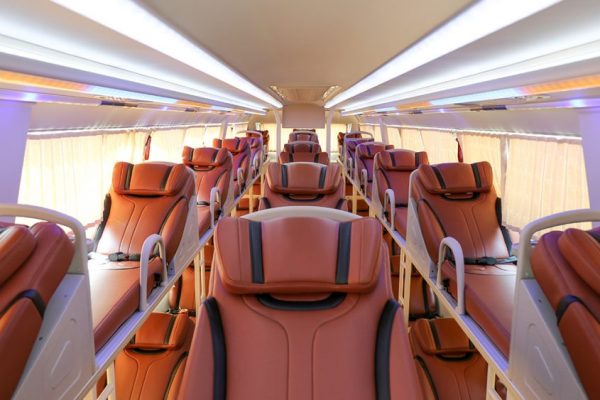
Several bus classes serve this route with significantly different price points and comfort levels:
VIP and Cabin buses provide individual sleeping pods with more privacy and better suspension than regular sleepers, justifying the price difference for most travelers. Regular sleepers cram more passengers into less space but work fine if you’re on a tight budget.
Night buses make practical sense because they save a hotel night and arrive in Ha Giang morning, ready to start your tour. Day buses let you see the scenery but consume most of a day that could be spent riding.
From Other Destinations:
Return transportation follows similar patterns. Most tour operators can arrange bus tickets as part of booking, saving you the hassle of separate coordination. They typically charge the same price as buying directly but handle logistics and ensure you’re on the correct departure.
Private car transfers are available for groups or travelers wanting more flexibility. Expect to pay approximately ₫2,500,000-3,500,000 ($100-145 USD) for a private car from Hanoi to Ha Giang, which can be cost-effective if split among 3-4 people.
Learm more: Ha Giang Loop Easy Rider
Ha Giang Loop tours involve real risks that deserve honest discussion. Understanding safety requirements and potential hazards helps you prepare appropriately and make informed decisions.
Vietnam’s motorcycle licensing laws create a frustrating situation for foreign tourists. Legally, riding a motorcycle over 50cc in Vietnam requires either a Vietnamese motorcycle license or an International Driving Permit (IDP) that specifically includes motorcycle endorsement from your home country.
The reality on Ha Giang Loop tours is more complex. Many tour companies provide motorcycles to tourists who don’t have proper licensing, and police checkpoints rarely enforce licensing requirements with foreign tourists in Ha Giang province. This creates a gray area where technically illegal riding is practically common and usually goes unpunished.
However, the licensing issue becomes critical if you’re involved in an accident. Travel insurance policies typically exclude coverage if you’re operating a vehicle without proper licensing. This means medical expenses, bike repairs, and any liability claims would come entirely from your pocket. A serious accident could easily cost tens of thousands of dollars in medical care alone.
For Easy Rider tours where you’re a passenger rather than driver, licensing doesn’t apply to you. Your driver should have proper Vietnamese motorcycle licensing, though verifying this before departure is wise.
The safest approach for self-drive tours is obtaining an IDP with motorcycle endorsement before leaving your home country. This requires holding a valid motorcycle license at home first. If you don’t have home-country motorcycle licensing, the legal option is taking Easy Rider tours rather than self-driving.
Some travelers obtain IDPs showing motorcycle endorsement despite not holding actual motorcycle licenses at home, relying on minimal verification. This is fraudulent, leaves you without insurance coverage, and definitely doesn’t reflect the ethical approach to international travel.
Ha Giang’s roads demand respect. This isn’t exaggeration meant to sound dramatic – these mountain roads genuinely challenge even experienced riders and have claimed lives among reckless or unprepared tourists.
The main loop roads are mostly paved and maintained to reasonable standards. Ma Pi Leng Pass and the main highway through Dong Van Karst Plateau Geopark feature good asphalt with clear lane markings. However, “good” here means suitable for the traffic volume, not comparable to Western highway standards. Expect potholes, occasional gravel patches, and pavement quality that varies section by section.
Elevation changes are constant and significant. You’re climbing from approximately 100 meters altitude in Ha Giang city to over 1,500 meters at higher passes, then descending again, repeatedly throughout the loop. These altitude changes mean thinner air affecting engine performance, temperature swings requiring clothing adjustments, and genuine physical exertion if you’re self-driving.
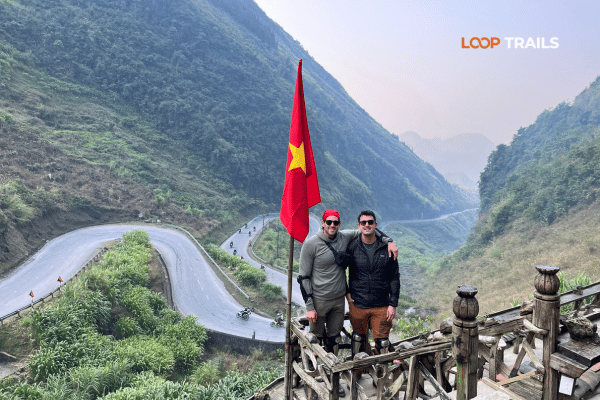
Hairpin turns are frequent and often tighter than riders expect. Ma Pi Leng Pass features sections where you’re turning 180 degrees on narrow pavement with minimal guardrails and vertical drops of hundreds of meters. These turns require controlled speed, proper lean technique, and constant attention to road surface conditions.
Traffic is generally light by Asian standards, but what traffic exists demands vigilance. Northbound trucks often take both lanes on blind curves climbing steep grades. Livestock wander onto roads unpredictably. Local motorcyclists may pass on blind corners or ride the wrong way around hairpins to cut distance. Other tourists unfamiliar with the roads sometimes brake suddenly or choose poor lines through curves.
Weather can change conditions rapidly. Rain makes the roads significantly more dangerous, reducing traction and visibility while increasing stopping distances. Mountain fog occasionally reduces visibility to less than 50 meters. Riding in these conditions requires experience and appropriate speed reduction – or sometimes the wisdom to wait for improvement.
Construction zones appear unpredictably. Road improvements are ongoing throughout Ha Giang, and construction zones mean dust, loose gravel, uneven pavement, and sometimes complete road closures requiring detours onto rougher alternative routes.
The honest assessment: If you’ve only ridden motorcycles occasionally on flat roads in good conditions, Ha Giang’s mountain roads will challenge you significantly. Consider Easy Rider tours unless you genuinely have experience with difficult riding conditions. If you’re comfortable on mountain roads and have dealt with varied weather conditions, proper riding gear, and realistic speed choices, Ha Giang is manageable but requires constant attention.
Standard travel insurance creates problems for Ha Giang Loop riders because most policies exclude or limit motorcycle coverage.
Read your travel insurance policy carefully before assuming you’re covered. Many policies either completely exclude motorcycle riding, exclude motorcycles over 50cc (ruling out the bikes used on Ha Giang tours), or require you to hold proper licensing (which many tourists lack). Some policies provide coverage only if you’re a passenger rather than driver.
Tour operators typically include basic insurance in their pricing, but this coverage is often minimal – perhaps covering medical expenses up to a modest limit and third-party liability, but excluding medical evacuation, trip cancellation, or comprehensive accident coverage.
Specialized adventure travel insurance policies exist that explicitly cover motorcycle riding in Southeast Asia, though they cost more than standard travel insurance. Companies like World Nomads, SafetyWing, and several others offer policies designed for backpackers engaging in adventure activities. Even these policies usually require proper licensing and exclude deliberately reckless behavior.
Medical evacuation coverage deserves specific attention. Ha Giang’s hospitals provide basic care but can’t handle serious trauma. Severe accidents may require evacuation to Hanoi or even international medical facilities. Evacuation costs can easily exceed $50,000 USD. Comprehensive travel insurance with evacuation coverage is essential, not optional.
Before departing, verify specifically what your insurance covers regarding:
If your current insurance doesn’t adequately cover Ha Giang riding, either purchase supplemental coverage or reconsider whether self-drive tours match your risk tolerance.
Learn more: Best Ha Giang Loop Tours 2025
Packing appropriately for Ha Giang Loop significantly affects your comfort and enjoyment. The region’s variable conditions and remote locations mean you can’t easily purchase forgotten items mid-tour.
Essential riding gear:
Clothing layers for variable weather:
Specific seasonal considerations:
What NOT to bring:
Ha Giang offers extraordinary photographic opportunities, but protecting camera gear while motorcycle riding requires planning.
Camera protection:
Recommended equipment:
Charging considerations:
Photography etiquette:
Avoiding unnecessary items keeps your luggage manageable and prevents disappointment when items you shouldn’t have brought get damaged or lost.
Leave at home or in Hanoi:
Learn more: Ha Giang Loop Trails
Understanding the booking process helps secure your preferred dates and avoids last-minute problems.
Booking timing depends on season and your flexibility. During peak season (September-November), popular tour companies often fill up 2-4 weeks in advance, especially for weekend departures. Booking at least two weeks ahead ensures you get your preferred dates and tour style.
Shoulder season (March-May, December-early January) allows shorter booking windows. One week advance booking usually secures spots, though less if you’re flexible about departure dates.
Low season (June-August) sometimes permits booking just days in advance, though this isn’t recommended. Even in low season, giving tour operators at least 4-5 days notice allows them to properly prepare bikes, confirm accommodations, and arrange appropriately sized groups.
Last-minute booking (1-2 days before departure) is risky. Some operators accept last-minute bookings during slow periods, but you’ll have minimal choice about tour style, dates, or group composition. Bikes may be less well-maintained spares, and accommodations might be whatever the company can arrange quickly rather than their best homestays.
Solo travelers can be more flexible since joining existing groups is easier than creating new departures. Couples or groups of friends wanting to tour together should book further in advance to ensure synchronized departures.
1. Research tour operators: Spend time reading reviews, comparing itineraries, and understanding exactly what different companies offer. Don’t just book based on price.
2. Contact your chosen operator: Email, WhatsApp, or phone to confirm availability for your preferred dates. Ask specific questions about group size, bike models available, accommodation specifics, and any concerns from your research.
3. Review the detailed itinerary: Quality operators provide day-by-day itineraries listing specific stops, approximate timing, and what’s included. Read this carefully and ask questions about anything unclear.
4. Confirm what’s included and not included: Verify accommodation type, meal coverage, entrance fees, and whether bus transportation can be arranged. Understand upgrade options and their costs.
5. Verify insurance coverage: Ask about the operator’s insurance policy limits and what it covers. Confirm your personal travel insurance covers the riding you’re planning.
6. Make payment: Reputable operators usually require a deposit (30-50% of tour price) with balance due before departure. They should provide receipt or booking confirmation. Be wary of operators demanding full payment weeks in advance.
7. Confirm meeting details: Get specific information about where to meet (address in Ha Giang city), what time, and what to bring. Exchange contact information (phone/WhatsApp) for day-of-tour communication.
8. Arrange transportation to Ha Giang: Book your bus or other transportation to arrive in Ha Giang the morning your tour starts. Many operators can arrange bus tickets when you book the tour.
9. Pre-departure check: A day or two before departure, confirm with the operator that everything is still on schedule. Weather, mechanical issues, or booking changes can affect departure plans.
10. Meet and verify: When you arrive for tour departure, inspect the bike you’ll be riding (or riding on), confirm your guide or driver’s experience, and ensure all agreed-upon details match what was promised.
For travelers specifically interested in authentic, well-organized Ha Giang Loop experiences with experienced local guides, Loop Trails offers Easy Rider, self-drive, and private jeep tours with the itineraries and pricing detailed throughout this guide. Their focus on sustainable tourism practices, support for local communities, and experienced guide team consistently receives positive feedback from travelers seeking genuine cultural experiences alongside spectacular riding.
The Ha Giang Loop challenges even experienced motorcycle riders with steep mountain passes, hairpin turns, and variable road conditions. If you’re a beginner or have limited motorcycle experience, Easy Rider tours (where an experienced local driver handles the riding) are the safe option. Self-drive tours require genuine riding experience, particularly with mountain roads, manual transmissions or semi-automatic bikes, and riding in traffic. Don’t let promotional photos convince you this is an easy ride – people get seriously injured on these roads every season.
Legally, yes – you need either a Vietnamese motorcycle license or an International Driving Permit with motorcycle endorsement to ride motorcycles over 50cc in Vietnam. However, enforcement is minimal for foreign tourists in Ha Giang. The critical issue is insurance: most travel insurance policies won’t cover accidents if you’re riding without proper licensing. For self-drive tours, get proper licensing before departure. For Easy Rider tours where you’re a passenger, no personal license is required.
September through November offers the best combination of dry weather, comfortable temperatures (15-25°C), and beautiful scenery including golden rice harvest in late September/early October. December to February brings cold weather (sometimes below 10°C) but fewer tourists and lower prices. March to May provides warming weather and spring flowers. June to August monsoon season sees the most rain and occasional road closures but dramatic landscapes and emptiest roads. Weather patterns can shift, so check recent reports for your specific travel dates.
For Easy Rider tours as a passenger, basic fitness suffices – you’re sitting on a motorcycle for several hours daily but not doing intense physical activity. Self-drive tours demand more physical stamina because controlling a motorcycle on mountain roads for 5-6 hours daily is genuinely tiring. You don’t need athlete-level fitness, but if you’re currently sedentary, some exercise preparation helps. The altitude (climbing to 1,500+ meters) affects some travelers, though altitude sickness is rare on Ha Giang Loop.
Yes, independent Ha Giang Loop travel is possible and popular among experienced riders who want complete flexibility. You’ll need to arrange your own motorcycle rental in Ha Giang city, book accommodations separately, navigate using maps apps, and handle any mechanical issues yourself. The independence comes with responsibility: you won’t have guide support for breakdowns, no pre-arranged homestays if you arrive late, and you’re navigating routes yourself. This works well for confident, experienced riders who speak some Vietnamese or are comfortable with communication challenges.
Rain is part of motorcycle touring and shouldn’t necessarily cancel your tour. Bring proper rain gear (waterproof jacket and pants), reduce your speed significantly on wet roads, increase following distance, and be extra cautious through curves where traction is reduced. Tour operators have experience riding in rain and will adjust pace appropriately. Heavy rain or dangerous conditions (like mountain fog reducing visibility to near-zero) should prompt stopping to wait for improvement. Don’t let pressure to maintain schedule override safety concerns about weather.
Beyond your tour price, budget approximately ₫500,000-800,000 ($20-32 USD) per day for drinks, snacks, souvenirs, tips, and extra expenses. Bring cash in Vietnamese dong – ATMs exist in Ha Giang city but are scarce along the route, and homestays don’t accept cards. Consider bringing slightly more than your budget as emergency backup. Tour operators sometimes accept payment in USD, but USD is less useful for daily expenses than dong.
Homestay standards vary but are generally clean within the context of rural Vietnamese accommodation. You’re sleeping in actual family homes, not hotels, so expect basic facilities. The best homestays offer private rooms with attached bathrooms, hot water, and clean bedding. More basic options provide dormitory-style sleeping and shared facilities. “Clean” by Western hotel standards differs from “clean” in a mountain village homestay, but the risk of serious hygiene issues is low if your tour operator uses established homestays with good reputations.
Most homestays have electricity and will allow charging, but power availability isn’t guaranteed 24/7 in remote villages. Bring a power bank with capacity for multiple device charges. Some homestays have limited outlets or no outlets in sleeping rooms, meaning you might need to charge devices in common areas. USB chargers work with adapters, though some homestays have outlets that work with European-style two-pin plugs directly.
Tour operators typically have protocols for accidents including first aid, emergency medical transport to the nearest clinic, and bike replacement or repair. Serious injuries mean evacuation to Ha Giang city or Hanoi for proper medical care. Your tour operator’s insurance should cover basic medical costs and bike damage, but coverage limits vary. This is why personal travel insurance with comprehensive accident and evacuation coverage is essential. Document any accident thoroughly with photos and written reports for insurance claims.
Jeep tours work well for families with children of any age – the vehicle provides safety and comfort for young kids. Motorcycle tours (whether Easy Rider or self-drive) are generally recommended for teenagers and adults rather than young children, though some operators accept children as Easy Rider passengers with proper safety equipment. The long riding days, basic accommodation, and inherent risks of motorcycle travel make Ha Giang Loop more suitable for families with older children who can handle the adventure aspects.
English proficiency among guides varies significantly between operators. Better tour companies employ guides with functional English allowing for explanations of sights, basic conversation, and handling logistics. However, fluent, accent-free English is rare. Some guides speak excellent English but others manage with basic vocabulary. When booking, ask specifically about your guide’s English level if clear communication is important to you. For Easy Rider tours, drivers sometimes speak less English than dedicated guide staff.
Email: looptrailshostel@gmail.com
Hotline & WhatSapp:
+84862379288
+84938988593
Social Media:
Facebook: Loop Trails Tours Ha Giang
Instagram: Loop Trails Tours Ha Giang
TikTok: Loop Trails
Office Address: 48 Nguyen Du, Ha Giang 1, Tuyen Quang
Address: 48 Nguyen Du, Ha Giang 1, Tuyen Quang

Facebook X Reddit Table of Contents Learn more: Ha Giang Loop Tours The Ha Giang Loop has a reputation problem with older
Facebook X Reddit Table of Contents The passes get the photos. The homestay nights get the stories. Ask anyone who’s done the