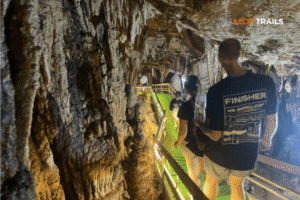


Thúy Kiều is a travel blogger and content contributor for Loop Trails Tours Ha Giang. She holds a bachelor’s degree in Sustainable Tourism from Vietnam National University, Hanoi, and has a strong passion for exploring and promoting responsible travel experiences in Vietnam’s northern highlands.
Riding the Ha Giang Loop solo might sound intimidating at first. You’re looking at mountain roads that twist higher than clouds, homestays where you might be the only foreigner, and four days on a motorbike through one of Vietnam’s most remote regions. But here’s what I learned after doing this route alone and talking to dozens of other solo travelers: Ha Giang Loop is actually one of the best places in Southeast Asia to travel by yourself.
The Loop has this unique setup where you’re technically solo, but you’re never really alone unless you want to be. Every bend in the road brings another traveler, every homestay turns into an instant friend group, and the locals are so used to seeing backpackers that they’ve perfected the art of making solo travelers feel welcome. Whether you’re a first-timer nervous about riding alone or a seasoned solo traveler looking for your next adventure, this guide covers everything you need to know.
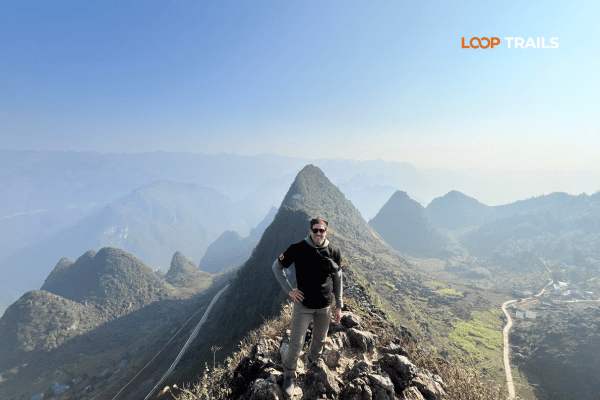
Learn more: Ha Giang Loop Tours
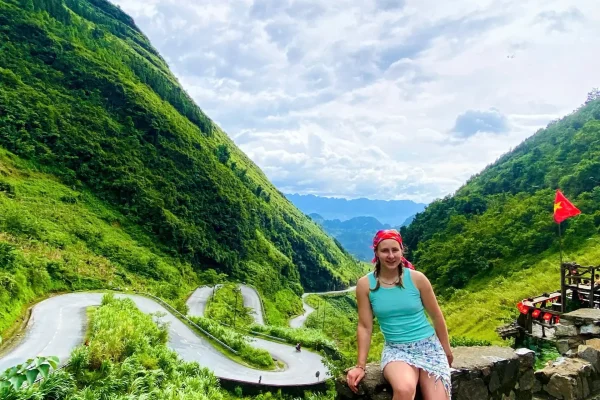
Learn more: Choosing the Right Tour Type for Solo Travel
I’ve traveled solo in over 20 countries, and Ha Giang ranks among my top three experiences for going it alone. There are specific reasons this place works so well for solo adventurers.
The Loop doesn’t force you into rigid schedules. Want to spend an extra 30 minutes photographing rice terraces near Quan Ba? Your Easy Rider waits. Need to skip the waterfall swim because you’re exhausted? No group pressure. Most tours run in small groups of 4-8 people maximum, and even the structured itineraries have built-in flexibility for personal preferences.
Self-drive gives you even more control. I met a German solo traveler who spent three hours in Dong Van market just talking to vendors and trying street food. His schedule, his choice. The homestays are used to people arriving at different times, so there’s no stress about being “that person” who holds everyone up.
This might be Ha Giang’s biggest advantage for solo travelers. You can book an Easy Rider tour and automatically have a group of 4-8 fellow travelers plus a guide. Or you can rent a motorbike and ride completely alone. Or—and this is what many people do—start solo and naturally merge with other riders along the way.
The route is linear enough that you keep seeing the same faces. That Australian girl you met at breakfast in Yen Minh? You’ll probably have dinner together in Dong Van. The couple from France who helped you fix your bike? They’re staying at the same homestay in Du Gia. Solo doesn’t mean isolated here.
Solo travel often means paying single supplements or splitting nothing. Ha Giang works differently. Easy Rider tours charge per person whether you’re solo or in a group. Dorm beds at the starting hostel cost the same regardless. Even homestays rarely charge extra for solo travelers since you’re sharing communal spaces anyway.
A 3-day Easy Rider tour costs 4,390,000 VND per person. That’s it. No hidden solo fees. Self-drive is even cheaper at 3,590,000 VND. Compare that to other destinations where solo travelers pay 150-200% of the group rate, and Ha Giang becomes one of the most economical adventure trips you can do alone.
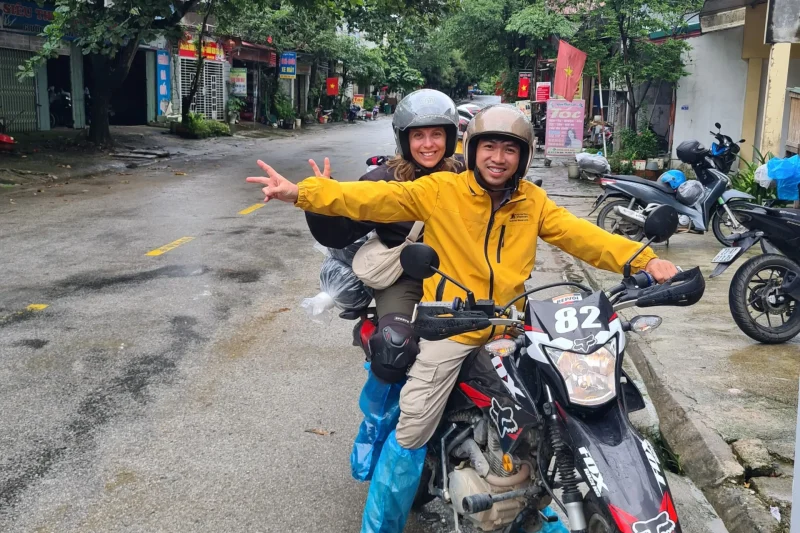
Learn more: Ha Giang Loop Easy Rider
Let’s break down what each option actually means for solo travelers, because the terminology can get confusing.
You ride on the back of a motorbike driven by a local guide called an Easy Rider. This is the most popular choice for solo travelers, especially first-timers or anyone nervous about mountain riding.
Your Easy Rider handles all the navigation, knows every photo stop, speaks English well enough to explain what you’re seeing, and takes care of mechanical issues. You just sit back, take photos, and chat with other travelers during breaks. Most solo travelers end up in groups of 4-8 people with their own Easy Riders, creating an instant travel crew.
The social aspect is built-in. You’ll eat meals together, share homestay rooms, and probably exchange Instagram handles by day two. I’ve seen lifelong friendships form on these tours. The price for a 3-day Easy Rider tour is 4,390,000 VND, which includes your guide, accommodation, all meals, and activities.
You rent a motorbike and ride it yourself, but you’re still part of an organized tour with a lead guide and support vehicle. This is the middle ground between independence and structure.
Self-drive works well for solo travelers who have basic motorbike experience and want more control, but who also appreciate having a guide leading the way and a backup vehicle carrying luggage. You ride at your own pace within the group, stop for photos when you want, but you’re not navigating alone.
The 3-day self-drive tour costs 3,590,000 VND, about 800,000 VND less than Easy Rider. You’re still part of a group, you still eat and sleep together, but you’re physically riding your own bike. It’s a good option if you want some independence without going completely solo.
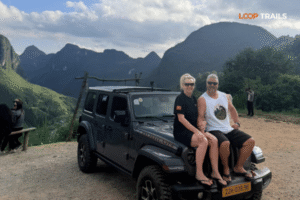
Jeeps make sense for solo travelers in specific situations: you don’t ride motorbikes, you’re traveling during rainy season, or you want extra comfort on a tighter timeframe. Jeep tours run 3-4 days and include a driver, so you can relax and focus entirely on scenery and photography.
The catch? Jeep tours are priced by vehicle, not per person. Solo travelers pay for the whole jeep unless they can find others to split costs. A 3-day jeep tour starts at 8,990,000 VND for one person, but drops to 8,495,000 VND per person if two people share. Check with your hostel—they often match solo travelers looking to split jeep costs.
Here’s what actually happens: most “solo” travelers on Ha Giang join organized tours and become part of temporary groups. True solo riding—where you rent a bike, navigate yourself, and book your own homestays—is less common and requires more experience.
If you want complete independence, you can rent a motorbike in Ha Giang and ride without any tour structure. You’ll need good navigation skills, some Vietnamese phrases or translation apps, and comfort handling bike problems yourself. The roads are well-traveled enough that you’ll meet other riders, but you’re responsible for your own route and accommodation.
Most first-time solo travelers choose Easy Rider or self-drive tours. You get the social benefits and safety net of a group while still experiencing the adventure independently.
Learn more: Ha Giang Loop 3 Days 2 Nights
Safety concerns are valid. You’re talking about mountain roads, foreign country, potential language barriers, and several days away from major cities. Let’s address the real risks and how to manage them.
The roads themselves are the main safety factor. Ma Pi Leng Pass is genuinely challenging—narrow lanes, sharp drops, and sections where one mistake matters. But thousands of solo travelers complete the Loop safely every year by following some basic rules.
If you’re on an Easy Rider tour, your guide handles the risky sections. They’ve ridden these roads hundreds of times and know where to slow down. If you’re self-driving, stay within your skill level. The lead guide will brief you on dangerous sections before you reach them.
Weather changes everything. Morning fog can reduce visibility to 20 meters on mountain passes. Rain makes the roads slippery, especially on the sections near Dong Van and Meo Vac. If conditions look sketchy, wait it out or let your Easy Rider take over. No photo is worth a hospital visit.
Most accidents happen from overconfidence, not lack of skill. The scenery is distracting, and it’s easy to drift toward the edge while looking at views. Keep your eyes on the road during the actual riding, stop properly for photos.
Learn more: Ha Giang Loop 2 Days 1 Night
I’ll be direct: Ha Giang is very safe for solo female travelers. The northern Vietnamese culture is conservative and respectful. Local homestay families treat solo women like daughters or sisters. Harassment is rare compared to other Southeast Asian destinations.
That said, use normal travel sense. The homestays are communal—you’ll likely share a room with other travelers, which most solo women actually prefer for the social aspect. If you’re uncomfortable with the sleeping arrangements, speak up. Homestay owners are accommodating and can usually arrange alternative setups.
At night, stay with your group. The villages are small and dark, and while they’re safe, there’s no reason to wander alone after dinner. Most evenings involve group dinners, local rice wine, and hanging out together anyway.
During the day on Easy Rider tours, you’re literally attached to your guide on the bike. On self-drive tours, you’re riding in a group with support vehicles. You’re never truly isolated.
Ha Giang has fewer scams than other Vietnamese tourist areas, but a few things to watch for:
Motorbike rental damage scams exist but are less common here than in places like Hanoi. Take photos of every scratch and dent before leaving. Record a video walking around the bike while the owner is present. Reputable tour companies don’t pull this trick, but if you’re renting independently, protect yourself.
Some independent riders report surprise charges at homestays—suddenly the agreed price doesn’t include dinner or breakfast. Get everything in writing or confirmed via message. Organized tours include all meals, so this isn’t an issue if you book properly.
Overcharging at markets and restaurants happens occasionally. If you’re buying snacks or souvenirs in tourist areas like Dong Van market, prices might be inflated. A bottle of water shouldn’t cost more than 10,000-15,000 VND. Street food should be under 50,000 VND. If numbers seem wild, politely walk away.
The biggest “scam” isn’t malicious—it’s miscommunication about what’s included in tour prices. Always confirm whether your tour price includes the sleeper bus from Hanoi, whether dorm or private room is standard, and whether activities like the Ma Pi Leng Skywalk or Nho Que boat ride cost extra. Legitimate companies are transparent about this.
Ha Giang City has hospitals, but once you’re in the mountains, medical facilities are basic. Bring a first-aid kit with bandages, antiseptic, pain relievers, and any prescription medications you need.
Your tour company should provide emergency contacts. Save these numbers plus Vietnam’s emergency services (113 for police, 115 for ambulance). Most Easy Riders carry basic first-aid supplies and know where the nearest clinics are along the route.
Travel insurance that covers motorbike riding is essential. Standard policies often exclude motorbike accidents, so read the fine print. You’ll want coverage that includes medical evacuation if something serious happens.
The actual risk is low—most injuries are minor scrapes from small spills, not major accidents. But being prepared means you can relax and enjoy the trip.
Learn more: Ha Giang in September & October
Timing affects everything from road conditions to social opportunities. Here’s what to expect throughout the year.
September to November is peak season and generally the best time for solo travelers. The weather is cool and dry, perfect for riding. Rice terraces turn golden in late September and October, creating the iconic landscapes you see in photos. The downside? This is when everyone else goes too.
December to February brings cold weather—genuinely cold. Temperatures in the mountains can drop to 5-10°C at night. You’ll need proper layers, and some homestays have limited heating. But the skies are usually clear, the roads are less crowded, and you get incredible visibility for photos. Solo travelers who don’t mind the cold often prefer this time for the peaceful atmosphere.
March to May is beautiful but unpredictable. You might get perfect sunny days or sudden rain. The landscape is green and fresh, flowers bloom across the valleys, and temperatures are comfortable. This is a good shoulder season for solo travelers who want fewer crowds without the peak-season prices.
June to August is monsoon season. Rain is frequent, roads can be slippery, and fog rolls in unpredictably. Some tour companies reduce operations or switch to jeeps. Solo travelers with flexible schedules should avoid these months unless they’re experienced with wet-weather riding.
Here’s the solo traveler paradox: you want solitude, but you also want to meet people. Ha Giang’s crowd levels directly affect your social opportunities.
October is packed. Hostels are full, tours are booked weeks ahead, and every viewpoint has 20 motorbikes. But this also means you’ll definitely meet other travelers. Solo travelers who want guaranteed social interaction should book for October.
January and February are quieter. You might be the only foreigner at a homestay some nights, which sounds lonely but often leads to deeper interactions with local families. You’ll still meet other travelers—the Loop always has people—but it’s not the automatic party atmosphere of peak season.
For the best balance, consider late September or early November. You get decent weather, beautiful scenery, and enough travelers to form connections without the overwhelming crowds.
Dry season (October to April) offers the best and safest road conditions. The asphalt is clean, visibility is good, and rockslides are rare. This matters more for self-drive solo travelers who need to navigate independently.
Rainy season roads are trickier. Mudslides can temporarily block sections near Dong Van and Meo Vac. Water crosses the road in some areas. Visibility drops. If you’re solo and not confident in these conditions, either choose Easy Rider tours where the guide handles it, or reschedule for dry season.
Winter roads are usually fine, but watch for morning ice on shaded sections of high passes. The road surface doesn’t always dry out overnight when temperatures drop. Locals know which sections get icy and will warn you.

Learn more: What Solo Travelers Need to Know
Good planning makes the difference between a smooth solo trip and a stressful one. Let’s cover the essentials.
The 3-day, 2-night loop is the most popular for solo travelers. It covers all the major highlights—Ma Pi Leng Pass, Dong Van, Meo Vac, Du Gia—without feeling rushed. You spend enough time at each location to actually experience it, not just take photos and leave.
The 2-day, 1-night version exists but feels compressed. You’ll see Ma Pi Leng and Dong Van, but you miss Du Gia waterfall, Lung Tam village, and some of the quieter moments that make the Loop special. Solo travelers often regret choosing this option because the rushed pace limits opportunities to connect with other travelers and absorb the experience.
The 4-day, 3-night loop is perfect if you have time. The extra day includes Lung Khuy Cave, Lung Cu Flag Tower, Lo Lo Chai village, and a more relaxed pace overall. Solo travelers love this version because the smaller daily distances mean more time to chat with locals, explore villages, and not feel like you’re constantly on the move.
My recommendation for first-time solo travelers? Choose 3 days minimum. It’s enough time to properly experience the Loop without feeling rushed, and you’ll have multiple evenings to bond with your travel group.
Learn more: Ha Giang Sleeper Bus
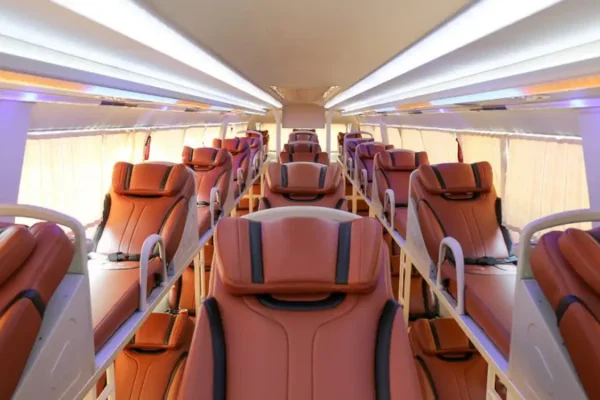
Most solo travelers take the night sleeper bus from Hanoi to Ha Giang. It’s the practical choice—you sleep during the six-hour journey and wake up ready to start your tour.
Sleeper buses leave Hanoi around 9-10 PM and arrive in Ha Giang around 3-4 AM. Yes, that’s early. Most tour companies arrange for you to rest at their hostel until breakfast time. You’re not expected to start riding at 4 AM.
Booking the bus is usually easiest through your tour company. They know the reliable operators and can arrange pickup from your Hanoi accommodation. Prices range from 250,000-350,000 VND one-way depending on bus quality.
Some solo travelers take day buses, arriving in Ha Giang the afternoon before their tour starts. This gives you time to explore Ha Giang City, get a proper night’s sleep, and start fresh the next morning. It’s worth considering if you don’t sleep well on buses or want to adjust to the area before beginning the Loop.
Private cars and motorbike riders from Hanoi are options but less common for solo travelers due to cost and time.
You need a permit to travel in certain areas of Ha Giang near the Chinese border. Tour companies handle this automatically—they collect your passport details and arrange the permits as part of your booking.
If you’re riding completely independently, you’ll need to get the permit yourself. This involves going to the Ha Giang immigration office with your passport and basic information. The process takes 30-60 minutes and usually costs around 10,000-20,000 VND. It’s not complicated, but it’s easier to let a tour company handle it.
You also need a valid motorbike license to legally drive in Vietnam. International Driving Permits (IDP) are technically required for foreigners. Enforcement is inconsistent—many travelers ride without proper licensing—but if you’re in an accident without the right documents, insurance won’t cover you.
Solo travelers should protect themselves. Get an IDP before leaving your home country if you plan to self-drive. If you’re on an Easy Rider tour, your guide has the proper licenses.
Let’s talk real numbers for a 3-day Ha Giang Loop as a solo traveler:
Easy Rider Tour (3 days/2 nights): 4,390,000 VND (~$180 USD)
Self-Drive Tour (3 days/2 nights): 3,590,000 VND (~$147 USD)
Sleeper Bus Hanoi-Ha Giang (round trip): 500,000-700,000 VND (~$20-28 USD)
Extras and miscellaneous:
Total for solo traveler: approximately 5,500,000-6,000,000 VND (~$225-245 USD) for the complete experience with Easy Rider tour.
This assumes you’re staying in dorm beds at the starting hostel (usually included in tour price) and sharing rooms at homestays (standard arrangement). If you want private accommodation throughout, budget an extra 500,000-1,000,000 VND.
The beauty for solo travelers? These prices don’t change whether you’re alone or with friends. You’re not being penalized for traveling solo.
Learn more: Ha Giang Loop Itinerary
Different tour styles suit different solo traveler personalities. Let’s get specific about which option fits your situation.
Easy Rider eliminates most solo travel anxiety. You’re not navigating, not managing mechanical problems, not wondering if you’re going the right direction. Your guide knows the route intimately, speaks English, and acts as a cultural bridge between you and the local communities.
For first-time visitors to Vietnam or first-time motorbike passengers, Easy Rider is the obvious choice. You can focus entirely on the experience—the landscapes, the people, the photos—without the cognitive load of controlling a bike on unfamiliar roads.
The social structure works brilliantly for solo travelers. Easy Rider tours naturally create groups of 4-8 people who spend three days together. You’ll form a tight bond with these people. I’ve seen solo travelers exchange numbers on day one and make plans to meet up in Hanoi, Hoi An, or even their home countries months later.
Your Easy Rider becomes more than a driver. They’re your photo assistant, your restaurant guide, your translator, and often your friend. Many riders keep in touch with their Easy Riders for years after the trip.
The 4,390,000 VND price for a 3-day Easy Rider tour represents excellent value for solo travelers when you factor in what’s included and the experience quality.
Learn more: Ha Giang Motorbike Rental
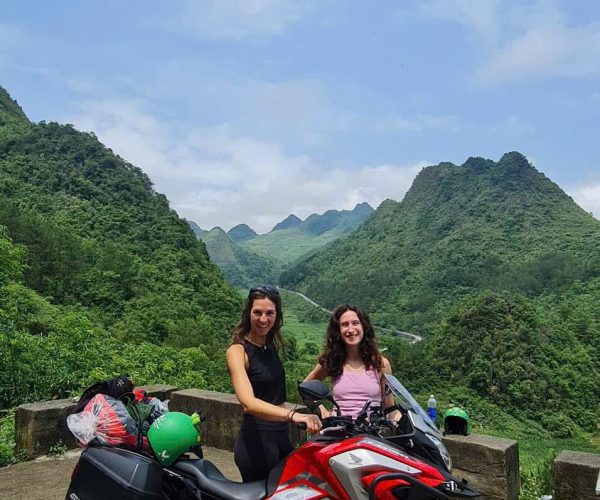
Self-drive gives you control. You decide when to stop for photos, how fast to ride, when to take breaks. For solo travelers who love motorbikes and want that hands-on experience, self-drive delivers.
The challenge is managing the bike yourself. You need basic mechanical knowledge—how to check oil, what to do if the chain comes loose, how to handle minor fixes. The support vehicle carries tools and spare parts, and the lead guide will help, but you should be comfortable with basic bike troubleshooting.
Self-drive solo travelers often report that it’s the most “adventurous” option. You’re actively engaged in the riding, not just observing. When you crest Ma Pi Leng Pass on your own bike, there’s a sense of accomplishment that passengers don’t quite get.
The social dynamic is slightly different from Easy Rider tours. You’re more spread out during the day—some riders are faster, some slower—but you still gather for meals and accommodation. Solo travelers who want both independence and social interaction often find this balance perfect.
At 3,590,000 VND for 3 days, it’s also the most budget-friendly organized option. You save about 800,000 VND compared to Easy Rider.
Learn more: Ha Giang Loop by Jeep
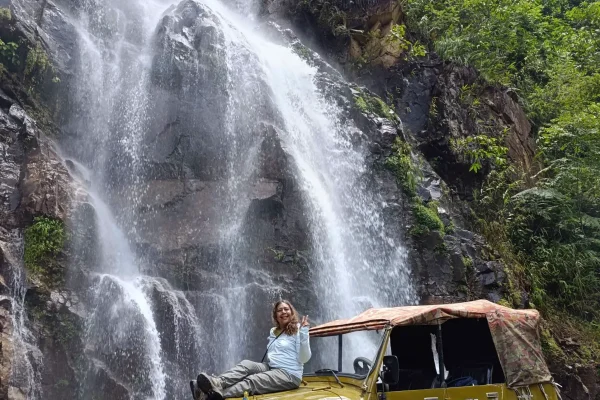
Jeeps make sense for specific solo traveler situations. If you don’t ride motorbikes and don’t want to learn, a jeep tour lets you experience Ha Giang Loop without the riding component.
Jeeps are also the smart choice during marginal weather. October and November can bring unexpected rain, and if you’re nervous about riding in wet conditions, a jeep gives you comfort and safety. The windows stay dry, you can bring more luggage, and you’re protected from the elements.
The cost structure is the challenge for solo travelers. Jeep tours are priced by vehicle, not per person. For 3 days, you’re looking at 8,990,000 VND for one person, 16,990,000 VND for two (8,495,000 VND each), and 19,990,000 VND for three (6,663,333 VND each).
If you’re booking a jeep solo, check with your hostel or tour company about joining other travelers. They often have other solo travelers looking to split jeep costs, especially during peak season. You end up with the comfort of a jeep at a price similar to or only slightly more than an Easy Rider tour.
Jeeps also work for solo travelers with mobility issues or injuries that prevent riding. You still experience the full Loop, all the viewpoints, all the homestays—you’re just in a more comfortable vehicle.
Learn more: What need to pack for Ha Giang Loop
Packing smart matters more when you’re solo. You don’t have travel companions to borrow from if you forget something.
Layers are everything. Mountain temperatures can swing 15-20 degrees between morning and afternoon. You might start the day at 12°C and finish at 28°C.
Bring:
Leave at the hostel:
If you’re traveling during winter months (December-February), add:
The tour company provides helmets, but bring your own if you have specific safety preferences. Rental helmets are typically half-face style, which is standard in Vietnam but offers less protection than full-face helmets.
Your tour company provides basic safety equipment, but solo travelers should consider bringing:
If you wear prescription glasses, bring a backup pair. Losing or breaking your only pair on day one of a three-day trip is miserable.
Phone service is decent along most of the Loop, but there are dead zones in the mountains. Download offline maps before leaving Ha Giang City. Google Maps works well for this route.
Bring:
Consider leaving behind:
Some homestays have wifi, but don’t count on it. Think of the Loop as a partial digital detox. Solo travelers often report this as one of the trip’s unexpected benefits.
Solo travelers tend to overpack. You’re carrying everything yourself, and space on motorbikes is limited.
Don’t bring:
Pack everything in a backpack, not a wheeled suitcase. You’ll need to carry your bag up stairs at homestays, and backpacks are easier to secure on motorbikes.
Learn more: Ha Giang Loop by Motorbike and Jeep
Let’s walk through a typical 3-day Easy Rider tour from a solo traveler’s perspective. This gives you realistic expectations for pacing, social opportunities, and daily highlights.
Morning (8:00-12:00): After breakfast at Loop Trails Hostel, you’ll meet your group and Easy Riders. This is slightly awkward—everyone’s sizing each other up, being polite but reserved. By the time you reach Heaven’s Gate (about 90 minutes in), the ice breaks. Someone makes a joke about their helmet hair, everyone laughs, and suddenly you’re a group.
The riding is gentle on day one. Bac Sum Pass and Quan Ba are beautiful but not technically challenging. You’ll stop frequently for photos, which gives natural opportunities to chat with other travelers. “Where are you from?” turns into “How long have you been traveling?” which becomes actual conversation.
Lunch in Yen Minh (12:30-13:30): This is when group dynamics start forming. You’ll discover who’s vegan, who’s been traveling for six months, who’s terrified of motorbikes but doing it anyway. Solo travelers often find their “Loop friend” during this lunch—the person they’ll spend the next three days talking to most.
Afternoon (14:00-17:00): The section to Dong Van includes Tham Ma Pass and Lao Sa village near the Chinese border. Your Easy Rider will point out landmarks and explain cultural details. You’re processing a lot—landscape, culture, the physical experience of being on a motorbike for hours. It’s stimulating without being overwhelming.
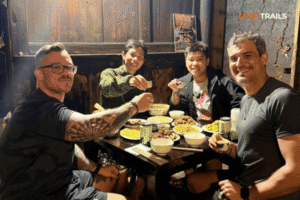
Evening at Dong Van Homestay (17:00-21:00): This is where solo travel on the Loop really shines. Everyone arrives tired but energized. You’ll shower (usually cold water, FYI), then gather for dinner. The homestay family serves food family-style—big plates of rice, vegetables, meat, and soup that everyone shares.
After dinner comes the social time: local rice wine, card games, sharing travel stories. This is when solo travelers realize they’re not actually solo anymore. You’ve got your temporary family for the next few days.
Homestays are where solo travelers form their deepest connections—both with other travelers and with local families.
The setup is communal. You’ll share a room with 4-8 other travelers (separated by gender typically), sleeping on mattresses on the floor or in simple beds. Bathrooms are shared. It sounds basic, and it is, but this simplicity creates intimacy. There’s no hiding in your private hotel room. You’re all in it together.
Solo travelers consistently report that homestay evenings are their favorite part of the Loop. The conversations go deeper than typical hostel chat. You’re in the mountains, away from distractions, experiencing something challenging and beautiful together. People open up.
The local families are warm but not intrusive. They’ll teach you drinking games with rice wine, show you how they cook, and laugh when you attempt Vietnamese phrases. But they also give you space. It’s a perfect balance for solo travelers who want cultural immersion without feeling obligated to entertain hosts all evening.
Many solo travelers exchange contacts with homestay families and stay in touch. I know people who’ve returned to Ha Giang specifically to visit their homestay family from years before.
Even on group tours, you’ll have solo time. Early mornings before everyone wakes up. Late afternoons when some people nap and others explore. The periods between scheduled activities.
These moments are valuable. You can journal, read, take solo walks through villages, or just sit and watch rural life unfold. Solo travelers who embrace these quiet periods report feeling more satisfied with the trip than those who need constant group interaction.
The Loop’s pace naturally includes downtime. After 5-6 hours on a motorbike, most people want to rest before dinner. Use this time however you need—social energy recharge, reflection, or deeper exploration.
If you’re feeling lonely during solo moments, you’re rarely more than 20 feet from another traveler. Walk to the common area, and you’ll find someone else who also wanted company.
Learn more: Loop Trails Hostel
For solo travelers worried about making friends, Ha Giang offers multiple natural connection points.
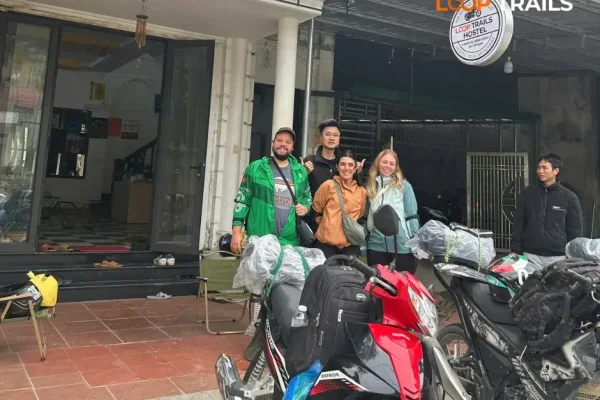
Loop Trails Hostel (and other starting points) have strong hostel culture. There’s a common area where travelers hang out before and after tours, sharing stories and advice. Many solo travelers arrive a day early just to meet people and possibly form a group.
The hostel can also connect solo travelers looking to join forces. If you want to split the cost of a private room at homestays or organize a jeep tour with other solo travelers, the hostel staff can help arrange this.
Easy Rider and self-drive tours naturally create groups of 4-8 people. This size is perfect—small enough for everyone to get to know each other, large enough for varied perspectives and personalities.
Group dynamics usually settle within the first day. You’ll have the experienced traveler, the nervous first-timer, the photographer who stops constantly, the social butterfly who talks to every local. Solo travelers find their place in this mix organically.
Most groups stay loosely in touch after the Loop. Instagram follows, WhatsApp groups, promises to meet in the next city. Some of these connections fade, but others become genuine travel friendships.
Beyond your immediate tour group, you’ll often share homestays with other tour groups. A homestay might host 20-30 people on busy nights, all eating dinner together in the communal area.
This creates serendipitous connections. You’ll meet travelers on different itineraries, different tour companies, different routes. Solo travelers benefit from this cross-pollination of experiences and recommendations.
The shared meals are particularly social. You’re passing food, asking for translations of dish names, comparing experiences from the day. Even shy solo travelers find these meals relatively easy to navigate socially.

Learn more: Do you need a motorbike license
Let’s be honest about the difficulties and how to handle them.
Most Easy Riders speak functional English—enough to explain viewpoints, translate menus, and handle logistics. But at homestays and in small villages, English is limited.
Solo travelers can manage this with:
The language barrier rarely causes serious problems. You might order a dish you didn’t expect or misunderstand directions, but these moments become funny stories later.
On Easy Rider tours, mechanical problems aren’t your concern. Your guide handles everything. On self-drive tours, you might face a flat tire, chain issues, or other minor problems.
The support vehicle carries tools and spare parts. The lead guide will help or call for backup if needed. But solo travelers should learn basic troubleshooting before the trip:
Most “mechanical issues” on the Loop are actually just bikes that need minor adjustments—tightening a mirror, adjusting a seat, refilling petrol. These are quick fixes that your guide or other riders can help with.
Serious breakdowns are rare and almost always result in the support vehicle providing a replacement bike within an hour.
Some solo travelers hit a lonely moment—usually on day two, often in the late afternoon. You’re far from home, surrounded by people speaking languages you don’t understand, and the novelty has worn off slightly.
This is normal and temporary. Here’s how solo travelers handle it:
The Loop’s rhythm usually prevents extended loneliness. You’re too busy during the day, and evenings are too social. The moments of feeling alone are brief and manageable.
Solo travelers face the classic problem: who takes photos of you? You don’t want an entire trip of selfies and landscapes without any proof you were there.
Solutions:
Don’t be shy about asking for photos. Everyone understands, and most people are happy to help. By day two, your group will be naturally taking photos of each other without even asking.

Learn more: Ha Giang Loop Cost & Tips
Let’s get detailed about what things actually cost.
3-Day Easy Rider Tour: 4,390,000 VND includes:
3-Day Self-Drive Tour: 3,590,000 VND includes:
NOT included in standard tour prices:
“Hidden” might be too strong, but here are costs solo travelers sometimes don’t anticipate:
Drinks and Snacks: Water and tea are included at meals, but if you want beer, soft drinks, or coffee, expect to pay. Budget 20,000-40,000 VND per drink. Snacks from roadside shops cost 10,000-30,000 VND.
Upgraded Accommodation: The standard tour price includes dorm beds at the starting hostel and shared rooms at homestays. If you want a private room at the hostel (limited availability), it’s usually 150,000-300,000 VND per night. Private rooms at homestays are rarely available but cost around 100,000-200,000 VND extra when they are.
Activity Upgrades: Most activities are included, but some optional extras cost money. The Nho Que River boat ride is sometimes included, sometimes 50,000-100,000 VND extra depending on tour company. Confirm what’s included when booking.
Souvenirs and Handicrafts: Lung Tam linen village, Dong Van market, and various stops have beautiful handicrafts. If you’re a shopper, budget accordingly. Quality items range from 50,000 VND for small items to 500,000+ VND for larger pieces.
Emergency Cash: Bring extra beyond your estimated budget. ATMs exist in Ha Giang City but not in the mountains. If you need emergency money for any reason, you’ll want cash on hand.
Save money on:
Worth splurging on:
Don’t waste money on:
The total cost for a solo traveler doing a 3-day Easy Rider tour with round-trip bus and reasonable extra spending: around 5,500,000-6,500,000 VND ($225-265 USD). This is exceptional value for one of Southeast Asia’s best adventure experiences.
Learn more: Ha Giang Loop Self-Driver
How and when you book affects your experience significantly.
Peak season (September-November): Book 2-4 weeks in advance. Tours fill up, especially during October when the rice terraces are golden. Solo travelers booking last-minute might end up on tours that don’t match their preferences or having to wait for space.
Shoulder season (March-May, December-February): 1-2 weeks advance booking is usually sufficient. You’ll have good availability and can choose between multiple tour options.
Low season (June-August): You can often book just days in advance. Some tour companies reduce operations during heavy monsoon periods, so confirm availability, but you won’t struggle to find spots.
For solo travelers with flexible schedules, booking from Ha Giang itself is possible during shoulder and low season. You can visit tour companies, see the bikes and facilities, meet the staff, and book directly. This gives you maximum information before committing.
Not all tour companies are equal. Solo travelers should research carefully since you’re trusting this company with your safety and experience.
Good signs:
Red flags:
Loop Trails operates with transparency around pricing, maintains quality bikes, and has a physical hostel location where you can verify everything before committing. This is the standard you should expect from any tour company.
Solo travelers should ask these questions explicitly:
Legitimate tour companies answer these questions clearly and patiently. If you feel rushed or if answers are vague, consider other options.
Learn more: Ha Giang Cao Bang 5 Days
The Loop often leaves solo travelers energized and wanting more adventure. Here’s what makes sense as next destinations.
The Ha Giang-Cao Bang combination tour runs 5 days and 4 nights, adding Ban Gioc Waterfall, Nguom Ngao Cave, and additional minority villages to your itinerary. For solo travelers who loved the Ha Giang Loop and have time, this extension is absolutely worth it.
Ban Gioc is spectacular—one of the largest waterfalls in Southeast Asia, shared between Vietnam and China. The route from Meo Vac to Cao Bang includes passes and landscapes different from the main Ha Giang Loop, so it doesn’t feel repetitive.
The social dynamic continues. If you loved your group from the Ha Giang portion, many will extend to Cao Bang too. If you need new people, you’ll meet travelers who started their tour in Cao Bang and are joining for the combined route.
Prices for the 5-day Easy Rider tour start at 10,990,000 VND. It’s a significant time and money commitment, but solo travelers consistently rate it as one of Vietnam’s best multi-day experiences.

Learn more: Ha Giang Loop Map
After Ha Giang, most solo travelers head to:
Hanoi: The capital city offers history, food tours, and the chance to rest after the Loop’s physical demands. It’s also a major transport hub for reaching other destinations.
Sapa: Another mountain destination, but very different from Ha Giang. Sapa has more trekking, more developed tourism infrastructure, and different ethnic minority groups. Solo travelers who loved Ha Giang’s mountains often enjoy Sapa next.
Ninh Binh: Often called “Ha Long Bay on land,” Ninh Binh offers limestone karsts, river tours, and ancient temples. It’s quieter than Ha Long and works well for solo travelers wanting peaceful exploration after the Loop’s intensity.
Phong Nha-Ke Bang: Cave exploration in central Vietnam. Solo travelers interested in adventure continue their outdoor theme with caving tours ranging from easy walks to multi-day expeditions.
Hoi An: The ancient town offers cultural experiences, beach access, and excellent food. Many solo travelers use Hoi An as a rest destination after the physical exertion of Ha Giang.
The Ha Giang Loop often becomes a reference point for the rest of your Vietnam trip. Other experiences get compared to it, and many solo travelers report that Ha Giang remains their highlight even after exploring the entire country.
Yes, Ha Giang is very safe for solo female travelers. The local culture is conservative and respectful, and harassment is rare. You’ll share homestay rooms with other female travelers, and tour groups provide safety in numbers. Use normal travel precautions and you’ll be fine.
Absolutely. Easy Rider tours require zero motorcycle experience—you ride as a passenger. For self-drive tours, basic scooter experience is helpful but extensive motorcycle skills aren’t necessary since you’ll have a lead guide and support vehicle.
Easy Rider and self-drive tours automatically place you in groups of 4-8 travelers. You’ll also meet people at the starting hostel, during meals, and at homestays. The Loop’s structure naturally facilitates social connections.
Easy Rider means you’re a passenger on the back of a bike driven by a local guide. Self-drive means you rent and ride your own bike but still follow a lead guide. Easy Rider is better for first-timers and costs about 800,000 VND more for a 3-day tour.
Yes, absolutely. Standard travel insurance often excludes motorbike coverage. Get a policy that specifically covers motorcycle riding, including medical evacuation if needed. This is non-negotiable for both Easy Rider passengers and self-drive riders.
Tipping is optional but appreciated. Most solo travelers tip 200,000-500,000 VND depending on service quality and trip length. For self-drive tours, 100,000-200,000 VND for the lead guide is common. Cash tips at the end of the tour work best.
Most homestays have electricity and charging points, but bring a portable power bank as backup. Some remote locations have limited or intermittent power. Plan for 4-6 hours of phone use per day without reliable charging.
Tours run in most weather conditions. Light rain won’t stop the tour, but heavy storms might delay departure or modify the route. Your guide makes these decisions for safety. If conditions are genuinely dangerous, reputable tour companies reschedule rather than risking safety.
Yes, tour companies accommodate vegetarians easily. Inform them when booking. Vietnamese cuisine has excellent vegetarian options, and homestays prepare separate vegetarian meals when notified in advance. Vegans should communicate needs clearly as it’s slightly more complex.
Sometimes, depending on availability. If you’re on a 3-day tour and want to extend to 4 days, ask your guide on day one. They’ll check if the 4-day itinerary group has space and quote pricing for the extra day. Book the length you want from the start when possible.
Vietnamese SIM cards are cheap (around 100,000-200,000 VND) and provide better coverage than international roaming in mountain areas. Buy one in Hanoi or Ha Giang City before starting your tour. Service is decent along most of the Loop but expect dead zones in remote sections.
Three days and two nights offers the best balance for first-timers. It covers all major highlights without feeling rushed, gives you enough time to bond with your travel group, and doesn’t require excessive time off work or budget. The 2-day version feels compressed, while 4 days is better for travelers with more time.
Contact information for Loop Trails
Website: Loop Trails Official Website
Email: looptrailshostel@gmail.com
Hotline & WhatSapp:
+84862379288
+84938988593
Social Media:
Facebook: Loop Trails Tours Ha Giang
Instagram: Loop Trails Tours Ha Giang
TikTok: Loop Trails
Office Address: 48 Nguyen Du, Ha Giang 1, Tuyen Quang
Address: 48 Nguyen Du, Ha Giang 1, Tuyen Quang
Facebook X Reddit Table of Contents Learn more: Ha Giang Loop Tours The Ha Giang Loop has a reputation problem with older
Facebook X Reddit Table of Contents The passes get the photos. The homestay nights get the stories. Ask anyone who’s done the