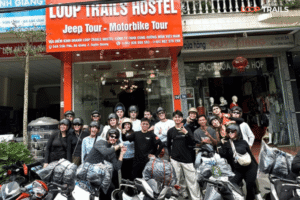


Thúy Kiều is a travel blogger and content contributor for Loop Trails Tours Ha Giang. She holds a bachelor’s degree in Sustainable Tourism from Vietnam National University, Hanoi, and has a strong passion for exploring and promoting responsible travel experiences in Vietnam’s northern highlands.
So you’ve been scrolling through Instagram, seen those insane photos of motorbikes winding through mountain passes that look like they belong in a fantasy novel, and now you’re wondering: can I actually do this?
Short answer: yes. Longer answer: it depends on what option you choose, how prepared you are, and whether you’re willing to trade a few creature comforts for what might be the most visually stunning experience of your Southeast Asia trip.
I’m not going to sugarcoat it. The Ha Giang Loop isn’t a walk in the park. But it’s also not as extreme as some travelers make it sound. This guide will walk you through everything you need to know before your first time on the loop, from choosing between an easy rider and going solo, to what actually fits in a motorbike bag (spoiler: less than you think).
Learn more: Ha Giang Loop Tours

Learn more: Ha Giang Loop Jeep Tour
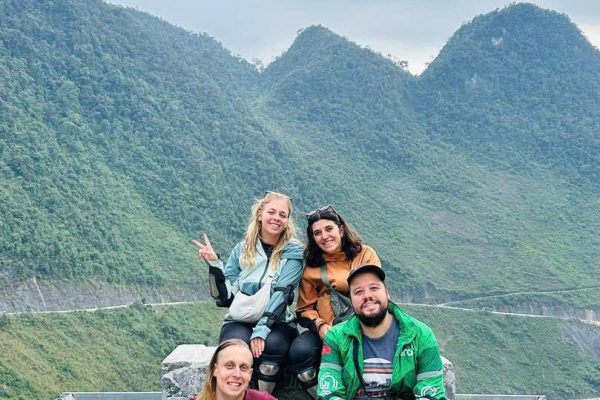
The Ha Giang Loop is a 300-350km motorbike route through Vietnam’s northernmost province, starting and ending in Ha Giang City. You’ll ride through the Dong Van Karst Plateau Geopark, past rice terraces that cascade down mountains like green staircases, through villages where the Hmong, Tay, and Lo Lo ethnic minorities still live in traditional wooden houses.
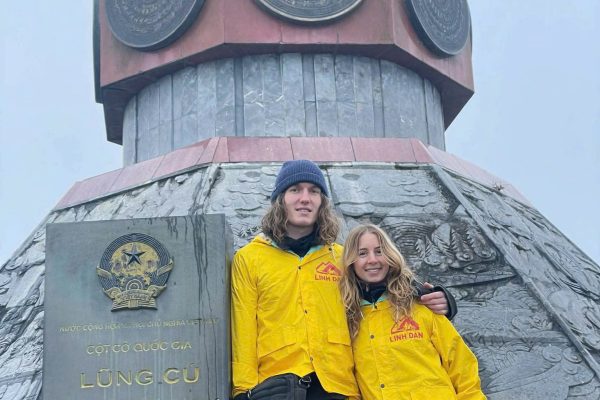
The loop takes you to Vietnam’s northernmost point at Lung Cu Flag Tower, along Ma Pi Leng Pass (consistently ranked as one of the world’s most dangerous roads), and through valleys so remote that you’ll sometimes ride for an hour without seeing another vehicle.
Why is everyone talking about it? Because it genuinely delivers. Most travel experiences get hyped beyond reality. The Ha Giang Loop somehow lives up to the hype. The roads are dramatic, the scenery changes every 20 minutes, and the cultural encounters feel authentic rather than staged for tourists.
But here’s what Instagram doesn’t show you: the roads can be rough, weather changes fast, and the infrastructure is basic. That’s part of the appeal, but it’s also why preparation matters.
Learn more: Ha Giang Loop 3 days 2 nights
You have three main options, and the one you pick dramatically changes your experience.
2 Days, 1 Night: This exists, but it’s a sprint. You’ll cover the highlights like Quan Ba Heaven Gate, Dong Van, and Ma Pi Leng Pass, but you’ll spend most of your time on the motorbike. Around 7-8 hours of riding per day. Only consider this if you’re genuinely short on time and have riding experience. You’ll miss spots like Lung Cu Flag Tower and won’t have time to explore villages on foot.
3 Days, 2 Nights: The sweet spot for most first-timers. You’ll see all the major highlights, have time to stop for photos without rushing, and still get decent rest each night. Riding time averages 5-6 hours per day with plenty of breaks. You’ll visit Quan Ba, Yen Minh, Dong Van, Ma Pi Leng Pass, and Du Gia waterfall.
4 Days, 3 Nights: The full experience. This gives you time to trek to Lung Khuy Cave, visit Lo Lo Chai village (one of the most photogenic spots on the loop), take a boat on Nho Que River, and explore the weaving village at Lung Tam. The pace is relaxed. You actually get to experience places instead of just ticking them off a list. Riding time is around 4-5 hours per day.
There’s also a 5-day Ha Giang to Cao Bang route if you want to extend into Ban Gioc Waterfall territory, but that’s a different beast entirely.
For your first time, I’d recommend the 3-day or 4-day option. The 2-day feels rushed. The 4-day gives you breathing room to handle unexpected weather or just to sit at a viewpoint for an extra 20 minutes when the light is perfect.
This is the question that stresses people out the most, so let’s break it down honestly.
Best for: First-time motorbike passengers, people who want to focus on scenery instead of navigation, anyone nervous about mountain roads, solo travelers who want built-in social interaction.
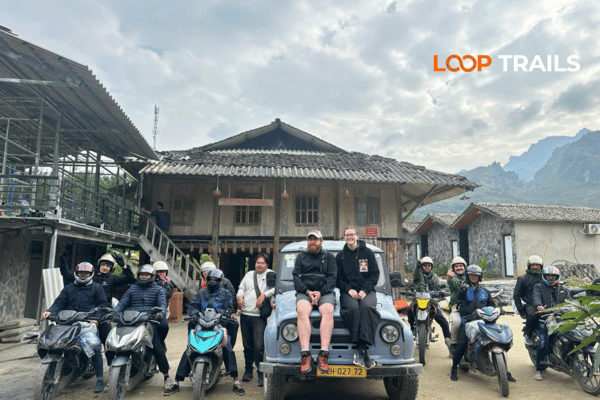
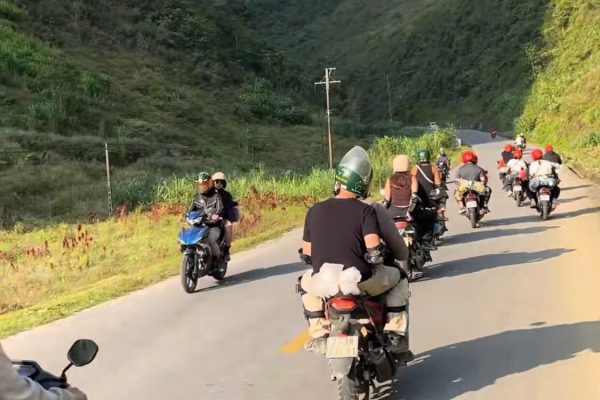
How it works: You sit on the back of a semi-automatic or manual motorbike driven by a local guide. Your guide handles all the riding, knows the roads, and typically shares stories about the area as you go.
Pros: Zero navigation stress, guides know the best photo spots, safer if you’re not confident on two wheels, you can actually look around instead of watching the road.
Cons: Less independence, you’re on someone else’s schedule, some guides speak limited English (though most know enough for basic communication).
Real talk: This is how most first-timers do it, and for good reason. The roads have sections that even experienced riders find challenging. Having someone who rides these passes weekly makes a difference.
Learn more: Ha Giang Loop Self-Driver Guide 2026
Best for: Experienced riders comfortable with manual or semi-automatic bikes, people who want complete freedom, those who’ve ridden in similar conditions before.
How it works: You rent a motorbike (usually XR150 or similar), follow a guide who rides ahead, and you’re responsible for your own bike.
Pros: Total freedom to stop whenever you want, sense of accomplishment, slightly cheaper than easy rider, great if you’re already a confident rider.
Cons: You need basic mechanical knowledge, mountain road experience helps enormously, physically tiring, you’re liable for bike damage.
Real talk: Don’t do this if your only riding experience is cruising around Bali on a scooter. The Ha Giang Loop has steep climbs, hairpin turns, loose gravel, and occasional livestock on the road. One guide told me they’ve seen travelers crash on day one because they overestimated their skills.
If you’re considering self-drive, ask yourself: Have I ridden a manual or semi-automatic bike before? Am I comfortable with mountain roads? Can I handle a bike if the road is wet or gravelly? If the answer to any of these is no, choose easy rider.
Best for: Families, couples who want comfort, people who don’t want to deal with motorbikes at all, anyone who gets motion sick on bikes, travelers with mobility concerns.
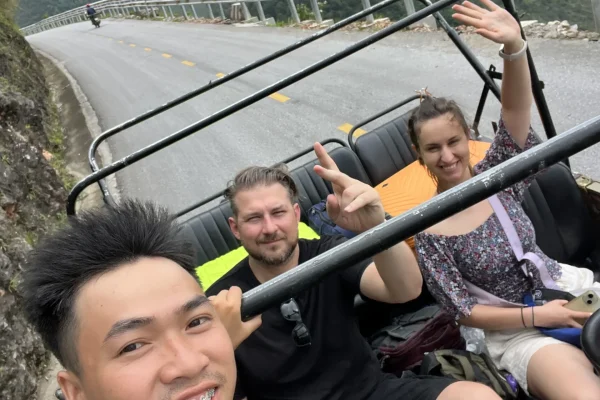
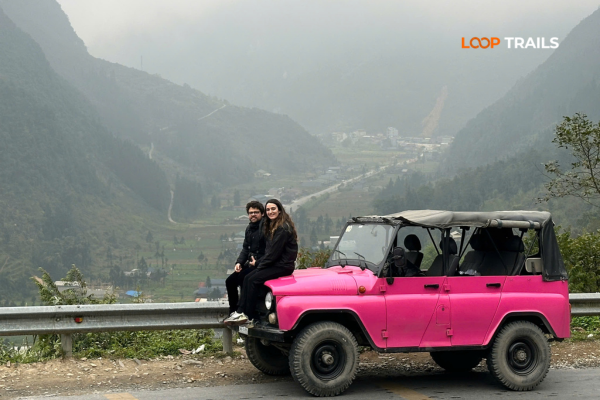
How it works: Small group (1-4 passengers) in a jeep driven by a guide. Same routes, same stops, just on four wheels instead of two.
Pros: Comfortable, safe, you can bring more luggage, great for conversation, no weather exposure.
Cons: More expensive per person for solo travelers, less of the “wind in your hair” feeling, you’re separated from the landscape by car windows.
Real talk: This is growing in popularity, especially with couples and small groups. You still see everything, you just see it differently. If motorbikes make you nervous or you’re traveling with someone who can’t ride, this is your answer.
If you’ve never ridden a motorbike or only have scooter experience: Easy Rider
If you’re a confident rider with mountain experience: Self-Drive
If you’re traveling with family or want maximum comfort: Jeep
If you’re solo and want to meet people easily: Easy Rider
If you want independence but aren’t super confident riding: Easy Rider (you get the scenery without the stress)
Learn more: Ha Giang on September & October
Ha Giang has dramatic seasonal changes. Your experience depends heavily on when you go.
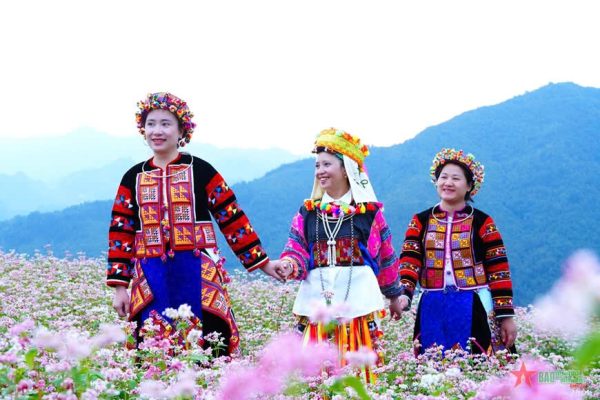
What you’ll see: September brings rice terraces turning golden. October is buckwheat flower season in Dong Van and Meo Vac—the plateaus turn pink and purple. November is clear and cool.
Weather: Cool and dry. Temperatures range from 15-25°C during the day, dropping to 10°C at night. Minimal rain.
Pros: Best visibility, comfortable riding temperatures, stunning colors, ideal photo conditions.
Cons: More crowded (though Ha Giang never feels truly packed), accommodation books up faster, slightly higher prices.
Verdict: This is the sweet spot. If your dates are flexible, aim for late September through October.
What you’ll see: Mountains often shrouded in mist, occasional frost at higher elevations, dramatic cloud formations.
Weather: Cold. Temperatures can drop to 5-10°C during the day, near freezing at night in places like Dong Van. Some rain.
Pros: Fewer tourists, mystical fog-covered landscapes, lower prices, authentic winter mountain experience.
Cons: Cold riding conditions, reduced visibility on some days, some accommodations have minimal heating, shorter daylight hours.
Verdict: Doable if you pack warm layers. The cold adds atmosphere, but you need to be prepared for it.
What you’ll see: Wildflowers blooming, green rice terraces being planted, peach and plum blossoms in villages.
Weather: Mild and pleasant. 18-28°C during the day. Some rain in April/May.
Pros: Comfortable temperatures, beautiful fresh greenery, good balance of weather and smaller crowds.
Cons: Occasional rain showers, not as dramatic as harvest season.
Verdict: Excellent choice if you miss the autumn window.
What you’ll see: Lush green landscapes, rice terraces at full growth, dramatic storm clouds.
Weather: Hot and humid with frequent afternoon rain. 25-35°C during the day.
Pros: Vibrant green scenery, fewer tourists, occasional dramatic weather for photos.
Cons: Wet roads increase difficulty and danger, some roads can become slippery or damaged, humidity can be uncomfortable, afternoon storms can delay plans.
Verdict: Not ideal for first-timers. The rain makes roads more challenging, and visibility can be poor.
Bottom line: September to November for best overall conditions. March to May if you miss autumn. December to February only if you’re comfortable with cold. Avoid June to August unless you’re experienced with wet riding conditions.
Learn more: Ma Pi Leng Pass
Let’s be straight: the Ha Giang Loop isn’t technically difficult riding, but it is demanding. The roads are mostly paved, but “paved” means different things in different sections.
Bac Sum Pass and Quan Ba: This is your warmup. Smooth-ish roads, gentle curves, manageable traffic. If you’re going to have any issues with riding, they’ll show up here when the stakes are lower.
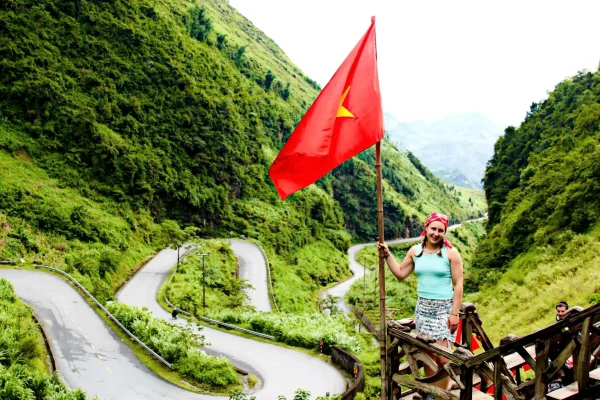
Tham Ma Slope (Nine-Level Pass): A series of tight switchbacks climbing up the mountainside. The road surface is decent, but the turns are sharp. This is where you realize you’re not in the flatlands anymore.
Ma Pi Leng Pass: The famous one. Carved into the cliff face with drops on one side, this pass demands attention. The road is paved but narrow in sections. Weather can change quickly. It’s stunning, it’s exhilarating, and it requires focus.
Meo Vac to Du Gia section: Some of the most remote roads on the loop. Sections with gravel, occasional potholes, and roads that haven’t been maintained as regularly as main routes.
Most of the route is on National Highway QL4C and provincial roads that see regular traffic. You’re not bushwhacking. But you are climbing to over 1,500 meters elevation, navigating passes with hundreds of hairpin turns, and riding through areas where cell signal disappears.
Physical demands: Even as a passenger on an easy rider, you’ll feel it. The constant movement, occasional bumps, and mountain air can be tiring. If you’re riding yourself, expect sore arms and core muscles by day two.
Mental demands: Concentration is key. You can’t zone out. Livestock wanders onto roads, corners come up faster than expected, and road conditions change without warning.
Is it dangerous? It can be if you ride recklessly or beyond your skill level. Most incidents happen when people take selfies on cliffsides, ride too fast for conditions, or attempt the loop with insufficient experience.
Approach it with respect, ride within your limits, and the Ha Giang Loop is absolutely doable for first-timers who choose the right option for their experience level.
Learn more: Do You Need a License for Ha Giang Loop?
Here’s where things get complicated, so I’ll give you the official line and then the reality.
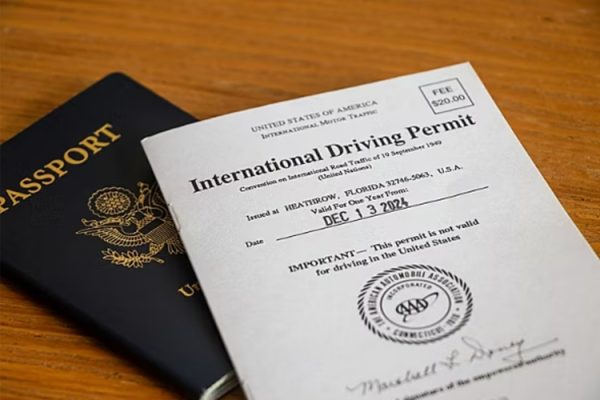
Official requirement: Vietnam requires an International Driving Permit (IDP) endorsed for motorcycles, or a Vietnamese motorcycle license, to legally ride. For bikes over 50cc (which most loop bikes are), you need the appropriate class.
Reality: Enforcement is inconsistent. Police checkpoints exist, particularly around Dong Van and on main highways. Some travelers ride the entire loop without being stopped. Others get stopped and fined.
If you’re caught without proper license: Fines typically range from 400,000 to 2,000,000 VND depending on the officer and circumstances. Your bike might be impounded temporarily. It’s a hassle, it costs money, and it can derail your day.
Insurance implications: This is the bigger issue. If you’re in an accident without a valid license, your travel insurance probably won’t cover medical costs or liability. That’s a serious risk.
My recommendation: If you’re doing easy rider, this is a non-issue since you’re a passenger. If you’re self-driving, get an IDP before leaving your home country. It costs around $20-30 and takes 10 minutes at an auto club. Vietnam doesn’t recognize digital licenses—you need the physical IDP document.
Rules change, enforcement changes. Check current requirements before your trip, and don’t rely on “my friend did it without a license and it was fine” as your safety plan.

Learn more: Ha Giang Loop Cost
Budgets vary wildly depending on your choices, but here’s the real breakdown.
Easy Rider Tours:
Self-Drive Tours:
Jeep Tours:
These prices typically include: bike/vehicle, guide, accommodation (usually dorm beds), all meals during the tour, entrance fees, and activities like boat trips or cave visits.
Not included: Bus tickets from Hanoi to Ha Giang (if needed), private room upgrades, drinks, snacks, and tips.
Sleeper bus Hanoi to Ha Giang: 250,000-400,000 VND depending on bus type (VIP sleeper, cabin sleeper, or limousine)
Private room upgrade: 100,000-300,000 VND per night depending on location
Drinks and snacks: 30,000-100,000 VND per day
Tips for guides: Not mandatory but appreciated, typically 100,000-200,000 VND per person for multi-day tours
Emergency buffer: Always have 500,000-1,000,000 VND cash backup
Total realistic budget for a 3-day easy rider tour: 5,000,000-6,000,000 VND (around $200-250 USD) per person including bus, upgrades, and extras.
ATMs are available in Ha Giang City, Dong Van, and Meo Vac, but don’t count on them in smaller villages. Bring sufficient cash.
Many villages only accept cash—credit cards are useless once you leave Ha Giang City.
Dorm accommodation is perfectly fine for most travelers. Private rooms are nice but not necessary unless you need privacy or better sleep.

Learn more: Ha Giang Loop 4 Days 3 Nights
You’re living out of a motorbike bag for several days. Space is limited. Here’s what actually matters.
Documents: Passport, IDP if self-driving, travel insurance details, emergency contact info, some cash (at least 1,000,000 VND)
Clothing layers: Temperatures swing dramatically between day and night, and between valleys and mountain peaks. You might start the day at 25°C and end at 12°C.
Footwear: Closed-toe shoes mandatory for riding. Flip-flops or sandals for evening at homestays.
Sun protection: Sunscreen SPF 50+, sunglasses, lip balm with SPF, hat or bandana
Tech: Phone, portable charger, charging cables, universal adapter. Camera if you have one, though phones work fine.
Toiletries: Travel-size only. Most homestays provide basic soap. Bring: toothbrush, toothpaste, deodorant, any prescription medications, basic first aid (band-aids, pain reliever, anti-diarrhea pills, motion sickness tablets if needed)
Other essentials: Reusable water bottle, headlamp or small flashlight (homestays sometimes have power outages), wet wipes, hand sanitizer, toilet paper (not all stops have it)
Packing strategy: Use a 40L backpack or duffel bag maximum. If it doesn’t fit, you don’t need it. Remember, your bag goes on a motorbike—the smaller and lighter, the better.
Learn more: Ha Giang Cao Bang 5 days
Let me walk you through what a typical 3-day and 4-day loop looks like, so you know what you’re signing up for.
Day 0: Night bus from Hanoi to Ha Giang (6-7 hours). Arrive early morning, check into hostel, rest, recover from bus journey.
Day 1: Ha Giang to Dong Van (approximately 150km, 6-7 hours riding)
You’ll start with breakfast and a route briefing. The first major stop is Bac Sum Pass and Quan Ba Heaven Gate—two limestone peaks rising from rice terraces that locals call the “Fairy Bosom Mountains.” It’s touristy, there’s a viewing platform, but the views legitimately deliver.
Lunch happens in Yen Minh, a small town where you’ll see more water buffalo than tourists. Afternoon takes you through the Dong Van Karst Plateau Geopark. The landscape shifts to dramatic limestone karsts. You’ll pass Tham Ma Slope with its sharp switchbacks, see Hmong villages near the Chinese border at Lao Sa, and visit Vuong Palace—a restored mansion that belonged to the “Hmong King” in the early 1900s.
Evening arrival in Dong Van town. Homestay check-in, dinner with the group, local rice wine, sometimes traditional music. Dong Van sits in a valley surrounded by peaks. The night sky, if clear, is incredible.
Day 2: Dong Van to Du Gia via Ma Pi Leng Pass (approximately 90km, 5-6 hours)
This is the day everyone’s here for. You’ll ride Ma Pi Leng Pass, which translates roughly to “Horse’s Nose Bridge.” The road was built by ethnic minority groups in the 1960s, carved directly into cliff faces 1,200 meters above the Nho Que River.
Stop at Ma Pi Leng Skywalk, a glass platform jutting out over the canyon. It costs 50,000 VND entry, it’s a little gimmicky, but the views are legitimate. You’ll see Tu San Canyon from above, one of the deepest gorges in Southeast Asia.
Lunch in Meo Vac or a smaller village. The afternoon takes you through M Pass (named for its shape) and to Lung Ho viewpoint where you can see multiple valley layers stretching into the distance.
Du Gia village is your home for the night. It’s remote, quiet, surrounded by rice terraces. The homestay is basic but clean. Dinner, bonfire if weather permits, sleep early.
Day 3: Du Gia to Ha Giang (approximately 120km, 5-6 hours)
Morning swim at Du Gia waterfall if you’re up for it. The water is cold, crystal clear, and legitimately refreshing. Not everyone jumps in, but those who do don’t regret it.
You’ll visit Lung Tam linen village where Hmong women still weave traditional fabrics. You can watch the process, buy textiles if you want (quality is good, prices are reasonable). The ride back takes you through smaller roads along the Mien River, passing villages that don’t see many tourists.
Arrival back in Ha Giang City mid-afternoon. Option to catch a night bus back to Hanoi or continue to your next destination.
The 4 days version hits all the same spots but with better pacing and additional stops.
Day 1: Ha Giang to Yen Minh (shorter riding day). You stop at Lung Khuy Cave in the afternoon, a massive cave system with impressive stalactites and stalagmites. Requires a short trek to reach. Evening in Yen Minh homestay.
Day 2: Yen Minh to Dong Van with a detour to Lung Cu Flag Tower—Vietnam’s northernmost point where you can literally see China across the border. Also visit Lo Lo Chai village, home to the Lo Lo ethnic minority who build distinctive houses on stilts. This village is photogenic and sees fewer tourists than main stops.
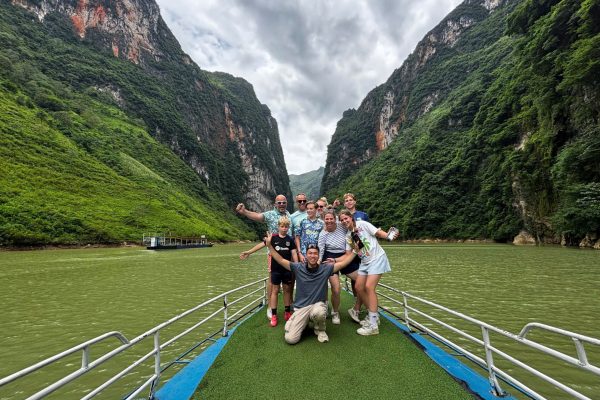
Day 3: Dong Van to Du Gia via Ma Pi Leng Pass. Similar to the 3-day route but with time for a boat trip on Nho Que River. The boat glides through Tu San Canyon with sheer cliffs on both sides. It’s peaceful, dramatic, and a nice break from being on the bike.
Day 4: Du Gia back to Ha Giang with stops at Du Gia waterfall, a valley called Duong Thuong where you’ll pass through Hmong villages and terraced fields, lunch in a small town, then Lung Tam linen village before returning to Ha Giang.
The extra day means you’re not exhausted by day three. You have time to actually explore villages instead of just taking photos from the road. If your schedule allows, I’d choose this over the 3-day option.
Learn more: Ha Giang Sleeper Bus from Hanoi
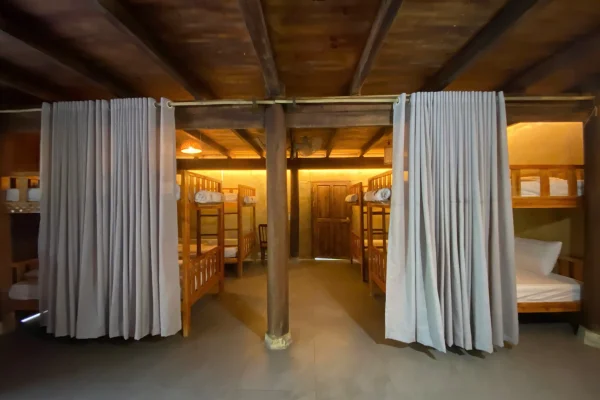
Forget five-star hotels. The Ha Giang Loop is about homestays—family-run guesthouses in local villages where you sleep in shared or private rooms, eat meals cooked by your hosts, and get a glimpse of rural mountain life.
Rooms: Most tours include dorm-style accommodation—shared rooms with 4-8 bunk beds. Bedding is provided (sheets, blankets, pillows). Private rooms are available for an upgrade, usually 100,000-300,000 VND extra per night.
Bathrooms: Shared facilities. Hot water is usually available but not guaranteed in remote villages. Water pressure varies. Western toilets in most places, squat toilets in others. Bring your own toilet paper just in case.
Electricity: Available in most homestays, but power outages happen occasionally. Charge devices when you can. Bring a headlamp.
Heating: Minimal. In cold months, you’ll get extra blankets. Some homestays have small heaters. Dress in layers for sleeping.
Cleanliness: Generally good. Homestays along popular routes have improved significantly in recent years. Don’t expect boutique hotel standards, but most are clean, functional, and well-maintained.
Social atmosphere: This is part of the experience. You’ll eat dinner with your group and often other travelers. Hosts sometimes join for meals or drinks. It’s communal, which is either great or overwhelming depending on your personality.
If you’re a couple, light sleeper, or value privacy, yes. The cost is minimal compared to overall trip expense.
If you’re solo and want to meet people, stick with dorms. The social aspect is half the fun for many travelers.
If you snore heavily, consider a private room for your roommates’ sake.
Meals are included in tour prices. Expect Vietnamese home cooking: rice, stir-fried vegetables, pork or chicken, soup, sometimes tofu. Portions are generous. Vegetarian options available if you mention it when booking.
Breakfast is usually rice or noodle soup, eggs, bread, fruit, Vietnamese coffee.
The food is simple, fresh, and filling. It won’t be the culinary highlight of your Vietnam trip, but it’s authentic and sustains you through riding days.
Yen Minh: Larger town with more infrastructure. Homestays here are slightly more developed.
Dong Van: The biggest town on the loop. Homestays range from basic to surprisingly comfortable. Central location means more dining options.
Du Gia: Tiny village, very remote. This is the authentic experience—rice terraces outside your window, roosters waking you at dawn, complete quiet at night.
Staying in these villages supports local families directly. Your money goes to communities that don’t have many economic options beyond subsistence farming and tourism. It’s simple, it’s genuine, and it’s part of why the Ha Giang Loop feels different from other tourist circuits.

Learn more: Ha Giang Motorbike Rental
Most people complete the Ha Giang Loop without incidents, but knowing what can go wrong helps you avoid problems.
Overestimating riding ability: This is the big one. The loop has humbled plenty of riders who thought “I rode a scooter in Bali for a week, I’ll be fine.” Mountain roads with steep grades, sharp turns, and variable surfaces require real skill. If you have any doubt, choose easy rider over self-drive.
Packing too much: Your bag sits on the back of a motorbike, affecting balance and comfort. Overloading makes riding harder and more dangerous. Pack light. Wear the same pants three days in a row. You’ll survive.
Not bringing enough cash: ATMs exist in Ha Giang City, Dong Van, and Meo Vac, but they sometimes run out of money or don’t accept foreign cards. Smaller villages are cash-only. Bring at least 1,500,000 VND to be safe.
Riding in flip-flops or sandals: You need closed-toe shoes. Rocks hit your feet, temperature drops at altitude, and if you need to put a foot down on rough terrain, you want actual footwear.
Skipping sun protection: The sun at altitude is brutal. You’ll burn faster than expected. Sunscreen, sunglasses, and covering your arms actually matter.
Not listening to guides: If your guide says the road ahead is slippery, believe them. If they say don’t stop in a specific area, don’t stop. They know these roads better than you.
Trying to keep up with experienced riders: Ride at your own pace. If you’re going slower than the group, that’s fine. Better to arrive 10 minutes later than to crash trying to keep up.
Weather changes: Mountains create their own weather. Sunny valleys can be foggy at altitude. Carry a rain jacket even in dry season.
Livestock on roads: Water buffalo, cows, chickens, and dogs wander freely. They’re unpredictable. Slow down when you see animals near the road.
Landslides in rainy season: Heavy rain can trigger rockfalls and mudslides. If you’re riding in summer, be extra cautious and check conditions before heading out each day.
Other drivers: Local drivers know the roads but sometimes take risks. Stay alert at blind corners. Don’t assume approaching vehicles will slow down.
Altitude: You’ll climb above 1,500 meters. Some people feel lightheaded or short of breath. Stay hydrated, take breaks, tell your guide if you feel unwell.
Cell signal: Expect limited or no coverage for stretches of the route. Download offline maps. Share your itinerary with someone not on the trip.
Minor bike issues: Your guide or tour operator handles mechanical problems. Don’t try to fix things yourself unless you actually know what you’re doing.
Accident or injury: Stay calm, assess injuries, call your tour operator immediately. They have local contacts and know the nearest clinics. This is why travel insurance with motorbike coverage matters.
Lost or separated from group: Stay where you are if safe to do so. Your guide will backtrack to find you. If you have signal, call your tour operator.
Illness: Tell your guide immediately. They can arrange transport to the nearest clinic or adjust the itinerary. Don’t try to push through if you’re genuinely unwell.
The Ha Giang Loop has risks, but they’re manageable with common sense, appropriate preparation, and respect for the environment. Thousands of travelers complete it safely every month. You can too.
Learn more: Booking in Ha Giang City
You have two main booking approaches: book in advance or book in Ha Giang City. Each has pros and cons.
Pros: Guaranteed spot, no scrambling when you arrive, time to research operators, can coordinate with bus schedules, peace of mind.
Cons: Less flexibility, committed to specific dates, deposit usually required.
When to do this: September to November (especially October), holidays, weekends, if you’re traveling with specific people and need to coordinate schedules.
Reputable tour operators have websites where you can check availability, see exact itineraries, read reviews, and book directly. Look for operators with clear pricing, detailed itineraries, good reviews across multiple platforms, transparent policies on weather cancellations and bike damage, and responsive communication.
Pros: Flexibility, can meet operators in person, easier to negotiate for groups, can check out actual bikes and equipment.
Cons: Popular tours fill up (especially in peak season), less time to research, harder to verify reputation, might waste a day arranging instead of riding.
When to do this: Low season (December to February, June to August), if your schedule is very flexible, if you’re already in Ha Giang and have extra time.
Ha Giang City has dozens of tour operators and motorbike rental shops. Quality varies significantly. Ask other travelers for recommendations, check recent reviews online, and visit 2-3 operators before committing.
Suspiciously cheap prices: If one operator is 30% cheaper than everyone else, there’s a reason. It might be older bikes, inexperienced guides, worse accommodation, or hidden fees.
Pressure tactics: “Only two spots left!” “Special price expires today!” Legitimate operators don’t need aggressive sales tactics.
Unclear itineraries: If they can’t clearly explain where you’ll go each day, what’s included, and how long you’ll ride, walk away.
No license check for self-drive: Responsible operators verify you have proper documentation before renting bikes. If they don’t care, they’re not looking out for your safety.
Bad bike condition: Check brakes, tires, lights, and horn before accepting any bike. If the bike looks neglected, it probably is.
Look for operators who prioritize safety over speed, maintain their bikes properly, employ experienced local guides, have clear communication, offer transparent pricing, can handle logistics smoothly (bus tickets, accommodation, meals), and have good reviews from recent travelers.
The Ha Giang Loop is incredible regardless of which reputable operator you choose. The scenery doesn’t change. What changes is your experience getting there—the quality of your bike, the knowledge of your guide, the reliability of logistics. Invest time in choosing well.
If you’re looking for a well-organized tour with maintained bikes, experienced guides, and straightforward pricing, consider checking out options for easy rider tours, self-drive tours, or jeep tours that include all the highlights mentioned in this guide.
Not for self-drive. The roads require experience with mountain riding, manual or semi-automatic bikes, and variable conditions. If you’re asking this question, choose an easy rider tour where you’re a passenger. That’s completely safe for first-timers and how most people do it.
Legally, yes, if you’re self-driving. Enforcement is inconsistent, but police checkpoints exist and fines are real. More importantly, insurance won’t cover accidents if you’re riding without proper documentation. Get the IDP—it’s cheap and takes minimal effort compared to the headache of getting caught without one.
Depends on the season. September to November: 10-15°C at night. December to February: can drop to 5°C or lower, sometimes near freezing. Homestays provide blankets, but bring warm layers if traveling in cooler months.
Technically yes, but not recommended for first-timers. Navigation is tricky, roads aren’t always well-marked, accommodation can be hard to find independently, and if something goes wrong you’re on your own. Tours provide safety, local knowledge, and logistical support for a relatively small premium.
Generally yes. Homestay meals are cooked fresh daily. Stick to hot, cooked foods and you’ll likely be fine. Bring anti-diarrhea medication just in case, as with any travel in Vietnam, but food safety isn’t a major concern on the loop.
Light rain, you ride through it with rain gear. Heavy rain or dangerous conditions, good operators will delay departure or adjust the route. Tours rarely cancel entirely—you’ll just modify plans to stay safe. Weather in the mountains changes fast; patience and flexibility help.
You can, but you shouldn’t. Stick to 40L maximum. Larger bags affect bike balance and comfort. Pack light or leave excess luggage at your hostel in Ha Giang City—most places store bags free for guests.
In Ha Giang City, Dong Van, and Meo Vac, yes. In smaller villages, no. Don’t count on ATMs working—bring sufficient cash for the entire trip plus emergency buffer.
Some do, many don’t, and when they do it’s often slow or unreliable. Expect limited connectivity. Download offline maps, entertainment, and any essential info before you start. Use the trip to disconnect.
Most operators accept anyone from teenagers to retirees, but there’s no strict age limit. Physical fitness matters more than age. If you can handle 5-6 hours on a motorbike and basic trekking, you’re probably fine. Check with individual operators about specific age policies.
Some shops rent bikes without tours, but this is risky for first-timers. You’ll navigate alone, find accommodation alone, and handle any problems alone. If you have extensive mountain riding experience and are comfortable in remote areas with limited resources, it’s possible. For your first time, I’d strongly recommend going with a tour.
Absolutely. Motorbike accidents happen, even to passengers. Medical care in Ha Giang City is basic; serious injuries require transport to Hanoi. Make sure your policy covers motorbike riding as a passenger (easy rider) or as a driver (self-drive). Read the fine print about license requirements.
Learn more: Ha Giang Cao Bang Jeep Tour
The Ha Giang Loop will probably be one of the highlights of your Vietnam trip. It’s challenging, rewarding, visually stunning, and culturally rich.
Choose the right tour option for your experience level, pack appropriately, respect the roads and local communities, and you’ll understand why this route has become legendary among travelers in Southeast Asia.
Three or four days from now, you’ll be sitting at a homestay watching the sun set over rice terraces, exhausted from riding, probably a little sore, possibly sunburned despite your best efforts, and absolutely certain that you made the right decision to do this.
Ready to book? Check available dates for your preferred tour style, get your documents sorted, pack light, and prepare for one of the best motorbike journeys in the world.
Contact information for Loop Trails
Website: Loop Trails Official Website
Email: looptrailshostel@gmail.com
Hotline & WhatSapp:
+84862379288
+84938988593
Social Media:
Facebook: Loop Trails Tours Ha Giang
Instagram: Loop Trails Tours Ha Giang
TikTok: Loop Trails
Office Address: 48 Nguyen Du, Ha Giang 1, Tuyen Quang
Address: 48 Nguyen Du, Ha Giang 1, Tuyen Quang
Facebook X Reddit Table of Contents Learn more: Ha Giang Loop Tours This is the question that sits in almost every Ha

Facebook X Reddit Table of Contents Learn more: Ha Giang Loop Tours Most people drive past the Quan Ba area twice on