
M Pass Ha Giang: The Hidden Viewpoints After Ma Pi Leng
Facebook X Reddit Table of Contents Learn more: Ha Giang Loop Tours Most travelers researching Ha Giang start with the same list:
Thúy Kiều( Grace) is a travel blogger and content contributor for Loop Trails Tours Ha Giang. She holds a bachelor’s degree in Sustainable Tourism from Vietnam National University, Hanoi, and has a strong passion for exploring and promoting responsible travel experiences in Vietnam’s northern highlands.
Let me be direct: Ha Giang in winter is not for everyone. If you’re expecting tropical Vietnam warmth, prepare for a shock. I’ve guided winter tours where people arrived in shorts and flip-flops, expecting “cooler weather,” only to discover actual winter—the kind where your breath makes clouds and your fingers go numb on the handlebars.
But here’s the thing about winter Ha Giang that the seasonal guides don’t always convey: it’s one of the most rewarding times to visit if you’re prepared. The crowds that pack the Loop from September to November completely vanish. The landscape transforms into something moody and dramatic. Prices drop significantly. And you get to experience the mountains in a way that feels more authentic, more raw, and honestly more adventurous.
I’ve ridden the Ha Giang Loop in every season, and winter holds a special place. Not because it’s easier—it’s definitely not. Not because it’s more comfortable—it’s the opposite. But because winter strips away the tourist veneer and shows you Ha Giang in its most honest state.
This guide breaks down exactly what winter means in Ha Giang, what you’ll face, what you’ll gain, and whether December through February makes sense for your travel style and expectations.
Learn more: Ha Giang 4 Days 3 Nights
Learn more: Should You Visit Ha Giang in Winter
“Winter” means different things in different parts of Vietnam. Hanoi’s winter is mild—jacket weather. Saigon doesn’t really have winter. But Ha Giang, sitting at Vietnam’s northern edge pressed against the Chinese border with elevations exceeding 1,500 meters on the passes, experiences genuine cold-season weather.
Let’s start with the numbers because they matter for planning:
Ha Giang City (200m elevation):
High passes (Ma Pi Leng, Heaven’s Gate – 1,200-1,500m elevation):
These are daytime temperatures. Factor in wind chill while riding a motorbike at 30-40 km/h, and it feels significantly colder. When people say “it gets cold,” they’re not being dramatic. I’ve seen frost on the roadside at Ma Pi Leng in mid-January, and temperatures near freezing at dawn aren’t uncommon at high elevations.
February typically sees a warming trend as spring approaches, especially late February. But early February can be just as cold as January.
Winter in Ha Giang brings specific weather patterns you need to understand:
Morning fog: Extremely common, especially December and January. Valleys fill with thick fog until mid-morning, reducing visibility significantly. This affects riding safety and photo opportunities, though it also creates ethereal scenes when it lifts.
Occasional rain: Winter is the dry season, but you’ll still get sporadic rain, particularly in December and early January. Rain combined with cold temperatures is miserable on a motorbike.
Clear, crisp days: When winter weather cooperates, you get spectacularly clear skies with visibility for dozens of kilometers. The air quality is excellent—no summer haze or monsoon clouds.
Rapid temperature swings: Start the day at 8°C in the valley, climb to a pass where it’s 3°C with wind, descend to 15°C in afternoon sun. Layering isn’t optional; it’s survival.
Wind: High passes are always windy, but winter winds are brutal. Ma Pi Leng Pass wind can make bike handling difficult and cuts through clothing like it’s not there.
If you’ve read Loop guides focused on the September-November peak season, here’s what changes in winter:
Tourist numbers: In September-October, you’ll encounter dozens of other tour groups daily. In January, you might see 2-3 other groups total over a 3-day tour. Homestays that host 30+ travelers in autumn might have just your group in winter.
Operating hours: Some restaurants and cafes close early or take extended breaks during slow winter months. Food options are more limited, though you’ll still eat well.
Road traffic: Far fewer tourist bikes, but also fewer local vehicles. Some sections of road feel genuinely remote in winter.
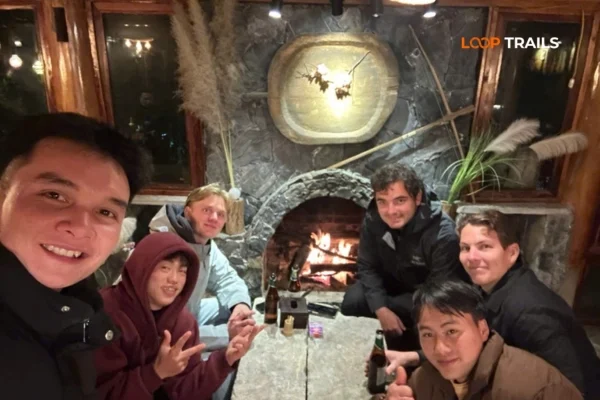
Homestay atmosphere: With fewer guests, homestay experiences feel more intimate. You’re not one of 20 people at dinner—you’re having a meal with the family and maybe 4-8 other travelers.
Cultural events: Winter includes Tet preparations (late January/early February), giving you insight into how ethnic minority communities prepare for Vietnam’s most important holiday.
Learn more: Ha Giang 3 Days 2 Nights
Let’s talk benefits, because winter has genuine advantages that make it worth considering despite the cold.
This cannot be overstated. The Ha Giang Loop during peak season (September-November) has become increasingly crowded. Popular viewpoints like Heaven’s Gate or Ma Pi Leng Skywalk can have 50+ people jockeying for photos. Homestays are packed. Roads have constant streams of tour groups.
Winter? You’ll have viewpoints to yourself. Photographs with zero other tourists in frame. Time to actually absorb the scenery rather than rush through for the next group arriving behind you. Homestay dinners where you can have real conversations rather than competing with 20 other voices.
For travelers who value solitude and authentic experiences over social atmosphere, winter’s emptiness is a massive advantage.
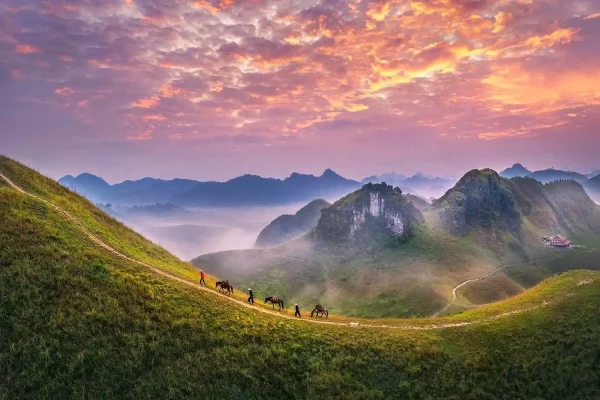
Ha Giang’s scenery doesn’t disappear in winter—it transforms. The dramatic karst mountains remain, but the atmosphere changes completely:
Morning mist in valleys: When fog settles in the valleys and you’re riding above it with peaks emerging like islands, it’s surreal. This rarely happens in other seasons.
Frost and ice effects: At high elevations in January, you’ll occasionally see frost coating plants and rocks, creating a delicate, otherworldly aesthetic.
Clear mountain air: Winter’s dry conditions mean exceptional visibility on clear days. You can see mountain ranges extending to the horizon with crystal clarity.
Different vegetation: While summer brings lush green, winter shows the mountains’ bones—more brown and grey, but with a stark beauty that’s equally compelling.
Dramatic lighting: Lower winter sun angle creates longer shadows and warmer afternoon light that’s gorgeous for photography.
Winter Ha Giang isn’t postcard-pretty in the traditional sense. It’s moodier, more dramatic, and in some ways more cinematic.
Budget travelers take note—winter brings significant price reductions:
Tour packages: Some operators offer 10-20% discounts for winter tours. A 3-day tour that costs 4,500,000 VND in October might be 3,800,000-4,000,000 VND in January.
Accommodation: Hostels in Ha Giang City and guesthouses along the Loop drop rates during slow season.
Negotiation power: With fewer customers, there’s more room to negotiate on rentals, private tours, or add-on services.
Bus tickets: Sometimes (not always) slightly cheaper during low season.
The savings add up, especially if you’re traveling as a couple or group where tour discounts apply to multiple people.
This is harder to quantify but significant. In peak season, Ha Giang’s tourism infrastructure goes into overdrive—homestays are businesses running at capacity, local communities are accustomed to constant tourist flow, and interactions can feel transactional.
Winter slows everything down. Homestay hosts have more time to chat. You’re more likely to be invited to join family activities. Local markets aren’t crowded with tour groups, so you see genuine community commerce. Villages feel like villages, not tourist stops.
If you’re traveling to understand culture rather than just photograph it, winter provides better opportunities for meaningful interaction.
Ha Giang’s air quality is generally good year-round, but winter takes it to another level. The dry, cold conditions eliminate the haze that often obscures distant mountains in summer. On clear winter days, visibility extends 50+ kilometers across ranges of peaks.
For photography, for simply appreciating the landscape’s scale, and for breathing deeply on mountain passes, winter air is unbeatable.
Learn more: Ha Giang Motorbike Rental
Now the honest part—what makes winter difficult and potentially deal-breaking for some travelers.
I can’t emphasize this enough: you will be cold while riding. Not “need a light jacket” cold. Actually, genuinely cold, especially:
This affects the experience. Instead of enjoying the wind in your face, you’re tensing against the cold. Instead of relaxing into the ride, you’re counting kilometers until you can warm up. Your hands get numb even with gloves. Your face stings in the wind.
For easy rider passengers, this is somewhat manageable—you’re tucked behind your guide. For self-drivers, exposure is constant and wearying.
Winter days are short this far north:
This gives you roughly 10 hours of usable daylight, and you lose more if morning fog delays your start. Tours need to be efficient—less time for leisurely photo stops or extended exploring. You can’t do a lazy start and still cover the day’s route comfortably.
Early sunsets also mean cold sets in by mid-afternoon, and riding the last hour to your homestay can be the coldest part of the day.
Winter weather occasionally creates road issues:
Fog: Dense fog can make sections of road temporarily unsafe. Responsible tour operators will wait it out rather than ride through zero-visibility conditions, but this delays schedules.
Ice/frost: Very rare, but in extreme cold snaps (a few days per winter), ice can form on shaded sections of high passes early morning. This creates legitimate danger.
Landslides: Though less common in the dry season, winter rains can still trigger rockfalls on cliff sections.
Road closures are not frequent, but they’re more possible in winter than in peak season.
Here’s an uncomfortable truth: most homestays along the Loop have minimal heating. You’ll get:
Nights get cold. If temperatures drop to 5°C outside, it’s maybe 10°C in your room. You’ll sleep in your clothes under multiple blankets. The bathroom is frigid. Morning showers are a test of willpower (though many homestays now have hot water).
This isn’t luxury travel. If you need climate-controlled comfort, winter homestays will be rough.
With fewer tourists, some services scale back:
You won’t be stranded, but you’ll have fewer options than peak season.
Learn more: Best Ha Giang Loop Tours 2026
Each winter month has a different character. Timing matters.
Weather: Transitional. Some days feel like late autumn (pleasant), others like full winter (cold). Average temperatures 12-18°C in valleys, 6-12°C at passes. Rain more likely than later winter months.
Landscape: Still some green remaining from autumn. Not yet the stark winter look.
Tourist levels: Lower than peak season but not dead quiet. Some September-November travelers extend into early December.
Special considerations: December can feel unpredictable weather-wise. You might get lucky with mild days or unlucky with cold rain. Less atmospheric than deep winter (January) but potentially more comfortable.
Best for: Travelers who want lower crowds without extreme cold.
Weather: The coldest month. Temperatures can drop to 4-6°C at passes, occasionally near freezing at dawn. Fog is frequent. But you also get the clearest days when weather cooperates.
Landscape: Full winter mode—browns and greys dominate, mountains look stark and dramatic. Morning mist is spectacular.
Tourist levels: Absolute minimum. Some weeks you’ll encounter almost no other tour groups.
Special considerations: Late January sees Tet preparations. Markets become more vibrant, villages prepare decorations, and you might witness pre-Tet celebrations. However, if you’re traveling during actual Tet (dates vary yearly—check the lunar calendar), some services close as families celebrate.
Best for: Adventurous travelers who want extreme solitude and don’t mind serious cold. Photographers who want moody, dramatic conditions.
Weather: Warming trend begins, especially late February. Early February can still be quite cold (8-14°C valleys, 4-10°C passes), but by late month, you’re approaching spring conditions (14-20°C valleys, 10-16°C passes).
Landscape: Transition from winter to spring. Some early flowers begin appearing. Mountains lose some of the stark winter look but aren’t yet lush.
Tourist levels: Still quiet early month, beginning to pick up late February as spring season approaches.
Special considerations: February timing matters significantly. Early February is still winter conditions. Late February (especially last week) is more like early spring. Post-Tet period (usually mid-February onward) sees normal life resuming.
Best for: Travelers who want smaller crowds than peak season but milder conditions than deep winter.
Learn more: Ha Giang Loop Self-Driver Guide
Packing wrong makes winter Ha Giang miserable. Packing right makes it manageable. Here’s what actually works.
Base layers:
Mid layers:
Outer layers:
Extremities:
Helmet: Provided by tours, but bring a balaclava or buff to wear underneath for face/neck warmth.
Knee/leg protection: Some riders tape cardboard or plastic inside their pants over knees for wind blocking. Sounds ridiculous, works surprisingly well.
Hand warmers: Chemical hand warmers tucked into gloves are a winter lifesaver for long riding days.
Elbow/forearm warmers: Your arms are directly exposed to wind while gripping handlebars. Consider arm warmers or long sleeves with windproof overlay.
Learn more: Cao Bang Loop Tours Vietnam best kept secret
The route doesn’t change, but conditions do. Here’s what to expect on key sections.
Overall: Roads are generally better in winter than monsoon season. Less rain means fewer potholes, less mud, and reduced landslide risk. However:
Morning hazards: Fog reduces visibility significantly, especially in valleys and on passes before 9-10 AM. Dew or light frost can make roads slippery early morning.
Afternoon conditions: Usually best riding conditions—fog lifted, roads dry, temperatures at daily peak.
Wind exposure: High passes are always windy, but winter winds are stronger and colder. Ma Pi Leng and Tham Ma Pass particularly exposed.
Heaven’s Gate (Quan Ba): Often foggy in early morning. The viewpoint is less impressive when clouds obscure the valley, but when fog lifts, it’s magical.
Tham Ma Pass: Tight switchbacks become more technical when cold makes your hands less nimble. Less traffic in winter is helpful here.
Dong Van plateau: This high, exposed section can be very cold any time of day. Wind sweeps across the plateau unobstructed.
Ma Pi Leng Pass: The highlight and the most challenging. Winter adds wind, occasional fog, and cold to the already exposed, narrow road. Self-drivers need significant skill and confidence. Even as easy rider passengers, the exposure feels more intense in harsh conditions.
Du Gia descent: The road down to Du Gia can be foggy in morning, creating tricky visibility through the curves.
This deserves its own discussion. Ma Pi Leng—Vietnam’s most famous mountain pass—is spectacular any season, but winter intensifies everything about it.
What’s better in winter:
What’s harder in winter:
For self-drivers: Ma Pi Leng in winter requires solid riding skills and mental composure. If you’re uncertain about your abilities, winter is not the time to test them here.
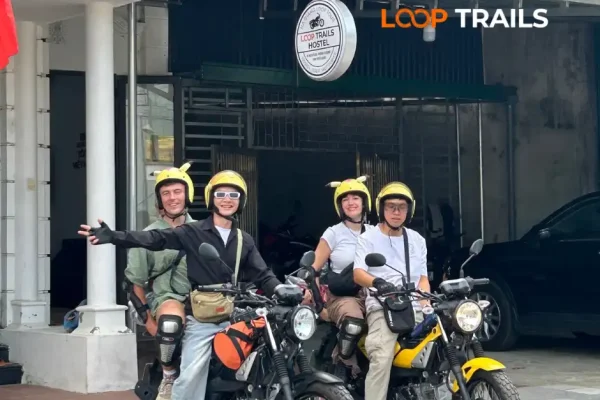
For easy rider passengers: Trust your guide. They ride this pass year-round and know how to handle winter conditions.
For jeep tours: This is the safe option for experiencing Ma Pi Leng in winter without exposure concerns.
Learn more: Ha Giang Loop Easy Rider
Winter creates different photographic opportunities than peak season. Some are better, some are worse.
Morning light: When fog lifts mid-morning, you get dramatic light breaking through mist. This is rare in other seasons and creates atmospheric shots impossible to replicate.
Low angle winter sun: Creates long shadows and warm tones in afternoon that summer’s overhead sun doesn’t provide.
Clear skies: Exceptional clarity means landscape shots have sharp, defined mountain ranges rather than hazy backgrounds.
Valley fog: Shooting from passes down into fog-filled valleys creates dreamy, minimalist compositions.
Fog in mountains: When fog moves through the karst formations, it adds mystery and depth to wide shots.
Fog risks: Dense fog also means many mornings you can’t photograph anything until it lifts. You need patience and flexibility.
Heaven’s Gate: Best late morning after fog lifts. Winter clouds add drama if not completely overcast.
Ma Pi Leng Pass: Mid-morning to early afternoon for best light. Winter clarity makes the canyon depth more visible.
Dong Van Old Quarter: Early morning with frost (if you’re lucky) or evening with warm lights in buildings.
Du Gia rice terraces: Even without rice, winter terraces have geometric patterns. Morning mist is spectacular here.
Lung Cu Flag Tower: Clear winter days provide views across to China that summer haze obscures.
Roadside moments: Winter’s emptiness means you can stop anywhere for photos without traffic backing up behind you.
Learn more: Ha Giang Loop Itinerary:,2,3,4,5 Days
Winter changes how you experience activities beyond pure riding.
Weekend markets: Continue through winter with perhaps more authentic character—fewer tourists, more local commerce. Dong Van Sunday market is worth timing your route to attend.
H’Mong markets: Ethnic minority groups still gather for traditional markets even in cold weather. These are cultural highlights regardless of season.
If your timing aligns with Tet (check the lunar calendar—dates change yearly), you can experience:
Pre-Tet preparations: Villages clean and decorate, markets sell Tet specialties, families prepare traditional foods.
Tet celebrations: Fireworks, special meals, traditional ceremonies. However, many services close for several days during actual Tet holiday.
Post-Tet: First week after Tet sees lingering festive atmosphere and various local celebrations.
Tet timing can make winter Ha Giang either fascinating (if you’re there just before or just after) or complicated (if you’re there during the actual holiday when transport and services are limited).
Winter brings out comfort foods:
Corn wine (“happy water”): Traditional rice wine served warm. Homestay dinners feature this more prominently in winter.
Hot pot meals: Some homestays offer hot pot-style dinners where everyone cooks together—perfect for cold evenings.
Grilled corn and sweet potato: Roadside vendors sell these warming snacks more frequently in winter.
Vietnamese coffee: Hot, strong Vietnamese coffee tastes better when you’re cold from riding.
Learn more: Ha Giang Jeep Tours with Kids
Winter conditions make your tour choice more consequential than in mild seasons.
Cold exposure: As a passenger, you can bundle up more completely without worrying about bike control. Tuck behind your guide to break the wind.
Skill requirements: Your guide handles difficult winter conditions—fog navigation, wind compensation, cold-numb hands. You just hold on.
Mental energy: Winter riding is mentally draining. Easy rider lets you absorb scenery without constant concentration on technical riding.
Safety factor: Experienced guides know which sections are more dangerous in winter conditions and adjust accordingly.
Warming up: Easier to dismount and warm up quickly as a passenger than when you’re responsible for the bike.
Winter easy rider tours typically cost the same as other seasons—3,500,000 to 5,500,000 VND for 3-4 days depending on package inclusions. Given the added challenge of winter conditions, the value proposition strengthens.
Requires significant experience: Don’t attempt winter self-drive unless you’re comfortable with:
Physical demands: Winter self-drive is exhausting. Cold saps energy, and maintaining concentration through difficult conditions all day wears you down.
Rewards: If you have the skills, winter self-drive offers incredible solitude and freedom. Empty roads are yours. You can stop anywhere without group schedules.
Cost: Similar to other seasons—3,000,000 to 4,700,000 VND for tour package plus 500,000-800,000 VND for bike rental.
I generally recommend winter self-drive only for riders with previous mountain/cold-weather experience. First-timers should wait for better conditions or choose easy rider.
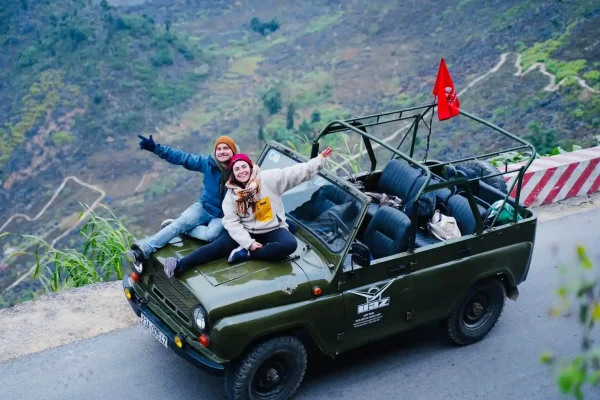
The warmth factor: Enclosed jeep with heater makes winter significantly more comfortable. You can actually enjoy the scenery without shivering.
Safety: No exposure to wind, cold, or road hazards. Particularly appealing for families or travelers uncomfortable with motorbike risks in winter.
Flexibility: Can handle any weather conditions. Dense fog that stops motorbike tours doesn’t affect jeeps as much.
Trade-off: Less adventurous, less “authentic” Loop experience. You’re more separated from the environment.
Cost: Jeep tours are pricier but split among passengers: 8,000,000-11,000,000 VND per person for groups of 2-4, including vehicle, guide, accommodation, and meals.
For winter travel specifically, jeep tours make more sense than in mild seasons. The comfort and safety advantages are magnified when conditions are harsh.
I’ve guided winter tours for years. Here are real situations and feedback that illustrate what winter is actually like:
Sarah & Mike (Australia, January tour): “We researched extensively and packed well, but we still weren’t quite prepared for how cold Ma Pi Leng was. Maybe 4-5°C with brutal wind. We stopped twice just to warm our hands. But honestly? It made the experience more memorable. When we finally got down to Meo Vac and had hot soup, it felt earned. And we had Heaven’s Gate completely to ourselves for 20 minutes, which our friends who went in October said was impossible.”
Tom (UK, solo self-drive, February): “Attempted self-drive in early February. Made it to Dong Van fine, but day two was foggy and I didn’t have the confidence to ride Ma Pi Leng in those conditions. Ended up paying to ride passenger with another group’s guide for that section. Pride took a hit, but safety mattered more. Later February would’ve been better timing.”
Lisa & David (USA, December easy rider): “We read that winter was ‘cold’ but thought ‘how cold can it really be?’ Answer: very cold. First day we were shivering by lunch. Our guides saw this, stopped at a market, and insisted we buy warmer gloves and face buffs. The extra $10 made the rest of the trip bearable. Listen to your guides—they know what you need.”
Chen (Singapore, January jeep tour): “Came with my parents (60s) in January. We considered motorbikes but chose jeep for comfort and safety. Best decision. We could enjoy the scenery without stress, stayed warm, and my parents never worried about me taking risks on a bike. We still stopped at all the main viewpoints, stayed in the same homestays, had the full experience.”
Emma (Germany, February solo): “Late February was perfect timing. First two days were cool but not freezing (maybe 12-15°C). Last day warmed up to almost 20°C in the afternoon. Felt like the sweet spot between winter solitude and spring comfort. Hardly any other tourists, but weather was manageable without extreme cold gear.”
Common themes: People underestimate the cold. Proper gear is essential. Empty winter roads create special moments. Flexibility with conditions matters.

Learn more: Ha Giang Loop Cost
Here’s what you might save (or spend more) visiting in winter:
Tour packages:
Accommodation in Ha Giang City:
Motorbike rental (self-drive):
Bus tickets Hanoi-Ha Giang:
Additional winter costs:
Net savings: If you already own warm gear, winter saves 400,000-1,000,000 VND total for a 3-4 day trip. If you need to buy winter gear specifically for this trip, savings are minimal or even negative.
Learn more: Ha Giang Jeep Tours comlete guide
The honest answer depends on your priorities and tolerances. Here’s a decision framework.
✓ Value solitude over social atmosphere: Empty roads and uncrowded viewpoints outweigh having fewer people to meet
✓ Are comfortable with cold: You’ve camped in cold weather, or you’re from a cold climate and know you handle it well
✓ Want dramatic photography: Fog, winter light, and moody landscapes appeal to your photography style
✓ Have proper gear or budget to buy it: You own or can afford quality cold-weather riding gear
✓ Are flexible: Can adjust plans if weather causes delays, and won’t be devastated if fog obscures some views
✓ Seek authentic experience: Prefer seeing local life in its regular rhythm rather than tourism season
✓ Are experienced riders (if self-driving): Have the skills to handle challenging conditions safely
✓ Appreciate savings: Budget constraints make peak season pricing prohibitive
✗ Hate being cold: If you’re miserable when uncomfortable, winter will reduce enjoyment significantly
✗ Want guaranteed perfect weather: Need sunny, warm, ideal conditions to feel the trip was worthwhile
✗ Are first-time riders attempting self-drive: Winter is not the season to learn mountain riding
✗ Need full social hostel atmosphere: Quiet winter hostels might feel lonely rather than peaceful
✗ Have very limited time: If this is your only chance to see Ha Giang, peak season’s reliable weather is safer
✗ Want lush, green scenery: Winter’s brown/grey landscape doesn’t match your vision
✗ Require reliable services: Need full restaurant options, guaranteed tour availability, etc.
✗ Traveling with young children: Cold conditions and basic homestays are challenging with kids
Winter Ha Giang is a trade-off: comfort and convenience for authenticity and solitude. If you’re adventurous, prepared, and value unique experiences over easy ones, winter delivers something special that peak season can’t match.
For most first-time Vietnam travelers, I still recommend September-November for Ha Giang. The weather is more forgiving, logistics are easier, and you’ll meet more people. But for repeat Vietnam visitors, experienced cold-weather travelers, or those specifically seeking off-season adventure, winter is absolutely worth it.
Late February represents a sweet spot—winter solitude with milder conditions as spring approaches.
Whatever you decide, book with operators who run year-round and understand winter’s specific challenges. Loop Trails operates winter tours with guides experienced in cold-weather conditions and can advise on proper preparation for December-February travel.
Ready to embrace winter adventure in Ha Giang’s mountains? Check current availability for winter Loop tours, or reach out with specific questions about whether winter timing makes sense for your situation. The empty winter roads are calling.
Learn more: Ha Giang Cao Bang 5 Days
Ha Giang City stays around 10-18°C during the day in winter, but high mountain passes (Ma Pi Leng, Heaven’s Gate) drop to 4-12°C, occasionally near freezing at dawn in January. Add wind chill from riding and it feels significantly colder—genuine winter conditions requiring proper warm clothing.
Late February (last week) offers the best balance—smaller crowds than peak season but warming weather as spring approaches. January is coldest with most dramatic conditions and absolute minimum tourists. December is transitional with unpredictable weather. Avoid actual Tet holiday (dates vary yearly) when services close.
Essential items: thermal base layers, fleece or down jacket, windproof outer jacket, waterproof rain layer, warm gloves, buff/neck gaiter, warm hat, long pants, warm socks. Add hand warmers, sleeping bag liner, and moisturizer. Layers are critical as temperatures vary dramatically throughout the day.
Yes, the Loop operates year-round. Roads are actually in better condition during winter’s dry season than during summer monsoons. However, you’ll face cold temperatures, occasional fog, and limited tourist services. Tours run with experienced guides who know winter conditions.
Winter adds challenges (cold, wind, occasional fog) to an already demanding route. Hazards include reduced visibility in fog, slippery roads from frost/dew (rare), and numbness from cold affecting bike control. Experienced guides and proper preparation mitigate risks. Winter is manageable but not recommended for inexperienced riders attempting self-drive.
Dramatically fewer. Peak season (September-November) sees hundreds of daily visitors. Winter sees perhaps 10-20% of peak numbers. You’ll have major viewpoints to yourself, homestays with just your group, and virtually empty roads. This is winter’s biggest advantage.
Tours are typically 10-20% cheaper (saving 300,000-700,000 VND on a 3-day tour). Accommodation drops 20-30%. However, if you need to buy cold-weather gear specifically for the trip, total savings are minimal. Greatest savings come if you already own warm clothing and riding gear.
Yes, but different than peak season. You won’t see lush green rice terraces or abundant flowers. Instead, expect dramatic mountain landscapes in browns and greys, spectacular morning fog in valleys, crystal-clear visibility on sunny days, and moody, atmospheric conditions. Winter scenery is beautiful in a stark, dramatic way.
Easy rider is strongly recommended for winter unless you’re an experienced rider comfortable with cold-weather, mountain riding. Winter conditions (cold hands, wind, fog) make bike control more challenging. Easy rider guides handle the technical aspects while you enjoy scenery from relative warmth tucked behind them.
Reputable operators monitor conditions and delay starts if fog is too dense or roads are unsafe. You might start later (waiting for fog to lift) or adjust the route if necessary. Total cancellations are rare—winter is actually more predictable than monsoon season. Flexibility is important.
Visiting during actual Tet holiday (usually late January or early February) is complicated—many services close, transport is limited, and you’ll struggle to book tours. However, visiting 1-2 weeks before Tet lets you see fascinating preparations and celebrations without major service disruptions. Check the lunar calendar for exact dates.
Winter offers unique photographic opportunities: morning fog lifting from valleys, dramatic winter light with low sun angles, empty landscapes without tourist crowds, crystal-clear visibility of distant mountains. However, you’ll also face fog obscuring views some mornings and less colorful scenery than green season. Worth it for dramatic, moody landscape photography.
Contact information for Loop Trails
Website: Loop Trails Official Website
Email: looptrailshostel@gmail.com
Hotline & WhatSapp:
+84862379288
+84938988593
Social Media:
Facebook: Loop Trails Tours Ha Giang
Instagram: Loop Trails Tours Ha Giang
TikTok: Loop Trails
Office Address: 48 Nguyen Du, Ha Giang 1, Tuyen Quang
Address: 48 Nguyen Du, Ha Giang 1, Tuyen Quang
Facebook X Reddit Table of Contents Learn more: Ha Giang Loop Tours Most travelers researching Ha Giang start with the same list:

Facebook X Reddit Table of Contents Learn more: Ha Giang Loop Tours Stand on the road between Trung Khanh and Phục Hòa
Facebook X Reddit Table of Contents Learn more: Ha Giang Loop Tours You’re traveling with three friends. Or maybe it’s four of