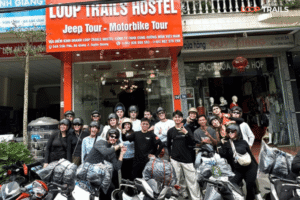


Thúy Kiều (Grace) is a travel blogger and content contributor for Loop Trails Tours Ha Giang. She holds a bachelor’s degree in Sustainable Tourism from Vietnam National University, Hanoi, and has a strong passion for exploring and promoting responsible travel experiences in Vietnam’s northern highlands.
Learn more: Ha Giang Loop Tours
Running out of fuel on a mountain road in northern Vietnam, several kilometres from the nearest town and well out of phone signal range, is the kind of experience that makes for a good story later and a very bad afternoon in the moment. It happens. Not frequently, but enough that fuel planning is one of the practical things every self-drive rider on the Ha Giang Loop should think about before setting off.
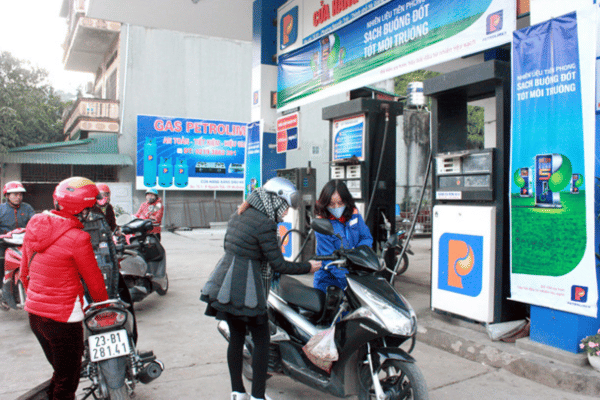
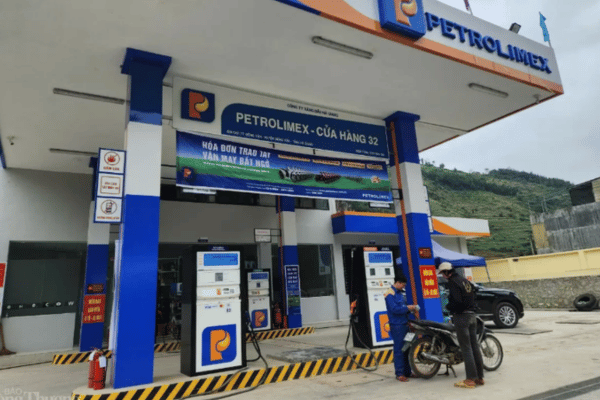
The good news: the Ha Giang Loop is more fuel-accessible than it looks on a map. Formal petrol stations exist in every major town on the circuit. Roadside fuel sellers — those small shelves of plastic bottles and repurposed containers that you’ll spot in nearly every village — fill in most of the gaps. With a little awareness, running dry is an entirely avoidable problem.
This guide walks the loop town by town, covers what to expect between formal stations, explains how range works in practice, and gives you the fuel-related rules that make the difference between a smooth ride and an unplanned detour.
Learn more:Ha Giang Motorbike Rental
The Ha Giang Loop covers roughly 350km of mountain road. On paper, that’s not a huge distance. In practice, the roads involve constant climbing, descending, and cornering — which affects fuel consumption differently than flat highway riding. Some sections are genuinely remote. Mobile signal on parts of the Dong Van plateau and the stretches around Ma Pi Leng Pass is weak or nonexistent.
None of this means you should approach the loop with anxiety. But it does mean the casual approach that works fine in cities — ride until the gauge drops, then find a station — isn’t quite right here. The distances between formal petrol stations can stretch to 30–50km or more on certain segments, and the altitude and road profile of those kilometres matter.
The Ha Giang Loop rewards the riders who prepare for small things. Fuel is one of the smallest and most manageable of those things. Get it right and you won’t think about it again for the rest of the trip.
Learn more: Ha Giang Road Conditions 2026
The loop runs: Ha Giang City → Quan Ba → Yen Minh → Dong Van → (optional: Lung Cu) → Meo Vac → Du Gia → Ha Giang City. Here’s the fuel situation at each point, going clockwise.
Ha Giang City is where most loop riders start, and it has multiple proper petrol stations. This is your best opportunity to fill up completely before heading out.
Fill up here, full tank, no exceptions. Whatever your bike’s capacity is, leave Ha Giang City at 100%. The ride to Quan Ba begins immediately climbing into the plateau and you don’t want to start with a half-tank out of laziness.
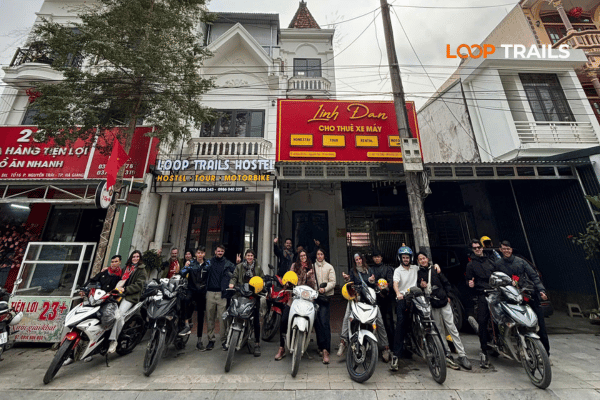
If you’re renting a motorbike in Ha Giang, your rental provider should be able to tell you exactly where the nearest petrol station to their location is — it’s worth asking specifically before you leave. Loop Trails provides a pre-departure briefing that covers this kind of practical detail. [See motorbike rental options here.]
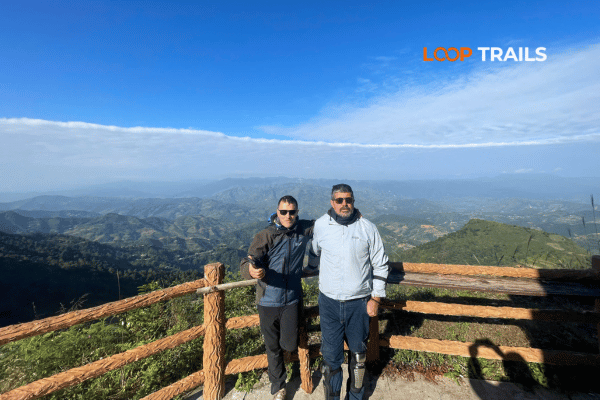
Learn more: Quan Ba Heaven Gate
Quan Ba is the first significant stop after Ha Giang City, roughly 45km into the loop. There is a petrol station in Quan Ba town — it’s a real station with a pump, not just a roadside seller.
That said, don’t count on Quan Ba as your primary fuel stop. The better approach is to top up here if your tank has dropped noticeably from the Ha Giang City climb, then continue. If your gauge is still showing near-full, you can skip it and push to Yen Minh.
The road from Ha Giang City to Quan Ba includes some sustained climbing to the Heaven Gate viewpoint, which uses more fuel than flat road. Keep this in mind when reading your gauge.
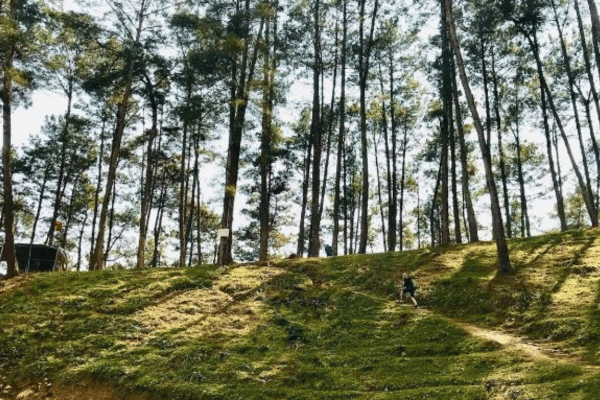
Learn more: Yen Minh pine forest
Yen Minh is a proper town — the kind with a market, guesthouses, restaurants, and a functioning petrol station. It sits roughly midway between Ha Giang City and Dong Van on the classic loop itinerary, making it a natural and reliable fuel stop.
Fill up in Yen Minh. This is the last guaranteed formal petrol station before Dong Van, and the road from Yen Minh into the plateau gets increasingly remote. There’s no reason to pass through Yen Minh with a low tank when a station is right there.
Yen Minh is also a common lunch stop for guided tours, which makes refuelling a natural addition to a break rather than a separate errand.
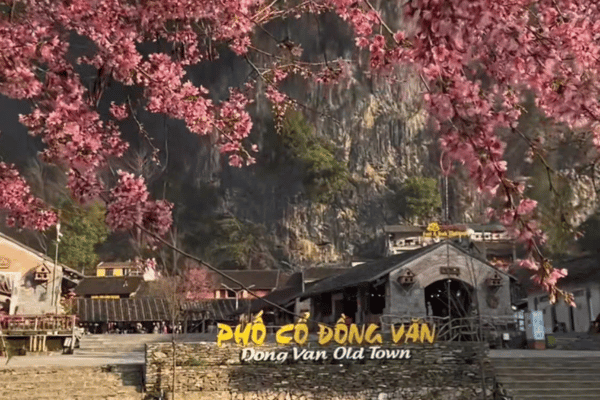
Learn more: Dong Van Old Quater at Night
Dong Van has petrol available. It’s a real town — small, but with infrastructure — and you’ll find fuel there. Given that Dong Van is the overnight stop for most loop itineraries, you have time to sort fuel without rushing.
Fill up in Dong Van before heading to the Ma Pi Leng section the next morning. The road from Dong Van to Meo Vac via Ma Pi Leng Pass is one of the most dramatic on the loop, and also one of the most remote stretches in terms of formal infrastructure. You don’t want to start that day’s ride anything other than full.
If you’re doing the Lung Cu detour — the side trip to Vietnam’s northernmost point — account for the additional fuel that round trip requires. Lung Cu is roughly 25km from Dong Van, so the detour adds around 50km to your day. Top up in Dong Van accordingly.
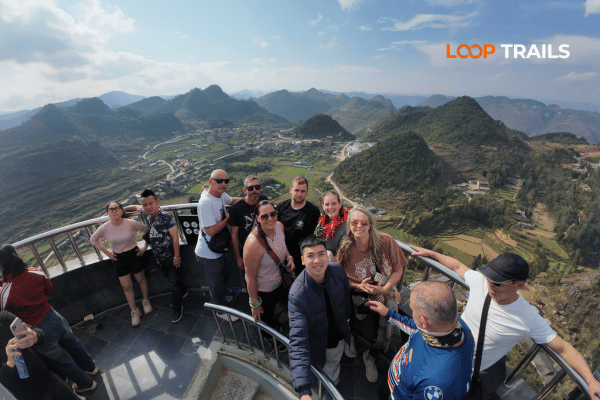
Learn more: Lung Cu Flag Tower Guide
Lung Cu itself is a small settlement near the Chinese border. Fuel availability here is not guaranteed in the same way as the main loop towns — there may be a roadside seller, or there may not be. Do not rely on finding fuel at Lung Cu. Fill up in Dong Van before the detour and return to Dong Van to refuel if needed before continuing the loop.
Learn more: Meo Vac Town
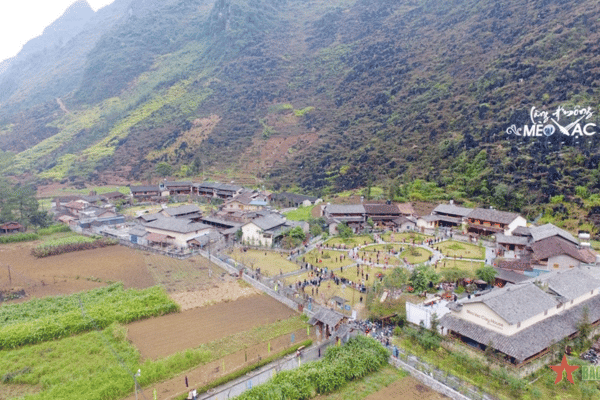
Meo Vac has a petrol station. It’s another proper town and a regular overnight or lunch stop for loop riders. After the Ma Pi Leng section, Meo Vac is a relief — good food, reliable fuel, and the knowledge that the most demanding part of the route is behind you.
Fill up here before the return leg toward Du Gia. The road out of Meo Vac on the return section passes through some quieter terrain before picking up settlements again.

Learn more: Du Gia Waterfall
Du Gia is a quieter stop — a village area with a waterfall and some homestay accommodation. Formal petrol station infrastructure here is less reliable than in the main loop towns. Don’t count on a pump-style station in Du Gia. You’ll likely find roadside sellers, which is fine for a top-up, but arrive with enough fuel rather than assuming a formal station will be available.
The return road from Du Gia back to Ha Giang City passes through increasingly populated terrain and the road improves as you descend back toward the city. Fuel availability increases along this stretch.

The Ha Giang Loop’s fuel network doesn’t begin and end with formal petrol stations. The gaps — and there are real gaps on this route — are filled by something you’ll spot within the first hour of riding: roadside fuel sellers.
These are small operations, often a shelf or table set up outside a village house, displaying plastic bottles, old water jugs, and occasionally a hand-pump or small dispenser. The fuel inside is petrol — the same as what comes out of a formal station pump. The difference is the container it’s stored in, the method of dispensing, and the slightly less predictable quality control.
They’re everywhere on the Ha Giang Loop once you leave the main towns. Villages that wouldn’t have a formal station will almost always have at least one household selling fuel this way. It’s a deeply practical part of rural Vietnam’s fuel economy, and it works.
Look for:
When you pull over:
The quality of roadside fuel is generally fine for everyday motorbikes, though it can vary. For extended self-drive riding, leaning on formal stations for primary fills and using roadside sellers only for top-ups is the sensible approach.
Every bike is different, and the Ha Giang Loop’s mountain roads consume more fuel per kilometre than flat road riding. Exact fuel consumption figures depend on the specific bike, engine size, load, and riding style — so rather than quoting numbers that may not apply to your rental, here’s how to think about it practically.
Before you leave Ha Giang City, ask your rental provider:
A responsible rental provider will answer these questions clearly. If they can’t or won’t, that tells you something about the rental.
As a general approach on the loop:
If you’re on an Easy Rider guided tour, fuel management is entirely your guide’s responsibility. They know the route, they know the range of their bike, and they’ll stop when they need to. You won’t need to think about this at all.

Learn more: Ha Giang Safety Tips
These aren’t rigid laws — they’re the habits that experienced loop riders develop after their first time round.
1. Leave every major town with a full tank. Ha Giang City, Yen Minh, Dong Van, Meo Vac — fill up every time you pass through one of these, regardless of how much you have. It costs almost nothing to top up from three-quarters to full.
2. Learn the word “xăng” before you leave. You don’t need Vietnamese fluency on the Ha Giang Loop, but knowing the word for petrol is useful. A roadside seller will understand immediately. Pronounced roughly “sung” with a falling tone.
3. Carry a small backup container if you’re self-driving a remote section. Some experienced self-drive riders carry a small fuel container (500ml–1L) in their bag as emergency backup. This isn’t paranoia — it’s the kind of practical preparation that mountain riding warrants. Ask your rental provider if they include this or recommend it.
4. Don’t skip Yen Minh if your tank is below half. Yen Minh is the last reliable formal petrol station before Dong Van. The road beyond it climbs and the terrain gets remote. This is the one fuel stop where skipping it with a low tank creates real risk.
5. Know the difference between petrol and diesel at a glance. Petrol bikes use xăng. Diesel (dầu diesel) is for larger vehicles. In formal stations, pumps are clearly labelled. At roadside sellers, asking or checking is simple enough. Putting diesel in a petrol engine causes problems that will ruin your loop far more thoroughly than running out of fuel.
6. Fill up in Dong Van the evening before Ma Pi Leng. Don’t leave Dong Van in the morning without a full tank assuming you’ll find fuel before Ma Pi Leng. You won’t find a formal station between Dong Van and Meo Vac on the main loop route.
Learn more: Ha Giang Loop Map 2026
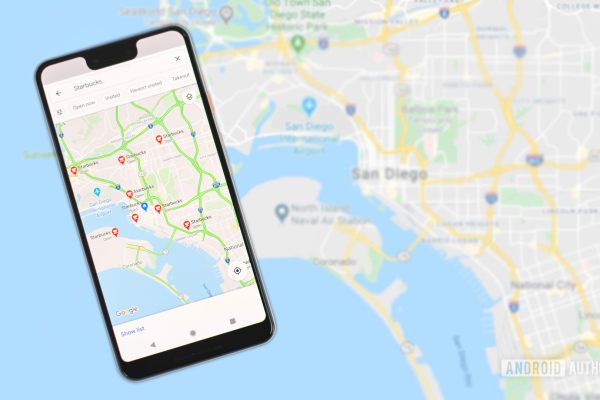
Assuming Google Maps shows all petrol stations accurately. Maps are imperfect in remote areas of Vietnam. A station that appears on Google Maps may have closed, moved, or changed hours. A roadside seller that doesn’t appear on any map may be your most convenient option. Use maps as a general guide, not an authority.
Relying on a rental bike’s fuel gauge without verifying it’s accurate. Older or poorly maintained motorbikes may have inaccurate gauges. Before you leave Ha Giang City, fill the tank completely and observe the gauge at full. If it doesn’t read full, note where the “full” position actually appears to be. Ask your rental provider if the gauge is reliable — a good rental operation will tell you honestly.
Skimping on fuel to save money. Petrol on the Ha Giang Loop is cheap by any standard. The cost difference between topping up at a slightly higher roadside price versus a formal station is genuinely negligible over a 4-day loop. Never skip a top-up opportunity to save a few thousand dong.
Forgetting the Lung Cu detour adds kilometres. The out-and-back to Lung Cu is a real addition to your Day 2 fuel budget. Account for it specifically when filling up in Dong Van.
Not telling your rental provider your planned route. If you’re renting a motorbike in Ha Giang for self-drive, tell your provider the full itinerary — including any extensions or detours. They can advise on specific fuel stops for your route and flag anything unusual. Loop Trails does this as a matter of course in the pre-departure briefing. [See Ha Giang motorbike rental details here.]

Learn more: Ha Giang Loop Easy Rider
Yes, significantly. How much you need to think about fuel depends entirely on how you’re doing the loop.
On an Easy Rider tour, you’re riding pillion behind your guide. Fuel is your guide’s department entirely. They know exactly when and where to fill up, they know their bike’s range, and they’ve done this route enough times that fuel planning is automatic.
You will stop at petrol stations during the trip. You may notice your guide pulling into a roadside seller on occasion. But you won’t need to think about it, plan for it, or worry about it at any point. This is one of the practical benefits of a guided tour that doesn’t get mentioned enough.
Loop Trails Easy Rider tours run on well-maintained bikes with guides who know the loop thoroughly. If fuel management is one of the things that makes self-drive feel daunting, a guided tour eliminates it entirely. [See Easy Rider tour options here.]

Learn more: Ha Giang Loop Self-Drive & Motorbike Rental
Self-drive is where this guide matters most. You are responsible for your own fuel, your own gauge, and your own decisions about when to top up. The rules above apply in full.
The good news is that with the information in this guide, fuel on the Ha Giang Loop is a manageable, predictable thing. Fill up at the formal stations outlined above, don’t skip Yen Minh with a low tank, start every remote section full, and use roadside sellers for top-ups between towns. Follow those habits and you won’t have a problem.
If this is your first time riding in Vietnam or your first mountain loop, give yourself a margin of comfort. Stop a little earlier than you think you need to. Fill up a little more frequently than seems necessary. The loop is long enough that being conservative with fuel costs you almost nothing.
[Browse self-drive motorbike rental options in Ha Giang here.]
Learn more: Ha Giang Jeep Tours
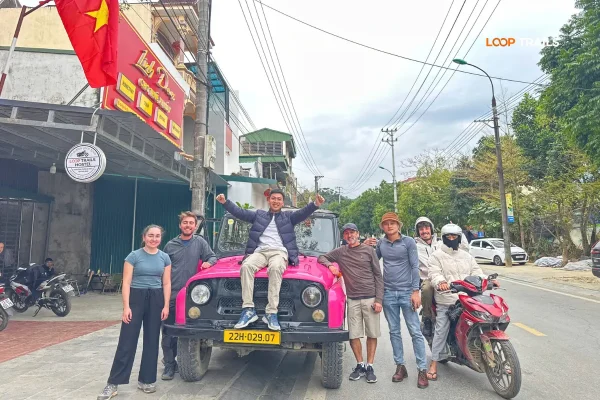
Jeep tours use diesel vehicles, not petrol motorbikes. Your driver handles all fuel stops — it’s entirely out of your hands, and fuel range in a 4WD diesel is very different from a motorbike. You’ll stop when the driver needs to stop, and that’s genuinely the extent of your involvement.
If you’re considering a jeep tour — either because you don’t ride motorbikes, or because you want a more comfortable format — the fuel question simply doesn’t apply to you. [See Ha Giang jeep tour options here.]
Learn more: Ha Giang Motorbike tour
Fuel planning is practical information, but it connects to a bigger question: which way should you do the loop at all?
Choose a guided Easy Rider tour if:
Choose self-drive if:
Choose a jeep tour if:
Not sure which format fits you? Loop Trails can give you a straight answer based on your experience and dates. Drop a message via WhatsApp — you’ll hear back the same day. [Contact us here.]

Learn more: Ha Giang Loop FAQ
The main towns — Ha Giang City, Quan Ba, Yen Minh, Dong Van, and Meo Vac — all have petrol stations. Du Gia and smaller villages along the route are more reliant on roadside fuel sellers. The loop is fuel-accessible, but knowing where formal stations are helps you plan properly.
Roadside fuel sellers — plastic bottles lined up outside a village house — are a normal part of the fuel ecosystem on the Ha Giang Loop. The fuel is petrol, sold in small quantities, at a slightly higher price than a formal pump. They’re reliable for top-ups between formal stations. Most experienced loop riders use a combination of formal stations for primary fills and roadside sellers for in-between.
The word is “xăng” (pronounced roughly “sung” with a falling tone). Pointing to your fuel tank and saying “xăng” is enough — they’ll know exactly what you need. Holding up fingers to indicate how many litres you want also works well.
There’s no formal petrol station on Ma Pi Leng Pass itself. The pass runs between Dong Van and Meo Vac — both of which have fuel. The rule is simple: start the Ma Pi Leng section with a full tank from Dong Van, and refuel in Meo Vac after you’ve crossed it.
Lung Cu is a small settlement and fuel availability cannot be guaranteed there in the same way as the main loop towns. Fill up in Dong Van before the Lung Cu detour and plan to return to Dong Van for fuel if needed before continuing the loop.
For standard petrol motorbikes, roadside fuel is generally fine. It’s not refined to different specifications from what a pump delivers — it’s the same petrol in a different container. Quality can vary slightly, but for short top-ups between formal stations on a normal rental bike, it’s not a practical concern.
Petrol prices in Vietnam are regulated by the government and change periodically — check current rates locally when you arrive. Roadside sellers typically charge a small premium above the official pump price, which is fair given their location and convenience. The overall fuel cost for a full Ha Giang Loop is modest by any measure.
It’s not essential if you follow the fill-up rules in this guide. Some experienced self-drive riders carry a small backup container (500ml–1L) as a precaution, particularly for very remote sections. Ask your rental provider whether they recommend or supply one for your specific route.
It essentially doesn’t happen. Experienced Easy Rider guides know their bike’s range precisely and plan fuel stops as a routine part of every day. If you’re on a guided tour, fuel is your guide’s responsibility and they take it seriously.
No. Petrol in Vietnam is affordable by international standards, and a full loop doesn’t consume a large amount of fuel. Even accounting for slightly higher roadside prices on remote sections, fuel cost is a minor line item in the overall loop budget.
Larger bikes generally have bigger tanks, which extends range, but they also consume more fuel per kilometre — especially on mountain roads. The principles in this guide apply regardless of bike size: fill up at every major town, don’t skip Yen Minh with a low tank, and start the Dong Van → Meo Vac section full. If you’re bringing your own bike, you’ll know its range better than any guide can tell you
Yes — Loop Trails provides a pre-departure briefing for motorbike rental customers that covers the route, road conditions, and fuel stops. It’s one of those practical details that makes the difference between a smooth loop and an avoidable problem.
Contact information for Loop Trails
Website: Loop Trails Official Website
Email: looptrailshostel@gmail.com
Hotline & WhatSapp:
+84862379288
+84938988593
Social Media:
Facebook: Loop Trails Tours Ha Giang
Instagram: Loop Trails Tours Ha Giang
TikTok: Loop Trails
Office Address: 48 Nguyen Du, Ha Giang 1, Tuyen Quang
Address: 48 Nguyen Du, Ha Giang 1, Tuyen Quang
Facebook X Reddit Table of Contents Learn more: Ha Giang Loop Tours This is the question that sits in almost every Ha
Facebook X Reddit Table of Contents Learn more: Ha Giang Loop Tours Most people drive past the Quan Ba area twice on