

Thúy Kiều (Grace) is a travel blogger and content contributor for Loop Trails Tours Ha Giang. She holds a bachelor’s degree in Sustainable Tourism from Vietnam National University, Hanoi, and has a strong passion for exploring and promoting responsible travel experiences in Vietnam’s northern highlands.
Learn more: Ha Giang Loop Tours
Nobody warns you about this part. You spend weeks researching the Ha Giang Loop, the passes, the homestays, whether the roads are scary. Then on day two you are standing at the top of Ma Pi Leng with the best view of your life, you reach for your phone, and it is at 8 percent. The cold has eaten the battery, you have been filming everything, and the next homestay is still three hours away.
This guide is about making sure that never happens to you. After running trips up here for years, we have watched hundreds of travelers either nail their power setup or scramble for an outlet every single night. The difference is not luck. It comes down to a power bank, a couple of habits, and knowing what to actually expect from electricity in the mountains of northern Vietnam.
Let me walk you through all of it.
Learn more: Ha Giang Loop 2 Days 1 Night
The Loop is not a city break. You are out riding from morning until late afternoon, often six to eight hours of saddle time across some of the most photogenic terrain in Vietnam. And here is the thing: everything you brought to capture that terrain runs on a battery.
Your phone is working overtime up here. It is your camera, your map when you have a signal, your music, your translator, and your group chat. Shooting photos and short videos all day drains a phone fast, and a few things on the Loop make it worse:
So the real question is not “will my battery be a problem.” It is “how do I stay topped up across several days of heavy use, away from reliable power.” Good news: it is easy once you have a plan.
Learn more: Ha Giang Loop 3 Days 2 Nights
Let me clear up the biggest worry first, because travelers ask us this constantly.
Yes, almost every homestay on the standard Loop has electricity. The villages around Yen Minh, Dong Van, Meo Vac, Du Gia, and Quan Ba are connected to the grid, and the homestays we use have outlets, lights, hot water, and usually fans. You are not roughing it in the dark. You will be able to charge overnight in most places.
That said, there are a few honest caveats worth knowing before you go.
Vietnam runs on 220 volts at 50 hertz. Sockets usually accept the round two pin plug (often called type C) and the flat two pin plug (type A), and many take both in the same socket.
What this means for you:
This is the part the glossy blogs skip. The mountain grid is reliable most of the time, but short power cuts do happen, especially during storms in the wet season or on the highest, most remote stretches. A homestay might lose power for an hour in the evening, or occasionally overnight. Some of the smaller, more off the beaten path stays near Du Gia or the back roads run on a less stable supply.
This is exactly why you do not want to depend on the wall outlet as your only plan. A power cut on the one night you arrived at 10 percent is a bad night. A power cut when you are carrying a charged power bank is a non event. You barely notice.
If you are on a group tour or staying in a busy homestay dorm, the outlets near the beds get crowded. Five people, two free sockets. Whoever plugs in first wins. Carrying your own power means you are never the person waiting until 2am for a turn.
Learn more: Ha Giang Loop 4 Days 3 Nights
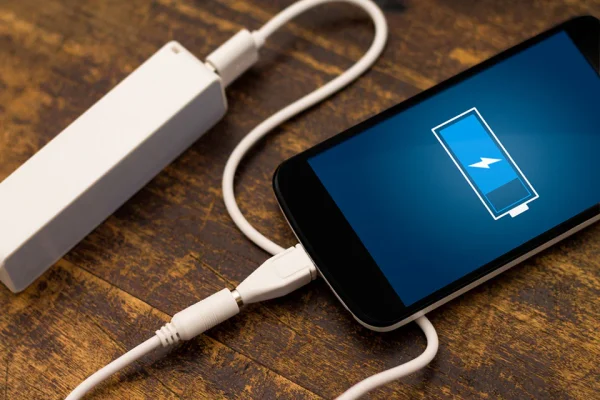
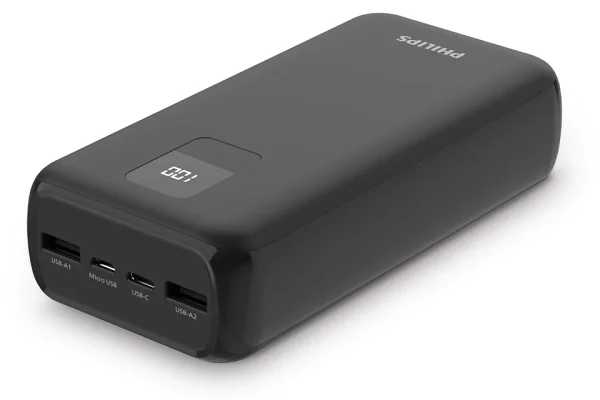
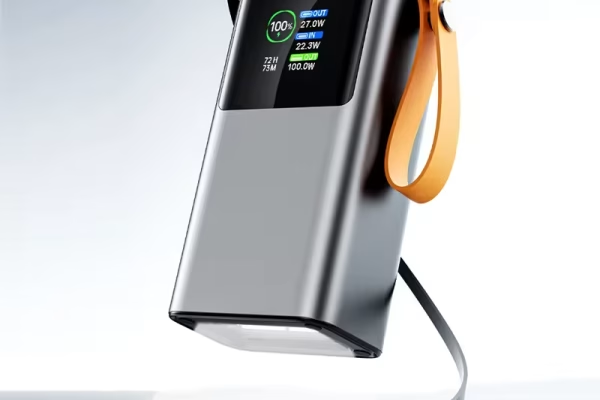
If you take one thing from this entire guide, take this: bring a power bank. It is the single piece of gear that turns charging from a daily stress into something you never think about. It charges your phone while you ride, while you eat lunch at a viewpoint, while you sleep through a power cut.
Here is how to choose a good one for the Loop without overthinking it.
Power banks are measured in mAh (milliamp hours). Bigger number, more charges, more weight. For a multi day motorbike trip, here is a realistic guide:
| Capacity | Roughly gets you | Best for |
|---|---|---|
| 10,000 mAh | About 2 full phone charges | A 2 days trip, light phone user |
| 20,000 mAh | About 4 to 5 phone charges | The sweet spot for most Loop riders |
| 26,000 to 27,000 mAh | About 5 to 6 phone charges, plus camera top ups | Heavy shooters, longer trips, couples sharing |
For the classic 3 days Loop, a 20,000 mAh power bank is the answer for most people. It comfortably covers a full day of heavy phone use plus a camera or GoPro top up, and it recharges overnight at the homestay so you start each morning full again. Couples who share one big bank or shoot a lot of video often prefer a 26,000 mAh.
Two features make a real difference on the road:
A small detail that saves headaches: get a bank that recharges over USB C. The same cable charges your bank, your phone, and probably your camera, so you carry less.
Honestly, no, not for the Loop. Solar power banks charge painfully slowly, and you are moving most of the day rather than sitting in direct sun with a panel out. They sound adventurous and rarely deliver. A normal high capacity bank that you refill at the homestay each night is far more reliable. Save your money and your backpack space.
Not sure whether to ride your own bike or sit back and shoot photos all day? That choice changes your whole charging setup, and we break it down near the end of this guide. If you already know you want someone else handling the riding so you can focus on the scenery, take a look at our easy rider and jeep Ha Giang Loop tours, where charging your gear is genuinely one less thing to think about.
Learn more: Ha Giang Cao Bang 5 Days 4 Nights
Most people fly into Hanoi first, so this matters before you even reach the mountains.
Power banks count as spare lithium batteries, and airlines have rules about them. The widely used standard works like this:
The watt hour rating is often printed right on the bank. If yours only shows mAh, the under 27,000 mAh range keeps you safely inside the common limit.
Rules differ by airline and they do change, so check your specific carrier before you fly. But for a normal travel power bank, you will almost certainly be fine carrying it on board.
Learn more: Ha Giang Motorbike Rental
This is where self drive and guided riders have very different experiences, so read the part that fits you.
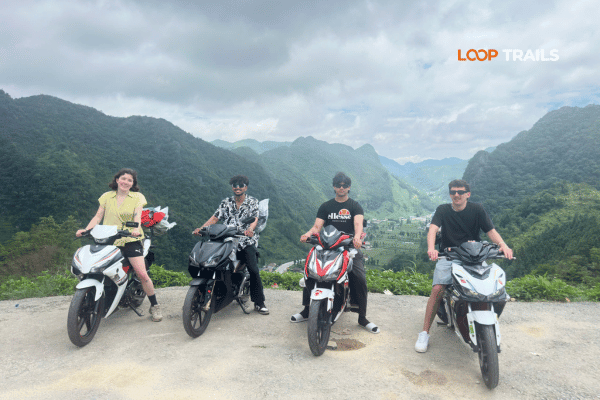
Many riders mount their phone on the handlebars for navigation and casual filming. A phone running maps and video on full brightness, exposed to the sun, drains fast and gets hot. Two things help:
One honest warning: a phone baking in direct sun on the handlebars all day can overheat and actually charge slower or shut off to protect itself. On the hottest, brightest stretches, give it a break in your pocket now and then.
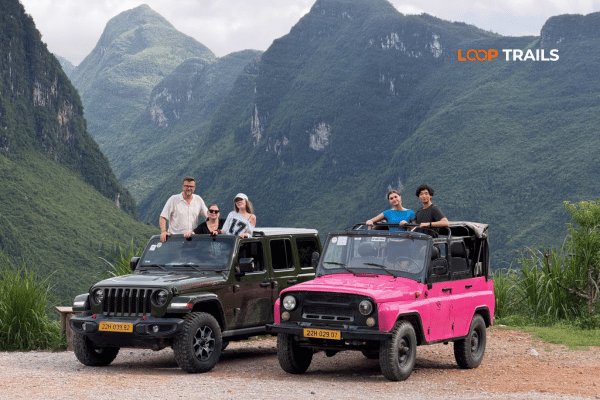
This is the relaxed end of the spectrum. When you are riding on the back with an experienced local driver, or sitting in a jeep, your hands are free and your phone is not pinned to a hot handlebar all day. You can charge from a power bank in your bag whenever you like, shoot photos without worrying about navigation drain, and simply hand your driver the camera for that shot you cannot frame yourself. On our trips, power and charging questions almost never come up, because there is always a bag, a seat, and a moment to plug in.
Learn more: Ha Giang Cao Bang Ba Be Lake 6 Days 5 Nights
Different gear, different headaches. Here is what to expect from each.
Your hardest working device. To stretch its battery on long riding days:
Action cameras are battery hungry, especially shooting high resolution or stabilized video, and the cold makes it worse. A single battery often does not last a full filming day. The fix is simple: carry two or three spare batteries and rotate them, then recharge the lot overnight or off your power bank during the day. Spares are cheap insurance against missing the shot at Ma Pi Leng because your one battery died at the viewpoint before it.
If you brought a proper camera, the same rule applies: bring at least one spare battery, ideally two for a multi day trip. Most can also charge over USB C now, which means your power bank can top them up on the road. Check whether yours does before you travel, because if it needs a dedicated wall charger, you are tied to the homestay outlet each night.
Drone batteries are the thirstiest of all, often giving you only twenty to thirty minutes of flight each. The cold and the wind up on the passes drain them faster, and high altitude affects flight too. If flying the Nho Que River gorge or Ma Pi Leng is on your list, bring multiple drone batteries and a way to charge them at the homestay. Also worth knowing: drone rules in Vietnam can change and some areas have restrictions, so check the latest local guidance before you fly, especially near the border around Lung Cu.
If you are a digital nomad squeezing the Loop between work, a laptop charges fine at most homestays in the evening, but do not expect to work much during riding days. Coverage is patchy and you will be on the road. A laptop that charges over USB C gives you flexibility; a big bulky charger is just dead weight you can only use at night. Plan to do real work on your rest day or back in Ha Giang city, not on the bike.
Learn more: Ha Giang Packing list
The travelers who never have a battery scare all do roughly the same thing each night. It takes two minutes and removes the whole problem. Here it is.
Do this every night and you genuinely never think about power again. It becomes automatic by day two.
Learn more: Cao Bang Loop 3 Days best kept secret
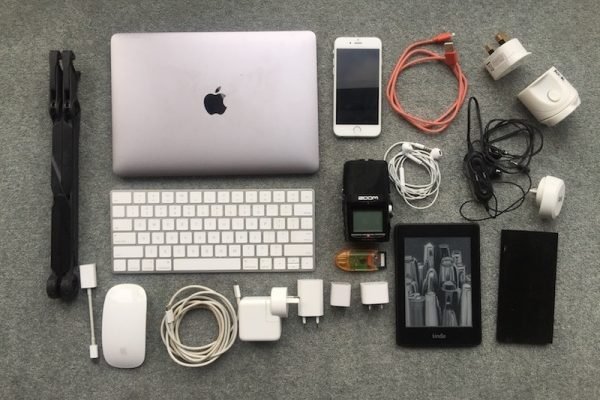
Pack this and you are covered. Keep it simple.
That dry bag matters more than people expect. Rain, river crossings, and red mountain dust are all hard on electronics, and a cheap waterproof pouch protects everything you just spent money charging.
Learn more: Ha Giang Loop Mistake to Avoid
A few patterns we see again and again.
None of these are disasters. They are just the small avoidable things that turn a smooth trip into a daily hunt for an outlet.
Learn more: Ha Giang Loop by Wrangler Rubicon Jeep
Your charging life depends a lot on how you ride the Loop. Here is the honest comparison so you can pick what fits you.
Self drive your own motorbike. Maximum freedom, lowest cost, and the most hands on adventure. The trade off for charging: your phone is often pinned to a hot handlebar running maps, you are managing your own power on the move, and you will want a charging mount and a power bank within reach. Great if you are confident on a bike and like being fully in control. Sort your bike and ask about a charging mount through our Ha Giang motorbike rental.
Easy rider, you on the back with a local driver. You get the motorbike experience and the wind and the passes, but you are free to shoot, charge, and just look around because someone else is riding. Your phone is not stuck on a handlebar all day. A brilliant middle ground, and a favorite for solo travelers and anyone not confident riding mountain roads. See our Ha Giang Loop easy rider tours.
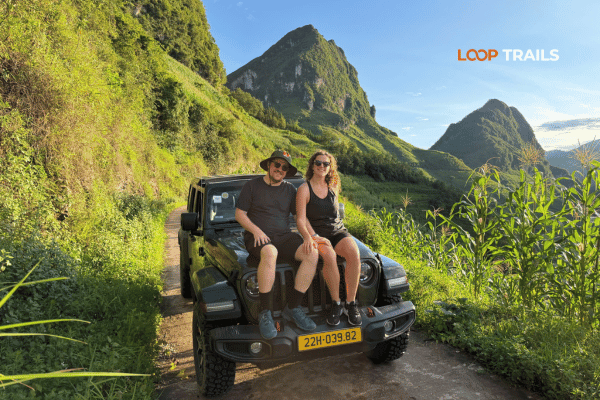
Jeep tour. The most comfortable, all weather option, and the easiest of all for keeping devices charged: a seat, a bag, space for spares, and no riding to manage. Ideal for couples, families, non riders, and anyone who wants to focus entirely on the views and the photos. Take a look at our Ha Giang Loop jeep tours.
If you are also thinking about extending into Cao Bang for Ban Gioc waterfall and the quieter eastern route, the same charging logic applies across the whole trip, and our Ha Giang and Cao Bang combined tours are built for travelers who want both regions in one go.
Still unsure which suits you? Tell us how you like to travel and we will point you to the right option. The fastest way is a quick message on WhatsApp, and we will answer honestly, even if that means telling you the cheaper choice is the better one for you.

Learn more: Ha Giang Loop Coporate Retreat
Charging on the Ha Giang Loop is genuinely simple once you stop treating it as a worry. Bring a good 20,000 mAh power bank, carry spares for any battery hungry camera, download your maps before you leave, and run the two minute evening routine at every homestay. Do that, and you will spend the trip watching the road instead of watching your battery percentage.
The mountains up here are unreal. Ma Pi Leng at golden hour, the turquoise Nho Que River far below, the markets in Meo Vac, the long quiet climbs above Dong Van. You came a long way to see them. Sort your power once, the easy way, and you get to keep your camera rolling for all of it.
If you would rather skip the logistics entirely and just show up and ride, that is exactly what we do. Browse our Ha Giang Loop tours or message us on WhatsApp and we will help you build the trip that fits how you want to travel. New bikes, steady departures, small groups, and people who actually answer your questions.
See you on the Loop.
Learn more: Ha Giang Loop Easy Rider
Yes. Almost every homestay on the standard Loop is on the grid and has outlets for charging overnight, along with lights and usually hot water. Short power cuts can happen during storms or on remote stretches, which is why a power bank is still worth carrying.
For a typical 3 days Loop, a 20,000 mAh power bank covers most travelers comfortably, giving you several phone charges plus a camera top up. Couples sharing one bank or heavy video shooters may prefer 26,000 mAh.
Yes, in your carry on bag only, never in checked luggage. Banks under 100 watt hours (roughly up to 27,000 mAh) are generally allowed without special approval. Rules vary by airline and can change, so confirm with your carrier before flying.
Vietnam uses 220 volts at 50 hertz, with sockets that usually take round or flat two pin plugs. Bring a universal adapter. North American travelers should check each charger handles 100 to 240 volts, which nearly all modern ones do.
Sometimes. Some rental bikes have a USB charging mount, but many do not, so confirm before you ride. If yours does not, keep a power bank in your pocket or bag with a short cable to your phone.
Yes, especially from November to February at the high passes and early mornings. Cold makes phones and cameras report lower charge and die faster. Keep your phone in an inside pocket close to your body until you need it.
No. Solar power banks charge too slowly to be useful when you are riding all day, and a normal high capacity bank that you refill at the homestay each night is far more reliable.
Carry spare batteries and rotate them. Action cameras and drones drain fast, and the cold makes it worse. Recharge spares overnight at the homestay or off your power bank during the day.
Coverage is patchy, with good signal in towns and weak or no signal on remote stretches. Download offline maps before you leave Ha Giang city so your phone is not draining its battery hunting for signal.
A jeep or easy rider tour. With someone else handling the riding, your phone is not stuck on a hot handlebar, and you always have a seat and a bag to charge from. Self driving gives more freedom but means managing your own power on the move.
You can charge a laptop at most homestays in the evening, but coverage is patchy and riding days leave little time to work. Plan real work for your rest day or back in Ha Giang city, not on the bike.
Contact information for Loop Trails
Website: Loop Trails Official Website
Email: looptrailshostel@gmail.com
Hotline & WhatSapp:
+84862379288
+84938988593
Social Media:
Facebook: Loop Trails Tours Ha Giang
Instagram: Loop Trails Tours Ha Giang
TikTok: Loop Trails
Office Address: 48 Nguyen Du, Ha Giang 1, Tuyen Quang
Address: 48 Nguyen Du, Ha Giang 1, Tuyen Quang

Facebook X Reddit Table of Contents Learn more: Ha Giang Loop Tours Most people drive past the Quan Ba area twice on

Facebook X Reddit Table of Contents Learn more: Ha Giang Loop Tours The Ha Giang Loop has a reputation problem with older