
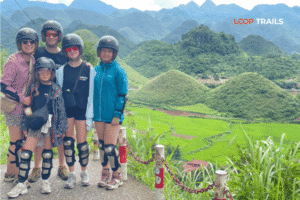
Mu Cang Chai and Ha Giang: The Rice Terrace Trip
Facebook X Reddit Table of Contents Two of the best landscapes in northern Vietnam sit about a province apart, and most people
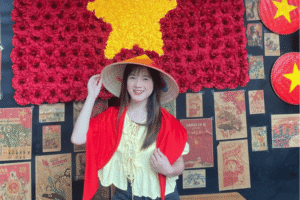
Thúy Kiều (Grace) is a travel blogger and content contributor for Loop Trails Tours Ha Giang. She holds a bachelor’s degree in Sustainable Tourism from Vietnam National University, Hanoi, and has a strong passion for exploring and promoting responsible travel experiences in Vietnam’s northern highlands.
Learn more: Ha Giang Loop Tours
I’ve watched people arrive at a Ha Giang guesthouse in the evening, realize they packed jeans and a tank top, and spend the next five days uncomfortable. Some buy random clothes from shops in Dong Van that fit poorly. Others wear the same three outfits on repeat and attract curious looks from locals.
Packing smart isn’t about having everything. It’s about having the right things so you’re not thinking about your gear while riding a mountain pass at sunrise.
The Ha Giang-Cao Bang loop isn’t a casual day trip. You’re spending 5-6 days on the road, mostly on a motorbike or in a jeep. You’re exposed to sun, wind, and variable weather. Your accommodation changes every night or two. You’re not showering daily in some places, or when you do shower, the water is cold.
This guide is based on what people actually use during these trips, not what travel packing lists say you “should” bring. We’ll skip the minimalist advice that sounds good in theory but fails at 2 PM when the sun is burning your arms. We’ll also skip the overpacking advice that turns your adventure into a logistics puzzle.
The goal: you roll into your first guesthouse feeling prepared, not regretful.
Learn more: Ha Giang Loop 2 Days 1 Night
I’ve watched people arrive at a Ha Giang guesthouse in the evening, realize they packed jeans and a tank top, and spend the next five days uncomfortable. Some buy random clothes from shops in Dong Van that fit poorly. Others wear the same three outfits on repeat and attract curious looks from locals.
Packing smart isn’t about having everything. It’s about having the right things so you’re not thinking about your gear while riding a mountain pass at sunrise.
The Ha Giang-Cao Bang loop isn’t a casual day trip. You’re spending 5-6 days on the road, mostly on a motorbike or in a jeep. You’re exposed to sun, wind, and variable weather. Your accommodation changes every night or two. You’re not showering daily in some places, or when you do shower, the water is cold.
This guide is based on what people actually use during these trips, not what travel packing lists say you “should” bring. We’ll skip the minimalist advice that sounds good in theory but fails at 2 PM when the sun is burning your arms. We’ll also skip the overpacking advice that turns your adventure into a logistics puzzle.
The goal: you roll into your first guesthouse feeling prepared, not regretful.
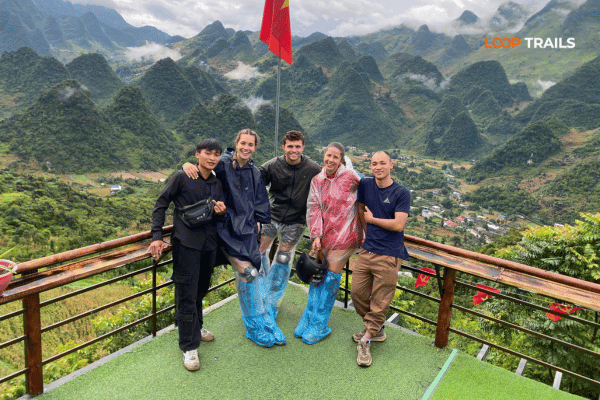
Learn more: Ha Giang Loop 3 Days 2 Nights
Here’s the honest version: if you’re riding a motorbike for 6-8 hours a day, you need more coverage than you think.
Long-sleeved shirts (2-3 pieces):
Not for style. For sun protection. UV rays hit you directly on a bike, and the reflection off the road amplifies exposure. A good long-sleeved shirt should be lightweight cotton or a synthetic blend that dries quickly. Wear one daily. Have a second as a backup for drying/laundry, and a third for flexibility. One shirt can be slightly nicer for evening restaurants in Dong Van or Cao Bang town.
Look for shirts with a loose fit, not tight. Tight things get uncomfortable after 6 hours of riding.
Long pants (1-2 pairs):
Full stop: wear long pants on the bike. Period. If you crash or slide, long pants are the difference between road rash on your legs and actual skin. This isn’t being paranoid. This is survival. One pair of lightweight, quick-dry hiking or travel pants is standard. If you want a second pair, make it something you can also wear in the evening around town. Avoid heavy denim. Avoid cargo pants with excessive pockets (hot, bulky, annoying on a bike).
Shorts (1-2 pairs):
For the hotel and downtime. You need at least one pair because you’ll want to shower, change, and get off the bike in the evening. Cotton is fine. Quick-dry is better. One pair is enough; two gives you a clean option while laundry dries.
Light jacket or rain layer:
This is non-negotiable if you’re traveling October-April. Temperatures drop in the mountains, especially at high passes like Ma Pi Leng. At 1,500 meters elevation on a motorbike with wind chill, 15°C feels like 5°C. A lightweight fleece or windbreaker weighs almost nothing and saves your life comfort-wise.
If you’re traveling May-September, bring a thin rain jacket instead. Wet season thunderstorms last 20-30 minutes but are intense. A rain jacket takes up minimal space.
Undergarments and socks (4-5 days’ worth):
Pack enough for 4-5 days, then do laundry. Every guesthouse offers laundry service, usually $1-3 for a load. Quick-dry materials are clutch here. Merino wool socks are overrated and expensive for this trip; standard hiking socks work fine. Avoid cotton socks if possible; they hold moisture and lead to blister issues.
Sandals or slides (1 pair):
For the hotel and moving around towns. Lightweight, packable flip-flops are perfect. You’re not hiking in these; you’re just getting from your room to dinner. One pair is plenty.
One nicer outfit (optional but useful):
If you want to eat at a proper restaurant or feel human after 5 days of riding, bring one outfit that’s not motorbike gear. This could be your nicer long-sleeved shirt plus your better shorts, or lightweight pants. This is about psychological comfort more than anything else.
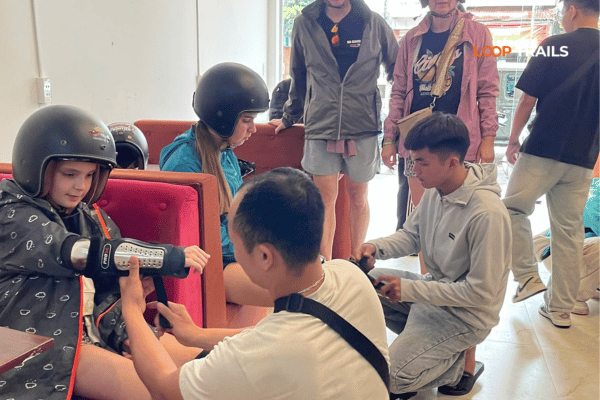
Learn more: Ha Giang Safety Tips
Full-face helmet (rent or buy):
If you’re renting a motorbike, the rental comes with a helmet. Inspect it: check the padding, make sure the visor isn’t cracked, confirm the strap fits. If it feels cheap or uncomfortable, ask for another one or buy a new one in Hanoi (costs $30-60).
If you’re on an Easy Rider tour or Jeep tour, your guide provides helmets.
Wear the helmet every single time. Even for a 10-minute ride to a shop. This isn’t optional. Your brain is valuable. Full-face is non-negotiable because it protects your jaw and face, not just your head.
Sunglasses with strap (1 pair):
On a motorbike, sunglasses without a strap will fall off. Get a cheap pair with a strap for $5-10. Polarized lenses are nice but not required. UV protection matters more than brand.
Gloves (1 pair, optional but smart):
Motorbike gloves protect your hands from sun, wind, and minor scrapes. You don’t need expensive motorcycle gloves; even basic batting gloves or winter gloves work in a pinch. Leather is durable but hot; mesh is breathable but less protective.
Closed-toe shoes (1 pair):
Sandals aren’t safe for bike riding. Wear closed-toe shoes when on a motorbike. Lightweight trail shoes or casual hiking shoes are perfect. They’re comfortable for walking around towns and protective enough on the bike.
Phone and charger (essential):
Your phone is your GPS, camera, communication tool, and entertainment. Bring your charger. Most guesthouses have outlets, but they’re sometimes limited or in odd places (outlets for everyone to share in the common area). A phone charger is small and light.
Portable battery bank (highly recommended):
A 10,000-20,000 mAh battery bank is invaluable. Your phone navigation kills battery fast, especially with GPS running all day. Charge your phone from the power bank during lunch, use hotel outlets to charge both overnight. This costs $15-25 and removes navigation anxiety.
USB charging cable (1-2):
Bring the cable for your phone. Micro USB or USB-C depending on your phone. Guesthouses sometimes have chargers, but they’re not always the right type or in good condition. Having your own eliminates frustration.
Camera or GoPro (optional):
If you’re bringing a camera, bring a second battery and a charger. The landscape is stunning, and you’ll want to capture it. A basic action camera like GoPro (or a $50 knockoff) is lighter and more durable than a DSLR.
Headlamp or flashlight (small):
Some guesthouses have minimal lighting. A small headlamp or keychain flashlight (USB rechargeable is ideal) weighs almost nothing and helps you navigate your room at night or find your way to the bathroom.
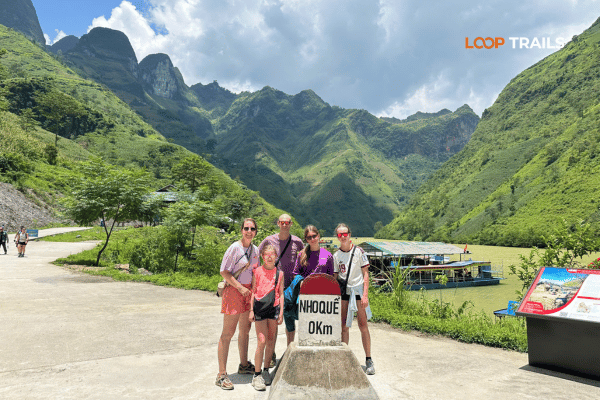
Learn more: Ha Giang Loop 4 Days 3 Nights
Sunscreen (high SPF, lots of it):
SPF 50+. You’re riding for 6-8 hours daily with direct sun exposure and road reflection. A standard 100ml bottle isn’t enough. Bring 150-200ml, or plan to buy more in Cao Bang or Ha Giang town (available, but pricier than Hanoi).
Apply sunscreen every 2 hours if you’re riding. Yes, every 2 hours. Your face, neck, ears, hands, and the back of your legs all burn. Sunburned legs are painful and make sitting on a motorbike the next day miserable.
Lip balm with SPF:
Your lips burn easily. A SPF 30+ lip balm prevents cracked lips and sun damage. It’s tiny and weighs nothing.
Basic toiletries:
Toothbrush, toothpaste, deodorant, shampoo (optional, guesthouses usually provide). Keep this minimal. Solid shampoo bars (Lush, etc.) are lighter than bottles. Travel-size bottles save space.
Feminine hygiene products (if applicable):
If you menstruate, bring what you need. Availability varies in small towns. Small pharmacies in Cao Bang and Ha Giang have options, but your preferred brand might not be there. Bring enough for the trip plus a buffer.
Medications and first aid:
Basics: pain relief (ibuprofen), anti-diarrhea medication (Imodium or similar), motion sickness tablets (ginger chews or Dramamine if you’re prone), any personal medications you take regularly. These are lightweight and potentially life-changing for comfort.
A small first aid kit is nice but optional. Guesthouses have basic supplies, and pharmacies in towns are accessible.
Deodorant:
You’ll sweat on the bike. Deodorant helps you feel human. The small travel size is perfect.
Wet wipes or a small pack of face cleansing wipes:
On long riding days, you can’t always shower immediately. Wiping your face and arms during lunch is refreshing. These are light and compact.
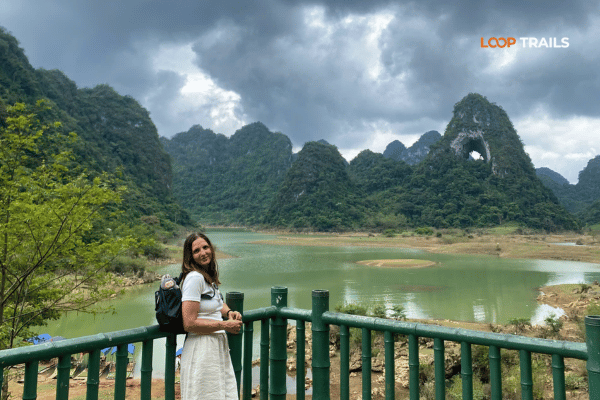
Learn more: Ha Giang Cao Bang 5 Days 4 Nights
October-November and March-April are the sweet spots. Clear skies, cool mornings and evenings, warm middays.
Add to your core list:
What to skip:
Reality check:
Ma Pi Leng Pass at 7 AM in November can be 10-15°C. With wind chill on a motorbike, it feels much colder. A lightweight fleece isn’t luxury; it’s necessity.
Frequent rain, hot and humid, higher accident risk due to wet roads.
Add to your core list:
What to reconsider:
Weather reality:
Rain here is intense but brief. Afternoon thunderstorms are common. Your rain jacket stops the immediate downpour. Getting to a cafe or guesthouse and waiting 20-30 minutes is the strategy, not powering through the rain.
Late April-May and mid-August-September are transitional. Weather is unpredictable.
Pack for both: lightweight rain jacket plus a fleece or windbreaker. You might not use the fleece, but you’ll use the rain jacket. Better to have both options than curse yourself when the weather surprises you.
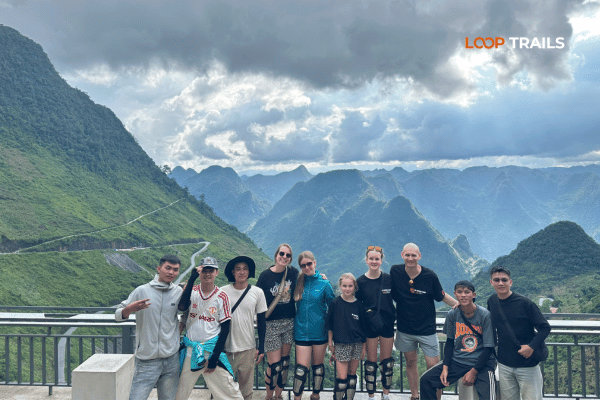
Learn more: Ha Giang Loop Easy Rider
Your transportation choice changes what you need.
Your advantage: A support vehicle carries your main luggage. You only carry a small daypack for the day.
Pack smart:
Freedom here: You can overpack slightly in your main luggage since you’re not carrying it. Bring that nicer outfit, extra pair of pants, more toiletries.
Don’t go overboard though: Your luggage still needs to fit in a car with other travelers’ gear. A 50L backpack or one standard suitcase is reasonable. Anything bigger becomes a problem.
Your advantage: Similar to Easy Rider. Luggage stays in the Jeep during the day. You have a support vehicle.
Pack smart:
Consideration: You’re likely sharing the Jeep with others. Be respectful of space. A 50L backpack is still the sweet spot.
Your constraint: Everything you bring rides on the bike with you.
Pack strategically:
Luggage balance: A 30-40L pack with your essentials should weigh 8-12 kg max. Anything heavier and the bike feels unstable after 5 hours, and your shoulders and back hurt.
What this means in practice:
You sacrifice some comfort for freedom. Many people find it worth it.
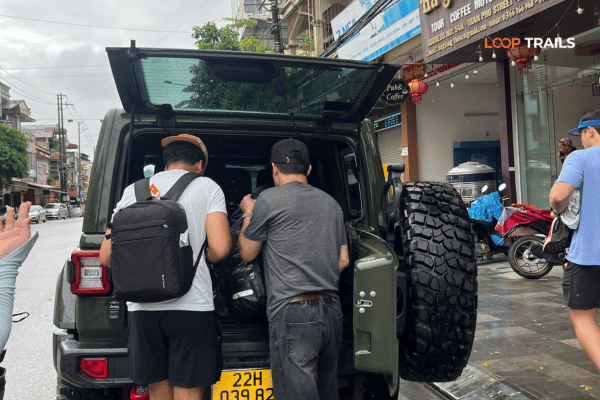
Learn more: Ha Giang Loop by Wrangler Rubicon Jeep
Size guidelines:
Weight reality:
For a motorbike trip, your main backpack should weigh no more than 10-12 kg when fully packed. Test this before you leave home. Pick it up and feel it. Can you comfortably carry it one-handed? If not, it’s too heavy.
For Easy Rider or Jeep, you have more flexibility, but still aim for 50% of your body weight maximum. A 60 kg person with a 30 kg pack is reasonable. A 100 kg pack is excessive.
Material matters:
Brands: Osprey, Deuter, Decathlon, even Amazon basics work. You don’t need expensive; you need functional.
Organization inside:
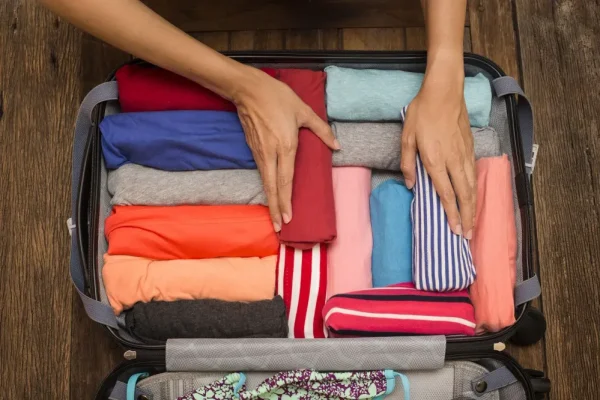
This setup takes 2 minutes to unpack at your hotel and 5 minutes to repack in the morning. Without organization, you’re fishing through your whole backpack at each stop.
Learn more: Cao Bang Loop 3 Days best kept secret
Jeans:
Heavy, bulky, take forever to dry, uncomfortable after 4 hours on a bike. Don’t bring them.
Cotton socks only:
Cotton holds sweat and moisture. Leads to blisters and fungal issues after repeated humid days. Bring at least some synthetic or wool socks.
Too many shoes:
You need closed-toe shoes for the bike and one pair of sandals. That’s two pairs. Don’t bring three. It’s wasted space.
Multiple jackets:
One lightweight layer is enough. You don’t need a blazer, a sweater, and a rain jacket. Choose one strategic layer.
Excessive toiletries:
Travel size everything, or buy basics in Hanoi and replace them halfway through if needed. Guesthouses often provide shampoo and soap. You’re not showering in luxury here; you’re getting clean.
Books or heavy entertainment:
Digital books on your phone are lighter. Paperbacks are heavy and you won’t read 6 hours of motorbike riding per day.
Expensive or sentimental items:
You’re on motorbikes and potentially rough guesthouses. Bring a phone you’re okay with getting dusty. Don’t bring heirloom jewelry or expensive watches.
Too many charging cables:
One cable for your phone is enough. Your portable battery bank charges from the same cable overnight at the hotel. You don’t need cables for everything.
Full-size toiletries bottles:
A 150ml sunscreen bottle is fine. A 500ml shampoo bottle is overkill. Travel sizes are your friend.
Hiking boots:
You’re not hiking extensively. Light trail shoes are comfortable for walking and safe on a bike. Heavy boots are overkill and take up space.
Formal clothes you “might need”:
You will not need a dress or dress pants. One casual nicer outfit is enough if you want to feel human. That’s it.
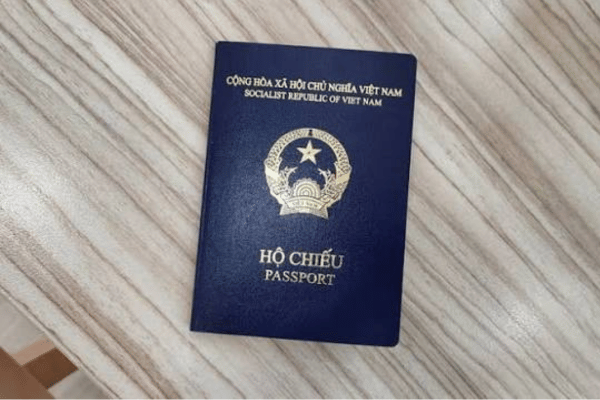
Learn more: Ha Giang Border Area Permit 2026
Knowing when to pack different things helps you not stress about forgetting essentials.
Before you leave your home:
In Hanoi, Day 1 morning:
Hanoi, Day 1 afternoon:
Morning routine:
During the day:
Evening routine:
Laundry note:
Most guesthouses offer laundry service. Drop it off in the evening, pick it up next morning or when ready. Costs $1-3 per load. Plan laundry around your staying pattern.
Last riding day:
Evening in Hanoi:
If you have a Day 7 before flying out:
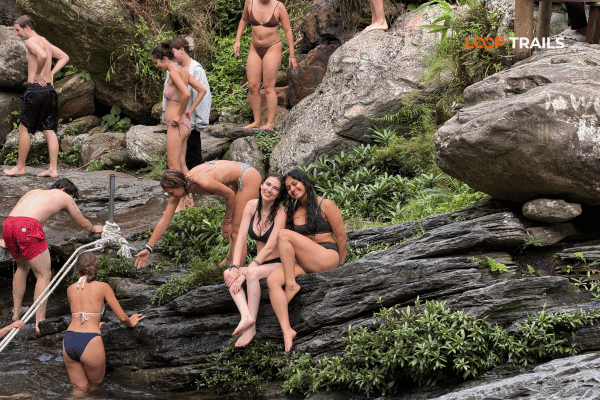
Learn more: Du Gia Waterfall
Laundry strategy:
Nearly every guesthouse in Ha Giang, Cao Bang, Dong Van, and Meo Vac offers laundry. Costs are $1-3 per load. Turnaround is usually next morning (overnight service).
Example: arrive at 5 PM, drop dirty laundry, pick it up at 9 AM next day. You’re clean for the rest of your trip.
Because of this, you don’t need to pack 6 days’ worth of clothes. 3-4 days’ worth is plenty. You wash mid-trip and you’re good.
What to wash:
Resupply on the road:
Toiletries mid-trip:
Most items will last 5-6 days. If you’re running low on something like sunscreen, pharmacies in Cao Bang and Ha Giang town have replacements. Not always your preferred brand, but functional.
Learn more: Ha Giang Loop Mistake to Avoid
One week before:
Three days before:
One day before:
Morning of departure:
Clothing:
Safety and bike:
Electronics:
Toiletries and health:
Documents and misc:
If bringing a camera:

Learn more: Quan Ba Heaven Gate
For motorbike riding, aim for 8-12 kg. For Easy Rider or Jeep tours, 12-15 kg is fine for your main pack. Anything over that and your shoulders and back will hurt, or the bike feels unstable.
Yes, if you pack minimally and plan laundry every 2 days. A 30L backpack is tight but doable. A 40L gives you breathing room. For Easy Rider tours, a 50L main bag is standard and comfortable.
Not necessary. Any backpack 35-50L with padded straps works. If you have one, use it. If not, a cheap one from Decathlon ($30-50) is better than buying expensive brands.
For Easy Rider or Jeep tours, yes, a small suitcase or hard-shell backpack works. For motorbike rental, no. Suitcases don’t fit securely on a bike and are heavy. Backpacks are flexible and stable.
Sometimes. October-April, yes, especially in the higher elevations. Your guesthouse has blankets, but an extra layer or fleece in your daypack is smart for the evening. May-September, unlikely, but shoulder seasons can surprise you.
Every day if needed at most guesthouses. Turnaround is usually overnight. Cost is $1-3. Plan around your staying pattern (if you’re in one place two nights, do laundry morning of day one).
Hanoi has everything. Cao Bang and Ha Giang towns have basics. Shops are small but well-stocked with common items. The only things hard to find are specific prescription meds or niche products. Everything else is available.
No. You’re on a motorbike or in basic guesthouses. Dust, vibration, humidity, and theft risk are all higher. Stick to your phone and maybe a camera. Laptops are overkill.
Your gear dries slowly in humidity. Plan laundry every 1-2 days instead of 2-3. Pack an extra pair of underwear and socks. Rain jacket is essential. Wet season is less comfortable but manageable if you’re prepared.
No. Light trail shoes or casual hiking shoes are perfect. Boots are overkill and heavy. You’re not doing serious hiking, just walking around towns and villages.
Guesthouses provide pillows. They’re not fancy, but they’re fine. Don’t waste luggage space on your own pillow
Technically yes, but it’s risky. Your foot could slip or catch. Closed-toe shoes are safer. Wear flip-flops at the hotel and in towns, not on the bike.
More than you think. 100ml lasts about 3-4 days with proper reapplication every 2 hours. Bring 150-200ml or plan to buy more in Cao Bang.
Contact information for Loop Trails
Website: Loop Trails Official Website
Email: looptrailshostel@gmail.com
Hotline & WhatSapp:
+84862379288
+84938988593
Social Media:
Facebook: Loop Trails Tours Ha Giang
Instagram: Loop Trails Tours Ha Giang
TikTok: Loop Trails
Office Address: 54A Tran Phu, Ha Giang 2, Tuyen Quang
Address: 54A Tran Phu, Ha Giang 2, Tuyen Quang
Facebook X Reddit Table of Contents Two of the best landscapes in northern Vietnam sit about a province apart, and most people
Facebook X Reddit Table of Contents Short answer: mostly no, and it depends entirely on what you mean by two days. That
Facebook X Reddit Table of Contents Twelve days is the length at which northern Vietnam stops being a highlights tour and starts