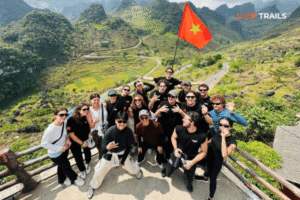


Thúy Kiều (Grace) is a travel blogger and content contributor for Loop Trails Tours Ha Giang. She holds a bachelor’s degree in Sustainable Tourism from Vietnam National University, Hanoi, and has a strong passion for exploring and promoting responsible travel experiences in Vietnam’s northern highlands.
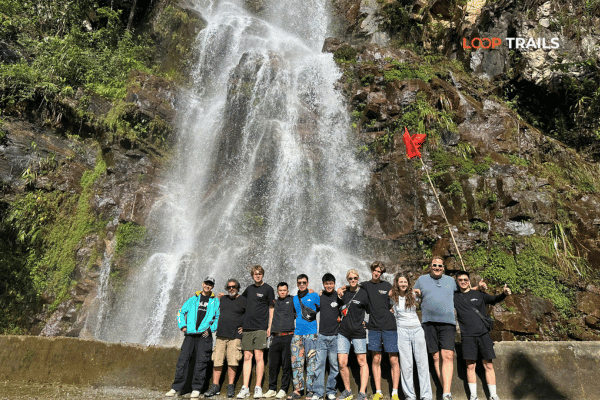
Learn more: Ha Giang Loop 2 Days 1 Night
Picking the right time to explore Vietnam’s northern regions isn’t just about comfort, it can make or break your adventure. The difference between riding the Ha Giang Loop in October versus August isn’t measured in hours of rainfall; it’s the difference between epic sunrises over limestone karsts and white-knuckle rides through fog so thick you can barely see the road ahead.
I’ve watched travelers arrive in Cao Bang during monsoon season and discover that Ban Gioc Waterfall is technically invisible behind torrents of water. I’ve also seen riders conquer the Ma Pi Leng Pass in perfect autumn weather and completely understand why they call it one of the world’s most breathtaking stretches of road.
This guide breaks down what you actually need to know about Vietnam’s seasons, which regions shine at what times, and how to plan an adventure that matches your tolerance for weather and road conditions. No generic “visit anytime” advice just real timing intel to help you choose your perfect window.
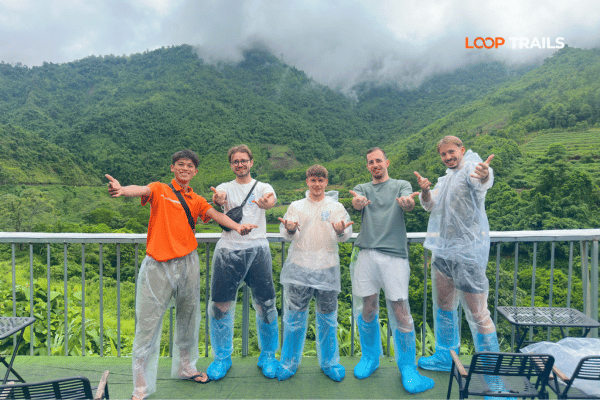
Learn more: Ha Giang Loop 3 Days 2 Nights
The Ha Giang Loop is the showstopper for motorbike adventurers. It’s the route that demands respect, rewards preparation, and absolutely benefits from excellent timing. Here’s what each season actually delivers.
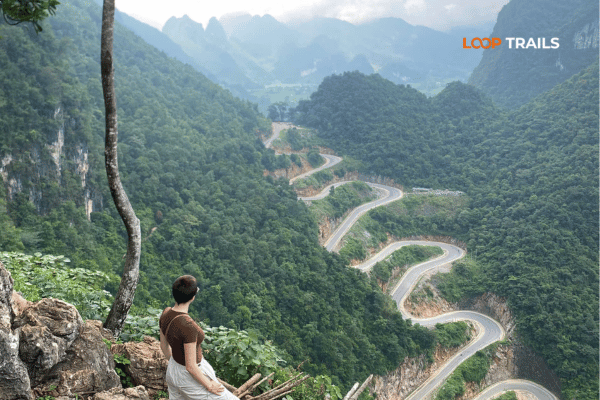
This is when the loop reveals its best self. Temperatures range from 15–22°C (59–72°F) in the highlands, which means you can ride all day without melting or freezing. The skies are mostly clear, visibility is exceptional, and morning fog burns off by 8 or 9 AM perfect for photo moments at passes like Lung Cu and Du Gia.
Road conditions are excellent. The summer rains have settled down, so landslides are less common and the tarmac isn’t a skating rink. Small towns like Dong Van and Meo Vac see fewer tourists than peak winter but enough travelers to keep the guesthouses and restaurants open without the chaos.
This is also when Ha Giang’s karst landscape looks its most dramatic. Rice fields are transitioning between stages of growth, the light is golden in afternoons, and the entire region feels alive without feeling crowded. If you’re planning a self-drive motorbike rental or booking an Easy Rider tour, October and November should be your target months.
Winter brings cooler, drier weather with temperatures around 10–18°C (50–64°F). The skies stay blue, and there are fewer rain interruptions. However, this is also peak season for international tourism in northern Vietnam, which means higher prices, busier roads, and more challenging accommodation bookings especially if you’re traveling as a group.
Early mornings on the loop come with heavy mist that can linger until mid-morning, particularly at higher elevations. Visibility isn’t dangerous, but it does mean your sunrise photoshoots might be delayed. Locals in Dong Van will tell you that early February tends to mark the tail end of reliable dry weather; after that, spring rains begin to creep in.
If you go in December or January, you’ll have excellent riding conditions and unforgettable experiences. Just accept that you’ll pay more and need to book tours and accommodations well in advance. Groups booking Ha Giang + Cao Bang combine tours often cluster in this window, which actually works well if you’re looking to meet other travelers.
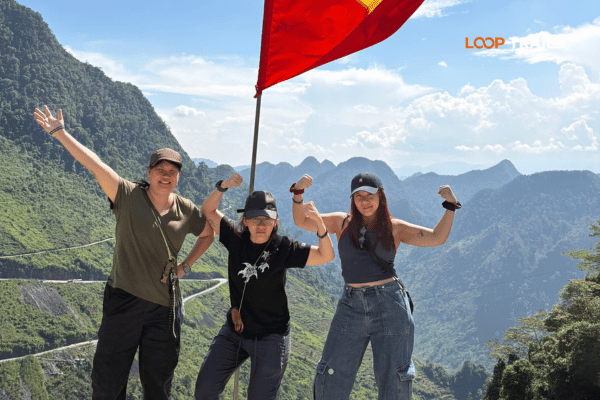
Learn more: Ha Giang Loop 4 Days 3 Nights
May to September: This is the monsoon window. Expect afternoon downpours, especially in June and July. Roads become slippery, landslides increase, and cloud cover means the legendary views are hidden behind fog. We still operate tours during this period, but it demands more skill and caution from riders.
Late February through April: Spring brings unpredictable rainfall and transitional weather. The route is still rideable, but you’re playing weather roulette day to day. Early morning mist can be particularly heavy and lingering.
If you’re a first-time rider on the Ha Giang Loop or prefer easier conditions for your motorbike rental, book outside these windows.
Learn more: Ha Giang Cao Bang 5 Days 4 Nights
Cao Bang gets overshadowed by Ha Giang in travel blogs, but it’s absolutely worth timing correctly. The experience hinges on water flow and accessibility.
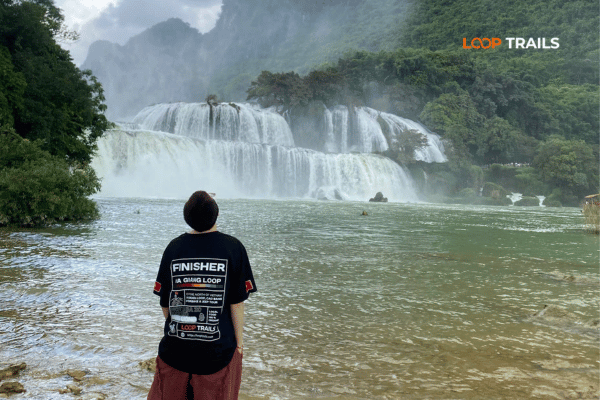
September through November and February through April are when Ban Gioc and Phia Oac waterfalls are at their most spectacular. There’s enough water to create dramatic cascades without the floods that come during peak monsoon. Weather is cool enough for comfortable hiking, and the emerald pools at the base of the falls are swimmable without being dangerously cold.
The Nho Que River, which you’ll likely travel by boat, flows at an ideal level. You won’t be rushed by current, and the scenery of limestone cliffs is fully visible instead of hidden in rain mist.
June through August transforms Cao Bang. Waterfalls become torrential genuinely one of the most powerful natural displays you’ll ever see. The surrounding vegetation explodes with green life. It’s visually stunning if you get dramatic cloud-and-light moments.
That said, heavy rainfall increases flash flood risk in narrow canyons. Tours operate with extra caution. Water visibility for swimming drops dramatically. Hiking trails become slippery, and sections of paths might be closed without notice. If you’re combining Cao Bang with a Ha Giang + Cao Bang tour, summer timing forces you to prioritize safety over optimal conditions.
December through January in Cao Bang means lower water volumes. Ban Gioc still looks beautiful, but it’s less dramatic than autumn or spring. The advantage is reliably dry weather and easier logistics fewer tour cancellations due to weather, easier road access.
If you’re the type who’s mainly interested in scenic exploration rather than high-adrenaline water features, winter works fine for Cao Bang.
Learn more: Ha Giang Cao Bang 6 Days 5 Nights
Vietnam’s north is geographically diverse, and that means seasonal patterns vary significantly by region and elevation.
Best time: April to May, September to October. These months offer pleasant temperatures (22–28°C / 72–82°F) and low humidity before summer peaks.
Avoid: June to August (hot, sticky, frequent rain). December to January can see occasional cold snaps and drizzle.
Best time: September to November, March to April. The highlands are coolest and clearest during these windows, making trekking and riding conditions ideal.
Challenge: May to August brings afternoon thunderstorms nearly every day. February might see brief cold weather and occasional frost at the highest elevations, which is stunning but requires warmer gear.
Best time: October to November, December to early February. Low rainfall, clear visibility, comfortable temperatures for outdoor activities.
Risky: May to September (monsoons). Late February through April (transitional, unpredictable).
Learn more: Ha Giang Road Conditions 2026
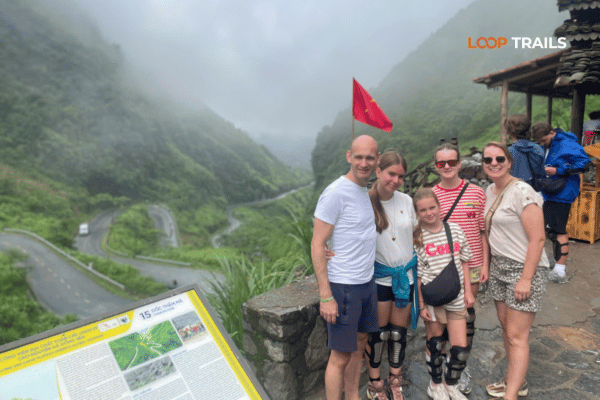
January: Clear roads, excellent visibility, cold mornings (bring layers). Prices highest. Roads are dry and mostly excellent condition. Early January is better than late January when occasional mist increases.
February: Still reliable but transitional. Early Feb is good; late Feb sees increasing humidity and occasional rain. Landslide risk begins to increase. Infrastructure is generally still operating well.
March: Spring weather kicks in. Expect occasional afternoon showers. Some sections in the far northwest might see brief cold snaps. Lush vegetation emerges, making landscapes more vibrant.
April: Humidity climbs. Morning mist is common. Afternoon rain becomes more frequent. Road conditions remain fair. This is still rideable for experienced travelers but less predictable than autumn months.
May: Transitional month into monsoon. Rainfall increases. Humidity becomes significant. Some landslide risk. This is when many tour operators start noting weather delays.
June to August: Monsoon dominance. Frequent rainfall, high humidity, occasional landslides. Visibility poor at higher elevations. Roads can be slippery. This is low season for tourism; prices drop, but infrastructure is less crowded and you might find unique experiences if you’re flexible and experienced.
September: Late monsoon tail. Rain persists early in the month but begins clearing by late September. A transitional month that works better as September progresses.
October: The “golden hour” of travel seasons. Early Oct still catches occasional rain, but by mid-Oct the weather stabilizes beautifully. Roads are excellent. Visibility is exceptional.
November: Peak conditions continue. Clear skies, comfortable temperatures, minimal rain. This might be the single best month for Ha Giang riding. Light is golden in afternoons, early mornings are crisp but not brutally cold.
December: Winter clarity arrives. Cold mornings (especially at elevation), dry days. Tourism starts ramping up notably. Roads excellent but accommodation books faster. Prices begin rising.

Learn more: Ha Giang Loop by Wrangler Rubicon Jeep
Choosing between a motorbike rental adventure, an Easy Rider tour, a self-drive journey, or a full Ha Giang + Cao Bang combine tour isn’t just about preference it’s about matching your skill level and confidence to the seasonal conditions.
October through November is your safety window. Roads are forgiving, visibility is excellent, and if something goes wrong, weather won’t compound the problem. An Easy Rider tour during these months puts you on a bike with an experienced guide handling navigation and risk management while you focus on enjoying the landscape. You’re not responsible for route planning or managing mechanical issues. A guide also provides cultural context and knows exactly where the best photo stops and meal recommendations are.
If you’re comfortable with a self-drive XR150 or semi-auto bike and have riding experience, October to February opens up safely. Rent during these months and you’ll have the confidence to explore remote towns, stop spontaneously for photos, and truly customize your route. Spring and early summer (March–May) is possible if you’re attentive to daily weather forecasts, but it demands more skill and flexibility
Spring (March–April) or autumn (September–October) are non-negotiable for the full experience. If you’re booking a Ha Giang + Cao Bang combine tour and want both regions at their best, plan for these shoulder seasons when possible. The combination hits Ha Giang’s sweet spot while Cao Bang’s waterfalls still have adequate water flow without dangerous flooding.
Summer and early spring (May–July, August–early September) offer lower prices and quieter roads because fewer tourists venture out. You’ll encounter more weather challenges and less-than-ideal visibility, but if you’re flexible, experienced, and interested in capturing a different side of Vietnam (lush monsoon scenery, fewer tourists), these seasons can deliver memorable experiences. Experienced riders sometimes find this period rewarding precisely because it’s less crowded.
Learn more: Ha Giang Cao Bang Packing List
Your packing list changes dramatically depending on when you travel. Here’s what really matters by season.
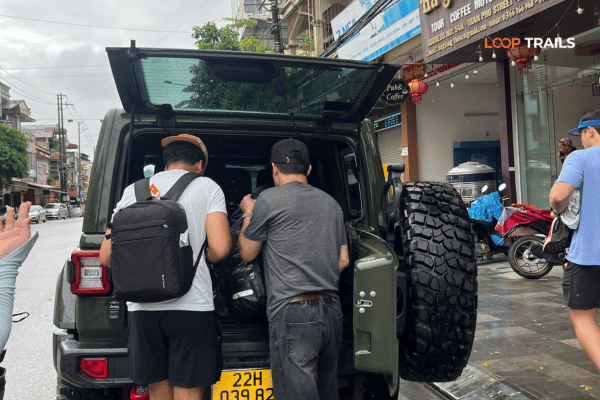
Layers are your friend. Bring a lightweight fleece or windbreaker for early mornings above 1,000 meters elevation; by noon you might shed it. Pack breathable, moisture-wicking shirts because even “cool” autumn days can feel sticky if you’re riding. Sunscreen and sunglasses are non-negotiable the UV at altitude is intense. A light rain jacket covers unexpected showers. Comfortable riding pants, a helmet (rental or bring your own), and gloves protect you during long riding days.
Thermal layers, a proper jacket, and potentially a balaclava if you’re sensitive to cold wind at high elevation. Hands get cold on the bike; insulated gloves matter more than you’d expect. A heavier rain jacket handles occasional winter drizzle. Carry lip balm and moisturizer; cool, dry air dries skin fast. Thicker socks help with cold feet, especially on early morning rides.
Heavy-duty rain gear is essential, not optional. A proper waterproof jacket and pants, not just a poncho. Waterproof bags for electronics and valuables. Extra socks and a quick-dry shirt because you might get thoroughly soaked during afternoon downpours. Anti-fungal creams help with moisture-related skin issues from sweating inside rain gear. Slower riding pace is mandatory; a slippery road is not the time to push limits.
Unpredictable layering. Mornings can be cool, midday gets warm, afternoons bring thunderstorms. Pack a light jacket, t-shirts, and a solid rain jacket. Waterproof socks are surprisingly useful. Be prepared to abandon a planned route if afternoon storms look serious flexibility is more valuable than sticking to your original itinerary.
Learn more: Ha Giang Loop Trekking
After years of watching travelers navigate northern Vietnam, I can tell you exactly when most people underestimate conditions and regret it.
Avoid June to July at all costs if you’re inflexible about schedules. Monsoon rainfall is heavy and daily during these months. Tours get cancelled, roads get closed, waterfalls become too dangerous to approach, and visibility drops to dangerous levels on mountain passes. Yes, some travelers go and have stories. More travelers go and spend days sheltering from rain, frustrated about cancelled activities.
Don’t aim for late March through April if you’re a first-timer or uncomfortable with unpredictable weather. The weather is transitional and moody. You might get three perfect days followed by two days of non-stop rain. It works for experienced riders; it stresses less experienced ones. Expect to make contingency plans daily.
Avoid August if you’re Cao Bang-focused. The combination of monsoon intensity and tourist burnout (fewer staff, some services scaling back) makes it frustrating. Ha Giang is slightly better in August than Cao Bang, but it’s still not ideal. Many guesthouses reduce hours, and some adventure operators limit schedules.
Peak December-January is optional, not essential. Yes, the weather is perfect. But you’ll pay 30–40% more for tours, hotels, and meals. You’ll share passes with dozens of other bikes. If budget or a quieter experience matters, shift to early November or late February for similar conditions at lower prices.
Learn more: Ha Giang Loop Easy Rider
You’ve read about seasons, road conditions, and timing. Now match it to what actually makes sense for your trip.
“I want the absolute best experience with minimal weather surprises and I’m flexible on dates.”
Book a Ha Giang Loop tour or motorbike rental for October or November. Easy Rider tours with professional guides make these months unforgettable. You’ll experience perfect weather, exceptional visibility, and the camaraderie of other adventurers without peak-season crowds.
“I’m traveling in a group and want an immersive northern Vietnam adventure combining multiple regions.”
A Ha Giang + Cao Bang combine tour in April or September–October pairs ideal road conditions in Ha Giang with excellent waterfall visibility in Cao Bang. This combination maximizes your experience across both landscapes and is particularly rewarding for groups wanting to see the best of what northern Vietnam offers.
“I’m an experienced rider and want to explore solo on a motorbike rental budget is a factor.”
Look at early May or late August. You’ll dodge peak season prices, still have rideable conditions, and encounter far fewer tour groups. Just monitor daily weather carefully and be prepared to adjust your route if conditions deteriorate.
“Winter school break, I’m visiting with family, and weather is less of a priority than having infrastructure and activities available.”
December through January works perfectly. Expect crowds and higher costs, but everything will be open and operational. Family-friendly tour options run on regular schedules, restaurants cater to tourists, and there’s no risk of weather-related cancellations.
“I’m genuinely committed to seeing waterfalls at their most dramatic, and I don’t mind learning to ride in challenging conditions.”
June or July shows Cao Bang and Ban Gioc Waterfall at their most powerful. Bring expert-level riding confidence and accept that visibility and accessibility come with compromises. This is for travelers who understand the trade-offs and are comfortable with adventure meaning genuine uncertainty.
Learn more: Ha Giang Loop Coporate Retreat
Timing is just one piece of the puzzle. Once you’ve locked in your season, the next step is choosing the right tour or rental option for your skill level and goals.
If you’re exploring the Ha Giang Loop for the first time, an Easy Rider tour takes the navigation and risk management off your plate, letting you focus entirely on the experience. An experienced guide handles route decisions, knows where the best stops are, and handles any mechanical issues. You get to be fully present in the landscape instead of worrying about whether you took a wrong turn or if your bike is running smoothly.
Prefer independence? A motorbike rental with self-drive option puts you in control. Rent an XR150 or semi-auto bike, plan your own route, and stop whenever you want. This works best from October through February when conditions are most forgiving. You’ll discover hidden towns that tour buses never reach, meet locals in their daily lives, and experience the raw freedom that makes the Ha Giang Loop legendary.
Want the best of both regions? Our Ha Giang + Cao Bang combine tours are designed to hit each region during its optimal season, so you experience both Ha Giang’s epic mountain passes and Cao Bang’s waterfall spectacle under ideal conditions. This is the comprehensive option for travelers who want to maximize their northern Vietnam experience.
Whatever you choose, the timing you pick now determines the story you’ll tell for years afterward. Autumn and early winter offer the best margin for error and the most consistently rewarding weather. Spring and summer demand more flexibility but offer lower prices and fewer crowds. The Ha Giang Loop doesn’t close it just gets harder or easier depending on when you arrive.
Ready to start planning? Drop us a WhatsApp message, browse our tour options, or check current availability for your preferred dates. We’ll help you lock in the perfect timing for your adventure.
Learn more: Ha Giang Motorbike Rental
The Ha Giang Loop has a significant reputation for danger, but much of that comes from poor timing and rider overconfidence. Ridden in October–November with appropriate skill levels, proper safety gear, and respect for road conditions, it’s an advanced but manageable adventure. Summer monsoon season genuinely increases risk because roads are slippery, visibility drops, and landslides are more common.
Not independently. An Easy Rider tour pairs you with an experienced guide who handles navigation and risk. Alternatively, start with a motorbike rental in quieter areas in October–November to build confidence before tackling the loop. Many travelers do this exact progression successfully.
Easy Rider tours provide a guide who drives; you ride as a passenger and don’t need any experience. Self-drive rentals mean you’re on the bike controlling it. Choose based on your comfort level, experience, and desire for independence. Easy Rider is perfect for first-timers; self-drive suits riders who want more control over their itinerary.
Many rental shops will rent without checking, but technically you need an international driving permit. Rules can change check local updates with your rental operator before booking. Insurance situations vary significantly depending on the rental company.
Landslides happen, especially June–August. They can close sections of roads temporarily. Tours operate with updated local knowledge of which routes are safe. It’s another reason why experienced riders prefer October–November when landslide risk is minimal.
October still sees occasional residual monsoon rain, particularly early in the month. By November, the weather pattern has fully shifted to dry, clear conditions. Both months are excellent; November has a slightly higher reliability rate for perfect conditions. However, early November is perfect, while late November prices begin climbing as winter season starts.
Yes, but reaching the best sites like Ban Gioc Waterfall requires transportation. Some travelers hire local drivers or motorbike taxis. Tours are more convenient and often include expertise about what’s accessible on any given day. During monsoon, independent travel to waterfalls becomes significantly riskier.
At low elevations in Hanoi or Haiphong, no. In the Ha Giang highlands above 1,000 meters, yes mornings can drop to 8–12°C (46–54°F). Layers are essential if you’re riding early mornings on mountain passes. Afternoon temperatures are more moderate, but riding into the wind amplifies cold feelings.
October and November offer the clearest skies and most dramatic lighting. Early mornings (6–8 AM) before mist clears provide moody, atmospheric shots. Late afternoons (3–5 PM) give golden-hour warmth. Avoid midday harsh shadows unless you’re capturing the landscape’s scale. The autumn months give you the best consistent light quality.
Yes, 5–7 days is realistic for a Ha Giang + Cao Bang combine tour that covers key highlights of both regions. Timing this in spring or autumn gives you optimal conditions in both places. A typical itinerary includes 2–3 days in Ha Giang and 2–3 days in Cao Bang, with travel days factored in.
Book in advance for October through February because availability gets tight, especially mid-December through early January. For shoulder months (March, May, September, November early), booking 1–2 weeks ahead usually works. Summer months have more availability but unpredictable weather. Advance booking guarantees your dates and often gets better group composition.
Contact information for Loop Trails
Website: Loop Trails Official Website
Email: looptrailshostel@gmail.com
Hotline & WhatSapp:
+84862379288
+84938988593
Social Media:
Facebook: Loop Trails Tours Ha Giang
Instagram: Loop Trails Tours Ha Giang
TikTok: Loop Trails
Office Address: 54A Tran Phu, Ha Giang 2, Tuyen Quang
Address: 54A Tran Phu, Ha Giang 2, Tuyen Quang
Facebook X Reddit Table of Contents Learn more: Ha Giang Loop Tours Most people drive past the Quan Ba area twice on

Facebook X Reddit Table of Contents Learn more: Ha Giang Loop Tours The Ha Giang Loop has a reputation problem with older