

Ha Giang Loop Mistakes to Avoid: What Nobody Warns You About
Facebook X Reddit Table of Contents Learn more: Ha Giang Loop Tours There’s a version of the Ha Giang Loop that people

Thúy Kiều (Grace) is a travel blogger and content contributor for Loop Trails Tours Ha Giang. She holds a bachelor’s degree in Sustainable Tourism from Vietnam National University, Hanoi, and has a strong passion for exploring and promoting responsible travel experiences in Vietnam’s northern highlands.

Learn more: Ha Giang Loop Tours
There’s a moment somewhere on the road between Ha Giang and Cao Bang when the GPS signal fades, the last town you recognized disappears in the mirror, and you realize you have no idea what comes next. That moment usually happens somewhere near Bao Lac.
Which is exactly the point.
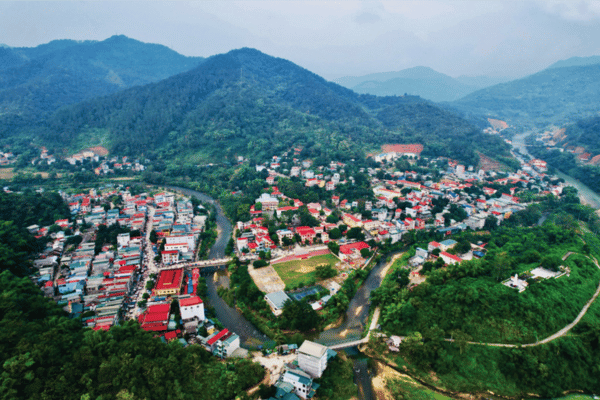
Bao Lac is a small district town in northern Cao Bang province — tucked into a river valley, hemmed in by limestone karst and forested ridgelines, and sitting almost perfectly at the midpoint between two of Vietnam’s most talked-about motorbike routes. It’s not famous. There are no viral Instagram cliffs here, no crowds queuing for a photo at sunrise. What Bao Lac offers is something rarer: the feeling that you genuinely got somewhere off the map.
If you’re planning the Ha Giang Loop, extending into Cao Bang, or doing a full combine tour through northern Vietnam, Bao Lac is a stop that deserves more than a passing glance. This guide covers everything you need to know — what’s there, how to get there, when to go, and how to fit it into your itinerary without wasting time or getting lost.
Learn more: Ha Giang to Cao Bang
Bao Lac is the administrative center of Bao Lac District, in Cao Bang Province. It sits along the Lo River (Sông Lô) at an elevation that keeps it cooler than lowland Vietnam year-round, surrounded by the same dramatic karst terrain that defines the entire northern highland region.
Most travelers who come through Bao Lac are doing one of two things: riding the Ha Giang–Cao Bang combine route, or taking a road less traveled between the Ha Giang Loop and Ban Gioc Waterfall. In both cases, Bao Lac tends to appear on the map at just the right moment — a place to sleep, eat, refuel, and reset before the next stretch of mountain road.
The reason it stays under the radar is partly logistical. It’s not on the classic Ha Giang Loop circuit, which runs northeast through Quan Ba, Yen Minh, Dong Van, Meo Vac, and back. Bao Lac lies further east, closer to the Cao Bang border, on a route that requires a deliberate choice — you have to decide to go there. Most backpackers on tight schedules don’t make that decision. Their loss.
The town itself is small and functional. The Lo River runs along one edge of it. There’s a market, a cluster of guesthouses and local restaurants, some basic infrastructure, and a surrounding landscape that rewards anyone who rents a motorbike and just starts riding.
Learn more: Ha Giang Loop route and itinerary
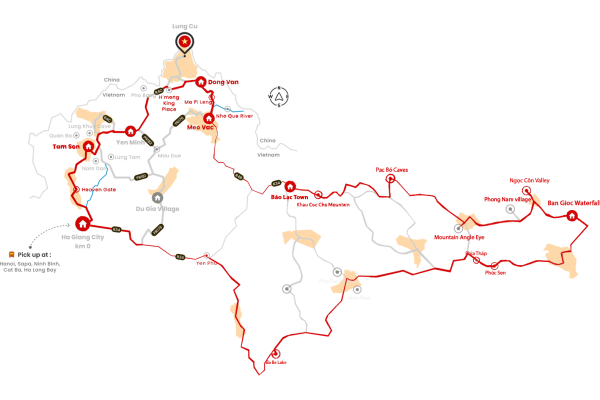
To understand Bao Lac’s position on the map, it helps to zoom out.
Northern Vietnam’s highland loop country is essentially a triangle. Ha Giang city sits in the west. Cao Bang city sits in the east. And a broad, rugged swath of mountains, plateaus, and river valleys fills the space between them. Bao Lac sits inside that space — closer to Cao Bang than Ha Giang, on the western edge of Cao Bang Province.
The town is connected to Ha Giang by Provincial Road 176 (and connecting routes), which cuts through the mountains from Meo Vac or via Bao Lam. From Cao Bang city, it’s accessible via National Highway 34, heading southwest. Neither road is particularly fast. Both are scenic enough to make the time irrelevant.
Key distances (approximate — road conditions affect actual travel time significantly):
| Route | Approximate Distance | Typical Riding Time |
|---|---|---|
| Meo Vac → Bao Lac | ~50–60 km | 2–3 hours |
| Bao Lac → Cao Bang City | ~100–120 km | 3–4 hours |
| Ha Giang City → Bao Lac (direct) | ~200+ km | 5–7 hours |
| Bao Lac → Ban Gioc Waterfall | ~130–150 km | 4–5 hours |
Travel times are estimates only and depend heavily on road conditions, weather, stops, and your own riding pace. Don’t treat them as guarantees — especially in wet season.
The surrounding landscape is a mix of karst limestone formations, river valleys, and terraced hillsides farmed by Tay, Nung, Lo Lo, and Mong ethnic communities. It’s noticeably different from the rocky moonscape of Dong Van Plateau — greener, more forested, less austere. Both are beautiful in different ways.
Learn more: Ha Giang Motorbike Rental
The most common route for travelers coming from the Ha Giang side involves completing at least part of the Ha Giang Loop first. Most people ride through Quan Ba, Yen Minh, and Dong Van before crossing Ma Pi Leng Pass into Meo Vac — and from Meo Vac, there’s a road east toward Bao Lac.
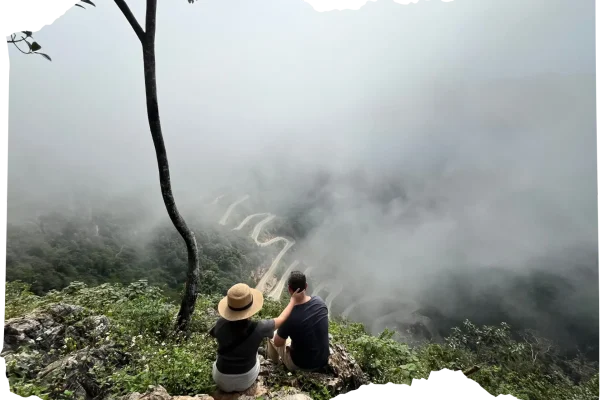
This stretch from Meo Vac to Bao Lac is one of the genuinely underrated roads in northern Vietnam. It follows river valleys and climbs through passes with almost no tourist traffic. The road quality varies — some sections are well-paved, others are rougher — so if you’re riding this in wet season or right after rain, go slowly and check conditions locally before setting out.
If you’re coming directly from Ha Giang city without doing the full loop, expect a full day of riding. It’s possible, but you’ll miss the main highlights of the Dong Van Karst Plateau, which would be a shame.
From Cao Bang, Highway 34 runs southwest directly to Bao Lac. The road passes through Nguyen Binh district and some genuinely beautiful highland terrain, including areas near Phia Oac Mountain — one of Cao Bang’s lesser-known but rewarding natural areas. Road conditions on this route are generally good by northern Vietnamese standards, though mountain roads always come with caveats about weather.
If you’re doing a Cao Bang loop that includes Ban Gioc Waterfall, Nguyen Binh, and Phia Oac, Bao Lac fits naturally at the western end of that circuit before either heading back east or continuing into Ha Giang territory.
Bao Lac is reachable by bus from both Ha Giang and Cao Bang, though schedules are infrequent and routes are slow. If you’re not riding yourself, the most practical way to experience this region properly is with a guided tour — either an Easy Rider-style guided motorbike tour or a jeep tour, both of which allow you to cover the distances comfortably without worrying about navigation or bike maintenance.
Learn more: Explore just the Cao Bang Loop
Bao Lac shares the same general seasonal rhythm as the broader northern Vietnamese highlands — but because it sits at a slightly different elevation and geography than the Dong Van Plateau, the experience differs in small but meaningful ways.
September to November is the peak season for good reason. The rice terraces around Bao Lac and the surrounding Bao Lam District turn gold before harvest, the skies tend to clear after the wet season, and the roads are in their best condition of the year. Temperatures are cool and pleasant for riding. This is the window most experienced travelers recommend.
March to May is the secondary sweet spot. The landscape is green and lush, flowers bloom on some of the mountain slopes, and tourist traffic is minimal compared to the autumn peak. Days are warming up but not yet hot.
December to February brings cold. At elevation in northern Vietnam, temperatures can drop close to zero at night, and morning fog on mountain passes can seriously affect visibility. If you’re riding, gear appropriately and start each day later when visibility improves. That said, the empty roads and occasional frost on the karst are their own kind of beautiful.
June to August is rainy season. Roads in remote areas get damaged by landslides and flooding, river crossings become dangerous, and some routes may be impassable without local knowledge. It’s not impossible to travel during this window, but risks are higher, and you should only ride routes like Meo Vac to Bao Lac with a local guide who knows current conditions.
Learn more: Cao Bang Loop Tours Vietnam best kept secret
Bao Lac isn’t a place with an attraction checklist. It rewards a different kind of traveler — the kind who finds value in unhurried observation, random conversations at a roadside stall, and the particular satisfaction of waking up in a guesthouse where you’re the only foreigner.
That said, there are a few specific things worth planning around.
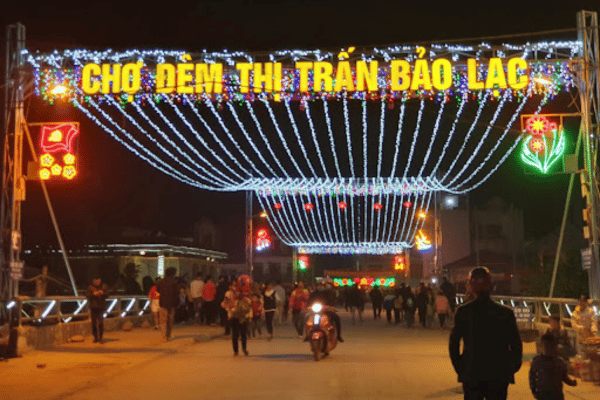
Bao Lac’s Monday market (Chợ Bao Lạc) is the main event, and if your itinerary gives you any flexibility at all, it’s worth timing your visit to catch it.
This is a traditional highland market that draws ethnic minority communities from the surrounding mountains — Tay, Nung, Mong, Lo Lo, and others — who come to trade, socialize, buy livestock, and do the kind of business that’s been happening in this valley for generations. The market runs on Monday mornings and is at its most lively in the early hours, typically from around 6am to 11am.
What you’ll find: livestock pens with cattle, buffalo, pigs, and chickens (be prepared for the noise and smell — it’s authentic in the fullest sense); fresh produce from highland farms; handmade textiles and traditional clothing; basic tools and household goods; and a food section where local women sell everything from sticky rice wrapped in banana leaves to bowls of pho and fresh-pressed sugarcane juice.
This is not a tourist market. There are no souvenir stalls selling “authentic” trinkets made in Hanoi. The vendors are there to do business with each other, and while most are genuinely friendly with curious visitors, it’s worth being respectful — ask before photographing people, don’t block transaction spaces, and observe more than you intrude.
If you’re staying overnight in Bao Lac on a Sunday, you’ll have easy access to the Monday market without any early-morning rush. This is, honestly, the best way to experience it.
Beyond the town itself, the best thing you can do in Bao Lac is ride. The roads radiating outward from the town center — toward Bao Lam to the north, toward the river valleys to the south, along the Lo River corridor — offer some of the quietest, most scenic riding in northern Vietnam.
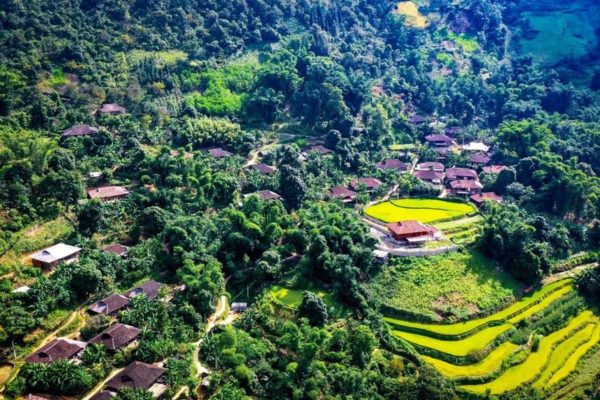
There are no specific named “must-ride” roads here the way Ma Pi Leng Pass has become an institution. The value is in the absence of that — routes where you’ll share the road with nothing but the occasional farm truck and a herd of water buffalo moving between fields. The karst ridgelines, the river valley below, the terraced hillsides dotted with wooden stilt houses — this is the northern highlands at a slower, more honest frequency.
For self-drivers, having a rough map and some offline navigation is useful, but over-planning takes away from what makes this area special. Pick a direction, ride for a couple of hours, turn around when you want. You’re not going to miss a world-famous landmark. You’re going to find whatever the road puts in front of you.
Learn more: Ha Giang Cao Bang Loop Jeep tour Guide
Bao Lac District has a high concentration of ethnic minority communities, particularly Tay and Nung villages in the valley floors and Lo Lo communities in some of the higher elevations. Many of these villages are accessible by motorbike from town on unpaved tracks.
A few things to keep in mind: some villages welcome visitors, others prefer privacy, and local norms vary. Having a guide who speaks Tay or Nung alongside Vietnamese makes a genuine difference here — not for translation alone, but for navigating social expectations that aren’t obvious from the outside. If you’re on a guided Easy Rider tour, your guide’s local knowledge is worth more in areas like this than almost anywhere else on the route.
If you’re self-riding, stick to paths that look well-traveled, and if you’re unsure whether entering a village is welcome, the safest approach is to park, observe from a distance, and wait to see whether people approach you. In most cases, curiosity is mutual.
The Lo River (Sông Lô) passes through Bao Lac on its way south, and the scenery along its banks is quietly impressive. There’s no organized boat tour or riverside infrastructure — this isn’t Sa Pa — but the river creates a natural walking corridor near the town where the pace slows down and the light on the water at dusk is worth staying up for.
Some sections of the riverbank are used by local fishermen using traditional methods, and if you’re there in the early morning, the combination of mist on the water and the mountains rising behind it is genuinely striking.
Learn more: Ha Giang Food guide
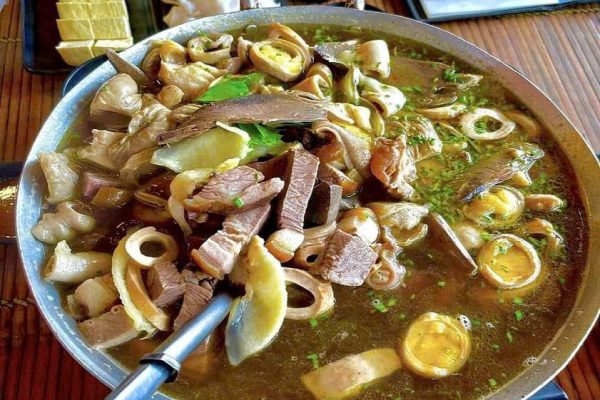
Bao Lac’s food scene is local, limited, and good. Expect rice-based meals, river fish, vegetable dishes from local farms, and the occasional bowl of pho or bun bo at the market stalls. There’s nothing fancy, which is precisely right.
A few things to try if you see them:
The small restaurants clustered near the market area and along the main road through town are the best bet for a proper meal. Point at what looks good. Nobody expects you to read the menu.
Learn more: Ha Giang Homestay Guide
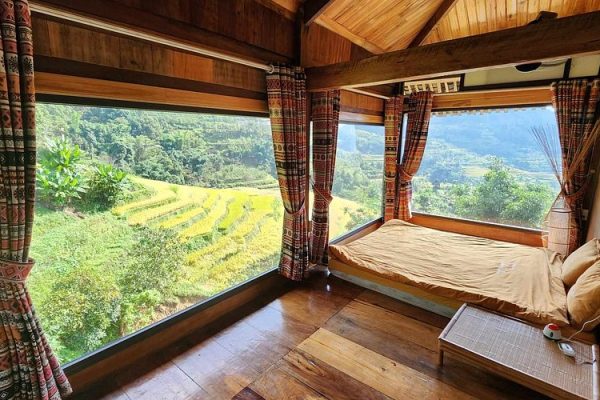
Bao Lac has a handful of guesthouses (nhà nghỉ) that cater primarily to Vietnamese domestic travelers and local business visitors. The options are functional rather than atmospheric — clean enough, basic amenities, priced accordingly.
Expect rooms with a fan or air conditioning, a private bathroom, and wifi that may or may not work at full speed. Don’t expect international hotel standards, boutique design, or a curated breakfast menu. This is a town guesthouse in a small highland district center, and the experience is authentic to that.
What to look for: A guesthouse close to the market area or the main road gives you easiest access to food in the evenings. Ask ahead about motorbike parking if you’re riding — most places have a locked courtyard or garage, which matters overnight.
Booking: Most guesthouses in Bao Lac don’t appear on Booking.com or Agoda with reliable listings. If you’re traveling independently, you’ll often just show up and find a room — even in peak season, Bao Lac rarely fills up. If you’re on a guided tour, your guide will handle accommodation; it’s one of the less-discussed advantages of having local support on remote routes like this.

Learn more: Ha Giang Motorbike tour
This is where Bao Lac really comes into its own.
The standard Ha Giang Loop takes most travelers 3–4 days and covers the Dong Van Karst Plateau circuit. It’s excellent, and if you haven’t done it, start there. But if you have more time — or if you’re making this trip once and want to do it properly — the Ha Giang–Cao Bang combine route is one of the most rewarding multi-day motorbike journeys in all of Vietnam.
The combine route typically runs something like this:
Ha Giang → Quan Ba → Yen Minh → Dong Van → Meo Vac → Bao Lac → Cao Bang → Nguyen Binh → Ban Gioc Waterfall → back to Cao Bang or continue
Bao Lac sits at the natural transition point in this itinerary — the last major overnight stop before the route enters Cao Bang’s eastern highlights. Staying here means:
The combine tour typically requires 7–10 days minimum to do it without rushing. Some itineraries push through in 5–6 days, but you’ll feel it — these are long riding days on challenging roads.
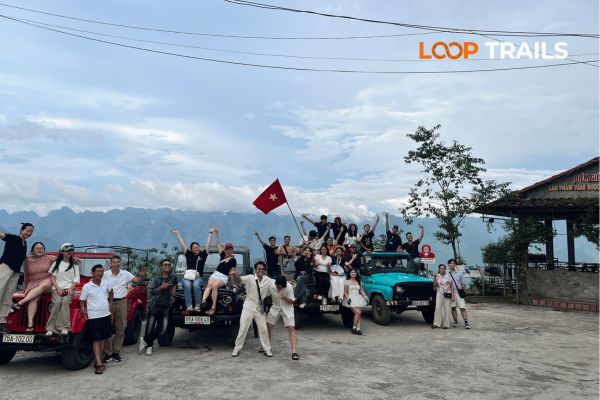
Thinking about the Ha Giang–Cao Bang combine? Loop Trails runs guided combine tours covering the full circuit — with local guides who know these roads, flexible itineraries, and small group sizes. [See our Ha Giang–Cao Bang combine tours →]
Learn more: Ha Giang Jeep Tours
Not everyone should approach Bao Lac the same way. Here’s a quick breakdown:
You’re a confident rider, independent type: Self-drive is your lane. Rent a reliable motorbike in Ha Giang, plan roughly, and let the road fill in the details. The Ha Giang–Bao Lac route rewards this approach — but make sure you’re comfortable with navigation on unmarked mountain roads, basic mechanical troubleshooting, and the possibility of riding in rain without a rescue vehicle nearby.
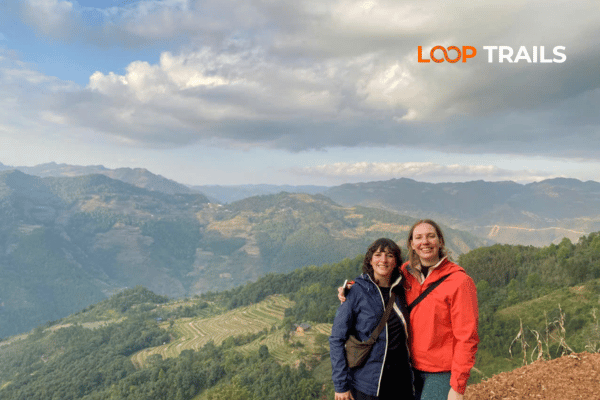
You want the experience without the stress: An Easy Rider tour with a local guide is the best of both worlds. You ride, you see everything, you don’t have to figure out where to sleep or eat. Your guide’s knowledge of roads, villages, and local culture in areas like Bao Lac is genuinely hard to replicate independently. Our guides speak English and have ridden these routes hundreds of times.
You’re traveling with someone who doesn’t ride, or you want maximum scenery without physical effort: The jeep option covers the combine route in comfort, without sacrificing any of the landscapes. You’ll stop everywhere worth stopping, eat well, and sleep somewhere decent every night.
Your time is limited (5 days or fewer): Focus on the classic Ha Giang Loop and skip Bao Lac for this trip. Don’t rush a route that deserves time. Come back for the combine.
Still deciding? [Browse our full range of Ha Giang tours →] or [check availability for motorbike rental in Ha Giang →]. Questions? Message us on WhatsApp — we usually respond within a few hours.
Learn more: Ha Giang Safety Tips
Documents: Vietnam’s regulations around foreign nationals riding motorbikes, required licenses, and road permits can and do change. Don’t rely on this article (or any article) for legal advice on this — check current requirements with a reputable local tour operator or the latest official guidance before you ride.
Fuel: Fill up whenever you see a petrol station on this route. In the stretches between Meo Vac and Bao Lac, and east of Bao Lac toward Nguyen Binh, stations are sparse. Running low on a mountain road with no mobile signal is a fixable problem, but a tedious one.
Cash: Bao Lac has limited ATM options. Bring sufficient cash from Ha Giang or Cao Bang city before heading into this region. Guesthouses, restaurants, and market vendors all deal in cash.
Connectivity: Mobile signal is patchy throughout this region. Download offline maps (Maps.me or Google Maps offline) before you leave a major town. Share your rough itinerary with someone who can raise alarm if you go quiet longer than expected.
Weather changes fast: Mountain weather in northern Vietnam can shift from clear to foggy or rainy within an hour. Start early each riding day to give yourself buffer time — most incidents on these roads happen to riders who pushed late into the day when visibility was dropping.
Riding pace: The roads between Meo Vac and Bao Lac in particular are not straight. They’re winding, sometimes narrow, sometimes unpaved. Average speeds are low by design, not by poor road quality. Budget time accordingly.
Respect the communities: You are a guest in highland villages. Dress modestly, ask before photographing people, don’t offer money to children, and avoid disrupting markets or ceremonies for a photo opportunity. The goodwill between foreign travelers and local communities in this region is built slowly and can be eroded quickly.
Learn more: Ha Giang Loop for Couples
Bao Lac is known for its traditional Monday market, which draws ethnic minority communities from across the surrounding highlands. It’s also valued as a transit point on the Ha Giang–Cao Bang combine motorbike route, and for its quiet, off-the-beaten-path atmosphere compared to more touristed parts of northern Vietnam.
From Ha Giang city, Bao Lac is roughly 200+ km by road, usually approached via the Dong Van Karst Plateau and Meo Vac. Most riders break this into two days rather than attempting it in one. Distances are approximate — always check current road conditions before setting out.
Bao Lac to Cao Bang city is approximately 100–120 km via Highway 34, with a typical riding time of 3–4 hours depending on conditions and stops.
If you have the time and the inclination for genuine off-the-beaten-path travel, yes. Bao Lac won’t give you famous landmarks, but it offers quiet mountain roads, a traditional ethnic minority market, and the kind of northern Vietnamese highland experience that’s increasingly hard to find as other destinations grow more popular.
Bao Lac’s main market day is Monday. The market runs primarily in the morning — arriving between 6am and 9am gives you the best experience. By midday, most vendors have packed up and left.
Yes, buses connect Bao Lac to both Ha Giang and Cao Bang, though services are infrequent. For a more practical experience — especially if you want to explore the surrounding areas — a motorbike (self-drive or guided) or a jeep tour is a much better option.
Generally yes. The area is rural and quiet, not dangerous. The main considerations are road safety (mountain routes require appropriate experience and a well-maintained bike), weather readiness, and having enough cash and supplies before heading into remote areas without ATMs or shops.
The Bao Lac area has significant populations of Tay, Nung, Mong (Hmong), and Lo Lo ethnic minority communities. The Monday market is one of the best opportunities to observe the traditional clothing and goods traded by these communities.
Not strictly required, but strongly recommended for first-time travelers to northern Vietnam. A local guide’s knowledge of road conditions, guesthouse quality, where to eat, and how to interact respectfully with local communities adds substantially to the experience — particularly in remote areas like this.
It sits roughly at the midpoint of the combine route, usually as an overnight stop after Meo Vac and before continuing east toward Cao Bang, Nguyen Binh, and Ban Gioc Waterfall. A 7–10 day itinerary is the most comfortable way to cover the full combine without rushing.
Contact information for Loop Trails
Website: Loop Trails Official Website
Email: looptrailshostel@gmail.com
Hotline & WhatSapp:
+84862379288
+84938988593
Social Media:
Facebook: Loop Trails Tours Ha Giang
Instagram: Loop Trails Tours Ha Giang
TikTok: Loop Trails
Office Address: 48 Nguyen Du, Ha Giang 1, Tuyen Quang
Address: 48 Nguyen Du, Ha Giang 1, Tuyen Quang
Facebook X Reddit Table of Contents Learn more: Ha Giang Loop Tours There’s a version of the Ha Giang Loop that people
Facebook X Reddit Table of Contents Learn more: Ha Giang Loop Tours There’s a moment on the Ma Pi Leng Pass —

Facebook X Reddit Table of Contents Learn more: Ha Giang Loop Tours Most people land on this question after staring at a