
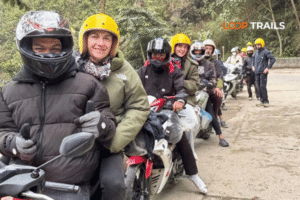
Ha Giang Easy Rider: The Complete Guide (2026)
Facebook X Reddit Table of Contents Learn more: Ha Giang Loop Tours There’s a moment, usually somewhere on Ma Pi Leng Pass,

Thúy Kiều( Grace) is a travel blogger and content contributor for Loop Trails Tours Ha Giang. She holds a bachelor’s degree in Sustainable Tourism from Vietnam National University, Hanoi, and has a strong passion for exploring and promoting responsible travel experiences in Vietnam’s northern highlands.
Cao Bang doesn’t show up on most Vietnam itineraries, and that’s part of its appeal. While Ha Giang has become the poster child for northern Vietnam’s motorbike loops, Cao Bang sits just to the east, equally dramatic but far less crowded. The roads are smoother, the logistics simpler, and Ban Gioc—Vietnam’s largest waterfall—rivals anything Ha Giang offers for sheer visual impact.
I’m not saying Cao Bang is “better” than Ha Giang. They’re different experiences. Ha Giang delivers raw mountain drama and cultural immersion on challenging roads. Cao Bang offers waterfalls, caves, lakes, and easier riding without sacrificing scenery. For many travelers, especially those new to Vietnam or motorbike touring, Cao Bang hits a sweet spot between adventure and accessibility.
The province borders China to the north, which explains the cross-border trade, ethnic diversity, and somewhat frontier atmosphere in certain areas. You’ll ride through landscapes that shift from rice paddies to karst mountains to dense forest within a single day. The ethnic minority communities—Tay, Nung, Hmong, Dao—maintain traditional lifestyles more visibly here than in more touristy regions.
Most people visit Cao Bang as either a standalone 2-3 day loop from Hanoi, or as an extension of the Ha Giang Loop, creating a comprehensive 5-7 day northern Vietnam adventure. Both approaches work well, depending on your available time and what you’re hoping to experience.
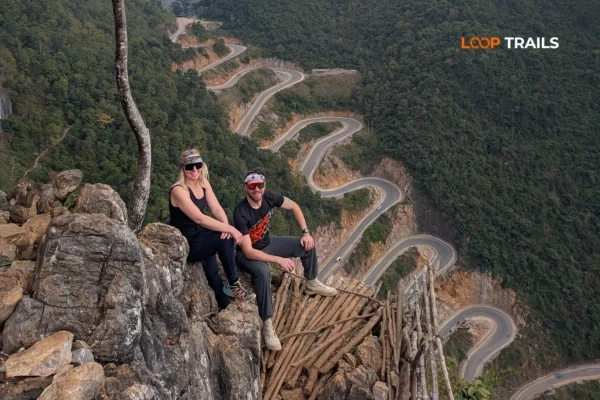
Learn more: Ha Giang Loop Tours
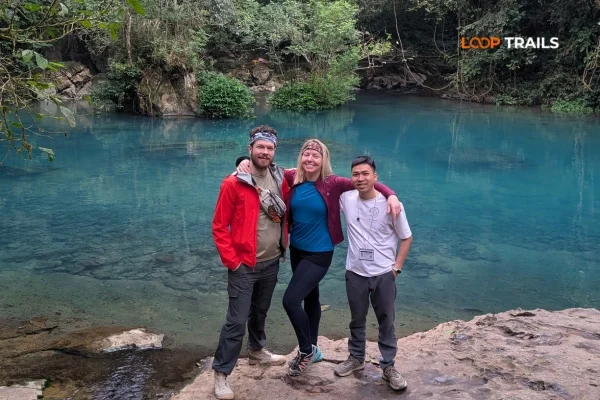
Learn more: Ha Giang to Cao Bang
The honest answer is that Cao Bang rewards effort. It’s not as convenient as more established tourist destinations, but that inconvenience filters out casual visitors and preserves an authenticity that’s increasingly rare in Vietnam’s tourism hotspots.
Ha Giang gets the Instagram fame, but Cao Bang holds its own in ways that matter beyond photos. The main differences:
Road conditions: Cao Bang’s primary loop route follows better-maintained highways. QL34 and QL4A see more traffic and maintenance than some of Ha Giang’s secondary roads. This doesn’t mean Cao Bang is boring—there are still plenty of curves, climbs, and stunning sections—but the technical difficulty is lower. New riders or anyone nervous about Ha Giang’s reputation can handle Cao Bang more confidently.
Tourist infrastructure: Cao Bang has fewer hostels, tour operators, and English-speaking services than Ha Giang. This cuts both ways: less hand-holding means more problem-solving, but also fewer crowds and more genuine interactions with locals who aren’t burned out on backpackers.
Attractions: Ha Giang’s appeal is the journey itself—Ma Pi Leng Pass, Dong Van, the road through the mountains. Cao Bang offers specific destinations: Ban Gioc Waterfall, Nguom Ngao Cave, Thang Hen Lake. You’re riding to see particular things, not just to ride.
Cultural exposure: Both provinces have significant ethnic minority populations, but Cao Bang’s Tay and Nung communities are less accustomed to foreign tourists than Ha Giang’s Hmong villages. Markets and festivals feel more local, less performative.
Crowds: Ha Giang sees hundreds of riders daily during peak season. Cao Bang might see dozens. The difference in atmosphere is substantial.
Neither province is objectively better—it depends what you value. If you want the famous Instagram shots and don’t mind crowds, Ha Giang delivers. If you prefer quieter roads and don’t need social media validation, Cao Bang might suit you better.
Cao Bang’s seasons follow similar patterns to Ha Giang, but the lower average elevation means slightly warmer temperatures year-round.
September through November is ideal. Post-monsoon weather brings clear skies, comfortable temperatures (20-28°C), and Ban Gioc Waterfall at strong flow without flooding. Rice terraces turn golden in late September and October, creating spectacular roadside scenery. This is peak season, but “peak” in Cao Bang still means manageable tourist numbers.
December through February gets cold, especially in the mountains. Temperatures can drop to 5-10°C at night and in early morning. Fog is common, reducing visibility on some sections. The upside is fewer tourists and occasional stunning scenes when clouds fill valleys. Pack warm layers if visiting during this window.
March through May offers warming weather, flowering trees, and generally stable conditions. Ban Gioc’s flow drops as dry season progresses, but the waterfall remains impressive. This is arguably the most comfortable riding weather—warm but not hot, with lower rain probability than later months.
June through August is monsoon season. Expect afternoon thunderstorms, humid conditions, and occasional road flooding. Ban Gioc is most dramatic during this period with maximum water flow, but getting there safely requires more attention to weather and road conditions. Some travelers specifically chase the monsoon season for dramatic waterfall photos; others avoid it for safety and comfort reasons.
Vietnamese holidays (Tet in late January/early February, April 30-May 1 week) bring domestic tourism surges. Prices increase, accommodation fills up, and sites get crowded. If your schedule allows, avoid these periods or book well in advance.
Minimum viable trip: 2 days, 1 night. Cao Bang City → Ban Gioc/Nguom Ngao → return. This hits the headline attractions but feels rushed.
Comfortable trip: 3 days, 2 nights. Adds Pac Bo Cave, Thang Hen Lake, and time to actually enjoy places rather than racing through.
Combined with Ha Giang: 5-7 days total. This creates a comprehensive northern Vietnam loop that showcases both provinces properly.
Most people underestimate how much time they’ll want once they’re actually in Cao Bang. The province is larger than it looks on maps, distances between attractions are significant, and the riding itself becomes part of the experience. If you can spare 3 days instead of 2, do it.
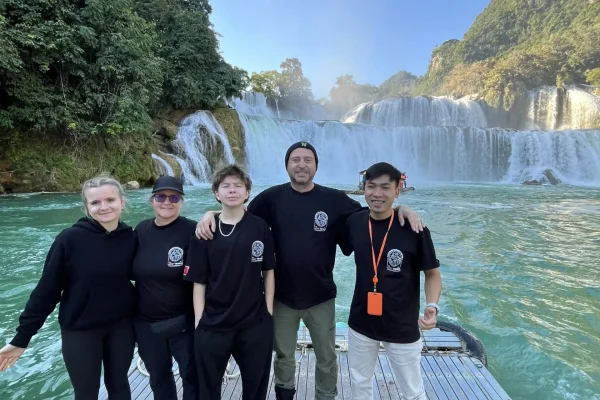
Learn more: Ban Gioc Waterfall Guide
Cao Bang isn’t one-note tourism like some destinations that live or die on a single sight. The province offers genuine variety in what you can see and do.
Vietnam’s largest waterfall sits on the border with China, which means you’re technically looking at a waterfall shared between two countries. The Vietnamese side offers better access and views, though Chinese tourists fill bamboo rafts on the Chinese side.
Ban Gioc spans roughly 300 meters wide and drops 30 meters in multiple tiers. During peak flow (monsoon season), the sound is thunderous and mist rises high enough that you’ll get wet standing at the viewpoints. During dry season, flow decreases but the waterfall remains impressive—just less overwhelming.
What to do there:
Time needed: 1.5-2 hours minimum, longer if you take the raft ride or want extensive photos.
Entrance fee: Check current prices as they fluctuate, but expect around 40,000-60,000 VND per person plus parking.
The waterfall is roughly 85 kilometers from Cao Bang City, requiring 2.5-3 hours of riding. Most itineraries make this the furthest point north before turning back.
Learn more: Nguom Ngao Cave
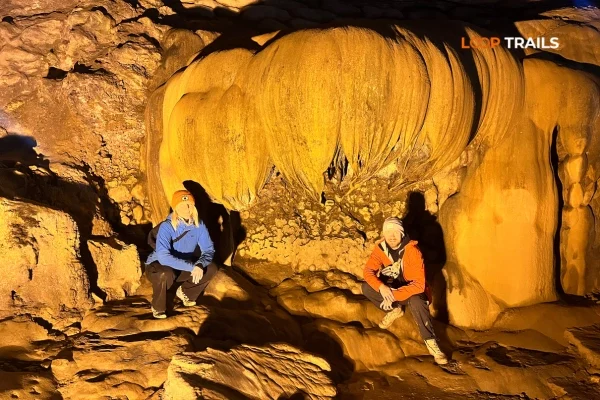
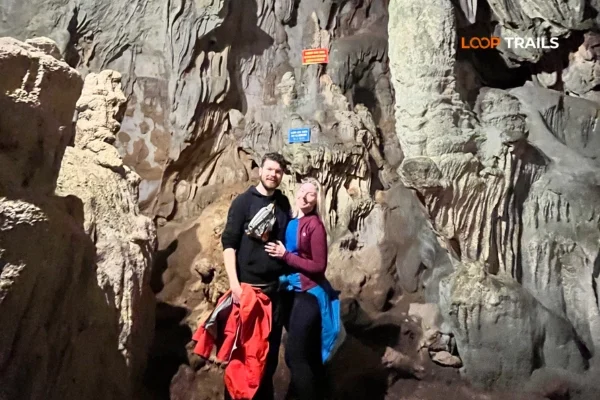
Just 3 kilometers from Ban Gioc, Nguom Ngao Cave deserves more than afterthought status. This limestone cave system extends about 3 kilometers into the mountain, with 1 kilometer developed for tourism.
The formations—stalactites, stalagmites, flowstone—rival anything you’ll see in Vietnam’s more famous caves like Phong Nha. The scale is impressive: some chambers reach 30+ meters in height, and massive columns where stalactites and stalagmites have fused dominate several sections.
What to expect:
Cost: Around 30,000-40,000 VND entrance fee.
The cave stays around 18-22°C year-round regardless of outside temperature, making it a welcome escape during hot weather. Bring a light jacket and shoes with good grip.
Learn more: Explore just the Cao Bang Loop
Pac Bo Cave is where Ho Chi Minh stayed in 1941 after returning to Vietnam from exile. The cave itself is small and unremarkable geologically, but the historical significance attracts Vietnamese visitors who want to connect with revolutionary history.
The site includes:
Appeal varies widely: Vietnamese visitors and history enthusiasts find this compelling. Others see it as a quick 30-minute stop that provides cultural context but limited visual interest.
Location: About 50 kilometers north of Cao Bang City, making it accessible as a morning or afternoon trip.
Entrance: Minimal fee, sometimes free depending on current policy.
Learn more: Ha Giang Cao Bang Loop Jeep tour Guide
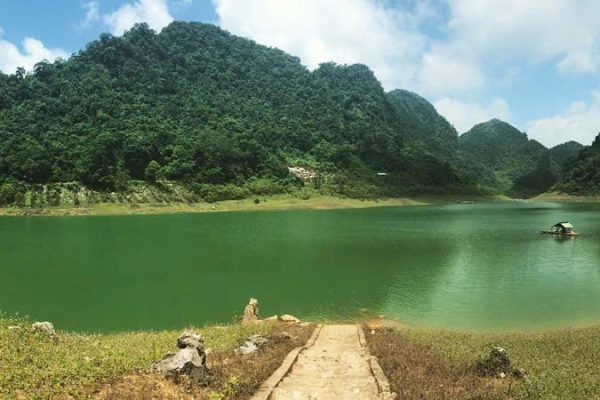
Thang Hen is actually a system of 36 connected lakes in a karst valley. During dry season, water levels drop and some lakes separate. During wet season, they merge into a larger water body.
The main appeal is scenery: turquoise water, limestone cliffs, dense vegetation, and a sense of remoteness that’s increasingly rare in Vietnam. It’s not a “do things” destination—you come for views, photos, and atmosphere.
Activities:
Time needed: 1-2 hours depending on how long you want to absorb the scene.
Location: About 60 kilometers from Cao Bang City on the route toward Tra Linh.
Thang Hen sees fewer visitors than Ban Gioc or Nguom Ngao, which makes it appealing for travelers seeking quieter experiences. The trade-off is limited facilities—bring water and snacks.
Learn more: Ha Giang Loop route and itinerary
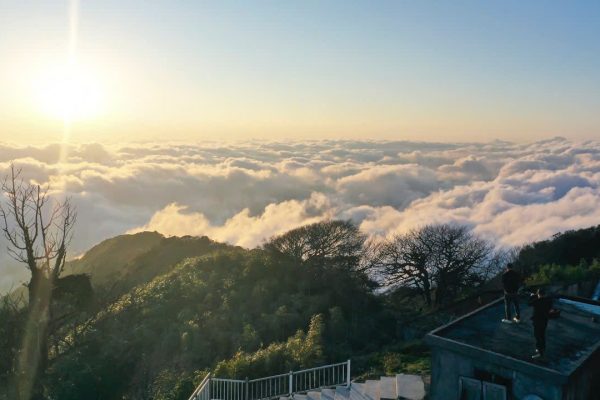
This national park protects one of Cao Bang’s few remaining primary forest areas. The park features mountains, waterfalls, diverse flora and fauna, and hiking trails of varying difficulty.
Best for: Nature enthusiasts, birdwatchers, and hikers who want Vietnamese wilderness beyond just roadside scenery. Not essential for casual visitors focused on the main loop attractions.
Access: Requires deviation from standard loop routes. Self-drive or hired guide needed.
Facilities: Basic. This is genuine national park, not a developed tourist site.
Most Cao Bang itineraries skip Phia Oac due to time and access constraints. If you have extra days and specific interest in nature/hiking, it’s worth investigating further.

Learn more: Ha Giang Sleeper Bus
Cao Bang City sits roughly 270 kilometers north of Hanoi and about 200 kilometers east of Ha Giang City. Getting there requires either your own transport or booking through services that handle logistics.
Bus: Multiple bus companies run daily services from Hanoi to Cao Bang City. Journey takes 7-9 hours depending on route and stops. Sleeper buses (overnight) and seated buses (daytime) both available.
Cost: Approximately 200,000-300,000 VND one-way.
Buses depart from various Hanoi stations (My Dinh, Giap Bat, Gia Lam depending on company). Book tickets through your accommodation or online platforms. Quality and comfort vary significantly between operators—check reviews before booking.
Private car/van: More expensive but more comfortable and flexible. Useful for groups of 3-4 people where the per-person cost becomes reasonable.
Cost: Around 2,500,000-4,000,000 VND for the vehicle (total, not per person).
Journey time: 6-7 hours with stops.
Motorbike from Hanoi: Possible for experienced riders comfortable with long highway distances. The route mostly follows QL3 north through Thai Nguyen and Bac Kan provinces. Road conditions are decent, but it’s 270+ kilometers and takes a full day.
Most travelers take the bus to Cao Bang City, then rent motorbikes locally for the loop. This avoids the long highway slog from Hanoi while still giving you the riding experience in Cao Bang’s scenic areas.
Direct route: Approximately 200 kilometers via QL4C and QL34. The route passes through Bao Lac and connects the two provincial capitals.
Riding time: 6-8 hours depending on pace and road conditions.
Via Meo Vac route: Some riders loop through Meo Vac from Ha Giang, then continue east to Bao Lac and down to Cao Bang. This adds distance but includes some spectacular mountain roads.
Road conditions: Generally good on QL34, more variable on smaller roads. Check current conditions, especially during or after monsoon season.
Combining Ha Giang and Cao Bang into one extended trip makes geographic sense—you’re already in the north, the provinces border each other, and the transition ride offers scenery comparable to the loops themselves.
QL34 (National Highway 34) is Cao Bang Province’s main north-south artery. It runs from Cao Bang City north to the border area near Ban Gioc. The road is paved, relatively well-maintained, and handles regular traffic including trucks and buses. Expect curves, elevation changes, and occasional rough patches, but nothing technically extreme.
QL4A connects Cao Bang with provinces to the west. Similar quality to QL34—decent pavement, regular maintenance, manageable for riders with basic skills.
Smaller provincial roads vary more in quality. Some are excellent, others deteriorate quickly after heavy rain. If your route includes roads beyond the main highways, ask locally about current conditions.
Traffic: Light compared to routes near Hanoi or other major cities. The main challenges are trucks on highways (pass carefully) and occasional livestock or agricultural vehicles on smaller roads.
Navigation: Google Maps works adequately for main routes. Offline maps (Maps.me) provide backup when phone signal drops, which happens in some mountain valleys.
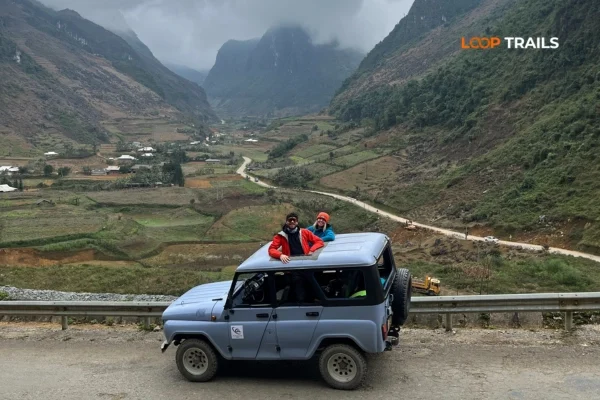
Learn more: Ha Giang Cao Bang 5 Days
The “Cao Bang Loop” isn’t as standardized as Ha Giang’s loop, but most versions follow similar patterns: start in Cao Bang City, head north to Ban Gioc and Nguom Ngao, explore surrounding attractions, then return.
Day 1: Cao Bang City → Ban Gioc Waterfall
Day 2: Ban Gioc → Pac Bo → Cao Bang City
This compressed itinerary works if you’re time-limited, but expect full days with limited downtime. You’ll see the major highlights but won’t have much opportunity to explore secondary attractions or simply relax.
Adding a third day transforms the experience from rushed to comfortable.
Day 1: Cao Bang City → Thang Hen → Ban Gioc
Day 2: Ban Gioc area exploration
Day 3: Ban Gioc → Pac Bo → Cao Bang City
Alternatively:
Day 1: Cao Bang → Ban Gioc Day 2: Ban Gioc → Bao Lac → explore western Cao Bang Day 3: Bao Lac → Pac Bo → Cao Bang City
This western variation includes different scenery and less-visited areas, though it adds significant distance.
Cao Bang’s roads are generally less challenging than Ha Giang’s but still require attention and basic riding competence.
Expect:
Don’t expect:
For self-drive riders: if you’ve handled a motorbike in any Vietnamese city traffic, you can handle Cao Bang’s main loop roads. The challenges are different (mountains vs. urban chaos) but not more extreme.
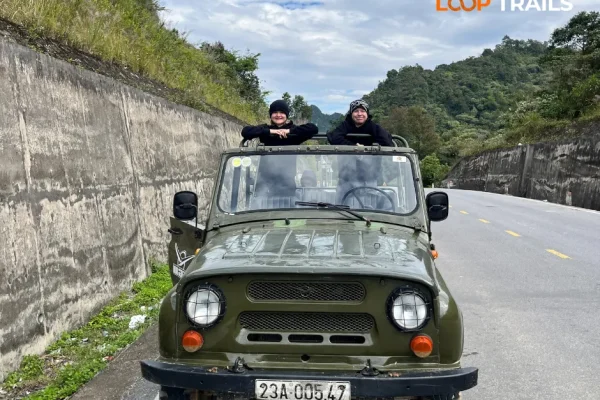
Learn more: Ha Giang Jeep Tours
Connecting these two provinces creates one of Vietnam’s best multi-day motorbike journeys. The combined route offers enough variety to stay interesting across 5-7 days without feeling repetitive.
Geographic logic: They’re neighbors. Traveling between them is straightforward, and the transition ride is scenic enough to be worthwhile rather than just dead distance.
Complementary experiences: Ha Giang gives you the epic pass (Ma Pi Leng), cultural villages, and challenging roads. Cao Bang adds waterfalls, caves, lakes, and slightly easier riding. Together they showcase northern Vietnam’s range.
Efficient use of time: If you’re already committing to the journey north from Hanoi, seeing both provinces makes sense. The additional 2-3 days to add Cao Bang is minor compared to the initial travel time reaching the region.
Avoids backtracking: The combined route can loop: Hanoi → Ha Giang → (Ha Giang Loop) → Cao Bang → (Cao Bang Loop) → return to Hanoi via different route. This feels more like a journey and less like a there-and-back.
5-Day Condensed Version:
This version is tight and requires stamina. Better suited for riders who’ve done multi-day trips before and don’t mind long days.
7-Day Comfortable Version:
The 7-day version gives you proper time at each location without constant rushing. Rest days can be built in if you want even more relaxed pacing.
Bike rental: Rent in Ha Giang, return in Cao Bang, then bus back to Hanoi. Many operators allow one-way rentals with drop-off fees. Alternatively, rent in Ha Giang, ride to Cao Bang and back to Ha Giang, then return to Hanoi. This adds riding distance but simplifies logistics.
Accommodation: Book ahead for Ha Giang City and Cao Bang City during peak season. Smaller towns (Dong Van, Meo Vac, near Ban Gioc) usually have rooms available but options are limited.
Weather coordination: Check forecasts for both provinces. Weather can differ significantly—Ha Giang might be foggy while Cao Bang is clear, or vice versa.
Physical demands: 5-7 days of riding in mountains requires genuine stamina. Build in rest time, don’t ride if you’re exhausted, and listen to your body about when to take breaks.
Ha Giang + Cao Bang combined tours handle all these logistics—routing, accommodation booking, bike rental/drop-off, guide services—so you can focus on riding and experiencing rather than planning.
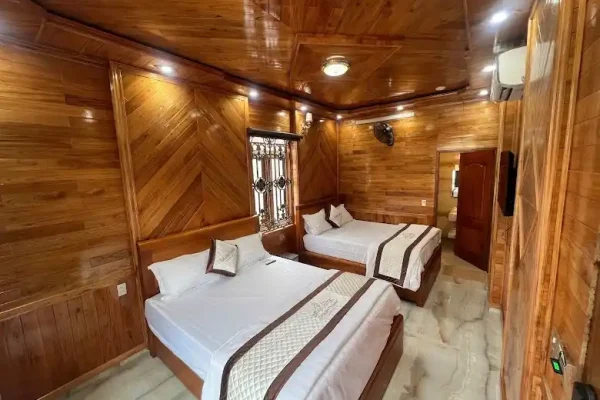
Learn more: Ha Giang Loop 3 Days 2 Nights
Accommodation in Cao Bang Province ranges from basic guesthouses to decent mid-range hotels. Don’t expect luxury resorts, but you’ll find clean, adequate places throughout the main towns.
The provincial capital has the widest selection, with everything from budget hostels to business-oriented hotels.
Budget options (under $15 USD/night): Guesthouses and simple hotels near the city center. Basic rooms with fan or air-con, shared or private bathrooms. Quality varies—check recent reviews before booking.
Mid-range ($15-35 USD/night): Newer hotels with better amenities, English-speaking staff (sometimes), breakfast included, and more reliable hot water/WiFi. Examples include Hoa Phuong Hotel, Bang Giang Hotel, and similar properties.
Booking strategy: Major booking platforms (Booking.com, Agoda) list many Cao Bang City hotels. Book ahead during Vietnamese holidays; walk-ins work fine other times.
Several homestays and small guesthouses exist in the villages around Ban Gioc. These range from very basic (mattress in a family’s house, shared bathroom) to slightly more developed with private rooms.
Advantages of staying near Ban Gioc:
Disadvantages:
Trung Khanh town (about 10 kilometers from Ban Gioc) has slightly more hotel options while still being close to the waterfall.
Budget travelers: Expect to pay $8-15 USD per night in most locations. This gets you a roof, bed, and bathroom. Comfort and cleanliness vary, but options exist throughout the province.
Mid-range comfort: $15-30 USD secures notably better quality—newer buildings, more reliable amenities, sometimes English-speaking staff who can help with planning.
The price difference is small enough in absolute terms ($5-10 USD per night) that many travelers opt for mid-range when available. After a long day riding, a comfortable room with hot water and good WiFi is worth the extra cost.
Booking ahead vs walk-in: During peak season (October-November) and Vietnamese holidays, booking ahead for Cao Bang City is smart. Near Ban Gioc and smaller towns, advance booking is harder (many places don’t list online), and walk-in usually works except during absolute peak times.
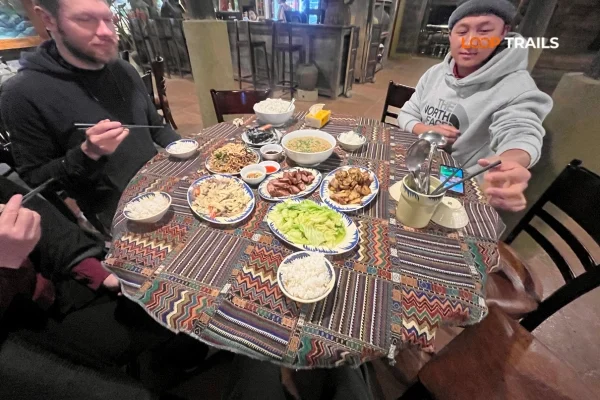
Learn more: Ha Giang Loop 4 Days 3 Nights
Cao Bang’s food reflects its ethnic diversity and border location. You’ll find Vietnamese staples plus dishes specific to the region and influences from China.
Pho chua Cao Bang: “Sour pho” made with fermented rice noodles. The taste is distinctive—tangy, slightly sour, different from standard pho. Love it or find it strange; opinions divide sharply.
Thit lon cap nach (grilled pork): Grilled pork dishes with local seasoning and herbs. Simple but flavorful, often served with fresh vegetables and rice.
Duck dishes: Cao Bang raises significant numbers of ducks. You’ll find roasted duck, duck porridge, and other preparations throughout the province.
Bitter bamboo shoots: Used in various dishes, particularly soups and stir-fries. Acquired taste for some, but interesting to try.
Com lam (bamboo rice): Rice cooked inside bamboo tubes. More common in ethnic minority villages and sometimes offered at tourist-oriented restaurants.
Border market foods: If you visit markets near the Chinese border, you’ll find interesting hybrid foods reflecting cross-border trade and cultural mixing.
Food quality varies significantly between restaurants. In Cao Bang City, you’ll find decent options easily. In smaller towns and villages, you often eat what’s available rather than choosing from menus. Homestays typically provide meals (included in accommodation cost or for small additional fee).
Cao Bang hosts multiple ethnic groups, each with distinct languages, customs, and traditions:
Tay people are the largest minority group, particularly concentrated in valleys and near Cao Bang City. Their stilt houses, textiles, and traditional festivals (especially Lunar New Year celebrations) are culturally significant.
Nung people live throughout the province, especially in northern districts near the border. Similar to Tay in some aspects but maintain distinct language and certain customs.
Hmong communities exist in higher elevations, though in smaller numbers than in Ha Giang. You’ll recognize Hmong by their distinctive indigo-dyed clothing and silver jewelry.
Dao people (also called Yao) occupy some mountainous areas. Their elaborate traditional costumes feature intricate embroidery and distinctive headwear.
Respectful interaction guidelines:
Tourism in Cao Bang’s minority villages is less developed than in Ha Giang, which means more authentic experiences but also less infrastructure to support visitor needs. You’re more of a guest than a customer in many contexts.
Markets in Cao Bang Province operate on weekly cycles, with different towns hosting markets on specific days.
Cao Bang City market: Daily, but especially busy on weekends. Good for supplies, local food, and observing daily commerce.
Border markets: Some markets near the Chinese border operate on specific days and attract traders from both countries. These are culturally interesting but not always accessible to tourists due to restrictions in border areas.
Village markets: Smaller settlements host weekly markets where ethnic minority communities gather to trade, socialize, and conduct business. These are worth attending if you can coordinate timing.
Market days vary by location and aren’t always well-documented for tourists. Ask locally about market schedules if you’re interested in attending.
Festivals and special events: Cao Bang’s minority communities celebrate various festivals throughout the year, often tied to lunar calendar and agricultural cycles. Timing your visit to coincide with festivals requires planning and some flexibility, but the cultural immersion can be exceptional.
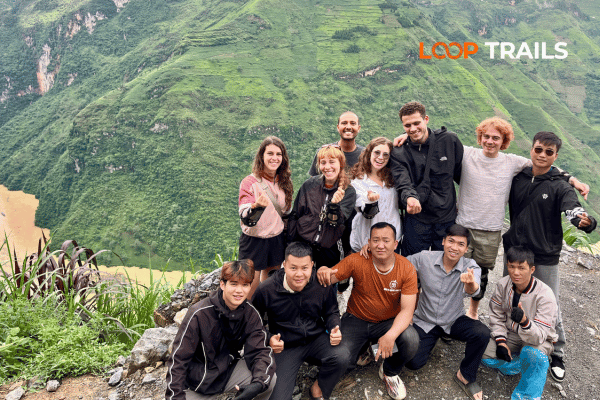
Learn more: Ha Giang Loop for Families & Groups
The nuts and bolts of visiting Cao Bang: what things cost, what to pack, and what safety considerations matter.
Accommodation: $8-30 USD per night depending on quality level
Food: $2-5 USD per meal at local restaurants, more at tourist-oriented places
Motorbike rental: $8-15 USD per day depending on bike model
Fuel: ~$15-20 USD for the full loop (gas is cheap in Vietnam)
Entrance fees: Most sites cost $1-3 USD; Ban Gioc is slightly more expensive
Total daily budget estimates:
These estimates assume solo travelers or couples. Groups can share costs for accommodation and transport, reducing per-person expenses.
Cash vs cards: Bring cash. ATMs exist in Cao Bang City and possibly Trung Khanh, but smaller areas operate cash-only. Plan for 3-4 days of expenses in cash if you’re heading into remote areas.
Road safety: The main risks are:
Riding safely:
Health considerations:
Security: Petty theft is uncommon in Cao Bang but not impossible. Standard precautions apply:
Border areas: Some sections near the Chinese border have restricted access. Don’t attempt to cross borders unofficially or enter areas with “no entry” signs. Regulations exist for reasons related to border security.
Riding gear:
General travel items:
Camera gear:
Toiletries:
Clothing:
Pack light—you’ll be carrying everything on a motorbike. One medium backpack or small duffel bag is ideal. Avoid large suitcases.
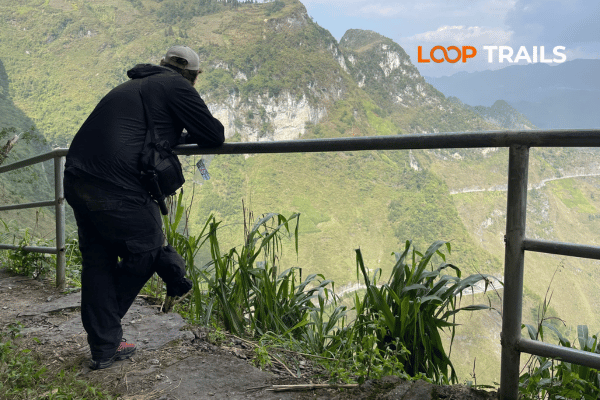
Learn more: Ha Giang Loop for Beginners
Learning from others’ errors saves you frustration and potentially safety issues.
Mistake: Arriving during monsoon season without checking forecasts, then dealing with flooded roads or washed-out itineraries.
Solution: Check multi-day weather forecasts before your trip. Have backup plans for major rain. Consider delaying by a day or two if severe weather is predicted. Ban Gioc during heavy rain is spectacular but potentially dangerous to access.
Mistake: Underestimating riding time and trying to cram too much into single days.
Solution: Use realistic time estimates (provided earlier in this guide) and build buffer time. It’s better to skip something than to arrive everywhere stressed and rushed.
Mistake: Visiting during Vietnamese holidays without understanding the crowd implications.
Solution: Check Vietnamese holiday calendars when planning. If you must visit during holidays, book accommodation well in advance and expect higher prices and larger crowds.
Mistake: Choosing tours purely based on cheapest price, then getting poor service, rushed itineraries, or hidden fees.
Solution: Read reviews, ask specific questions about what’s included, and understand that rock-bottom prices usually mean corners cut somewhere. Spending $20-30 USD more for a better tour often delivers significantly better experience.
Mistake: Not clarifying what’s included in tour packages, then facing unexpected costs.
Solution: Before booking, confirm explicitly:
Mistake: Booking through random touts on the street rather than established operators.
Solution: Use tour companies with physical offices, online presence, and reviews. If booking through accommodation, verify they’re using reputable operators.
Mistake: Not accounting for the Hanoi → Cao Bang travel time, treating it as simple day trip distance.
Solution: Understand that Cao Bang requires either long bus ride from Hanoi or multi-day riding approach. Plan accordingly with realistic time allocation.
Mistake: Assuming roads will match Google Maps time estimates without accounting for Vietnamese road conditions.
Solution: Add 20-30% to Google’s time estimates for mountain riding. What shows as “2 hours” might realistically take 2.5-3 hours with breaks and actual road conditions.
Mistake: Planning routes that backtrack excessively or miss geographic logic.
Solution: Study maps carefully. The loop concept exists because it’s efficient—going out-and-back on the same roads is less interesting than circular routes that show you new scenery throughout.
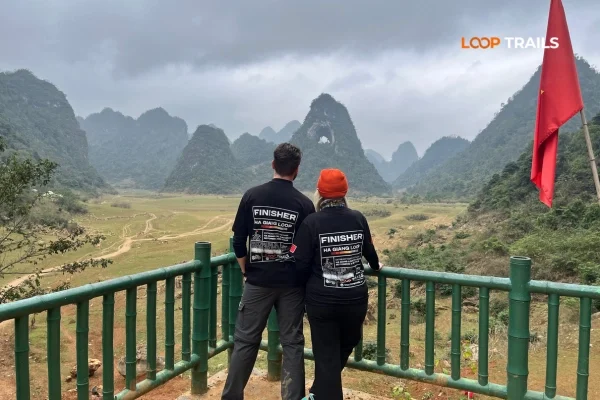
Learn more: Cao Bang Loop Tours Vietnam best kept secret
The tour vs self-drive decision depends on your riding experience, comfort with independent travel, and what kind of experience you want.
Best for:
What’s typically included:
What’s NOT included:
Cost range: $120-200 USD per person for 2-3 day Cao Bang Loop tours, depending on group size, accommodation quality, and what’s included.
Loop Trails Cao Bang Loop tours keep group sizes small (usually 4-8 people maximum), use experienced local guides familiar with current road conditions, include proper travel insurance, and build itineraries that allow sufficient time at each major attraction rather than rushing through.
Best for:
What’s involved: Combined tours connect the Ha Giang Loop (3-4 days) with Cao Bang highlights (2-3 days) into one extended journey. You’ll cover 500+ kilometers total across varied terrain, stay in multiple towns, and see the best of both provinces.
Logistics handled:
Physical demands: Significant. This is 5-7 days of daily riding in mountains. You need stamina, comfort on motorbikes, and tolerance for basic accommodation in some locations.
Cost range: $300-500 USD per person for 5-7 day combined tours depending on accommodation level and group size.
Ha Giang + Cao Bang combined tours from Loop Trails specialize in these extended routes, coordinate accommodation across provincial boundaries, provide experienced guides who know both regions, and offer support throughout the multi-day journey so you can focus on experience rather than logistics.
Best for:
What you need:
How it works: Rent motorbike in Cao Bang City (or Ha Giang for combined routes), follow your planned itinerary, book accommodation as you go or ahead of time, return bike when finished. You handle everything independently.
Cost: Bike rental $8-15/day, fuel ~$15-20 total for the loop, accommodation $8-30/night, food $5-15/day. Total 2-3 day self-drive Cao Bang trip: roughly $100-150 USD for budget approach, $150-250 USD for more comfortable choices.
Loop Trails motorbike rental provides well-maintained bikes (semi-automatic and manual options), basic riding instruction if needed, suggested itineraries with current road conditions, offline maps, and 24/7 phone support for mechanical issues or questions during your ride.
Decision framework:
Choose Cao Bang Loop tour if you want local expertise, don’t feel confident navigating independently, or prefer having logistics managed. This works especially well for first-timers.
Choose Ha Giang + Cao Bang combined tour if you have the time (minimum 5 days), want both provinces in one journey, and value having the extended route coordinated professionally.
Choose self-drive rental if you’re an experienced rider who values independence, wants to control your own schedule, and doesn’t mind handling logistics and navigation yourself.
If uncertain about riding ability, starting with a tour (where you’re a passenger on Easy Rider motorbike) lets you experience the region without the responsibility of piloting the bike yourself.
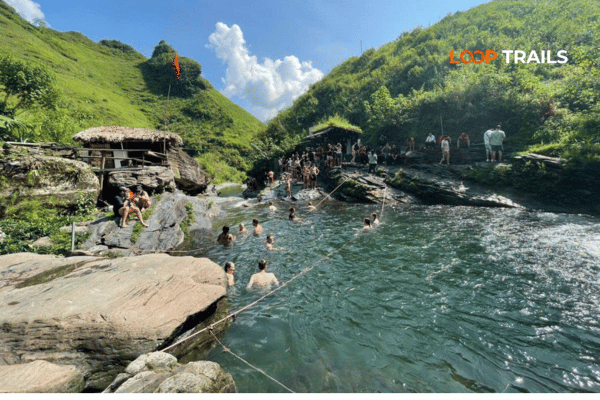
Learn more: Du Gia Waterfall
After all the detailed planning information, here are some final observations that don’t fit neatly into other sections but matter for actually having a good trip.
Ban Gioc deserves proper time. Don’t rush the waterfall visit to check it off your list. Early morning or late afternoon light is best, and spending 2-3 hours exploring different viewpoints and taking the raft ride (if offered) makes the long ride there worthwhile.
The roads ARE part of the experience. Even though Cao Bang’s roads are easier than Ha Giang’s, they’re still scenic and enjoyable. Don’t treat riding as just transportation between attractions—the journey matters.
Engage with local communities respectfully. You’re visiting living communities, not theme parks. Buy from local vendors, eat at family restaurants, and interact with genuine interest rather than treating people as photo subjects.
Build flexibility into plans. Weather changes, bikes break down, you might discover a place you want to explore longer. Rigid schedules create stress when reality doesn’t cooperate.
Start days early. Morning light is better for photos, temperatures are cooler for riding, you’ll beat afternoon storms, and you won’t feel rushed trying to reach destinations before dark.
The combination with Ha Giang is special. If you have the time and stamina, doing both provinces creates something greater than the sum of parts. The contrast between them makes each more interesting.
Don’t skip Nguom Ngao Cave. It’s easy to think “we saw the waterfall, that’s enough” and skip the cave because it’s separate entrance fee and more time. The cave genuinely deserves the visit—it’s one of Vietnam’s better accessible cave systems.
Cash is essential. Cannot emphasize enough: bring cash for rural areas. ATMs in Cao Bang City work fine, but once you’re riding toward Ban Gioc, banking infrastructure disappears.
Cao Bang Province won’t revolutionize your understanding of travel or change your life, but it offers a genuine, beautiful northern Vietnam experience without the crowds and hype that sometimes diminish more famous destinations. The waterfalls are spectacular, the caves impressive, the roads enjoyable, and the sense of exploration real.
Go with realistic expectations, adequate preparation, and openness to whatever you encounter, and Cao Bang will likely exceed your hopes.
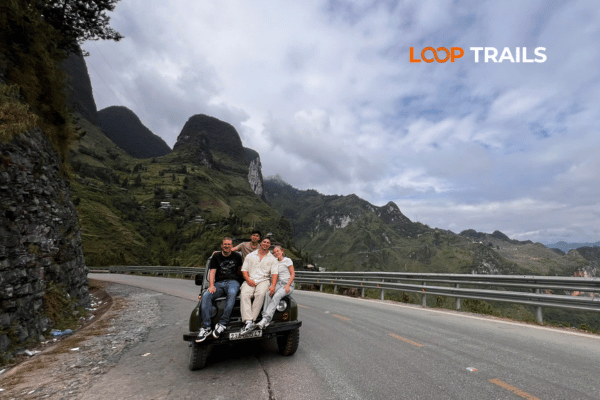
Learn more: Ma Pi Leng Pass
Absolutely, though they offer different experiences. Cao Bang has better road conditions, specific attractions like Ban Gioc Waterfall and Nguom Ngao Cave, and fewer crowds. Ha Giang is more famous for dramatic mountain roads and cultural villages. Many travelers visit both provinces in one extended trip, which provides the most comprehensive northern Vietnam experience.
Minimum 2 days/1 night to visit Ban Gioc Waterfall and Nguom Ngao Cave. Three days/2 nights is more comfortable and allows time for Pac Bo Cave, Thang Hen Lake, and not feeling rushed. If combining with Ha Giang, budget 5-7 days total for both provinces.
September through November offers the best combination of clear weather, comfortable temperatures, and Ban Gioc at strong flow. March through May is the second-best window. Avoid June-August monsoon season unless you specifically want dramatic waterfall conditions and don’t mind rain.
Bus is most common (7-9 hours, costs 200,000-300,000 VND). Multiple companies run daily services—book through your hotel or online. Private car/van costs more but offers comfort and flexibility. Self-driving a motorbike from Hanoi is possible but requires a full day and highway riding experience.
Yes, if you have basic motorbike competence. The roads are easier than Ha Giang’s challenging sections, though you still need comfort with curves, hills, and rural riding. Complete beginners should consider Easy Rider tours where an experienced driver handles the riding while you’re a passenger.
Budget $120-200 USD per person for 2-3 day Cao Bang Loop tours. Ha Giang + Cao Bang combined 5-7 day tours cost $300-500 USD per person. Self-drive rental costs less ($100-150 for 2-3 days budget approach) but requires handling your own logistics.
Generally yes, with normal precautions. The main risks are curves, trucks, loose gravel, and weather changes. Wear protective gear, ride within your ability, don’t ride at night, and take breaks when tired. Road conditions are better than Ha Giang but still require attention and basic riding skills.
Essential: helmet, gloves, long pants, rain jacket, sunscreen, water bottle, cash, basic first aid. Bring layers for temperature changes, comfortable shoes with grip, camera gear, and toiletries. Pack light in one backpack—you’re carrying everything on a motorbike.
Not realistically. Cao Bang is 270+ kilometers from Hanoi (7-9 hours by bus), and Ban Gioc is another 85 kilometers north of Cao Bang City. You need at least 2 days minimum. Most people bus to Cao Bang City, stay overnight, then ride to Ban Gioc the next day.
Not essential if you’re comfortable with independent travel and navigation. The main loop route is straightforward, and Google Maps works adequately. However, guides provide cultural context, local knowledge, and handle logistics. First-timers often prefer guided tours; experienced travelers may enjoy self-drive independence.
Nguom Ngao Cave (impressive limestone cave), Pac Bo Cave (Ho Chi Minh historical site), Thang Hen Lake (scenic karst valley), Phia Oac National Park (hiking and nature), ethnic minority villages and markets, and the roads themselves which offer beautiful mountain scenery throughout the province.
No, especially compared to Ha Giang or other Vietnamese tourist hotspots. You’ll encounter other travelers at major sites like Ban Gioc, but overall tourist numbers are manageable. This is part of Cao Bang’s appeal—authentic experiences without overwhelming crowds.
Contact information for Loop Trails
Website: Loop Trails Official Website
Email: looptrailshostel@gmail.com
Hotline & WhatSapp:
+84862379288
+84938988593
Social Media:
Facebook: Loop Trails Tours Ha Giang
Instagram: Loop Trails Tours Ha Giang
TikTok: Loop Trails
Office Address: 48 Nguyen Du, Ha Giang 1, Tuyen Quang
Address: 48 Nguyen Du, Ha Giang 1, Tuyen Quang
Facebook X Reddit Table of Contents Learn more: Ha Giang Loop Tours There’s a moment, usually somewhere on Ma Pi Leng Pass,

Facebook X Reddit Table of Contents Learn more: Ha Giang Loop Tours There’s a version of the Ha Giang Loop that people
Facebook X Reddit Table of Contents Learn more: Ha Giang Loop Tours There’s a moment on the Ma Pi Leng Pass —