


Thúy Kiều is a travel blogger and content contributor for Loop Trails Tours Ha Giang. She holds a bachelor’s degree in Sustainable Tourism from Vietnam National University, Hanoi, and has a strong passion for exploring and promoting responsible travel experiences in Vietnam’s northern highlands.
Getting to Ha Giang is the first real adventure of your northern Vietnam journey. The bus ride itself gives you a preview of what’s coming—winding mountain roads, terraced rice fields appearing in the early morning light, and that gradual shift from Hanoi’s chaos to the rugged quiet of the far north.
I’ve taken this route more times than I can count, and the most common question I get is always the same: “What’s the best bus to Ha Giang?” The answer isn’t straightforward because it depends on your schedule, budget, and what you’re planning once you arrive. Some travelers want the cheapest sleeper bus and don’t mind a cramped ride. Others prefer paying extra for a cabin where they can actually sleep before tackling the Loop.
This guide breaks down everything you need to know about Ha Giang bus schedules in 2026—departure times, ticket prices, booking methods, and how to coordinate your bus with your Ha Giang Loop tour. Whether you’re coming from Hanoi, Sapa, Ninh Binh, or anywhere else, you’ll find the practical information you need here.
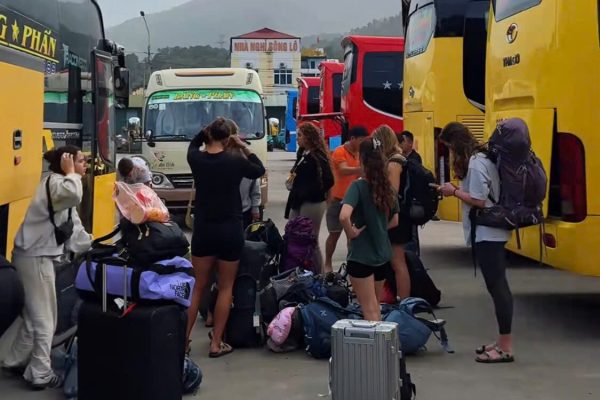
Learn more: Ha Giang Loop Tours
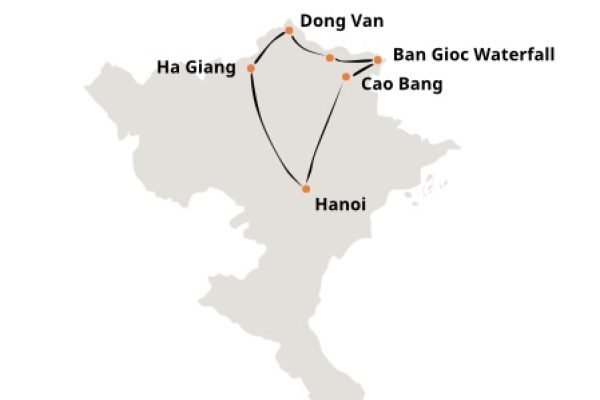
Learn more: Ha Giang Cao Bang Route Tour
Ha Giang sits in the extreme north of Vietnam, about 300 kilometers from Hanoi. The journey takes anywhere from 6 to 8 hours depending on your bus type, road conditions, and how many stops the driver makes. Most travelers use Ha Giang City as their base before heading out on the Loop.
The primary bus routes to Ha Giang connect through major tourist hubs in northern Vietnam. Hanoi is by far the most common starting point, but there’s growing demand for direct connections from Halong Bay, Cat Ba Island, Ninh Binh, and Sapa. This makes sense when you think about typical northern Vietnam itineraries—people often do Halong or Sapa first, then continue to Ha Giang rather than backtracking to Hanoi.
Hanoi remains the main hub. You’ll find the most frequent departures, the widest range of bus types, and the most competitive prices. Night buses leave between 8 PM and 11 PM, arriving in Ha Giang around 4 AM to 7 AM.
Sapa to Ha Giang has become increasingly popular. Instead of returning to Hanoi after Sapa, you can take a direct bus that cuts across the mountains. The journey is longer (around 8-9 hours) but saves you the hassle of doubling back.
Halong Bay and Cat Ba connections usually require coordination with your tour operator or hostel. These aren’t always daily departures, so you’ll need to check availability in advance.
Ninh Binh is another emerging route. After exploring Tam Coc or Trang An, some travelers head directly north to Ha Giang rather than returning to Hanoi.

Learn more: Loop Trails Ha Giang Tours
Hanoi to Ha Giang is the most established route, and you’ll have several daily options. Most travelers prefer night buses because you save on accommodation and arrive in Ha Giang early enough to rest before starting your Loop tour.
Night buses typically depart from Hanoi’s My Dinh Bus Station or various pickup points in the Old Quarter. Departure times usually fall between:
The later departures are better if you want to maximize sleep, but keep in mind Ha Giang’s early morning arrival either way. Most hostels and tour operators in Ha Giang expect early arrivals and will have a place for you to rest before your tour briefing.
Day buses are less common but available if you prefer traveling during daylight hours. Departures are usually around:
Day buses let you see the landscape transformation from the Red River Delta to the limestone karst mountains, but you’ll lose half a day of travel time and need accommodation for that night in Ha Giang before starting your Loop.
Most bus companies offer pickup from the Old Quarter for an additional fee (usually 30,000 – 50,000 VND per person). The main bus station is My Dinh, located on the western edge of Hanoi. If you’re booking independently, you’ll likely need to get yourself there—it’s about 30-40 minutes from the Old Quarter by taxi.
When you book through a tour operator for your Ha Giang Loop, they often include bus tickets with pickup from your Hanoi accommodation. This eliminates the hassle of navigating Hanoi’s bus system and ensures you arrive at the right time for your tour start.

Learn more:Ha Giang Loop Cost & Tips
Prices vary significantly based on bus type, comfort level, and whether you’re booking independently or through a tour package. Here’s what you can expect to pay for different options.
VIP sleeper buses are the standard budget option. You get a reclining bed (though calling it a “bed” is generous—it’s more like a padded bench), air conditioning, and occasionally a small bottle of water. One-way tickets from Hanoi to Ha Giang typically cost:
VIP sleeper buses can be cramped, especially if you’re tall or traveling during peak season when they oversell seats. The person next to you becomes your immediate neighbor for 7 hours, and the air conditioning is either arctic or broken.
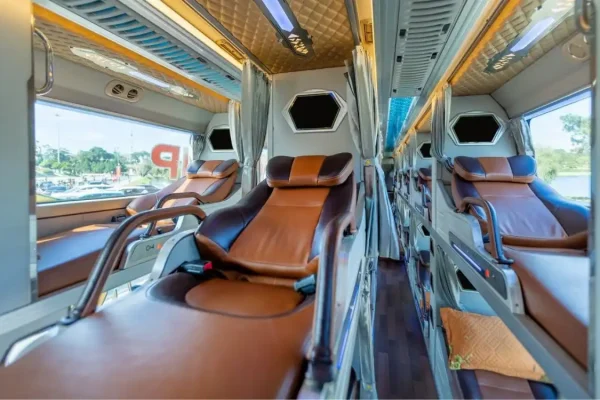
Cabin sleeper buses offer semi-private compartments—usually a curtained-off double bed that you can share with a travel companion or, if you’re solo, potentially a stranger (though operators try to match genders). These cost more but provide better sleep quality:
This option makes sense if you value rest before your Loop. Arriving exhausted and then immediately getting on a motorbike for mountain roads isn’t ideal.
Limousine buses are the premium option with larger seats, better legroom, onboard entertainment, and sometimes snacks included. Expect to pay:
The price difference from VIP sleeper to limousine isn’t massive, and the comfort upgrade is noticeable. If you’re already investing in a Loop tour, the extra 150,000 VND for better sleep is worth considering.
Private cars can be arranged for groups or travelers who want maximum flexibility. Prices depend on vehicle size and are typically quoted per vehicle, not per person:
This works out economically if you’re a group of 4+ people, and you get to depart on your schedule rather than the bus company’s. Some tour operators can arrange private transfers when you book a Loop tour package.

Learn more: Motorbike Rental in Ha Giang
If your northern Vietnam itinerary doesn’t loop back through Hanoi, direct buses to Ha Giang from other tourist spots save time and backtracking.
Direct buses from Halong to Ha Giang aren’t daily, but they’re available 3-4 times per week during tourist season. The journey takes about 8-9 hours. Most of these are sleeper buses departing late afternoon or early evening from Halong City, arriving in Ha Giang the next morning.
Ticket prices range from 350,000 – 500,000 VND depending on bus type. Your Halong Bay hotel or cruise company can usually arrange tickets, or your Ha Giang tour operator might coordinate this as part of a package.
Cat Ba connections typically route through Halong or require a combination of ferry + bus. The logistics can be complicated, so booking through a tour operator who handles the transfers makes sense. Total journey time is 9-11 hours including ferry time.
Expect to pay 450,000 – 600,000 VND for the combined ferry and bus ticket.
Ninh Binh to Ha Giang buses are becoming more common as travelers build routes that skip returning to Hanoi. Departures are usually once daily (evening buses), arriving in Ha Giang early morning. Journey time is 7-8 hours.
Prices are similar to Hanoi routes: 250,000 – 400,000 VND depending on bus quality.
Sapa to Ha Giang is a beautiful but long journey—about 8-10 hours through mountain roads. Buses typically depart Sapa in the evening, arriving in Ha Giang the next morning. This route lets you connect two of northern Vietnam’s most spectacular destinations without backtracking.
One-way tickets cost 300,000 – 450,000 VND. Book at least a day in advance, especially during peak travel months (September to November, March to May).
Learn more: Ha Giang Cao Bang Combined Tours
Most travelers focus on getting to Ha Giang but forget to plan their return journey. After completing your Loop, you’ll need to get back to Hanoi or continue to your next destination.
Return buses from Ha Giang to Hanoi follow a similar schedule to the inbound route:
Most Loop tours end around 3 PM – 5 PM, giving you time to shower, eat, and catch an evening bus if you’re ready to move on. Alternatively, spend one more night in Ha Giang City and take a morning bus the next day.
From Ha Giang, you can also catch buses to:
Check with your hostel or tour operator for the most current schedules, as these secondary routes change seasonally.
If you’re doing the Ha Giang-Cao Bang combination tour, you’ll finish in Cao Bang City instead of Ha Giang. From Cao Bang, you can catch buses to:
Your tour operator should provide information about bus schedules from Cao Bang and can often book tickets for you to avoid last-minute hassles.
Learn more: Ha Giang Loop 4 Days 3 Nights
You have several booking options, each with trade-offs between price, convenience, and reliability.
If you’re booking a Ha Giang Loop tour, many operators include bus tickets in their packages or offer them as add-ons. This is usually the most convenient option because:
The price might be slightly higher than booking independently, but the convenience factor is worth it for most travelers. When you’re planning a multi-day motorbike tour through remote mountains, the last thing you want is stress about whether your bus will arrive on time.
Buying tickets directly at My Dinh Bus Station in Hanoi gets you the cheapest prices, but comes with challenges:
This works if you’re comfortable navigating local transport and have flexibility in your schedule. Just arrive at the station a few hours before your desired departure time to ensure availability.
Several Vietnamese online platforms sell bus tickets: 12Go Asia, Baolau, and VeXeRe are popular options. These platforms show multiple bus companies, departure times, and prices in one place.
Benefits:
Downsides:
For first-time Vietnam travelers, online platforms provide a good middle ground between convenience and cost.

Learn more: What to Expect on Ha Giang Buses
Your bus experience sets the tone for your Ha Giang adventure, so knowing what to expect helps you prepare mentally and physically.
Vietnamese sleeper buses are unique if you haven’t experienced them before. You remove your shoes at the entrance (they’re stored in a compartment below), then climb into your assigned bed wearing the provided slippers or socks. Beds are arranged in three rows—two on the sides and one down the middle.
The buses make 1-2 stops during the 7-hour journey, usually at roadside restaurants where the driver has a commission deal. You’re not obligated to buy anything, but it’s your chance to use the bathroom and stretch. These stops can be chaotic—dozens of half-asleep travelers stumbling around a fluorescent-lit restaurant at 2 AM.
Temperature control is unpredictable. Some buses blast the AC to arctic levels, while others barely cool. Bring a light jacket or long-sleeve shirt regardless of the season. The provided blankets range from reasonably clean to questionable.
Road conditions from Hanoi to Ha Giang have improved significantly in recent years, but the final 50 kilometers involve winding mountain roads. If you’re prone to motion sickness, take medication before departure.
Standard inclusions:
Not included:
Secure your valuables: Keep important items (passport, phone, wallet) in a small bag that stays with you on your bed, not in overhead storage. Petty theft isn’t common but happens.
Dress in layers: You can’t control the temperature, so being able to add or remove clothing matters.
Bring earplugs: Someone will snore. The driver might play karaoke videos. The road is bumpy. Earplugs are essential for any sleep.
Use the bathroom before boarding: Bus toilets are often locked or disgusting. The first rest stop is usually 3-4 hours into the journey.
Book the lower level: If given a choice, lower berths are more stable and easier to access. Upper berths near the back of the bus get the most movement on bumpy roads.
When you book your bus through a Ha Giang Loop tour package, you often get better bus assignments because tour operators have relationships with specific bus companies and can request preferred seats.

Learn more: Which Transportation Option Is Right for You?
While buses are the most common and economical way to reach Ha Giang, they’re not your only option.
Private cars cost more but offer significant advantages:
For groups of 3-4 people, the per-person cost of a private car approaches premium bus tickets, making it worth considering. Some tour operators include private transfer options when you book Loop tours, especially for families or groups who want more control over their schedule.
There’s no airport in Ha Giang City itself, but you could fly to nearby cities and arrange ground transport:
Most travelers find the bus or private car more practical than mixing flight + drive combinations.
Some adventurous riders choose to motorbike the 300 kilometers from Hanoi to Ha Giang, turning the journey into part of the adventure. This takes 8-12 hours depending on how many stops you make and your riding pace.
Only consider this if you’re an experienced motorbike rider comfortable with:
For most travelers, especially first-timers, getting to Ha Giang by bus and then starting your Loop with a tour or rented bike makes more sense. You’ll have plenty of riding ahead without adding an extra 300 kilometers of highway.

Learn more: Ha Giang Loop for Families & Couples
The smartest move for most travelers is booking your bus transport together with your Loop tour. This ensures everything coordinates properly and you don’t waste time in Ha Giang City dealing with logistics when you could be riding.
Tour operators who include bus tickets (or offer them as add-ons) handle the timing coordination that matters:
When you’re planning a physically demanding multi-day motorbike tour, removing these logistical variables reduces stress significantly.
Most Ha Giang Loop tours start with a morning briefing between 8 AM – 9 AM. If your night bus arrives at 5 AM, what do you do for those 3-4 hours?
Good tour operators have this figured out:
Some operators even offer airport-style “early check-in” where you can rest in a dormitory bed for a few hours before your tour starts.
If you’re booking independently, confirm these details before you arrive. Showing up at 5 AM to a locked hostel with nowhere to shower before starting a 3-day motorbike tour isn’t fun.
The Loop Trails Ha Giang tours, for example, work with specific bus companies to ensure smooth arrivals, and the hostel is prepared for early morning bus arrivals with facilities ready for travelers to rest and prepare before the adventure begins.

Learn more: Ha Giang Loop Self-Driver
A few practical tips that aren’t obvious until you’ve done this route:
Book buses 2-3 days in advance during peak season (September-November, March-May, and Vietnamese holidays). Last-minute tickets during these periods can be difficult to find or force you onto the worst-quality buses.
Confirm pickup location and time clearly. Hanoi pickup points can be confusing—Old Quarter pickups might mean your hotel, a nearby landmark, or a meeting point. Get the exact address in Vietnamese and the pickup time confirmed.
Your bus will probably be delayed. Vietnamese buses run on “flexible time.” A 9 PM departure might leave at 9:30 PM or 10 PM depending on passenger arrivals. Build buffer time into your plans.
Bring toilet paper and hand sanitizer. Rest stop facilities vary dramatically in cleanliness. Being self-sufficient helps.
Download offline maps. Having Ha Giang City maps downloaded on your phone helps when you arrive early morning and need to orient yourself, especially if you’re not being picked up by a tour operator.
Pack a small overnight bag for the bus. Keep essentials accessible rather than buried in your main luggage: phone charger, toiletries, change of clothes, valuables, any medication.
Set multiple alarms. If you’re taking a day bus and need to wake up for arrival, don’t rely on the driver to wake you. If you’re taking a night bus, you might want an alarm for rest stops.

Learn more: Ha Giang Loop by Jeep
Every traveler’s situation is different, so here’s a quick decision framework:
Choose VIP sleeper bus if:
Choose cabin sleeper or limousine bus if:
Choose private car if:
Choose bus + tour package if:
For most first-time travelers to Ha Giang, booking a complete package that includes buses, the Loop tour itself, accommodation along the route, and return transport provides the best balance of cost, convenience, and peace of mind.
Ha Giang Loop tours range from budget-friendly options to premium experiences. Whether you choose an easy rider tour where an experienced guide drives while you ride behind, a self-drive option where you control your own motorbike, or a jeep tour for those who prefer four wheels, booking transport together with your tour ensures everything flows smoothly.
The journey to Ha Giang is just the beginning. Once you arrive and head out on that first day through Bac Sum Pass toward Heaven’s Gate, the bus ride becomes a forgotten detail compared to what you’re about to experience in the mountains.
Ready to start planning? Check current availability for Ha Giang Loop tours that include bus coordination, or reach out via WhatsApp if you have specific questions about combining buses with your itinerary. The northern mountains are waiting.
The journey takes 6-8 hours depending on road conditions, bus type, and number of stops. Night sleeper buses typically take 7 hours, while day buses might be slightly faster with less traffic.
Most night buses departing Hanoi between 8 PM – 11 PM arrive in Ha Giang between 4 AM – 7 AM. Exact arrival depends on departure time and road conditions that night.
Yes, platforms like 12Go Asia and Baolau offer online booking with English interfaces. Tour operators also arrange bus tickets when you book Loop tours, often with added convenience of pickup coordination.
Night buses are more popular because you save accommodation costs and arrive early enough to rest before Loop tours start. Day buses let you see scenery but require extra night in Ha Giang before your tour.
VIP sleeper buses cost 200,000-350,000 VND, cabin sleeper buses 400,000-550,000 VND, and limousine buses 450,000-600,000 VND. Private cars cost 2,500,000-5,000,000 VND for the entire vehicle.
Main departure is My Dinh Bus Station on Hanoi’s west side. Many buses offer Old Quarter pickup for 30,000-50,000 VND extra. Tour operators typically include pickup from your accommodation.
Yes, one main bag goes in storage underneath, plus a small bag you keep with you. Most buses have limited space so pack efficiently. If you have oversized items like surfboards or large backpacks, confirm with the bus company beforehand.
Reputable bus companies maintain decent safety standards. The route involves mountain roads with sharp curves, so choose well-reviewed companies. Booking through established tour operators ensures you get reliable bus providers.
Bring a light jacket (AC varies dramatically), earplugs, eye mask, small pillow if you’re picky, phone charger, toilet paper, hand sanitizer, and motion sickness medication if needed. Keep valuables in a small bag that stays with you.
Yes, and it’s recommended during peak season. Tour operators can book return buses for you, or you can book at the Ha Giang bus station during your first day there. Many hostels also help with return bus bookings.
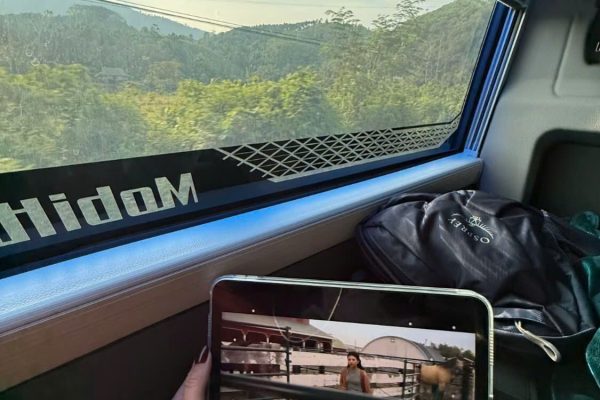
Some companies advertise WiFi but it’s unreliable or non-functional most of the time. Download any maps, entertainment, or information you need before boarding. Don’t count on connectivity during the journey.
Direct buses operate evening departures from Sapa to Ha Giang, taking 8-10 hours through mountain roads. Book at least one day in advance through your Sapa accommodation or online platforms. This saves backtracking to Hanoi.
Contact information for Loop Trails
Website: Loop Trails Official Website
Email: looptrailshostel@gmail.com
Hotline & WhatSapp:
+84862379288
+84938988593
Social Media:
Facebook: Loop Trails Tours Ha Giang
Instagram: Loop Trails Tours Ha Giang
TikTok: Loop Trails
Office Address: 48 Nguyen Du, Ha Giang 1, Tuyen Quang
Address: 48 Nguyen Du, Ha Giang 1, Tuyen Quang

Facebook X Reddit Table of Contents Learn more: Ha Giang Loop Tours There’s a moment, usually somewhere on Ma Pi Leng Pass,

Facebook X Reddit Table of Contents Learn more: Ha Giang Loop Tours There’s a version of the Ha Giang Loop that people