

Thúy Kiều is a travel blogger and content contributor for Loop Trails Tours Ha Giang. She holds a bachelor’s degree in Sustainable Tourism from Vietnam National University, Hanoi, and has a strong passion for exploring and promoting responsible travel experiences in Vietnam’s northern highlands.
Planning the Ha Giang Loop means diving into dozens of blog posts, forum threads, and outdated reviews trying to piece together basic information. You’ve got questions. Lots of them. About costs, safety, what to pack, whether you actually need a license, and if you can handle this without crashing into a water buffalo.
I’ve compiled the 50 most common questions travelers ask before doing the Ha Giang Loop, organized by category so you can jump straight to what matters to you. These aren’t theoretical answers—they’re based on what actually works, what actually costs, and what actually matters when you’re 1,500 meters up a mountain pass with your backpack strapped to a motorbike.

Learn more: Ha Giang Loop Tours 2026

Learn more: Ma Pi Leng Pass
The Ha Giang Loop is a 300-350km motorbike circuit through Vietnam’s northernmost province, starting and ending in Ha Giang City. You’ll ride through the Dong Van Karst Plateau Geopark, past rice terraces, ethnic minority villages, and along mountain passes including the famous Ma Pi Leng. Most people complete it in 2-4 days.
Most travelers choose either 3 days (2 nights) or 4 days (3 nights). The 3-day option covers all major highlights at a comfortable pace with 5-6 hours of riding per day. The 4-day version adds extra stops like Lung Khuy Cave, Lo Lo Chai village, and Nho Que River boat trips, with only 4-5 hours riding daily. There’s also a rushed 2-day option if you’re extremely short on time, but it involves 7-8 hours daily on the bike.
September through November is peak season for good reason—dry weather, comfortable temperatures (15-25°C), and October brings buckwheat flowers turning the plateaus pink. March to May offers mild weather and spring blooms. Avoid June to August (rainy season makes roads slippery) unless you’re experienced with wet riding. December to February is cold but doable with proper layers.
Technically yes, but it’s not recommended for first-timers. Navigation is challenging, roads aren’t well-marked in remote areas, finding accommodation independently can be difficult, and if something goes wrong you’re on your own. Tours provide safety, local knowledge, logistics support, and guaranteed accommodation for a reasonable price increase over doing it independently.
Night sleeper buses run directly from Hanoi to Ha Giang City, taking 6-7 hours and departing around 9-11 PM. You’ll arrive in Ha Giang early morning (4-6 AM). Buses range from basic sleepers to VIP cabins, costing 250,000-400,000 VND. Most tour operators can arrange bus tickets as part of your package or provide recommendations for reliable bus companies.
During peak season (September to November, especially October), yes—popular tours fill up days or weeks ahead. For low season (December to February, June to August), you can usually book in Ha Giang City with 1-2 days notice. Booking in advance guarantees your spot, gives you time to research operators, and allows you to coordinate with your Hanoi departure plans.
Ha Giang City is the standard starting point because it has the infrastructure, bike rentals, and tour operators. You could theoretically start from Dong Van or Meo Vac if you’re coming from China or already in the area, but logistics become complicated. Most organized tours begin and end in Ha Giang City where you have transport connections back to Hanoi or other destinations.
Absolutely. Solo travelers typically join group tours where you’ll ride with others. Easy rider tours are particularly social since guides often introduce travelers to each other. Many people travel to Ha Giang solo specifically because the group tour format makes it easy to meet people. If you’re doing self-drive solo, you’ll still usually ride with a guide and other travelers.
Yes. Most tour guides speak functional English—enough to communicate about the route, stops, and basic information. Hand gestures and translation apps fill gaps. Homestay owners typically speak limited English, but meals and accommodation are straightforward enough that language barriers aren’t major obstacles. Menu options are usually simple and visual.
Cancellation policies vary by operator. Most require deposits (typically 20-30% of tour cost) when booking. If you cancel with sufficient notice (usually 3-7 days), you might get a partial refund minus the deposit. Last-minute cancellations or no-shows typically forfeit the full payment. Weather-related cancellations initiated by the operator usually offer rescheduling or refunds. Check specific policies before booking.
Learn more: Ha Giang Loop Easy Rider
Easy Rider means you’re a passenger on the back of a semi-automatic or manual bike driven by a local guide. Self-drive means you rent and operate your own motorbike, following a lead guide. Easy rider suits first-timers, nervous riders, or anyone who wants to focus on scenery instead of navigation. Self-drive is for experienced riders comfortable with mountain roads and manual/semi-automatic bikes.
No. As a passenger, you don’t need any riding experience. You just sit on the back, hold on, and enjoy the views. Your guide handles all the riding. This is why easy rider is popular with people who’ve never been on a motorbike or don’t feel confident handling mountain roads.
Learn more: Ha Giang Loop Self-Driver Guide
You should be comfortable riding manual or semi-automatic motorbikes, have experience with mountain roads (steep climbs, sharp turns, variable surfaces), and be able to handle a bike in different conditions. If your only experience is cruising on an automatic scooter in Bali, you’re not ready for self-drive. The Ha Giang Loop has challenging sections that require real riding skills.
Jeep tours put you in a 4×4 vehicle (usually 1-4 passengers) driven by a guide. Same routes and stops as motorbike tours, just on four wheels. Perfect for families, couples wanting comfort, people who don’t want to deal with motorbikes, anyone with mobility concerns, or travelers who get motion sick on bikes. It’s more expensive per person for solo travelers but comfortable and safe.
Group sizes vary. Easy rider tours often have 4-8 travelers with 2-4 guides. Self-drive groups might be 6-10 riders following a lead guide. Jeep tours are usually smaller groups of 2-6 people per vehicle. Smaller groups offer more flexibility and personal attention; larger groups can be more social and sometimes slightly cheaper per person.
Yes, though it costs more. Private tours give you flexibility on pace, stops, and schedule. You can customize the itinerary, spend extra time at specific locations, and avoid group dynamics. Expect to pay 40-60% more than standard group tours. This works well for couples, families, or small groups of friends who want a personalized experience.
Look for operators with recent positive reviews across multiple platforms, clear pricing and itineraries, well-maintained bikes, English-speaking guides, transparent policies, and responsive communication. Avoid operators significantly cheaper than competitors—there’s usually a reason. Check that they verify licenses for self-drive rentals and ask about their bike maintenance schedules and safety protocols.
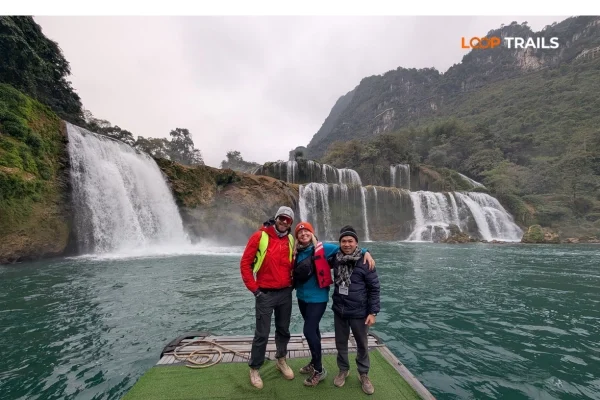
Yes. The 5-day Ha Giang to Cao Bang route combines the classic loop with an extension to Ban Gioc Waterfall, Nguom Ngao Cave, and other Cao Bang highlights. You’ll see more remote areas, experience different landscapes, and visit one of Vietnam’s most impressive waterfalls. This option requires more time and physical endurance but rewards you with significantly less-touristed areas.

Learn more: Ha Giang Loop Cost & Tips
Easy rider tours: 3,490,000-5,490,000 VND ($140-220 USD) depending on length. Self-drive tours: 3,590,000-4,690,000 VND ($145-190 USD). Jeep tours: 8,990,000-11,990,000 VND ($360-480 USD) for solo travelers, decreasing per person with more passengers. These prices typically include bike/vehicle, guide, accommodation (dorm beds), all meals, entrance fees, and activities.
Standard tours include: motorbike or jeep, guide, accommodation (dormitory), breakfast/lunch/dinner during riding days, entrance fees to sites like Ma Pi Leng Skywalk, activities like cave visits or boat trips, and basic support. Not included: bus tickets to/from Ha Giang, private room upgrades, alcoholic drinks, snacks, tips, and personal expenses.
Private room upgrades typically cost 100,000-300,000 VND per night ($4-12 USD) depending on location and season. Dong Van and Ha Giang City have more options and slightly higher prices. Remote villages like Du Gia have fewer private rooms available. If you’re a couple or value privacy, it’s worth the minimal cost increase.
Beyond tour costs, budget 500,000-1,000,000 VND ($20-40 USD) for the full trip. This covers drinks (water, beer, coffee), snacks, any souvenirs, tips for guides (100,000-200,000 VND is appreciated but not mandatory), and emergency buffer. Bring more if you plan to buy handicrafts from weaving villages or want private room upgrades every night.
ATMs exist in Ha Giang City, Dong Van, and Meo Vac. Smaller villages don’t have ATMs, and even in towns with ATMs, machines sometimes run out of cash or don’t accept foreign cards. Bring sufficient Vietnamese dong cash for your entire trip plus emergency backup. Don’t count on finding working ATMs once you leave Ha Giang City.
Only in Ha Giang City at some hotels and tour operators. Once you’re on the loop, it’s cash only. Homestays, restaurants, entrance fees, and all purchases require Vietnamese dong. This is rural mountain country—credit cards are useless. Withdraw cash before departing on your tour.
Yes. Compared to other multi-day tours in Vietnam or Southeast Asia, the Ha Giang Loop offers exceptional value. You get accommodation, all meals, transport, a guide, entrance fees, and activities for roughly $50-70 per day on easy rider or self-drive tours. The scenery and cultural experiences rival much more expensive destinations. Budget travelers and mid-range travelers alike find it worthwhile.
Learn more: Ha Giang Motorbike Rental
Pack light—you’re living out of a motorbike bag. Essentials: layered clothing for temperature changes, waterproof jacket, long pants for riding, closed-toe shoes, sunscreen SPF 50+, sunglasses, basic toiletries, any prescription medications, phone charger, small first aid kit, and cash. Bring 2-3 shirts, underwear for each day plus one extra, and one warm layer. If it doesn’t fit in a 40L bag, you don’t need it.
Long pants (not shorts) for riding—they protect your legs from sun and wind. Layers are key: base layer, warm mid-layer (fleece or light jacket), waterproof outer layer. Avoid cotton; it doesn’t dry. Quick-dry synthetic or merino wool materials work best. Temperatures can swing from 25°C in valleys to 12°C at altitude, sometimes in the same day. Dress in layers you can add or remove.
Closed-toe shoes mandatory for riding—sneakers or light hiking shoes work well. Never ride in flip-flops or sandals; rocks hit your feet, and you need foot protection if you have to put a foot down. Bring sandals or flip-flops separately for evenings at homestays and shower use. Two pairs of footwear total: one for riding, one for relaxing.
No. Homestays provide bedding (sheets, blankets, pillows). In cold months, they give extra blankets if needed. A sleeping bag just adds unnecessary weight and bulk to your luggage. The only exception might be if you’re extremely cold-sensitive and traveling in December-February, but even then, layered clothing and provided blankets usually suffice.
Tour operators typically provide helmets (though quality varies—you can bring your own if preferred), raincoats or ponchos in wet weather, and sometimes gloves. Easy rider guides handle the bike. Self-drive tours provide the motorbike with helmet and basic tools. Check with your specific operator about what’s included, but plan to bring your own personal items, clothing, and toiletries.
Learn more: Ha Giang Loop Jeep Tours
Generally yes, if you ride responsibly and choose the appropriate tour option for your experience level. Most incidents happen when people overestimate their riding ability, take unnecessary risks for photos, or ride too fast for conditions. Easy rider tours with experienced guides have excellent safety records. The roads themselves are well-used and maintained, though demanding. Approach with respect and common sense.
Learn more: Police Stop in Ha Giang
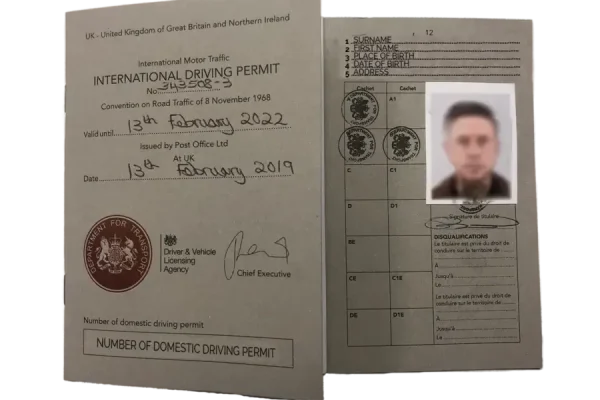
For self-drive, legally yes—you need an International Driving Permit (IDP) endorsed for motorcycles or a Vietnamese license. For easy rider tours (as a passenger), no license required. Police checkpoints exist and fines for riding without proper documentation range from 400,000-2,000,000 VND. More importantly, insurance won’t cover accidents if you’re riding without a valid license.
Depends on your policy. Check whether your insurance covers motorbike riding as a passenger (easy rider) and as a driver (self-drive). Many policies have motorbike exclusions or require valid licenses. Read the fine print carefully. If your standard policy doesn’t cover it, look into specialized travel insurance that includes adventure activities and motorbike coverage.
For self-drive tours, you’re typically liable for damage. Repair costs vary by severity but expect 500,000-2,000,000 VND for minor damage (scratches, broken mirrors), more for major damage. This is why riding within your skill level matters. Some operators offer damage insurance for an additional fee. Easy rider passengers aren’t liable for bike damage unless caused by reckless behavior.
Basic clinics exist in Ha Giang City, Dong Van, and Meo Vac for minor issues. Serious medical emergencies require transport back to Ha Giang City or even Hanoi (6-7 hours away). Remote villages have minimal medical infrastructure. This is why travel insurance with emergency evacuation coverage is important. Bring any prescription medications you need—you won’t find pharmacies in small villages.
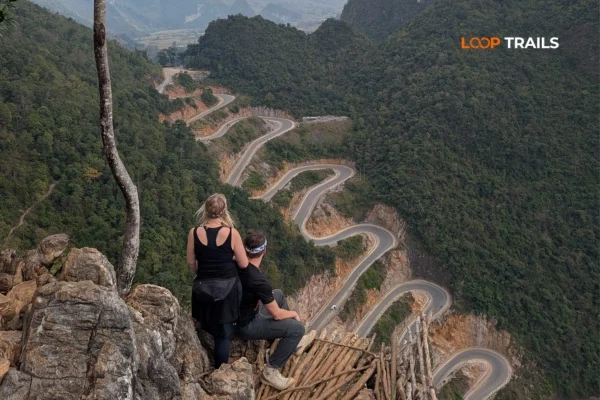
Ma Pi Leng is dramatic but not as dangerous as its reputation suggests if you ride carefully. The road is paved, though narrow in sections, with drop-offs on one side. The main risks are riding too fast, getting distracted by views, or attempting risky photo stops. Easy rider passengers are very safe since experienced guides handle the riding. Self-drivers need focus and appropriate speed for conditions.
Intermittent at best. Ha Giang City, Dong Van, and Meo Vac have coverage. Remote stretches between towns often have no signal for hours. Download offline maps before departing. Don’t count on being able to call, text, or use data throughout the journey. This is actually part of the appeal—a genuine digital detox.
Contact your tour guide or operator immediately if possible. They have local contacts and know where nearest help is located. For medical emergencies, guides can arrange transport to the nearest clinic. For bike breakdowns, wait with your bike—the guide will return or send help. This is another reason organized tours are safer than going completely independent.
Learn more: Ha Giang Cao Bang Itinerary
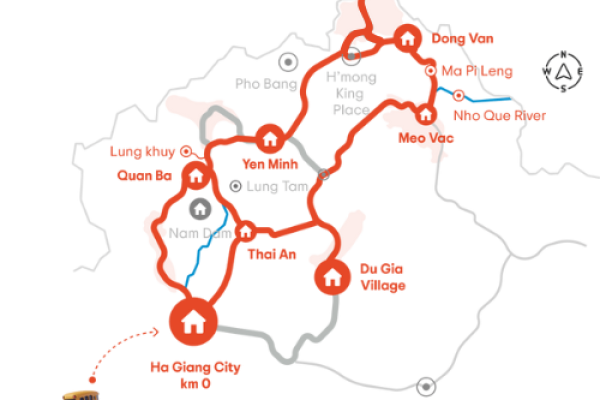
The standard loop: Ha Giang City → Quan Ba (Heaven Gate) → Yen Minh → Dong Van → Ma Pi Leng Pass → Meo Vac → Du Gia → back to Ha Giang via Quan Ba area. The 4-day version adds detours to Lung Cu Flag Tower, Lo Lo Chai village, Lung Khuy Cave, and Lung Tam weaving village. The exact route varies slightly by operator and day count.
Can’t-miss spots: Ma Pi Leng Pass (the iconic cliff-edge road), Quan Ba Heaven Gate (twin limestone peaks), Dong Van old town, Nho Que River valley views, and local ethnic minority villages. The 4-day tour adds Lung Cu Flag Tower (Vietnam’s northernmost point), Lo Lo Chai village (traditional stilted houses), and Du Gia waterfall. The scenery between stops is often as impressive as the destinations.
On a 3-day tour: approximately 150km day one, 90km day two, 120km day three. On a 4-day tour: around 120km day one, 100km day two, 80km day three, 90km day four. These are estimates—exact distances vary by route and stops. Riding time averages 5-6 hours per day on the 3-day option, 4-5 hours on the 4-day, with regular breaks for photos, meals, and rest.
Yes, at Du Gia waterfall on the final day. The water is cold, clear, and refreshing. Not everyone swims, but those who do generally enjoy it. There might be other opportunistic swimming spots depending on season and water levels, but Du Gia is the standard swim stop. Bring a towel or quick-dry cloth if you plan to swim.
You’ll get close at Lung Cu Flag Tower (included in 4-day tours) and can see China from various viewpoints along the route, but you don’t cross the border or stop directly at border crossings. The Hmong villages near Lao Sa are very close to the Chinese border. You can take photos looking across, but this isn’t a border crossing experience.
On private tours, yes—you have flexibility to adjust pace and add specific stops. On group tours, the itinerary is set to keep everyone on schedule and ensure you reach accommodation before dark. You can request brief stops for photos, but major route changes aren’t feasible. If customization matters to you, book a private tour rather than joining a group.
Learn more: Ha Giang 4 Days 3 Nights
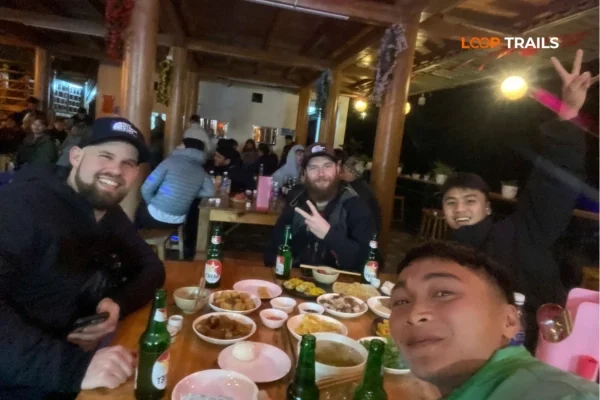
Homestays are family-run guesthouses in local villages. Expect shared dorm rooms (4-8 bunk beds), communal bathrooms with hot water (usually), basic but clean facilities, and minimal heating. They’re simple but functional. Private rooms available for small upgrades. The atmosphere is communal—you’ll eat meals with your group and often other travelers. It’s authentic mountain village accommodation, not hotels.
The food is simple Vietnamese home cooking: rice, stir-fried vegetables, pork or chicken, soup, sometimes tofu. It’s filling and fresh, cooked daily at homestays. Portions are generous. Don’t expect gourmet meals or extensive variety, but you won’t go hungry. Vegetarians should mention dietary requirements when booking—hosts can accommodate with notice. Breakfast is usually pho, eggs, bread, and Vietnamese coffee.
Vegetarian is easy—just inform your operator when booking. They’ll notify homestays to prepare meatless meals. Vegan is more challenging but doable with advance notice. Gluten-free is difficult in rural Vietnam where soy sauce and wheat noodles are common. Serious allergies require clear communication and possibly bringing backup food. The earlier you mention restrictions, the better homestays can prepare.
No. Don’t drink tap water anywhere in Vietnam. Homestays provide boiled water for drinking, or bring a reusable bottle and buy bottled water at stops along the route. Water is cheap (5,000-10,000 VND per bottle) and available in towns. Some travelers bring water purification tablets or filter bottles, but buying bottled water is simplest and affordable.
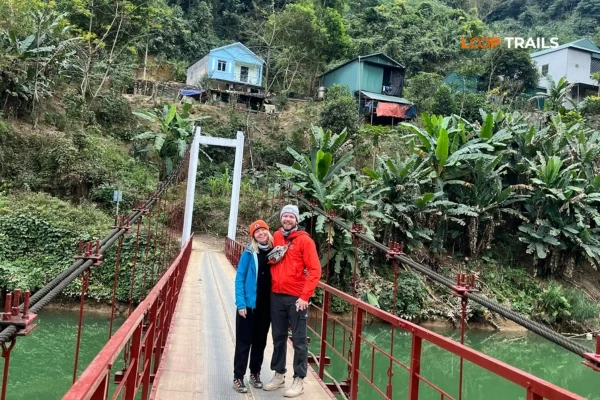
Learn more: Ha Giang Loop in September & October
Varies dramatically by season and altitude. September-November: dry, cool, 15-25°C days, 10-15°C nights. December-February: cold, 10-18°C days, can drop to 5°C or below at night, occasional frost. March-May: mild, 18-28°C, some rain in late spring. June-August: hot and humid, 25-35°C, frequent rain. Temperature drops 5-10°C at high mountain passes regardless of season.
Not necessarily, but it’s not ideal for first-timers. June-August brings afternoon rain, wet roads, reduced visibility, and higher accident risk. Experienced riders comfortable with wet conditions can still do the loop, but it’s more challenging and less comfortable. If rainy season is your only option, book an easy rider tour rather than self-drive, and be prepared for weather delays.
Learn more: Ha Giang Loop for Families & Couples
These 50 questions cover what most travelers want to know before the Ha Giang Loop, but every trip is different. If you’re trying to decide between tour options, the 3-day easy rider tour hits all the major highlights at a comfortable pace for first-timers. The 4-day version gives you breathing room and extra cultural experiences. Self-drive suits confident riders with mountain experience. Jeep tours work perfectly for families or anyone prioritizing comfort over the motorbike experience.
The best preparation is choosing the right tour option for your experience level, packing appropriately for mountain weather, bringing enough cash, and showing up with realistic expectations about what “adventure travel in rural Vietnam” actually means.
Ready to move from questions to booking? Check available tour dates and start planning the mountain adventure that brought you to this FAQ in the first place.
Moderate fitness is sufficient. As an easy rider passenger, you’re mostly sitting, though long hours on a bike can be tiring. Self-drive requires more core strength and endurance. Brief walks at viewpoints and caves involve minimal exertion. If you can handle 5-6 hours of sitting with breaks and short walks, you’re fit enough.
No. You need a backpack or duffel bag maximum 40L that can be strapped to a motorbike. Large suitcases don’t fit and affect bike balance dangerously. Leave excess luggage at your Hanoi hotel or Ha Giang City hostel—most offer free storage for guests.
Tipping isn’t mandatory but appreciated. 100,000-200,000 VND ($4-8 USD) per person for multi-day tours is standard if you’re happy with the service. Give directly to your guide on the final day. Don’t feel obligated if service was poor.
Yes, if you understand what you’re getting. It’s not luxury travel—it’s basic accommodation, long riding days, and remote mountain country. But the scenery genuinely delivers, cultural encounters feel authentic, and it’s one of Southeast Asia’s best motorbike routes. Most travelers rank it among their Vietnam highlights.
Technically yes, but most tours run the standard direction (Ha Giang → Quan Ba → Dong Van → Ma Pi Leng → back). The routing makes logistical sense for accommodation and daylight. Reverse routes exist but are less common. If direction matters to you, ask your operator, but the standard route works well for good reasons.
No strict minimum, but most operators recommend 12+ for comfort and safety. Young children struggle with long riding days and basic facilities. Families with kids often choose jeep tours over motorbikes. Teenagers usually handle it fine on easy rider tours.
Yes. Homestays have electricity and outlets where you can charge devices overnight. Bring your charger and a universal adapter (Vietnam uses type A, C, or G plugs). Power outages occasionally happen, so charge when you can and carry a portable battery bank as backup.
Some operators offer GoPro rentals or have cameras available, but availability varies. Phone cameras work perfectly well for most travelers. If you want specific equipment, bring your own or confirm rental options when booking. A small dry bag protects your phone/camera during rides.
Contact information for Loop Trails
Website: Loop Trails Official Website
Email: looptrailshostel@gmail.com
Hotline & WhatSapp:
+84862379288
+84938988593
Social Media:
Facebook: Loop Trails Tours Ha Giang
Instagram: Loop Trails Tours Ha Giang
TikTok: Loop Trails
Office Address: 48 Nguyen Du, Ha Giang 1, Tuyen Quang
Address: 48 Nguyen Du, Ha Giang 1, Tuyen Quang
Facebook X Reddit Table of Contents Learn more: Ha Giang Loop Tours There’s a moment, usually somewhere on Ma Pi Leng Pass,
Facebook X Reddit Table of Contents Learn more: Ha Giang Loop Tours There’s a version of the Ha Giang Loop that people