
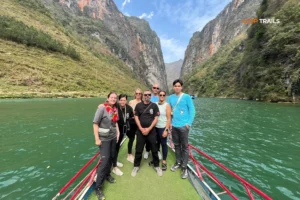
Nho Que River Boat Tour: Guide to Ha Giang’s Most Surreal Experience
Facebook X Reddit Table of Contents Learn more: Ha Giang Loop Tours There’s a moment on the Ma Pi Leng Pass —

Thúy Kiều (Grace) is a travel blogger and content contributor for Loop Trails Tours Ha Giang. She holds a bachelor’s degree in Sustainable Tourism from Vietnam National University, Hanoi, and has a strong passion for exploring and promoting responsible travel experiences in Vietnam’s northern highlands.

Learn more: Ha Giang Loop Tours
There’s a version of the Ha Giang Loop that people describe in hostels and on travel forums as one of the best experiences of their lives. And then there’s the version that happens when someone shows up underprepared — two days blocked out, a bike they can barely handle, and no idea that the weather at Ma Pi Leng Pass can go from clear to zero-visibility fog in under an hour.
Both versions start from the same place. What separates them is almost always information — specifically, the kind of practical, unfiltered information that glossy travel posts tend to skip.
This article is the one you want to read before you book anything. It covers the real mistakes — not the obvious ones like “bring sunscreen” — but the decisions that genuinely affect whether your Ha Giang Loop ends up being the highlight of your Vietnam trip or a stressful slog through incredible scenery you barely got to enjoy.
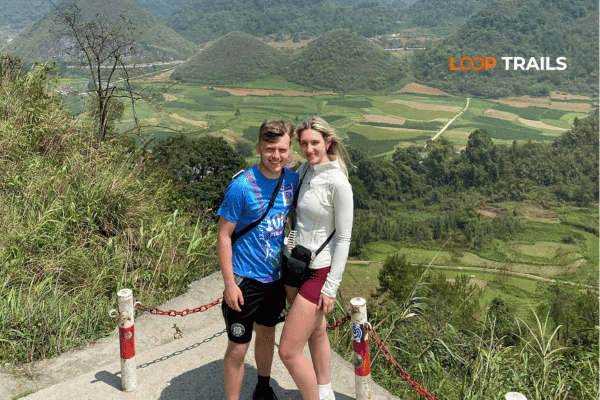
Learn more: Ha Giang Loop 2 Days 1 Night
Most Ha Giang Loop guides are written either by people who did the loop once and turned it into a listicle, or by operators more interested in selling you something than telling you what to watch out for. Neither is useless, but both have blind spots.
The loop covers a genuinely remote stretch of northern Vietnam — the Dong Van Karst Plateau Geopark, the Ma Pi Leng Pass, the canyon of the Nho Que River, the plateau towns of Dong Van and Meo Vac. It’s UNESCO-recognized terrain with mountain roads, limited medical infrastructure, variable weather, and some of the most dramatic riding conditions in Southeast Asia.
That context matters. The loop rewards preparation. And a lot of the things that go wrong are predictable which is exactly why this guide exists.
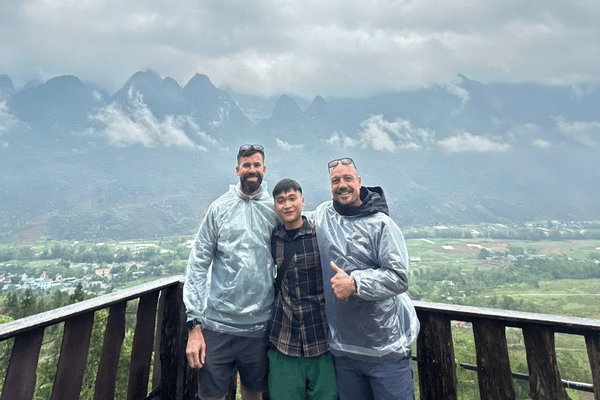
Learn more: Ha Giang Loop 3 Days 2 Nights
This one comes up constantly. Someone has a tight Vietnam itinerary, sees the Ha Giang Loop listed as a “2–3 day” experience on a budget travel site, and books accordingly.
Two days is technically possible if you define “the loop” as getting from Ha Giang City to Dong Van and back. What it is not possible to do in two days is experience the Ha Giang Loop properly. You’ll be riding for 6–8 hours each day on mountain roads, which means you’ll be tired, rushed, and stopping far less than you should. The Nho Que River boat tour, the Meo Vac market, the back road through Du Gia, the detour to Lung Cu — all of it gets squeezed or skipped entirely.
The honest minimum is 3 full days. Four is the sweet spot. If you add a Cao Bang extension (highly worth it), budget 7–10 days from Ha Giang City.
The Ha Giang Loop is not a destination you check off. It’s a place you move through slowly and every hour of extra time you give it pays back more than the hour cost.
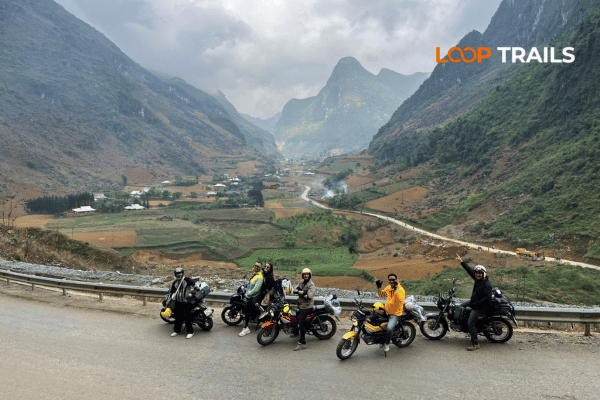
Learn more: Ha Giang Loop 4 Days 3 Nights
Self-driving the Ha Giang Loop is one of the most popular ways to experience it. It’s also the source of the largest number of problems.
The roads in Ha Giang Province are paved but narrow. They wind continuously through steep mountain terrain with significant drops on one side. Traffic is light but includes trucks, local scooters, and the occasional herd of cattle appearing around a blind corner. The Ma Pi Leng Pass specifically has sections where the drop is several hundred meters and the road width is barely enough for two vehicles.
“I can ride a motorbike” is not sufficient qualification. The relevant question is: have you ridden for extended periods on mountain roads with serious elevation changes? If the answer is no — or if your experience is mostly flat urban or beach riding — the Ha Giang Loop on a self-drive is a steep learning curve in a place with limited emergency services.
This isn’t a judgment. It’s just physics and geography.
Semi-automatic bikes are what most rental shops push toward budget travelers. They’re fine on flat ground. On the long climbs and descents of the loop, a manual bike with proper gearing — like the Honda XR150 — gives you significantly more control, especially going downhill. If you’re self-driving, ask specifically about manual options and whether the bike has been recently serviced.
Rental bikes vary enormously in quality. A bike that breaks down on the back section between Meo Vac and Yen Minh puts you in a difficult position: limited phone signal, few passing vehicles, and the nearest town potentially an hour or more away.
If you have any doubt about your ability to handle the terrain — or you want to actually enjoy the views instead of concentrating on not crashing — the Easy Rider option (riding pillion with a local guide) exists precisely for this situation. It’s not the “easy way out.” It’s the option that means you arrive at every viewpoint relaxed instead of shaking.
→ Loop Trails’ motorbike rental page has details on available bikes, conditions, and what to check before you ride — worth reading before you decide.
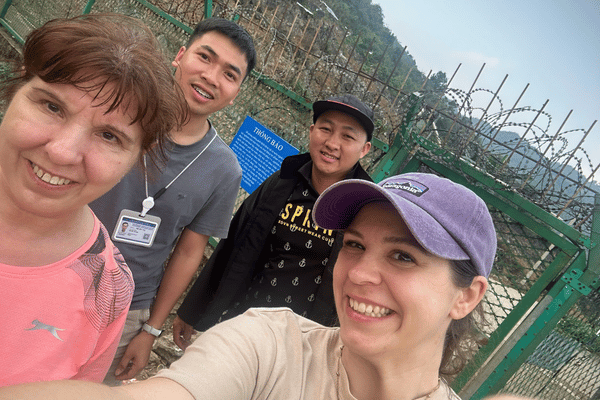
Learn more: Ha Giang Cao Bang 5 Days 4 Nights
Ha Giang has two major seasons that affect the loop experience significantly, and a lot of travelers pick their dates based on general “Vietnam travel” advice that doesn’t account for how different the far north is from, say, Hoi An.
Lorem ipsum dolor sit amet, consectetur adipiscing elit. Ut elit tellus, luctus nec ullamcorper mattis, pulvinar dapibus leo.
The Ha Giang region receives most of its rainfall between June and early September. Landslides are a real hazard during this period — roads can close unexpectedly, and conditions on the pass can deteriorate quickly. This doesn’t make the loop impossible in these months, but it makes it significantly less predictable. Fog on the pass, muddy roads on secondary routes, and the possibility of getting stuck waiting for a road to reopen are all part of the picture.
Travelers who go in monsoon season and have flexible schedules sometimes have amazing experiences because the landscape is dramatically lush and green. Travelers with fixed return flights and a two-day window sometimes have a genuinely miserable time.
October to April is the reliable window. October–November is peak season because the buckwheat flowers bloom across the Dong Van plateau and the weather is generally clear and cool. December through February is cold — genuinely cold, down near or below freezing at night at elevation — but crystal clear. March to April warms back up before the rains return.
If you’re choosing dates and have flexibility, October–November or March–April are the most rewarding windows for a first visit.
Even in dry season, mountain weather is unpredictable. Fog can roll across the Ma Pi Leng Pass on any morning, and cold rain can appear without much warning. This is not a reason to not go — it’s a reason to build flexibility into your schedule and not have a hard departure requirement on your last loop day.
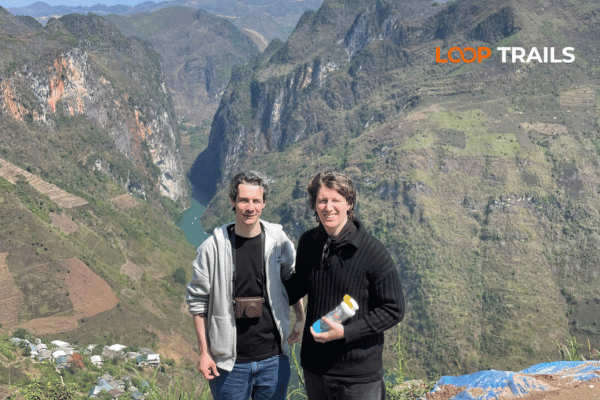
Learn more: Ha Giang Cao Bang Ba Be Lake 6 Days 5 Nights
Ha Giang has seen a surge in tourism over the past few years, and with it has come a surge in tour operators offering the loop at every conceivable price point. Some of those low-cost options are genuinely fine. Others are not.
The problem is that the differences aren’t always visible until you’re already on the road.
Price is a signal, but it’s not the only signal. The cheapest option on a booking platform might be cheap because the guide is inexperienced, the bikes are old, or the “group” is actually twelve people on twelve bikes riding in a line.
Learn more: Ha Giang Loop route and itinerary
This catches people off guard more than almost anything else.
Ha Giang Province — specifically the border areas including Dong Van, Meo Vac, Meo Vac, and areas near Lung Cu — is a restricted zone that requires a travel permit for foreign visitors. You cannot legally enter these areas without one.
The permit is not particularly difficult to obtain — it’s generally arranged through your accommodation in Ha Giang City or through a licensed tour operator. But if you arrive in Ha Giang planning to rent a bike at 8am and leave at 9am, you may find yourself waiting while paperwork is sorted.
Rules and procedures around the permit can change — always confirm the current requirements and process with your accommodation or tour operator before your trip, not on the day you plan to leave.
If you’re on a guided tour with a reputable operator, this is usually handled for you. If you’re self-driving, you need to arrange it yourself. Don’t skip this step or assume it doesn’t apply there are checkpoints on the road.
Learn more: Ha Giang Loop Weather
Ha Giang doesn’t get as much press as a “cold destination” as it deserves. The plateau around Dong Van sits above 1,000 meters, and the mountain passes can be significantly higher. In winter months (December–February), temperatures can drop to near freezing at night and stay in single digits during the day on the pass.
Even in October and November — during the most popular travel window — mornings can be genuinely cold, and riding a motorbike for 5–6 hours at altitude in cool air is a very different physical experience than riding a scooter around a beach town.
Learn more: Tu San Canyon & Nho Que River Boat Trip
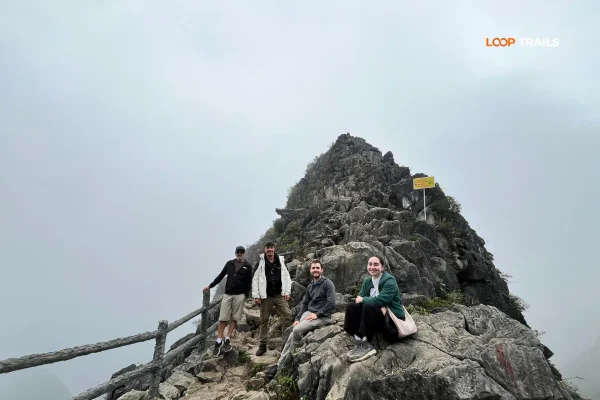
Most packaged itineraries cover the same five or six landmark stops: Quan Ba Pass, Yen Minh, Dong Van, Ma Pi Leng viewpoint, Meo Vac. These are all genuinely worth seeing. They’re also increasingly crowded at peak hours.
The Ha Giang Loop has a parallel layer of stops that most standard itineraries either skip or mention so briefly that travelers don’t realize they’re missing anything.
Du Gia Village — A quiet loop through rice terraces and traditional villages that most riders bypass in favor of the faster route through Yen Minh. It adds some distance but delivers a completely different texture to the loop.
The road between Meo Vac and Bao Lac — If you’re continuing toward Cao Bang, this section is wild and largely untraveled by tourists. The scenery is different from the Dong Van plateau — more remote, more raw.
Meo Vac Sunday Market — Only worth your time if you time your loop to be in Meo Vac on a Sunday morning. If you can, do it. Ethnic minority communities from surrounding villages come to trade, and the market is one of the most authentic you’ll find anywhere in the north.
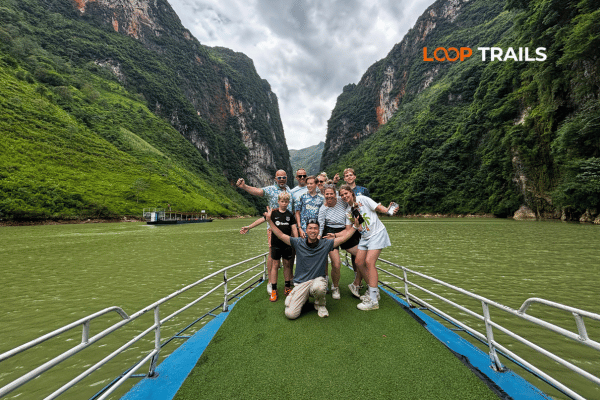
The Nho Que River Boat Tour — Not a secret, but significantly underserved by standard itineraries that include the Ma Pi Leng viewpoint but don’t budget time for the boat. These are two different experiences — the view from above and the experience from inside the canyon — and both are worth doing.
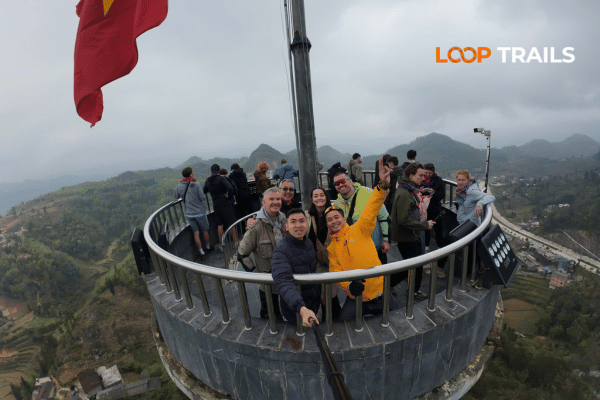
Lung Cu Flag Tower — Vietnam’s northernmost point, roughly 25 km north of Dong Van. It’s a detour from the main loop route, but standing at the actual border with China under that enormous flag is one of those experiences that puts the geography of the whole trip in perspective.
Learn more: Ha Giang Loop Cost & Tips
A lot of budget travelers arrive in Ha Giang with numbers they found in a forum post from two years ago and are surprised to find that things cost more — or differently — than expected.
A few honest notes on costs:
We’re not listing specific prices here because they change — check with Loop Trails directly for current tour pricing, or verify costs locally for things like boat tickets and accommodation.
Learn more: Ha Giang Motorbike tour
This one sounds obvious but it’s genuinely one of the most common things that turns a great trip into a blur.
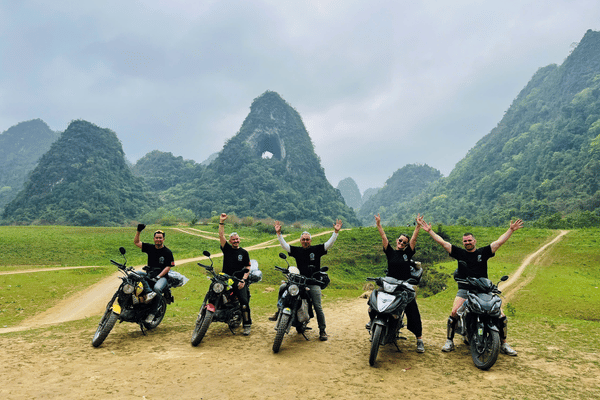
The Ha Giang Loop is not an itinerary you execute. It’s a landscape you move through. The riders who talk about it for years afterward are almost never the ones who covered the most ground in the least time — they’re the ones who stopped at the roadside tea stall, watched the sun come up over the plateau, got invited into a local house for corn wine, or spent an extra 45 minutes just sitting on a rock above the Nho Que canyon because there was no good reason to leave.
Fast travel through Ha Giang still gives you impressive photos and a sense of having “done it.” Slow travel gives you something harder to explain and much harder to forget.
The practical version of this advice: every time you feel the urge to push on to the next stop, ask yourself if where you already are is worth more of your time. Usually it is.
Learn more: Ma Pi Leng Pass
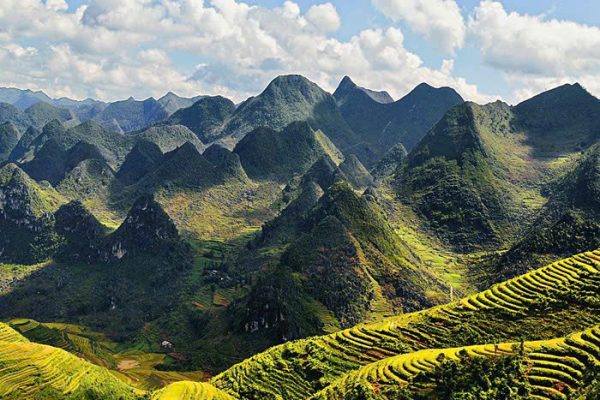
Ha Giang’s popularity has grown fast. During peak season — particularly the October–November buckwheat flower window — the loop can feel noticeably busier than any description you read from even three or four years ago.
This doesn’t ruin the experience. The landscape is too vast and the roads too spread out for it to feel genuinely crowded the way a beach town might. But a few specific bottlenecks are worth knowing about:
The fix for most of this is choosing a small-group tour with a maximum group size, or self-driving with a flexible schedule that lets you move outside peak hours. Asking your operator explicitly about group size caps is one of the most underrated questions in the whole Ha Giang Loop booking process.
Learn more: Ha Giang Loop by Jeep for Families & Groups
This is the question that most Ha Giang guides skip or answer vaguely. Here’s the honest breakdown:
Best for: Confident riders with mountain road experience, travelers who prioritize independence above everything else, people who want to set their own pace completely and don’t mind handling logistics on the fly.
Watch out for: Bike quality variation between rental shops, the permit requirement (you arrange it yourself), and the fact that you’re on your own if something goes wrong mechanically or medically on a remote section.
→ Check Loop Trails’ motorbike rental options in Ha Giang — and read the rental terms carefully before you commit, especially around breakdown support.
Best for: First-timers, solo travelers who want local insight and conversation, anyone who’s not fully confident on mountain roads, and honestly — anyone who wants to look at the scenery instead of the road.
A good Easy Rider guide changes the experience fundamentally. They know which viewpoints are worth stopping at when, which guesthouses are actually comfortable, when to push through and when to wait out the weather. They handle the permit, the accommodation, the navigation, and all the small logistics that eat up your mental energy on a self-drive.
→ Browse Loop Trails’ Easy Rider tour options — small groups, experienced local guides, clear itineraries.
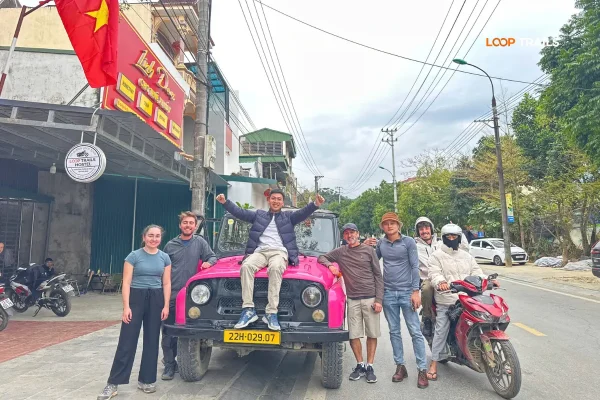
Best for: Couples, small groups, older travelers, anyone who wants the full visual experience of the loop without being on a motorbike at all. Also great if you’re combining Ha Giang with a longer road trip that includes Cao Bang.
The Jeep option covers the same route with the same stops, but you’re in a 4WD with your group, moving at a comfortable pace. Some people feel it loses a bit of the raw “motorbike in the mountains” feeling — which is fair. Others find it actually lets them appreciate the scenery more because they’re not managing a vehicle.
Best for: Travelers with 7–10 days who want to go deeper into northern Vietnam and see Ban Gioc Waterfall, the Phia Oac mountain range, and the wilder back roads between provinces. This is the full picture — and if the Ha Giang Loop sounds like “your kind of trip,” Cao Bang is very likely your kind of province too.
→ Loop Trails runs a dedicated combined Ha Giang–Cao Bang tour — check that page for routes, duration, and what’s included.
Not sure which fits? Drop the Loop Trails team a message on WhatsApp. Genuinely — they’ll tell you honestly which option makes sense for your timeline and experience level, not just push you toward the most expensive one.

Learn more: Ha Giang in September & October
The Ha Giang Loop is one of those experiences that delivers best when you come in with realistic expectations and a flexible mindset. The roads are genuine mountain roads, not smooth highway. The weather does what it wants. Some days the fog clears into something extraordinary; some days it doesn’t.
None of the mistakes in this guide are dealbreakers. They’re things that, when avoided, stack the odds significantly in your favor. Show up prepared, give yourself enough days, choose your bike and your tour situation honestly based on your actual skill level, and don’t rush.
The loop will take care of the rest.
→ If you’re still figuring out the right way to approach this, browse Loop Trails’ Ha Giang Loop tour options — Easy Rider, self-drive rental, and Jeep — to find what fits. Or just send a WhatsApp message and talk it through.
Learn more: Ha Giang Adventure
Three full days is the workable minimum if you want to include the main highlights — Quan Ba, Dong Van, Ma Pi Leng, the Nho Que boat tour, and Meo Vac. Four days is significantly more relaxed and highly recommended. If you’re adding Cao Bang, budget 7–10 days total from Ha Giang City.
The loop on a self-drive is not ideal for inexperienced riders — the mountain roads require real bike-handling confidence. That said, the Easy Rider option (riding pillion with a guide) is accessible to anyone and still gives you the full visual experience. If you’re a beginner, Easy Rider is the honest recommendation.
Yes foreign visitors need a travel permit to access the restricted border zone areas of Ha Giang, including Dong Van and the area around Lung Cu. The permit is obtainable through licensed tour operators or your accommodation in Ha Giang City. Requirements and process can change, so confirm current procedures locally before your trip.
October and November are peak season for a reason — the buckwheat flowers are blooming, the weather is generally clear, and the light is excellent. March–April is a quieter alternative with good weather. December–February is cold but crystal-clear and beautiful if you pack for it.
On a self-drive, this is your problem to manage. Ask your rental provider explicitly what support they offer for breakdowns before you rent — ideally, a number you can call and some form of roadside assistance policy. On a guided tour with a reputable operator, mechanical problems are handled by your guide and operator.
Yes, Jeep tours cover the same route and all the major stops. Some travelers also hire a driver for portions of the loop. It’s a different feel from riding a bike through the mountains, but many people find it equally (or more) enjoyable.
It depends on the specific tour package. Some include the boat ticket; others give you time at the dock and let you pay the entrance fee yourself. Confirm this detail with your operator before booking — it’s a small cost either way, but good to know in advance.
In December and January, temperatures at elevation (Dong Van plateau, Ma Pi Leng Pass) can drop close to or below freezing overnight and stay in single digits during the day. Even in October–November, mornings on the pass can be genuinely cold on a motorbike. Bring proper layers regardless of when you go.
You should have travel insurance for any trip to remote mountain areas in Vietnam — full stop. The Ha Giang Loop involves mountain roads, limited medical infrastructure, and real physical risk. Make sure your policy covers motorbike riding specifically (many standard policies don’t) and medical evacuation.
Yes, and it’s highly recommended if you have the time. After completing the loop through Meo Vac, the road continues east toward Bao Lac and into Cao Bang Province — home to Ban Gioc Waterfall, the Phia Oac mountain range, and the Cao Bang Loop. It adds 3–5 days and roughly doubles the scope of the trip.
On an Easy Rider tour, you ride pillion behind a local guide who drives the motorbike. You don’t need any riding experience, and your guide handles navigation, logistics, accommodation, and local knowledge. On a self-drive, you ride your own rented bike independently at your own pace. The right choice depends almost entirely on your riding experience and how much you value independence vs. local insight.
You can check current tour availability and pricing on the Loop Trails website, or contact the team directly via WhatsApp for a custom recommendation based on your travel dates, group size, and experience level.
Contact information for Loop Trails
Website: Loop Trails Official Website
Email: looptrailshostel@gmail.com
Hotline & WhatSapp:
+84862379288
+84938988593
Social Media:
Facebook: Loop Trails Tours Ha Giang
Instagram: Loop Trails Tours Ha Giang
TikTok: Loop Trails
Office Address: 48 Nguyen Du, Ha Giang 1, Tuyen Quang
Address: 48 Nguyen Du, Ha Giang 1, Tuyen Quang
Facebook X Reddit Table of Contents Learn more: Ha Giang Loop Tours There’s a moment on the Ma Pi Leng Pass —

Facebook X Reddit Table of Contents Learn more: Ha Giang Loop Tours Most people land on this question after staring at a

Facebook X Reddit Table of Contents Learn more: Ha Giang Loop Tours There’s a particular kind of silence at the top of