
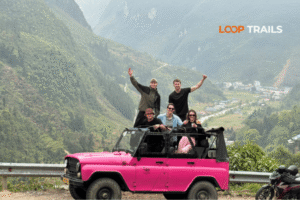
Ha Giang Loop Private vs Group Jeep Tour: Which Should You Book?
Facebook X Reddit Table of Contents Learn more: Ha Giang Loop Tours There’s a moment somewhere on the Ma Pi Leng Pass

Thúy Kiều( Grace) is a travel blogger and content contributor for Loop Trails Tours Ha Giang. She holds a bachelor’s degree in Sustainable Tourism from Vietnam National University, Hanoi, and has a strong passion for exploring and promoting responsible travel experiences in Vietnam’s northern highlands.
The Ha Giang Loop sits on most travelers’ Vietnam bucket lists, and for good reason. Winding mountain roads, ethnic minority villages tucked into impossible valleys, and views that’ll have you stopping every few kilometers to take photos you’ll never quite capture. But here’s the question that trips up most people in the planning stage: should you ride it yourself or hire an Easy Rider?
If you’ve got decent riding experience and the confidence to handle mountain passes, self-driving the Ha Giang Loop offers something an Easy Rider tour can’t quite match. There’s a particular freedom in setting your own pace, pulling over whenever a view catches your eye, and taking that extra hour at a viewpoint because you want to, not because the group is waiting.
That said, self-driving isn’t for everyone, and I’m not here to sell you on something that might not suit your trip. This guide walks through exactly what to expect when self-driving the Ha Giang Loop, from practical itineraries to the sections of road that’ll test your skills. By the end, you’ll know whether self-drive is your move or if you’d be better off with an Easy Rider handling the technical bits while you focus on the scenery.
Learn more: Ha Giang Loop Tours

Learn more: Ha Giang Loop Tours
The main draw of self-driving is simple: you’re on your own schedule. When everyone else is rushing to reach the homestay before dark, you can spend an extra 30 minutes at Lung Cu Flag Tower watching the sunset over the Chinese border. Spot a small trail leading to a H’Mong village that’s not on the itinerary? You can take it.
This flexibility extends to your daily routine too. Early riser? Hit the road at 6 AM and catch the morning mist in the valleys. Prefer a slow morning with multiple coffee stops? Do that instead. The loop doesn’t disappear if you take your time with it.
Let’s talk numbers because this matters for most travelers planning their Vietnam budget.
Self-Drive Costs (3-day loop):
Easy Rider Costs (3-day loop):
The difference is 600,000 VND (roughly $25 USD), which isn’t massive but adds up if you’re traveling as a couple or group. The real cost consideration isn’t just money though. You’re trading that savings for the responsibility of navigating, the physical effort of riding yourself, and missing out on the local knowledge an Easy Rider brings.
Self-drive works best if you:
Skip self-drive if you:
Be honest with yourself here. The loop has sections that challenge even experienced riders. There’s no shame in choosing an Easy Rider tour if that’s the better fit for your skill level.
Learn more: Best Ha Giang Loop Tours 2026
Here’s what you need to know about riding legally in Ha Giang, and I’ll be straight with you about the reality versus the rules.
The Official Requirement: You need either a Vietnamese motorbike license or an International Driving Permit (IDP) that specifically covers motorbikes (category A). Your home country’s license alone doesn’t cut it legally, even though plenty of rental shops won’t ask to see anything.
The Reality on the Ground: Police checkpoints exist along the loop, especially near Dong Van and Meo Vac. While enforcement varies, getting caught without proper documents can mean fines ranging from 400,000 to 800,000 VND. More importantly, riding without a valid license means your travel insurance likely won’t cover you if something goes wrong.
My Take: Get the proper documents before you come. An IDP costs about $20-30 in most countries and takes 15 minutes to obtain through your local automobile association. It’s not worth the stress of checkpoint anxiety or potential insurance issues to skip this step.
The loop isn’t a beginner course, but you don’t need to be a motocross champion either. Here’s a realistic assessment of what you’ll encounter:
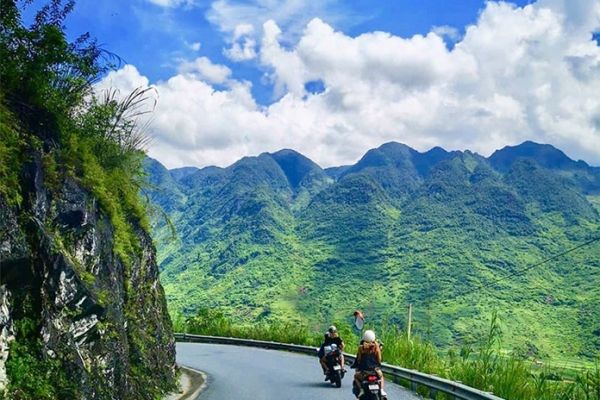
You’ll spend 4-6 hours in the saddle each day, often on roads with steep inclines, tight hairpin turns, and sections where gravel or loose stones test your balance. The Ma Pi Leng Pass section features blind corners where trucks appear suddenly, and some stretches have significant drop-offs without guardrails.
Minimum experience I’d recommend:
If you’ve only ridden scooters in Bali or rented a motorbike for a beach cruise in Thailand, consider starting with an Easy Rider and potentially doing a self-drive on a future visit once you’ve built more experience.
Most rental shops in Ha Giang offer three main options:
Semi-Automatic (Honda Wave, Yamaha Sirius):
Honda XR150L (Manual):
Larger Bikes (250cc+):
For most self-drivers, the XR150L hits the sweet spot of power, reliability, and manageable weight. If you’re not confident with manual transmission, the semi-automatic options will serve you fine, though you’ll notice the power difference on some climbs.
Learn more: Ha Giang Motorbike Rental
The 2-day loop is the rushed version. You’ll hit the main highlights but sacrifice the slower moments that make the trip special. It works if you’re genuinely time-constrained, but know you’ll be doing a lot of riding each day.
Most 2-day itineraries start with a night bus from Hanoi to Ha Giang, arriving around 4-5 AM. You’ll check into your accommodation (usually included with tour packages), catch a few hours of rest, and attend a briefing around 8 AM.
Bus Options from Hanoi:
Route: Ha Giang → Bac Sum Pass → Heaven Gate → Yen Minh → Tham Ma Pass → Chin Khoanh Pass → Lao Sa Village → Dong Van
You’re up early for breakfast around 7:30 AM, then hitting the road by 8 AM. The first major stop is Heaven Gate (Cổng Trời Quản Bạ), about 40 km from Ha Giang city. This is where the landscape shifts from regular mountains to the dramatic karst formations the loop is famous for. Stop for photos of the twin mountains (Fairy Mountains) visible from the viewpoint.
Push on through Yen Minh for a lunch stop around 12:30 PM. The afternoon section includes Tham Ma Pass and the famous Chin Khoanh Pass with its 14 switchback turns. This section requires concentration, take it slow.
Late afternoon, you’ll pass Lao Sa Village, a H’Mong settlement near the China border where the houses cling to impossibly steep hillsides. Reach Dong Van by 5 PM, check into your homestay, and join the evening activities (local games, traditional music, and yes, the “happy water” rice wine).
Highlights:
Riding Distance: 120 km Difficulty: Moderate to challenging
Route: Dong Van → Ma Pi Leng Pass → Meo Vac → M Pass → Quan Ba → Ha Giang
This is your big day. Leave Dong Van by 8 AM to make the most of morning light on Ma Pi Leng Pass, one of Vietnam’s four great mountain passes and the technical highlight of the loop. The pass features dramatic drop-offs, tight corners, and views of the Nho Que River canyon far below.
Around 10 AM, you’ll reach the Ma Pi Leng viewpoint areas. Take your time here because the scenery is exceptional. Continue through Meo Vac town around 11 AM for lunch.
The afternoon is a long push back through M Pass and eventually reconnecting with the main road through Quan Ba before reaching Ha Giang city around 4 PM. If you’re catching an evening bus back to Hanoi, you’ll have time to clean up, grab dinner, and board your departure (buses typically leave between 6-8 PM).
Highlights:
Riding Distance: 150 km Difficulty: Challenging (Ma Pi Leng requires focus)
Is the 2-Day Loop Worth It? Honestly? Only if you’re genuinely short on time. You’ll see the highlights, but you’re basically riding all day with brief stops. The 3-day version gives you more breathing room without adding much cost.
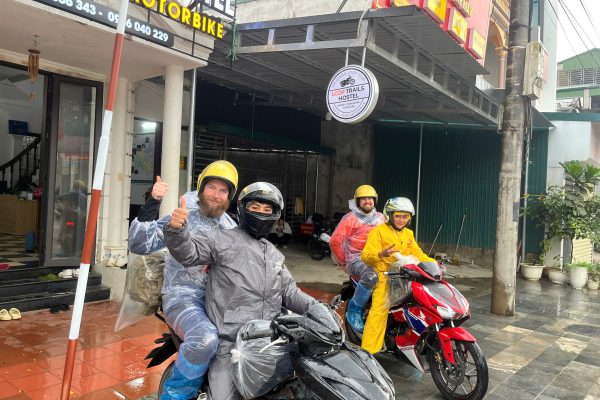
Learn more: Ha Giang Easy Riders
This is the goldilocks option. Three days gives you enough time to enjoy the journey without feeling rushed, and you still hit all the major highlights. Most travelers find this the best balance.
Same overnight bus setup as the 2-day itinerary. Arrive early morning in Ha Giang, rest, and attend the 8 AM briefing.
Route: Ha Giang → Bac Sum Pass → Heaven Gate → Yen Minh → Tham Ma Pass → Lao Sa Village → Vuong Palace → Dong Van
The route follows the same path as Day 1 of the 2-day itinerary, but with a more relaxed pace. After passing Lao Sa Village, you have time to visit Vuong Palace, the former residence of the H’Mong king. This historic site gives context to the region’s history as a semi-autonomous H’Mong kingdom until the mid-20th century.
Arrival in Dong Van by 5 PM gives you time to explore the old town quarter before dinner. The evening at your homestay follows the standard pattern: dinner, music, games, and social time with other travelers and your host family.
Key Differences from 2-Day:
Route: Dong Van → Ma Pi Leng Pass → Ma Pi Leng Skywalk → Tu San Canyon viewpoint → Meo Vac → M Pass → Lung Ho viewpoint → Du Gia
Leave Dong Van around 8 AM for the highlight of your loop: Ma Pi Leng Pass. The difference between the 3-day and 2-day itinerary becomes clear here. Instead of rushing through to get back to Ha Giang, you have time to properly experience the pass and its attractions.
Around 10 AM, you’ll reach the Ma Pi Leng Skywalk, a glass platform extending over the canyon. It’s touristy, yes, but the views justify the brief stop. From here, you can see Tu San Canyon, one of Southeast Asia’s deepest canyons, though you won’t boat on Nho Que River on this itinerary (that’s a 4-day option).
Continue through Meo Vac for lunch around 1 PM, then ride the scenic M Pass and Lung Ho viewpoint section in the afternoon. Reach Du Gia village by 5 PM. This remote village offers one of the most peaceful homestay experiences on the loop, with rice fields surrounding your accommodation and far fewer tourists than Dong Van.
Highlights:
Why Du Gia Matters: Staying in Du Gia instead of rushing back to Ha Giang completely changes the experience. You’re sleeping in a genuinely remote mountain village with authentic homestay vibes, not a tourist-heavy town.
Route: Du Gia → Du Gia Waterfall → Lung Tam Linen Village → Ha Giang
Start your morning with breakfast overlooking the rice fields, then a refreshing swim at Du Gia Waterfall around 9 AM. The waterfall is a short ride from the village and provides a perfect morning activity before the long ride back.
Around 10:30 AM, visit Lung Tam Linen Village where you can watch traditional weaving techniques passed down through generations of H’Mong families. The village specializes in hand-woven linen dyed with natural colors from plants. It’s a genuine cultural stop, not a tourist trap, though they do sell products if you’re interested.
Push back to Ha Giang through quieter back roads, arriving around 4 PM. Evening buses back to Hanoi depart between 6-8 PM, giving you time to rest and eat before departure.
Highlights:

Learn more: Ha Giang Loop by Motorbike
If you can spare the extra day, the 4-day itinerary is my top recommendation. The difference isn’t just one more day of riding, it’s adding experiences that the 3-day version skips: Lung Khuy Cave, Lung Cu Flag Tower, and a Nho Que River boat tour. You also get better pacing with shorter riding days.
Identical to the other itineraries. Overnight bus, early arrival, rest, 8 AM briefing.
Route: Ha Giang → Bac Sum Pass → Heaven Gate → Tam Son → Lung Khuy Cave → Yen Minh
This is the most relaxed Day 1 of all the itinerary options. You’re stopping at Heaven Gate around 10 AM as usual, but then diverting to Lung Khuy Cave in Quan Ba.
Lung Khuy Cave is often skipped on faster itineraries, which is a shame because it’s genuinely impressive. The cave system features enormous stalactites and stalagmites with natural lighting from openings in the cave ceiling. The trek down takes about 30-40 minutes and requires decent fitness (you’re climbing back up), but it’s worth the leg workout.
Lunch in Tam Son around 12:30 PM, then a short afternoon ride to Yen Minh where you’ll stay for the night. Yen Minh is smaller and quieter than Dong Van, giving you a different slice of local life.
Highlights:
Why This Matters: Instead of cramming everything into the first day, you’re taking time to actually explore. The cave visit alone adds 2-3 hours to your day, which would make the push to Dong Van exhausting.
Route: Yen Minh → Tham Ma Pass → Lao Sa Village → Sung La Village → Vuong Palace → Lung Cu Flag Tower → Dong Van
Day 2 focuses on the northern section near the Chinese border. After breakfast, ride through Tham Ma Pass and make stops at both Lao Sa and Sung La villages. Sung La is even closer to the border than Lao Sa, with H’Mong houses that seem to be carved into the mountainside.
Around 11 AM, visit Vuong Palace before continuing to Lung Cu Flag Tower, Vietnam’s northernmost point. The tower sits at the top of a mountain with China visible across the border. You’ll climb 389 steps to reach the flag tower (or ride up for a small fee), and the views from the top showcase the entire border region.
Lunch in Lung Cu around 12 PM, then ride back down to Dong Van for a late afternoon arrival (around 5 PM). Evening follows the standard homestay program: dinner, music, games, happy water.
Highlights:
Day 2 vs 3-Day Itinerary Day 1: The 4-day version splits what the 3-day jams into one long day. You get the same sites but actually have time to explore them properly instead of quick photo stops.
Route: Dong Van → Ma Pi Leng Pass → Ma Pi Leng Skywalk → Tu San Canyon → Nho Que River Boat Tour → Sung Trai lunch → M Pass → Lung Ho → Du Gia
This is your big scenic day and the highlight of the entire loop. Depart Dong Van early (7:30 AM) to beat tour groups to Ma Pi Leng Pass.
The morning ride along Ma Pi Leng features some of the most dramatic mountain scenery in Southeast Asia. The pass itself was carved into the mountainside and offers continuous views of the Nho Que River canyon below. Stop at the Skywalk around 9:30 AM, then continue to the boat tour starting point.
The Nho Que River boat tour (usually around 10:30 AM) takes you through Tu San Canyon, paddling on the bright turquoise water between sheer limestone cliffs. This adds about 90 minutes to your day but it’s worth every minute. The canyon walls tower hundreds of meters above you, and you’ll understand why Tu San is considered one of the deepest canyons in Southeast Asia.
Lunch in Sung Trai around 1 PM, then ride through M Pass (literally shaped like the letter M when viewed from above) and Lung Ho viewpoint in the afternoon. Arrive Du Gia around 5 PM for your second night in this peaceful village.
Highlights:
Why the Boat Tour Matters: Many riders skip the boat tour thinking it’s an add-on tourist activity, but experiencing Tu San Canyon from water level gives you perspective you can’t get from the road. The tour operators are typically local families who’ve been navigating these waters for decades.
Route: Du Gia → Du Gia Waterfall → Duong Thuong Valley → Thai An lunch → Lung Tam Village → Forest road along Miền River → Ha Giang
Your final day starts with the now-familiar Du Gia Waterfall swim around 9 AM. The cool mountain water is perfect for washing off the road dust from the previous days.
Around 10 AM, ride through Duong Thuong Valley, a less-traveled section that passes through H’Mong mountain villages where tourism hasn’t quite reached. This valley ride showcases a different side of the region compared to the main tourist routes.
Lunch in Thai An around 12:30 PM, followed by a visit to Lung Tam Linen Village where you can watch traditional weaving and try your hand at the techniques if you’re interested.
The afternoon return follows a scenic forest road along the Miền River. This route is quieter than the main highway and offers a peaceful end to your loop. Arrive Ha Giang around 4 PM with time to rest before evening bus departures (typically 6-8 PM).
Highlights:
4-Day Itinerary vs 3-Day: Worth the Extra Day? Absolutely. The additional day adds Lung Khuy Cave, Lung Cu Flag Tower, the Nho Que River boat tour, and Duong Thuong Valley. More importantly, you’re not rushing. The riding days are shorter (80-90 km vs 110-150 km), which means you arrive at homestays with energy left to actually enjoy the evening instead of collapsing from exhaustion.
For self-drivers especially, the 4-day itinerary’s better pacing reduces fatigue and allows you to maintain focus on technical sections when you hit them.

Learn more: Ha Giang Loop by Car
Let’s talk about what you’re actually riding on and what requires your attention.
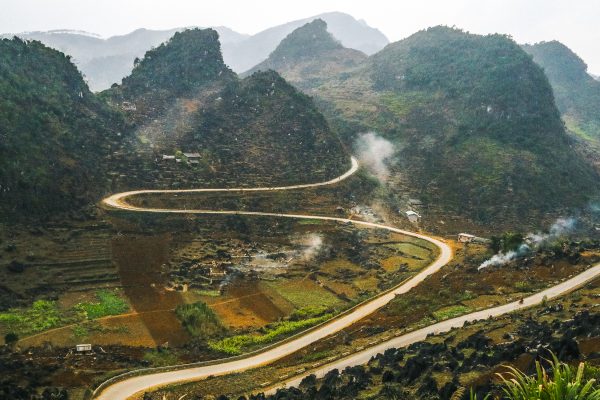
The loop’s roads are paved, but “paved” covers a wide range of conditions. Some sections are smooth two-lane highways, others are narrow single-lane paths with crumbling edges and potholes that’ll swallow your front wheel if you’re not paying attention.
Road Surface Variety:
The roads are constantly being repaired and improved, which means construction zones pop up regularly. These zones often feature loose gravel, unmarked drop-offs, and sudden surface changes from pavement to dirt.
Typical Daily Conditions: Morning riding (7-10 AM) usually offers the best road conditions with good visibility and less traffic. Afternoons can bring mountain fog, particularly on passes, which reduces visibility to 20-30 meters in extreme cases. Weekends see more domestic tourist traffic, especially trucks and tour buses.
Certain parts of the loop demand extra concentration. Here’s what to watch for:
Ma Pi Leng Pass (the big one): This is the most technically challenging section on the loop. The pass features tight hairpin turns, blind corners where you can’t see oncoming traffic, and drop-offs without guardrails on the outer edge. The road surface can be slippery when wet.
How to handle it: Ride the inside line on curves (away from the drop-off), sound your horn before blind corners, and don’t try to overtake on the pass itself. If fog rolls in, slow down significantly and consider waiting it out at one of the viewpoint areas.
Tham Ma Pass: Steep inclines and declines with sharp switchbacks. The uphill is manageable, the downhill requires good brake control to avoid overheating your brakes.
How to handle it: Use engine braking on descents (drop to lower gear, don’t just ride the brakes), and maintain steady throttle on uphills rather than jerky acceleration.
Chin Khoanh Pass: The famous 14-switchback section is more of a photo opportunity than a danger, but tour buses struggle with the tight turns. Getting stuck behind a crawling bus can test your low-speed control.
How to handle it: If you’re behind a bus, be patient. Trying to squeeze past on switchbacks is how accidents happen. Wait for straight sections to overtake safely.
Gravel and Loose Stone Sections: Random patches appear throughout the loop, often without warning after curves or in construction zones.
How to handle it: When you hit gravel, stay relaxed on the handlebars (death grip makes you more likely to slip), maintain steady speed rather than braking hard, and keep the bike as upright as possible.
The loop is rideable year-round, but each season brings different challenges.
Dry Season (October to April): Best overall riding conditions with minimal rain and clear visibility. October and November offer perfect temperatures (15-25°C) and stable weather. December to February can be cold (5-15°C) with occasional frost on high passes early morning. March and April start warming up but bring more haze.
Wet Season (May to September): June through August sees the heaviest rainfall, usually afternoon thunderstorms rather than all-day rain. Road conditions deteriorate with more potholes and mudslides are possible after heavy storms. September transitions back toward dry season with improving conditions.
Best Months for Self-Drive: October, November, March, and April offer the best balance of good weather, reasonable temperatures, and road conditions. If you’re riding in wet season, start early each day to maximize dry morning hours and reach your accommodation before afternoon storms.
Cold Weather Riding: December and January can be genuinely cold on the passes. You’ll want proper layers (see packing section below) and gloves that keep your hands functional. Cold hands reduce your control, which is dangerous on technical sections.
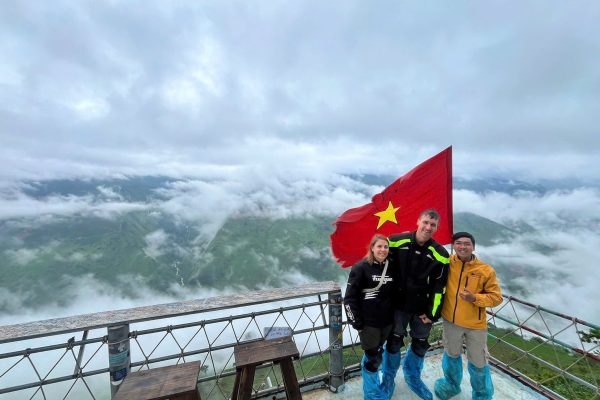
Learn more:Ha Giang Cao Bang 5 Days 4 Nighst
Your rental bike typically comes with a helmet, but that helmet has seen better days. Consider bringing your own if you have space, or at minimum, thoroughly inspect the rental helmet’s condition before accepting it.
Mandatory Safety Gear:
Strongly Recommended Additions:
Don’t skip protective gear because you think you won’t need it. The loop has sections where even experienced riders have small spills on loose gravel or unexpected obstacles. The difference between walking away with bruises versus serious road rash is usually just wearing the right gear.
Dry Season (October-April):
Wet Season (May-September):
Universal Items:
The key is layers. Morning starts at 10°C wearing everything you brought, midday hits 25°C and you’re down to a t-shirt, late afternoon drops to 15°C and you’re adding layers back on. Being able to adjust throughout the day keeps you comfortable and focused on riding.
Most of this should come with your rental package, but verify before you leave Ha Giang:
Bike-Specific:
Personal Emergency Items:
Optional But Smart:
The reality is that serious mechanical failures are rare on well-maintained rental bikes, and you’re never more than 30-40 km from a town with repair shops. But having basic supplies means you can handle minor issues (flat tire, loose mirror, etc.) without losing hours of riding time waiting for help.
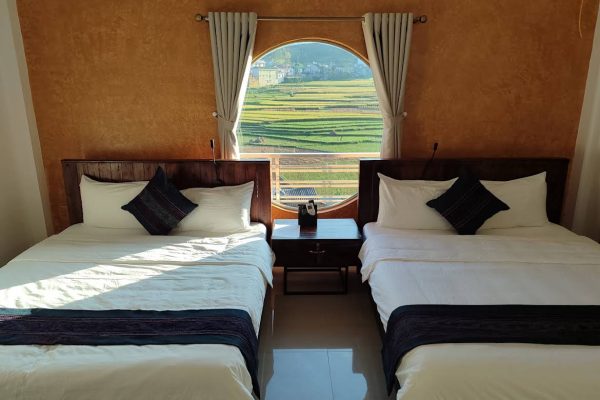
Learn more: Ha Giang Loop 3 Days 2 Nights
The loop’s accommodation scene is split between homestays and small hotels, with homestays being the default for most tour packages and independent riders.
Homestays: These are family-run operations, usually in the family’s actual home with guest rooms added on. You’re sleeping in basic rooms (mattress on platform, shared bathroom facilities), eating family-style meals with other guests, and participating in evening activities. Homestays are included in most tour packages, both self-drive and Easy Rider.
The homestay experience is part of the loop’s appeal. You’re eating locally-prepared food, learning a few words of H’Mong or Tay language from your hosts, and sharing travel stories with other riders over rice wine. If you want private bathroom and air conditioning, you’re missing the point.
Hotels: Available in larger towns (Dong Van, Meo Vac, Ha Giang city), these offer private rooms, western bathrooms, and more comfort. You can find decent hotels for 300,000-500,000 VND per night if you’re booking independently. However, you lose the social aspect and cultural immersion of homestays.
Which to Choose: If you’re booking a self-drive tour package, accommodation is included and will be homestays. If you’re going completely independent, you could mix hotels and homestays, but I’d suggest staying with homestays for the full experience. You can always get a hotel room in Hanoi if you need to recover after the loop.
Package Tours: Most self-drivers book through companies that include accommodation, meals, and bike rental in one package. This simplifies logistics since you’re not calling around trying to book homestays in villages where English isn’t common. The 3-day self-drive packages start around 3,390,000 VND per person with everything included except bus tickets to/from Hanoi.
Independent Booking: If you’re renting a bike separately and booking your own homestays, you’ll need to plan ahead. Popular homestays fill up during peak season (October-November, March-April), especially on weekends. Having a local SIM card and Vietnamese speaker helping with calls makes independent booking significantly easier.
Walk-In Accommodation: Possible in off-season or weekdays, risky during peak times. Most villages have multiple homestays, so you won’t be stranded, but you might end up at a lesser-quality option if the good ones are full.
Since most package tours assign you to specific homestays, you won’t always have choice. But if you’re booking independently, here’s what to look for:
Dong Van: The most developed stop with the most homestay options. Look for places near the old quarter so you can explore in the evening. Avoid homestays right on the main road (truck noise all night).
Yen Minh: Smaller town with fewer options. Most homestays here are basic but authentic. You’re staying here for convenience on 4-day itineraries, not for the accommodation quality.
Du Gia: The remote village experience. Homestays here are uniformly simple (don’t expect hot showers), but the setting surrounded by rice fields makes up for basic facilities. The peace and quiet is a dramatic contrast to touristy Dong Van.
Meo Vac: If you’re staying here instead of Du Gia, there are small hotels available with better facilities than homestays. Meo Vac town itself is unremarkable, so this is just a practical overnight stop.
The honest truth: accommodation quality isn’t why you’re doing the loop. You’re here for the riding and the scenery. As long as your homestay is clean, feeds you well, and gives you a decent mattress, you’re getting what you need.

Learn more: Ha Giang Loop by Jeep
The most common mistake is riders who overestimate their abilities and underestimate the loop’s challenge. They’ve ridden a scooter around Hanoi for a few days and think they’re ready for 150 km of mountain passes.
The problem compounds on Ma Pi Leng Pass, where inexperienced riders freak out on the exposed sections, panic brake in corners, or fixate on the drop-off instead of the road. This creates dangerous situations for themselves and other riders.
How to Avoid: Be ruthlessly honest about your riding experience before committing to self-drive. If you have doubts, start with an Easy Rider tour. You can always do self-drive on a return visit once you’ve seen what the roads involve.
If you’re mid-loop and realize you’re in over your head, most rental companies will arrange for an Easy Rider to take over your bike and ride you as passenger for the remaining days (additional cost, but worth it for safety).
Travelers underestimate how long each day’s riding takes, then rush to reach their homestay before dark. Rushing on mountain roads is how accidents happen.
The other version of this mistake is overly ambitious daily mileage. Riding 150 km through mountains takes 6-7 hours with stops, not the 3 hours your GPS estimates based on straight-line distance.
How to Avoid: Start riding by 8 AM each day, even if you’re not a morning person. Those early hours give you buffer time for unexpected delays (flat tire, longer photo stops, getting slightly lost).
Plan for an average speed of 25-30 km/h when calculating riding time, not 50 km/h. The roads don’t allow sustained high speeds, and you’ll be stopping for photos frequently.
If you’re running late, communicate with your homestay (they’ll keep dinner for you) rather than riding after dark. The loop’s roads are challenging enough in daylight, night riding adds unnecessary risk.
Some self-drivers treat the loop like a race, blasting through without stopping anywhere except the Instagram-famous spots. They skip villages, ignore local markets, and never talk to anyone except other travelers.
You end up with photos of yourself at the same viewpoints as everyone else but no stories about unexpected moments or interactions with locals. The loop’s best experiences often happen at the random stops, not the main attractions.
How to Avoid: Build “wander time” into your daily plan. If you see an interesting side road or village, take 20 minutes to explore it. Talk to locals at lunch stops (many vendors speak some English or you can communicate with gestures and smiles).
The structured itineraries I’ve outlined include the must-see stops, but they’re frameworks, not rigid schedules. If something catches your attention, investigate it. That flexibility is exactly why you chose self-drive over an Easy Rider tour.
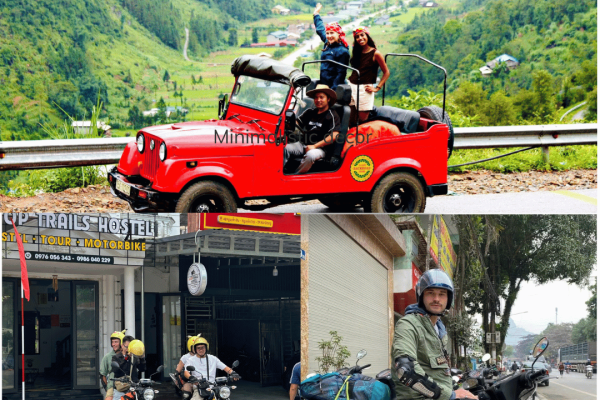
Learn more: Ha Giang Loop 2 Days 1 Night
Now that you understand what self-driving involves, let’s compare it directly to the other options.
Advantages:
Disadvantages:
Best For: Experienced riders who want independence, travelers comfortable with physical challenge, people who prefer minimal structure, those with good map-reading skills or tech comfort with GPS.
Learn more: Ha Giang Loop Weather
Easy Rider tours pair you with a local rider who drives while you ride passenger. The guide handles navigation, knows the roads intimately, and provides cultural context throughout the journey.
Easy Rider Advantages:
Easy Rider Disadvantages:
Choose Easy Rider If: You’re not confident in your riding abilities, this is your first time in Vietnamese mountain regions, you want to learn about the area’s culture and history, you prefer someone else handling logistics and navigation, or you’re traveling solo and want company.
Jeep tours work for travelers who don’t ride motorbikes at all or are traveling with non-riders (elderly parents, young kids, etc.). You’re in a 4WD vehicle with a driver covering the same route.
Jeep Tour Details: Unlike motorbike tours where pricing is per person, jeep tours are per vehicle with 1-4 passengers. This makes them cost-effective for families or groups.
3-Day Jeep Tour Pricing (Ha Giang Loop):
4-Day Jeep Tour Pricing:
Jeep Advantages: All the highlights accessible without riding skills, comfortable for longer days, weather protection, room for more luggage, suitable for any age and fitness level.
Jeep Disadvantages: Higher cost per person (unless you’re group of 3-4), less immersive experience than being on bike, less flexibility for narrow roads or bike-only paths.
Choose Jeep Tours If: You don’t ride motorbikes, traveling with family including children or elderly, physical limitations prevent riding, want comfort and weather protection, or traveling as group of 3-4 where per-person cost becomes competitive.
Here’s a simple decision tree:
Experienced rider + want independence + budget-conscious = Self-Drive
Less experienced rider + want cultural learning + solo traveler = Easy Rider
Non-rider + traveling with family/group + comfort priority = Jeep Tour
There’s no wrong choice, just the right fit for your experience level, budget, and travel style. The loop is incredible regardless of how you experience it.

Learn more: How to get from Hanoi to Ha Giang
You have two options for where you pick up your rental bike.
Renting in Ha Giang (Recommended): Most self-drive packages have you rent the bike in Ha Giang city after arriving via overnight bus from Hanoi. This makes logistical sense since you’re not riding a rental bike 300 km from Hanoi to Ha Giang before even starting the loop.
Ha Giang rental shops specialize in loop bikes, meaning they maintain fleets specifically for this route. The bikes are serviced regularly and set up for mountain riding. If you book through a tour company, bike rental is included in your package price and you pick up the morning you start riding.
Renting in Hanoi: Some riders prefer renting in Hanoi and riding to Ha Giang themselves, which adds 2-3 days to your trip and about 300 km of riding each way. This works if you’re comfortable with longer highway riding and want the adventure of the full journey.
Hanoi rental shops have wider bike selection but aren’t always equipped with loop-specific bikes (crash bars, upgraded suspension, etc.). You’ll also need to factor in fuel costs for the Hanoi-Ha Giang ride (roughly 200,000-300,000 VND round trip).
The Practical Choice: For most travelers, renting in Ha Giang makes more sense. Take the overnight bus (6-7 hours), arrive fresh, and start your loop without adding 300 km of highway riding through less scenic terrain.
Standard self-drive tour packages typically include:
Included:
Not Included:
Bus Options from Hanoi to Ha Giang:
From Hanoi:
Return trips run from Ha Giang back to Hanoi with similar pricing and schedules, or you can continue to other destinations like Sapa, Ninh Binh, Cat Ba, or Ha Long Bay.
Deposit: Most rental companies require a deposit of 3,000,000-5,000,000 VND or holding your passport until you return the bike. If you’re booking through a reputable tour company as part of a package, they may waive the cash deposit.
Some companies accept credit card authorization instead of cash deposit, though this varies by operator.
Insurance: Basic third-party insurance is typically included in package tours, covering liability if you damage someone else’s property. However, this usually doesn’t cover damage to the rental bike itself or your medical expenses.
What’s Your Responsibility:
Travel Insurance Note: Your standard travel insurance may not cover motorbike riding, especially in developing countries. Check your policy before the trip and consider adding motorbike coverage if it’s not included. The additional premium is worth it if you have a significant accident requiring medical evacuation or treatment.
Rental Company Vetting: If booking independently (not through a tour package), check that the rental shop:
Established tour companies handle this vetting for you by partnering with reliable rental operators, which is another advantage of package bookings over completely independent arrangements.
Learn more: Ha Giang in September& October
The Ha Giang Loop rewards riders who take their time and stay present for the journey, not just the Instagram highlights. Self-driving works brilliantly if you have the riding experience and want that independence, but it’s not a checkbox to tick if you’re not genuinely comfortable on mountain roads.
My recommendation: if you’re choosing between 3-day and 4-day itineraries, spend the extra day. The additional 24 hours adds significant value (Lung Khuy Cave, Lung Cu, Nho Que boat tour) without breaking your budget. And if you’re unsure about self-drive after reading this guide, that uncertainty probably means Easy Rider is the better call.
Loop Trails offers all three options—self-drive, Easy Rider, and jeep tours—across 2-day, 3-day, 4-day, and even 5-day Ha Giang-Cao Bang combinations. If you’re ready to book or want specific advice for your situation, you can check current availability and pricing or message us on WhatsApp.
The loop is waiting, regardless of whether you’re in the driver’s seat or riding passenger. The views don’t care how you got there.
Legally, yes. You need either a Vietnamese motorbike license or an International Driving Permit that covers motorbikes (category A). While enforcement varies, checkpoints do exist and fines range from 400,000-800,000 VND if you’re caught without proper documents. More importantly, riding without valid license may void your travel insurance coverage in case of accident. Getting an IDP costs around $20-30 in most countries and takes minimal time.
Minimum recommendation is 3-4 full days of motorbike riding experience, comfortable with hills and inclines, and ability to ride 100+ km in a single day. If you’ve only ridden scooters on flat roads or have less than a week of total riding experience, consider an Easy Rider tour instead. The loop includes technical sections like Ma Pi Leng Pass that challenge even experienced riders.
October through April is dry season with the best riding conditions. October and November offer perfect temperatures (15-25°C) and clear skies. December to February can be cold (5-15°C) on passes, requiring warm layers. March and April start warming up but may have haze. Wet season (May-September) is rideable but brings afternoon thunderstorms and rougher road conditions. Peak months are October, November, and March.
Yes, semi-automatic bikes (Honda Wave, Yamaha Sirius) are available and adequate for the loop. They’re easier to ride if you’re not comfortable with manual clutches. However, they have less power than manual bikes like the XR150L, which you’ll notice on steeper climbs when carrying luggage. For most riders on 3-4 day trips, semi-automatic works fine. Just be prepared for slower acceleration on inclines.
Yes, many solo women riders complete the loop successfully each year. Safety concerns are similar to any solo travel in Vietnam—use common sense about accommodation security, keep valuables secure, and maintain regular check-ins with someone. The main risks are riding-related (road conditions, weather) rather than personal safety issues. Solo riders often connect with other travelers at homestays and end up riding parts of the route together informally.
Approximately 100,000-150,000 VND total for a 3-day loop, depending on your bike’s fuel efficiency and riding style. Motorbikes like the XR150L get 40-50 km per liter. Gas stations exist in all major towns (Ha Giang, Yen Minh, Dong Van, Meo Vac), so you’re never far from fuel. Keep your tank above half to avoid stress about finding the next station.
Reputable rental companies provide emergency support phone numbers and will send help if you have major mechanical issues. For minor problems (flat tire), most packages include basic repair kits and tools. Towns along the route have motorbike repair shops that can handle common issues. Keep your rental company’s phone number saved and charged power bank for emergency calls.
Yes, but this adds 300 km each way through less scenic terrain (mostly highway riding). The trip takes 6-8 hours from Hanoi to Ha Giang depending on traffic and stops. Factor in additional fuel costs (200,000-300,000 VND round trip) and 1-2 extra days for travel. Most riders take the overnight bus to Ha Giang and rent there, starting the loop fresh rather than arriving tired from highway riding.
If you’re booking a tour package, accommodation is included and pre-arranged. For independent travel, book ahead during peak season (October-November, March-April) and weekends. Off-season or weekdays, you can often find walk-in availability, though you might not get first choice of homestays. Having a local SIM card makes spontaneous booking easier through phone calls.
Standard homestay packages include sleeping accommodation (basic room with mattress, shared bathroom facilities), three meals per day (breakfast, lunch, dinner served family-style), and evening activities (local games, traditional music, rice wine tasting). Homestays are communal experiences with other travelers, not private hotels. Don’t expect air conditioning, hot showers, or western bathrooms—you’re getting authentic local experience.
Ma Pi Leng Pass is the most technically challenging section due to tight hairpin turns, blind corners with limited visibility, drop-offs without guardrails, and potential for fog reducing visibility. It requires focused riding and respect for the road. However, thousands of self-drivers complete it successfully each year. Take it slow, sound horn before blind corners, ride the inside line on curves, and wait out heavy fog at viewpoint areas rather than pushing through.
Yes, the 2-day loop is possible but rushed. You’ll ride 120 km Day 1 (Ha Giang to Dong Van) and 150 km Day 2 (Dong Van via Ma Pi Leng back to Ha Giang), spending most of your time in the saddle with brief stops. You’ll see main highlights but sacrifice the relaxed pace that makes the loop enjoyable. The 3-day version adds minimal cost while significantly improving the experience with more reasonable daily distances and time to actually explore.
Yes, absolutely. Standard travel insurance often excludes motorbike riding or has displacement limitations (some policies only cover bikes under 50cc or 125cc). Check your policy’s exact terms and add motorbike coverage if needed. The additional premium is worth it—medical evacuation from remote mountain areas costs tens of thousands of dollars, and riding without proper coverage is serious financial risk.
Contact information for Loop Trails
Website: Loop Trails Official Website
Email: looptrailshostel@gmail.com
Hotline & WhatSapp:
+84862379288
+84938988593
Social Media:
Facebook: Loop Trails Tours Ha Giang
Instagram: Loop Trails Tours Ha Giang
TikTok: Loop Trails
Office Address: 48 Nguyen Du, Ha Giang 1, Tuyen Quang
Address: 48 Nguyen Du, Ha Giang 1, Tuyen Quang
Facebook X Reddit Table of Contents Learn more: Ha Giang Loop Tours There’s a moment somewhere on the Ma Pi Leng Pass

Facebook X Reddit Table of Contents Learn more: Ha Giang Loop Tours There’s a version of the Ha Giang Loop that ends
Facebook X Reddit Table of Contents Learn more: Ha Giang Loop Tours There’s a moment, usually somewhere on Ma Pi Leng Pass,