
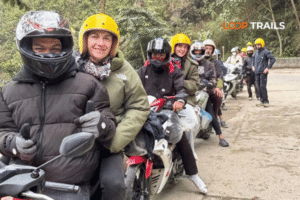
Ha Giang Easy Rider: The Complete Guide (2026)
Facebook X Reddit Table of Contents Learn more: Ha Giang Loop Tours There’s a moment, usually somewhere on Ma Pi Leng Pass,

Thúy Kiều( Grace) is a travel blogger and content contributor for Loop Trails Tours Ha Giang. She holds a bachelor’s degree in Sustainable Tourism from Vietnam National University, Hanoi, and has a strong passion for exploring and promoting responsible travel experiences in Vietnam’s northern highlands.
Planning a Ha Giang Loop trip but confused about when to go? You’re not alone. The weather up here in Vietnam’s northern highlands can make or break your experience—and it changes dramatically throughout the year.
I’ve ridden the Loop in blazing sun, torrential rain, and bone-chilling fog. Each season offers something different, and there’s no single “perfect” time for everyone. Whether you’re chasing golden rice terraces, hoping to dodge crowds, or just want dry roads for your first motorbike adventure, this guide breaks down exactly what to expect each month.
We’ll cover real conditions on key passes like Ma Pi Leng, what weather means for different tour types (Easy Rider vs. self-drive vs. jeep), and how to pack smart. By the end, you’ll know exactly which months match your travel style.
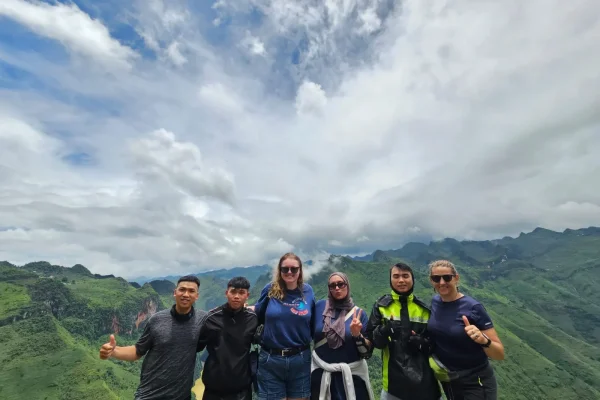
Ha Giang sits in the far north of Vietnam, sharing a border with China. The region’s dramatic karst peaks create unique weather patterns that can shift rapidly—sometimes within the same day.
Unlike southern Vietnam’s simpler wet-dry split, Ha Giang experiences four distinct seasons:
Winter (December-February): Cold, dry, and often foggy. Temperatures can drop to 5-10°C in the mountains, sometimes lower at night. Minimal rain but reduced visibility on some days.
Spring (March-May): Warming temperatures, blooming flowers, but unpredictable weather. You might get brilliant sunshine one hour and sudden showers the next. This is peach blossom season around Dong Van.
Summer (June-August): Warm to hot (25-35°C in valleys) with frequent afternoon thunderstorms. The landscape turns intensely green. Roads can be slippery, and landslides occasionally block routes after heavy rain.
Autumn (September-November): Ha Giang’s most famous season. Cooler temperatures return (15-25°C), skies clear, and the rice terraces turn golden. September and October see the highest visitor numbers for good reason.
The Loop isn’t uniform. Dong Van, sitting on the high plateau at around 1,000m elevation, tends to be cooler and windier than lower-lying areas. Meo Vac, nestled in a valley, can be several degrees warmer during the day but surprisingly cold at night.
Du Gia, further from the plateau, often experiences milder temperatures and catches different rainfall patterns. When it’s pouring in Dong Van, Du Gia might be partly sunny—and vice versa. This means your itinerary matters. If you’re doing a 3-day loop versus a 4-day loop, you’ll encounter different microclimates.
Understanding these variations helps you pack appropriately and set realistic expectations for each day’s riding conditions.

Learn more: Ha Giang Loop by Car guide
Average Temperature: 10-18°C (valleys), 5-12°C (high passes)
Rain: Minimal, but fog and mist are common
Road Conditions: Dry and generally good
January and February bring Ha Giang’s coldest weather. Mornings start freezing—especially on Ma Pi Leng Pass or near Lung Cu Flag Tower. By midday, valleys can warm up pleasantly, but high-altitude areas stay chilly.
The biggest challenge isn’t rain, it’s visibility. Thick fog rolls in without warning, particularly around Quan Ba’s Heaven Gate and the Dong Van plateau. On a motorbike, this can be nerve-wracking if you’re not experienced. Jeep tours handle these conditions better, as drivers know the roads intimately.
Pros: Almost no tourists. Prices are lower, and you’ll have homestays and viewpoints to yourself. Roads are dry, making for stable riding. If you don’t mind the cold and occasional fog, this is wonderfully peaceful.
Cons: Limited visibility on some days. You’ll need serious layering—thermal underwear, windproof jacket, gloves. Some homestays in remote areas may have minimal heating.
Best for: Budget travelers willing to bundle up, photographers interested in moody, atmospheric shots, and anyone who values solitude over comfort.

Learn more: Ha Giang Loop tour packages
Average Temperature: 15-25°C
Rain: Moderate, often in short bursts
Road Conditions: Generally good, occasional wet patches
Spring arrives with a burst of color. Peach blossoms blanket the Dong Van area in late February and March, creating stunning pink landscapes. Temperatures warm up, making riding more comfortable, but the weather becomes less predictable.
You might start the day under blue skies and end it dodging a sudden downpour. These showers are usually brief but intense. Roads dry quickly afterward, but wet limestone can be slippery on descents.
April sees more consistent warmth. By late April, summer’s heat starts creeping in, especially in lower valleys. Mornings remain cool enough to need a light jacket, but afternoons can get warm enough for a single layer.
Pros: Beautiful spring scenery with blooming flowers. Comfortable riding temperatures. Tourist numbers are still moderate. This is one of the best times if you want a mix of good weather and manageable crowds.
Cons: Weather unpredictability means you need to pack for both sun and rain. Sudden showers can catch you mid-pass with nowhere to shelter.
Best for: Flexible travelers who don’t mind adapting to changing conditions, flower enthusiasts, and riders who enjoy spring’s fresh, green landscapes.
Learn more: Ha Giang Loop Cost Tours
Average Temperature: 20-30°C
Rain: Increasing frequency, afternoon storms common
Road Conditions: Good mornings, potentially wet afternoons
May marks the transition to summer. The landscape explodes in green as rice paddies fill with water and new plantings. It’s visually stunning, though different from the golden autumn everyone pictures.
June brings warmer temperatures and more regular rainfall. Mornings are often clear and perfect for riding, but by 2-3pm, clouds build and thunderstorms roll in. Plan your daily routes to reach your homestay before the afternoon deluge.
Rain in June is usually predictable—it comes in the afternoon, storms hard for an hour or two, then clears by evening. Roads can get muddy, and occasional landslides block routes in the more remote areas. Tour guides know alternate paths, but self-drivers might face delays.
Pros: Lush, vibrant scenery. Mornings are gorgeous for photography. Fewer tourists than peak season. Prices remain reasonable.
Cons: Afternoon rain is almost guaranteed. Roads can be slippery when wet. You’ll need good rain gear and waterproof bags for your belongings.
Best for: Travelers who don’t mind rain, prefer green landscapes over golden ones, and can start each day’s ride early to maximize dry time.

Learn more: Ha Giang Loop Easy Rider
Average Temperature: 22-35°C (very warm in valleys, cooler at elevation)
Rain: Frequent, sometimes heavy and prolonged
Road Conditions: Variable; landslides possible after heavy storms
Summer is Ha Giang’s wettest period. July and August see consistent rainfall, though it’s rarely an all-day affair. Patterns are similar to June—clear mornings, stormy afternoons—but the rain is heavier and more prolonged.
Temperatures climb, especially in lower-lying areas. Midday in Yen Minh or Meo Vac can feel sweltering before the clouds roll in. The combination of heat and humidity makes riding exhausting unless you start early.
Landslides become a real concern after heavy overnight rain. Main routes like the road to Ma Pi Leng are usually cleared quickly, but smaller roads to places like Lo Lo Chai village or Lung Tam can be blocked for hours or even a day. Jeep tours have an advantage here, as drivers communicate via local networks and know alternate routes.
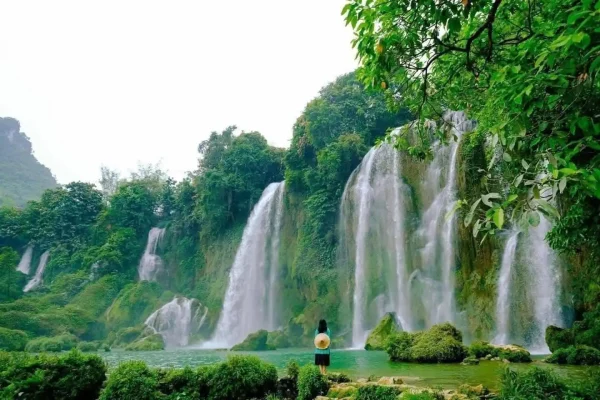
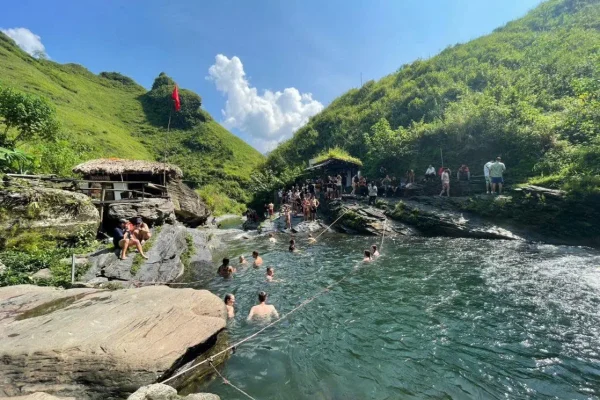
Pros: This is true low season. Homestays are empty, and prices drop to their lowest. The countryside is at its greenest, and waterfalls like Du Gia are at full flow, making for spectacular swimming spots.
Cons: Expect rain most days. Roads can be dangerous when slick. Landslides cause delays. Visibility on high passes can be poor during storms.
Best for: Adventurous riders comfortable with challenging conditions, budget-conscious travelers, and anyone who prefers empty roads over guaranteed sunshine.
Learn more: Ha Giang Loop 4 days 3 nights itinerary
Average Temperature: 18-28°C
Rain: Minimal, mostly dry
Road Conditions: Excellent
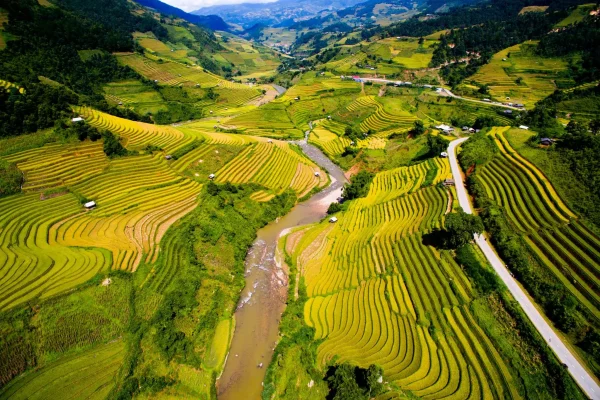
This is it—the time most people dream about. September and October deliver Ha Giang at its most photogenic. The rice paddies turn golden yellow, ready for harvest, creating the iconic terraced landscapes you’ve seen in photos.
Weather is near-perfect. Skies are clearer, temperatures are comfortable (warm days, cool nights), and rain becomes rare. The air quality improves after summer’s humidity, making for crisp, stunning views from Ma Pi Leng Pass and Lung Cu Flag Tower.
The downside? Everyone knows this is the best time. September sees a noticeable uptick in visitors, and October is absolutely peak season. Homestays fill up, especially on weekends. Popular spots like the Nho Que River viewpoint can get crowded during midday.
Pros: Gorgeous golden landscapes. Excellent weather for riding. Clear visibility on all major passes. Comfortable temperatures for motorbike tours.
Cons: Higher prices. Busy homestays (book ahead). Popular viewpoints can feel touristy, especially on weekends.
Best for: First-time visitors who want the “classic” Ha Giang experience, photographers chasing rice terrace shots, and anyone prioritizing weather over solitude.
Learn more: Ha Giang Loop Tours
Average Temperature: 12-22°C
Rain: Very low
Road Conditions: Dry and stable
After the October rush, November brings a welcome calm. The harvest is finished, so rice terraces are mostly bare, but the weather remains excellent. Skies stay clear, and temperatures cool down to comfortable levels for riding.
December gets colder, particularly in the second half of the month as winter sets in. Mornings can be genuinely cold (10°C or below at high elevation), but midday sun warms things up pleasantly. Fog starts appearing more frequently by late December.
These months offer a sweet spot: good weather, fewer tourists, and reasonable prices. The landscape lacks the drama of golden rice or spring blooms, but the clear skies make for excellent visibility on scenic routes.
Pros: Dry conditions, clear views, manageable tourist numbers. Comfortable riding if you dress for cooler temperatures.
Cons: Landscape is less vibrant after harvest. December gets genuinely cold, especially for those used to tropical climates.
Best for: Travelers seeking a balance between good weather and fewer crowds, riders who enjoy cooler temperatures, and anyone visiting after October’s peak
Learn more: Best Ha Giang Loop tours 2026
Golden rice terraces in September and October create Ha Giang’s most iconic images. The warm morning light hitting yellow fields is unbeatable for landscape photography. November still offers clear skies and good light, though the fields are harvested.
For moody, atmospheric shots—fog rolling over karst peaks, mist in the valleys—January and February deliver. You’ll need patience and flexibility, as conditions change hour by hour, but the results can be stunning.
If you’re an experienced rider looking for a challenge, spring offers unpredictable weather that keeps things interesting without being dangerous. Roads are generally good, and sudden showers add an element of adventure.
October combines excellent conditions with enough other riders around to feel safe (in case you need help) but not so many that it feels touristy. It’s the sweet spot for skilled riders who want great roads and great scenery.
Low season means lower prices across the board. Homestays, tours, and motorbike rentals all drop rates during the rainy months. If you’re comfortable riding in wet conditions and can handle the occasional landslide delay, you’ll save money and have the Loop nearly to yourself.
July and August are the absolute cheapest, but June offers slightly better weather while still being off-peak.
Winter months bring the fewest tourists. You’ll often be the only guests at homestays, and you can stop for photos at popular viewpoints without waiting for other people to move. If you’re willing to bundle up and accept that some days might be foggy, you’ll experience Ha Giang at its most peaceful.
Learn more: Ha Giang Loop Tours
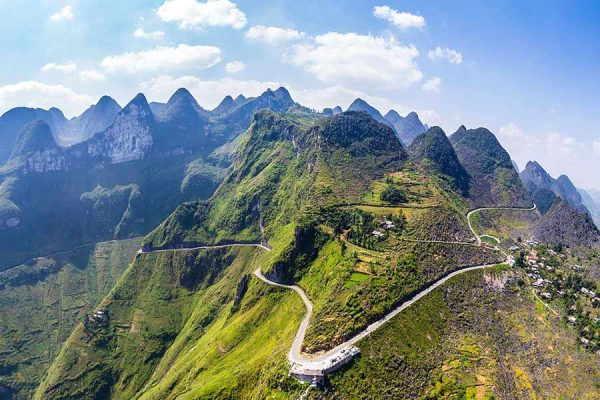
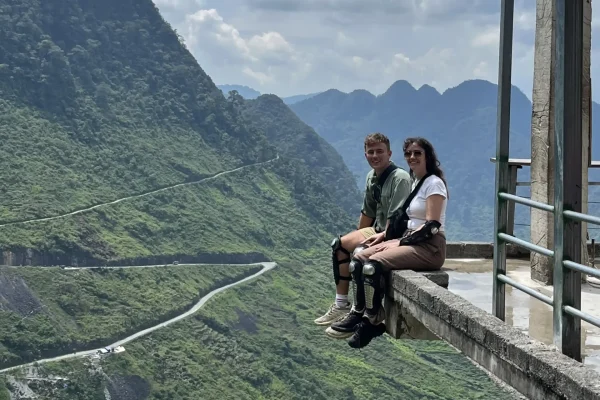
Ma Pi Leng is spectacular, but it’s also exposed. The pass climbs to around 2,000m, making it consistently cooler than surrounding areas. Wind is a factor year-round—in winter, it’s biting; in summer, it can gust unexpectedly.
Fog is the main hazard. It rolls in quickly, reducing visibility to a few meters. This isn’t just uncomfortable; it’s dangerous on a road with steep drop-offs and sharp turns. If you encounter heavy fog, the smart move is to stop at a viewpoint and wait for it to clear, which it usually does within 30-60 minutes.
Rain on Ma Pi Leng creates slippery conditions, particularly on the road’s many hairpin turns. The limestone pavement doesn’t drain quickly, leaving patches of standing water. Easy Rider tours have an advantage
The Dong Van Karst Plateau sits at higher elevation than much of the Loop, making it consistently cooler. Even in summer, mornings can be chilly. In winter, overnight temperatures can drop near freezing.
Wind is relentless on the plateau. There’s little natural shelter, so gusts can push motorbikes around, especially lighter bikes. Heavier bikes or jeeps handle this better.
The plateau sees less rain than other parts of the Loop, even during summer, but when storms do hit, they can be intense. The exposed terrain means there’s nowhere to hide if you’re caught mid-route.
Du Gia sits in a slightly lower, more sheltered area. It often misses the worst weather that hits Dong Van. Rainfall patterns differ, and temperatures are milder year-round. This makes Du Gia a pleasant midpoint on 4-day loops.
Meo Vac, in contrast, sits in a valley that can trap heat during summer. Midday temperatures in July can feel oppressive before afternoon storms cool things down. In winter, the valley traps cold air overnight, making mornings particularly chilly.
Understanding these microclimates helps you plan each day’s riding. If weather looks questionable in one area, you might adjust your route or break the day into shorter segments.
Learn more: Ha Giang Loop Jeep Tours
Winter (Dec-Feb):
Spring/Autumn (Mar-May, Sep-Nov):
Summer (Jun-Aug):
Cheap plastic ponchos sold in Ha Giang city won’t cut it. They tear, flap in the wind, and don’t keep you dry on a motorbike. Invest in a proper motorcycle rain jacket with wrist closures and a long back panel that covers your seat.
For layering, think in threes: a base layer (thermal or moisture-wicking), an insulating mid-layer (fleece or light down), and an outer shell (windproof and/or waterproof). This system works year-round—you just swap which layers you actually wear.
Don’t forget waterproof boots or at least water-resistant shoes. Soggy feet make for miserable riding. Some riders bring two pairs of shoes: one for riding, one dry pair for evenings at homestays.
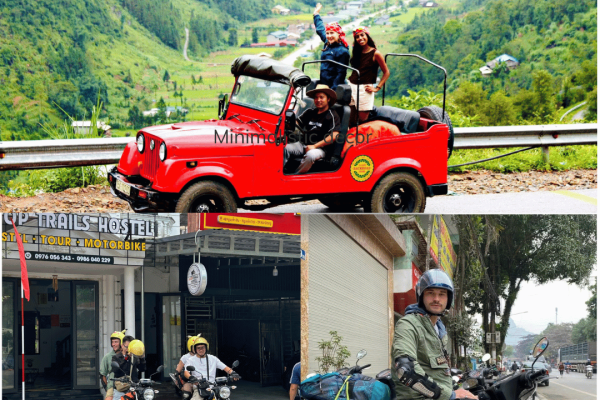
Learn more: Ha Giang Loop tour
Easy Rider tours—where an experienced local driver operates the motorbike while you ride pillion—adapt well to all seasons. Your driver knows the roads intimately and can navigate fog, rain, and challenging conditions safely.
In winter, your driver handles the cold wind and potential fog while you stay relatively warm behind them (though you still need proper clothing). During the rainy season, experienced drivers know where roads get slippery and can adjust speed and route accordingly.
Easy Rider tours run year-round and are the safest option if you’re visiting during questionable weather months. They’re also ideal for first-time visitors who want to focus on the scenery rather than worrying about road conditions.
Self-driving gives you freedom and flexibility, but it requires confidence in your riding skills. In good weather (September-November, March-May), self-driving is manageable for most riders with some motorbike experience.
In challenging conditions—winter fog, summer rain, or wet roads—self-driving becomes significantly harder. You need to be comfortable with slippery surfaces, reduced visibility, and making judgment calls about when to ride and when to wait out weather.
If you’re set on self-driving but visiting during a questionable month, consider a 4-day loop instead of a 3-day. The extra time lets you wait out bad weather rather than riding through it on a tight schedule.
Jeep tours handle weather best of all. You stay dry during rain, warm during cold snaps, and safe during fog. The downside is you’re not on a bike, which some people feel is the whole point of the Loop.
However, for families, couples who don’t ride, or anyone visiting during winter or rainy season, jeeps make perfect sense. You still see every viewpoint and village; you just do it from inside a vehicle.
Jeeps also allow you to bring more luggage, which matters if you’re packing heavy winter clothing or extensive camera gear. And when roads get slick or landslides close routes, jeep drivers can often navigate alternate paths that would be impossible on a motorbike.
Loop Trails offers jeep tours from 3-day to 5-day itineraries, with prices starting at 7,890,000 VND per person for the 3D2N loop. This includes accommodation, meals, and an experienced driver who knows the safest routes in any weather.
July and August see the most rainfall, with frequent afternoon thunderstorms. June is also quite wet. If you’re visiting during these months, expect rain most days, though mornings are often clear.
Yes, many people do. Tours run year-round. Rain usually comes in predictable afternoon patterns, so you can ride mornings and reach your homestay before the worst storms. Just be prepared for wet roads and bring proper rain gear. Easy Rider and jeep tours are safer options during heavy rain.
January is typically the coldest, with temperatures dropping to 5-10°C in mountain areas, sometimes lower at night. December and February are also quite cold. You’ll need thermal clothing and windproof gear for riding.
October is peak season due to perfect weather and golden rice terraces. Popular homestays fill up, especially on weekends, and iconic viewpoints can get busy midday. However, “crowded” in Ha Giang is still manageable compared to places like Halong Bay. Book accommodations ahead, start your days early, and you’ll be fine.
Layer your clothing regardless of season. Even in summer, mornings can be cool, and high passes are always chilly. Long pants (not shorts), closed-toe shoes, sunscreen, and sunglasses are essentials. In winter, add thermal layers, gloves, and a windproof jacket. During rainy season, prioritize waterproof outer layers.
Rarely, and only at the highest elevations (above 1,500m). Snow has been recorded in late December through January on peaks near the Chinese border, but it’s uncommon and doesn’t usually affect roads on the Loop. Frost is more common than actual snow.
Rain creates slippery surfaces, especially on limestone roads. Fog reduces visibility dramatically, particularly on Ma Pi Leng Pass. Heavy rain can trigger landslides that temporarily block roads, though main routes are cleared quickly. Winter brings dry but sometimes icy conditions at high altitude. The best road conditions are September through November and March through May.
It depends on your experience and the season. If you’re an experienced rider visiting during good weather months (Sep-Nov, Mar-May), self-driving is manageable. For first-time riders, winter conditions, or rainy season, Easy Rider tours are safer. Jeeps work best for families, couples who don’t ride, or anyone visiting during challenging weather.
Most people do 3 or 4 days. A 3-day loop covers the highlights but feels rushed. A 4-day loop allows more stops, flexibility for weather delays, and a more relaxed pace. If you’re combining Ha Giang with Cao Bang (to see Ban Gioc Waterfall), plan for 5 days. Weather can affect this—if you’re visiting during unpredictable months, the extra day in a 4-day loop gives you buffer time.
September and October for golden, harvest-ready rice. Late May through July for bright green, newly planted terraces. Each has its own appeal—golden autumn is classic and most photographed, but the vivid green of summer is equally stunning in a different way.
Absolutely. Each season offers something different. Peak season (Sep-Nov) gives the best weather but more crowds. Low season (Jun-Aug, Dec-Feb) means fewer tourists and lower prices but more challenging conditions. Spring (Mar-May) offers a nice middle ground. Choose based on your priorities and comfort level with weather variability.
Yes, strongly recommended. Roads can be challenging, weather changes quickly, and you’re far from major hospitals. Make sure your insurance covers motorbike riding if you’re self-driving or on an Easy Rider tour. Most standard travel insurance includes jeep tours. Check your policy’s specific terms before booking.
Now you know what to expect in every season. Whether you’re chasing golden rice terraces in October, seeking solitude in February, or embracing the green season’s afternoon storms in July, you can plan appropriately.
The weather shouldn’t scare you away—it should inform your decision. Pack right, choose the tour style that matches your comfort level, and you’ll have an incredible experience no matter when you visit.
Choose Your Adventure:
Want the classic experience with perfect weather? Book a 4-day Easy Rider tour for September or October. You’ll see the golden rice terraces, enjoy clear skies on Ma Pi Leng Pass, and ride with a local expert who knows every turn.
Prefer peace and quiet over perfect weather? Consider a 3-day jeep tour in January or February. You’ll have the Loop to yourself, save money on low-season rates, and stay comfortable while your driver navigates any fog or cold.
Looking for a challenge? Self-drive during the green season (May-June). Mornings are spectacular, and you’ll earn those afternoon rain stories. Just bring solid rain gear and start each day early.
Loop Trails runs tours year-round with experienced guides who know how to handle Ha Giang’s weather in every season. Our Easy Rider tours start at 3,290,000 VND for 2 days, while our all-inclusive jeep tours (covering accommodation, meals, and transport) begin at 7,890,000 VND per person for the 3D2N loop.
Need help choosing the right tour for your dates? Message us on WhatsApp to discuss weather conditions for your specific travel window and find the best option for your experience level.
The Loop is waiting. Pick your season, pack accordingly, and get ready for one of Vietnam’s most spectacular adventures.
Contact information for Loop Trails
Website: Loop Trails Official Website
Email: looptrailshostel@gmail.com
Hotline & WhatSapp:
+84862379288
+84938988593
Social Media:
Facebook: Loop Trails Tours Ha Giang
Instagram: Loop Trails Tours Ha Giang
TikTok: Loop Trails
Office Address: 48 Nguyen Du, Ha Giang 1, Tuyen Quang
Address: 48 Nguyen Du, Ha Giang 1, Tuyen Quang
Facebook X Reddit Table of Contents Learn more: Ha Giang Loop Tours There’s a moment, usually somewhere on Ma Pi Leng Pass,

Facebook X Reddit Table of Contents Learn more: Ha Giang Loop Tours There’s a version of the Ha Giang Loop that people
Facebook X Reddit Table of Contents Learn more: Ha Giang Loop Tours There’s a moment on the Ma Pi Leng Pass —