

Ha Giang Easy Rider: The Complete Guide (2026)
Facebook X Reddit Table of Contents Learn more: Ha Giang Loop Tours There’s a moment, usually somewhere on Ma Pi Leng Pass,

Thúy Kiều( Grace) is a travel blogger and content contributor for Loop Trails Tours Ha Giang. She holds a bachelor’s degree in Sustainable Tourism from Vietnam National University, Hanoi, and has a strong passion for exploring and promoting responsible travel experiences in Vietnam’s northern highlands.
The overnight sleeper bus to Ha Giang might sound intimidating if you’ve never done it before. You’re committing to roughly six hours in a moving bed, winding through mountain roads in the dark, surrounded by strangers. But here’s the thing—thousands of travelers take this route every month, and most walk away saying it was easier than they expected.
This guide strips away the guesswork. You’ll learn exactly what types of buses run to Ha Giang, how much they actually cost, and what the journey feels like in real terms. Whether you’re starting from Hanoi, extending from Sapa, or finishing your Loop and heading to Cao Bang, you’ll know what to pack, where to sit, and how to book without getting ripped off.

Learn more: Ha Giang Loop Tours

Learn more: Best Ha Giang Loop Tours 2026
A sleeper bus is exactly what it sounds like—a long-distance coach fitted with bunk-style beds instead of regular seats. Think of it as a budget hostel on wheels. These buses run overnight routes between major cities and tourist hubs in northern Vietnam, with Ha Giang being one of the most popular destinations.
The buses typically depart in the evening (anywhere from 8 PM to 11 PM) and arrive early the next morning (between 4 AM and 7 AM). Most travelers use them to save money on accommodation while also maximizing daytime hours for exploring.
You’ll see locals using these buses for regular transport between provinces, but the majority of passengers on Ha Giang routes are travelers heading to or from the Loop. The vibe is usually quiet—everyone’s trying to sleep—but you might catch some conversation at rest stops.
Learn more: Ha Giang Loop by Jeep
Let’s talk numbers. A sleeper bus ticket typically costs less than booking a separate hotel night plus daytime transportation. You’re essentially getting transport and a place to sleep rolled into one payment. For budget travelers doing the Ha Giang Loop on a tight schedule, this efficiency matters.
The math works out especially well if you’re coordinating with a tour package. Many operators include the return bus ticket in their tour price, which often comes out cheaper than booking transport separately.
Ha Giang sits roughly 300 kilometers from Hanoi. If you take a daytime bus, you’re burning 6-7 hours of daylight sitting in transit. The sleeper bus lets you travel while you sleep, so you wake up in Ha Giang ready to start your first day on the Loop.
This timing works particularly well for the 3-day or 4-day Loop itineraries. You can leave Hanoi Friday evening, wake up Saturday morning in Ha Giang, complete your Loop, and be back in the capital by Tuesday or Wednesday. For people working with limited vacation days, that’s a huge advantage.
Here’s where expectations need calibrating. The sleeper bus won’t give you hotel-quality sleep. You’ll feel the road bumps, hear the engine, and possibly deal with a snoring neighbor. But compared to a cramped regular bus seat or a expensive private car for six hours, the reclined bed position makes a significant difference.
The VIP and cabin options (which we’ll cover next) offer noticeably better comfort than standard sleeper buses, but they cost more. You need to decide what your sleep quality is worth versus the money you save.

Learn more: Ha Giang motorbike rental
Not all sleeper buses are created equal. The bus you end up on depends on which company you book with and how much you’re willing to pay. Here’s what’s actually running on the routes to Ha Giang.
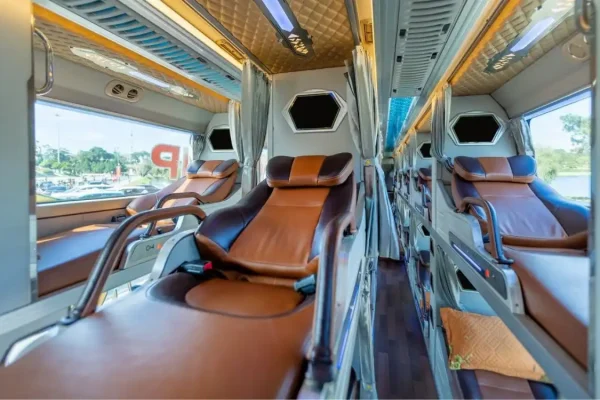
This is your basic overnight bus. You get a reclined bed in a 2-1 configuration (two beds on one side of the aisle, one on the other). The beds are narrow but padded, and there’s a blanket and small pillow provided. Legroom varies by your height—if you’re over 6 feet, your feet might hang off the edge.
The standard sleeper is perfectly functional. You’re not getting luxury, but you’re getting horizontal rest, which beats sitting upright for six hours. Expect some road noise and the occasional sudden brake that jostles everyone awake.
These buses usually have a small bathroom in the back (often just a squat toilet) and limited luggage space. Your backpack goes in the storage hold underneath, and you keep your daypack with you.
The VIP upgrade gets you wider beds with better padding, cleaner blankets, and usually a pillow that’s not flat as cardboard. The bus itself tends to be newer, which means better suspension and less rattling over bumpy sections.
Some VIP buses offer individual reading lights and USB charging ports at each bed—a lifesaver if you need to top up your phone before arriving. The bathroom situation is usually the same (squat toilet), but it’s generally cleaner.
The price difference between standard and VIP varies by operator, but it’s typically worth the extra 50,000-100,000 VND if you value sleep quality.
Learn more: How to get from Hanoi to Ha Giang
Cabin buses take privacy up a notch. Instead of open beds, you get a small enclosed space with a curtain or partition. It’s not a full room—think more like a capsule hotel bed—but it blocks out light and gives you a psychological sense of personal space.
These buses appeal to couples or solo travelers who prefer not to sleep directly next to strangers. The beds are usually similar in size to VIP options, but the enclosed design muffles some of the ambient noise.
Availability of cabin sleeper buses on the Ha Giang route can be limited compared to Hanoi-Sapa or other major routes. If this is your preference, book early and confirm with your operator that a cabin bus is actually running on your travel date.
Learn more: Ha Giang Cao Bang Tours
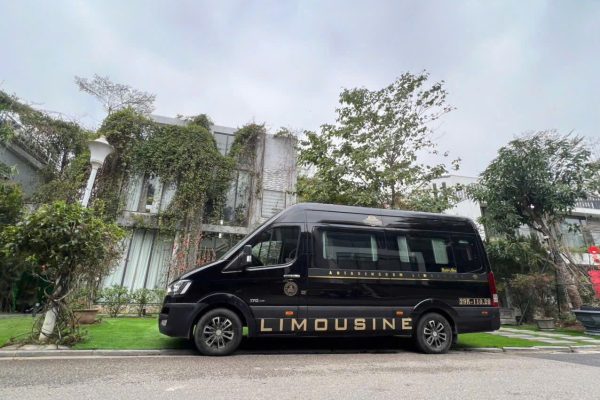
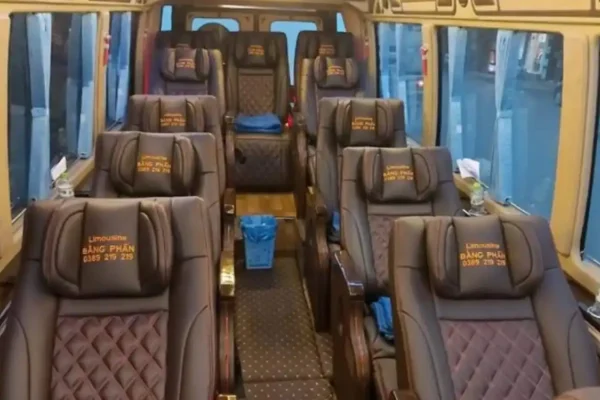
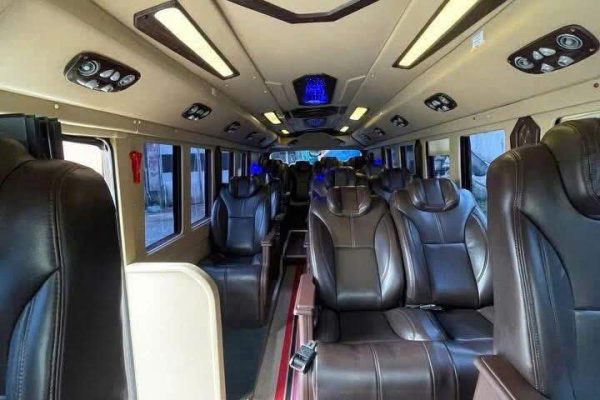
The limousine bus is the premium option. You get wider seats that recline nearly flat, significantly more legroom, and often snacks or water included. Some limousine services offer individual entertainment screens, though you probably won’t use them much on an overnight journey.
These buses typically have sit-down toilets (not squat) and better climate control. The catch? They’re more expensive and less common on the Ha Giang route compared to popular beach destinations like Nha Trang or Da Lat.
If you’re particularly sensitive to motion sickness or have trouble sleeping in cramped spaces, the limousine option might be worth the premium. Just verify that the bus actually meets limousine standards—some operators use the term loosely.

Learn more: Ha Giang Loop by Car
This is the most traveled route. Buses depart from various points in Hanoi’s Old Quarter or near My Dinh bus station. Departure times cluster around 9 PM to 11 PM, with arrival in Ha Giang typically between 4 AM and 6 AM.
The journey covers roughly 300 kilometers and takes about 6-7 hours depending on traffic and road conditions. You’ll pass through relatively flat terrain initially, then climb into mountain roads as you approach Ha Giang province.
Most tour operators pick up passengers directly from hotels in the Old Quarter, which saves you the hassle of getting to a bus station with your luggage. Confirm your exact pickup time when booking—being ready 15 minutes early is standard practice.
The Sapa to Ha Giang route appeals to travelers doing a northern Vietnam loop. The distance is shorter than from Hanoi (around 200 kilometers), so the journey takes roughly 5-6 hours.
Schedules are less frequent than the Hanoi route. You might find only 1-2 departures per day, and availability can be tighter during peak season. Booking a few days ahead is recommended.
This route offers some stunning scenery in the early morning hours as you wind through terraced rice fields, though you’ll miss most of it if you’re sleeping. Consider this route if you’re linking Sapa and Ha Giang in one trip.
Some travelers start from Ninh Binh after exploring Tam Coc or Trang An. The sleeper bus from Ninh Binh to Ha Giang isn’t as common as the Hanoi route, so your operator might actually route you through Hanoi with a pickup point along the way.
If direct buses are available, the journey takes about 7-8 hours. Confirm whether your bus makes multiple stops for passenger pickups, as this can add time to the trip.
After completing your Loop, you have several options for getting back:
If you’re doing the Ha Giang-Cao Bang combined tour, your bus will depart from Cao Bang City instead, with connections to Hanoi, Ha Long, and other northern destinations.

Learn more: Ha Giang Loop Self Drivers
Let’s cut through the confusion. Sleeper bus prices vary based on route, bus type, and whether you book standalone or as part of a tour package.
Standalone tickets (one-way):
Round-trip tickets often come with a 10-20% discount versus buying two one-way tickets.
When booked with tour packages: Most Ha Giang Loop tours quote their prices excluding the bus tickets, then add the bus as an optional extra. The tour operator prices are usually competitive with booking direct, and you get the convenience of coordinated pickup times.
Based on the tour information provided, buses can be arranged from multiple starting points (Hanoi, Ha Long, Cat Ba, Ninh Binh, Sapa) with various bus types available. The exact price depends on your specific route and bus type preference.
Important: Always confirm whether your quoted tour price includes the bus ticket or if it’s an additional cost. Some operators bundle it in, others don’t. Ask specifically about round-trip arrangements if you’re planning to return to the same city.

Learn more: Ha Giang Loop Tours 2026
You have three main booking approaches, each with tradeoffs.
If you’re doing the Ha Giang Loop with a tour company, booking your bus through them is usually the smoothest option. They coordinate the timing so your bus arrival matches the tour start, and they handle luggage storage if you arrive before check-in time.
The tour operator has relationships with specific bus companies, which can mean better customer service if something goes wrong. You’re also more likely to be on a bus with other people doing the same tour, which creates built-in travel buddies.
The downside? You might pay slightly more than booking direct with the bus company. The convenience premium is usually small (20,000-50,000 VND), but budget travelers should ask for a price breakdown.
You can book directly with bus companies through their websites or at their offices in Hanoi. This sometimes gets you the cheapest price, especially if you’re flexible on departure times.
The challenge is communication. Not all bus company websites have English versions, and customer service may require Vietnamese language skills. If you book direct, get written confirmation of your pickup location and time, preferably in both English and Vietnamese.
Popular bus companies on this route include Hung Thanh, Phương Trang (Futa), and several others. Check recent reviews before committing—quality can vary season to season.
Hostels in Hanoi’s Old Quarter can usually arrange sleeper bus tickets with 1-2 days notice, even during busy periods. You’ll pay a small booking fee, but it saves you the hassle of navigating Vietnamese booking websites.
During absolute peak season (October-November and March-April), availability can get tight. If you’re traveling during these months and have fixed dates, book at least 3-5 days ahead.
Most buses depart between 9 PM and 11 PM. You’ll receive a pickup time that’s usually 15-30 minutes before departure. The bus will circle the Old Quarter (if starting from Hanoi) picking up other passengers, then head out once everyone’s accounted for.
The driver might stop briefly at a convenience store or rest area about 2-3 hours into the journey. This stop is usually 10-15 minutes—enough for a bathroom break and to grab snacks, but not enough for a leisurely meal. Don’t expect the driver to wait if you wander off.
Arrival times in Ha Giang vary. You might pull in as early as 4 AM or as late as 7 AM depending on traffic and weather. Early arrivals are common, which means you’ll be sitting at the bus station or your hostel lobby until check-in time opens up.
Here’s what nobody tells you in the glossy tour brochures: you won’t sleep as well as you do in a bed. The bus rocks with the road curves, brakes squeal occasionally, and someone nearby will probably snore.
Your bunk will feel narrow at first. If you’re a restless sleeper who moves a lot, you might bump into the bed frame. Taller people should request upper bunks when possible—they tend to have slightly more length.
Temperature fluctuates. The bus might be cold from air conditioning in the first hour, then warm up as everyone’s body heat accumulates. Bring a light jacket or long sleeves you can put on or take off.
The beds come with a pillow and blanket, but quality varies wildly. Some buses provide clean, decent bedding. Others give you a blanket that smells like it’s seen too many passengers. If you’re sensitive to this, consider bringing a large sarong or travel sheet.
The midnight rest stop is usually at a highway service area. There will be toilets (squat and sit-down options typically), a small shop for snacks and drinks, and maybe a noodle stand if you’re hungry.
Use this opportunity. The bus toilet is functional but cramped, and the service area bathroom—while not luxurious—gives you more space and usually has running water for washing hands.
Don’t expect WiFi at rest stops. Grab what you need and get back to the bus within the time the driver announces (usually 10-15 minutes).

Learn more: Ha Giang Loop Easy Riders
What you bring on the sleeper bus versus what goes in the luggage hold makes a bigger difference than you might think.
In your daypack (keep with you):
In your main luggage (goes underneath):
Don’t pack in your main luggage:
Some buses have issues with luggage compartment access at arrival—you might need to wait while the driver unloads everyone’s bags. Having your essentials in your daypack means you’re not stuck waiting.
Clothing for the journey: Wear comfortable clothes that won’t restrict you when lying down. Avoid jeans with tight waistbands. Slip-on shoes make sense because you’ll remove them when climbing into your bunk.
If you’re prone to motion sickness, sit toward the front of the bus if possible, and avoid reading or staring at your phone during the drive. Some travelers swear by ginger candy or motion sickness pills taken 30 minutes before departure.

Learn more: Ha Giang Loop Itinerary
The Ha Giang sleeper bus is generally safe, but it pays to be smart. Here’s what experienced travelers watch for.
Valuables: Keep your phone, wallet, and passport in a small bag that stays with you in your bunk—not in the overhead compartment or aisle. Phone theft on overnight buses is rare but does happen.
Consider using a small cable lock to secure your daypack to the bed frame if you’re a heavy sleeper. Paranoid? Maybe. But it takes 30 seconds and removes worry.
Motion sickness: The mountain roads get winding as you approach Ha Giang. If you’re prone to car sickness, the constant curves can be rough. Take motion sickness medication before boarding if this is a known issue for you.
Sitting near the front reduces motion. Ask when you board if there’s availability up front.
Emergency stops: Bus drivers in Vietnam are generally skilled, but they drive faster than what might feel comfortable to foreigners. Trust that they know these roads. However, if you witness genuinely reckless driving (excessive speeding, texting while driving), don’t hesitate to complain to your tour operator afterward.
Women traveling solo: Female travelers regularly take these buses without issues. If you’re uncomfortable, you can request a bed near other women when you board. The bus attendants are usually accommodating if you explain.
Border proximity: Ha Giang province borders China, and some routes on the Loop pass very close to the border. You’ll need your passport for potential checkpoints. Keep it accessible but secure.

Learn more: Ha Giang Loop by Motorbike
That 4 AM arrival hits differently. You’ll stumble off the bus half-awake, the mountain air noticeably cooler than Hanoi, and you’ll need a plan.
If you booked through a tour operator, someone should be waiting to greet you and bring you to your hostel. Many hostels offer early check-in to a common area where you can rest, shower, and have breakfast before the tour briefing.
If you booked independently, you might need to kill time until your accommodation opens for check-in. Ha Giang City is small—there are 24-hour coffee shops near the bus station where you can wait, or you can find a park bench and watch the city wake up.
Luggage storage: Most hostels will hold your main bag while you’re on the Loop. You’ll pack a smaller bag with 3-4 days of clothes and essentials for the ride.
Tours typically start between 8 AM and 9 AM with a briefing at the hostel. This covers route highlights, safety rules, what to expect each day, and answers any last questions.
If you’re doing a 3-day/2-night Loop, you’ll finish back in Ha Giang City on day 3 in the late afternoon. If you’ve booked a 4-day/3-night option, you’ll return on day 4. The 5-day/4-night Ha Giang-Cao Bang tour ends in Cao Bang City instead.
Your return bus will typically leave the same evening you finish the tour, getting you back to Hanoi or your next destination the following morning. Plan accordingly—you won’t have a full day to rest in Ha Giang after the Loop unless you specifically arrange extra accommodation.
Learn more: Ha Giang Loop 3 Days 2 Nights
Is the sleeper bus actually your best option? Depends on your priorities.
A private car from Hanoi to Ha Giang costs roughly 2,500,000-3,500,000 VND depending on vehicle type. If you’re traveling as a group of 3-4 people, splitting a private car can actually cost less per person than individual bus tickets.
The advantage is flexibility. You choose the departure time, you can stop whenever you want, and you arrive rested because you’re not trying to sleep sitting up in a moving vehicle.
The disadvantage is cost for solo travelers or couples. Unless you have specific mobility needs or are traveling with young children, the premium might not make sense.
You can take a regular daytime bus from Hanoi to Ha Giang for around 150,000-200,000 VND. You’ll get seat-style transportation and see the scenery during the journey.
But you’re burning 6-7 hours of daylight just getting there. If you have limited vacation time, this trade-off rarely makes sense. The sleeper bus gives you those hours back for actually riding the Loop.
There’s no airport in Ha Giang. The nearest airports are in Hanoi or potentially Lao Cai (though flights there are limited). You’d still need ground transport from any airport to Ha Giang, which puts you back at the bus or private car decision.
For international travelers flying into Hanoi, the sleeper bus from Hanoi remains the most practical option.

Learn more: Ha Giang Cao Bang 5 Days 4 Nights
This is the question most travelers wrestle with. Here’s how to think about it.
Book with your tour if:
Book separately if:
For most first-time visitors to Ha Giang, bundling the bus with your tour removes friction. You’ll spend less mental energy worrying about logistics and more time enjoying the experience.
The tour packages mentioned earlier (3-day, 4-day, and 5-day options) can include bus tickets from Hanoi, Ha Long, Cat Ba, Ninh Binh, or Sapa, with return journeys to these cities or to Cao Bang if you’re doing the extended tour. Confirm bus inclusion and type when you get your tour quote.

Learn more: Ha Giang Loop 2 Days 1 Night
The Ha Giang sleeper bus isn’t glamorous. You won’t wake up feeling like you just spent a night at a spa. But it works. It gets you from point A to point B while you sleep (or try to), and it saves you money that’s better spent on your actual Loop experience.
Thousands of travelers take this bus every month and arrive ready to ride. Pack smart, set your expectations right, and treat it as part of the adventure rather than an obstacle.
The real Ha Giang experience begins when you wake up in the mountains, not when you board a bus in Hanoi. The sleeper bus is just the bridge that gets you there.
Ready to ride the Loop? Check out the tour options that fit your timeline—whether you’ve got 3 days or want to extend into Cao Bang for the full northern Vietnam experience, there’s a route calling your name.
Your main backpack goes in the luggage compartment underneath the bus. You keep a small daypack with you in your bunk. If you have an oversized bag, let the driver know—they’ll find space, but it helps to pack smartly.
Contact your tour operator or bus company immediately. Some companies can transfer your ticket to the next departure (usually for a fee), but policies vary. If you booked through a tour and miss the bus, you’ll likely need to arrange private transport at your own cost to meet the tour on time.
Bus drivers are experienced with mountain roads in rain and fog. Departures are rarely canceled unless conditions are extreme. The buses travel slower in poor weather, which means you might arrive later than the stated time. Trust that safety matters to these companies—accidents are bad for business.
Sometimes. When you board, you can request upper or lower bunk if both are available. Upper bunks generally have more headroom and slightly longer length. Lower bunks are easier to access but feel more enclosed. Seat assignment isn’t always guaranteed—popular routes fill up and you get what’s available.
Most sleeper buses don’t have WiFi. You’ll be in mountain areas with spotty cell service for much of the journey anyway. Download maps, music, or entertainment before boarding. Use the journey to actually sleep rather than scroll.
There’s a toilet at the back of most sleeper buses. It’s small, usually squat-style, and not luxurious, but it’s functional. The bus also makes a rest stop about halfway through the journey where you can use better facilities.
Yes. Most tour operators and hostels offer free luggage storage. You’ll pack a smaller bag with 3-4 days of clothes for the Loop and leave your main bag locked up. Get a receipt or take a photo of where you stored it.
Not usually. A screenshot of your booking confirmation on your phone works fine. Have the booking name ready in case the driver needs to check their list. If you booked through a tour operator, they often handle check-in for their group.
Earplugs are your friend. Pack them. You can’t control other passengers, but you can control whether their snoring ruins your sleep. Noise-canceling earbuds with ambient sleep sounds also work well.
No. Each person gets one bed. The bunks are designed for single occupancy and are too narrow for two adults. Couples get separate beds (hopefully adjacent).
Usually cold at first from air conditioning, then it warms up from body heat. Dress in layers and bring a light jacket. The temperature varies depending on how many passengers are on board and the weather outside.
Tipping isn’t expected on sleeper buses in Vietnam, but rounding up or leaving 20,000-50,000 VND for exceptional service is appreciated. Most travelers don’t tip, so don’t feel obligated—but it’s a nice gesture if the driver was particularly helpful with your luggage.
Contact information for Loop Trails
Website: Loop Trails Official Website
Email: looptrailshostel@gmail.com
Hotline & WhatSapp:
+84862379288
+84938988593
Social Media:
Facebook: Loop Trails Tours Ha Giang
Instagram: Loop Trails Tours Ha Giang
TikTok: Loop Trails
Office Address: 48 Nguyen Du, Ha Giang 1, Tuyen Quang
Address: 48 Nguyen Du, Ha Giang 1, Tuyen Quang
Facebook X Reddit Table of Contents Learn more: Ha Giang Loop Tours There’s a moment, usually somewhere on Ma Pi Leng Pass,

Facebook X Reddit Table of Contents Learn more: Ha Giang Loop Tours There’s a version of the Ha Giang Loop that people

Facebook X Reddit Table of Contents Learn more: Ha Giang Loop Tours There’s a moment on the Ma Pi Leng Pass —