
Ha Giang Loop Private vs Group Jeep Tour: Which Should You Book?
Facebook X Reddit Table of Contents Learn more: Ha Giang Loop Tours There’s a moment somewhere on the Ma Pi Leng Pass

Thúy Kiều is a travel blogger and content contributor for Loop Trails Tours Ha Giang. She holds a bachelor’s degree in Sustainable Tourism from Vietnam National University, Hanoi, and has a strong passion for exploring and promoting responsible travel experiences in Vietnam’s northern highlands.
Getting the weather right can make or break your Ha Giang Loop experience. I’ve watched travelers arrive in flip-flops during December (spoiler: bad idea) and seen others postpone their trip indefinitely because they heard it “always rains in summer.” The truth is more nuanced.
Ha Giang sits in Vietnam’s remote northern mountains, where weather swings harder than anywhere else in the country. One day you’re sweating through your shirt at noon, the next morning you’re scraping frost off your motorbike seat. Understanding these patterns helps you pack smart, ride safe, and actually enjoy what you came here for.
This guide breaks down what to expect each month, based on years of running tours through every season. No sugarcoating, no generic “best time” advice. Just real conditions, real trade-offs, and how to choose dates that match what you actually want from the trip.
Learn more: Best Ha Giang Loop Tours 2026
Learn more: Ha Giang in September & October
Before diving into monthly specifics, you need to grasp two fundamental things about Ha Giang’s weather: it’s not like Hanoi, and elevation changes everything.
Ha Giang operates on a simplified two-season system. The dry season runs roughly September through April, with October being the poster child for perfect Loop weather. The wet season dominates May through August, though “wet” doesn’t mean constant downpours like you’d imagine.
Here’s what catches people off guard: the dry season includes the coldest months (December through February), while the wet season brings the warmest temperatures. Your brain might expect “dry = warm” but Ha Giang flips that script.
During dry months, you get clearer skies and better visibility for those iconic mountain pass photos. Roads stay more predictable, which matters when you’re navigating hairpin turns on Ma Pi Leng Pass. But mornings can dip to 5°C in the highlands, sometimes lower.
Wet season brings lush green everything. Rice terraces explode with color, waterfalls actually have water, and the landscape looks like someone cranked up the saturation slider. The trade-off? Afternoon thunderstorms are common, roads can get slippery, and you’ll want proper rain gear that actually works.
Ha Giang city sits around 150 meters above sea level. Dong Van, where you’ll sleep on night one of most tours, sits at 1,200 meters. Du Gia village hits 1,400 meters. The Quan Ba Heaven Gate peaks at 1,500 meters.
What this means practically: you can leave Ha Giang city in a t-shirt and need a fleece jacket two hours later. I’ve seen 15°C temperature differences between valley floors and mountain passes in the same afternoon.
Pack in layers. Always. Even in summer.
The highest points along the Loop—Ma Pi Leng Pass, Lung Cu Flag Tower—create their own microclimates. Fog can roll in within minutes, turning that perfect photo op into a white-out. This happens year-round but peaks from November through February.
Let’s walk through what each month actually delivers, beyond the generic “pleasant” or “rainy” labels you’ll find in most guides.
Learn more: Ha Giang in Winter
Temperature range: 8°C – 18°C (valleys), 3°C – 12°C (highlands)
Rain probability: Low
Road conditions: Dry but occasionally icy at highest points
January and February are Ha Giang’s true winter months. If you’re coming from tropical Southeast Asia, this might be the coldest weather you’ve experienced in years.
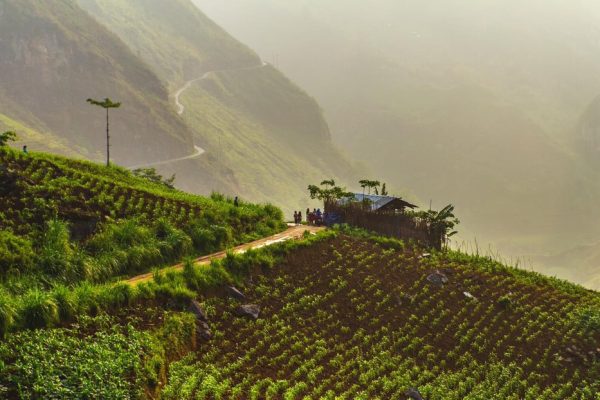
Mornings in places like Dong Van and Du Gia can hit freezing. I’m talking literal ice on the ground, breath-fog thick enough to photograph, and homestay blankets that suddenly don’t seem excessive. By midday, once the sun burns through the mountain mist, temperatures climb to comfortable riding weather—assuming you dressed in layers.
The upside? Crystal-clear visibility on good days. Ma Pi Leng Pass looks razor-sharp against blue skies. Crowds thin out significantly (Vietnamese New Year/Tet excluded). Accommodation prices drop, and you can negotiate better deals on tours and rentals.
The downside? Some homestays in remote villages don’t have proper heating. You’re relying on thick blankets and maybe a wood stove. Early morning starts feel brutal. If you’re doing a self-drive tour, cold fingers make clutch control harder, and your reaction times slow down.
What to pack: Thermal base layers, fleece or down jacket, waterproof outer shell, gloves (seriously), warm sleeping bag liner if you run cold. Don’t trust homestay blankets alone.
Tour recommendation: Jeep tours make more sense during these months if you’re not comfortable riding in cold conditions. Easy rider tours still run, and experienced guides handle the cold better than most self-drivers.
Temperature range: 15°C – 25°C (valleys), 10°C – 20°C (highlands)
Rain probability: Low to moderate (occasional spring showers)
Road conditions: Generally excellent
March marks the transition period. The bitter cold fades, flowers start blooming across the valleys, and riding conditions improve significantly. April pushes warmer still, though you’ll want a light jacket for early mornings.
This is when local ethnic minorities prepare their fields for planting season. You’ll see terraced hillsides being worked, water buffalo in action, and villages coming alive after winter’s quiet. The landscape sits somewhere between winter’s brown-gold and summer’s electric green.
Weather becomes more stable and predictable. Rain happens but usually as brief afternoon showers rather than day-long slogs. Roads dry out quickly. Visibility stays good for photography, though not quite as sharp as deep winter.
Crowds start building through April as word spreads that “the season” is approaching. Weekends get busier, especially around Vietnamese holidays. Book your accommodation and tours a few weeks ahead instead of winging it.
What to pack: Layering system (t-shirt, long-sleeve, light jacket), light rain jacket, sunscreen (UV gets intense at elevation), sunglasses, regular riding gloves.
Tour recommendation: Perfect time for self-drive if you’re moderately experienced. Road conditions favor beginners more than any other season. Easy rider tours run smoothly with comfortable temperatures all day.
Temperature range: 20°C – 30°C (valleys), 15°C – 25°C (highlands)
Rain probability: Moderate to high
Road conditions: Good overall, occasional wet patches after rain
May flips the switch to wet season, but don’t let that scare you off. The landscape transforms into the lush green version you’ve seen in photos. Rice terraces fill with water and fresh shoots, reflecting the sky like natural mirrors. This is prime photography season for landscape shooters.
Rain typically hits in afternoon thunderstorms rather than all-day drizzle. You’ll get mornings of gorgeous clear weather, ride until 1-2 PM, then watch clouds build over the peaks. Smart riders start early, cover distance before lunch, and don’t mind pulling over for an hour when storms roll through.
June continues the pattern but with slightly higher rainfall frequency. Temperatures stay comfortable for riding—you’re not freezing, not overheating, and the rain actually feels refreshing when it does come.
Water features come alive. Du Gia waterfall goes from a trickle to a proper cascade. The Nho Que River runs fuller and more dramatic through Tu San Canyon. Waterfalls along the roadside that you’d barely notice in winter become legitimate stops.
What to pack: Quality rain jacket and pants (test them before you go), waterproof bag cover, quick-dry clothing, extra socks (wet feet kill morale), waterproof phone case, microfiber towel.
Tour recommendation: Easy rider tours excel here—guides know exactly when and where to push through vs. wait out weather. Self-drive is doable if you’re comfortable with wet road handling. Jeep tours offer dry comfort if rain makes you nervous.
Temperature range: 22°C – 32°C (valleys), 18°C – 28°C (highlands)
Rain probability: High
Road conditions: Variable—can deteriorate quickly after heavy rain
These are Ha Giang’s wettest months and the time most guides will tell you to avoid. But here’s the reality: plenty of travelers have incredible experiences during July and August. You just need realistic expectations and flexibility.
Rain becomes more frequent and less predictable. Instead of “afternoon storms,” you might get morning rain, midday clear patches, evening downpours. Some days deliver multiple rounds. Other days stay surprisingly dry. Weather forecasts help, but they’re not gospel in mountain terrain.
The big concern isn’t getting wet—it’s road safety. Heavy rain can trigger small landslides on certain sections, create temporary flooding in low points, and make steep descents genuinely sketchy. Local authorities occasionally close specific roads for safety after major storms.
That said, the mountains look absolutely stunning. Everything is peak green, mist creates dramatic photography, and you’ll have trails and viewpoints mostly to yourself. Prices hit annual lows for tours and accommodation. If you’re adventurous and don’t mind adjusting plans day-to-day, you can score amazing deals.
What to pack: Full rain suit that actually works (not the cheap stuff), waterproof boots, multiple pairs of gloves, dry bags for electronics, headlamp (power outages happen), positive attitude.
Tour recommendation: Jeep tours are the safest bet—you stay dry, guides can navigate tricky sections, and you don’t risk crashing on slick roads. Easy rider tours still operate and guides have years of wet-season experience. Skip self-drive unless you’re genuinely confident with wet-road motorcycle handling.
Temperature range: 18°C – 28°C (valleys), 14°C – 22°C (highlands)
Rain probability: Low
Road conditions: Excellent
September through October represents Ha Giang’s sweet spot, and it’s not even close. This is why you’ll see these months recommended everywhere, and for once the hype is justified.
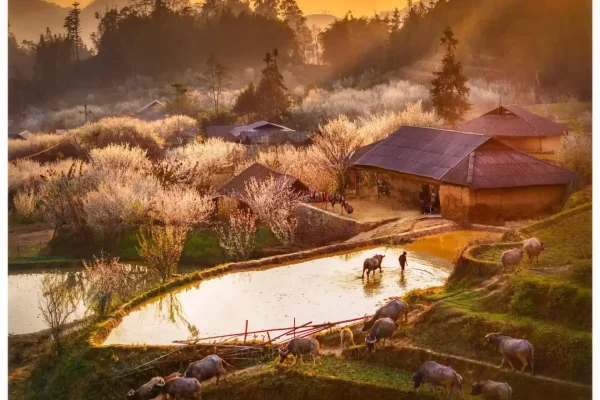
The wet season ends, but the landscape hasn’t dried out yet. Rice terraces turn golden yellow as harvest approaches (late September through early October specifically). The contrast between golden fields, green mountains, and blue skies creates the postcard shots you came here for.
Weather stabilizes into predictable patterns: cool mornings, warm middays, comfortable evenings. Rain becomes rare. Visibility peaks. Road conditions hit their annual best. Even inexperienced riders feel confident on these roads during these months.
The catch? Everyone knows this. Weekends in October can feel crowded by Ha Giang standards, especially at major stops like Ma Pi Leng Skywalk or Dong Van town. Accommodation fills up fast. Tour prices edge higher. You need to book 2-3 weeks ahead for popular dates.
But even with crowds, October delivers. The weather is just that good. If you can swing mid-week travel (Wednesday-Thursday starts), you’ll dodge the worst congestion while keeping ideal conditions.
What to pack: Standard layers, medium jacket for mornings/evenings, sun protection, normal riding gloves, camera with charged batteries (you’ll use it constantly).
Tour recommendation: All options work brilliantly. Self-drive is perfect for confident riders. Easy rider tours run like clockwork. Jeep tours appeal to families and those who want comfort with guaranteed views. Choose based on riding ability and group dynamics, not weather concerns.
Temperature range: 12°C – 22°C (valleys), 6°C – 15°C (highlands)
Rain probability: Low
Road conditions: Dry and good, occasional morning fog
November bridges autumn and winter. The golden rice harvest finishes, temperatures drop noticeably, and the landscape shifts into earthier tones. December pushes colder still, bringing back that winter chill from earlier months.
Morning fog becomes the defining feature. It rolls through valleys and clings to peaks, creating moody atmospheric scenes that photographers obsess over. By 10-11 AM, most fog burns off, revealing clear skies beneath. But those first hours of riding? You’re navigating through white clouds.
This affects visibility and safety. Ma Pi Leng Pass in thick fog is no joke—you can’t see the famous views, and more importantly, you can’t see oncoming traffic until they’re close. Local guides know when to wait for clearance vs. push through safely.
Crowds thin dramatically after mid-November. You’ll share homestays with just a handful of other travelers. Villages feel quieter and more authentic. Prices drop back to off-season rates. If you don’t mind cold mornings and occasional fog delays, these months offer excellent value.
What to pack: Similar to January/February—layers, warm jacket, gloves, flexibility for fog delays. Add a buff or neck gaiter for morning rides.
Tour recommendation: Easy rider tours handle fog better than self-drive—guides know the roads by feel when visibility drops. Jeep tours provide warmth and safety in uncertain conditions. Self-drive works if you’re experienced and patient with weather.

Learn more: Ha Giang Loop 4 Days 3 Nights
Choosing your dates depends on what you prioritize. Here’s how to match weather windows to specific goals.
Best months: September, October, late February, early March
October takes the crown for photography—golden rice terraces, perfect light, minimal haze. But late winter (February-March) offers something different: stark mountain profiles, morning frost, and crystal-clear long-distance visibility that summer can’t match.
Avoid July-August if photography is your main goal. Rain and clouds block shots, and grey skies kill the drama in landscape photos.
Best months: May, June, July, November, December, January
Wet season (May-August) and cold season (November-February) bring the lowest prices across accommodation, tours, and rentals. You can negotiate deals that October travelers would never see.
The trade-off is obvious—weather compromises. But if you’re flexible and don’t mind adjusting plans, you’ll save 30-40% compared to peak season rates.
Best months: March, April, September, October
These shoulder/peak months deliver the most forgiving road conditions for less experienced riders. Dry roads, stable weather, good visibility, moderate temperatures. Everything works in your favor.
Avoid January-February if you’re a beginner (cold affects coordination) and July-August if you’re not confident with wet roads.
Best months: November through February, May through August
Want trails to yourself? Show up when weather scares others away. November-February offers solitude with cold mornings. May-August offers solitude with afternoon rain.
You’ll share iconic viewpoints with a fraction of the people you’d encounter in October. Homestays feel more personal when it’s not packed.
Packing right prevents misery. Here’s what actually matters, broken down by season.
Don’t bring: shorts, sandals, or anything cotton (stays wet and cold forever).
Don’t bring: cotton anything, gear you can’t afford to lose, white clothing (red mud stains are real).
Don’t bring: heavy winter gear, excessive rain protection, pessimism.
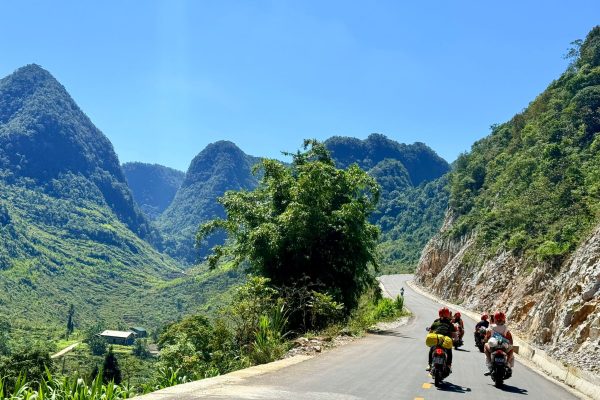
Learn more: Ha Giang Loop 3 Days 2 Nights Itinerary
Weather directly impacts road safety. Here’s what changes month to month.
Dry season (September-April): Roads are generally excellent. Asphalt stays grippy, visibility is good, and you can trust your tires. The main hazards are livestock, oncoming traffic cutting corners, and loose gravel in turns.
Cold months (November-February): Add morning fog to the hazard list. Some high-altitude sections can develop ice patches overnight, though this is rare. Reduced temperatures mean tires take longer to warm up—ride gently for the first 30 minutes.
Wet season (May-August): Road grip reduces significantly when wet. Painted road markings become ice-slick in rain. Water runoff can create temporary streams across roads. Landslide risk increases after heavy rain—watch for fresh debris and loose rocks.
Year-round hazards: Steep drops with minimal barriers, hairpin turns, local drivers who know these roads too well (and ride accordingly), construction zones, and livestock that appears from nowhere.
The good news: roads have improved dramatically in recent years. The famous Ma Pi Leng Pass is now fully paved. Most major Loop routes get regular maintenance. It’s safer than it’s ever been, but “safer” doesn’t mean “safe enough to space out while riding.”
No matter the season: ride within your skill level, watch for gravel in turns, and don’t let stunning views distract you from the road ahead.
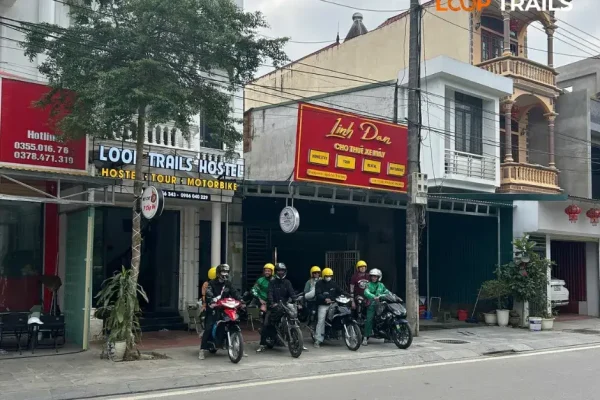
Learn more: Ha Giang Loop Easy Rider
Different weather windows favor different tour styles. Here’s how to choose based on when you’re traveling.
Easy rider tours put an experienced local guide on the front bike while you ride pillion. This setup works in literally any weather because the guide handles all the technical riding while you handle the enjoying.
Best for: Anyone traveling May-August (wet season), anyone uncomfortable with cold-weather riding (November-February), or anyone who wants local insights without riding stress.
Your guide knows exactly which sections flood after rain, where landslides happen, when to wait out weather, and how to navigate fog. They’ve ridden these roads hundreds of times in every condition.
The trade-off is less personal freedom—you follow your guide’s pace and decisions. But for many travelers, especially first-timers to Vietnam or mountain riding, that’s a feature, not a bug.
Pricing runs from 3,490,000 VND for a 2-day tour up to 10,990,000 VND for the full Ha Giang-Cao Bang 5-day experience, with all meals, accommodation, and guide included.
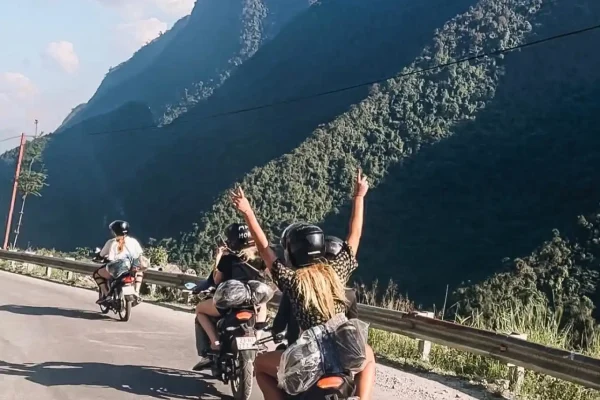
Learn more: Ha Giang Loop Self-Driver
Self-drive tours give you a motorbike and basic route guidance, then turn you loose. You control the pace, make your own stops, and experience the Loop on your terms.
Best for: Travelers visiting September-April (dry season), anyone with prior motorbike experience, and those who value independence over guidance.
Dry roads make self-drive significantly safer and more enjoyable. Wet roads—especially in July-August—demand genuine riding skill. If you’re not confident with wet-road braking, throttle control, and weight distribution, stick with easy rider or jeep options.
Self-drive requires an international driving permit (IDP) that covers motorcycles. Vietnamese police do check, especially at tourist hot spots. Don’t risk riding without proper documentation.
Pricing starts at 3,590,000 VND for 3 days/2 nights, running up to 10,590,000 VND for the 5-day Ha Giang-Cao Bang loop.
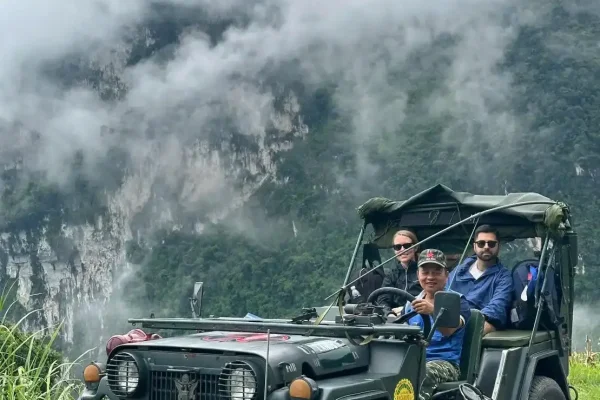
Learn more: Ha Giang Cao Bang Jeep Tours
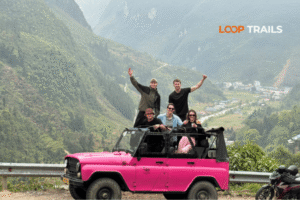
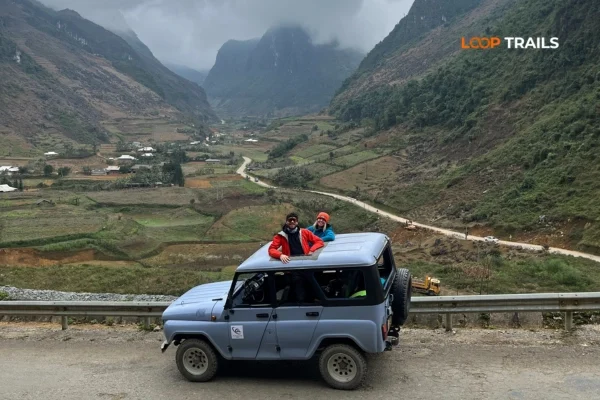
Jeep tours transport small groups (1-4 people) in a private vehicle with a driver-guide. You get all the views with none of the riding exposure.
Best for: Families with children, travelers visiting during extreme weather (January cold or August rain), anyone who doesn’t ride motorbikes, or groups with mixed riding abilities.
Weather becomes almost irrelevant. Rain? You’re dry. Cold? Heat’s on. Fog? Your driver knows these roads blindfolded. You sacrifice the full “wind in your hair” motorcycle experience but gain comfort, safety, and accessibility.
Jeep tours cost more because they include private vehicle and driver. Expect 8,990,000 VND per person for 3 days/2 nights (solo traveler) scaling down to 22,900,000 VND for four people—which breaks down to roughly 5,725,000 VND per person when you split it.
The real value appears when you add kids, elderly family members, or friends who want the experience without the riding risk.
Learn more: Ha Giang Motorbike Rental
After watching countless visitors cycle through Ha Giang, certain mistakes repeat every season. Learn from them.
Mistake 1: Trusting Hanoi weather as a proxy
Hanoi might be 25°C and sunny while Ha Giang sits at 10°C under fog. They’re different climate
zones. Always check Ha Giang-specific forecasts.
Mistake 2: Packing only for best-case scenarios
“The forecast says sunny all week!” Cool. Pack for rain anyway. Mountain weather changes faster than forecasts update. Bring layers and rain gear regardless of predictions.
Mistake 3: Wearing cotton in cold/wet weather
Cotton holds moisture and dries slowly, which means you’ll stay cold and clammy for hours. Synthetic or merino wool base layers change everything.
Mistake 4: Ignoring morning fog warnings
Local guides who say “we’ll wait 30 minutes for fog to clear” aren’t being overcautious. Riding Ma Pi Leng Pass in white-out conditions is genuinely dangerous. Trust their timing.
Mistake 5: Booking tight schedules during wet season
Rain can delay travel, close roads temporarily, or force route changes. If you’re traveling May-August and have a flight to catch two days after your tour ends, you’re setting yourself up for stress. Build buffer days.
Mistake 6: Assuming “dry season” means zero rain
Even in October, isolated storms can pop up. November through February can see occasional rain showers. “Dry season” means rain is unlikely, not impossible. Pack a light rain shell anyway.
Mistake 7: Overdressing for midday heat
Mornings are freezing, afternoons are warm. Wear layers you can remove easily. Don’t suffer through 25°C heat because you wore a thick jacket at 7 AM and can’t take it off.
Mistake 8: Skipping sunscreen at elevation
UV intensity increases with altitude. You’ll burn faster at 1,500 meters than at sea level, even when it doesn’t feel that hot. Sunscreen, sunglasses, and a hat aren’t optional.
Late September through October offers the best combination of weather, scenery (golden rice terraces), and road conditions. If you can only pick one window, this is it. Expect higher prices and more crowds.
January-February mornings can drop to 3-5°C in highland areas like Dong Van and Du Gia. Valleys stay warmer (8-12°C), but elevation changes are dramatic. Pack thermal layers, a warm jacket, and gloves.
Yes, if you’re flexible and prepared. The landscape is stunning, prices drop significantly, and crowds thin out. Just pack proper rain gear and choose easy rider or jeep tours rather than self-drive.
January-February mornings can drop to 3-5°C in highland areas like Dong Van and Du Gia. Valleys stay warmer (8-12°C), but elevation changes are dramatic. Pack thermal layers, a warm jacket, and gloves.
Absolutely. December offers excellent road conditions, clear visibility on good days, and minimal crowds. Just prepare for cold mornings and potential fog. Jeep and easy rider tours work great this month.
Ma Pi Leng sits at high elevation and creates its own microclimate. Expect cooler temperatures than surrounding areas, and fog is common November-March. September-October typically delivers the clearest views.
It’s doable if you’re an experienced rider comfortable with wet-road handling. But most travelers choose easy rider or jeep tours during May-August for safety reasons. Wet roads reduce grip significantly.
Late September through early October is peak golden season, varying slightly by elevation and planting schedules. By mid-October, most terraces are harvested. June-July shows bright green terraces instead.
Very rarely, and only at the highest elevations during unusual cold snaps in January-February. Don’t count on seeing snow, but morning frost is possible in highland villages during winter.
Mountain weather is notoriously hard to predict. Forecasts give general trends but can miss localized storms or fog. Use them as a guide, not gospel, and pack for variable conditions.
Build flexibility into your schedule. If you’re traveling for photography specifically, consider extending your trip by a day or two as a buffer. September-October offers the most reliable shooting conditions.
Most tours run year-round, though heavy rain or unsafe road conditions can force route modifications. Responsible operators prioritize safety over sticking to exact itineraries. Jeep tours have the most weather flexibility.
Not necessarily. Afternoon thunderstorms are normal in wet season and often pass quickly. All-day rain is less common. If you’re already planning May-August travel, expect some rain and pack accordingly rather than rescheduling.
Contact information for Loop Trails
Website: Loop Trails Official Website
Email: looptrailshostel@gmail.com
Hotline & WhatSapp:
+84862379288
+84938988593
Social Media:
Facebook: Loop Trails Tours Ha Giang
Instagram: Loop Trails Tours Ha Giang
TikTok: Loop Trails
Office Address: 48 Nguyen Du, Ha Giang 1, Tuyen Quang
Address: 48 Nguyen Du, Ha Giang 1, Tuyen Quang
Facebook X Reddit Table of Contents Learn more: Ha Giang Loop Tours There’s a moment somewhere on the Ma Pi Leng Pass

Facebook X Reddit Table of Contents Learn more: Ha Giang Loop Tours There’s a version of the Ha Giang Loop that ends
Facebook X Reddit Table of Contents Learn more: Ha Giang Loop Tours There’s a moment, usually somewhere on Ma Pi Leng Pass,