


Thúy Kiều is a travel blogger and content contributor for Loop Trails Tours Ha Giang. She holds a bachelor’s degree in Sustainable Tourism from Vietnam National University, Hanoi, and has a strong passion for exploring and promoting responsible travel experiences in Vietnam’s northern highlands.
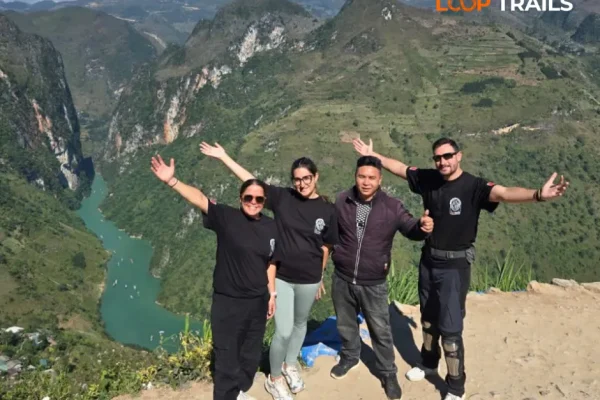
Ha Giang’s loop is one of Vietnam’s most spectacular motorcycle journeys—dramatic mountain passes, ethnic minority villages hidden in valleys, and roads that snake along cliffsides with drops that’ll make your heart skip. But here’s what the Instagram photos don’t show: this route demands respect, preparation, and smart decisions.
I’ve watched too many travelers underestimate these roads. They arrive in Ha Giang with zero mountain riding experience, rent the cheapest bike available, skip the helmet because it messes up their hair, and wonder why they end up with road rash or worse. The loop isn’t Bali. It’s not even Pai. The stakes here are higher, and the consequences are real.
This guide covers everything you need to know to ride Ha Giang safely—whether you’re an experienced rider tackling it solo or considering an easy rider tour. We’ll talk about the legal requirements everyone ignores until they’re negotiating with traffic police, the gear that actually matters, and the route-specific challenges you’ll face on passes like Ma Pi Leng.
Learn more: Ha Giang Loop Tours

Learn more: Ha Giang Loop Easy Rider
Let’s get one thing straight: Ha Giang’s roads can be dangerous. Not in a hypothetical way, but in a very real “people get hurt here regularly” way. The passes are steep, roads can be slick with mud or gravel, blind corners appear constantly, and local drivers know these routes while you’re seeing them for the first time.
The dramatic elevation changes mean you’re dealing with different weather conditions within the same day. Morning fog in Dong Van, afternoon rain near Meo Vac, and unpredictable conditions on exposed sections of Ma Pi Leng Pass are common. Pair that with unfamiliar road surfaces, varying quality of pavement, and the physical demands of 4-6 hours daily in the saddle, and you’ve got a recipe for accidents if you’re not prepared.
Most injuries happen because riders lack experience with mountain conditions, push too hard trying to keep up with faster riders, or simply don’t understand their bike’s limitations. The good news? Nearly all of these accidents are preventable with proper preparation and smart decision-making.
Learn more: Motorbike License IDP Guide 2026
Here’s where many travelers get caught off guard. Vietnam has specific rules about who can legally ride a motorbike, and ignorance won’t save you from fines or worse.
If you’re riding a motorbike yourself (self-drive), you must have:
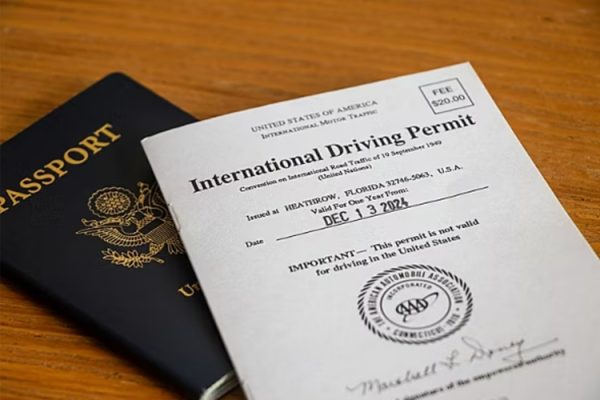
That last one trips people up constantly. The IDP must be the 1968 Vienna Convention version—IDP 1949 is not valid in Vietnam, despite what some rental shops might tell you. Your home license alone isn’t enough, even if it’s in English.
If you’re stopped without proper documentation, fines range from 2,000,000 to 6,000,000 VND (roughly $80-$240 USD). That’s the official range, but enforcement can vary. Traffic police checkpoints are more common on main routes into Ha Giang city and occasionally appear on the loop itself.
Here’s something worth knowing: riders on guided tours (easy rider tours) often face lower fines or more lenient treatment because the guide can negotiate with police and vouch for the group. Solo self-drive riders typically have less wiggle room.
If you can’t get an IDP 1968 or don’t have a motorcycle license at all, you have options that don’t involve risking massive fines:
Don’t let rental shops convince you “it’s fine, nobody checks.” They check. And when they do, you’re the one paying the fine, not the rental shop.
Learn more: Ha Giang Cao Bang by Jeep and Motorbike
This decision affects everything—your safety, budget, and experience level needed. Let’s break down what each option actually means on the ground.
An easy rider tour means you ride as a passenger behind an experienced local guide who handles all the navigation, road challenges, and logistics. You literally hold on and enjoy the ride.
Best for:
Safety advantages:
Current pricing: Starting from 3,490,000 VND per person for the 2-day loop, up to 10,990,000 VND for the 5-day Ha Giang-Cao Bang combination.
You rent your own bike and ride independently, following a route (usually with GPS support and basic briefing).
Best for:
Safety considerations:
Current pricing: Starting from 3,590,000 VND per person for 3 days, up to 10,590,000 VND for the 5-day route.
A private jeep with driver takes your group through the same routes without any motorbike riding.
Best for:
Safety advantages:
Current pricing: From 8,990,000 VND for solo traveler on 3-day loop, up to 40,990,000 VND for 4 people on the 5-day Ha Giang-Cao Bang route. Prices include dorm accommodation (private room upgrades available).
Learn more: Ha Giang Loop 4 Days 3 Nights
I’ve seen people attempt Ma Pi Leng Pass in flip-flops and tank tops. Don’t be that person. Proper gear isn’t about looking cool—it’s about arriving at your destination with skin intact.
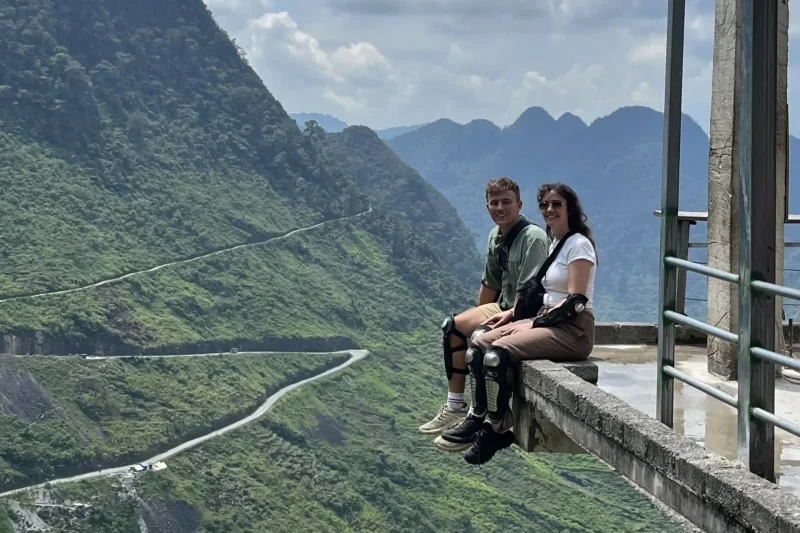
Quality Helmet Not the flimsy half-shell the rental shop offers. Get a full-face helmet if possible, or at minimum a well-fitting three-quarter helmet. Check that:
If the provided helmet seems sketchy, many shops in Ha Giang city sell better options for 300,000-500,000 VND. Worth the investment.
Gloves Your hands hit the ground first in most falls. Motorcycle gloves with palm protection are ideal, but even basic work gloves beat bare hands. They also help with grip during long riding days when your hands get sweaty or cold.
Long Pants and Closed Shoes Denim jeans offer minimal protection but better than shorts. Avoid loose pants that can catch in the chain. Closed-toe shoes with ankle support—hiking boots or sturdy sneakers work. Sandals are asking for broken toes.
Protective Jacket Even a basic windbreaker is better than nothing. If you have a riding jacket with shoulder and elbow pads, bring it. Temperatures drop significantly at higher elevations, and you’ll be grateful for layers.
Most tour operators include basic helmets with rentals. Quality varies. If you’re particular about safety gear (and you should be), bring your own or plan to purchase in Ha Giang city where selection is better than at rural stops.

Learn more: Ha Giang Loop Itinerary: 2,3,4,5 days
Ha Giang’s roads are constantly evolving. Construction updates pavement sections, landslides create temporary detours, and seasonal weather changes everything. Here’s the reality of what you’re riding through.
The main loop route is approximately 80% paved with reasonable asphalt quality. That sounds good until you hit the other 20%—sections with:
Road quality varies significantly by season. Dry season (October-April) generally means better conditions. Wet season (May-September) brings mud, standing water, and reduced visibility.
Bac Sum Pass and Heaven Gate (Day 1) Relatively gentle introduction. Well-maintained roads with good visibility. Watch for tourist buses stopping unpredictably for photos.
Tham Ma Pass Steeper grades and tighter switchbacks appear here. First real test of your comfort with mountain riding. Take it slow on descents—brakes heat up quickly.
Yen Minh to Dong Van Section Mix of good pavement and rougher sections. Roads narrow in places with oncoming traffic requiring careful negotiation. Spectacular but demanding.
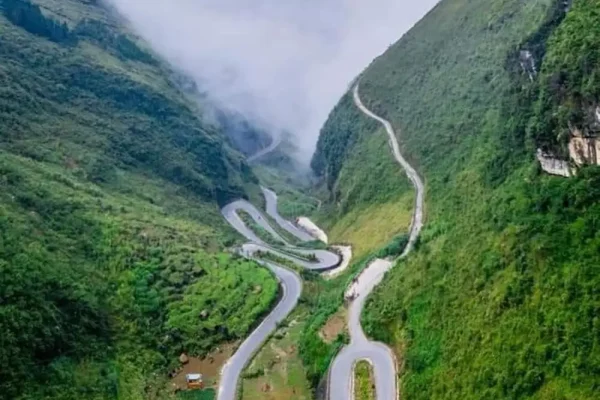
Ma Pi Leng Pass The legendary section—and for good reason. Carved into cliffsides with sheer drops, this pass demands full attention. The road is generally well-maintained on the main route, but:
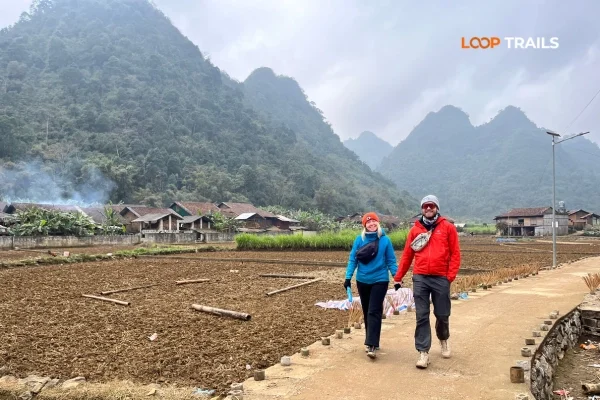
Tu San Canyon and Nho Que River Area After Ma Pi Leng, roads become narrower and more technical. Some sections run along the river with exposed edges. Beautiful but requires concentration.
Du Gia to Quan Ba Return Route Variable conditions. Some newly paved sections, some older roads with surface degradation. Less traffic than the Dong Van-Meo Vac route but more isolated if problems occur.
Dry Season (October-April): Best overall conditions. Roads dry, visibility good, less landslide risk. Can still encounter fog in early mornings.
Wet Season (May-September): Expect rain, reduced visibility, slippery sections, and occasional road closures from landslides. If you ride during this period, cut your daily distances and build in flexibility.
Winter (December-February): Cold temperatures at higher elevations. Ice possible on shaded sections early morning. Fog can reduce visibility significantly.
Learn more: Ma Pi Leng Pass
Some sections of the loop require specific strategies beyond general safe riding. Here’s how to handle the most notorious stretches.
This is what you came for—and what demands the most respect. The pass stretches for about 20 kilometers with continuous exposure and technical riding.
Before You Start:
During the Ride:
The Skywalk Section: A glass-bottomed viewing platform juts out from the cliff. It’s a popular stop, meaning sudden pedestrian traffic and parked bikes. Approach this area with extra caution.
Learn more: Ha Giang in September & October
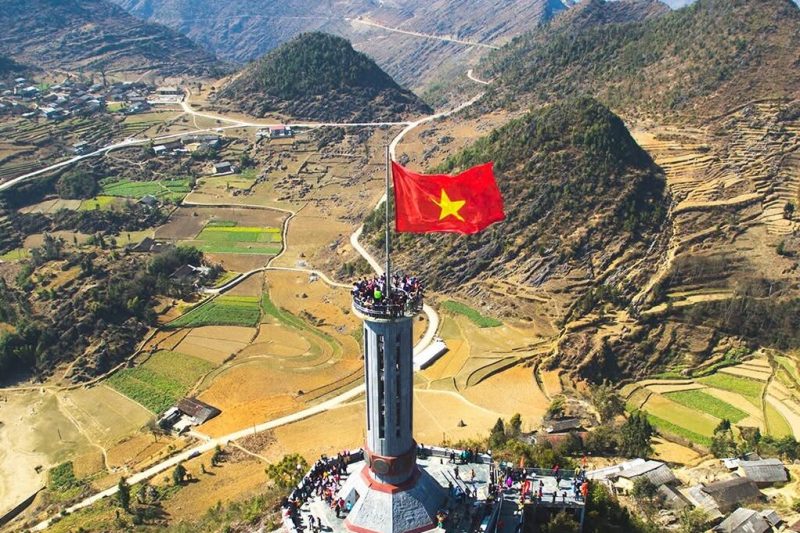
The side trip to Vietnam’s northernmost point involves additional climbing. Roads are generally good but steeper grades and more switchbacks than the main loop. Worth the detour but factor in extra time and energy.
Learn more: Ha Giang Loop 3 Days 2 Nights
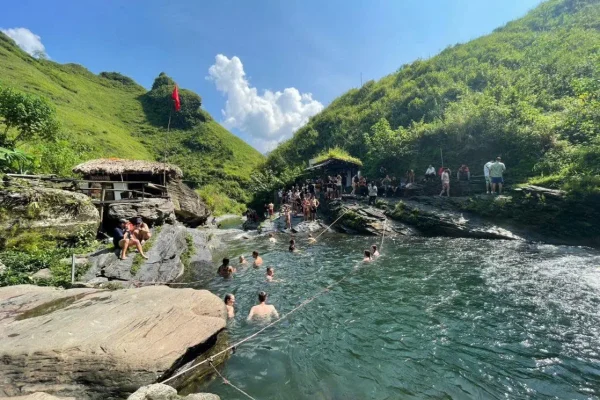
If swimming at Du Gia waterfall is on your itinerary, note that the path down requires parking your bike and hiking. Secure your bike properly—theft is rare but opportunistic grab-and-go happens.

Learn more: Ha Giang Loop for beginners
“M Pass” gets its name from the shape visible from certain angles. The riding here is technical with tight switchbacks. The viewpoint offers stunning Nho Que River vistas but the shoulder is narrow—park carefully.
Learn more: Ha Giang Loop Weather
Ha Giang’s weather can shift dramatically within hours. Understanding patterns helps you make smart riding decisions.
Morning (6-9 AM): Cool to cold temperatures, fog possible in valleys, generally clear at higher elevations.
Midday (10 AM-2 PM): Warmest temperatures, best visibility, ideal riding conditions.
Afternoon (2-5 PM): Occasional clouds, small chance of brief showers even in dry season.
Evening (5 PM+): Temperature drops quickly, especially at elevation. Fog returns to valleys.
Heavy Fog: If you can’t see 30 meters ahead, don’t ride. Wait it out. Fog usually clears by 9-10 AM.
Rain on Mountains: Even light rain makes roads slippery, especially on painted road markings and metal surfaces. Heavy rain dramatically increases landslide risk.
Strong Winds: Exposed sections like Ma Pi Leng can have serious crosswinds. They’ll push your bike around, especially lighter models.
Temperature Drops: Hypothermia is real. If you’re shivering and losing dexterity in your hands, stop and warm up.
You have options:
Tour guides make these calls regularly. If you’re self-driving, err on the side of caution. The pass will still be there tomorrow.

Learn more: Ha Giang Loop Cost & Tips
After watching countless riders on the loop, certain mistakes appear over and over. Learn from others’ errors.
The scene: Inexperienced rider tries to keep pace with the group, ends up target-fixating on the cliff edge, panics, and crashes.
The fix: Ride your own ride. Experienced riders will wait. Your ego isn’t worth a broken collarbone. If you’re nervous, hang back and go at your comfortable pace.
When you stare at the cliff edge or drop-off, you tend to drift toward it. This is real and dangerous.
The fix: Look where you want to go—at the road ahead, not the scary parts beside it. Your bike follows your eyes.
Grabbing brakes in the middle of a tight turn causes the bike to stand up and run wide—potentially right off the edge.
The fix: Slow down before the curve. If you must brake mid-corner, do it gently and progressively, never a panic grab.
When the rider ahead brakes suddenly for a pothole or animal, you need reaction space.
The fix: Maintain 2-3 second following distance. More in wet conditions or on unfamiliar sections.
Fatigue kills reaction time and judgment. After 4-5 hours in the saddle navigating challenging roads, you’re mentally exhausted even if you don’t feel it.
The fix: Take breaks every 60-90 minutes. On tour itineraries, don’t skip the scheduled stops. If self-driving, build in buffer time for rest.
That strange noise or weird handling? It won’t fix itself and gets worse under mountain riding stress.
The fix: Stop immediately when you notice problems. On tours, your guide or support staff handles this. Self-drivers should know basic troubleshooting or have support contact numbers.
“Happy water” (rice wine) flows freely at homestays. It’s part of the cultural experience. But riding impaired is suicide on these roads.
The fix: Enjoy the evening festivities, then sleep it off. Morning departures mean you’re sober when you ride. No exceptions.

Learn more: Cao Bang Loop Tours Vietnam best kept secret
Hope for the best, plan for the worst. Here’s what to do when things go wrong.
Ha Giang City: Has the best medical facilities in the region, including Ha Giang General Hospital. Still basic by Western standards but adequate for stabilization.
Dong Van, Meo Vac: Small clinics only—good for minor injuries, cuts, sprains. Serious issues require transport to Ha Giang or beyond.
On the Route: Essentially nothing. Between towns, you’re relying on your tour support or fellow travelers.
On a Tour: Guide handles everything. Replacement bike or support vehicle picks you up.
Self-Drive: Contact your rental shop immediately. They may send a replacement bike or arrange pickup, but this can take several hours in remote sections. This is why renting from reputable operators with good support matters.
Common Mechanical Issues:
Basic tools come with most rentals, but unless you know motorcycle mechanics, don’t attempt complex repairs yourself.
Vietnam emergency services (113 for police, 115 for ambulance) exist but response times in remote areas are slow. Your tour operator or rental support is usually faster and more effective.

Learn more: Ha Giang Loop Insurance
This isn’t exciting to think about, but it’s crucial before you ride.
Standard travel insurance often excludes motorbike riding, or only covers bikes under 50cc. Ha Giang routes require bikes 125cc or larger. Check your policy specifically for:
If your current insurance doesn’t cover motorbike riding, you can:
Basic First Aid Kit Should Include:
Motion Sickness: Winding mountain roads affect many people. Bring medication if you’re prone to this.
Altitude Considerations: Ha Giang reaches elevations over 1,500 meters. Most people don’t have issues, but if you’re sensitive to altitude, take it easy on Day 1.
Learn more: Ha Giang Motorbike Rental
Small daily habits add up to safe, enjoyable riding over multi-day tours.
Day 1 (Ha Giang to Yen Minh/Dong Van): Pace yourself—it’s a long day. Don’t burn all your energy on Bac Sum Pass.
Day 2 (Including Ma Pi Leng): Start early to hit the pass before midday traffic peaks. Take your time.
Day 3 (Du Gia area): More relaxed day typically—enjoy the waterfall and scenery.
Final Day: Don’t rush to “make time”—most accidents happen when people hurry.

Learn more: Ha Giang Jeep Tours
By now, you understand what Ha Giang’s loop demands. The question is: which option matches your skill level and comfort honestly?
There’s zero shame in choosing an easy rider or jeep tour. Arriving safely and enjoying the journey beats proving something to nobody in particular.
Some travelers do the intense sections (Ma Pi Leng Pass days) as easy rider, then self-drive easier sections. Most operators can accommodate mixed approaches—just ask.
Loop Trails offers all three options with transparent pricing:
Easy Rider Tours: From 3,490,000 VND (2-day) to 10,990,000 VND (5-day Ha Giang-Cao Bang). Experienced guides, well-maintained bikes, support vehicles, and cultural experiences included.
Self-Drive Tours: From 3,590,000 VND (3-day) to 10,590,000 VND (5-day). Quality bikes (XR150 and similar models), GPS support, emergency backup, and route briefings.
Jeep Tours: From 8,990,000 VND (solo traveler, 3-day) to 40,990,000 VND (4 people, 5-day). Private jeep, experienced driver, same routes as motorbike tours with comfort and safety.
All prices include dorm accommodation, meals (breakfast, lunch, dinner as noted), and tour activities. Private room upgrades available. Transport to/from Ha Giang (sleeper bus or private car) not included but can be arranged.
Learn more: Ha Giang Buckwhet Flowers Season
No matter which option you choose, remember this: Ha Giang’s beauty comes with real risks. Gorgeous Instagram photos don’t show the crashed bikes around the next corner or the memorial markers along cliff edges.
Prepare properly. Choose honestly based on your skills. Ride within your limits. Respect the roads and weather. Make smart decisions even when others around you don’t.
The loop will test you—that’s part of why it’s so rewarding. But it should challenge your sense of adventure, not your ability to survive. Ride smart, stay safe, and you’ll have stories worth telling for years.
Ready to experience Ha Giang the right way? Check out tour options that match your skill level and get this adventure on the calendar. The mountains are waiting.
Yes, if you’re self-driving. Vietnam requires both your home country motorcycle license and an IDP 1968 version. The IDP 1949 is not valid. Fines for riding without proper documentation range from 2,000,000-6,000,000 VND. Easy rider and jeep tours don’t require you to have these documents since you’re not operating the vehicle.
For true beginners with no motorcycle experience, yes—it’s dangerous to self-drive. The combination of mountain roads, steep drops, unpredictable weather, and technical riding demands real skill. However, beginner riders can safely experience Ha Giang through easy rider tours (riding as passenger) or jeep tours. Don’t let lack of experience keep you from visiting; just choose the appropriate tour type.
October through April offers the best conditions—dry weather, good visibility, stable road surfaces, and lower landslide risk. December-February can be cold with morning fog but roads are generally in great shape. May-September is wet season with higher accident risk due to rain, mud, and reduced visibility.
Some rental shops will rent to you regardless of documentation, but this doesn’t make it legal or safe. If caught by traffic police, you’ll face fines. More importantly, if you crash without a valid license, your travel insurance likely won’t cover medical expenses. Consider easy rider or jeep tours instead if you lack proper licensing.
Ma Pi Leng is definitely the most challenging and exposed section of the loop. It requires constant attention, comfort with cliff-edge riding, and solid motorcycle control skills. However, the road surface itself is generally well-maintained. The difficulty comes from sheer drops, blind corners, and elevation—not from poor pavement. Experienced mountain riders handle it fine; inexperienced riders should go with an easy rider guide.
First, assess injuries and get yourself and the bike safely off the road. Contact your rental operator immediately—they’ll arrange support. For serious injuries, you may need transport to Ha Giang city for medical care. This is why comprehensive travel insurance that covers motorbike riding is essential. Document everything with photos for insurance claims.
Group riding with a tour offers safety in numbers—immediate help if something goes wrong, guides who know the roads, and support vehicles nearby. Solo self-drive means full responsibility for navigation, mechanical issues, and emergencies in remote areas. For safety, organized group tours (easy rider or self-drive with guide support) beat solo exploration.
No special vaccinations are required specifically for Ha Giang beyond standard Vietnam recommendations (Hepatitis A, Typhoid, routine vaccinations). Bring basic first aid supplies, any personal medications, and motion sickness medication if you’re prone to it on winding roads. The elevation isn’t high enough to cause altitude sickness for most people.
Yes, but it’s rushed. The 2-day loop involves longer riding hours each day and skips some beautiful stops and villages. If you’re comfortable with 5-6 hours of riding daily and want to hit the highlights quickly, it works. However, 3-day or 4-day itineraries allow for a safer, more relaxed pace with better appreciation of the region and less fatigue.
Stop at the nearest village, homestay, or safe area and wait it out. Heavy rain, fog, or strong winds make the roads genuinely dangerous, especially on exposed sections like Ma Pi Leng Pass. Tour guides make these judgment calls regularly and have flexibility to adjust schedules. Self-drivers should err on the side of caution—the pass isn’t going anywhere, but you might be if you ride in dangerous conditions.
Medical facilities in Ha Giang city have some English-speaking staff, but don’t expect fluent English everywhere. In smaller towns like Dong Van or Meo Vac, English proficiency is limited. This is another reason why going with a tour operator helps—guides can translate and facilitate medical communication if needed. Always have your travel insurance emergency contact information readily available.
Honestly? You should be completely comfortable riding for several hours daily, handling steep inclines and descents, navigating tight switchbacks, and maintaining control on varying road surfaces. If you’ve only ridden scooters around town or on flat roads, you’re not ready for Ha Giang self-drive. Experienced riders who’ve tackled mountain routes elsewhere will find it challenging but manageable. When in doubt, choose easy rider
Contact information for Loop Trails
Website: Loop Trails Official Website
Email: looptrailshostel@gmail.com
Hotline & WhatSapp:
+84862379288
+84938988593
Social Media:
Facebook: Loop Trails Tours Ha Giang
Instagram: Loop Trails Tours Ha Giang
TikTok: Loop Trails
Office Address: 48 Nguyen Du, Ha Giang 1, Tuyen Quang
Address: 48 Nguyen Du, Ha Giang 1, Tuyen Quang
Facebook X Reddit Table of Contents Learn more: Ha Giang Loop Tours There’s a moment, usually somewhere on Ma Pi Leng Pass,

Facebook X Reddit Table of Contents Learn more: Ha Giang Loop Tours There’s a version of the Ha Giang Loop that people