
IDP 1968 vs 1949: Which Licence Works in Vietnam?
Facebook X Reddit Table of Contents Learn more: Ha Giang Loop Tours A lot of people arrive in Vietnam knowing they need

Thúy Kiều( Grace) is a travel blogger and content contributor for Loop Trails Tours Ha Giang. She holds a bachelor’s degree in Sustainable Tourism from Vietnam National University, Hanoi, and has a strong passion for exploring and promoting responsible travel experiences in Vietnam’s northern highlands.
Sapa and Ha Giang sit at opposite ends of northern Vietnam’s mountain tourism spectrum. Sapa offers terraced rice fields, hill tribe villages, and well-established trekking routes. Ha Giang delivers raw mountain roads, dramatic passes, and genuine remoteness. Most travelers visiting Vietnam’s north want to experience both, which raises the practical question: how do you actually get from one to the other?
The distance is deceptive. On a map, Sapa and Ha Giang look reasonably close—both hug the Chinese border in Vietnam’s mountainous north. In reality, you’re looking at 250-300 km of mountain roads depending on your route, which translates to 6-9 hours of travel time. No direct highway connects them, and the journey involves navigating Vietnam’s northern highlands where roads wind, climb, and occasionally disappear into fog.
This guide breaks down every realistic transport option, from scheduled buses to self-riding, with honest assessments of what works and what doesn’t. By the end, you’ll know exactly how to move between Sapa and Ha Giang efficiently, what each option costs, and which route makes sense for your specific itinerary.

Learn more: Ha Giang Loop Tours 2026
Learn more: Ha Giang Motorbike Rental
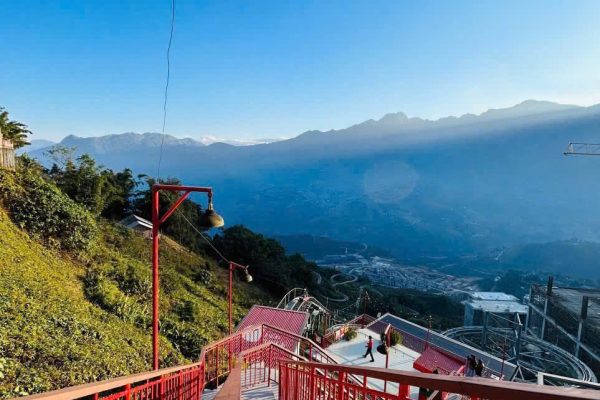
Sapa sits in Lao Cai Province at roughly 1,600m elevation, about 38 km from Lao Cai city (the provincial capital and border crossing point with China). Ha Giang city, the starting point for the Ha Giang Loop, sits in Ha Giang Province at about 600m elevation, significantly northeast of Sapa.
The two destinations don’t connect via direct highway. Instead, routes involve descending from Sapa to Lao Cai, then traveling east through lower-elevation valleys before climbing back up into Ha Giang Province. The roads pass through areas most tourists never see—small towns, agricultural regions, and mountain passes that aren’t on typical tour circuits.
Distance Options:
Most bus services and travelers use the Lao Cai/Highway 2 route as it offers the best road conditions and most reliable journey times.
Northern Vietnam presents a natural multi-destination circuit for travelers with time to explore. Sapa and Ha Giang complement each other rather than duplicate experiences.
Sapa Specializes In:
Ha Giang Specializes In:
Combining both gives you trekking experiences in Sapa followed by (or preceded by) riding adventures in Ha Giang. The journey between them becomes part of the adventure rather than dead time.
Here’s the quick comparison before we dive into details:
Direct Bus: 300,000 VND, 7-8 hours, limited departures, most convenient for most travelers
Bus via Lao Cai: 150,000 VND (Sapa-Lao Cai) + 250,000-350,000 VND (Lao Cai-Ha Giang), 8-9 hours total including transfer, more scheduling flexibility
Private Car: 2,500,000-3,500,000 VND for vehicle, 6-7 hours, maximum flexibility and comfort
Self-Riding: Variable costs (fuel ~200,000 VND), 7-10 hours depending on stops, requires motorbike license and riding experience
We’ll unpack each option with booking details, schedules, and practical considerations below.

Learn more: Ha Giang Sleeper Bus Guide 2026
Learn more: Ha Giang
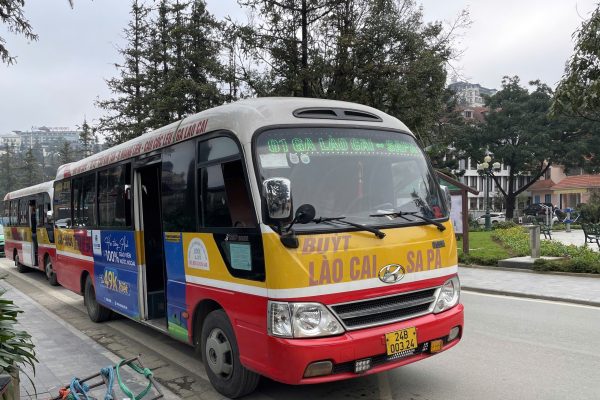
Direct bus service between Sapa and Ha Giang exists but isn’t as frequent as major routes like Hanoi-Sapa or Hanoi-Ha Giang. Several operators run this route, though schedules vary by season and demand.
Typical Operators:
Common Departure Times: Morning departures typically run between 7:00-9:00 AM from Sapa, arriving Ha Giang in early-to-mid afternoon. Some operators also offer afternoon departures (2:00-3:00 PM) arriving evening.
Important Note: Unlike major tourist routes, Sapa-Ha Giang direct buses may not run daily, especially during low season (summer months). Departures are more consistent during peak season (September-November, February-April). Always verify current schedules rather than assuming daily service.
The direct bus journey takes 7-8 hours under normal conditions. This isn’t express highway travel—you’re crossing mountain terrain on winding roads with variable conditions.
What Affects Journey Time:
Bus Types: Most buses on this route are standard sleeper buses or seated coaches, not luxury VIP sleepers. Expect basic comfort—reclining seats or sleeping berths, air conditioning (sometimes overly aggressive), and minimal legroom. This isn’t premium transport, though some operators offer better vehicles than others.
The road itself ranges from decent highway to narrow mountain roads. You’ll experience curves, inclines, and occasional rough sections. If you’re prone to motion sickness, prepare accordingly.
Booking Methods:
When to Book:
Pickup Arrangements: Most bus services offer pickup from your Sapa hotel (confirm this when booking). They’ll provide a specific pickup time, usually 30-60 minutes before departure. Be ready on time—buses won’t wait beyond a few minutes.
The Route: The bus descends from Sapa to Lao Cai (about 1 hour on winding mountain road), then follows Highway 2/70 east through valleys and over passes to Ha Giang city. The scenery is continuous mountains and agricultural land—interesting but not spectacular compared to what you’ll see on the Ha Giang Loop itself.
Rest Stops: Expect 1-2 stops at roadside restaurants/rest areas. These are basic facilities with bathrooms (squat toilets, sometimes rough condition) and simple food available. Stops typically last 15-20 minutes.
Arrival in Ha Giang: Buses typically arrive at Ha Giang city bus station or drop off at the central area near tour operator offices. If you’ve pre-booked a Ha Giang Loop tour, coordinate with your tour company for pickup from the bus arrival point. Otherwise, you’ll need to arrange transport to your accommodation (short taxi/xe om ride, 20,000-40,000 VND).
Luggage: Standard travel bags fit in bus storage compartments. Large backpacks or wheeled luggage is fine. If you’re traveling with motorbike gear (helmet, riding jacket), that stores underneath as well.
Learn more: How to get from Hanoi to Ha Giang
If direct Sapa-Ha Giang buses aren’t running or don’t fit your schedule, the alternative is traveling in two stages via Lao Cai.
Sapa to Lao Cai (38 km, 1-1.5 hours): This route is heavily serviced with frequent departures throughout the day. Mini-buses and vans run continuously from early morning until late evening.
Departure Frequency: Every 30-60 minutes from Sapa to Lao Cai
Cost: 50,000-70,000 VND per person
Journey Time: 1-1.5 hours depending on traffic and stops
Buses depart from Sapa bus station (north end of town) or can pick up from hotels if arranged. They descend the mountain road to Lao Cai city, dropping off at Lao Cai bus station.
Booking: Usually walk-up purchase works fine given frequent departures. Hotels can arrange pickup for small commission.
Lao Cai serves as a major transport hub with connections to Ha Giang, Hanoi, and other northern destinations.
Lao Cai-Ha Giang Service: Multiple departures daily, more frequent than direct Sapa-Ha Giang buses.
Typical Schedule:
Cost: 200,000-350,000 VND depending on bus type (standard seated vs sleeper)
Journey Time: 6-7 hours
Bus Types: Range from basic seated buses to VIP sleepers. The better buses on this route offer superior comfort compared to direct Sapa-Ha Giang services since this is a more established route.
The two-stage journey via Lao Cai requires coordinating your arrival with your departure to Ha Giang.
Timing Strategy:
Option A (Same Day Transfer): Take early morning bus from Sapa (7:00-8:00 AM), arrive Lao Cai around 9:00 AM, catch 10:00 AM or later bus to Ha Giang, arrive Ha Giang mid-to-late afternoon.
Buffer Time: Give yourself minimum 1-2 hours in Lao Cai for buffer. Missing your connection means waiting hours for the next bus.
Option B (Overnight in Lao Cai): Take afternoon bus from Sapa, spend evening/night in Lao Cai, catch morning bus to Ha Giang next day. This eliminates transfer stress and allows exploring Lao Cai (limited attractions, but the night market is decent).
Lao Cai Bus Station: The station is straightforward but not luxurious. Ticket counters for various operators line the building. English signage is limited. Staff speak minimal English but can help direct you to the right counter if you show them “Ha Giang” written down.
Luggage Storage: If you have several hours between buses, some hotels near the station offer luggage storage for a fee (20,000-50,000 VND). The bus station itself doesn’t have reliable luggage storage facilities.
Choose Bus via Lao Cai When:
Skip This Route If:

Learn more: Ha Giang Loop Easy Riders
Private car hire gives you the flexibility to travel on your exact schedule and potentially stop at interesting points along the route.
Private Car Costs:
What’s Included: Vehicle, driver, fuel. Does not typically include food/drinks or extended sightseeing stops (though brief photo stops are usually fine).
Journey Time: 6-7 hours direct, potentially 8-9 hours if you negotiate stops along the way.
Booking Methods:
Booking Timing: 1-2 days advance notice usually sufficient except during peak holidays (Tet, major Vietnamese holidays) when demand increases.
Maximum Flexibility: Depart exactly when you want (not tied to bus schedules), adjust route for sightseeing or food stops, and potentially take scenic alternatives rather than the fastest route.
Comfort: Modern car, air conditioning, space for luggage, ability to control music/temperature, no strangers in close quarters for 7 hours.
Route Customization: If you’re interested in stopping at Bac Ha (famous Sunday market), or taking the scenic route through specific towns, private car allows these variations. Bus services stick to fixed routes and schedules.
Group Economics: For 3-4 travelers, private car costs become competitive with bus tickets (particularly if comparing to multiple direct bus tickets at 300,000 VND each).
Luggage: Easier to manage excessive or awkward luggage compared to bus storage compartments.
Vetting Process: When booking through hotels or agencies, ask:
Red Flags:
Insurance Consideration: Verify the vehicle has proper insurance. Licensed passenger transport vehicles should carry insurance, but enforcement varies. Your travel insurance may not cover accidents in unlicensed private vehicles.
Communication: If the driver speaks no English and you speak no Vietnamese, have key information written down: destination address, your phone number, any planned stops. Translation apps work but aren’t reliable in areas with poor phone signal.

Learn more: Ha Giang Loop Self-Driver Guide
Riding your own motorbike from Sapa to Ha Giang is possible and appeals to adventurous riders, though it’s less common than you might expect.
The Challenge: If you rented a bike in Hanoi or Sapa for local riding, taking it to Ha Giang creates a logistics problem—you need to return the bike somewhere, which means either riding it all the way back or arranging one-way rental (difficult and expensive).
Typical Scenario: Most self-riders doing this route are on longer northern Vietnam motorcycle journeys, not just connecting Sapa and Ha Giang.
Route Options:
Route 1: Via Lao Cai and Highway 2 (Standard):
Total: ~270 km, 6.5-8 hours riding
Route 2: Via Bac Ha (Scenic Alternative):
Total: ~280-300 km, 7-9 hours riding
Road Conditions: The Sapa-Lao Cai descent is heavily trafficked with trucks and tourist vehicles. The road is paved but narrow in sections with sharp curves. From Lao Cai east, conditions vary—some sections are good highway, others are rougher provincial roads. The Bac Ha route is more scenic but includes rougher roads and more remote sections.
If you’re self-riding and have time, several points along the route offer reasons to stop.
Bac Ha (If Taking Route 2): Famous for Sunday market (one of northern Vietnam’s largest), but the town itself is pleasant any day. Worth a lunch stop or even overnight if your timing allows Sunday market visit.
Xin Man: Small town roughly halfway on the Lao Cai-Ha Giang route. Basic restaurants and fuel available. Natural stopping point for lunch or fuel top-up.
Quan Ba (Heaven Gate): If you’re coming from Bac Ha direction, you’ll pass near Quan Ba, which marks the entrance to Ha Giang Loop’s dramatic scenery. This is where the landscape starts getting really impressive.
Fuel Stops: Towns along the route have petrol stations, but they’re not as frequent as in more populated areas. Fill up in Lao Cai or Bac Ha, and don’t let your tank get below half once you’re in more remote sections.
Fuel Costs: The route consumes approximately 10-15 liters depending on your bike and riding style. At current Vietnamese fuel prices (~25,000 VND/liter), expect 250,000-375,000 VND in fuel costs.
Navigation: Google Maps works for this route but has limitations in remote areas. Download offline maps before departure. The route isn’t technically complex (mostly following Highway 2 or main roads), but intersections in small towns can be confusing without clear signage.
Phone Signal: Coverage is intermittent in mountain sections. Don’t rely on real-time navigation or communication once you’re between major towns.
Riding Time: Factor 35-45 km/h average speed for realistic journey time calculation. Mountain roads, small towns, and fatigue all reduce your effective speed below what you might average on highways.
Safety Gear: Full gear essential—helmet, jacket, gloves, boots. The route includes technical mountain sections, heavy truck traffic near Lao Cai, and potential weather changes (rain, fog).
Self-Riding Makes Sense When:
Skip Self-Riding If:
One-Way Rental Problem: If you want to ride but don’t want to retrace your route, you’d need to arrange one-way rental (pick up bike in Sapa, drop in Ha Giang or vice versa). This is possible through some operators but uncommon and expensive. You’ll pay significant one-way fees or potentially full rental cost plus the company’s retrieval costs.

Learn more: Ha Giang Buckwhet Flower Season
The Ha Giang to Sapa route mirrors the opposite direction with similar schedules and operators.
Direct Ha Giang-Sapa Buses: Less frequent than Sapa-Ha Giang, and availability varies by season. Most travelers coming from Ha Giang actually route through Hanoi rather than directly to Sapa, which explains the limited service.
Typical Departures from Ha Giang: Morning buses (7:00-9:00 AM) are most common when service exists. Afternoon departures are rare.
Alternative via Lao Cai: Ha Giang → Lao Cai (6-7 hours, frequent departures) → Lao Cai → Sapa (1-1.5 hours, very frequent departures)
This two-stage route is often more reliable than waiting for direct bus service.
Scheduling Consideration: If you’re finishing the Ha Giang Loop and want to continue to Sapa, verify current bus schedules while you’re in Ha Giang city rather than assuming service exists. Tour operators in Ha Giang can check schedules and make bookings.
Typical Multi-Destination Routes:
Route A (Hanoi → Sapa → Ha Giang → Hanoi):
Total: 7-9 days minimum
Route B (Hanoi → Ha Giang → Sapa → Hanoi):
Total: 7-9 days minimum
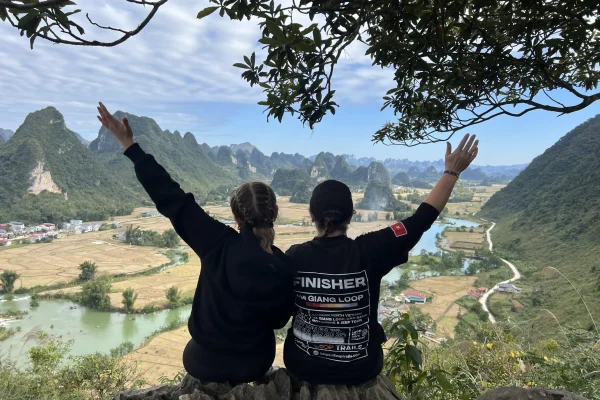
Extended Routes: Some travelers add Cao Bang (Ban Gioc Waterfall, lakes, less touristy) to the circuit, which requires 10-14 days total for a comprehensive northern Vietnam mountain journey.
Booking Philosophy: You don’t need to book every transport leg before leaving Hanoi. Book the first leg (Hanoi-Sapa or Hanoi-Ha Giang), then arrange subsequent connections on the ground where you have current information about schedules and weather.

Learn more: Ha Giang Loop Jeep Tours
This is the absolute minimum for hitting both destinations without completely rushing.
Day 1: Hanoi → Sapa (Night Bus)
Day 2: Sapa Trekking
Day 3: Sapa → Ha Giang
Day 4-5: Ha Giang Loop (2-Day Express)
Reality Check: This itinerary works logistically but feels rushed. You’re spending significant time on buses and not much time actually experiencing either destination. Better as “taste” of both places rather than proper exploration.
Adding two days transforms the experience significantly.
Day 1: Hanoi → Sapa (Night Bus) Same as 5-day route
Day 2-3: Sapa
Day 4: Sapa → Ha Giang
Day 5-7: Ha Giang Loop (3-Day Standard)
Why This Works: You actually have time to experience both destinations properly rather than just checking boxes. The 3-day Ha Giang Loop is the minimum recommended length for appreciating the route.
For travelers with more time who want comprehensive northern Vietnam mountains experience.
Day 1: Hanoi → Sapa
Day 2-3: Sapa Full trekking and cultural experience
Day 4: Sapa → Ha Giang Travel day
Day 5-8: Ha Giang Loop (4-Day) Most comfortable loop pacing with best coverage
Day 9-10: Cao Bang Extension
Alternative: Some travelers reverse this, doing Cao Bang first, then Ha Giang, then Sapa, or other permutations based on timing and interests.
Learn more: Ha Giang Cao Bang 5 Days 4 Nights
Seasonal Considerations:
October-November (Peak Season):
December-February (Winter):
March-May (Spring):
June-September (Wet Season):
Best Overall: October-November for optimal weather, scenery, and road conditions, accepting higher tourist numbers.
What to Bring: Since you’re moving between mountain destinations with different activities (trekking in Sapa, riding in Ha Giang), packing strategy matters.
Recommended Luggage:
Gear Overlap:
Sapa-Specific Items You Won’t Need in Ha Giang:
Ha Giang-Specific Items:
Storage Options: Most hotels in Sapa offer luggage storage if you want to leave items while traveling to Ha Giang and returning. However, if you’re not returning to Sapa, you need everything with you.
Learn more: Ha Giang Loop Motorbike Rental
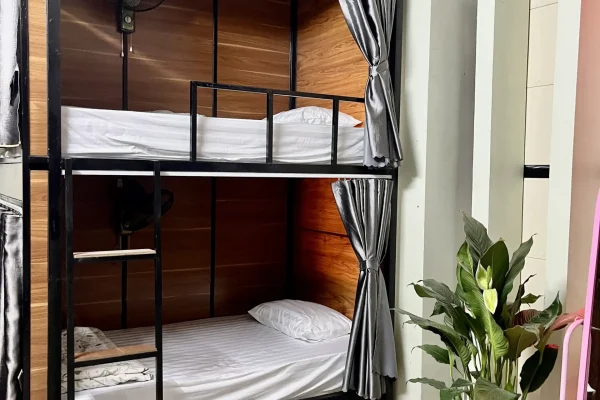
Accommodation Timing: If you’re arriving Ha Giang afternoon/evening and starting your loop next morning, you need one night in Ha Giang city.
Booking Strategy:
Option 1: Book Tour Package Most Ha Giang Loop tour packages include first night in Ha Giang city (at tour operator’s hostel) plus all loop nights. This is most convenient—everything’s coordinated.
Option 2: Independent Booking Book Ha Giang city hostel/hotel yourself, then arrange loop separately. More flexibility but more logistics.
Popular Areas: Most budget accommodations cluster near the central area where tour operators have offices. This makes sense for loop coordination.
Recommendations:
What You Don’t Need: Luxury accommodation in Ha Giang city isn’t necessary—you’re just sleeping there one night. The homestays during the loop are basic, so expensive city hotel is money wasted.
Mistake 1: Not Verifying Bus Schedules Assuming daily direct Sapa-Ha Giang service exists can leave you stranded. Always verify current schedules before committing to travel dates.
Mistake 2: Insufficient Buffer Time Planning arrival in Ha Giang the same evening you start your loop next morning is risky. Buses delay, you arrive tired. Give yourself arrival day afternoon plus night before starting loop.
Mistake 3: Excessive Luggage Bringing full Sapa trekking gear plus Ha Giang riding gear plus general travel items creates unwieldy baggage. Pack light, share items across both destinations.
Mistake 4: Wrong Season Timing Visiting during wet season without accepting rain/road risk leads to disappointment. If you can’t handle weather challenges, stick to dry season.
Mistake 5: No Backup Plan If your travel dates are fixed and direct bus doesn’t run, what’s your alternative? Always have Plan B (bus via Lao Cai, private car, etc.).
Mistake 6: Booking Return Transport Too Early Don’t book Ha Giang-Hanoi buses before you’ve even arrived in Ha Giang. Weather might delay your loop, or you might want to extend. Book return transport once you’re in Ha Giang and know your actual departure timing.

Learn more: Ha Giang Loop 3 Days 2 Nights
Gradual Intensity Increase: Sapa, while mountainous, is more developed with easier trekking and established tourism. Ha Giang is rawer and more challenging (especially if riding). Going Sapa → Ha Giang builds up intensity.
Weather Windows: If you’re visiting during variable weather season, getting Sapa done first means if weather turns bad for Ha Giang, you’ve at least secured your Sapa experience. Ha Giang roads are more affected by rain than Sapa treks.
Logistics: More people start northern Vietnam trips from Hanoi → Sapa simply because Sapa is more famous and on more people’s radar. It’s a natural first stop that then leads to discovering Ha Giang.
Altitude Acclimatization: Sapa sits higher (1,600m) than most of Ha Giang Loop (800-1,600m). If you’re concerned about altitude, acclimatizing in Sapa first theoretically helps, though altitude generally isn’t a major issue in either destination.
Save Best for Last: Many travelers find Ha Giang more impressive than Sapa. If you do Sapa after Ha Giang, it might feel anticlimactic. Doing Ha Giang first means Sapa serves as a more relaxing wind-down after intense riding days.
Physical Progression: The Ha Giang Loop is physically demanding (6-7 hours riding daily). Doing it first when you’re fresh, then following with Sapa’s lighter trekking, prevents burnout.
Reverse Crowds: If you’re visiting peak season, the most popular Ha Giang → Sapa direction might actually make the less common Sapa → Ha Giang route quieter on buses and roads.
Booking Windows: Ha Giang tours often need more advance booking (especially for specific bike types or tour styles). Securing Ha Giang first, then arranging more flexible Sapa activities after, can work better logistically.
Do Sapa First If:
Do Ha Giang First If:
Honestly: Either order works fine. The “right” answer depends on your priorities, physical condition, and what you’re most excited about. Don’t overthink this—both destinations are excellent, and the order won’t make or break your trip.

Learn more: Ha Giang Loop Weather
The journey between Sapa and Ha Giang isn’t just dead time connecting two destinations—it’s part of your northern Vietnam mountain experience. Whether you’re pressed against bus windows watching valleys slide past or navigating mountain roads yourself, you’re crossing terrain most tourists never see.
For most travelers, the direct bus (when available) or bus via Lao Cai offers the best balance of cost, convenience, and reasonable comfort. Private car makes sense for small groups who value flexibility and can split costs. Self-riding works for experienced riders on longer motorcycle journeys who enjoy the riding as much as the destinations.
The Ha Giang Loop typically takes 3-4 days and works as self-drive, Easy Rider, or jeep tour depending on your riding experience and preferences. If you’re arriving from Sapa with limited time, the 3-day version covers the essentials. An extra day makes the experience significantly better, allowing for the 4-day itinerary’s more relaxed pace and additional highlights. Loop Trails runs all tour types with daily departures, and current availability and specific routing can be checked before you arrive or through WhatsApp.
Sapa and Ha Giang together showcase northern Vietnam’s diversity—terraced fields and dramatic passes, established tourism and genuine remoteness, trekking and riding. Getting from one to the other is straightforward once you understand your options. Choose the transport that fits your budget and style, give yourself enough time to actually enjoy both places, and accept that the journey is part of the adventure.
Direct bus takes 7-8 hours. Bus via Lao Cai takes 8-9 hours total including the transfer. Private car takes 6-7 hours. Self-riding takes 7-10 hours depending on stops and route. Plan for a full day of travel regardless of method.
Yes, several operators run direct buses, but service isn’t daily year-round. Departures are most consistent during peak season (September-November, March-April). Cost is around 300,000 VND. Always verify current schedules as availability varies by season and demand. The alternative is two-stage journey via Lao Cai with more frequent departures.
Direct bus: 300,000 VND. Bus via Lao Cai: 250,000-420,000 VND total (50,000-70,000 VND for Sapa-Lao Cai, plus 200,000-350,000 VND for Lao Cai-Ha Giang). Private car: 2,500,000-3,500,000 VND total (splits among passengers). Self-riding fuel: approximately 200,000-300,000 VND.
Yes, if you have appropriate riding experience and license. The route is approximately 270-300 km through mountain roads taking 7-10 hours. Main challenge is logistics—you need to arrange one-way rental or plan to return the bike, both of which add cost and complexity. Road conditions range from good highway to rougher mountain roads. Only recommended for experienced riders.
Either order works well. Sapa first offers gradual intensity progression (easier to harder), while Ha Giang first means ending with Sapa’s more relaxing vibe after intense riding days. Choose based on your priorities—if Ha Giang is your main interest, do it first when you’re fresh. If weather is uncertain, secure your top priority destination first.
Minimum 5 days (1 night Sapa, 1 travel day, 2-day rushed Ha Giang Loop), but this is very rushed. Better: 7-8 days (2 days Sapa, 1 travel day, 3-4 day Ha Giang Loop). Ideal: 9-10 days allowing proper time for both destinations without constant rushing. Add transport days to/from Hanoi to these totals.
Stay in Ha Giang city center near tour operator offices. If you’ve booked a loop tour package, accommodation is typically included at the operator’s hostel. If booking independently, any central budget hostel works—you’re just sleeping one night before starting the loop. Exact accommodation quality doesn’t matter much since loop homestays are basic.
October-November offers optimal weather, best road conditions, and Ha Giang’s buckwheat flower season, but attracts most tourists. March-April provides good weather with fewer crowds. Avoid June-September (wet season) unless you’re comfortable with rain and potential road issues. December-February is very cold but doable with proper clothing.
Sometimes. Platforms like 12Go.asia and Baolau occasionally list this route, but coverage is inconsistent. Most reliable booking is through your Sapa accommodation or directly with bus operators in Sapa town. Online booking 2-4 days in advance helps during peak season, though walk-up purchase often works in low season.
If direct bus is available and fits your schedule, it’s simpler (no transfer to manage). Bus via Lao Cai offers more departure flexibility and sometimes better bus quality on the Lao Cai-Ha Giang leg. The two-stage route is your backup if direct service isn’t running. Cost is similar either way.
Same transport options in reverse, though direct Ha Giang-Sapa buses are even less frequent than Sapa-Ha Giang. Most travelers from Ha Giang go to Hanoi rather than Sapa. If you need Ha Giang-Sapa transport, book via Lao Cai (Ha Giang to Lao Cai, then Lao Cai to Sapa) for most reliable service.
Not essential but recommended during peak season (October-November). You can book online before leaving Sapa, or book in person once you arrive in Ha Giang. However, specific tour types (self-drive, particular motorbike models) may sell out during busy periods. Booking 2-3 days ahead gives you better selection.
Contact information for Loop Trails
Website: Loop Trails Official Website
Email: looptrailshostel@gmail.com
Hotline & WhatSapp:
+84862379288
+84938988593
Social Media:
Facebook: Loop Trails Tours Ha Giang
Instagram: Loop Trails Tours Ha Giang
TikTok: Loop Trails
Office Address: 48 Nguyen Du, Ha Giang 1, Tuyen Quang
Address: 48 Nguyen Du, Ha Giang 1, Tuyen Quang
Facebook X Reddit Table of Contents Learn more: Ha Giang Loop Tours A lot of people arrive in Vietnam knowing they need

Facebook X Reddit Table of Contents Learn more: Ha Giang Loop Tours This is the question that sits in almost every Ha
Facebook X Reddit Table of Contents Learn more: Ha Giang Loop Tours Most people drive past the Quan Ba area twice on