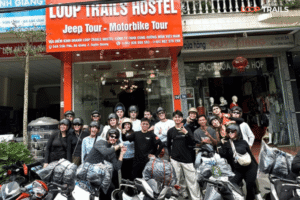


Thúy Kiều is a travel blogger and content contributor for Loop Trails Tours Ha Giang. She holds a bachelor’s degree in Sustainable Tourism from Vietnam National University, Hanoi, and has a strong passion for exploring and promoting responsible travel experiences in Vietnam’s northern highlands.
The Ha Giang Loop has earned its reputation as one of Southeast Asia’s most spectacular motorcycle routes. Winding through Vietnam’s northernmost mountains, past terraced rice fields, limestone karsts, and ethnic minority villages, it’s the kind of ride that shows up in travel highlight reels for good reason.
But here’s what those Instagram posts don’t show: the rider who dropped their bike three times on Ma Pi Leng Pass, the group that got stuck in Dong Van during a three-day rainstorm with unsuitable bikes, or the couple who spent half their trip arguing with their GPS in areas with zero cell service.
Self-driving the Ha Giang Loop is absolutely doable, even for moderately experienced riders. But it requires realistic preparation, not just enthusiasm. This guide covers the 20 essential things you need to know before you twist that throttle, based on what actually matters on the road, not theoretical best practices that sound good but fall apart at the first hairpin turn.
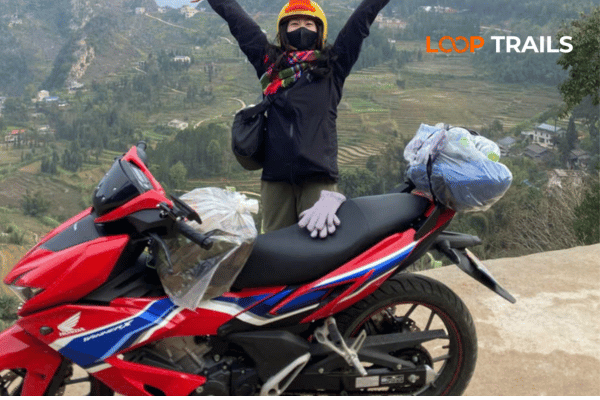
Learn more: Ha Giang Loop Tours

Learn more: Ha Giang Loop Self-Drive
Self-driving gives you control over your pace. Want to spend an extra hour watching the sunrise over the Dong Van plateau? No problem. See a hidden waterfall and want to explore? Your call. That spontaneity is what makes self-drive appealing.
The tradeoff is responsibility. You’re handling navigation, bike maintenance, accommodation booking, and riding safely on unfamiliar mountain roads, all while trying to enjoy the scenery. For some people, that’s the adventure. For others, it’s stress that ruins the experience.
Self-drive works if you:
Consider an Easy Rider or Jeep tour if you:
There’s no shame in choosing a guided option. Plenty of experienced riders opt for Easy Rider tours to focus on enjoying the landscape rather than watching for potholes.
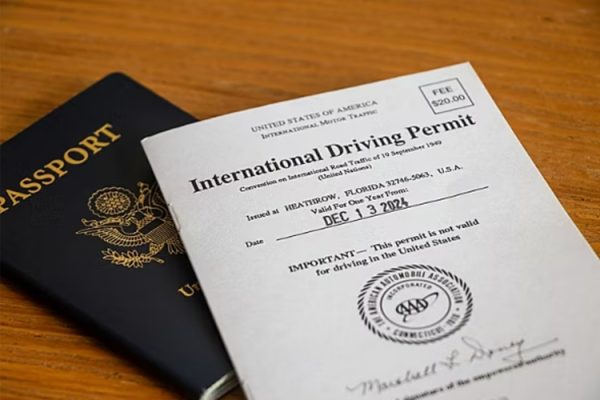
Learn more: IDP guide 2026
Vietnamese traffic law requires foreigners to hold either a Vietnamese motorcycle license or a valid license from their home country along with an International Driving Permit (IDP). The enforcement reality is complicated.
Many rental shops in Ha Giang will rent to you without checking documents. However, if you’re involved in an accident or stopped at a police checkpoint without proper licensing, you’re technically riding illegally. This can void travel insurance and create serious liability issues.
An IDP is essentially a translation of your home country license, not a standalone permit. You need both your original license and the IDP. Get the IDP before leaving your home country, as they’re not available in Vietnam.
Here’s the catch: some insurance policies specifically exclude coverage for unlicensed riders, even in countries where enforcement is lax. Check your policy before assuming you’re covered.
If you don’t have a motorcycle license at all, self-driving Ha Giang puts you and others at unnecessary risk. The Easy Rider option exists for exactly this situation.
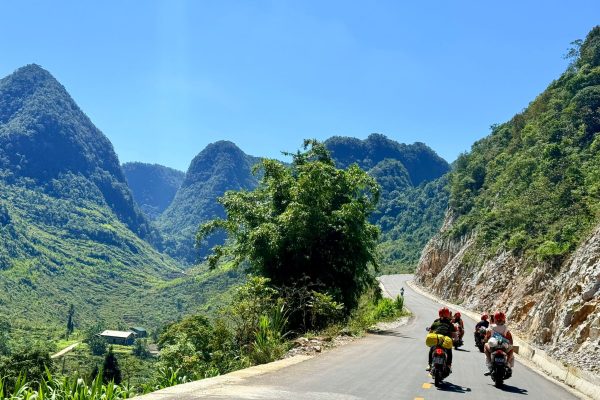
Learn more: Ma Pi Leng Pass
Most rental bikes in Ha Giang are semi-automatic (clutchless manual transmission). The Honda XR150L and similar models dominate because they balance power, reliability, and ease of use.
Semi-automatic bikes:
Manual bikes:
Scooters (full automatic):

Learn more: Ha Giang Motorbike Rental
The Honda XR150L (and similar bikes like the Yamaha Exciter or Winner) hit the sweet spot for the Loop:
If you’re renting, inspect the bike before leaving Ha Giang city. Check tire tread, brake response, and make sure all lights work. Test ride around the block.
Do these checks every morning before you start riding:
Even well-maintained bikes can have issues on long rides through mountains:
Flat tires: Most common problem. Rental bikes should come with a repair kit. If you can’t fix it yourself, flag down locals—small roadside shops can patch tires quickly.
Chain slipping: Usually happens when it’s too loose or dirty. Mechanics in every town can adjust or lubricate it.
Brake fade: On long descents, brakes can overheat. Shift to a lower gear for engine braking rather than riding the brakes constantly.
Electrical issues: Usually loose connections from vibration. Wiggle cables and connectors if something stops working.
You don’t need to be a mechanic, but knowing when to stop and find help versus when to keep going saves time and stress.
Dry season (October to April):
Rainy season (May to September):
The sweet spot is October-November or March-April: good weather without peak crowds.
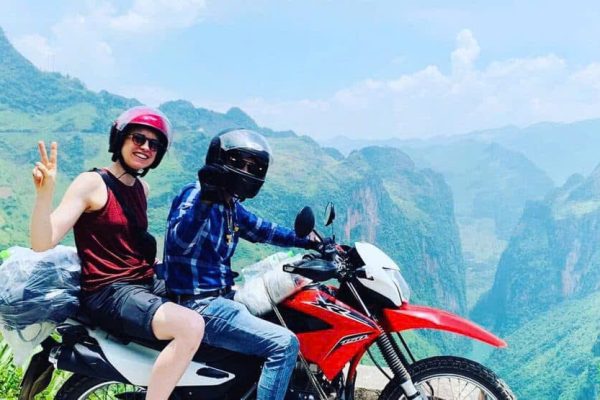
Ma Pi Leng Pass: The famous one everyone photographs. About 20km of winding road with steep drops and no guardrails in sections. Not as technically difficult as its reputation suggests, but one mistake here has serious consequences. Ride in the middle of the road when safe, watch for oncoming buses, and don’t fixate on the canyon edge.
Bac Sum Pass (Heaven Gate): The first major climb out of Ha Giang city. Good introduction to mountain riding but still requires focus. Expect tour buses and other motorcycles.
Tham Ma Pass: Nine hairpin turns with tight corners. Second gear, steady speed, don’t panic if you feel the bike lean more than you’re used to.
Khau Coc Cha Pass (on Cao Bang extension): Fifteen switchbacks descending into Xuan Truong valley. If you’re doing the Ha Giang-Cao Bang combined route, this one demands concentration.
On any pass: lower gears, controlled speed, look where you want to go (not at obstacles), and ride your own ride. If someone wants to pass, let them.
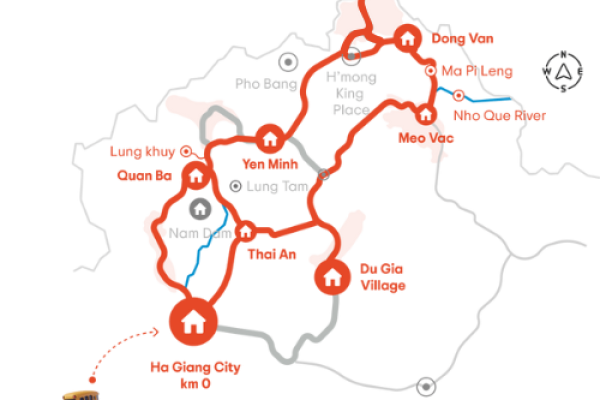
Learn more: Ha Giang Loop 4 Days 3 Nights Itinerary
2 Days Loop:
3 Days Loop:
4 Days Loop:
5 Days Ha Giang-Cao Bang:
Comfortable daily distances on the Loop:
Remember: mountain kilometers take longer than flat highway riding. What looks like 100km on the map might take 4-5 hours with breaks and photo stops.
Plan your overnight stops in advance: Yen Minh, Dong Van, Meo Vac, and Du Gia are the main hub towns with accommodation options.
Learn more: Ha Giang Jeep Tours comlete guide
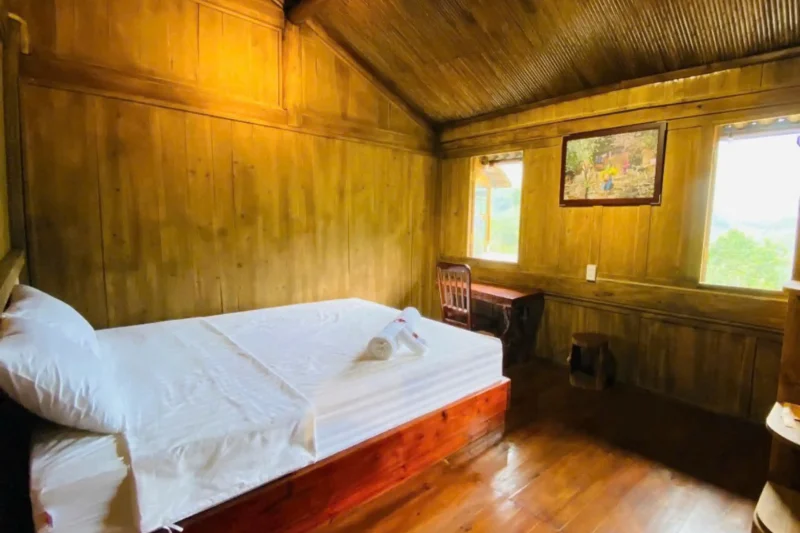
Most riders book at least the first night in advance (Yen Minh or Dong Van), then play the rest by ear. This works during low season but can backfire during peak months (October-November, March-April) or Vietnamese holidays.
Options in order of availability:
Pro move: Join Ha Giang Facebook groups or WhatsApp communities. Other riders share real-time updates on accommodation availability and recommendations.
If you’re doing the standard 3-day route, the typical overnight stops are:
Some riders prefer staying in Dong Van both nights and doing day trips, which reduces the need to pack/unpack but adds riding distance.
Must have:
Nice to have:
Pack everything in a 30-40L backpack or secure it to the bike with bungee cords. Top-heavy bikes handle poorly, so keep weight low and centered.
Gas stations exist in all major towns (Ha Giang city, Yen Minh, Dong Van, Meo Vac), but they can be 60-80km apart in remote sections.
Fill up completely in these locations:
Between towns, you’ll see small roadside shops selling fuel in bottles or hand-pump setups. It works in a pinch but isn’t always available when you need it. Better to top off at proper stations.
XR150s get roughly 30-35km per liter. With a 12-liter tank, that’s about 350km range, more than enough for any single-day section if you plan properly.
Google Maps:
Maps.me:
Best strategy: Download offline maps for both before leaving Ha Giang city. Use Google Maps as primary, Maps.me as backup.
Cell signal is spotty, especially between towns. Download your route ahead of time.
Mark these waypoints:
Most riders also take screenshots of their route as insurance against navigation app crashes.
Follow other motorcyclists if you’re uncertain. Most people are doing the standard loop, so if you see a cluster heading in one direction, they probably know the way. Just don’t blindly follow anyone onto sketchy-looking side roads.
Learn more: Ha Giang Cao Bang by Jeep and Motorbike
Most crashes on the Ha Giang Loop happen because of:
Posted speed limits on the Loop are often 40km/h on mountain sections, 60km/h on straights. Locals and tour guides regularly exceed these. That doesn’t mean you should.
If you’re uncomfortable with your speed, slow down. Other riders can pass. Better to arrive late than not at all.
Use engine braking on descents instead of constantly squeezing the brakes. Downshift to second or third gear and let the engine slow you down, tapping the brakes only as needed.
Mountain weather changes fast. You can start the day in sunshine and ride into fog, rain, or even light snow at high passes during winter months.
Layer your clothing:
Mornings in Dong Van or Meo Vac can be near freezing in winter (December-February), even if afternoons warm up. Pack accordingly.
If you hit rain, slow down significantly. Wet roads are slippery, visibility drops, and braking distances increase. Pull over if it’s too heavy to ride safely. Most mountain rain showers pass quickly.
There are occasional police checkpoints on the Loop, typically checking for proper licensing and registration.
What they check:
What usually happens if you don’t have proper documents:
Enforcement is inconsistent. Some riders go through without any stops. Others get checked multiple times. Having your documents ready and being polite goes a long way.
Don’t offer bribes outright, but if an officer suggests a “settlement fee,” it’s usually faster to pay (typically 200,000-500,000 VND) than argue. Keep small bills separate for this purpose.
Rental costs for self-drive bikes range from 120,000-200,000 VND per day depending on bike condition and rental shop. But that’s just the starting point.
Realistic 3-day budget (per person):
This doesn’t include:
Bring cash. ATMs exist in Ha Giang city, Dong Van, and Meo Vac, but not everywhere accepts cards, especially small roadside restaurants and homestays.

Learn more: Ha Giang Loop with Kids
Morning: Start with a proper breakfast. Most homestays include basic meals (pho, rice, eggs). Fuel up before long riding days.
Lunch: Timing matters. Aim to stop in towns around midday (Yen Minh, Dong Van, Meo Vac) where you’ll find restaurants. Roadside stops between towns are hit-or-miss.
Dinner: Usually provided at homestays as part of the overnight package, often family-style with local dishes.
Hydration: Carry water on the bike. Dehydration at altitude sneaks up on you. Avoid drinking straight from mountain streams unless locals confirm it’s safe.
Stomach issues derail trips fast. Stick to cooked food, avoid sketchy-looking meat dishes if your gut instinct says no, and bring anti-diarrheal medication just in case.
Vietnamese coffee is strong. Don’t overdo it before a long riding day unless you’re comfortable needing bathroom breaks in places without bathrooms.
When (not if) something goes wrong with the bike:
Step 1: Pull over safely. Don’t try to fix things on the road with traffic passing.
Step 2: Assess the problem. Flat tire? Chain issue? Something broken?
Step 3:
Step 4: Mechanics exist in every town. Small fixes (tighten chain, patch tire) cost 20,000-50,000 VND. Larger issues might require returning the bike and getting a replacement.
Don’t panic. Breakdowns are common enough that systems exist to handle them. The Loop is well-traveled, so you’re rarely truly stuck.
Ha Giang is relatively scam-free compared to some tourist areas, but watch for:
Fake breakdowns: Some rental shops send bikes with minor issues, then charge you for “damage” upon return. Photograph the bike’s condition before leaving, including existing scratches or dents.
Fuel price markup: Roadside fuel sellers sometimes charge tourist prices. A liter should be around 25,000-30,000 VND. If someone quotes 50,000 VND, politely decline and wait for the next town.
Accommodation bait-and-switch: Booking a room online only to arrive and find it’s “full” but they have a more expensive room available. Book with reputable places or have backup options.
Photo fees: Some ethnic minority locals in touristy spots expect payment for photos. It’s not a scam per se, but ask first and agree on a price to avoid awkward confrontations.
None of these are aggressive scams. Stay alert, be polite, and don’t hand over money unless you’re comfortable with the exchange.
You’re riding through the home territory of H’Mong, Tay, Dao, and Lo Lo ethnic minorities. These communities have lived here for generations and deserve respect beyond treating them as photo subjects.
Do:
Don’t:
Many homestays are run by ethnic minority families. Engage with them if they’re open to conversation. You’ll learn more about the region than any guidebook can teach.
The Loop is absurdly photogenic. You could spend the entire trip taking pictures and never reach your destination.
Smart approach:
Best photo opportunities:
Golden hour (early morning and late afternoon) provides the best light. Midday sun washes out mountain scenery.
Stop in safe spots with pullouts or wide shoulders. Don’t park mid-road on blind corners, no matter how good the view looks.
Save these before leaving cell service:
Travel insurance: Check if your policy covers motorcycle accidents. Many standard policies exclude motorcycles over 125cc or riding without proper licensing. If you’re not covered, you’re personally liable for all medical costs and damages.
Hospitals in Ha Giang city can handle minor injuries. Serious accidents may require evacuation to Hanoi. Factor this into your risk assessment.
Carry photocopies of your passport, visa, and license. Leave originals locked at your accommodation when riding.
Things go sideways sometimes. Your backup plan might be:
Weather delays: Build an extra day into your schedule if possible. Getting stuck because of road closures is inconvenient but not rare during rainy season.
Injury or illness: Know how you’d get back to Ha Giang city if you couldn’t ride. Local buses run between towns, or you can hire a car/truck to transport you and the bike.
Bike totaled: Rental shops sometimes have limited backup bikes. Discuss this scenario beforehand so you know what happens if your bike is undriveable.
Travel partner conflict: If you’re riding with someone and you’re not compatible (different speeds, risk tolerance, interests), have an agreement that splitting up is okay.
The riders who enjoy the Loop most are the ones who stay flexible. The “perfect” plan exists only in theory. Real trips involve rain, wrong turns, and unexpected detours. That’s part of the experience.
Learn more: Ha Giang Loop Jeep Tours 2026
Still unsure which option fits your trip? Here’s the honest breakdown.
What you gain: Freedom, lower cost, bragging rights, sense of accomplishment.
What you sacrifice: Local knowledge, safety net of a guide, stress-free navigation.
Realistic price: 3,590,000-4,690,000 VND per person for 3-4 day self-drive Loop, including bike rental, fuel, food, accommodation. More budget-friendly for groups sharing costs.
If you’re still reading this far into a self-drive tips guide, you’re probably a good candidate for self-drive.
What you gain: Expert navigation, mechanical support, cultural translation, safer riding (guide watches out for you), built-in photographer.
What you sacrifice: Full independence, slightly higher cost.
Realistic price: 3,490,000-5,490,000 VND per person for 2-4 day Easy Rider tours with Loop Trails, including guide, bike, accommodation, meals.
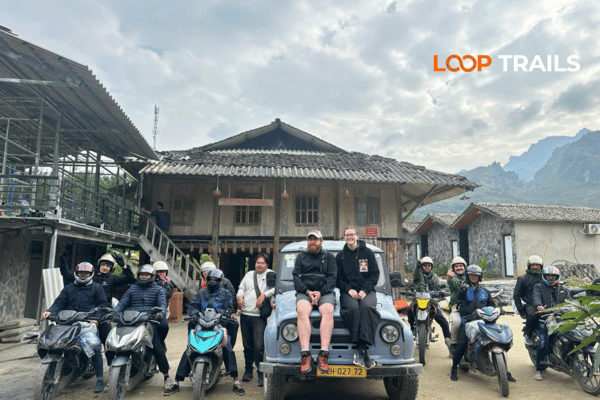
Easy Riders aren’t just drivers—they’re locals who know every corner, speak the ethnic languages, and can get you into experiences self-drivers miss. No shame in admitting this might be the better experience for you.
What you gain: Comfort, weather protection, less physical demand, ability to relax and enjoy views.
What you sacrifice: Open-air experience, flexibility to stop anywhere, sense of adventure.
Realistic price: Ha Giang Loop Jeep tours with Loop Trails start at 8,990,000 VND for 1 passenger (3-day/2-night), 16,990,000 VND for 2 passengers. Price includes jeep, driver, dorm accommodation, all activities. Private room upgrades and bus tickets additional.
Jeeps handle the Loop’s roads easily and provide a completely different experience. You’re still doing the route, just from inside a vehicle with better suspension.
Bottom line: All three options work. Choose based on your actual skill level and what you want from the trip, not what sounds coolest on paper.

Learn more: Ha Giang Loop Weather
If you’ve made it this far, you’re either seriously planning a self-drive trip or procrastinating something else. Assuming it’s the former, here’s the real answer:
Self-driving the Ha Giang Loop is absolutely worth it—if you’re honest about your riding ability and prepare properly. The combination of technical riding, stunning landscapes, and cultural immersion creates an experience that sticks with you.
But it’s not for everyone. There’s no requirement to ride it yourself to “earn” the experience. Choosing an Easy Rider or Jeep tour because it fits your skill level and comfort is smart, not weak.
What matters is that you actually do the Loop, in whatever format works for you. The mountains don’t care whether you’re on a bike or in a Jeep—they’re spectacular regardless.
Ready to go? Check current road conditions, book your bike or tour, pack your gear, and ride within your limits. The Loop will challenge you, impress you, and probably surprise you.
Still unsure? Browse Loop Trails’ tour options. Whether you choose self-drive rental, an Easy Rider guide, or a Jeep tour, the route stays incredible. Pick what lets you enjoy it most.
Safe travels. The mountains are waiting.
Legally, yes. Vietnam requires either a Vietnamese motorcycle license or your home country license with an International Driving Permit. Enforcement is inconsistent, but riding without proper documentation can void your travel insurance and create serious liability if you’re in an accident. Many rental shops don’t check, but the legal requirement exists.
October through April offers the best riding conditions, with October-November being peak season for clear weather and post-harvest scenery. March-April provides good conditions with fewer tourists. Avoid May-September (rainy season) unless you’re comfortable with wet roads, potential landslides, and reduced visibility.
It’s challenging but doable for riders with moderate experience. If you’ve logged 50+ hours on a motorcycle and can handle hills and tight turns, you can manage the Loop with preparation. Complete beginners should strongly consider an Easy Rider tour for safety. The roads are technical, especially Ma Pi Leng Pass, and mistakes have consequences.
Budget 1,900,000-2,700,000 VND per person for a 3-day loop, including bike rental (450,000-600,000 VND), fuel (150,000-200,000 VND), accommodation (300,000-600,000 VND), food (400,000-600,000 VND), and entrance fees. This doesn’t include bus tickets to/from Hanoi or emergency funds. Groups sharing costs can reduce per-person expenses.
Not recommended. Automatic scooters lack the power for steep climbs, handle poorly on rough roads, and struggle with the distances involved. Most rental shops won’t offer scooters for the Loop. Semi-automatic bikes (Honda XR150L or similar) are the standard for good reason—they balance power, reliability, and ease of use.
Essential items: helmet, riding jacket, long pants, gloves, closed-toe shoes, sunglasses, sunscreen, rain gear, first aid kit, phone mount, power bank, and navigation downloaded offline. Pack light (30-40L backpack max) since you’re carrying everything on the motorcycle. Layer clothing for temperature changes at altitude.
It’s as safe as you make it. Risks include unfamiliar mountain roads, variable weather, traffic from buses and trucks, and mechanical issues. Riders who prepare properly, ride within their limits, and respect road conditions generally complete the Loop without incidents. Most accidents happen due to excessive speed or riding beyond skill level. Having proper licensing and insurance is crucial.
Most riders choose 3 days (2 nights), which balances covering highlights with comfortable daily distances (100-120km). The 2-day loop is rushed with long riding hours. The 4-day option allows more exploration and photography. Your choice depends on available time and desired pace. Add a 5th day if combining with Cao Bang and Ban Gioc Waterfall.
Booking the first night (Yen Minh or Dong Van) is smart, especially during peak season (October-November). Other nights can usually be arranged on arrival during low season, but peak months and Vietnamese holidays may require advance booking. Having flexibility helps if weather or plans change.
Pull over safely, assess the issue, and call your rental shop. Mechanics exist in every major town and can handle common problems (flat tires, chain adjustments) cheaply (20,000-50,000 VND for minor repairs). Most rental shops provide support numbers for breakdowns. Serious issues may require a replacement bike. This is common enough that systems exist to handle it.
Yes, many riders complete the Loop solo. Benefits include complete flexibility in pace and stops. Drawbacks include no backup if something goes wrong and less social interaction. Solo riders often connect with others on the route naturally. If concerned about solo travel, joining a group tour or Easy Rider option provides company while still experiencing the Loop.
The standard Ha Giang Loop (2-4 days) covers Ha Giang province highlights: Ma Pi Leng Pass, Dong Van, Meo Vac, Lung Cu. The Ha Giang-Cao Bang route (5 days) extends into Cao Bang province to include Ban Gioc Waterfall, Nguom Ngao Cave, and additional mountain passes. The combined route requires more riding experience and time but offers greater variety.
Contact information for Loop Trails
Website: Loop Trails Official Website
Email: looptrailshostel@gmail.com
Hotline & WhatSapp:
+84862379288
+84938988593
Social Media:
Facebook: Loop Trails Tours Ha Giang
Instagram: Loop Trails Tours Ha Giang
TikTok: Loop Trails
Office Address: 48 Nguyen Du, Ha Giang 1, Tuyen Quang
Address: 48 Nguyen Du, Ha Giang 1, Tuyen Quang
Facebook X Reddit Table of Contents Learn more: Ha Giang Loop Tours This is the question that sits in almost every Ha

Facebook X Reddit Table of Contents Learn more: Ha Giang Loop Tours Most people drive past the Quan Ba area twice on