

Ha Giang Easy Rider Tour: A Full Day, Hour by Hour
Facebook X Reddit Table of Contents Learn more: Ha Giang Loop Tours You have probably read the lists. “Ma Pi Leng Pass:

Thúy Kiều is a travel blogger and content contributor for Loop Trails Tours Ha Giang. She holds a bachelor’s degree in Sustainable Tourism from Vietnam National University, Hanoi, and has a strong passion for exploring and promoting responsible travel experiences in Vietnam’s northern highlands.
You’ve booked your flights to Vietnam. You’ve read about the incredible Ha Giang Loop. You’re ready for the adventure of a lifetime on mountain roads that’ll make your Instagram followers jealous.
Then you return your rental bike and suddenly owe 5 million VND for damage you didn’t cause.
Ha Giang motorbike rental scams are real, common, and specifically designed to target foreign tourists who don’t know the local language, customs, or what’s reasonable. I’ve watched it happen countless times—travelers who budgeted $200 for a 3-day Loop suddenly facing unexpected bills of $300-500.
The good news? These scams follow predictable patterns. Once you know what to watch for, they’re easy to avoid.
This guide breaks down every common rental scam in Ha Giang, shows you exactly how they work, and gives you a step-by-step plan to protect yourself. You’ll learn which red flags matter, which rental practices are normal, and when to walk away from a deal that seems too good to be true.
Let’s make sure your Ha Giang Loop memories are about stunning scenery—not rental shop disputes.

Learn more: Ha Giang Loop tours
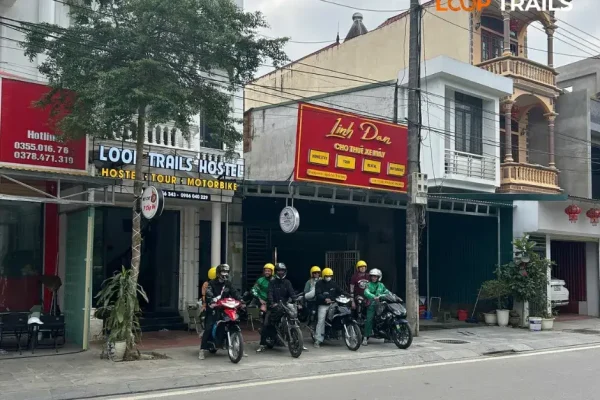
Learn more: Ha Giang Cao Bang by Jeep and motorbike
Before we dive into specific scams, you need to understand how the Ha Giang rental market works.
Ha Giang became a tourist destination fast. Ten years ago, hardly any foreign travelers came here. Now, thousands arrive monthly during peak season. The rental industry grew quickly to meet demand—and not all of it grew honestly.
Several factors make Ha Giang a scam-prone environment:
Language barriers: Most tourists don’t speak Vietnamese. Most small rental shop owners don’t speak much English. This creates opportunities for “misunderstandings” that mysteriously always benefit the shop.
No clear industry standards: There’s no official rental association, no standard contracts, no consumer protection agency tourists can realistically access. Shops make up their own rules.
Transient customer base: You’re leaving Ha Giang in 2-4 days, probably leaving Vietnam in a few weeks. Scam shops know you’re unlikely to come back and dispute charges or leave bad reviews that stick.
Cash-based system: Most transactions are cash. No paper trail, no credit card disputes, no recourse.
Tourists don’t know what’s normal: If you’ve never rented a bike in Vietnam, you don’t know if a 5 million VND deposit is standard or excessive. You don’t know if charging 800,000 VND for a scratched mirror is reasonable or a rip-off.
Competition has intensified: More shops competing for customers means some cut corners on bike maintenance and make up the difference by inventing damage charges.
Not all rental shops are scams. Understanding the landscape helps you choose wisely.
Type 1: Legitimate tour companies with rental services
These are established businesses running multi-day Loop tours that also rent bikes independently. They have:
Risk level: Low. They might charge premium prices, but scams are rare.
Type 2: Small family-run shops
Local Vietnamese families who own 5-15 bikes, often operating from their house or small storefront. They:
Risk level: Medium. Usually honest but communication issues and unclear damage policies can cause problems.
Type 3: Budget rental-only shops
Shops that only do rentals (no tours), competing primarily on price. They:
Risk level: Medium to High. Not all are scams, but this category includes most problem shops.
Type 4: Street corner “entrepreneurs”
Guys with 2-3 bikes offering deals in the street or at hostels. They:
Risk level: High. Avoid unless you personally know and trust the person.

Learn more: Ha Giang Motorbike Rental
Let me walk you through the playbook. These are the actual scams you’re likely to encounter.
How it works:
You pick up a bike that already has scratches, dents, or damage. The shop doesn’t carefully document existing damage (or documents it poorly). You ride the Loop, return the bike in the same condition you got it, and suddenly they “discover” damage that was already there. They claim you did it and charge your deposit.
Real example:
British tourist Tom rented a semi-automatic. Quick walkthrough, few photos. When he returned it after 3 days, the shop owner pointed to a dented tank panel and said “you damaged this, 2 million VND.” Tom insisted it was already there. Shop pulled out their initial photos—angle didn’t show that side of the tank clearly. Shop said “you pay or no deposit back.” Tom paid because he had a flight to catch.
Why it works:
Cost to victim: 500,000 to 5,000,000 VND typically
How it works:
You return the bike in perfect condition. Shop finds excuses to keep part or all of your deposit: “bike smells like smoke,” “small scratch here,” “chain needs tightening” (normal maintenance they claim is your fault), “we found this crack” (existed before), “paperwork processing fee,” etc.
Real example:
French couple rented two bikes, 5 million VND deposit total. Returned them clean and undamaged. Shop claimed one bike’s clutch felt “loose” (it didn’t) and they needed 1.5 million VND to fix it. Couple argued for 30 minutes. Shop eventually “compromised” at 800,000 VND. Couple paid to end the headache.
Why it works:
Cost to victim: 300,000 to 2,000,000 VND typically (partial deposit withheld)
How it works:
You book a nice bike online or in person (photos show a new Honda XR150 or similar). You arrive to pick it up and they give you a different bike—older model, more wear, different brand. When you object, they say “similar bike, same price” or “that bike was rented already, this one same quality.”
It’s not the same quality. The replacement bike breaks down more easily, which leads to either repair costs you pay or gives them excuse to claim damage.
Real example:
German tourist booked “Honda XR150 or similar” based on website photos. Showed up to get a beat-up 10-year-old Honda Win with bald tires. Shop said “same semi-automatic, no problem.” He took it because he’d already paid deposit and didn’t know where else to rent. Bike died on day 2 near Yen Minh. Cost him a day waiting for replacement and later they tried to charge for “misuse.”
Why it works:
Cost to victim: Varies (indirect costs from breakdowns, potential damage charges)
How it works:
Shop offers “insurance” or “damage waiver” for extra 100,000-200,000 VND per day. Sounds good—if you damage the bike, you’re covered, right? Wrong. The “insurance” has so many exclusions it’s basically useless, or the shop ignores it when you try to claim. Meanwhile, they’ve made extra money from you.
Real example:
Australian solo traveler paid 150,000 VND/day for “full damage insurance.” Dropped the bike on gravel on day 2, broke the mirror and scratched fairings. Returned to shop expecting insurance to cover it. Shop said “insurance doesn’t cover driver error” and charged him 1.2 million VND anyway. The “insurance” only covered theft and total loss (extremely rare scenarios).
Why it works:
Cost to victim: 300,000 to 600,000 VND wasted, plus damage charges still apply
How it works:
You actually do cause minor damage (dropped bike, broken mirror, scratched panel). The repair cost should be 200,000-500,000 VND. Shop claims it’s 2-3 million VND. They might show you a “receipt” for parts or labor that’s fake or from a friend’s shop that overcharges.
Real example:
Canadian couple dropped a bike at slow speed. Mirror broken, small dent in tank. Shop said 3.2 million VND to fix. Couple knew this was high but didn’t know how to argue. Paid 2.5 million after negotiating. Actual repair cost if done at normal mechanic: 600,000 VND maximum.
Why it works:
Cost to victim: Typically 2-3x actual repair cost
Real repair costs in Ha Giang for reference:
How it works:
Shop installs GPS tracker on bike (common for theft prevention—actually useful). But they use it to monitor your route. If you deviate from “approved” Loop route, take certain roads they don’t like, or ride late at night, they claim you “misused” the bike and charge penalties.
Real example:
Dutch group wanted to explore a side road near Lung Cu not on typical Loop route. Shop called them (somehow got their number from passport) and said “you going wrong way, come back or we charge damage to deposit.” Group was confused and scared, came back to main route. Later shop tried to keep 500,000 VND for “unauthorized route use.” Group refused and got most of deposit back but it was stressful.
Why it works:
Cost to victim: 500,000 to 2,000,000 VND in invented penalties
Note: GPS trackers themselves aren’t scams—they prevent theft. But using them to dictate your exact route and charge penalties IS a scam.
How it works:
Shop gives you bike with half-empty tank. You assume that’s normal. Contract says “return with same fuel level you received.” At return, shop claims you brought it back with less fuel than you got it, charges inflated fuel costs. Hard to dispute because you didn’t carefully note initial fuel level.
Variation: Shop drains some fuel from your bike overnight or while you’re at homestays (if they’re in contact with homestay owners), then claims you used excessive fuel and must pay.
Real example:
Irish travelers got bikes with 3/4 tank (eyeballing it). Returned them nearly full. Shop said “you received full tank, brought back 3/4 tank, pay for fuel.” Showed them a photo of bike at pickup that wasn’t clear. Charged 200,000 VND. Not huge but irritating and dishonest.
Why it works:
Cost to victim: 100,000 to 300,000 VND
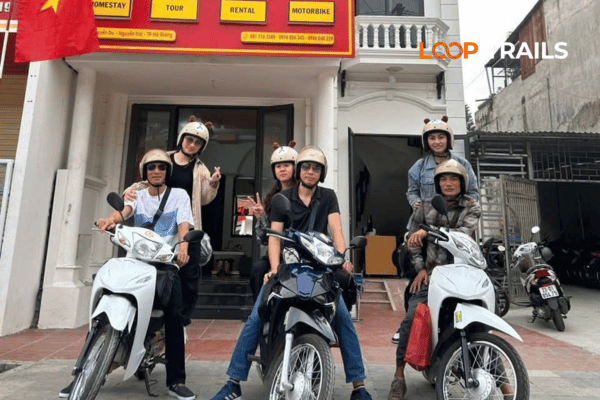
Learn more: Ha Giang Loop Easy Rider
Prevention is easier than fighting scams after the fact. Here’s how to identify shops you should avoid.
Red flag: Price significantly below market
If most shops charge 150,000-200,000 VND per day and someone offers 100,000 VND, ask why. Suspiciously low prices usually mean:
Red flag: No online presence or only negative reviews
No website, no Facebook page, no Google reviews, or reviews mention scams/problems consistently. Legitimate shops want online visibility. Scam shops avoid it.
Red flag: Pushy touts or street recruiters
Guy approaches you at bus station: “I have best bikes, cheapest price, come now!” Legitimate businesses don’t need aggressive street recruitment.
Red flag: Unclear or no deposit policy
Can’t get straight answer about deposit amount, how it’s held, when you get it back, or what damages cost. Vagueness = they decide arbitrarily.
Red flag: Can’t visit shop location before booking
“Just pay now, pick up bike tomorrow at this address.” Nope. Always see the physical location and bikes first.
Red flag: Shop rushes the inspection
“Yes yes, bike good, here key, go go go.” No thorough inspection = they’re setting up phantom damage charges later.
Red flag: Poor bike condition not acknowledged
Bike has visible damage/wear but shop says “bike perfect condition” or doesn’t document existing issues. They’ll claim you caused it all.
Red flag: No photos or minimal documentation
Shop takes 1-2 quick photos or doesn’t photograph existing damage. You need detailed documentation.
Red flag: Bike mechanics look wrong
Red flag: VIN number missing or doesn’t match paperwork
Could be stolen bike or paperwork doesn’t match actual bike (legal problems if police stop you).
Red flag: No written contract or only in Vietnamese
Everything verbal = they can claim anything later. Contract only in Vietnamese = you can’t verify what you’re agreeing to.
Red flag: Vague damage language
“Customer pays for all damages” with no specifics about how damage is assessed or what costs are. Opens door to arbitrary charges.
Red flag: Shop holds your passport
Some shops demand passport as deposit. This is NOT standard practice and creates huge leverage imbalance. Refuse this.
Red flag: Prepayment with no cancellation policy
They want full payment immediately with no refund if bike isn’t as described or you cancel. Legitimate businesses allow deposits with reasonable terms.
Red flag: Contract includes unusual restrictions
“Cannot ride after 8pm,” “cannot go to certain areas,” “cannot stop for more than 30 minutes,” etc. Unreasonable control suggests GPS monitoring scam.

Learn more: Ha Giang Loop Self-Driver
Let me share some real cases (names changed but stories are real).
Jake and Emma from Australia rented two semi-automatic bikes from a budget shop in Ha Giang city. Shop seemed okay—decent bikes, they took some photos, paid 4 million VND deposit.
Three-day Loop went smoothly. They returned bikes on time, both in good condition. Shop owner inspected and said “follow me to office.”
In the office, owner pulled out a different set of photos than the ones taken at pickup. These showed bikes in pristine condition—clearly not the same bikes or taken years ago. Owner pointed to various scratches and claimed Jake and Emma caused 3.2 million VND in damage.
They argued for two hours. Owner wouldn’t budge. They were exhausted, had bus tickets to Hanoi that evening, didn’t know who to call for help. Eventually “negotiated” to 2 million VND to get 2 million back from their deposit.
Later they researched and found those exact scratches cost maybe 500,000 VND to repair. They’d been scammed for 1.5 million VND (~$60 USD).
Lesson: Document bikes thoroughly with YOUR OWN photos and videos, including timestamps.
Marcus from Germany rented a Honda Win for 120,000 VND/day (suspiciously cheap). Deposit was 3 million VND. He took decent photos at pickup.
Day 2, the bike chain broke near Quan Ba. Marcus called the shop. They said “you ride wrong, you pay for new chain, 800,000 VND.” Marcus argued chains break from wear, not rider error. Shop said “you fix yourself or we keep deposit.”
Marcus had no choice—he was stuck on the road. Found local mechanic who fixed it for 200,000 VND. Kept receipt.
At return, Marcus showed receipt and explained. Shop said “doesn’t matter, you deviated from agreement, we keep 1 million VND from deposit for unauthorized repair.”
Marcus threatened to report them. Shop laughed—”to who?” He got back 2 million of his 3 million deposit and left angry.
Lesson: Know what support is included. Get breakdown policy in writing. Record everything.
Five friends from UK rented from a shop with mixed online reviews. One friend was skeptical and insisted on extreme documentation:
Bikes were fine. Loop was great. At return, shop tried claiming one bike had new scratches on the tank. Friend immediately pulled up video timestamp showing those exact scratches at pickup. Shop backed down instantly, returned full deposit.
Lesson: Thorough documentation prevents scams completely. Shops won’t try if they know you have evidence.

Learn more: Cao Bang Loop Tours Vietnam best kept secret
Here’s your complete protection plan.
1. Research rental shops online
Check Google reviews, Facebook, travel forums (Reddit, Lonely Planet Thorn Tree). Look for consistent patterns—multiple complaints about same issue = red flag.
2. Join Ha Giang Facebook groups
Ask recent travelers for recommendations. People freely share good and bad experiences.
3. Consider booking an organized tour instead
Tours include bike rental with transparent policies and support. Removes most scam risk. Sometimes only 800,000 VND more than independent rental over 3 days.
4. Budget for potential scam costs
Hope for the best, prepare for worst. Have extra 2-3 million VND accessible if you need to pay disputed charges and fight later.
5. Save important contacts
1. Visit the physical location
See the actual bikes. Meet the staff. Check the facility. Professional setup = lower scam risk.
2. Ask all questions upfront
3. Read the contract carefully (get English version)
If contract is only Vietnamese, use Google Translate app to photograph and translate. Better yet, ask for English version or go elsewhere.
4. Clarify what’s included
5. Get everything in writing
“Yes yes, insurance included” verbal promise = worthless. Written contract = enforceable (in theory).
This is the most important step. Take your time.
1. Full inspection (don’t let them rush you)
Check:
2. Document EVERYTHING
Take photos and video:
3. Create written damage list
Write down existing damage and have shop sign it: “Scratches on left panel, small dent on fuel tank right side, mirror slightly cracked, worn brake lever…”
4. Set fuel level expectation
Note exact fuel level. Better yet, ask shop to fill tank fully and you’ll return it full (easy to verify).
5. Test ride
Go around the block. Make sure bike feels right. Brakes work. No weird sounds. Can you reach the ground? Comfortable?
6. Get shop contact info
Phone number, WhatsApp, exact address. You might need to contact them from the road.
7. Confirm return procedure
What time? Same location? What’s the inspection process?
Time this takes: 20-30 minutes. Worth it.
1. Ride carefully
Obvious but important. Avoid damage and you avoid disputes.
2. Keep bike secure
Always lock it. Park in visible areas. Homestays usually have safe parking.
3. Do daily mini-inspections
Check tire pressure, listen for strange sounds, look for leaks. Catch problems early.
4. Document any issues immediately
If something breaks or gets damaged, photograph it right away with timestamp. Contact shop immediately and document that communication.
5. Keep all receipts
If you pay for fuel, repairs, parking, anything—keep receipts.
6. Don’t modify or add things to bike
No stickers, no tape, no alterations. Return it as you got it.
1. Arrive on time or early
Don’t give them excuse to charge late fees.
2. Bring all your documentation
Photos, videos, written list, contract. Have it ready on your phone.
3. Inspect together
Walk around bike WITH shop staff. Point out “remember, this scratch was here” while referencing your photos.
4. Challenge bogus claims immediately
Shop says “new damage”? Pull up your pickup photos. Show them it existed. Be confident.
5. Don’t pay disputed charges on the spot
If they claim damage you didn’t cause:
6. Count your deposit money carefully
Before accepting returned deposit, count it in front of them. Make sure it matches.
7. Get written receipt
“Bike returned, no damages, deposit returned in full: [amount], [date], [signature].”

Learn more: Ha Giang Loop 3 Days 2 Nights
Despite your best efforts, you might still face a scam. Here’s how to respond.
Don’t panic or get aggressive. Angry confrontation rarely works and might make things worse.
Stay calm and document everything:
Pull out your evidence: Show your pickup photos/videos proving damage existed. Be systematic and confident: “As you can see in this photo taken at 9:42am on [date] when I picked up the bike, this scratch was already here.”
Strategy 1: Ask for itemized breakdown
“Please show me exactly which repairs cost how much and why.” Often they can’t produce real evidence and might back down.
Strategy 2: Offer to pay for only actual damage
If you genuinely caused minor damage, offer to pay reasonable repair cost. “I’ll pay for the mirror I broke—here’s what that costs at local shops. I won’t pay for damage that existed before.”
Strategy 3: Request independent mechanic assessment
“Let’s take the bike to an independent mechanic for a quote.” Scam shops usually refuse this because real mechanics won’t support inflated claims.
Strategy 4: Mention police/tourist authorities
“I’d like to call the tourist police to help mediate.” Most scam shops don’t want police involved even if police won’t really help.
Strategy 5: Leave reviews as leverage
“I’m happy to pay fair costs, but if you insist on these charges, I’ll need to share this experience in reviews on Google, Facebook, and travel forums.” Sometimes reputational threat works.
If they’re demanding money you don’t have:
Tell them you don’t have that much cash. You can pay reasonable amount now, and they can try to pursue you for rest (they won’t).
If they’re holding your passport:
This is technically illegal. You can contact your embassy, but that takes time. Sometimes paying to get passport back and leaving is the practical choice, then report afterward.
If situation feels dangerous:
Trust your instincts. If shop staff are getting aggressive or situation feels threatening, pay what they ask and get out safely. Money isn’t worth physical safety.
Calculate the cost of fighting:
If they’re trying to keep 500,000 VND ($20 USD) from your deposit, is it worth missing your bus, paying for extra accommodation, and spending hours arguing? Sometimes you cut your losses.
Be realistic: formal reporting rarely helps in the moment. But you can:
1. Leave detailed online reviews
Google, Facebook, TripAdvisor, travel forums. Specific details help other travelers avoid the shop.
2. Report to Vietnam tourism authorities
File complaint with Ha Giang Department of Tourism. Low chance of immediate action but creates paper trail.
3. Post in travel Facebook groups
Immediate warning to other travelers. Groups often mobilize to help negotiate.
4. Contact your embassy if serious
For major theft or if you feel unsafe. Embassy can provide guidance and sometimes mediate.
5. Dispute credit card charges (if applicable)
If you paid deposit with credit card (rare), you might be able to dispute through your bank.

Learn more: Ha Giang Loop 4 Days 3 Nights
Let’s address the elephant in the room: organized tours virtually eliminate rental scams.
Established reputation matters:
Tour companies like Loop Trails depend on repeat business and reviews. Scamming customers destroys reputation and future bookings. Independent rental shops with no tour business have less at stake.
Clear, consistent policies:
Tour companies use standardized contracts and damage policies. Everyone gets same treatment. Independent shops might make up rules per customer.
Support infrastructure:
Tours include guides, support vehicles, mechanic contacts. If bike breaks down, it’s their problem, not yours. Independent rental leaves you alone.
Bikes are maintained properly:
Tour companies need bikes to complete multi-day tours without breakdowns. Better maintenance = fewer fake damage claims from actual mechanical failures.
Group accountability:
Tours have 6-15 people. Scamming one person risks losing business from their friends and online review backlash. Independent rentals often deal with solo travelers who have less leverage.
You have experience and confidence:
You’ve rented bikes in Southeast Asia before. You know how to document, negotiate, and handle problems. Risk is manageable.
You want complete flexibility:
You don’t want scheduled stops or group pace. You want to explore random side roads. Independent rental gives you that freedom.
You’re on very tight budget:
Tour costs 3,590,000 VND (self-drive 3-day). Independent rental costs about 2,400,000 VND (3 days × 150,000/day + fuel + accommodation + food). Savings of 1-1.5 million VND might matter.
You’re traveling with trusted local:
If you have a Vietnamese friend or partner who can help with communication and knows the rental scene, independent rental becomes much safer.
Option 1: Rent through tour company without joining tour
Some tour companies rent bikes independently to experienced travelers. You get quality bikes and clear policies without group tour structure. Slightly more expensive than street shops but much safer.
Option 2: Join organized tour with rental bike (not easy rider)
You ride your own bike but follow tour group with guide support. Best of both worlds—independence plus safety net.
Loop Trails offers this: Our self-drive tours give you your own bike within supported group structure. Bike issues = our problem. No scam risk. Clear damage policies.

Learn more: Ha Giang Loop Insurance
Since I keep mentioning tours as scam-free alternative, let me be transparent about how we handle this at Loop Trails.
We maintain our own fleet:
We don’t rent random bikes from local owners. Our bikes are our responsibility. They’re serviced before every tour.
Regular inspections:
Every bike gets checked:
If bike breaks down, we handle it:
Mechanical failure on the road? We bring you a replacement bike. You don’t pay for our maintenance issues. Period.
What you’re liable for:
What you’re NOT liable for:
How we determine costs:
We use actual repair costs from our regular mechanic. We show you itemized costs. We don’t inflate prices.
Examples:
Deposit handling:
Documentation:
No surprises. No invented charges. No arguments.
Included in our tours:
Not included (which is fine, we tell you upfront):
We’re clear about this because transparency prevents disputes.

Learn more: Ha Giang Loop FAQ
Going with independent rental despite the risks? Ask these questions and judge shops by their answers.
Good shops answer these clearly and confidently. Sketchy shops dodge, give vague answers, or get annoyed.

Learn more: Ha Giang Loop for beginners
Print this, save it to your phone, use it:
☐ Research and choose rental shop (check reviews)
☐ Visit physical location before booking
☐ Read contract carefully (get English version)
☐ Ask all questions from previous section
☐ At pickup: FULL bike inspection (20-30 min minimum)
☐ Take photos/video of bike from all angles
☐ Document existing damage with photos
☐ Create written damage list, have shop sign
☐ Note exact fuel level (or agree to full-tank return)
☐ Test ride around the block
☐ Get shop contact information
☐ Keep all documentation on your phone
☐ Ride carefully throughout trip
☐ At return: inspect together with your pickup photos ready
☐ Challenge any bogus damage claims immediately
☐ Count deposit money carefully
☐ Get written receipt confirming full deposit return
☐ If scammed: document, negotiate, report online

Learn more: Loop Trails Tour Ha Giang
Ha Giang Loop is incredible. Don’t let fear of rental scams stop you from going. But don’t be naive either.
The truth is, most travelers complete the Loop without serious scam issues—but enough get ripped off that you need to be smart about it.
Your best protection is knowledge and documentation. Scam shops prey on tourists who don’t know what’s normal, don’t document carefully, and won’t fight back. When they realize you’re informed and have evidence, they usually back down.
Consider whether independent rental is worth the savings and risks. For most travelers, organized tours eliminate scam risk for a small additional cost. Self-drive 3-day tour with Loop Trails costs 3,590,000 VND—only about 1 million VND more than independent rental, and you get support, maintained bikes, and zero scam risk.
If you do rent independently:
If you’re unsure, go with a tour. Easy rider tours start at 4,390,000 VND for 3 days. You get local guide, all support, and can actually relax and enjoy the scenery instead of stressing about bike issues.
Ready to experience Ha Giang Loop without the rental headaches?
Check out our tours:
All tours include maintained bikes/vehicles, accommodation, meals, guides, and transparent damage policies. No surprise charges. No deposit disputes. Just an amazing adventure.
Questions about our rental policies or want to book? Message us on WhatsApp or visit looptrails.com.
Ride smart. Document everything. Enjoy Ha Giang.
The phantom damage charge is the most common scam. Shops don’t properly document existing damage at pickup, then claim you caused pre-existing scratches or dents when you return. They withhold part or all of your deposit (typically 3-5 million VND). Prevent this by taking extensive photos and videos of the bike from all angles at pickup, including close-ups of any existing damage.
Standard deposit is 3-5 million VND ($120-200 USD) for independent rentals. Tour companies often charge similar amounts but with clearer policies. Deposits below 2 million might indicate poor bikes or shops that don’t care about damage. Deposits above 6 million might be excessive unless renting premium bikes. Always get a receipt showing the exact deposit amount.
No, shops cannot legally hold your passport—it’s your property and only you have right to possess it. However, some shops demand this anyway. Refuse this practice. Offer higher cash deposit instead or choose a different rental shop. If they insist, it’s a major red flag suggesting they might use your passport as leverage for false damage claims.
First, show your pickup photos/videos proving the damage existed. Be calm but firm. If they won’t budge, request an itemized breakdown of repair costs and suggest getting an independent mechanic assessment. Mention that you’ll need to contact tourist police to mediate (most shops back down at this threat). Document everything and be prepared to negotiate down to reasonable amount rather than pay full fake charge.
Yes, significantly safer regarding scams. Established tour companies like Loop Trails depend on reputation and reviews, so scamming customers destroys their business model. They use clear policies, maintained bikes, and handle mechanical failures themselves. Independent rental shops have less accountability, especially those without permanent locations. Tours cost only 800,000-1,200,000 VND more than independent rental for 3-day Loop but eliminate most scam risk.
Red flags include: prices significantly below market (100,000-120,000 VND/day), no online reviews or only negative ones, pushy touts recruiting on streets, rushed bike inspection, no written contract or only Vietnamese contract, poor bike condition not acknowledged, and vague deposit/damage policies. Legitimate shops have physical locations, online presence, clear contracts, well-maintained bikes, and answer questions confidently.
Take photos and video of: bike from all angles (front, back, both sides, top), close-ups of any scratches/dents/damage, fuel gauge reading, odometer reading, VIN plate, license plate, and all attached equipment. Do a slow 360° video while narrating existing damage. Also photograph the contract and receipt. This documentation prevents phantom damage scams almost completely—shops won’t try to scam you if they know you have timestamped evidence.
Usually no. Many shops offer “insurance” or “damage waivers” for 100,000-200,000 VND per day, but coverage has so many exclusions it rarely applies. Common exclusions include “driver error” (which they claim for everything), scratches, minor damage, and mechanical issues. You end up paying extra and still being charged for damages. Better to get proper travel insurance that covers motorbike accidents before coming to Vietnam.
Real repair costs from local mechanics: broken mirror 100,000-200,000 VND, scratched fairing 200,000-400,000 VND, small tank dent 300,000-600,000 VND, broken turn signal 80,000-150,000 VND, bent handlebar 200,000-400,000 VND. If shop quotes 2-3x these amounts, they’re inflating costs. Ask for itemized breakdown and receipts. Offer to pay actual repair cost confirmed by independent mechanic.
Book a tour if you’re a first-timer in Vietnam, not confident handling rental disputes, value peace of mind, or budget allows small additional cost. Choose independent rental only if you’re experienced with Southeast Asia rentals, comfortable documenting and negotiating, want maximum flexibility, and are on very tight budget. Tours eliminate 95% of scam risk for only 800,000-1,500,000 VND more than independent rental over 2-4 days.
With organized tours, the tour company brings you a replacement bike and handles the problem—you don’t pay for mechanical failures. With independent rentals, policies vary: sketchy shops might blame you and demand payment; decent shops provide phone support but you might wait hours for help; worst shops claim you “misused” bike and keep your deposit. Always clarify breakdown policy before renting and get it in writing.
You can report to Ha Giang Department of Tourism or tourist police, but realistically this rarely helps in the moment—processes are slow and language barriers exist. More effective: post detailed reviews on Google, Facebook, TripAdvisor, and travel forums (Reddit, Lonely Planet) to warn other travelers. Also post in Ha Giang Facebook groups for immediate community support and advice. Consider reporting to your embassy if scam is serious or involves threats.
Contact information for Loop Trails
Website: Loop Trails Official Website
Email: looptrailshostel@gmail.com
Hotline & WhatSapp:
+84862379288
+84938988593
Social Media:
Facebook: Loop Trails Tours Ha Giang
Instagram: Loop Trails Tours Ha Giang
TikTok: Loop Trails
Office Address: 48 Nguyen Du, Ha Giang 1, Tuyen Quang
Address: 48 Nguyen Du, Ha Giang 1, Tuyen Quang
Facebook X Reddit Table of Contents Learn more: Ha Giang Loop Tours You have probably read the lists. “Ma Pi Leng Pass:

Facebook X Reddit Table of Contents Learn more: Ha Giang Loop Tours The number two passengers most often punch into a Ha

Facebook X Reddit Table of Contents Learn more: Ha Giang Loop Tours Most travelers researching Ha Giang start with the same list: