
M Pass Ha Giang: The Hidden Viewpoints After Ma Pi Leng
Facebook X Reddit Table of Contents Learn more: Ha Giang Loop Tours Most travelers researching Ha Giang start with the same list:

Thúy Kiều (Grace) is a travel blogger and content contributor for Loop Trails Tours Ha Giang. She holds a bachelor’s degree in Sustainable Tourism from Vietnam National University, Hanoi, and has a strong passion for exploring and promoting responsible travel experiences in Vietnam’s northern highlands.
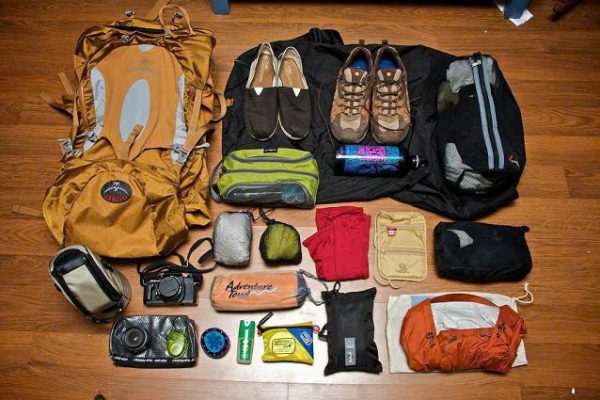
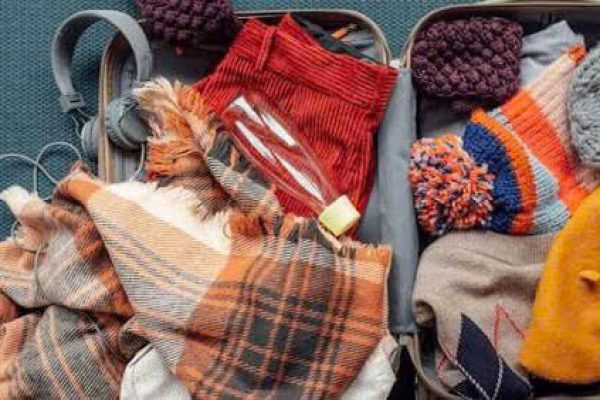
Packing for the Ha Giang Loop isn’t like throwing stuff in a suitcase for a beach holiday. You’re about to spend 3–4 days on a motorbike winding through Vietnam’s most remote mountains, sleeping in homestays without Western amenities, and riding through weather that can shift from scorching sun to torrential rain in an hour.
I’ve seen travelers show up in Ha Giang City wearing flip-flops and carrying wheeled luggage. They either scramble to buy overpriced gear at the last minute or spend the entire loop uncomfortable, cold, and regretting their choices.
The good news? You don’t need to pack like you’re summiting Everest. The Ha Giang Loop requires surprisingly little if you pack smart. This guide covers exactly what to bring, what to leave behind, and how to adjust your packing based on the season and tour type you choose.
Learn more: Ha Giang Motorbike Rental

The Ha Giang Loop is remote. Like, properly remote. Once you leave Ha Giang City, you won’t find outdoor gear stores, pharmacies with English labels, or ATMs that reliably work. The small towns along the route—Yen Minh, Dong Van, Meo Vac—have basic supplies, but don’t count on finding technical fabrics or specialty items.
Ha Giang sits at altitudes ranging from 900m to over 2,000m. Temperature swings are dramatic. You might start your morning at 8°C in fog so thick you can barely see the road, then by midday you’re sweating through your shirt at 28°C.
Rain can hit any month of the year, though it’s more common May through September. When it rains up here, it doesn’t drizzle—it dumps. The roads turn slick, visibility drops, and you’ll be soaked in minutes if you’re not wearing proper rain gear.
Wind is the other factor people underestimate. Riding exposed sections like Ma Pi Leng Pass or the plateau around Dong Van means facing strong gusts that’ll chill you to the bone, even when the sun is out.
If you forget something critical—sunscreen, a first aid kit, or even a phone charger—you can probably find a basic version in Ha Giang City before you start. But once you’re on the loop, your options shrink fast.
Homestays don’t stock toiletries. Roadside shops sell instant noodles, beer, and cigarettes, not blister plasters or power banks. Pack with the assumption that what you bring is what you’ll have for the duration.
That said, you don’t need to overpack. The loop is physically manageable, and you’ll be stopping each night. You’re not wilderness camping—just traveling light and smart.
Learn more: Ha Giang Loop 3 Days 2 Nights
Clothing is where most people mess up. They either pack too much or bring the wrong types of fabrics that don’t dry and don’t layer well.
Forget packing a single “perfect outfit” for each day. The weather changes too fast. Instead, think in layers you can add or remove as you ride.
Base layer: Pack 2–3 moisture-wicking shirts (synthetic or merino wool). Cotton holds sweat and stays damp, which makes you cold when the temperature drops. If you only bring cotton tees, you’ll regret it on those chilly morning starts.
Mid layer: A light fleece or long-sleeve thermal top is clutch for early mornings and higher elevations. You’ll wear this more than you think, especially around Dong Van plateau where nights get genuinely cold.
Outer layer: A windproof jacket is non-negotiable. Even if it’s not raining, the wind while riding will cut through regular hoodies. A packable windbreaker works fine and doesn’t take up much space.
Bottom half: Two pairs of pants are enough. One for riding (something durable, ideally quick-dry hiking pants), one backup. Jeans work but take forever to dry if they get wet. Leggings or compression pants work as a warm base layer under your riding pants if it’s cold.
Evening wear: Bring one comfortable outfit for hanging out at homestays after you’re done riding. Lightweight joggers or casual pants, plus a clean t-shirt. Homestays are relaxed, but you’ll want something that’s not covered in road dust.
A cheap poncho from a street vendor might keep you dry for 20 minutes. Then it’ll rip, blow around in the wind, or expose your legs to a soaking. Don’t rely on it for a multi-day trip.
Bring an actual rain jacket—preferably waterproof, not just water-resistant. It should cover your torso completely and have a hood that fits over a helmet if needed (though most people tuck the hood).
Rain pants (or waterproof over-pants) are worth it if you’re riding in wet season or if rain is forecasted. Your legs will get drenched otherwise, and wet jeans on a motorbike for six hours is miserable.
If you’re doing an Easy Rider tour, your guide will typically provide rain ponchos. But bring your own jacket anyway—it’s more versatile and reliable.
Your shoes need to handle three things: riding a motorbike, walking around viewpoints, and occasionally hiking short trails.
For riding: Closed-toe shoes with ankle support. Hiking boots or trail runners are ideal. Sneakers work okay but don’t offer much protection if you drop a bike or scrape a rock on a tight turn.
What NOT to wear: Sandals, flip-flops, or any open-toe shoes. I’ve seen people try to ride the loop in Tevas. It’s dangerous and uncomfortable. One unexpected stop or foot-down moment and you’ll regret it.
For homestays: Bring a lightweight pair of slip-on sandals or flip-flops to wear around the homestay in the evening. Most homestays ask you to remove shoes before entering sleeping areas.
Learn more: Cao Bang Loop Tours Vietnam best kept secret
If you’re renting a motorbike, the rental shop provides a helmet. That’s usually it. Everything else is on you.
Standard motorbike rentals in Ha Giang come with:
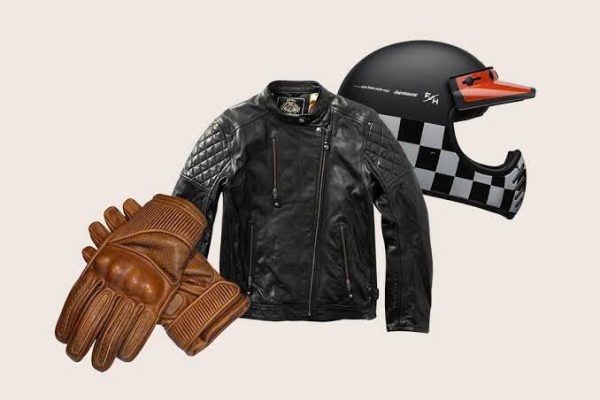
They typically don’t include gloves, knee/elbow pads, or riding jackets. If you want those, you either bring your own or buy locally (selection is limited).
Standard motorbike rentals in Ha Giang come with:
They typically don’t include gloves, knee/elbow pads, or riding jackets. If you want those, you either bring your own or buy locally (selection is limited).
Gloves: Even if you’re an experienced rider, wear gloves. Your hands are exposed to sun, wind, and cold for hours. Plus, if you do take a spill, gloves are the difference between scraped palms and broken skin. Lightweight riding gloves or even cycling gloves work fine.
Face mask or buff: Dust is everywhere on the Ha Giang roads, especially on dry days. A simple neck gaiter or fabric face mask keeps you from inhaling grit all day. It also adds warmth on cold mornings.
Sunglasses or clear glasses: Eye protection is crucial. Dust, bugs, and wind will assault your eyes at speed. Sunglasses work during the day; some riders bring clear safety glasses for overcast or foggy conditions.
Sunscreen: The UV is intense at altitude. Even on cloudy days, you’ll burn. Bring SPF 50+ and reapply during lunch breaks. Your face, neck, and the backs of your hands get the worst of it.
Lip balm with SPF: Chapped, sunburned lips are no joke. Bring a good lip balm and use it liberally.
If you’re new to riding or tackling the loop during wet season when roads are slippery, consider wearing knee and elbow pads under your clothing. You can find cheap motocross-style pads online before your trip. Most self-drive riders skip this, but it’s not a bad idea for peace of mind.

Learn more: Ha Giang Loop Cost & Tips
This section sounds boring but gets people in trouble more than anything else.
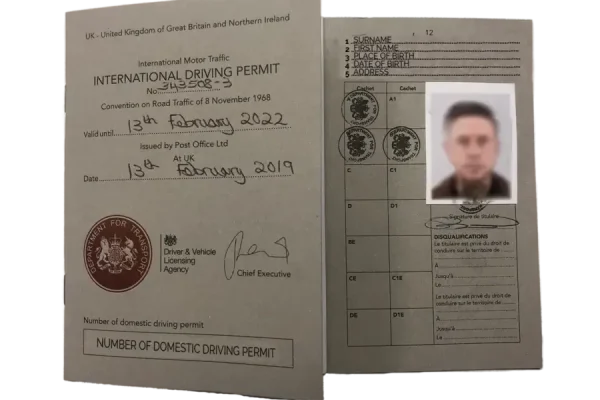
Learn more: Ha Giang Loop License
If you’re doing an Easy Rider tour: Your guide drives, so you don’t need a motorcycle license. You just need your passport.
If you’re self-driving or renting a bike: Technically, you need either:
The reality? Enforcement is inconsistent. Some travelers ride the loop without proper documentation and never get stopped. Others get pulled over at checkpoints and fined or turned around. Rules can change—check the latest updates from recent travelers or local rental agencies before assuming you’ll be fine.
Most rental shops in Ha Giang don’t ask for a license, but that doesn’t mean police won’t. If you care about travel insurance coverage in case of an accident, verify what your policy requires. Many policies won’t cover motorbike incidents without a valid license.
Bring cash. Lots of it.
ATMs exist in Ha Giang City and maybe one or two in Dong Van, but they run out of money, malfunction, or don’t accept foreign cards. Don’t assume you can withdraw cash on the loop.
Budget roughly:
For a 3-day loop, bring at least 2,000,000–3,000,000 VND in cash. If you’re renting a bike separately or booking a tour, that’s additional.
Make photocopies or phone photos of:
Keep digital copies in cloud storage and one physical copy separate from your original documents. If something gets lost or stolen, you’ll save yourself major headaches.
Learn more: Ha Giang Cao Bang 5 Days
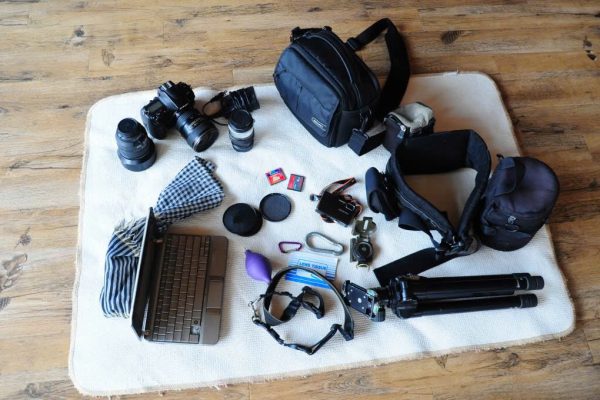
The Ha Giang Loop is one of the most photogenic places on Earth. You’ll want to capture it, but hauling too much gear is a pain.
Phone camera: For most travelers, a decent smartphone camera is enough. Modern phone cameras handle landscapes and daylight shots well. Bring a phone with good battery life or bring a backup battery case.
Action camera (GoPro, etc.): If you have one, bring it. Mounting it on your helmet or bike captures the riding experience better than anything else. The roads are cinematic.
DSLR or mirrorless camera: Only bring this if you’re serious about photography and comfortable carrying extra weight. A single lens (wide-angle or versatile zoom like 24–70mm) is smarter than packing multiple lenses. Dust is an issue, so bring a lens cloth and protective bag.
Drone: Drones get incredible footage of Ma Pi Leng Pass and the Nho Que River valley. However, drone regulations in Vietnam are murky and enforcement is unpredictable. Some travelers fly without issues; others get stopped by local police. Use your judgment and be discreet.
You’ll be on the road all day with limited charging opportunities. Homestays have electricity, but outlets are sometimes scarce and power cuts happen.
Bring at least one high-capacity power bank (10,000–20,000 mAh). Two is better if you’re charging a phone, camera, and action cam.
Bring all your charging cables and a universal adapter (though Vietnam uses Type A/C plugs, which are common).
SIM card: Buy a Vietnamese SIM card in Hanoi or Ha Giang City before starting the loop. Viettel has the best coverage in the mountains, though even Viettel drops to 3G or nothing in some valleys. A SIM with 10–15GB of data costs around 200,000 VND and lasts the trip.
Offline maps: Download offline maps for Ha Giang province in Google Maps or Maps.me before you leave. Cell service is patchy, and you’ll want navigation backup when you lose signal.
Photos and storage: Clear space on your phone before the trip. You’ll take hundreds of photos. Bring a portable hard drive or rely on cloud uploads when you have Wi-Fi at homestays.

Learn more: Ha Giang Loop for Beginers
Medical facilities in the highlands are basic. If something goes wrong, you’re hours from a real hospital. Prevention is your best strategy.
Pack a small first aid kit with:
If you take prescription meds, bring enough for the entire trip plus a couple extra days in case of delays.
Ha Giang’s altitude isn’t extreme, but some people feel mild altitude effects—headaches, shortness of breath, light nausea—especially if you’re coming from sea level. Stay hydrated, avoid heavy alcohol the night before, and take it slow on your first day.
Motion sickness is more common. The roads are twisty, and if you’re a passenger on an Easy Rider tour, all that winding can mess with your stomach. Ginger candies, Dramamine, or acupressure wristbands help. Sitting up front and focusing on the horizon also works.
Homestays provide bedding but rarely provide toiletries. Bring:
Keep toiletries in a small waterproof pouch in case your bag gets wet.
Learn more: Ha Giang Loop Solo Travel
How you pack matters as much as what you pack. A poorly secured bag on a motorbike is a safety hazard and a recipe for losing your stuff on a bumpy mountain road.
Backpack (30–40L): Most riders use a standard travel backpack. It works fine if it’s not overstuffed. Choose one with a chest strap and hip belt to keep it stable while riding. Riding with a loose, heavy backpack shifting around is uncomfortable and throws off your balance.
Dry bag: If you’re riding in wet season or want waterproof protection, a roll-top dry bag (20–30L) is excellent. It straps securely to the bike’s rear rack and keeps everything dry even in downpours. Some riders prefer this over wearing a backpack.
Hybrid approach: Small daypack on your back (10–15L) for valuables, snacks, and camera. Larger dry bag or duffel strapped to the bike for clothes and non-essentials.
If you’re strapping a bag to the rear rack:
Check your straps every time you stop. Vibration from the road loosens them.
Bring a small backpack or sling bag to carry during the day while your main luggage stays on the bike. Use this for:
You’ll stop frequently at viewpoints, markets, and lunch spots. Having a day pack means you don’t have to unload your entire setup every time.
Learn more: Ha Giang Loop Weather
The Ha Giang Loop is a year-round destination, but what you pack should shift based on when you go.
Weather: Cooler, drier, clearer skies. October and November are ideal—comfortable temps, great visibility. December through February get genuinely cold, especially at night.
Pack for dry season:
Buckwheat flower season (late September–early November): If you’re visiting for the buckwheat blooms, pack extra memory cards or cloud storage. You’ll take more photos than usual.
Learn more: Ha Giang Loop Itinerary: 2,3,4,5 days
Weather: Warmer but humid, with frequent afternoon rain and occasional all-day downpours. Roads can be muddy and slippery. Fog is common in mornings.
Pack for wet season:
Wet season riding is more challenging but also quieter—fewer tourists. If you’re comfortable on a bike in the rain, it’s a rewarding time to go.
Learn more: Ha Giang Buckwheat Flowers Season
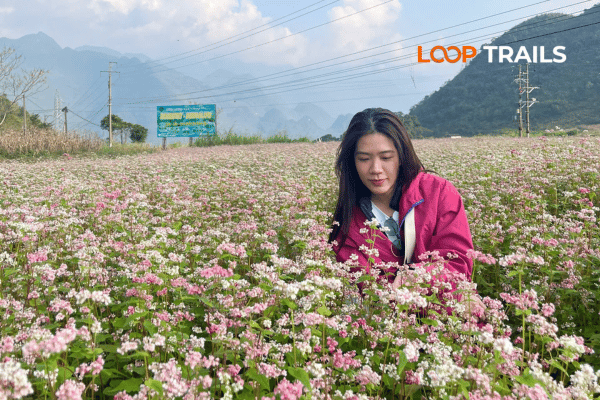
Late September through early November is buckwheat flower season—one of the most beautiful times to ride the loop. The fields around Dong Van plateau explode in pink and white blooms.
If you’re coming for this, pack:
Just as important as what to pack is what to leave behind.
Skip these:
The “maybe later” pile: Anything you think “I might need this” but can’t articulate a specific use for—you won’t need it. Pack light. You’re on a motorbike, not a road trip with trunk space.

Learn more: Ha Giang in September & October
Here’s the full checklist. Print it, check it off, and you’re good to go.

Learn more: Ha Giang Loop for Couples
Forgot something? You have options in Ha Giang City before starting the loop, but choices are limited once you leave.
In Ha Giang City:
On the loop (Yen Minh, Dong Van, Meo Vac): Small shops stock instant noodles, drinks, cigarettes, and very basic supplies. You might find cheap rain ponchos or gloves, but don’t count on it. If you need something essential, buy it in Ha Giang City before you leave.
Learn more: Ha Giang Loop Easy Rider
What you bring also depends on how you’re tackling the loop.
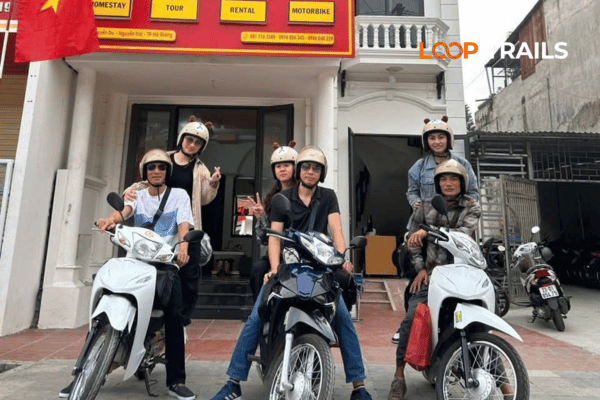
What’s provided: Your guide drives, so you’re a passenger. Most tours provide rain ponchos and helmets. Some include water and snacks.
What you still need: Everything else on the checklist. You’ll still face the same weather, dust, and riding conditions. Pack light since you’re not controlling the bike, but don’t skip essentials like gloves, sunglasses, and sun protection.
Advantages: You can bring slightly more gear since you’re not balancing a bike yourself. A bit of extra camera equipment or a larger day pack works fine.
If you’re considering an Easy Rider tour for the Ha Giang Loop, it’s a smart option for first-time riders or anyone who wants to focus on scenery instead of navigation. Check out the available tours to find one that fits your schedule.
Learn more: Ha Giang Loop Self-Driver
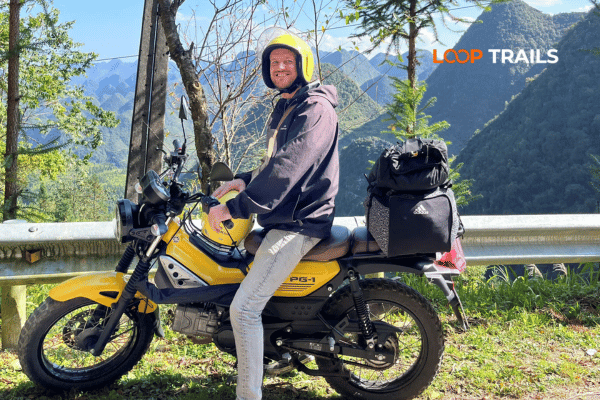
What’s provided: Just the bike and helmet. Everything else is on you.
What you need: Full checklist above. Focus on packing light and securing your bag properly. The lighter your load, the easier the bike handles on steep climbs and sharp turns.
Advantages: Total freedom to stop, explore, and ride at your own pace. You control your schedule.
Challenges: You’re responsible for the bike, navigation, and your own safety. If you’re new to riding or unfamiliar with manual bikes, this option has a steeper learning curve.
Renting a motorbike in Ha Giang gives you independence, but make sure you’re comfortable with the bike before committing to 300+ kilometers of mountain roads.
Learn more: Ha Giang Jeep Tours
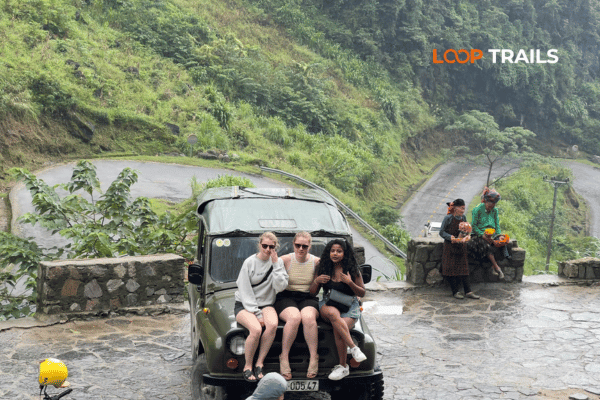
What’s provided: A driver and a 4×4 vehicle. No riding required. Tours usually include some meals and accommodation.
What you need: Much lighter packing. You’re not exposed to wind, dust, or rain while riding, so you can skip gloves, face masks, and some of the riding-specific gear. Still bring layers for stops and hikes, plus sun protection.
Advantages: Comfortable, weather-protected, and great for groups or families. No riding skills needed.
Challenges: Less adventurous feel, higher cost, and you miss the thrill of riding the loop yourself.
For travelers who want to experience Ha Giang without the motorbike element, jeep tours are a solid alternative.
Learn more: Ha Giang Loop with Kids
Packing for the Ha Giang Loop doesn’t have to be complicated. The key is balancing preparedness with practicality. Bring what you need, skip what you don’t, and trust that you’ll figure out the rest as you go.
The loop will surprise you—with its beauty, its challenges, and moments you didn’t plan for. But if you’re dressed right, equipped properly, and carrying the essentials, you’ll spend less time worrying about your gear and more time soaking in one of the best rides on the planet.
Ready to book your trip? Whether you’re leaning toward an Easy Rider tour, renting a bike, or joining a jeep adventure, Loop Trails has options that fit your style. Reach out with any questions—we’re here to help you plan a Ha Giang Loop you won’t forget.
Stick to a 30–40L backpack or dry bag. Anything larger is difficult to secure on a motorbike and uncomfortable to ride with. Pack light—you’ll thank yourself on steep climbs
You don’t need full motocross gear, but bring gloves, sunglasses, a windproof jacket, and sunscreen. A helmet is provided with rentals, but the rest is up to you. The more protected you are, the more comfortable the ride.
Ha Giang City has basic shops for essentials like rain ponchos, gloves, and toiletries. Once you’re on the loop, options are extremely limited. Buy what you need before you start.
Layers work best: moisture-wicking base layer, fleece mid-layer, windproof jacket. Long pants (quick-dry preferred), closed-toe shoes with ankle support, and gloves. Add rain gear if riding in wet season.
Yes. Even in dry season, unexpected rain can happen, and a windproof jacket doubles as rain protection in light showers. It’s one of the most versatile items you’ll pack.
Bring at least 2,000,000–3,000,000 VND for a 3-day loop. This covers homestays, meals, snacks, and entrance fees. ATMs on the loop are unreliable, so don’t plan on withdrawing cash mid-trip.
Technically, yes—you need a Vietnamese license or an International Driving Permit (IDP) that covers motorcycles. Enforcement varies, but it’s required for insurance coverage and legal riding. Check latest regulations before your trip.
A 30–40L backpack with chest and hip straps works well. Alternatively, use a roll-top dry bag strapped to the bike’s rear rack for waterproof protection. Avoid wheeled luggage—it won’t work on a motorbike.
Your phone camera is fine for most shots. If you’re serious about photography, bring a camera with one versatile lens (like 24–70mm). Action cameras (GoPro) are great for capturing the ride itself.
Skip heavy jeans, multiple pairs of shoes, full-size toiletries, laptops, expensive jewelry, wheeled luggage, and cotton towels. Pack light and functional—you’re on a motorbike, not a car trip.
Some homestays offer laundry service, but it’s not guaranteed and may not dry in time (especially in wet season). Pack enough clothes for the trip or bring quick-dry fabrics you can rinse and hang overnight.
Expect 8–28°C depending on season and altitude. Mornings are cold (especially Oct–Feb), midday can be hot, and evenings cool down. Pack layers so you can adjust throughout the day.
Contact information for Loop Trails
Website: Loop Trails Official Website
Email: looptrailshostel@gmail.com
Hotline & WhatSapp:
+84862379288
+84938988593
Social Media:
Facebook: Loop Trails Tours Ha Giang
Instagram: Loop Trails Tours Ha Giang
TikTok: Loop Trails
Office Address: 48 Nguyen Du, Ha Giang 1, Tuyen Quang
Address: 48 Nguyen Du, Ha Giang 1, Tuyen Quang
Facebook X Reddit Table of Contents Learn more: Ha Giang Loop Tours Most travelers researching Ha Giang start with the same list:

Facebook X Reddit Table of Contents Learn more: Ha Giang Loop Tours Stand on the road between Trung Khanh and Phục Hòa
Facebook X Reddit Table of Contents Learn more: Ha Giang Loop Tours You’re traveling with three friends. Or maybe it’s four of