

Ha Giang Loop: 3 Days or 4 Days? An Honest Comparison
Facebook X Reddit Table of Contents Learn more: Ha Giang Loop Tours This is the question that sits in almost every Ha

Thúy Kiều (Grace) is a travel blogger and content contributor for Loop Trails Tours Ha Giang. She holds a bachelor’s degree in Sustainable Tourism from Vietnam National University, Hanoi, and has a strong passion for exploring and promoting responsible travel experiences in Vietnam’s northern highlands.
Learn more: Ha Giang Loop 3 Days 2 Nights
The overnight bus from Hanoi to Ha Giang is one of those Vietnam travel decisions that sounds simple until you actually try to book it. Suddenly there are multiple operators, two or three different “tiers” of bus, and prices that vary by more than you’d expect for what is, at the end of the day, a 6–7 hour journey on the same road.
The question most travelers end up asking is a simple one: is the limousine bus actually worth the extra money, or is a regular sleeper bus fine?
Short answer: it depends on you. Longer answer: read on.
This guide breaks down exactly what the limousine bus is, how it compares to the regular sleeper option, and how to decide which one makes sense for your trip. We’ll also cover what happens after you step off the bus in Ha Giang City — because that’s where the real adventure starts.
Lorem ipsum dolor sit amet, consectetur adipiscing elit. Ut elit tellus, luctus nec ullamcorper mattis, pulvinar dapibus leo.
Learn more: Ha Giang Sleeper Bus
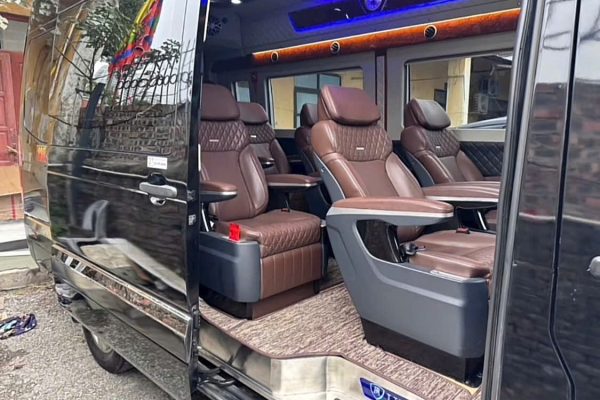
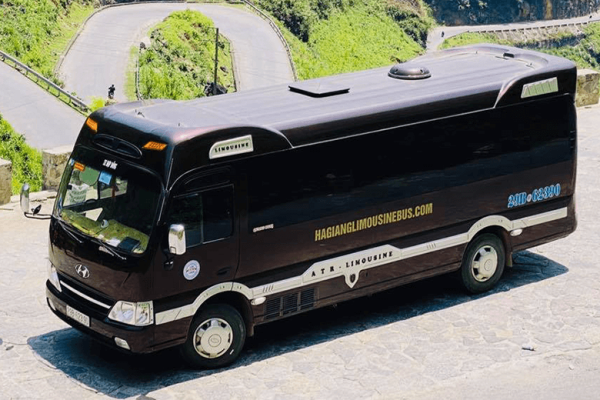
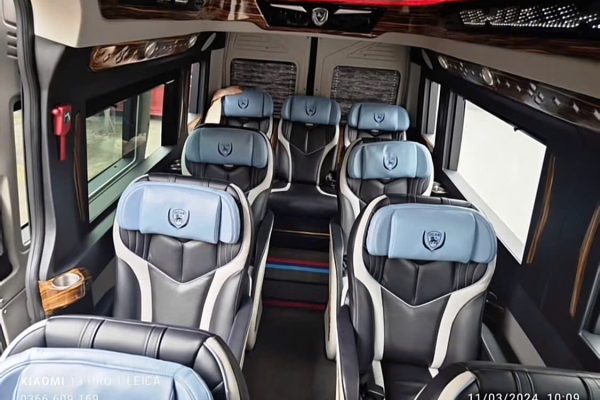
In the Vietnamese travel context, “limousine bus” doesn’t mean a stretched white vehicle with a minibar. It refers to a higher-end passenger bus with individual fully-reclining seats or private sleeping pods — a significant upgrade from the standard open-plan sleeper configuration.
The term gets used loosely, and quality varies between operators. But broadly speaking, when you see “limousine bus” on a booking platform or hostel noticeboard, you’re looking at:
What it doesn’t always mean: luxury. Some “limousine” buses in Vietnam are genuinely excellent. Others are just regular sleepers with slightly wider chairs and a fancier name on the ticket. Knowing which is which is part of what this guide is for.
Learn more: Ha Giang Loop route and itinerary
Lorem ipsum dolor sit amet, consectetur adipiscing elit. Ut elit tellus, luctus nec ullamcorper mattis, pulvinar dapibus leo.
Before comparing bus types, a quick note on the route itself.
Hanoi to Ha Giang City is approximately 300 km north through the mountains. The road is mostly good quality for the first half, then becomes more winding as you gain altitude in the final approach to Ha Giang City. Journey time is typically 6–8 hours depending on the operator, the number of stops, and road conditions.
Most buses depart from Hanoi in the early-to-mid evening — departure windows typically cluster around 6pm–9pm — and arrive in Ha Giang City in the very early morning, usually between 2am and 5am depending on the operator.
This timing is deliberate: you sleep through the journey, arrive early, and have a full day to organize yourself before the Loop begins. In practice, the early arrival time is worth paying attention to — we’ll come back to this.
A few things are true regardless of which bus tier you choose:
Learn more: Ha Giang Loop 4 Days 3 Nights
This is what most budget travelers default to, and it’s a perfectly functional option that gets thousands of people to Ha Giang every year.
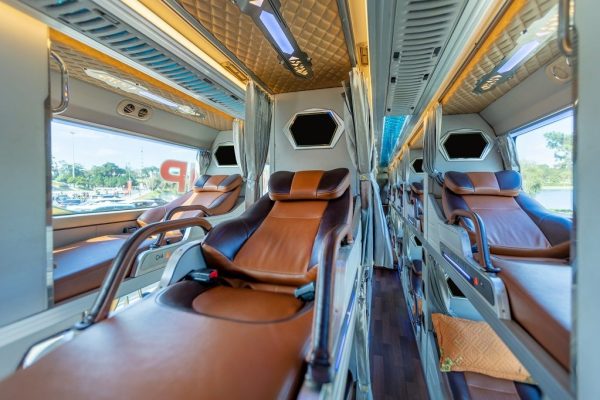
Standard sleeper buses typically have a two-level layout: a lower deck and an upper deck of reclining seats. Each seat folds back significantly — not fully flat, but enough to sleep reasonably well. Seats are narrow by Western standards, arranged in rows of three across, and you may be sharing your row with strangers.
They’re not glamorous. The blankets are thin, the pillows are small, and the cabin temperature is often aggressively cold (the AC on overnight Vietnamese buses has a reputation). But they’re functional, they depart frequently, and they work.
Budget sleeper buses to Ha Giang are the cheapest way to make the journey. For solo backpackers on tight budgets, they do the job.
Typical experience:
The limousine bus addresses the main complaints about the regular sleeper: the narrow seats, the lack of privacy, the cramped feeling.
Depending on the specific operator, a limousine bus to Ha Giang might offer:
The bus carries fewer passengers — the better limousine configurations seat around 22–28 people. This makes the whole cabin feel calmer, with less shuffling, less noise from neighbors, and more personal space.
Some premium limousine operators also offer hotel-style pickups in Hanoi’s Old Quarter, saving you the taxi ride to a bus station.
| Feature | Regular Sleeper | Limousine Bus |
|---|---|---|
| Seat width | Narrow (3-across) | Wide (2-across or pod) |
| Privacy | Open cabin | Curtains / partitions |
| Recline | Partial | Near-flat or flat |
| Passengers | 36–44 | 22–34 |
| Bedding quality | Basic | Better |
| USB charging | Usually yes | Yes |
| Hotel pickup | Sometimes | Usually yes |
| Price | Lower | Higher |
| Road quality | Same | Same |
| Journey time | 6–8 hours | 6–8 hours |

Learn more: Loop Trails Tour Ha Giang website
Lorem ipsum dolor sit amet, consectetur adipiscing elit. Ut elit tellus, luctus nec ullamcorper mattis, pulvinar dapibus leo.
Most limousine bus operators offer online booking — either directly on their website or through aggregator platforms. You’ll receive a pickup time and location, which on the better operators means a van comes to your guesthouse or hotel in the Old Quarter.
If you’re booking on short notice during peak season (October–November especially), limousine buses sell out faster than regular sleepers because they have fewer seats. Book at least a day or two ahead during busy periods. During the off-season, same-day booking is usually fine.
A few things to check before you book:
Good operators are transparent about all of this. If a listing is vague about arrival times, that’s a yellow flag.
After pickup (usually an Old Quarter van that consolidates passengers from multiple hotels), you’ll board the main bus at a departure point somewhere in Hanoi — often around 7–9pm depending on the operator.
Find your assigned pod or seat, get horizontal as soon as you’re comfortable, and try to sleep. The first couple of hours out of Hanoi are on wider roads and relatively smooth. Once you’re deeper into the mountains — roughly after midnight — the road gets more winding.
A few honest realities about overnight buses in Vietnam, regardless of tier:
This is the part nobody talks about enough.
Most overnight buses arrive in Ha Giang City between 2am and 5am. That’s the middle of the night. The bus typically drops you at a central point in Ha Giang City — often near guesthouses that cater to travelers coming off the overnight bus.
What this means practically: you need accommodation sorted before you arrive. Ha Giang has plenty of guesthouses, but showing up at 3am without a booking and expecting to find somewhere is a bad plan — especially in October and November when everything fills up.
Some guesthouses near the bus drop-off point are used to early arrivals and will let you check in immediately or leave your bag and sleep in a common area until your room is ready. Call ahead and ask. It’s a normal request.
The limousine bus doesn’t change this dynamic — it affects when and how comfortably you arrive, not the fact that you’re arriving in the small hours.

Learn more: Ha Giang Loop Cost & Tips
Here’s the honest take.
The limousine bus to Ha Giang is a meaningful upgrade in comfort, not a marginal one. The difference between a cramped three-across sleeper with paper-thin curtains and a proper enclosed pod where you can actually stretch out is real, and if you value sleep quality, it’s genuinely worth paying for.
That said, the journey is still only 6–8 hours. You’re not crossing a continent. And the mountain roads in the final stretch mean neither bus option is going to be perfectly smooth regardless of how much you paid for your seat.
The upgrade is worth it if:
The upgrade is less critical if:
The price difference varies by operator and season — check current prices when booking, as they change. But generally, limousine buses to Ha Giang cost noticeably more than budget sleeper options. Whether that delta matters to you is personal.
What we’d say: if you’re spending several days on the Ha Giang Loop — hiking, riding, exploring — arriving reasonably well-rested makes those first days better. The bus is part of the trip, not separate from it.

Learn more: Ha Giang Loop for Couples
Take the limousine bus if you are:
Stick with the regular sleeper if you are:
Honestly, either works. Thousands of people do the Ha Giang Loop every year having arrived on both types of bus. The Loop itself — the roads, the scenery, the people — is what you’ll remember, not the quality of the bus seat.

Learn more: Ha Giang Packing List
Whether you book limousine or standard, these make a real difference:
Pack the right things in your personal bag:
Book your Ha Giang accommodation before you board the bus. You’re arriving in the middle of the night. Do not leave this unbooked.
Tell your guesthouse your estimated arrival time. Most Ha Giang guesthouses near the bus drop-off are accustomed to overnight bus arrivals. A quick WhatsApp or email the day before goes a long way.
If you’re doing a guided tour, let your guide or operator know your arrival time. Good tour operators will coordinate pickup or confirm start times around when you actually get in, not when you were theoretically supposed to arrive.
Download offline maps before you leave Hanoi. Once you’re in the mountains north of Ha Giang City, data can be patchy. Google Maps or Maps.me with offline Ha Giang Province downloaded is useful.
Learn more: Ha Giang Motorbike Rental
You step off the bus in Ha Giang City at some point before dawn. You’re a bit stiff, possibly a bit cold, and about to start one of the best multi-day routes in Southeast Asia.
Ha Giang City itself is the base point. Most travelers spend part of Day 1 organizing before the Loop proper begins. What needs sorting:
Motorbike rental or tour confirmation If you’re self-driving, this is the day to pick up your bike, check it thoroughly, and plan your first day’s route. If you’re on a guided tour, your guide will usually meet you in Ha Giang City and handle the logistics from there.
[→ See our Ha Giang motorbike rental page for bikes available — XR150, semi-auto, and other options suited for mountain terrain.]
The Loop itself The Ha Giang Loop is roughly 300–350 km of mountain roads passing through the Dong Van Karst Plateau Geopark. Most riders take 3–4 days to complete it. Key stops include:
[→ See our Ha Giang Loop tours — Easy Rider, Jeep, and Self-Drive options available.]
Considering Cao Bang? From Ha Giang, experienced travelers with more time often extend into Cao Bang Province — Ban Gioc Waterfall, Nguom Ngao Cave, and the karst scenery around Phia Oac National Park. It adds 2–3 days and turns a great trip into an exceptional one.
[→ See our Ha Giang + Cao Bang combine tours for a guided route covering both provinces.]

Learn more: Ha Giang Cao Bang Loop Jeep tour Guide
The bus decision is just the start. Once you’re in Ha Giang, you still need to decide how to actually do the Loop. Here’s a quick guide:
| Your situation | Best Loop option |
|---|---|
| First-time Vietnam rider, limited mountain experience | Easy Rider (guided, riding pillion) |
| Experienced motorbike rider who wants freedom | Self-drive rental |
| Couple or small group wanting comfort | Jeep tour with driver/guide |
| Solo traveler wanting local knowledge + safety | Easy Rider |
| Group of 3–4 sharing costs | Jeep tour |
| Tight budget, confident rider | Self-drive rental |
Not sure which fits you? The best thing to do is describe your situation honestly to the operator. A good tour company will tell you straight if you’re suited to self-drive or if you’d genuinely be better off on a guided option — no upsell needed, just an honest conversation.
Drop us a message on WhatsApp with your experience level, group size, and how many days you have — we’ll help you figure out the right format quickly.
[→ Contact us on WhatsApp to plan your Ha Giang Loop.]

Learn more: Ha Giang Loop Self-Drive
It’s a higher-end overnight bus from Hanoi to Ha Giang City — typically with individual reclining pods or wide private seats, fewer passengers per vehicle, and better comfort than the standard sleeper bus. Quality varies between operators, so check reviews before booking.
Prices change seasonally and by operator — always check current listings. Generally, limousine buses cost noticeably more per seat than budget sleeper options. The gap is real but not enormous; it’s a personal call based on how much you value sleep quality on a 6–8 hour journey.
Typically 6–8 hours depending on the operator, road conditions, and stops. Most buses depart Hanoi in the evening and arrive in Ha Giang City in the early morning hours. Exact times vary — check with your specific operator.
Generally yes. Standard sleeper buses have narrow berths that are genuinely uncomfortable for anyone over about 175–180cm. Limousine pod configurations offer significantly more length and width, which makes a real difference over a 7-hour overnight journey.
Arrival times vary by operator but typically fall between 2am and 5am. This is the middle of the night — make sure you have accommodation booked and your guesthouse notified of your approximate arrival. It’s a normal situation in Ha Giang, and most guesthouses near the bus drop-off are set up for it.
Yes, especially if the operator offers side-by-side double pod configurations. Check the seat map when booking — some limousine layouts have paired pods perfect for two people who want to sleep adjacent to each other with shared privacy.
Some travelers do, particularly on the mountain section in the second half of the journey. The road is winding. If you’re sensitive to motion sickness, take appropriate medication before boarding and try to sleep through the mountain sections rather than being on your phone.
Through online travel platforms, directly with bus operators, or through your guesthouse in Hanoi. During peak season (especially October–November), book 1–3 days in advance as limousine buses sell out faster due to their smaller capacity. Off-season, same-day booking is usually possible.
Most do, though some use a shared van pickup that consolidates passengers from multiple hotels in the Old Quarter area before transferring to the main bus. Confirm the exact pickup arrangement when you book.
It’s not bad — it’s functional. Thousands of travelers use it every year without complaints about anything other than it being a bit cramped and cold. If you sleep well in tight spaces and value saving money, the standard sleeper is perfectly adequate.
Go to your pre-booked guesthouse. Most near the drop-off area are set up for overnight bus arrivals and will have someone to let you in. If your room isn’t ready, most will let you leave your bag and rest somewhere until check-in time. Don’t show up without a booking.
You can book them separately and independently. Most tour operators work with Ha Giang City as the departure point, so you just need to coordinate your bus arrival time with your tour start time. Contact us before you book so we can help align the timing.
Contact information for Loop Trails
Website: Loop Trails Official Website
Email: looptrailshostel@gmail.com
Hotline & WhatSapp:
+84862379288
+84938988593
Social Media:
Facebook: Loop Trails Tours Ha Giang
Instagram: Loop Trails Tours Ha Giang
TikTok: Loop Trails
Office Address: 48 Nguyen Du, Ha Giang 1, Tuyen Quang
Address: 48 Nguyen Du, Ha Giang 1, Tuyen Quang
Facebook X Reddit Table of Contents Learn more: Ha Giang Loop Tours This is the question that sits in almost every Ha

Facebook X Reddit Table of Contents Learn more: Ha Giang Loop Tours Most people drive past the Quan Ba area twice on

Facebook X Reddit Table of Contents Learn more: Ha Giang Loop Tours The Ha Giang Loop has a reputation problem with older