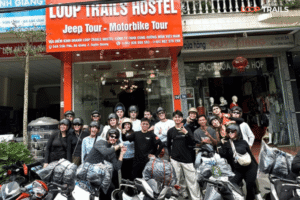


Thúy Kiều (Grace) is a travel blogger and content contributor for Loop Trails Tours Ha Giang. She holds a bachelor’s degree in Sustainable Tourism from Vietnam National University, Hanoi, and has a strong passion for exploring and promoting responsible travel experiences in Vietnam’s northern highlands.
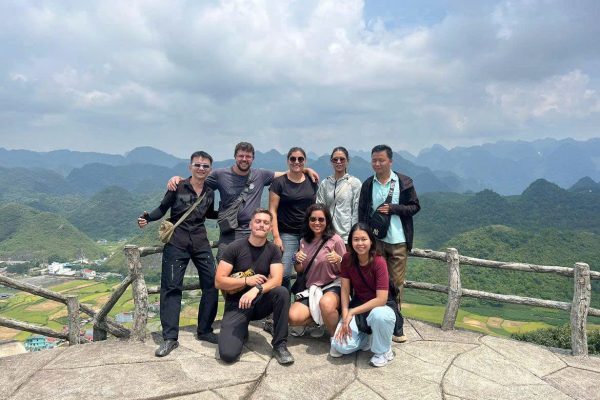
Learn more: Ha Giang Loop Tours
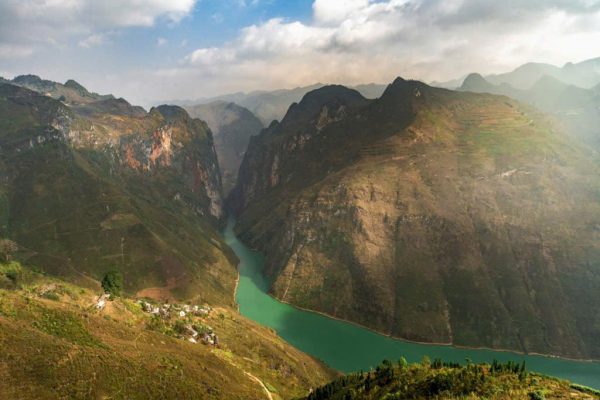
You’ve decided Ha Giang is happening. You’ve seen the photos — that impossibly blue river cutting through the limestone gorge at Ma Pi Leng, the fog rolling over Dong Van’s old town rooftops, the switchbacks that seem to disappear into the clouds above Meo Vac. Now comes the question that trips up almost every traveler at the planning stage: three days or four?
It’s not as simple as “more days = better.” Your answer depends on your travel style, physical condition, time in Vietnam, budget, and — crucially — what kind of experience you’re actually after. A rushed four-day loop is worse than a focused three-day one. And a crammed three-day loop can leave you feeling like you speed-ran a masterpiece.
This guide breaks it down honestly. No fluff, no “it depends” cop-outs without explanation. By the end, you’ll know exactly which duration suits you — and what to do about it.
Learn more: Ma Pi Leng Pass
Before comparing durations, it helps to understand what the loop route actually is.
The Ha Giang Loop is a roughly 350km circuit through Ha Giang Province in the far north of Vietnam, close to the Chinese border. The full route typically takes in:
That’s the core loop. Some operators run it clockwise (Ha Giang → Dong Van → Meo Vac → Du Gia), others counter-clockwise. Either way, the same key stops apply.
The total riding time — excluding stops, photo breaks, meals, and rest — is roughly 10–14 hours spread across the circuit. Which is why the number of days matters so much.

Learn more: Ha Giang Loop 3 Days 2 Nights
Three days is the minimum that makes sense for the loop. Not the minimum to survive it — the minimum to actually experience it properly.
Day 1: Ha Giang City → Dong Van
Day 2: Dong Van → Meo Vac → overnight near Du Gia area
Day 3: Return to Ha Giang City
This is doable. It’s a full loop, you hit the highlights, and you sleep two nights on the road. The trade-off is pace — Day 2 is especially long, and the afternoon riding on Day 2 can feel rushed if you linger too long at Ma Pi Leng.
Learn more: Ha Giang Loop for Couples
If you’re already used to full-day rides or rough roads, three days on the loop is manageable and memorable. Many travelers do it this way and come back raving.
Honesty matters here. On a three-day loop, you’ll likely feel the following:
Learn more: Ha Giang Loop 4 Days 3 Nights
Four days is, for most people, the sweet spot. It takes the same route and gives it room to breathe.
Day 1: Ha Giang City → Yen Minh or Dong Van (shorter leg)
Day 2: Dong Van exploration + Lung Cu
Day 3: Dong Van → Ma Pi Leng → Meo Vac → Du Gia
Day 4: Du Gia → Ha Giang City
The difference isn’t just one extra day — it’s fundamentally a different pace. Dong Van gets the attention it deserves. Ma Pi Leng isn’t a drive-through. And you end Day 4 without the feeling that you just ran a marathon.
Learn more: Ha Giang Loop for Beginners
More than you’d think. It’s not padding — it’s:
Learn more: Ha Giang Loop route and itinerary
| Factor | 3 Days | 4 Days |
|---|---|---|
| Total loop distance | Same (~350km) | Same (~350km) |
| Daily riding intensity | High — especially Day 2 | Moderate, well-paced |
| Lung Cu Flag Tower | Often skipped | Usually included |
| Time at Ma Pi Leng | 30–60 min | 1–2+ hours |
| Dong Van old quarter | Quick pass or evening only | Full evening + morning |
| Village exploration | Limited | More opportunities |
| Weather flexibility | Almost none | Some buffer |
| Cost difference | Slightly less | Slightly more |
| Best for | Tight schedules, experienced riders | First-timers, photographers, slow travelers |
Learn more: Ha Giang Loop Easy Rider
This isn’t just about days — the way you travel the loop changes what’s realistic.
An Easy Rider tour means you ride pillion behind an experienced local guide on a motorbike. Your guide drives; you take in the view.
On a 3-day Easy Rider tour, your guide handles the logistics — they know the pace, they know where to stop, and they’ve done this route hundreds of times. You’ll hit the highlights. But Day 2 will still be long, and you’ll notice it.
On a 4-day Easy Rider tour, the experience opens up considerably. Your guide has time to take detours, show you a village that isn’t on any map app, explain what you’re looking at. The conversations you have during slower riding days are often what people remember most.
Loop Trails runs small-group Easy Rider tours with guides who know this region deeply. If you’re unsure about duration, it’s worth asking them directly — they’ll tell you honestly based on your fitness and interests. [See the Easy Rider tour options here.]
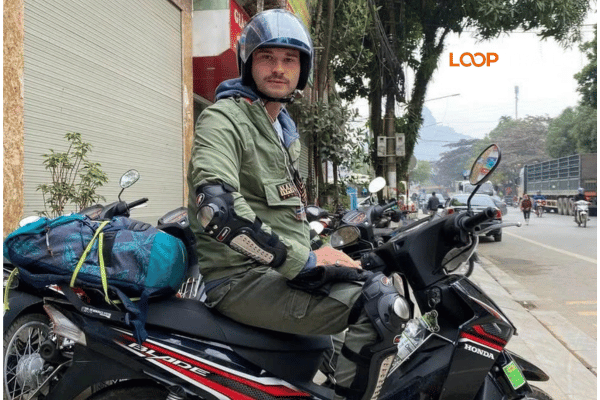
Learn more: Ha Giang Loop Self-Drive & Motorbike Rental
If you’re riding your own bike, duration matters even more.
Self-driving the loop is genuinely rewarding, but the roads demand attention. The section from Dong Van to Meo Vac along Ma Pi Leng is not technical in the extreme sport sense, but it is sustained — narrow sections, occasional gravel, unpredictable traffic from local trucks and other tourists. If you’re not a confident rider, a 3-day schedule leaves no margin for going slower than expected.
For self-drive riders, 4 days is the much more sensible choice. Not because the riding is dangerous, but because 3 days on a tight schedule encourages rushing, and rushing on mountain roads is where problems happen.
Loop Trails rents motorbikes in Ha Giang — well-maintained bikes with GPS if needed, and staff who can give you an honest briefing on road conditions before you head out. [Check the motorbike rental options here.]
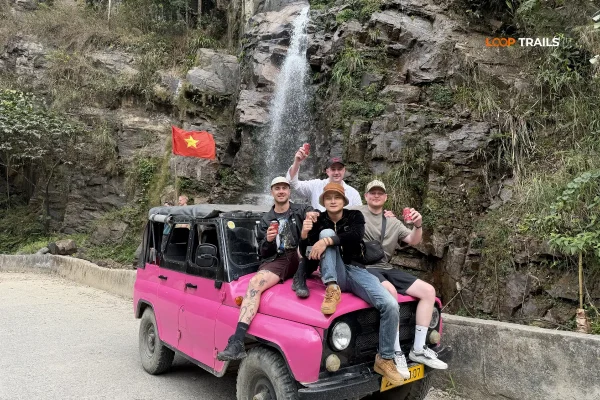
Learn more: Ha Giang Loop by Jeep for Families & Groups
Ha Giang by jeep is a different experience entirely — more comfortable, accessible to anyone regardless of riding ability, and well-suited to families or travelers who want the scenery without the motorbike commitment.
Jeep tours can cover the loop in 3 days comfortably (the 4WD vehicles handle the roads faster and more smoothly than motorbikes in some conditions), but 4 days still gives a better result for the same reasons — more time at key stops, less rushing.
If you’re considering a jeep tour, Loop Trails can walk you through the options. [See jeep tour details here.]
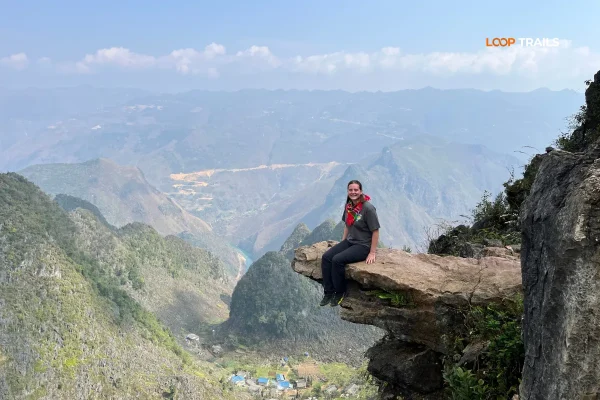
Learn more: Ha Giang in September & October
Yes, meaningfully.
September to November is the most popular period — buckwheat flowers bloom across the plateau around Dong Van, the rice terraces near Du Gia turn golden, and visibility is usually excellent. It’s also when the loop is busiest. In peak season, 4 days is advisable simply because popular viewpoints get crowded and you want flexibility to visit early or late.
December to February brings cold temperatures at altitude — Dong Van and the plateau around Meo Vac can get frost at night in January. Roads are generally clear but cold. The crowds drop significantly. 3-day loops are more manageable in winter because you’re not competing for viewpoints, but the cold makes long riding days harder. Four days is still better.
March to May is shoulder season with warming temperatures and fewer tourists. Good for either duration, with 4 days ideal for spring wildflower spotting in the valleys.
June to August is rainy season. Roads can be affected by landslides, particularly in the Yen Minh to Dong Van section. If you’re visiting in this period, 4 days gives you buffer to wait out a wet morning or reroute around a problem. On a 3-day loop in rainy season, a single bad morning can derail the whole plan.
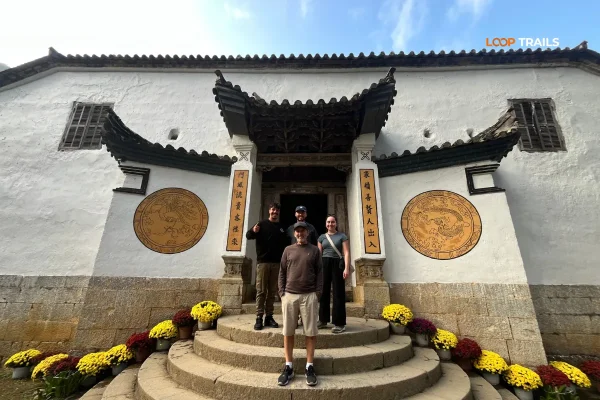
Learn more: Hmong’s King Vuong Palace
Let’s make this practical. Answer these honestly:
Choose 3 days if:
Choose 4 days if:
The honest default recommendation: If you have the flexibility, choose 4 days. The loop is one of the most exceptional places in Southeast Asia. The extra 24 hours costs relatively little and changes the experience significantly.
Still unsure which duration and format fits your trip? The team at Loop Trails is easy to reach — a quick WhatsApp message gets you a straight answer based on your specific dates, group, and experience level. No sales pressure, just practical guidance. [Contact us on WhatsApp here.]
Learn more: Ha Giang Safety Tips
A few things consistently catch travelers off guard:
Underestimating Day 2 on a 3-day loop. The Dong Van → Meo Vac → accommodation stretch is the longest day regardless of your format. If you arrive in Dong Van late on Day 1, Day 2 starts behind schedule. Build in buffer.
Booking the cheapest guide without asking questions. The Ha Giang Loop has a lot of operators, and quality varies considerably. Ask specifically about bike condition, guide experience, group size, and what’s included in accommodation. Vague answers are a warning sign.
Ignoring start date for markets. The Sunday markets in Dong Van and Meo Vac are genuine cultural events — not tourist performances. If you care about this, engineer your loop to hit a Sunday in one of these towns. It takes a bit of calendar math but it’s worth it.
Assuming the roads are always clear. Landslides and road works happen, particularly in rainy season. Local guides know this in real-time. Solo travelers relying on Google Maps may not.
Packing too much. Your luggage goes in a bag on the bike. Heavy bags make days miserable, especially on self-drive. Pack light — three to four days doesn’t require much. A rain jacket is non-negotiable; everything else is optional.
Not checking the weather before Ma Pi Leng. The pass is frequently foggy in the morning, especially October through December. Many travelers arrive at 9am and see nothing but white. Afternoon visits — or waiting for the fog to lift — often reward patience. Build this into your schedule if you can.

Learn more: Ha Giang Loop Photography guide
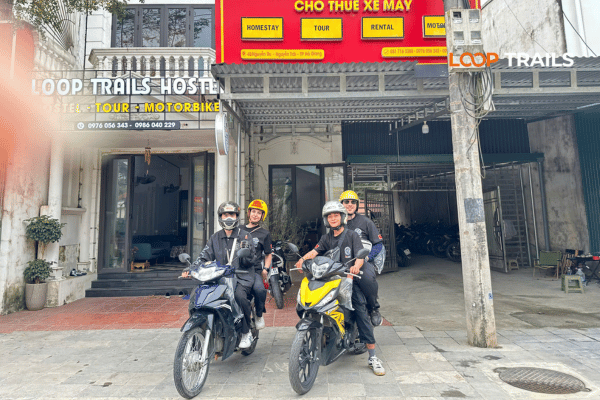
Loop Trails operates guided Easy Rider tours, jeep tours, and motorbike rentals from Ha Giang City. Tours run in small groups (or private), with local guides who’ve been riding these roads for years.
Booking works simply:
For self-drive riders, motorbike rental includes a pre-departure briefing, a route rundown, and contact support during the trip. You’re not left to figure it out alone.
If you’re combining Ha Giang with a Cao Bang extension — Ban Gioc Waterfall, Nguom Ngao Cave, Phia Oac National Park, Pac Bo Historical Site — Loop Trails runs combined itineraries that connect both provinces into one longer route. Worth asking about if you have 7+ days in the region.
[Browse all Ha Giang Loop tour options here] — or [check motorbike rental availability here].

Learn more: Ha Giang to Cao Bang
Three days covers the full loop and hits the major highlights, but the pace is demanding, especially on Day 2. It works well for experienced riders or those on guided Easy Rider tours with an efficient guide. If you have the flexibility, 4 days is a more comfortable and rewarding experience.
Four days. First-timers benefit from the slower pace, more time at key viewpoints like Ma Pi Leng Pass, and the chance to actually explore Dong Van and the villages along the route rather than just passing through.
Two days is technically possible but not recommended. You’d be covering ~175km of mountain road per day, leaving almost no time for stops. You’d experience the roads but miss the loop entirely. Three days is the realistic minimum.
Not dramatically. One extra night’s accommodation and one extra day of guiding (if you’re on a tour) adds to the cost, but it’s modest relative to the overall trip expense. For self-drive riders, it’s mainly the extra night of accommodation.
Ma Pi Leng is arguably the most dramatic mountain pass in Vietnam — a narrow road carved into a cliff above the Nho Que River gorge. On a 3-day loop, you’ll cross it but likely won’t have long to linger. On a 4-day loop, you have more time to stop, walk the viewing area, and soak it in properly.
Yes, generally. Solo travelers typically join small group Easy Rider tours or rent a motorbike independently. If riding solo on a self-drive, it’s worth having a contact you check in with. Roads are challenging but not extreme — most of the route is paved, with some gravel sections.
Yes, though timing your loop to hit a Sunday in Dong Van or Meo Vac (for the weekly markets) adds a significant cultural layer. It takes a bit of planning around your start date, but worth it if your dates allow.
Easy Rider = you ride pillion behind a local guide, no driving skill required. Self-drive = you rent and ride your own motorbike, requires real riding experience. Jeep = 4WD vehicle with driver, most comfortable, best for groups or those not comfortable on bikes. All three formats can do 3 or 4 days.
For buckwheat flowers and golden rice terraces: yes. But it’s also the busiest period. Viewpoints get crowded, accommodation books up earlier, and popular homestays fill fast. If you visit then, book ahead and lean toward 4 days for flexibility.
Yes — a combined Ha Giang and Cao Bang itinerary is a popular extension for travelers with more time. Cao Bang adds Ban Gioc Waterfall (one of the largest in Southeast Asia), Nguom Ngao Cave, Trung Khanh, and Phia Oac National Park. A combined tour typically runs 7–10 days and is a completely different level of northern Vietnam immersion.
Contact information for Loop Trails
Website: Loop Trails Official Website
Email: looptrailshostel@gmail.com
Hotline & WhatSapp:
+84862379288
+84938988593
Social Media:
Facebook: Loop Trails Tours Ha Giang
Instagram: Loop Trails Tours Ha Giang
TikTok: Loop Trails
Office Address: 48 Nguyen Du, Ha Giang 1, Tuyen Quang
Address: 48 Nguyen Du, Ha Giang 1, Tuyen Quang
Facebook X Reddit Table of Contents Learn more: Ha Giang Loop Tours This is the question that sits in almost every Ha
Facebook X Reddit Table of Contents Learn more: Ha Giang Loop Tours Most people drive past the Quan Ba area twice on