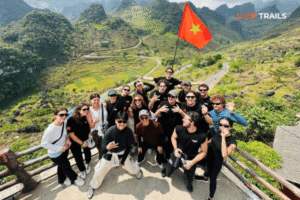


Thúy Kiều( Grace) is a travel blogger and content contributor for Loop Trails Tours Ha Giang. She holds a bachelor’s degree in Sustainable Tourism from Vietnam National University, Hanoi, and has a strong passion for exploring and promoting responsible travel experiences in Vietnam’s northern highlands.
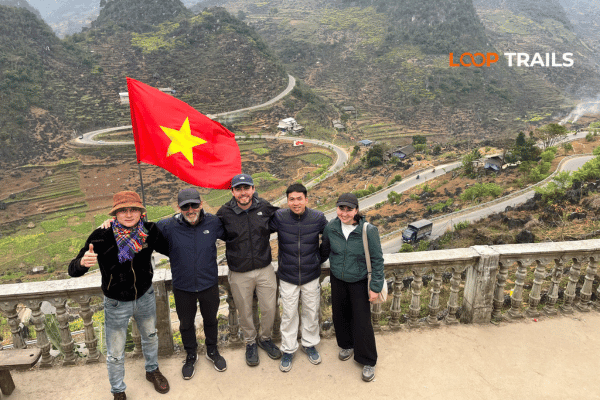
Learn more: Ha Giang Loop Tours
You’ve looked at the map. You’ve scrolled through Instagram. Both Ha Giang and Sapa are showing up in your feed with the kind of landscapes that make you question your entire desk job. Rice terraces. Mountain roads. Ethnic minority villages. Fog rolling over everything at sunrise.
The problem? They’re not the same trip. Not even close.
One is a bucket-list motorbike route through Vietnam’s most remote province — raw, rugged, and almost entirely off the mainstream tourist trail. The other is one of Southeast Asia’s most famous highland destinations, with proper infrastructure, reliable trekking routes, and a tourist scene that ranges from genuinely wonderful to genuinely overwhelming, depending on the season.
This guide cuts through the noise. If you’re trying to decide between Ha Giang Loop and Sapa — or figuring out how to fit both into your Vietnam itinerary — here’s the honest breakdown.
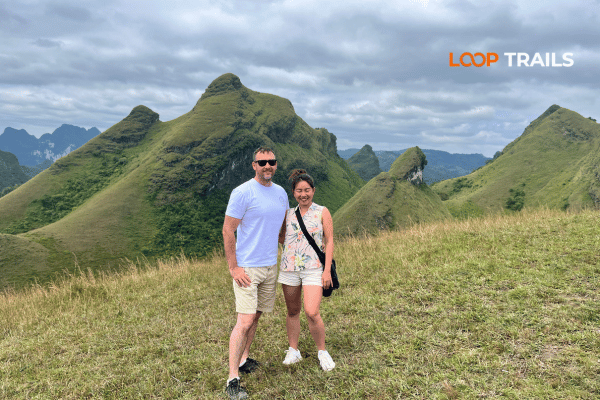
Learn more: Ha Giang Loop 2 Days 1 Night
Neither is “better.” They scratch completely different itches.
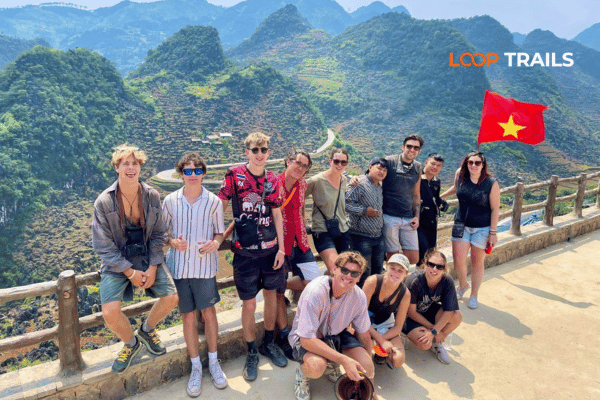
Learn more: Ha Giang Loop 3 Days 2 Nights
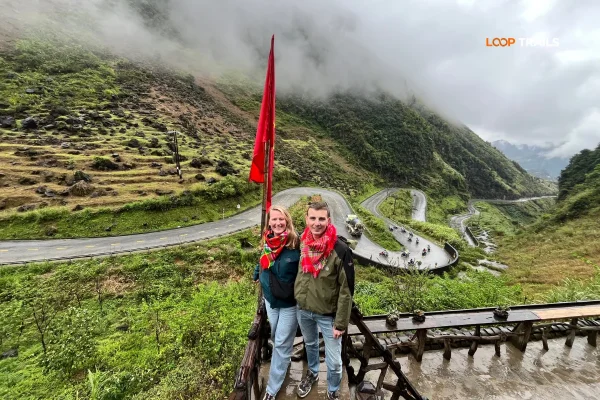
Ha Giang is Vietnam’s northernmost province, sharing a border with China. The “Loop” is a roughly 350km circuit through some of the most spectacular karst mountain scenery in Southeast Asia — think towering limestone peaks, deep river gorges, cloud-level passes, and villages where the pace of life hasn’t changed much in decades.
The route typically runs: Ha Giang City → Quan Ba → Yen Minh → Dong Van → Meo Vac → Du Gia → back to Ha Giang, though variations exist depending on how much time you have and whether you extend into Cao Bang.
The headline stops include:
The Ha Giang Loop doesn’t have a beach. It doesn’t have a famous old town. It doesn’t have a temple complex that everyone queues to photograph. What it has is landscape so dramatic it feels almost cinematic, and a degree of remoteness that’s increasingly rare in Vietnam.
The roads are technical in places. The villages are real. The people you meet — other travelers, local guides, H’mong families selling roadside food — make the experience feel earned rather than packaged.

Learn more: Ha Giang Loop 4 Days 3 Nights
Sapa is a highland town in Lào Cai Province, sitting at around 1,500 meters and close enough to the Chinese border to have a complicated colonial history — it was developed as a hill station by the French in the early 1900s. Fansipan, Vietnam’s highest peak, is right next door.
The draw has always been the same: spectacular terraced rice fields, cool mountain air, and access to ethnic minority communities — primarily the Black Hmong, Red Dao, and Tay peoples — who have maintained distinct cultures, dress, and traditions.
In recent years, a cable car up Fansipan and a massive tourism development push have transformed Sapa significantly. The town itself is modern now, with hotels ranging from basic guesthouses to luxury hilltop resorts. Trekking routes to villages like Cat Cat, Ta Van, Lao Chai, and Ta Phin remain popular, and guides are plentiful.
It depends on who you ask. Longtime Southeast Asia travelers often say Sapa has “changed” — and they’re right, it has. The town center is busy, the market can feel commercial, and the rice terrace viewpoints near town fill up fast in peak season.
But the landscape hasn’t gone anywhere. The terraces at harvest season (September–October) are genuinely stunning. The villages a few hours’ walk from town still feel authentic. And if you’re coming to Vietnam fresh, without the point of comparison from 2012, Sapa delivers exactly what it promises.
Learn more: Ha Giang Cao Bang 5 Days 4 Nights
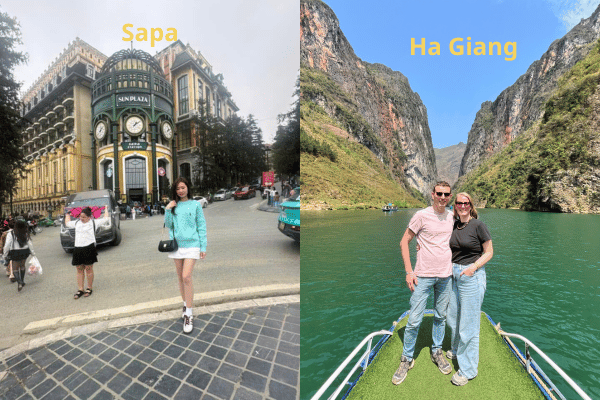
Both are spectacular, but in completely different ways.
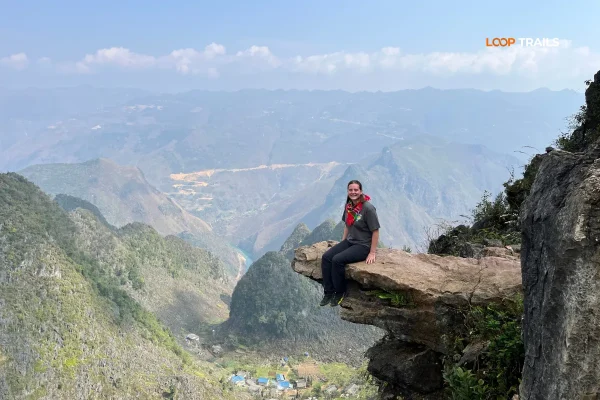
Ha Giang is raw geology — limestone karst peaks that shoot straight out of the earth, high-altitude plateaus, and sudden valleys that appear around blind corners. The Dong Van Karst Plateau is a UNESCO Global Geopark. The views from Ma Pi Leng Pass across the Nho Que River gorge rank among the best in Vietnam, full stop. The color palette is grey, green, and deep turquoise. It feels ancient.
Sapa is agricultural beauty — perfectly sculpted rice terraces cascading down mountainsides, lush green or golden depending on the season, framed by cloud-covered peaks. Fansipan rising above the valley on a clear day is impressive. It’s the kind of scenery that photographs beautifully and is genuinely moving in person.
Winner for dramatic, unique landscape: Ha Giang, by a margin. Winner for classic, “Vietnam postcard” scenery: Sapa.
This one isn’t close.
Sapa is one of Vietnam’s most visited highland destinations. During peak season (September–October, April–May, and major holidays), the main town and the popular trekking routes to Cat Cat and Ta Van can get genuinely busy. The cable car to Fansipan is efficient and popular — so popular that you may feel like you’re at a theme park on a Saturday rather than on a mountain.
Ha Giang Loop still operates on a completely different scale. The province sees a fraction of Sapa’s visitor numbers. The roads are long, the villages are spread out, and the landscape is big enough to absorb the travelers who do show up. Even in peak season, there are moments — especially on the northern stretches toward Lung Cu or on the Meo Vac side — where you’ll ride for 20 minutes without seeing another tourist.
That won’t last forever. Ha Giang has been growing steadily in popularity among international backpackers. But right now, if crowd avoidance matters to you, Ha Giang wins easily.
Learn more: Ha Giang Cao Bang Ba Be Lake 6 Days 5 Nights
Ha Giang Loop requires more but it depends on how you do it.
If you ride yourself (self-drive), you need genuine motorbike experience. The roads are mostly paved now, but they’re steep, twisty, sometimes narrow, and the stakes of a mistake are high. You’ll be navigating mountain passes with no guardrail and significant drop-offs. It’s manageable for competent riders, but not a beginner activity.
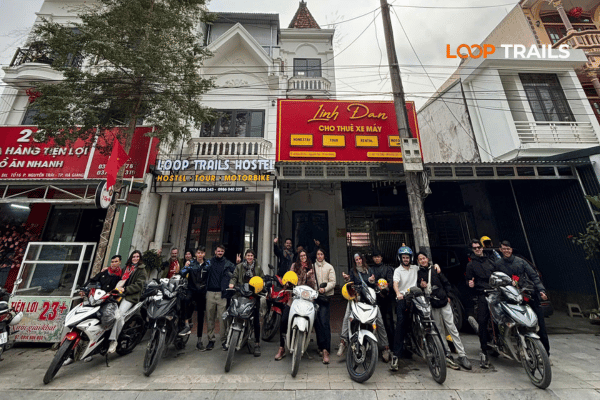
If you go with an Easy Rider guide (a local driver-guide who handles the bike while you ride pillion), the physical demand drops significantly. You still need to be comfortable on a motorbike seat for 4–7 hours a day and okay with altitude. But your job is essentially to hold on and look around.
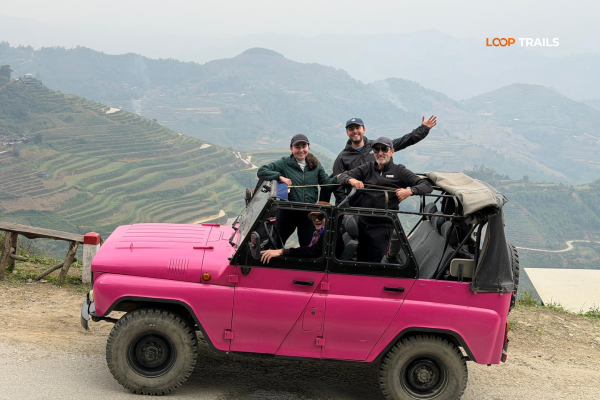
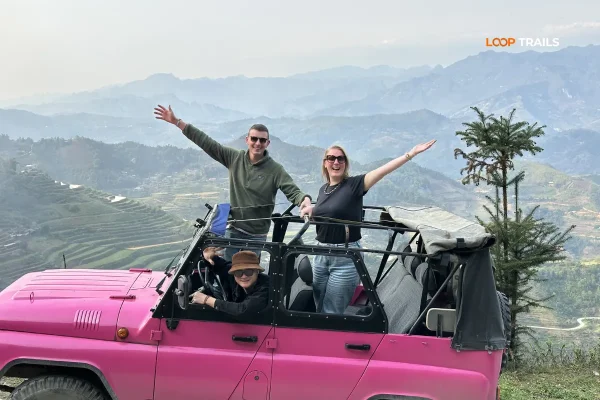
Jeep tours are the most comfortable option proper vehicles, proper seats, no road rash risk, same scenery.
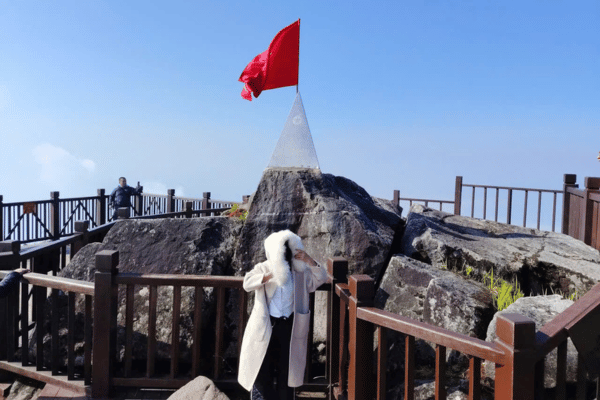
Sapa trekking involves real walking — village-to-village treks can cover 10–20km per day on mountain trails, some of which are slippery after rain. If you take the cable car to Fansipan summit, the altitude (3,143m) is notable —some people experience mild altitude effects. But overall, a standard 2-day Sapa trek is accessible to most reasonably fit travelers with decent footwear.
Bottom line: Ha Giang has a higher ceiling on difficulty (especially self-drive). Sapa’s trekking is more predictable and widely accessible.
Ha Giang logistics work like this:
Sapa logistics:
Ha Giang requires a bit more logistical planning — especially if you want to do it right with a good guide or rental. But the infrastructure for tourists is there now; it’s not a “figure it out yourself” kind of place anymore.
Thinking about doing the Ha Giang Loop? Loop Trails offers Easy Rider guided tours, small-group jeep tours, and self-drive motorbike rentals from Ha Giang City. Check out our Ha Giang Loop tours here — or message us on WhatsApp if you have questions about which option fits your experience level.
Neither destination is expensive by global standards, but there’s a meaningful difference.
Ha Giang Loop (approximate, per person):
| Item | Estimate |
|---|---|
| Overnight bus from Hanoi (return) | $10–20 USD |
| Easy Rider guided tour (3–4 days) | $100–160 USD |
| Self-drive motorbike rental (per day) | $12–20 USD |
| Jeep tour (3–4 days, small group) | $150–250 USD |
| Accommodation (guesthouses) | $5–15 USD/night |
| Food on the loop | $3–8 USD/day |
Note: Prices vary by operator, group size, and season. Always confirm current rates directly.
Sapa (approximate, per person):
| Item | Estimate |
|---|---|
| Train Hanoi–Lao Cai (return) | $20–40 USD |
| Accommodation Sapa | $10–50 USD/night (huge range) |
| 2-day guided trek | $30–60 USD |
| Fansipan cable car | ~$25–30 USD |
| Food in Sapa town | $4–10 USD/day |
In general, the Ha Giang Loop can be done more cheaply if you’re budget-conscious (guesthouses are basic but functional, food is cheap), but guided tour costs add up. Sapa’s accommodation range is wider — you can go very budget or very comfortable.
Ha Giang Loop:
Sapa:
Learn more: Ha Giang Motorbike Rental
You’re the right traveler for Ha Giang if:
Ha Giang rewards slow travelers. The people who get the most out of it are the ones who stop when something catches their eye, accept an invitation for tea from a roadside family, or take the long way to watch the light change on the valley. It’s not a checkbox destination. It’s the kind of trip people talk about years later.
Learn more: Ha Giang Loop for Beginners
Sapa is the right call if:
Sapa is also arguably the better choice for first-time Vietnam travelers who want highland scenery and cultural encounters without the complexity of planning a motorbike circuit through remote mountain roads.
Learn more: Ha Giang Loop for Couples
Yes — and if northern Vietnam is the focus of your trip, doing both is genuinely worth it.
The most common combined routing looks like this:
Hanoi → Ha Giang Loop (4–5 days) → Hanoi → Sapa (3–4 days) → Hanoi
Or for those with more time or who want to minimize backtracking:
Hanoi → Ha Giang (bus) → Ha Giang Loop → extend to Cao Bang → back to Hanoi → Sapa
The two destinations don’t overlap much in terms of landscape or experience. Ha Giang gives you the road trip and the karst geology. Sapa gives you the terraces and the trekking. Together, they paint a much fuller picture of northern Vietnam’s highlands.
Minimum realistic time for both: 10 days from Hanoi (tight). Comfortable: 14–15 days.
One route worth flagging: if you’re already exploring Cao Bang as an extension of the Ha Giang Loop, you’ll pass through Bac Ha — which has its own Sunday market and highland culture that slots neatly between Ha Giang and a Sapa visit. This makes the Ha Giang + Cao Bang + Sapa northern circuit one of the most complete itineraries you can do in Vietnam.
Learn more: Ha Giang Loop by Jeep for Families & Groups
Here’s a simple decision framework:
Pick Ha Giang Loop if…
Pick Sapa if…
Do both if…
At Loop Trails, we help travelers figure out the exact right version of the Ha Giang Loop for their time, budget, and experience level. Whether you want an Easy Rider guide, a private jeep, or a self-drive rental with a mapped route and backup support — we’ve got options. Browse our Ha Giang Loop tours or contact us on WhatsApp and we’ll sort you out within a few hours.
Learn more: Ha Giang Loop Solo Travel
For self-drive motorbike riders, yes — significantly harder. The mountain roads demand genuine riding experience. If you go pillion with an Easy Rider guide or in a jeep, the physical difficulty is much more comparable to Sapa trekking. Choose your mode of transport based on your actual skill level, not your ambition.
Genuinely different. Ha Giang’s karst geology and mountain passes are among the most dramatic in Vietnam; Sapa’s rice terraces are among the most photogenic. If forced to choose, most serious travelers who’ve done both give the edge to Ha Giang for sheer wow factor — but Sapa at harvest season is hard to argue against.
At minimum, 3 days (very tight). Realistically, 4 days is the standard for a solid loop. 5–6 days gives you breathing room to stop, explore, and not feel rushed. If you’re extending into Cao Bang, add another 2–3 days.
2–3 days is enough for most travelers to do a solid village trek and see the main highlights. 4 days if you want to trek further or take your time.
Licensing and permit rules in Vietnam are a nuanced topic, and regulations can change. Before your trip, check current requirements with your tour operator or a local authority — don’t rely solely on what other travelers tell you online. This is one area where rules can change, and local guidance matters.
Many solo female travelers do the Ha Giang Loop every year — as Easy Rider pillion passengers, on guided tours, and on self-drive. The region is generally considered safe and welcoming. Going with a reputable tour operator, staying at recommended guesthouses, and following standard travel sense makes it a comfortable experience for most. Connect with others in travel forums for first-hand solo female accounts before you go
Yes — Hanoi is the logical hub for both, with direct transport connections to Ha Giang (bus) and Sapa (train to Lao Cai). A 12–15 day northern Vietnam trip covering both is very doable.
September to November and March to May are generally considered peak season for good reason — weather is cooperative, the buckwheat flowers bloom in autumn, and the light is beautiful. The loop is doable year-round, but the June–August rainy season requires more caution and flexibility.
September–October for golden-harvest rice terraces and clear skies. March–May for mild temperatures and green terraces. December–January is cold and misty — atmospheric for some, frustrating for others.
Yes, with caveats. The town center and the nearest villages (Cat Cat especially) can feel touristy in peak season. The solution is to go further — longer treks, less-visited villages. A good guide makes a significant difference in where you end up versus the standard tourist circuit.
An extended route that adds Cao Bang Province (home of Ban Gioc Waterfall, Nguom Ngao Cave, and Pac Bo) onto the standard Ha Giang Loop. It adds 2–4 days and is one of the best extended itineraries in northern Vietnam. Loop Trails offers a combined Ha Giang–Cao Bang tour that covers both provinces in one trip.
Roughly comparable overall, though structured differently. Ha Giang guided tours (Easy Rider or jeep) are the main cost — accommodation and food on the loop itself is cheap. Sapa has a wider range of accommodation prices but guides and trekking fees add up similarly. Both are very affordable by international standards.
Learn more: Ha Giang Loop Weather
Ha Giang Loop and Sapa represent two completely different versions of what northern Vietnam can offer. One is a road trip through geological drama, a landscape that feels like it was designed to humble you. The other is a trekking destination with terraced hillsides, cultural villages, and a mountain to climb if you’re feeling ambitious.
The question was never really which one is “better.” It’s which one is right for you, at this point in your travels, with the time and energy you have.
If you’ve never been to northern Vietnam and you’re trying to choose: Ha Giang Loop will change how you think about the country. Sapa will give you a polished, memorable highland experience with fewer variables.
If you’ve got the time — honestly, just do both.
And if you’re leaning toward the Loop (with or without a Cao Bang extension), we’d love to help you plan it properly. Browse Loop Trails Ha Giang tours, check out our motorbike rental options, or drop us a message on WhatsApp. We’re based in Ha Giang, we know this road, and we’ll get you out there safely.
Contact information for Loop Trails
Website: Loop Trails Official Website
Email: looptrailshostel@gmail.com
Hotline & WhatSapp:
+84862379288
+84938988593
Social Media:
Facebook: Loop Trails Tours Ha Giang
Instagram: Loop Trails Tours Ha Giang
TikTok: Loop Trails
Office Address: 48 Nguyen Du, Ha Giang 1, Tuyen Quang
Address: 48 Nguyen Du, Ha Giang 1, Tuyen Quang
Facebook X Reddit Table of Contents Learn more: Ha Giang Loop Tours Most people drive past the Quan Ba area twice on

Facebook X Reddit Table of Contents Learn more: Ha Giang Loop Tours The Ha Giang Loop has a reputation problem with older