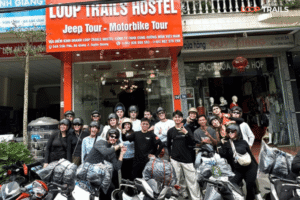


Thúy Kiều (Grace) is a travel blogger and content contributor for Loop Trails Tours Ha Giang. She holds a bachelor’s degree in Sustainable Tourism from Vietnam National University, Hanoi, and has a strong passion for exploring and promoting responsible travel experiences in Vietnam’s northern highlands.
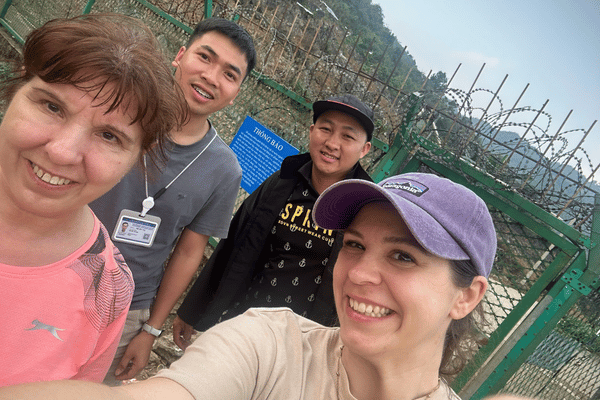
Learn more: Ha Giang Loop Tours
There’s a moment somewhere on the road between Meo Vac and Dong Van — usually around the point where the gorge drops away to your left and the Nho Que River appears as a thin ribbon of turquoise far below — when the question answers itself.
But you’re not there yet. You’re reading this because someone told you about Ha Giang, or you saw a reel that looked almost too dramatic to be real, and now you’re trying to figure out whether it’s actually worth the detour from the standard Vietnam itinerary.
Here’s the thing: the Ha Giang Loop gets a lot of hype. And unlike most things that get a lot of hype, it mostly deserves it. But it’s also genuinely not the right trip for everyone — and the internet doesn’t always tell you that part clearly.
This is the honest version.
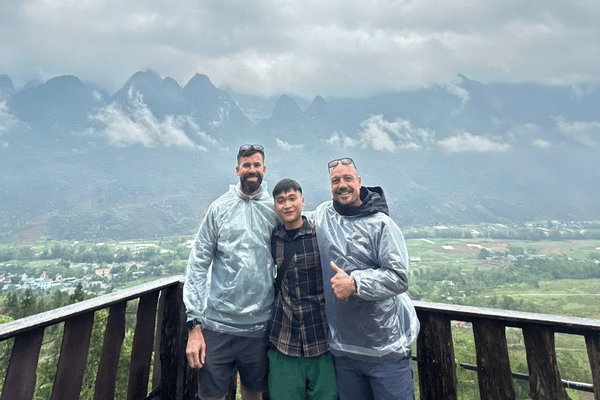
Learn more: Ha Giang Loop 2 Days 1 Night
Yes, the Ha Giang Loop is worth it. For most travellers who make it up here, it ranks among the best experiences of their entire Vietnam trip — sometimes their entire Southeast Asia trip.
But “worth it” depends on what you’re showing up for. If you want luxury, easy logistics, and comfortable hotels, you’ll need to set expectations carefully. If you want one of the most dramatic landscapes in Asia, genuine contact with ethnic minority cultures that have barely changed in generations, and the kind of roads that make you feel genuinely alive — then yes, it’s absolutely worth it.
The Loop is a roughly 350km circuit through Ha Giang Province in Vietnam’s far north. It takes most people three to four days minimum, though five or six days is the better call if you actually want to absorb it. The roads wind through jagged limestone karst mountains, past rice terraces, corn fields, and villages belonging to the H’mong, Tay, Lo Lo, and other ethnic minority groups. The scenery peaks at places like Ma Pi Leng Pass, the Nho Que River gorge, and Dong Van Old Quarter — but honestly, the views between the highlights are just as good.
It’s remote. It’s raw. And it asks something of you — whether that’s riding a motorbike on mountain roads, sitting in a jeep for hours, or just being comfortable with a level of unpredictability that doesn’t exist in Hanoi.
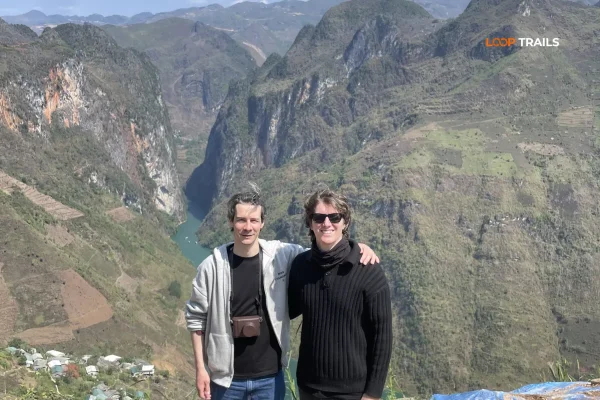
Learn more: Ha Giang Loop 3 Days 2 Nights
People throw around “off the beaten path” for places that are very much on the beaten path. Ha Giang is still genuinely different — here’s why.
The karst landscape of Ha Giang is what makes this place visually unlike anywhere else in Vietnam. These are old limestone mountains, heavily eroded, with formations that look almost geological in a way that feels prehistoric. The Dong Van Karst Plateau UNESCO Global Geopark covers a massive stretch of the Loop — and it earns that designation.
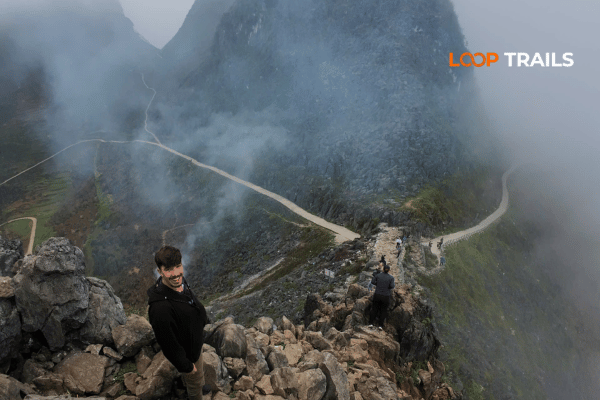
Ma Pi Leng Pass is the centrepiece, and it genuinely is one of the most dramatic mountain roads in Southeast Asia. The road is carved into a cliff face high above the Nho Que River canyon. If you’ve seen the photos and thought they must be edited — they’re not.
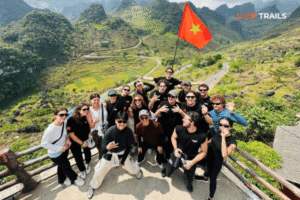
Then there’s Du Gia Waterfall, the valleys around Yen Minh, the lunar landscape near Dong Van, and the far northern point at Lung Cu, where the flagpole marks the border with China.
The visual variety over four days is remarkable. Lush valley floors give way to high exposed passes, which drop back into gorges, which open into wide rice terraces. It doesn’t repeat.
Ha Giang has a high concentration of ethnic minority communities — over 20 groups live in the province, including H’mong, Tay, Nung, Lo Lo, Dao, and Giay. Many of these communities maintain traditional dress, farming practices, and ways of life that you simply don’t encounter further south.
Dong Van’s old quarter has French colonial buildings sitting alongside traditional H’mong stone houses. Weekly markets (Dong Van, Meo Vac, Lung Cu) are the real thing — locals trade livestock, fabric, food, and tools. Bac Ha market on Sundays is nearby if you’re extending the trip.
This isn’t performative tourism. The cultural density here is a genuine part of the travel experience.
This one cuts both ways — the roads are simultaneously the Loop’s biggest draw and its biggest deterrent.
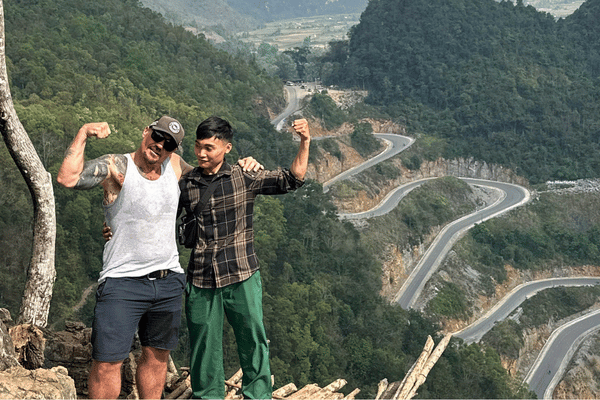
The core routes are paved, but mountain paved roads in northern Vietnam are not the same as paved roads anywhere else. You’ll encounter sharp switchbacks, steep gradients, unpredictable surfaces after rain, and sections where the drop beside the road is significant. The road between Meo Vac and Du Gia, in particular, has a reputation.
For riders, this is the point. For passengers in a jeep, it’s an adventure with a safety margin. For nervous self-drivers with limited motorbike experience, it can genuinely be overwhelming in places.
Learn more: Ha Giang Loop 4 Days 3 Nights
That said, the availability of Easy Rider tours (guided motorbike tours with an experienced local driver) and jeep tours has made Ha Giang far more accessible than it used to be. You don’t need to ride yourself to do it safely.
Thinking about joining a guided tour but not sure which format suits you? [Browse our Ha Giang Loop tours](tour page) — Easy Rider, self-drive, and jeep options are all available, and we keep group sizes small.
Learn more: Ha Giang Cao Bang 5 Days 4 Nights
Lorem ipsum dolor sit amet, consectetur adipiscing elit. Ut elit tellus, luctus nec ullamcorper mattis, pulvinar dapibus leo.
The main Loop roads are sealed. What that means in practice: paved, but narrow, with sections that deteriorate after heavy rain, particularly in the wetter months. Loose gravel at the edge of bends, landslide debris, cattle on the road, and construction patches are all normal occurrences.
The most demanding stretches are the mountain passes — particularly the road to and from Meo Vac, and the pass sections around Yen Minh. These involve sustained elevation change, tight switchbacks, and occasional sheer drops beside the road.
Road conditions can and do change — always check local updates before you depart, especially in the rainy season (roughly May to September).
If you’re self-driving: expect 4–6 hours of riding per day on the main loop, more on longer days. This is tiring even for experienced riders. Core and back fatigue is real on mountain roads.
If you’re on an Easy Rider tour: you’re a passenger, so physical demands drop significantly — though long days in the saddle or in a jeep can still be fatiguing.
If you’re in a jeep: the most comfortable option by a margin. The roads can still be bumpy and slow, but the physical toll is minimal compared to motorbike travel.
If you want to self-drive the Ha Giang Loop, you should already be comfortable riding a manual or semi-automatic motorbike before you arrive. Ha Giang is not the place to learn. The combination of altitude, narrow roads, steep grades, and occasional traffic makes it genuinely hazardous for beginners.
Check the current rules around riding licences in Vietnam before you go — regulations can change, and riding without the appropriate documentation creates problems if you’re involved in an incident. Your operator should be able to advise you on the current situation.
Learn more: Ha Giang Cao Bang Ba Be Lake 6 Days 5 Nights
| Pros | Cons |
|---|---|
| Scenery that’s genuinely world-class | Remote — limited medical facilities |
| Authentic cultural encounters | Road conditions can be challenging |
| Not overcrowded (by Vietnam standards) | Accommodation is basic outside main towns |
| Flexible pacing if you have time | Getting to Ha Giang takes time from Hanoi |
| Multiple tour formats available | Self-driving requires real riding experience |
| Affordable overall | Weather is unpredictable, especially in shoulder season |
Learn more: Ha Giang Jeep Tours
The most common Loop itineraries run 3–4 days. The honest answer is that 4 days is the minimum to see the main highlights without feeling rushed, and 5–6 days is what you actually want.
3 days: Doable, but you’ll move fast. Best for people with hard travel constraints who understand they’re getting a highlights reel.
4 days: The standard. Covers Ma Pi Leng, Dong Van, Meo Vac, Du Gia, and gets you back to Ha Giang City. Most people doing a Loop Trails Easy Rider or jeep tour pick this format.
5–6 days: The right amount. You can linger in villages, visit Lung Cu properly, take detours, watch a market morning in Dong Van or Meo Vac, and actually feel the pace shift.
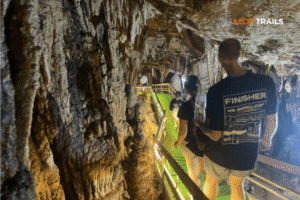
7+ days (Ha Giang + Cao Bang): For those who want to extend north and east into Cao Bang Province — Ban Gioc Waterfall, Pac Bo, Nguom Ngao Cave, the Phia Oac – Phia Den National Forest. This combination is significantly rarer on standard itineraries and gives you a much fuller picture of far-northern Vietnam.
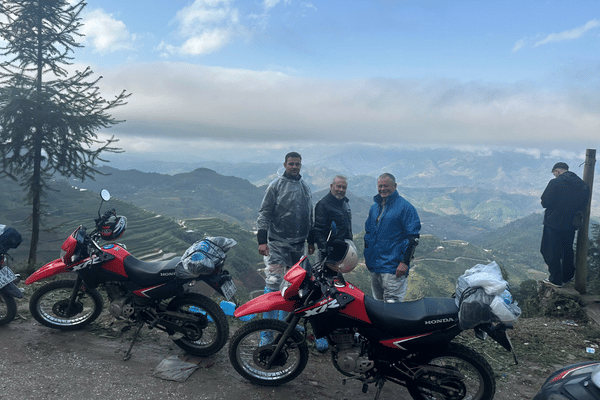
Learn more: Ha Giang Motorbike Rental
We’re going to be honest here without quoting specific prices that may have changed by the time you read this — always verify current rates directly.
The broad picture:
Getting there: Sleeper bus from Hanoi to Ha Giang City is the standard option. It’s overnight, affordable, and comfortable enough. Private transfer and limousine bus options also exist at higher price points.
Accommodation: Ha Giang City has a range of hostels, guesthouses, and mid-range hotels. Along the Loop, accommodation in the main stops (Yen Minh, Dong Van, Meo Vac) ranges from basic guesthouses to decent homestays and newer mid-range options. Don’t expect Hanoi-standard comfort throughout.
Food: Genuinely cheap along the entire Loop. Local pho, bun bo, com (rice dishes), and hotpot are available in every town. Budget travellers eat well here.
Tours vs. self-drive rental: A guided Easy Rider tour costs more than renting a motorbike and going alone — but it includes your guide, often accommodation, and removes a significant amount of uncertainty. A jeep tour is the most expensive format, but makes sense for couples, small groups, and anyone who wants comfort without sacrificing the scenery. Self-drive motorbike rental is the budget option, but comes with higher personal risk and logistical responsibility.
Overall: Ha Giang is one of Vietnam’s more affordable destinations for what it delivers. The scenery is extraordinary relative to what you spend to get there.
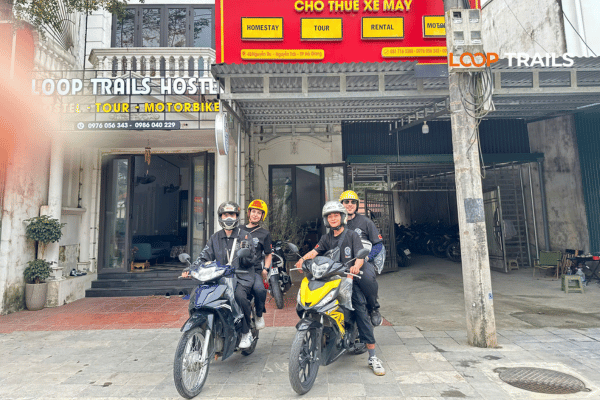
Learn more: Ha Giang Loop Easy Rider
This is the question that actually matters, and the honest answer depends on your experience, travel style, and risk tolerance.
Easy Rider Tour (Guided Motorbike) You ride pillion behind an experienced local guide who drives. Your guide knows the roads, speaks enough English to explain what you’re seeing, and handles logistics. This is the classic Ha Giang experience — intimate, slow-paced, flexible. Best for solo travellers and pairs who want the motorbike experience without the self-driving stress.
Self-Drive Motorbike Rental You rent a bike (typically an XR150 or semi-auto) and ride yourself. Maximum freedom, minimum hand-holding. Best for experienced riders who’ve ridden mountain roads before and are comfortable navigating independently. Not recommended for beginners, regardless of what you’ve heard.
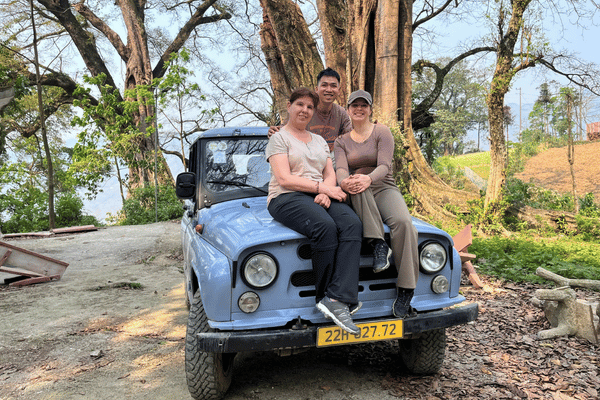
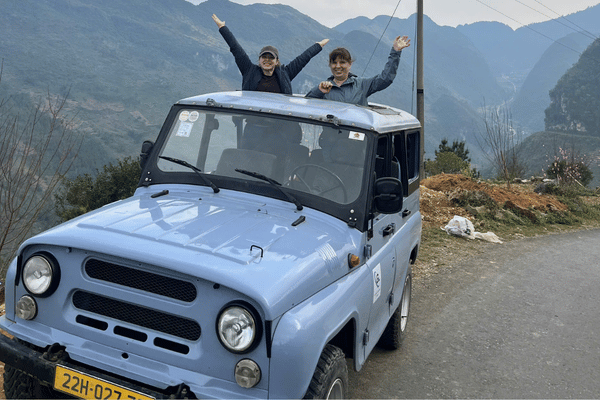
Private Jeep Tour A private vehicle with a driver covers the full Loop. Comfortable, safe, great for families, older travellers, couples who don’t ride, or anyone who wants to focus entirely on the views without thinking about the road. Jeep tours also allow you to reach viewpoints and sections inaccessible by motorbike. This is the fastest-growing format in Ha Giang for good reason.
Ha Giang + Cao Bang Combine Tour For those with more time, combining Ha Giang with Cao Bang adds Ban Gioc Waterfall and Pac Bo to the itinerary. Available in both Easy Rider and jeep formats. Seven to ten days well spent.
Not sure which fits you? Message us on WhatsApp and we’ll give you a straight answer based on your travel dates, experience, and group size — no sales pitch.
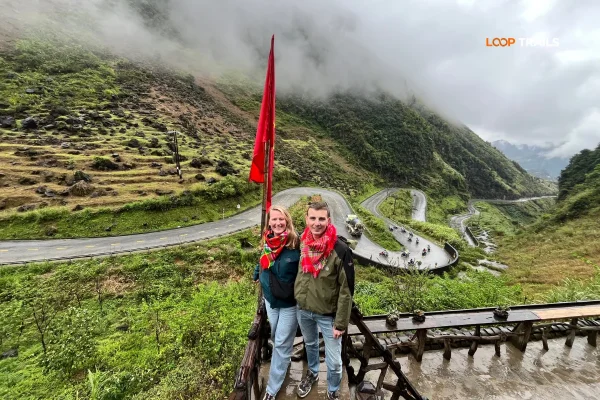
Learn more: Ha Giang Safety Tips
Rushing it. Three days sounds like enough until you’re on day two and you realise you haven’t stopped to actually look at anything. Build in at least one buffer day.
Going in peak rainy season without flexibility. The Loop in September can be genuinely beautiful — mist in the valleys, fewer tourists, green everywhere. It can also mean wet roads, reduced visibility on passes, and occasional closures. If you have zero flexibility on timing, come in the dry season.
Self-driving without experience. This gets repeated because it’s the single most common way people have bad experiences on the Loop. If you’re honest with yourself about your riding level and it’s “beginner,” take an Easy Rider or book a jeep. The Loop will still be extraordinary. The roads will not punish you for being a passenger.
Booking the cheapest guide you can find. Your Easy Rider guide is your entire Ha Giang experience. A good guide makes the Loop — they know which viewpoints to stop at, which families to visit, when to push and when to slow down. A disengaged or inexperienced guide turns four days into a forgettable shuttle ride. Ask operators specific questions: How long has your guide been doing this? What’s the guide-to-rider ratio?
Ignoring weather windows. Check the forecast before you leave Ha Giang City each morning. The passes can close visibility to near zero in fog, and wet switchbacks deserve genuine respect. Good guides and operators will adjust pacing based on conditions — if yours doesn’t, that’s a red flag.
Skipping Meo Vac market if timing allows. The Sunday market at Meo Vac is a highlight that many travellers miss because it requires timing your Loop correctly. Worth planning around if you can.
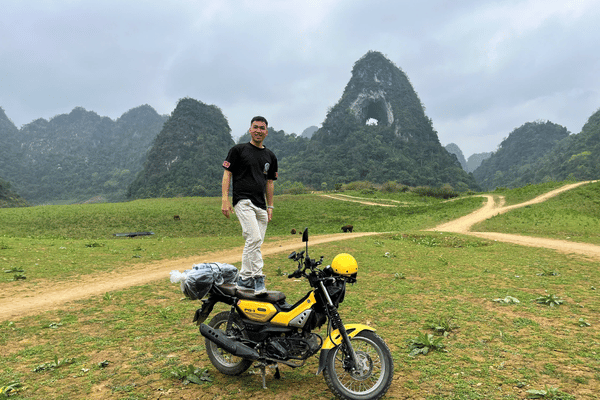
Learn more: Vietnam Motorbike Routes Ranked
People often compare Ha Giang to Sapa, Ninh Binh, or Halong Bay. Here’s the honest comparison:
Ha Giang vs. Sapa: Sapa has spectacular rice terraces and strong trekking infrastructure. Ha Giang has more dramatic scenery overall, a longer road journey, and a significantly more remote feel. Sapa is easier to access and better set up for shorter trips. Ha Giang rewards you more if you have the time.
Ha Giang vs. Ninh Binh: Completely different experiences. Ninh Binh is boat tours through karst landscape, easier logistics, closer to Hanoi. Ha Giang is a multi-day mountain journey. They don’t really compete — both are worth doing if your itinerary allows.
Ha Giang vs. Halong Bay: Different in almost every way. Halong is a cruise; Ha Giang is an overland adventure. The common thread is karst limestone. If you’re choosing between them, ask yourself: do you want to be on a boat or on a road through mountains? Both are genuinely world-class in their own category.
The honest take: Ha Giang is the hardest to get to and the most demanding of your time. It’s also, for many people, the most memorable thing they do in Vietnam. That’s not an accident.

Learn more: Ha Giang in September & October
Yes, significantly.
October – April (Dry Season): The most reliable window. October and November see the buckwheat flowers blooming across Dong Van — fields of soft purple-pink that make the landscape look almost dreamlike. December through February is cold at elevation (bring layers), but often crystal clear. March brings plum and peach blossoms. April is warm and dry before the rains come.
May – September (Rainy Season): The landscape turns intensely green. Rice terraces fill with water and young shoots. The mountains are often draped in mist, which creates genuinely beautiful photography — but also more challenging riding conditions. Roads can be affected by landslides and debris. Doable, but you need flexibility and a good guide who knows when to move and when to wait.
June – August: Peak rainy season. The Loop is still being run by experienced operators, but this is when conditions are most variable. Worth going if that’s your only window — just go with a proper tour operator rather than self-driving.
Ready to lock in dates? Our [Ha Giang Easy Rider tours](tour page) and [jeep tours](jeep tour page) run year-round with guides who know how to work the conditions. Check availability and reach out on WhatsApp.
Learn more: Ha Giang Loop by Jeep for Families & Groups
For most travellers doing it with a reputable guide or in a jeep, yes — it’s manageable. The main risks are road-related: wet surfaces, steep sections, and unpredictable conditions. Self-driving is riskier than guided tours, especially for less experienced riders. Choose your format honestly based on your skills.
The most common route is an overnight sleeper bus from Hanoi’s My Dinh or Gia Lam bus stations. The journey takes roughly 5–6 hours. Limousine buses are also available for a more comfortable ride. Some travellers fly to Ha Giang (limited schedules) or arrange private transfers.
Vietnam’s regulations around foreign driving licences can change — always check the current rules before you go. Some international licences are accepted under certain conditions; others are not. Your tour operator should be able to advise. Riding without proper documentation creates complications if you’re involved in an incident.
Four days covers the main highlights comfortably. Five to six days is better if you want to genuinely slow down and absorb it. Three days is the minimum for a highlights-only run.
Honestly, no. The roads are challenging even for experienced riders. If you’re a beginner, take an Easy Rider tour (you ride pillion) or book a jeep tour. The scenery is just as spectacular from the passenger seat.
October–November for the buckwheat flowers and clear skies. March–April for blossoms and warm weather. December–February for cold but clear conditions. The rainy season (May–September) is viable with a flexible itinerary and good guide, but less predictable.
Costs vary significantly depending on your format (self-drive, Easy Rider, jeep) and how long you go. As a broad guide: self-drive budget travellers spend the least; jeep tours cost more but cover a couple or small group comfortably. Contact us directly for current pricing — we’ll give you a real quote, not a vague range.
Yes, if you’re an experienced motorbike rider. Many independent travellers rent a bike in Ha Giang City and ride the Loop themselves. You’ll need navigating skills, flexibility, and ideally some Vietnamese or a translation app. It’s a rewarding way to go if you’re capable — just don’t underestimate the roads.
Continuing from Ha Giang east into Cao Bang Province adds Ban Gioc Waterfall (one of Asia’s largest), Pac Bo (historically significant), Nguom Ngao Cave, and the Phia Oac mountain area. It’s a 7–10 day extension that very few travellers do, which makes it one of the least crowded routes in northern Vietnam.
Yes — especially in a jeep or Easy Rider format. The Loop doesn’t require you to ride yourself, and the scenery, homestay culture, and remote atmosphere make it genuinely romantic in a rugged sort of way. Not a beach holiday, but unforgettable.
Layers (it gets cold at elevation, even outside winter), rain gear, sunscreen, good shoes for walking uneven ground, and a power bank. A buff or face covering helps on dusty sections. Don’t overpack — storage on motorbikes is limited.
Not by Vietnam standards. It has grown in popularity significantly over the past few years, and certain viewpoints (Ma Pi Leng, Lung Cu) see real foot traffic during peak season. But compared to Halong Bay, Hoi An, or Sapa, it still feels refreshingly uncrowded. The further you go from the main circuit towns, the more remote it becomes.
Contact information for Loop Trails
Website: Loop Trails Official Website
Email: looptrailshostel@gmail.com
Hotline & WhatSapp:
+84862379288
+84938988593
Social Media:
Facebook: Loop Trails Tours Ha Giang
Instagram: Loop Trails Tours Ha Giang
TikTok: Loop Trails
Office Address: 48 Nguyen Du, Ha Giang 1, Tuyen Quang
Address: 48 Nguyen Du, Ha Giang 1, Tuyen Quang
Facebook X Reddit Table of Contents Learn more: Ha Giang Loop Tours This is the question that sits in almost every Ha
Facebook X Reddit Table of Contents Learn more: Ha Giang Loop Tours Most people drive past the Quan Ba area twice on