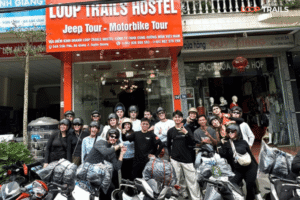


Thúy Kiều (Grace) is a travel blogger and content contributor for Loop Trails Tours Ha Giang. She holds a bachelor’s degree in Sustainable Tourism from Vietnam National University, Hanoi, and has a strong passion for exploring and promoting responsible travel experiences in Vietnam’s northern highlands.
Learn more: Ha Giang Loop Tours
There’s a moment somewhere on the descent into Dong Van when the road curls around a cliff edge and the whole town appears below you — a small cluster of slate-roofed houses tucked into a limestone valley so deep and steep-sided it looks like it fell there by accident. The peaks around it are raw and massive. The air is noticeably thinner and cooler than it was a few hours ago. And if you’ve been on the Ha Giang Loop for a day or two already, you feel the shift: this is where it gets serious.
Dong Van sits at around 1,000 metres above sea level on the Dong Van Karst Plateau — a UNESCO Global Geopark covering four districts of Ha Giang Province. It’s the most famous stop on the loop, the emotional high point for most travellers, and the launchpad for two of the most spectacular road experiences in Southeast Asia: the drive to Lung Cu Flag Tower in the north and the descent to Meo Vac through Ma Pi Leng Pass in the east.
This guide covers everything you actually need to know: what to do, where to eat, where to sleep, when to go, and how to get there — whether you’re riding solo, on a guided Easy Rider tour, or bouncing around in a jeep.
Learn more: Ha Giang Loop 2 Days 1 Night
Dong Van is a small district town in Ha Giang Province, about 150 kilometres north of Ha Giang City, right up near the Chinese border. It’s home to a mix of ethnic minority communities — H’Mong, Lo Lo, Tay, and others — and has been a trading post for highland communities for generations.
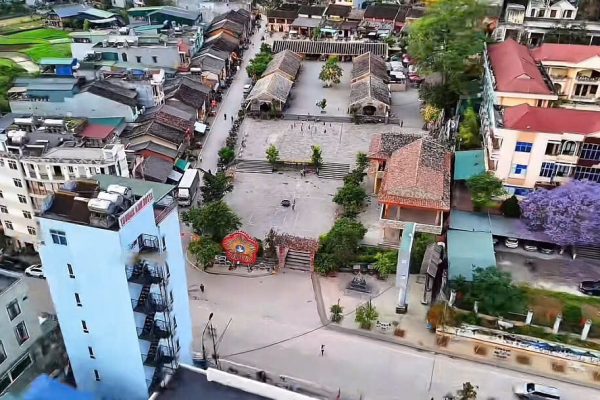
The town itself is compact and easy to navigate on foot. The Old Quarter is the centrepiece — a beautifully preserved collection of French-colonial and traditional Yunnanese-style stone houses that somehow avoided the concrete makeover that consumed most of Vietnam’s other highland towns. Walk through it in the early morning before the tour groups arrive and it genuinely feels like stepping back a hundred years.
Beyond the town, Dong Van is a geographic jackpot. You’re within reach of:
If you’re doing the Ha Giang Loop and wondering whether Dong Van is worth the extra time — yes. Unconditionally. Don’t rush it.
Learn more: Ha Giang Loop 3 Days 2 Nights
The most common approach is the full-day ride north through Quan Ba (the Twin Mountains / Heaven’s Gate area), Yen Minh, and then onward to Dong Van. The total distance is roughly 150 kilometres and takes anywhere from 5 to 7 hours depending on stops, road conditions, and how much time you spend staring at things.
The road quality has improved significantly in recent years but varies by section — there are patches between Yen Minh and Dong Van (particularly through Tham Ma Pass) that are genuinely rough. Always check conditions before you leave, especially after rain.
If you’re breaking the journey up (smart move), Yen Minh is the overnight stop before Dong Van. From Yen Minh to Dong Van is about 45–50 kilometres, mostly through the plateau — this stretch is one of the most visually intense on the entire loop. Budget 1.5 to 2.5 hours minimum.
Some travellers do the loop in the opposite direction, arriving in Dong Van from Meo Vac via Ma Pi Leng Pass. This is perfectly viable — you get to tackle Ma Pi Leng with fresh legs, and the views from that direction are equally dramatic. Just note that the climb from Meo Vac to Dong Van is longer and steeper than the descent.
Thinking about riding this section yourself? The roads between Yen Minh, Dong Van, and Meo Vac are among the most challenging on the loop — not impossible for experienced riders, but not forgiving either. If you’re newer to mountain riding or just want to take in the views without gripping the handlebars white-knuckled, our [Ha Giang Loop Easy Rider Tours] put a local guide on a second bike ahead of you the whole way. Worth considering.
Learn more: Ha Giang Loop 4 Days 3 Nights
This is the first thing most people do when they arrive, and it deserves more time than it usually gets. The Old Quarter is a UNESCO-recognised historic area — a grid of narrow lanes lined with two-storey stone houses built in a style that mixes French colonial architecture with traditional Yunnanese construction techniques. The oldest buildings date back over a century.
What makes it work is that it’s still a living space, not a museum. Families live in these houses. Grandmothers sit in doorways. Kids run through the lanes. It hasn’t been sanitised into a tourist attraction — not fully, anyway.
The best time to be here is early morning (before 8am) or after 4pm, when tour groups have moved on and the light is softer. The central square has a cluster of small cafes where you can get Vietnamese coffee and watch the town wake up.
A few things to look for:
Learn more: Ha Giang Cao Bang 5 Days 4 Nights
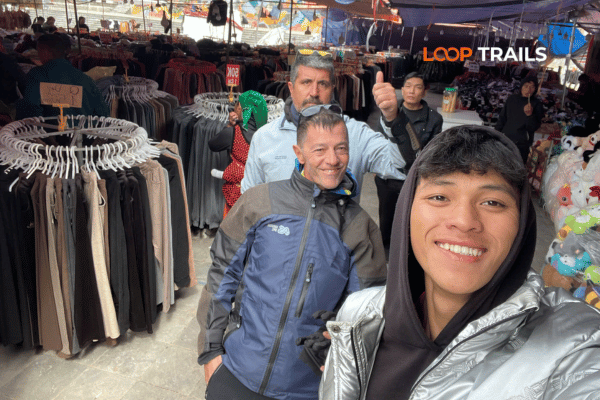
If your timing allows, try to be in Dong Van on a Sunday. The weekly market draws in ethnic minority communities from the surrounding hills — H’Mong, Lo Lo, Pu Peo — who come to trade livestock, sell produce, buy supplies, and catch up with each other. It’s busy, colourful, and completely unpretentious.
Don’t come expecting a curated cultural experience. This is a functional market. People are here to shop, not to be photographed. Be respectful with your camera, buy something if you’re browsing stalls, and enjoy the chaos.
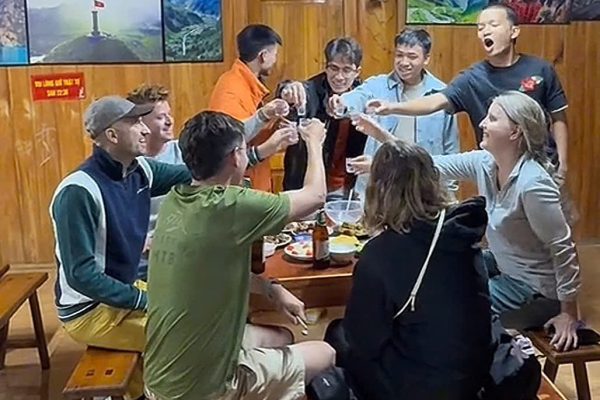
Market goods range from fresh produce and medicinal herbs to second-hand clothing, motorbike parts, and the local corn wine (thắng cố, a traditional dish, and Happy Water, the strong rice/corn liquor that’s a staple here). The livestock section — usually at the edge of the market — is raw and not for everyone, but it’s worth a quick look if you want to understand the agricultural reality of life on the plateau.
Timing: mornings, winding down by midday. Get there before 9am if you want to see it at full swing.
Learn more: Lung Cu Flag Tower Guide
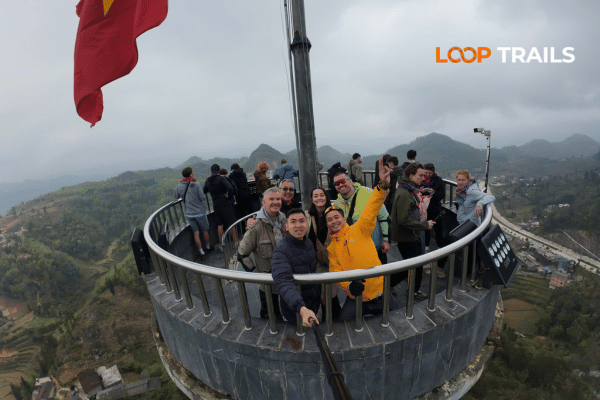
About 24 kilometres north of Dong Van, at the very tip of Vietnam’s northernmost point, Lung Cu Flag Tower is one of those places people visit because of what it represents as much as what it is. You’re standing at the geographic extreme of the country. The Chinese border is a few hundred metres away. The 54-metre flagpole flies an enormous Vietnamese flag that you can see from the road below.
The tower itself is a concrete observation structure — not architecturally remarkable — but the views from the top are genuinely sweeping: a patchwork of buckwheat fields, rice terraces, and H’Mong villages spreading across the plateau in every direction. On a clear day, you can see into China.
Getting there from Dong Van is a 45-minute to 1-hour ride on mountain roads. There are entrance fees to access the site — check for current pricing when you arrive, as these can change. The road is mostly manageable but has some rough stretches.
Plan to spend 1.5 to 2 hours at Lung Cu (including travel time from Dong Van for a half-day trip). Many travellers combine it with a loop back through Lo Lo Chai village.
Lo Lo Chai Village: On your way back from Lung Cu, stop at Lo Lo Chai — a small traditional village of the Lo Lo ethnic group, one of Vietnam’s smallest minority communities. The architecture here is distinct: wooden houses raised on stilts, painted with bright patterns. It’s genuinely beautiful and rarely crowded outside of weekends.
Learn more: Hmong’s King Vuong Palace
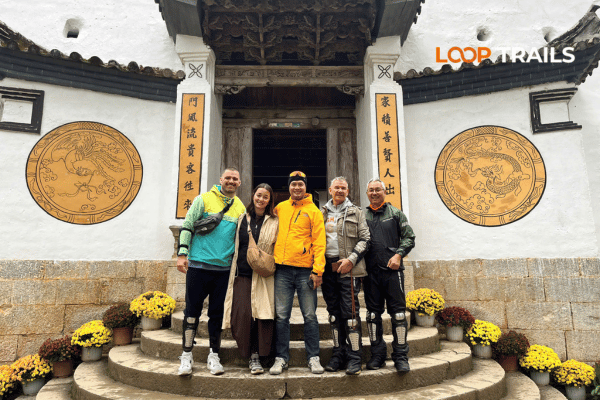
Built in the early 20th century, Vuong Palace was the residence of Vuong Chinh Duc — the last H’Mong king of the Dong Van Plateau, who ruled under French authority and maintained significant power over the opium trade that defined the plateau’s economy at the time. The palace took eight years to build and sits on a hillside about 15 kilometres from Dong Van town.
The architecture is a rare hybrid — H’Mong layout with Chinese and French influences blended in. Thick stone walls, interior courtyards, traditional carved wooden screens. The whole thing feels simultaneously fortress and home. There’s an entrance fee; check current rates locally.
The story of the Vuong family is worth reading about before you go — it’s a genuinely complex piece of 20th-century Vietnamese history involving opium, colonial politics, and eventual revolution. The palace is the physical centrepiece of that story. Allocate an hour at minimum, more if you’re into the history.
Learn more: Tham Ma Pass
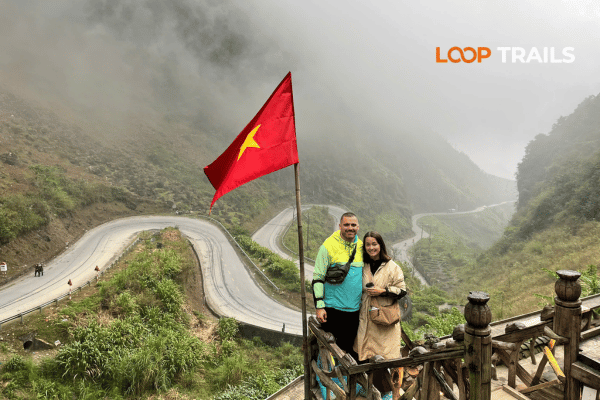
Between Yen Minh and Dong Van, Tham Ma Pass is the technical prequel to Ma Pi Leng — less famous, more neglected, and honestly quite brutal in parts. If you’re arriving from Yen Minh, you’ll ride through it on the way into town.
The pass features a series of steep switchbacks climbing to around 1,400 metres, with views across the karst plateau that rival anything on the loop. The road surface here is more variable than other sections — after rain, it can get slippery and narrow. Take it slow.
There’s a viewing platform partway up (often marked on Google Maps) where you can stop and take in the valley below. It’s a good legs-stretch point and the panorama is excellent.
Learn more: Tu San Canyon & Nho Que River Boat Trip
Technically, Ma Pi Leng Pass sits between Dong Van and Meo Vac — you won’t see the full experience unless you’re heading to Meo Vac. But this is the section of the loop that everyone talks about, and Dong Van is the starting point.
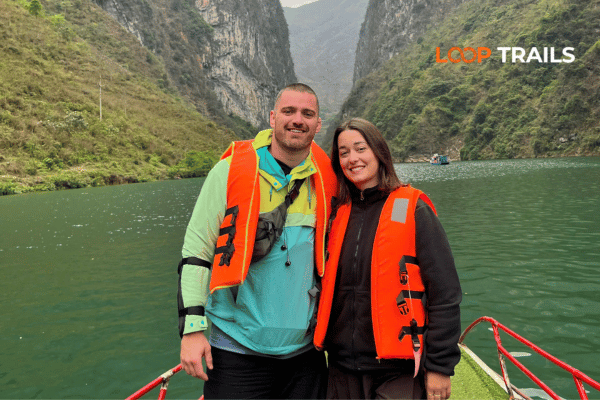
Ma Pi Leng is approximately 20 kilometres of road carved into cliffs above a gorge carved by the Nho Que River. The road is narrow, the drops are vertical, and the river below is a surreal shade of blue-green that changes with the season and the light. There’s a viewing platform roughly midway that lets you see the full scale of the gorge — most people stop here for photos and to just stand there for a while.
The road itself has been improved with guardrails in key sections, but it’s still mountain driving. If you’re self-driving, take this section slowly, especially if you’ve never ridden mountain roads before. If you want to experience it without the stress of navigation and road management, a guided tour makes a real difference here.
Learn more: Corn wine “Happy Water” in Ha Giang
Dong Van’s food scene is small but has a few genuinely good options. The local cuisine here reflects the highland H’Mong and Lo Lo cooking traditions — hearty, protein-heavy, and designed for people doing physical work in cold weather.
What to eat:
Where to eat: The restaurant scene in Dong Van is concentrated around the main square and the Old Quarter perimeter. Don’t expect menus in English everywhere — pointing works fine, and prices are low. A filling local meal typically costs 30,000–60,000 VND per person, though this varies. Confirm prices before you order to avoid surprises.
There are a few guesthouses with attached dining rooms that serve set meals — useful if you arrive late and want something reliable.
Learn more: Ha Giang Homestay Guide
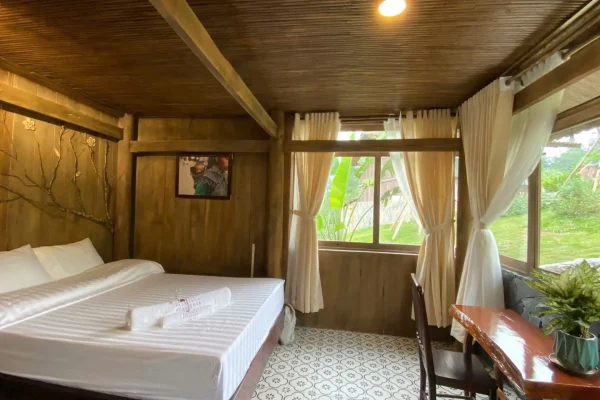
Accommodation in Dong Van has expanded significantly over the past few years. You’ll find a mix of budget guesthouses, mid-range homestays, and a small number of more comfortable options. Most travellers stay one night, though two nights is comfortable if you’re doing Lung Cu as a day trip.
Budget (under 200,000–300,000 VND/night): Basic guesthouses with private or shared rooms, cold showers, fan or no heating. Fine for one night if you’re packing light and not fussy. Bring a sleeping bag liner in the cooler months — temperatures drop sharply at night, especially November through February.
Mid-range (300,000–700,000 VND/night): Several decent homestays and small guesthouses in this range offer hot water, better bedding, and usually a simple breakfast option. Book ahead on weekends or during peak season (October–November, March–April buckwheat season).
Things to know:
Learn more: Ha Giang Cao Bang Ba Be Lake 6 Days 5 Nights
There’s no bad time to visit Dong Van, but there are clearly better times depending on what you want.
October – November (buckwheat season): This is peak season for a reason. The plateau turns pink with buckwheat flowers — the same flowers used to produce the local corn wine — and the light is spectacular. Expect more travellers, higher accommodation demand, and prices that reflect it. Book well ahead.
March – April (spring): The second flowering season, with blooming pear and plum blossoms around the Old Quarter and on the hillsides. Quieter than autumn, still very beautiful. Roads generally in good shape after the winter.
December – February: Cold, sometimes very cold. Frost is possible at high elevations. Occasional fog. But the roads are quieter, accommodation is easy to find, and the landscape has a stark, dramatic quality that appeals to a certain kind of traveller. If you come in winter, pack seriously warm layers — thermal base layers, a good jacket, waterproof gloves.
May – August (monsoon season): Wet, which means lush green landscapes but also unpredictable road conditions — particularly on mountain sections like Tham Ma Pass and Ma Pi Leng. Landslides can close roads temporarily after heavy rain. Visibility can drop significantly. If you travel in the rainy season, be flexible with your itinerary, check road conditions daily, and leave more time in your schedule for delays.
Learn more: Ha Giang Motorbike Rental
Minimum: 1 night You can see the Old Quarter, grab a meal, and ride to Lung Cu or through Ma Pi Leng in a single full day if you’re moving fast. But you’ll feel rushed.
Recommended: 2 nights
Two nights gives you the breathing room to actually experience the place rather than just tick it.
If you have more time: Three nights opens up day trips to more remote villages on the plateau, quieter exploration of the Old Quarter, and the option to time a visit to the Sunday market.
Learn more: Ha Giang Loop by Jeep for Families & Groups
Dong Van is accessible by three main options, and the right one depends on your experience level, budget, and what kind of trip you want.
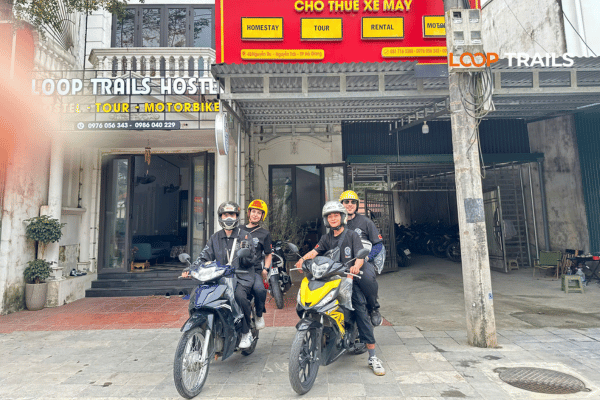
Self-Drive Motorbike Best for: experienced riders who want full independence and the satisfaction of conquering the roads themselves. The Ha Giang Loop is doable on a semi-auto or manual motorbike (XR150 and similar bikes are popular options). You’ll need a valid licence for the bike class you’re riding — regulations can change, so verify current requirements when you pick up your rental.
This is the most adventurous option, but also the highest-risk. Mountain road conditions can change quickly, fuel stations are sparse in places, and if something goes wrong mechanically or physically, you’re dealing with it on your own or flagging down help.
If you want to ride independently, check out our [Motorbike Rental Ha Giang] page for bike options, pricing, and what’s included.
Easy Rider (Guided Motorbike Tour) Best for: first-timers, travellers who want local knowledge, anyone who’d rather not navigate mountain roads solo, or riders who simply want to focus on the experience rather than the road.
With an Easy Rider guide, you ride pillion or follow a local guide who knows every turn, every fuel stop, every viewpoint, and every guesthouse. You get the motorbike experience without managing the logistics yourself. Guides often speak conversational English and can bring a layer of cultural depth to villages and places you’d otherwise just pass through.
See our [Ha Giang Loop Easy Rider Tours] for what’s included, route options, and how to book.
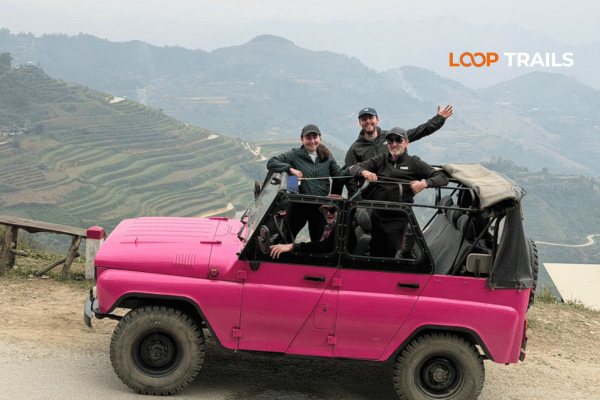
Jeep Tour Best for: couples, small groups, anyone who wants comfort and flexibility, travellers who don’t ride motorbikes, or those combining Ha Giang with the Cao Bang Loop and covering more ground.
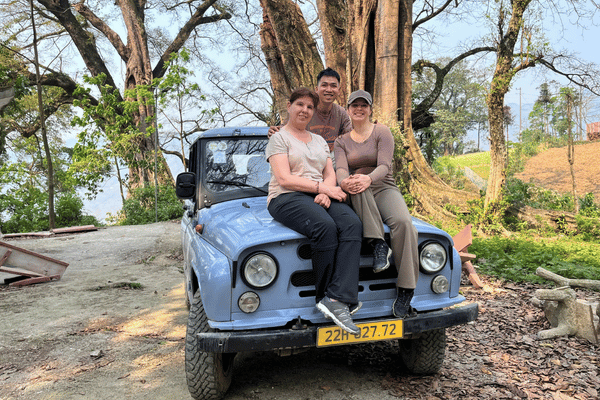
A jeep tour means a private vehicle, a driver who knows the roads, flexibility to stop whenever you want, and protection from the elements. It’s the most comfortable way to do the loop and increasingly popular with travellers who want the scenery without the exposure.
Our [Ha Giang Jeep Tours] run private routes to Dong Van, Lung Cu, and Ma Pi Leng — including the Ha Giang + Cao Bang combined route for travellers with more time.
Not sure yet? Message us on WhatsApp and we’ll help you figure out the right fit based on your experience, group size, and schedule. No sales pressure — just honest advice.
Learn more: Ha Giang Packing list
Fuel: There are petrol stations in Dong Van town, but they’re not always well-marked. Fill up when you can. On the road between Yen Minh and Dong Van, and between Dong Van and Meo Vac, options are limited. Don’t let your tank drop below half.
Phone signal: Variable on the plateau. Viettel tends to perform best. Download offline maps (Maps.me or Google Maps offline) before you leave Ha Giang City. Don’t rely on live navigation in the mountains.
Cash: Dong Van has ATMs, but they run out during peak season and on weekends. Carry enough cash for two days minimum when leaving Yen Minh.
Permits: The Ha Giang Loop area has specific entry requirements for foreign travellers — a permit is required and is obtained in Ha Giang City. This is usually handled automatically if you’re on a tour or renting through a reputable operator. If you’re going independently, confirm the current permit process before you leave Ha Giang City — regulations and procedures can and do change.
Health: The altitude isn’t extreme enough for serious altitude sickness for most travellers, but some people feel the difference — tiredness, mild headaches, dehydration. Drink more water than usual, take it easy on the first day, and avoid heavy alcohol the night before a long ride.
Road conditions: The roads on the plateau are genuinely challenging in places. Wet weather makes them significantly more so. If you’re riding independently, be honest with yourself about your skill level. The scenery is extraordinary — it’s not worth rushing to the point of making dangerous decisions.
Dress for the temperature: What feels fine in Ha Giang City at midday can be genuinely cold on the plateau, especially at elevation and after dark. Layers. Always layers.
Learn more: Ha Giang Loop for Couples
Dong Van is the kind of place that changes how you feel about travel — not because it’s perfect, but because it’s real. The landscape is overwhelming. The history is layered. The people are quietly going about their lives in conditions that would seem extreme anywhere else. And the roads to get there, and out the other side to Meo Vac, are as good as anything you’ll find in Vietnam.
Whether you’re planning to ride it yourself or want a guide in your corner, [Loop Trails] runs small-group and private Ha Giang Loop tours departing regularly from Ha Giang City. Get in touch to talk through your options — we’ll tell you exactly what to expect and help you build a trip that fits.
Learn more: Ha Giang Adventure
Dong Van is a district town in Ha Giang Province, in the far north of Vietnam. It sits on the Dong Van Karst Plateau at around 1,000 metres elevation, roughly 150 kilometres north of Ha Giang City and close to the Chinese border.
The route north to Dong Van passes through Quan Ba and Yen Minh — a full-day ride of 5–7 hours depending on stops. You can go by motorbike (self-drive or with a guide), jeep tour, or local bus. Most travellers break the journey with an overnight stop in Yen Minh.
Yes. Foreign travellers in Ha Giang Province’s border areas — including Dong Van — are required to obtain a travel permit. This is typically arranged in Ha Giang City, and reputable tour operators and rental shops handle it as part of their service. Requirements can change, so confirm the current process before you travel.
The weekly market in Dong Van draws ethnic minority communities from across the plateau — H’Mong, Lo Lo, Pu Peo — to trade goods, livestock, food, and local products. It’s a genuine working market rather than a tourist attraction, and one of the most authentic cultural experiences on the loop. Arrive before 9am for the best atmosphere.
Ma Pi Leng Pass is a stretch of mountain road between Dong Van and Meo Vac — approximately 20 kilometres of road carved into cliffs above the Nho Que River gorge. It’s considered one of the most spectacular roads in Vietnam and a highlight of the Ha Giang Loop.
October–November (buckwheat flowers) and March–April (spring blossoms) are the most popular and visually rewarding seasons. Winter (December–February) is cold but beautiful and quiet. The monsoon season (May–August) brings green landscapes but unpredictable road conditions.
Generally yes — Dong Van is a small town with low crime rates. The bigger safety considerations are the roads, not the people. Mountain riding requires skill and caution, especially on wet roads. Travelling with a guide significantly reduces the risk factors.
Yes. Jeep tours are a popular option for travellers who don’t ride or prefer more comfort. Local buses also run from Ha Giang City, though they’re slower and less flexible. A jeep gives you the most control over your itinerary.
Budget travellers can get by on $15–25 USD per day (accommodation, food, local transport). Mid-range travellers spending on tours or more comfortable guesthouses should budget $40–80 USD per day. Tour pricing varies by type and duration — check directly with your operator for current rates.
Vuong Palace (Dinh Vua Meo) is a historic residence built in the early 20th century for Vuong Chinh Duc, the H’Mong king who controlled the Dong Van Plateau during the French colonial period. It’s a remarkable building that blends H’Mong, Chinese, and French architectural elements, and tells a complex piece of Vietnamese history. There’s an entrance fee; check current rates locally.
Yes, there are ATMs in Dong Van town. However, they can run out of cash during busy weekends or peak season. Always carry backup cash from Ha Giang City or Yen Minh.
About 24 kilometres. The drive takes 45 minutes to 1 hour depending on road conditions and stops. Most travellers do Lung Cu as a half-day trip from Dong Van.
Contact information for Loop Trails
Website: Loop Trails Official Website
Email: looptrailshostel@gmail.com
Hotline & WhatSapp:
+84862379288
+84938988593
Social Media:
Facebook: Loop Trails Tours Ha Giang
Instagram: Loop Trails Tours Ha Giang
TikTok: Loop Trails
Office Address: 48 Nguyen Du, Ha Giang 1, Tuyen Quang
Address: 48 Nguyen Du, Ha Giang 1, Tuyen Quang
Facebook X Reddit Table of Contents Learn more: Ha Giang Loop Tours This is the question that sits in almost every Ha
Facebook X Reddit Table of Contents Learn more: Ha Giang Loop Tours Most people drive past the Quan Ba area twice on