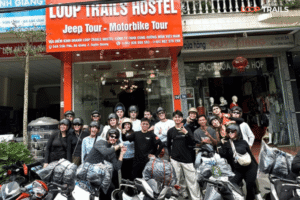


Thúy Kiều (Grace) is a travel blogger and content contributor for Loop Trails Tours Ha Giang. She holds a bachelor’s degree in Sustainable Tourism from Vietnam National University, Hanoi, and has a strong passion for exploring and promoting responsible travel experiences in Vietnam’s northern highlands.
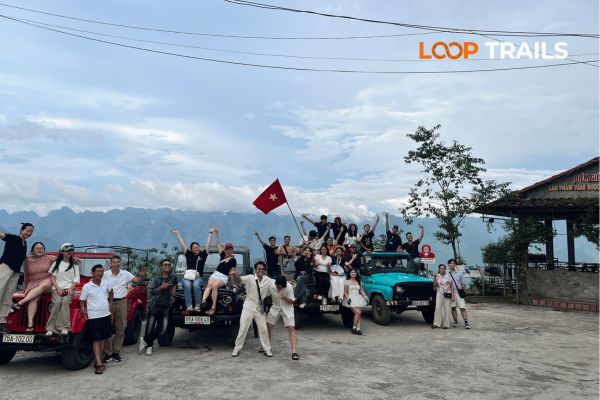
Learn more: Ha Giang Loop Tours
If you’ve already heard about Ha Giang and you’re looking for the next layer of northern Vietnam, Cao Bang is probably what your search history has been circling. Same wild karst mountains, same ethnic-minority villages tucked into valleys, far fewer travelers, and a road network that, in places, still feels like it was paved last month.
A jeep tour is one of the easiest ways to actually see this region without spending half your trip wrestling a rental motorbike up wet switchbacks. This guide breaks down what a Cao Bang jeep tour really looks like in 2026: the route, the realistic itinerary, what it costs, and the small details no one tells you until you’re already there.
I’ll be honest where things change season to season, and I’ll point you at the right option at the end depending on whether you’re a couple, a family, or a group of friends who just want to be driven around with the windows down.
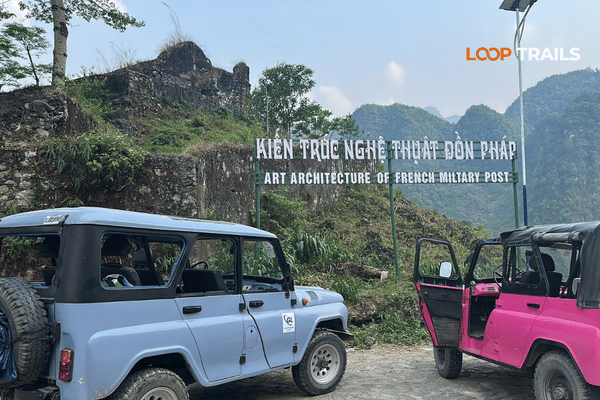
Learn more: Ha Giang Loop 2 Days 1 Night
In Ha Giang, the motorbike is part of the culture. Riders go there because they want the bike. Cao Bang is different. The province is bigger, the points of interest are more spread out, and the weather can flip from sunshine to mountain mist inside an hour.
Here’s where a jeep makes more sense than two wheels:
A jeep also lets you do something a motorbike can’t: stop wherever you want, throw the bags in the back, and keep your camera dry. On the limestone roads around Ban Gioc and Phong Nam, that matters more than people expect.
If you’re still torn between riding and being driven, our Ha Giang motorbike rental page has the bike side covered. We’ll come back to the comparison later in this post.
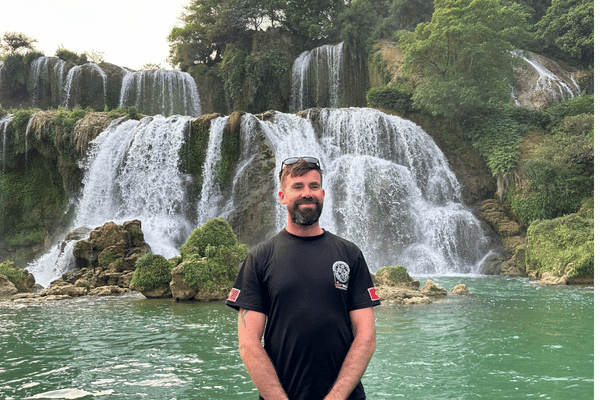
Learn more: Ha Giang Loop 3 Days 2 Nights
Cao Bang is a mountainous province in the far northeast of Vietnam, pressed up against the Chinese border. Most travelers fly into Hanoi, then push north for around 6 to 8 hours by road, depending on traffic and which route the driver takes.
What sets Cao Bang apart from the rest of northern Vietnam is the geology. The whole area is part of the Non Nuoc Cao Bang UNESCO Global Geopark, a protected zone of limestone karst formations, caves, sinkholes, and rivers that look almost tropical when the light hits right. You’ll see this on day one and stop trying to compare it to anywhere else.
The headline sights are well known by now:
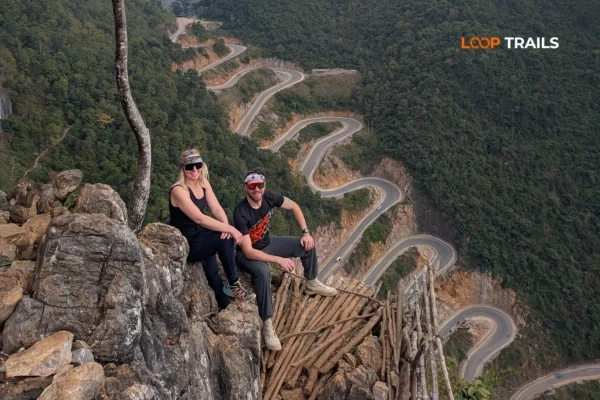
The less-photographed parts are honestly where Cao Bang earns its reputation. Roadside markets, kids walking buffalo home, women weaving on porches. You don’t have to look for it. It’s just there as you drive
Learn more: Ha Giang Loop 4 Days 3 Nights
Most Cao Bang jeep tours run as a 3-day or 4-day loop starting and ending in Hanoi or Cao Bang City. The classic route shape is a counter-clockwise loop out of Cao Bang City heading northeast to Ban Gioc, then back through Trung Khanh, Quang Hoa, and the central karst valleys.
A typical loop covers, in order:
Some itineraries add a western detour to Phia Oac Mountain (a former French hill station, cooler temperatures, mossy forest) or a northern detour to Pac Bo (the historical cave where Ho Chi Minh hid in the 1940s).
On paper the distances look short. In practice, mountain roads slow everything down, and you’ll want time to walk into caves, climb to viewpoints, and eat. A realistic minimum is:
I’d argue 4 days is the sweet spot for a first-time visitor. You get full coverage of Ban Gioc, Phong Nam, and one extra valley without spending two consecutive days in the car.
Learn more: Ha Giang Cao Bang 5 Days 4 Nights
This is a realistic blueprint for a 4-day jeep loop. Distances and stops shift slightly by operator, weather, and time of year. Most local providers, including ours, will tweak the daily plan if a road closes or a market is on.
Pickup is usually early in the morning from your Hanoi hotel. The drive north passes through Bac Kan and into Cao Bang province, with a lunch stop on the way. Expect rolling foothills, a few tunnels, and a long stretch where you’ll start to see the karst peaks rising in the distance. By late afternoon you arrive in Cao Bang City, drop bags at the hotel, and have an evening to wander the night market.
Day 1 is mostly transit. If you’ve already been in Vietnam a few days and want to skip this, you can take an overnight sleeper bus and meet the jeep in Cao Bang City on the morning of day 2. Both options work.
This is the headline day. After breakfast you cross Ma Phuc Pass, which is a worthwhile photo stop in clear weather, and continue northeast through Trung Khanh district. The road bends along the Quay Son River, where the water turns that ridiculous turquoise color in dry season.
Stops typically include:
If you’re spending the night at Ban Gioc or Khuoi Ky, you can stay until sunset, which is when the waterfall genuinely empties out. If you’re heading back to Cao Bang City, you’ll leave a bit earlier.
Quick CTA: If you want a private jeep with a guide who actually knows where to stop on this stretch (the unmarked viewpoints are the best ones), have a look at our Cao Bang Loop tour page for current departure dates.
Day 3 is the quiet one. Less driving, more walking, more time with a coffee in your hand. After breakfast you head into Phong Nam Valley, which I’d argue is the most photogenic single location in Cao Bang. Rice fields hemmed in by limestone walls, a slow river, water buffalo doing their thing.
From there you’ll usually drive to Angel Eye Mountain, where you can hike up to the natural arch for views back across the valley. The hike isn’t long but it’s steep in parts and shadeless, so plan for early morning or late afternoon.
Lunch tends to be a local family-style meal in a Tay or Nung village. Afternoon options include:
Overnight is usually back in Cao Bang City or at a homestay along the route.
If you have a fourth day, you can pick a direction:
Most travelers then drive back to Hanoi the same evening (long day) or take the overnight bus.
Learn more: Cao Bang Loop 3 Days best kept secret
Cao Bang has four meaningful seasons, and the difference between them is real. There’s no “wrong” time exactly, but the trade-offs change.
| Season | Months | What to Expect |
|---|---|---|
| Spring | March to April | Cool, occasional drizzle, green hills, fewer crowds |
| Early summer | May to June | Warmer, dry days, rice growing, lush valleys |
| Rainy season | July to early September | Ban Gioc at its fullest, but slippery roads and possible closures |
| Autumn | mid-September to November | Generally agreed best window: clear skies, golden rice, comfortable temps |
| Winter | December to February | Cold and misty, especially Phia Oac, but very few tourists |
If you want Ban Gioc Waterfall at peak power, late August to early October is when the river is fullest. If you want clear photos and warm-but-not-hot days, October is the safe pick. Just remember that road conditions can change after heavy rain, so check latest updates before you commit to a date.
Learn more: Ha Giang Cao Bang Ba Be Lake 6 Days 5 Nights
This is the question we get most. Honestly, both are great, but they serve different traveler types.
Choose Ha Giang if:
Choose Cao Bang if:
A lot of travelers don’t actually choose. They combine both, which is the third option and arguably the best one if you have the days. We’ll cover that further down.
For Ha Giang specifically, our full breakdown lives on the Ha Giang Loop tours page if you want to compare.
Learn more: Ha Giang Motorbike Rental
Tour inclusions vary between operators, so always read the fine print. On a typical Loop Trails Cao Bang jeep tour, what’s included is:
What’s typically not included:
If you want a clean-paper view of what’s bundled into our specific departures, the Cao Bang Loop tour page lists it line by line.
Learn more: Ha Giang Loop by Jeep for Families & Groups
Prices shift based on group size, season, vehicle type, and how much of the trip is private. Rather than quote a number that’ll be outdated by the time you read this, here’s how the pricing usually breaks down:
A few honest factors that affect price:
We post current pricing on the tour page rather than baking it into blog posts, since we’d rather you see the up-to-date rate. Reach out via WhatsApp if you want a quote tailored to your dates and group size.
Learn more: Ha Giang Loop for Couples
Worth a quick standalone section because this trips people up.
A group jeep means you’ll be matched with other travelers who booked the same departure. Pros: cheaper, you’ll likely meet people you click with, decent for solo travelers. Cons: less control over pace, you stop where the group stops, and the chemistry is luck of the draw.
A private jeep means the car, driver, and guide are dedicated to your group only. Pros: total flexibility, custom pace, and you can adjust the itinerary if a road is closed or a market is happening. Cons: costs more if you’re a small party, but the per-person price drops fast as you add people.
For couples and families, private almost always wins on the math. For solo travelers and pairs on a budget, group is the way to go.
Learn more: Ha Giang Loop Mistake to Avoid
A few patterns we see again and again:
Trying to cover Cao Bang in 2 days. It’s possible, but you’ll spend most of your time in transit. 3 days minimum, 4 if you can.
Booking only Ban Gioc and skipping Phong Nam. Ban Gioc is the postcard, but Phong Nam is the experience that surprises people most. Make sure your itinerary includes both.
Not checking the weather window. A rainy day at Phia Oac is a soggy day at Phia Oac. Look at the forecast 5 days out and ask your operator about backup plans.
Booking with vague online operators. This isn’t unique to Cao Bang. If a price looks dramatically lower than the rest of the market, ask what’s been cut. Usually it’s vehicle age, insurance coverage, or guide quality.
Showing up without cash. ATMs exist in Cao Bang City but become rare on the loop. Carry enough Vietnamese dong for tips, snacks, and any optional fees.
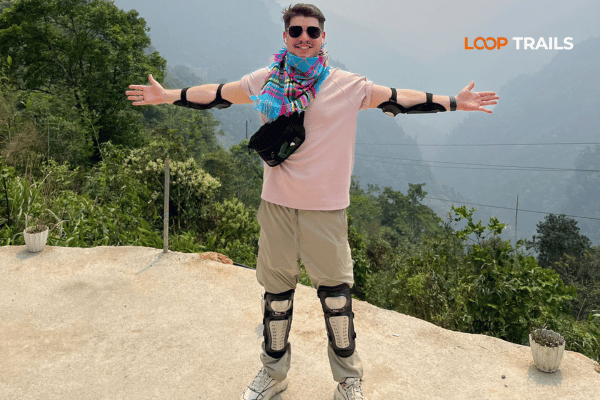
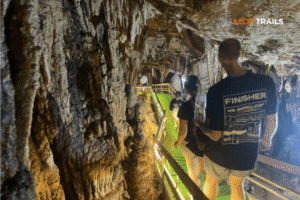
Wearing one-time hiking sandals. The walk through Nguom Ngao Cave is wet in places, and Phong Nam involves uneven ground. Trail runners or sturdy sandals work better than fashion sneakers.
Learn more: Ha Giang Packing list
Cao Bang sits at altitude in places, so layers matter. A rough packing list:
If you tend toward carsickness, sit in the front seat of the jeep and avoid screens for the first hour out of Cao Bang City. The road from Ma Phuc Pass to Ban Gioc has a lot of bends.
Learn more: Hanoi Sleeper Bus
Three main options, ranked by how most travelers actually do it:
1. Door-to-door pickup with the jeep tour. Easiest. The vehicle picks you up from your Hanoi hotel and the drive becomes Day 1. Roughly 6 to 8 hours each way depending on stops and traffic.
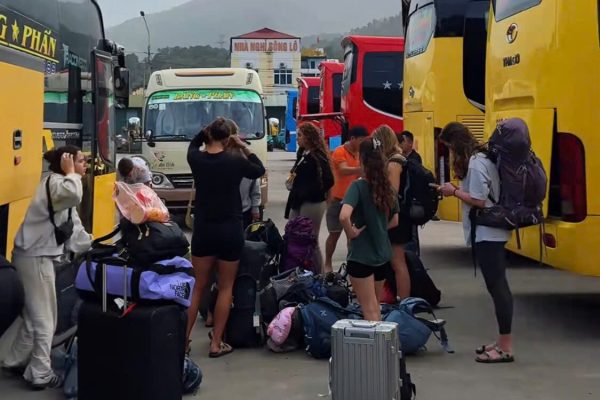
2. Sleeper bus from My Dinh bus station. Cheaper. Overnight buses leave Hanoi in the evening and arrive in Cao Bang City around dawn. You meet the jeep in town. Worth it if you’re stretching a tight budget.
3. Limousine van. Mid-range option. Daytime van services run Hanoi to Cao Bang City and are more comfortable than buses.
There are no commercial flights into Cao Bang. The province is reachable by road only, which is part of what’s kept it relatively quiet.
Learn more: Ha Giang to Cao Bang
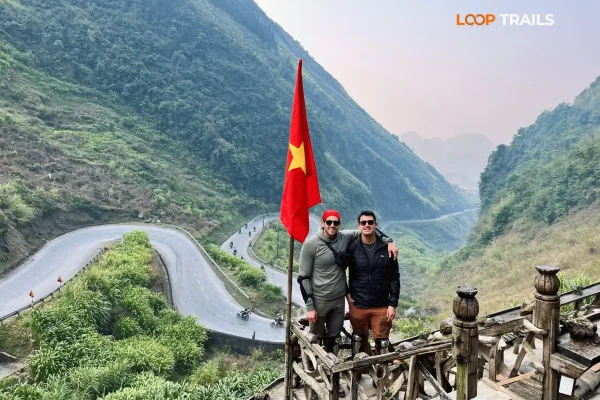
Honestly the most underrated way to experience northern Vietnam. If you have 7 to 9 days, combining the two loops gives you the full story: the dramatic motorbike passes of Ha Giang, then the karst valleys and waterfalls of Cao Bang.
The overland route between Ha Giang’s Bao Lac region and Cao Bang province is a beautiful drive in itself, with markets you won’t find on any “Vietnam itinerary” Pinterest board. Do it in one direction (Ha Giang first, Cao Bang second) and you save yourself the back-and-forth to Hanoi.
We run combine itineraries that cover both regions in a single trip. Vehicle types vary: some travelers do Ha Giang on a motorbike with an easy rider and switch to a jeep for Cao Bang, which is a great way to get the best of both. The full structure is on our Ha Giang Cao Bang combine tours page
Learn more: Ha Giang Photography Guide
Quick decision framework:
When you’re ready to pick a date, our team is on WhatsApp and can usually get back to you within a few hours. We’ll ask you a handful of questions (group size, dates, fitness, any mobility considerations) and recommend the format that genuinely fits, even if it’s not our most expensive product.
For most travelers, yes. Cao Bang has more spread-out highlights and more variable weather than Ha Giang. A jeep keeps you moving in rain, fits luggage, and works for groups that include non-riders. If your specific dream is the riding itself, the motorbike still wins, but most first-time visitors prefer the jeep.
Three days minimum, four is the sweet spot. Two-day trips exist but you’ll spend most of the time in transit and skip the quieter valleys, which are honestly the best part.
Yes, a regular Vietnam visa or e-visa is required. Cao Bang is part of mainland Vietnam, no special permit needed for the standard tourist route. Border zones near Ban Gioc are managed at the local level, so just follow your guide. Visa rules can change, check the latest with your embassy.
Late September to November is the most reliable window: clear skies, comfortable temperatures, golden rice fields. Late summer gives you the fullest waterfalls but more rain. Winter is quiet and atmospheric but cold, especially around Phia Oac.
Yes, and it’s a popular choice. A 7 to 9 day combined trip covers both loops without a return to Hanoi in between. We run dedicated combine tours that connect them overland.
Generally yes. The roads are well-traveled, locals are welcoming, and crime affecting tourists is rare. Standard travel-safety basics apply: keep an eye on belongings at busy markets, get travel insurance, and don’t ride a motorbike without a license if you’re not comfortable.
A private jeep is yours alone, with full flexibility on pace and stops. A shared jeep matches you with other travelers and runs a fixed itinerary. Private costs more per group but is often better value for couples and families once you split the price.
For October peak season and major Vietnamese holidays, yes, ideally a few weeks ahead. Off-season you can sometimes book within a week, but vehicle and guide availability gets thinner the closer you cut it.
Some people do. The roads bend a lot, especially around Ma Phuc Pass. Sit in the front, avoid reading or screen time, and keep motion-sickness tablets handy if you know you’re prone.
ATMs are reliable in Cao Bang City and inconsistent elsewhere on the loop. Card payment is rare outside hotels. Carry enough Vietnamese dong for the trip plus a buffer.
Yes, with a private jeep and a slightly relaxed itinerary. We’ve run plenty of trips with kids. The cave and waterfall walks are manageable, and we can build in extra rest stops.
Our guides speak English. Some also speak French or other languages on request, but English is the default. Local drivers may speak limited English, which is why we typically pair them with a separate guide.
Contact information for Loop Trails
Website: Loop Trails Official Website
Email: looptrailshostel@gmail.com
Hotline & WhatSapp:
+84862379288
+84938988593
Social Media:
Facebook: Loop Trails Tours Ha Giang
Instagram: Loop Trails Tours Ha Giang
TikTok: Loop Trails
Office Address: 48 Nguyen Du, Ha Giang 1, Tuyen Quang
Address: 48 Nguyen Du, Ha Giang 1, Tuyen Quang
Facebook X Reddit Table of Contents Learn more: Ha Giang Loop Tours This is the question that sits in almost every Ha
Facebook X Reddit Table of Contents Learn more: Ha Giang Loop Tours Most people drive past the Quan Ba area twice on