


Thúy Kiều (Grace) is a travel blogger and content contributor for Loop Trails Tours Ha Giang. She holds a bachelor’s degree in Sustainable Tourism from Vietnam National University, Hanoi, and has a strong passion for exploring and promoting responsible travel experiences in Vietnam’s northern highlands.
Learn more: Ha Giang Loop Tours
The Ha Giang Loop sits in the far north of Vietnam, tucked against the Chinese border. Da Nang sits halfway down the coast. Between the two is most of the country, which is exactly why so many travelers based in central Vietnam assume the Loop is out of reach for their trip. It isn’t. With a bit of route planning it slots in neatly, and the road up there is worth every hour it takes to reach the start line.
This guide is for anyone sitting in Da Nang, Hoi An, or Hue, looking at a map and wondering how to actually get on a bike (or in a jeep) and ride the most talked about mountain road in Vietnam. We will go leg by leg, give you realistic time budgets, and help you choose the version of the Loop that suits how you like to travel.

Learn more: Ha Giang Loop 2 Days 1 Night
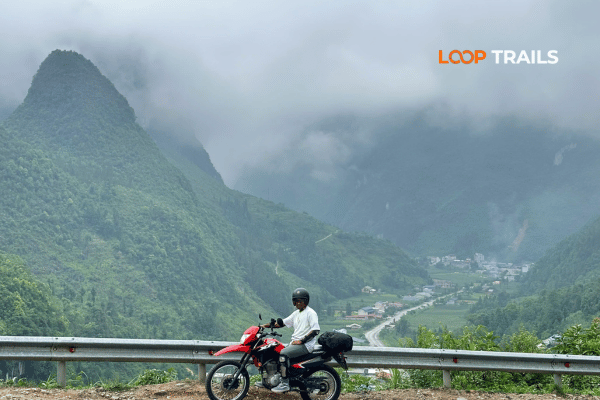
The Loop is a circuit of roughly 350 km through Ha Giang’s limestone mountains: karst peaks, terraced valleys, ethnic minority villages, and the headline act, Ma Pi Leng Pass high above the Nho Que River. It has a reputation as one of the best road trips in Southeast Asia, and for once the reputation holds up.
If you are coming from central Vietnam, the honest question is whether the travel time pays off. Here is the case for yes.
The scenery is genuinely different from anything else on a standard Vietnam itinerary. Hoi An gives you lanterns and tailors. Hue gives you imperial history. Ha Giang gives you a different planet: switchback passes, river gorges, and mornings where the cloud sits in the valleys below you instead of above.
It is also still rural and lived in. You ride past markets, kids walking to school, and families drying corn on the roadside. Nothing about it feels staged for tourists.
And it rewards a few days far more than a few hours. Unlike a day trip, the Loop builds. Each day feels bigger than the one before it.
The catch, and we will be straight with you, is distance. You are not popping up for an afternoon. Budget the days properly, which we will get to, and it works beautifully. Try to squeeze it into a tight schedule and you will spend more time in transit than on the passes.
Learn more: Ha Giang Loop 3 Days 2 Nights
The simplest way to think about getting from Da Nang to the Ha Giang Loop is as three separate legs. Nobody does it in one shot, and since there is no airport or train station in Ha Giang, the final stretch is always by road no matter how you start.
Here is the shape of it.
| Leg | Route | Main options | Rough time |
|---|---|---|---|
| 1 | Da Nang to Hanoi | Flight, train, sleeper bus | Flight about 1h15, train about 16 to 17h |
| 2 | Hanoi to Ha Giang city | Sleeper bus, limousine van, private transfer | About 6 to 7h, and dropping (see below) |
| 3 | The Ha Giang Loop | Easy rider, self drive, jeep | 3 to 4 days riding |
One thing worth knowing before you book anything: in mid 2025, Ha Giang province was administratively merged into Tuyen Quang province. On the ground nothing changed. Same passes, same villages, same Loop. But you may now see “Tuyen Quang” on newer maps and on some bus tickets where you expected “Ha Giang.” Don’t let it throw you. You are still going to the same place.
We will take the three legs one at a time.

Learn more: Ha Giang Loop 4 Days 3 Nights
Hanoi is the gateway. Everything funnels through it, so your first job is simply getting from the coast up to the capital. You have three realistic ways to do it.
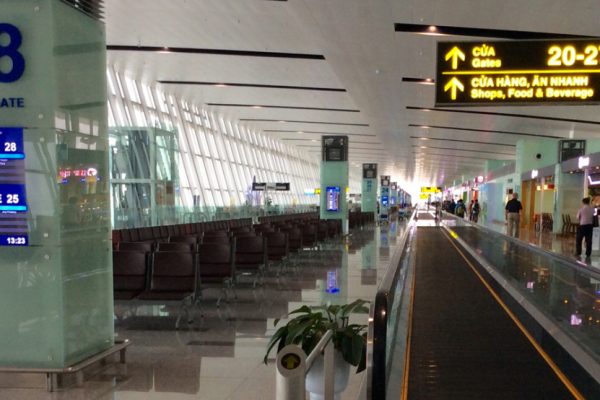
A flight from Da Nang to Hanoi takes a little over an hour in the air. Several airlines run the route through the day, so departure times are flexible. For most travelers this is the move: it saves you the better part of a day, it is usually affordable when booked ahead, and it leaves you with energy for the road north.
Book a morning or midday flight if you can. That gives you the afternoon in Hanoi to rest, eat, and meet your onward transport, rather than landing late and scrambling.
We are not quoting fares here because airfare swings a lot with timing and season. Check current prices closer to your dates, and book earlier rather than later for the best deals.
Vietnam’s main railway runs the length of the coast, and the Da Nang to Hanoi stretch is one of the prettier rides in the country, especially the section over the Hai Van Pass just after you leave Da Nang. The trip takes somewhere around 16 to 17 hours depending on the service, so the smart way to do it is an overnight sleeper. Book a soft sleeper berth, board in the evening, and wake up near Hanoi.
This option appeals if you like train travel, you want to save a night of accommodation, or you simply want to watch the coast roll by. It is much slower than flying, so only pick it if the journey itself is part of the appeal for you.
There are long distance sleeper buses between Da Nang and Hanoi. They are the cheapest option, but the journey is long and you arrive less rested. For this particular leg we would point most people toward the flight or the train. Save your bus stamina for Leg 2, where a night bus actually makes a lot of sense.
Quick read:
Most of our guests coming from central Vietnam fly to Hanoi. It keeps the trip relaxed and leaves more of your holiday for the part you actually came for.
A quick note before we go further: if piecing all this together sounds like a lot, you don’t have to do it alone. We help guests sort the Hanoi to Ha Giang leg and the Loop itself as one booking, so the only thing you have to plan from Da Nang is getting yourself to Hanoi. More on how that works near the end.
Learn more: Ha Giang Sleeper Bus
Ha Giang city is the launch pad for the Loop. It sits around 300 km north of Hanoi, and getting there has long been one of the more time consuming parts of the trip. That is changing, which is worth understanding before you plan.
For years the drive ran on a winding mountain highway and took roughly 6 to 7 hours, sometimes longer with traffic. A new expressway between the Hanoi direction and Ha Giang has been opening in stages, with sections coming online through 2026, and it is expected to cut that travel time noticeably once it is fully running. Because it is being completed piece by piece, the real travel time right now depends on which sections are open when you go. Check current conditions close to your travel date rather than relying on an old figure. The direction of travel is clear though: this leg keeps getting shorter.
The overnight sleeper bus is the most popular way to cover this leg, and it makes sense. Buses leave Hanoi in the evening and arrive in Ha Giang in the early hours, so you travel and sleep at the same time and save a night of accommodation. The trade off is comfort: not everyone sleeps well on a moving bus, and arriving at 3 or 4 in the morning can be disorienting. If you go this route, a more comfortable VIP sleeper with extra space is worth the small upgrade.
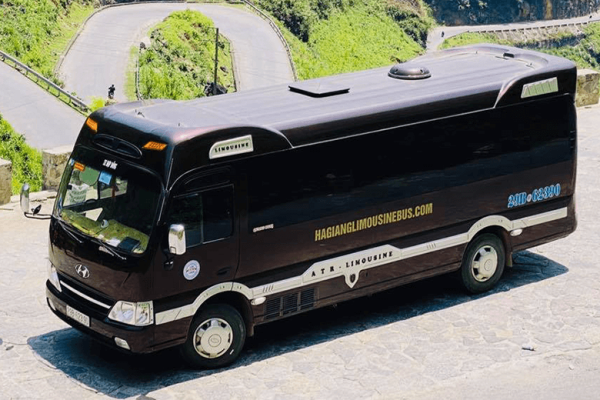
Limousine vans, which are smaller minibuses with reclining seats, run the route too, both day and night. They cost more than the big sleeper buses but give you a comfier and often quicker ride, and many travelers prefer them. A daytime van also lets you actually see the countryside on the way up, which the night bus robs you of.
If you are short on time or traveling as a group, a private car or van transfer takes you door to door on your own schedule. It is the most expensive option per person, but split between a few people it becomes reasonable, and it removes all the guesswork. This is also how most organized tours handle the leg.
Short answer: usually yes, and it is no bad thing. If you fly into Hanoi in the afternoon, a night in the city before heading north lets you reset, repack, eat well, and start the Loop fresh. If you arrive early enough, you can connect to an evening sleeper bus the same day, but that makes for a very long day from Da Nang. Unless you are tight on holiday time, give yourself the Hanoi night.
Learn more: Ha Giang Cao Bang 5 Days 4 Nights
This is the question people get wrong most often, and it is the one that makes or breaks a Ha Giang trip from central Vietnam. The Loop itself is 3 to 4 days. The travel on either end is the part people forget.
Here is a realistic way to count it.
| Trip style | What it looks like | Total days |
|---|---|---|
| Minimum | Fly to Hanoi, night bus up, 3 days Loop, night bus back, fly home | about 5 to 6 days |
| Comfortable | Fly to Hanoi plus a Hanoi night, 3 days Loop, travel back with a buffer | about 6 to 7 days |
| Relaxed | Hanoi night, 4 days Loop, easy travel both ends | about 7 to 8 days |
If you only have a few days total, the Loop is still doable but it will feel rushed, and you will lose two of those days to transit. If you can give it a week, everything breathes: you ride the longer 4 days route, you are not racing buses, and you actually enjoy Hanoi on the way through.
Our honest recommendation for travelers coming all the way from Da Nang: block out at least 6 days, ideally 7. You came a long way to get here. Give yourself enough room to enjoy it.

Learn more: Ha Giang Motorbike Rental
Once you reach Ha Giang city, the Loop runs the same regardless of how you travel it. Same passes, same villages, same viewpoints. What changes is how you experience the road, and that mostly comes down to whether you want to ride and how much you want to think about logistics. There are three main ways to do it.
You sit behind an experienced local driver who handles the bike while you take in the scenery, the photos, and the road. This is the most popular choice for good reason: you get the full motorbike experience, the wind and the open views, without needing any riding skill or taking on the risk of mountain roads you don’t know. It works brilliantly for solo travelers, couples, and anyone who wants the adventure without the responsibility.
If you can confidently handle a manual or semi automatic bike, riding the Loop yourself is a special kind of freedom. You set your own pace, stop where you want, and the road becomes yours. It is also the option that demands the most respect: the passes are steep, the weather turns, and the surface varies. Only choose this if you genuinely have riding experience. To self drive you will need a reliable bike, which is where renting comes in.
On the paperwork: licence and permit rules for foreigners riding in Vietnam can change, and they are not something to wing. Check the current requirements before you commit to self driving, and make sure you are properly covered.

Learn more: Ha Giang Loop by Army Jeep Tours
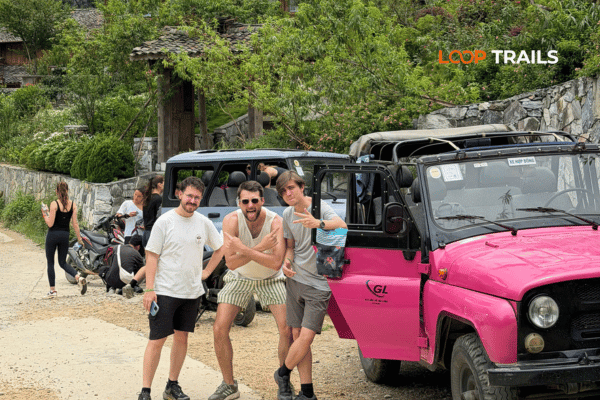
Prefer four wheels and a roof? A jeep tour covers the exact same route with none of the riding. You get a seat, shelter from the weather, room for luggage, and the freedom to enjoy the views without watching the road. This is the go to for families, older travelers, anyone who would rather not ride, and groups who want to travel together and chat along the way. You miss nothing by being in a jeep: same stops, same passes, same photo spots.
Here is the simple version.
Still on the fence? Tell us how you like to travel and we will point you to the right one.

Learn more: Ha Giang Cao Bang Ba Be Lake 6 Days 5 Nights
To give you a feel for what the riding days actually hold, here is how a classic 3 days, 2 nights Loop tends to flow. Routes vary by operator and weather, and a 4 days version adds quieter corners like Du Gia, but this is the backbone most trips follow
You climb out of Ha Giang and the mountains start almost immediately. The first big stop is usually Quan Ba Heaven Gate, where the valley opens up below you and the famous twin hills come into view. From there the road winds through Yen Minh toward Dong Van, with plenty of viewpoints and village stops along the way. You overnight in or near Dong Van, an old town with a quiet, frontier feel.
This is the day people come for. A short detour takes you up toward Lung Cu, the northernmost point of Vietnam, marked by its flag tower. Then comes the headline: Ma Pi Leng Pass, the dramatic road carved into the cliffs high above the Nho Que River. Many trips include a boat ride on the Nho Que, gliding through the emerald gorge with limestone walls towering on both sides. You finish the day in Meo Vac.
The final day loops back toward Ha Giang, often on a different route so the scenery stays fresh. On a 4 days trip, this is where many tours swing through Du Gia, a laid back village with a swimming hole and waterfall that makes a perfect slower finish. You arrive back in Ha Giang in the afternoon, in time to connect to your onward transport.
Key stops you will likely hit along the way: Quan Ba Heaven Gate, the Dong Van old quarter, Lung Cu Flag Tower, Ma Pi Leng Pass, the Nho Que River, and on longer trips, Du Gia.

Learn more: Cao Bang Loop 3 Days best kept secret
The Loop runs year round, but the experience shifts a lot with the season, so timing matters, especially when you are planning travel all the way from Da Nang and want to make the trip count.
Here is a rough seasonal guide.
Mountain weather is its own thing and can change fast within a single day, so treat any seasonal guide as a general steer rather than a guarantee. Check the forecast close to your dates and pack for a range of conditions whatever month you pick.
One practical tip for central Vietnam travelers: try to line your Ha Giang dates up with a clear stretch of weather if your schedule allows. A foggy pass hides the very views you traveled days to see.

Learn more: Ha Giang Packing list
You don’t need much, but a few things make a real difference up there. Pack light, since you will be moving every day, but don’t skip the essentials.
Bring:
If you are on an organized tour, luggage is usually handled for you, and you can often leave a larger bag in Ha Giang and ride with just a daypack. Ask your operator how they manage bags so you only carry what you need.

Learn more: Ha Giang Loop Mistake to Avoid
A few patterns trip people up on this route, especially when they are coming from far away and trying to fit a lot in. Steer clear of these and you are most of the way to a smooth trip.
On the booking side, a general word of caution that applies anywhere: book through operators with a real track record and clear communication, confirm what is included in writing, and be wary of deals that look too cheap to be real. A transparent quote and a responsive team are worth more than the lowest headline price.
Learn more: Ha Giang Loop Self-Drive
Here is the part that makes the whole thing easy. You get yourself to Hanoi, and we handle the rest.
We run Ha Giang Loop tours in every style covered above: easy rider if you want the experience without riding, self drive if you want the freedom, with reliable bikes to rent, and jeep if you want comfort and a roof. We sort the Hanoi to Ha Giang leg, the accommodation, the route, and the guide, so the only thing you plan from Da Nang is your flight or train up to the capital.
If you have more time and want to go bigger, we also run combined Ha Giang and Cao Bang trips that add Ban Gioc waterfall and the quieter eastern mountains onto the classic Loop.
A note on timing your booking: once you have a confirmed travel date, book as early as you can. Most guests book one to three months ahead. Jeep availability in particular is limited, so early booking helps us set everything up properly for you.
Not sure which option fits, or want to map your dates around your central Vietnam plans? Send us a message on WhatsApp and tell us roughly when you want to come and how you like to travel. We will help you build a trip that works, from Da Nang to the Ma Pi Leng Pass and back.

Learn more: Tu San Canyon & Nho Que River Boat Trip
No. Ha Giang has no airport, so there are no direct flights from Da Nang or anywhere else. You fly from Da Nang to Hanoi, a little over an hour, then continue to Ha Giang by road. The last stretch into the mountains is always overland.
Allow the better part of two days on the way up if you do it comfortably: a short flight to Hanoi, ideally a night there, then around 6 to 7 hours by road to Ha Giang, a figure that is dropping as a new expressway opens in stages. It can be compressed, but it is a long way, so most people give the journey proper time.
Plan for at least 6 days, ideally 7. The Loop itself is 3 to 4 days, and you need travel days on either end. Doing it in fewer days is possible but rushed
Fly if you want to save time and keep things easy, which is what most travelers do. Take the overnight train if you enjoy the journey, want to see the coast, or want to save a night of accommodation. The flight is about an hour, the train is roughly 16 to 17 hours.
Not at all. If you don’t ride, you can go as an easy rider, sitting behind an experienced local driver, or take a jeep tour. Both cover the exact same route and stops as self drivers. Riding yourself is only for travelers with real experience.
It is a mountain road, so it deserves respect, but huge numbers of travelers ride it every year without issue. The biggest safety factor is how you do it. Going with an experienced easy rider or in a jeep removes most of the risk, and self drivers stay safe by riding within their limits, checking the weather, and not rushing.
Many riders love September to November for cooler, clearer weather and golden rice terraces. Spring, March to May, is also lovely. Winter is cold but crisp, and summer is green but wet. Mountain weather changes fast, so check the forecast near your dates whatever month you choose.
Licence and permit rules for foreigners riding in Vietnam can change, so verify this before you go rather than assume. If you want to self drive, check the current requirements and make sure you are properly covered. If the paperwork is a hassle, easy rider or jeep skips the issue entirely.
Usually yes. On organized tours you can typically leave a larger bag in Ha Giang and travel with just a daypack, picking up the rest when you return. Ask your operator how they handle luggage so you only carry what you need on the road.
In mid 2025, Ha Giang province was merged into Tuyen Quang province for administrative purposes. Nothing changed on the ground: the Loop, the passes, and the villages are all exactly the same. You may just see the Tuyen Quang name on newer maps or some bus tickets. You are still heading to the same place.
Contact information for Loop Trails
Website: Loop Trails Official Website
Email: looptrailshostel@gmail.com
Hotline & WhatSapp:
+84862379288
+84938988593
Social Media:
Facebook: Loop Trails Tours Ha Giang
Instagram: Loop Trails Tours Ha Giang
TikTok: Loop Trails
Office Address: 48 Nguyen Du, Ha Giang 1, Tuyen Quang
Address: 48 Nguyen Du, Ha Giang 1, Tuyen Quang

Facebook X Reddit Table of Contents Learn more: Ha Giang Loop Tours Most people drive past the Quan Ba area twice on

Facebook X Reddit Table of Contents Learn more: Ha Giang Loop Tours The Ha Giang Loop has a reputation problem with older