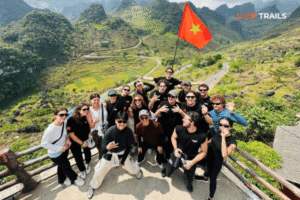


Thúy Kiều (Grace) is a travel blogger and content contributor for Loop Trails Tours Ha Giang. She holds a bachelor’s degree in Sustainable Tourism from Vietnam National University, Hanoi, and has a strong passion for exploring and promoting responsible travel experiences in Vietnam’s northern highlands.
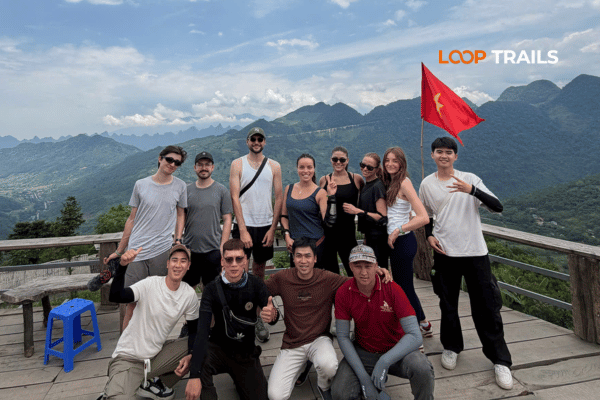
Learn more: Ha Giang Loop Tours
Vietnam packs an absurd amount of adventure into one long, skinny country. In a single trip you can ride a motorbike over a mile high mountain pass, kayak between limestone islands, crawl through a river cave, and eat a bowl of noodles that costs less than your morning coffee back home. This guide is the honest version: where the real adventure is, when to go so the weather works for you instead of against you, and what a 2026 trip actually costs once you add everything up.
We run tours in the far north, so yes, we have a favourite corner of the map. But this is meant to be useful whether you ride with us or plan the whole thing yourself. Let’s get into it.
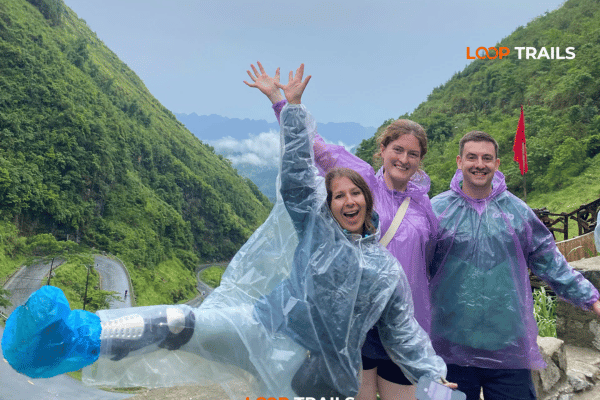
Learn more: Ha Giang Loop 2 Days 1 Night
A few things line up in Vietnam’s favour. The landscapes change fast, so you never get bored. The road and trail network reaches places that felt remote a decade ago. Food and lodging stay cheap by Western standards. And getting into the country got a lot easier in the last two years, which we will cover in a minute.
The big draw for most adventurous travellers is that Vietnam rewards effort. The best stuff is not behind a velvet rope. It is at the end of a muddy trail, on the back of a bike, or down a rope into a canyon. You do not need to be an athlete. You just need decent shoes, a bit of nerve, and a willingness to be a beginner at something for a few days.
Adventure in Vietnam runs on a spectrum, and it helps to know where you sit on it before you book anything.
Most first time visitors land happily in the soft or middle zone, and that is exactly where Vietnam shines.
Learn more: Ha Giang Loop 3 Days 2 Nights
Rules shift, so treat this as a starting point and confirm the current version on the official government portal before you fly. As of early 2026, here is the shape of it.
Vietnam’s electronic visa, the eVisa, now covers stays of up to 90 days and is open to citizens of every country. You choose single or multiple entry when you apply, and the eVisa is accepted at a large number of airports, land borders and seaports. The fee sits at roughly 25 US dollars for single entry and around 50 US dollars for multiple entry, though you should always check the current figure. Apply through the official portal at evisa.gov.vn and give yourself several working days of buffer, longer in busy season.
Some nationalities skip the eVisa entirely. A group of European countries plus a few others get visa free entry for up to 45 days, and most ASEAN passport holders get 30 days. If you qualify, you still need to meet the entry conditions, and the visa free window is harder to extend from inside the country, so plan your dates around it.
Two 2026 details worth knowing. First, the six month passport validity rule is being enforced strictly, so make sure your passport has plenty of runway left. Second, a mandatory digital arrival card rolled out at Ho Chi Minh City’s Tan Son Nhat airport in April 2026 and is expected to expand to other airports, so check whether your arrival airport requires it before you travel.
Most northern adventures start from Hanoi’s Noi Bai airport. If you are heading for the far north, Hanoi is your launch pad. For central Vietnam and the caves, Da Nang or Dong Hoi are closer. For the south, Ho Chi Minh City.
Learn more: Ha Giang Loop 4 Days 3 Nights
Vietnam is long. Trying to see all of it in ten days is the classic rookie mistake. Pick a region, go deep, and leave the rest for next time. Here are the ones worth building a trip around.
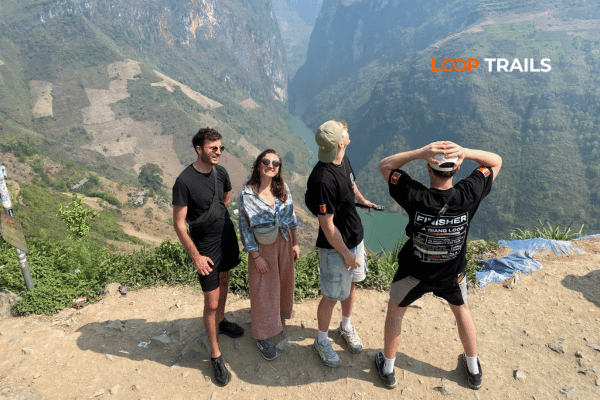
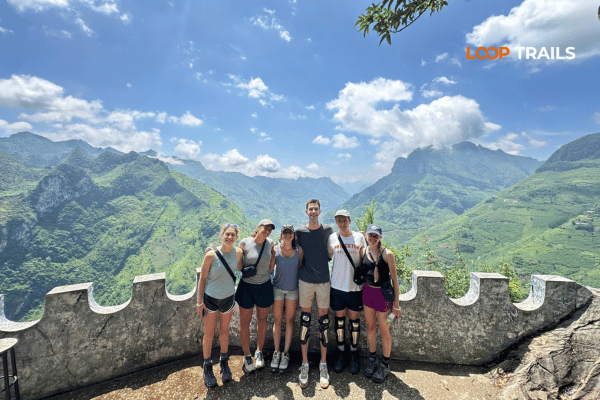
If you only do one adventure in Vietnam, make it this one. The Ha Giang Loop is a circuit of mountain roads through the far northern frontier, and it delivers the kind of scenery that makes people go quiet on the back of the bike. You ride the Ma Pi Leng Pass with the Nho Que River glowing turquoise in the gorge below, roll through the stone villages of the Dong Van Karst Plateau, stop at markets in Meo Vac, and detour to the waterfalls and swimming holes around Du Gia.
A quick note on the map. Since mid 2025, Ha Giang has officially merged into Tuyen Quang province as part of a national reshuffle. Everyone still calls it the Ha Giang Loop, hostels and tour boards still say Ha Giang, and the roads, villages and passes have not moved an inch. If you see “Tuyen Quang” on an updated map, that is why. Nothing about the trip changes.
You can do the Loop three ways: ride your own bike, sit behind an experienced easy rider, or travel by jeep. More on choosing between those further down. Two nights is the popular minimum, three nights lets the days breathe, and four nights gets you to the quieter corners.
Ready to ride the north? Have a look at our [Ha Giang Loop tours] and pick the format that fits how you like to travel.
Learn more: Ha Giang Cao Bang 5 Days 4 Nights
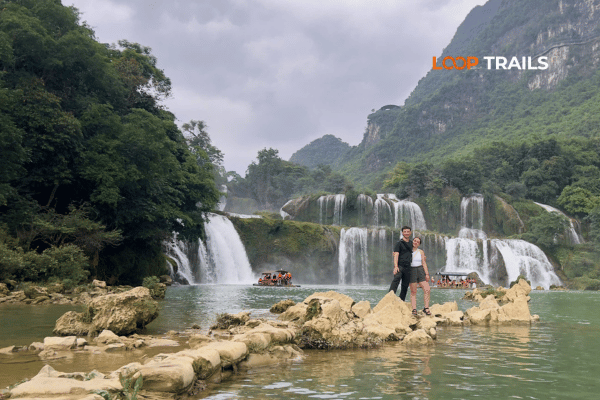
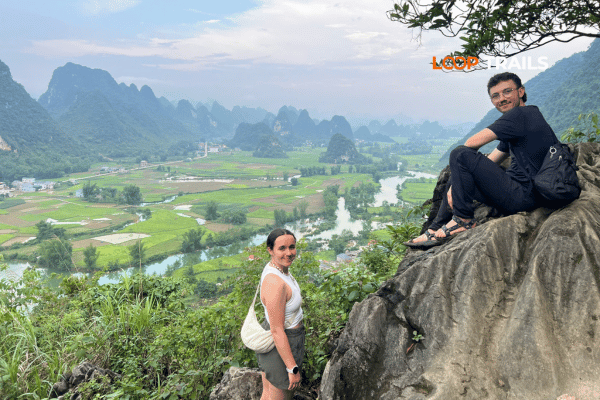
East of Ha Giang sits Cao Bang, which stayed its own province through the 2025 changes and often gets skipped, which is exactly why we like it. The headline act is Ban Gioc, a wide, tiered waterfall right on the border that looks unreal in person. Nearby you can wander the huge Nguom Ngao cave and climb up to the misty peaks around Phia Oac. The roads are quieter than the Loop and the whole area feels a step further off the tourist trail.
Cao Bang pairs beautifully with Ha Giang if you have the time, and a combined route lets you string the two provinces together instead of backtracking. If that sounds like your kind of trip, our [Ha Giang and Cao Bang combined tours] and standalone [Cao Bang loop tours] are built exactly for this.
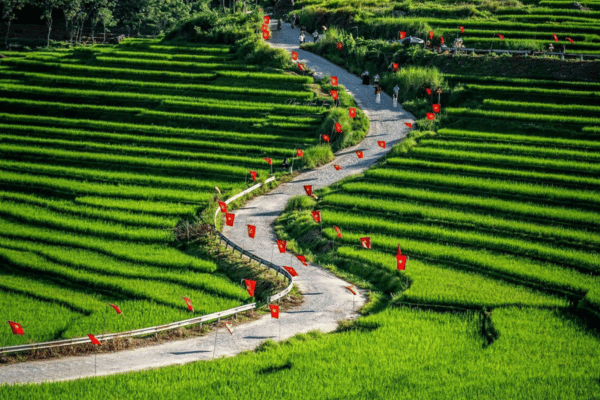
Over in the northwest, now part of Lao Cai province, Sapa is the trekking capital of Vietnam. You hike between hill tribe villages, sleep in homestays, and, if you time it right, walk beside rice terraces that glow gold before harvest. Sapa town itself has grown busy and touristy, so the trick is to get out of town and onto the trails fast. Not far away, Mu Cang Chai has some of the most photographed terraces in the country and a fraction of the crowds.

Learn more: Ha Giang Cao Bang Ba Be Lake 6 Days 5 Nights
Central Vietnam holds the caves, and they are world class. Phong Nha Ke Bang national park is home to Son Doong, one of the largest caves on earth, which you can only enter on a premium multi day expedition that costs thousands and books out far ahead. The good news is there are plenty of astonishing caves that cost a fraction of that: Hang En, Paradise Cave, and the wet, muddy, hugely fun Tu Lan cave system. Some cave tours run only in the dry months, so check the season before you plan around them
Up in the cool pine covered highlands, Da Lat is Vietnam’s canyoning hub. You abseil down waterfalls, slide over rock faces, and jump into pools, all with guided operators who supply the gear. It is one of the most accessible adrenaline hits in the country and a nice change of pace and temperature if you have been sweating it out on the coast.
The classic postcard of Vietnam, the emerald water and limestone towers, is real, and the adventurous way to see it is by kayak rather than a big cruise boat. Lan Ha Bay, just south of the famous Ha Long, is quieter and gorgeous, and Cat Ba island nearby has genuine rock climbing on sea cliffs. Base yourself on Cat Ba and you can mix paddling, climbing and beach days.
Learn more: Northern Viet Nam Itinerary 2026
If the far north feels like a big commitment, Pu Luong and Mai Chau, a few hours from Hanoi, offer soft adventure in a beautiful package: cycling through rice valleys, easy treks between stilt house villages, and lazy afternoons by the river. It is a lovely first taste of rural Vietnam without the long transfer.
Learn more: Cao Bang Loop 3 Days best kept secret
Vietnam stretches so far from north to south that there is no single best time. The weather in the mountains up north can be completely different from the coast down south on the same day. So plan around the region you picked, not the country as a whole.
The sweet spot for the northern mountains is roughly September to November and again March to May. Autumn brings clear skies, cool air, golden rice terraces around September and October, and the famous buckwheat flower season, tam giac mach, painting the Ha Giang hills pink and white from around October into December. Spring is green and mild.
Summer, roughly May to September, is the wet season up here. The scenery is lush but the roads get muddy and landslides can close sections after heavy rain, so if you ride, be flexible and check conditions locally. Winter, December to February, is dry but genuinely cold at altitude, sometimes down near freezing, so pack layers.
The central coast flips the calendar. The driest, most reliable months run roughly February to August. The heaviest rain and the risk of storms come later in the year, from around September into December, which is also when some cave tours pause. If caves are your priority, aim for the dry window and book ahead.
The south is warm all year and splits into dry and wet. The dry season, roughly November to April, is the easy time to travel. The wet season brings short, heavy afternoon downpours rather than all day rain, so it is still very doable if you do not mind getting caught out now and then.
Here is the quick version:
| Region | Best months | What you get |
|---|---|---|
| North (Ha Giang, Cao Bang, Sapa) | Sep to Nov, Mar to May | Clear skies, rice harvest, buckwheat flowers |
| Central (Phong Nha, Da Nang) | Feb to Aug | Dry weather, caves open |
| South (HCMC, Mekong) | Nov to Apr | Warm and dry |
Seasons shift year to year, so treat this as a guide and check local updates close to your dates.

Learn more: Ha Giang Loop Price
Money is the question everyone actually wants answered, so let’s be straight about it. Vietnam is affordable, but “affordable” covers a wide range depending on how you travel. All figures below are rough 2026 estimates in US dollars, meant to help you plan. Prices move constantly, so confirm the current numbers when you book.
Most travellers on an adventure focused trip land in the backpacker to mid range band, and honestly that band buys you a fantastic experience here.
These are the line items worth budgeting for separately.
| Trip style | Length | Ballpark total per person |
|---|---|---|
| Backpacker, north focused | 7 days | roughly 250 to 450 dollars plus flights |
| Mid range, north plus one other region | 10 days | roughly 600 to 1,000 dollars plus flights |
| Comfort, guided throughout | 10 days | 1,500 dollars and up plus flights |
Flights into Vietnam are the big variable and depend entirely on where you are coming from and how early you book.
Bring some cash, since smaller towns and rural homestays often do not take cards. ATMs are common in cities and towns but thin on the ground in remote areas, so withdraw before you head into the mountains. Tipping is not compulsory but a gratuity for a guide who looked after you well is always appreciated and never expected as a demand. Watch the exchange rate and the difference between prices quoted in dong and in dollars, and you will do fine.
Learn more: Ha Giang Motorbike Rental
This is the decision that shapes your whole northern trip, especially on the Ha Giang Loop, so it is worth a proper think. There is no wrong answer, only the right one for you.
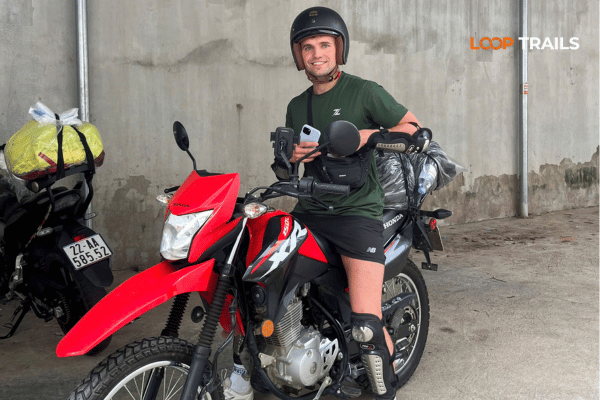
You rent a bike and ride it yourself. This is the purest version of the Loop: total freedom to stop where you want, and the biggest sense of achievement at the end. It suits confident riders who have real experience on a motorbike. The mountain roads are steep, twisty and busy in places, and the weather can turn, so this is not the route to learn on. If you ride, ride within your limits and never above them.
Learn more: Ha Giang Loop Easy Rider
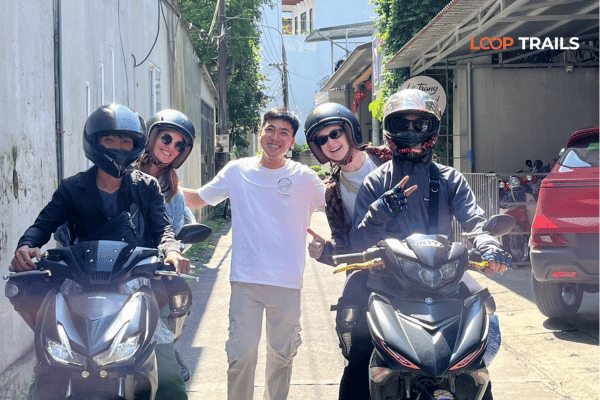
You sit behind an experienced local driver who handles the bike while you soak in the views, take photos, and actually look around instead of watching the road. This is the most popular choice for good reason. You get the full open air motorbike experience, the wind and the closeness to the landscape, without needing any riding skill of your own. Perfect for solo travellers, nervous riders, and anyone who wants to relax into it.
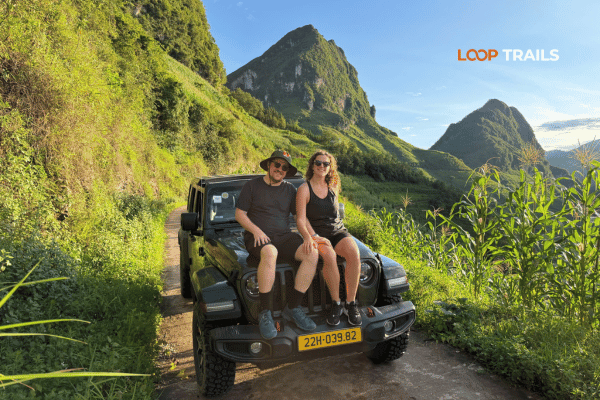
You travel in an open sided or classic jeep with a driver. You see the same passes, the same viewpoints and the same villages, you just do it from a seat with a roof option when the weather turns. This is the go to for couples, families, older travellers, groups, and anyone who wants the scenery without exhaustion or exposure. It is also the friendliest choice for rain or cold.
Learn more: Ha Giang Loop by Wrangler Rubicon Jeep
Still unsure? Tell us who is coming and how you like to travel, and we will point you at the format that fits. You can compare all three on our [Ha Giang Loop tours] page, or if you would rather ride solo, check [motorbike rental in Ha Giang].
Learn more: Ha Giang Loop Mistake to Avoid
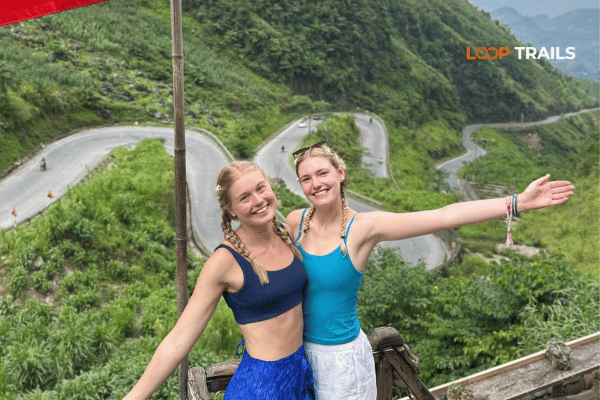
A few honest warnings, framed as general caution rather than fear.
None of this should scare you off. A little preparation removes almost all of it.

Learn more: Ha Giang Packing list
You do not need much, but a few things make a real difference, especially up north.
Learn more: Best Adventure Activities in Vietnam
Pulling it together, here is the simple order of operations.
That is the whole thing. Vietnam gives back exactly as much adventure as you are willing to reach for, and 2026 is a great year to reach.
When you are ready to turn a plan into a trip, we are here to help. Browse our [Ha Giang Loop tours] and [Ha Giang and Cao Bang combined tours], grab a bike from [motorbike rental in Ha Giang], or just [message us on WhatsApp] with your dates and questions. We will give you a straight answer, every time.
Learn more: Ha Giang Border Area Permit 2026
Broadly yes. Millions of travellers do the mountains, caves and coast every year without trouble. The main risks are the ones you control: riding beyond your ability, ignoring the weather, and cramming too much in. Prepare a little, travel within your limits, and you remove most of the risk.
Most likely you will use the eVisa, which covers up to 90 days and is open to all nationalities. Some countries get 45 days visa free, and most ASEAN passports get 30. Rules and fees change, so confirm your situation on the official portal at evisa.gov.vn before you book flights.
Roughly September to November and March to May are the sweet spots: clear skies, comfortable temperatures, rice harvest and buckwheat flowers. Summer is wet and muddy, winter is dry but cold at altitude. Seasons shift, so check conditions close to your dates.
Licence and insurance requirements for foreign riders can change and are worth checking against the current rules before you ride. If you are not a confident, experienced rider, the simplest answer is to take an easy rider or a jeep and enjoy the same scenery without steering.
A guided multi day loop generally lands in the low to mid hundreds of dollars per person, depending on your travel style and what is included. Self drivers also budget roughly 10 to 15 dollars a day for the bike. Check the current tour page for live pricing.
Ha Giang is the motorbike and jeep road trip, wilder and more remote. Sapa is the trekking and homestay base, easier to reach and more developed. If riding calls to you, choose Ha Giang. If you would rather walk between villages, choose Sapa. With enough time, you can do both.
Absolutely. Sit behind an easy rider or travel by jeep and you get the same passes, viewpoints and villages with no riding skill required. Plenty of guests who have never touched a motorbike do the Loop this way and love it.
The usual options are a sleeper bus or a limousine van, often around 15 to 25 dollars each way, running mostly overnight or early. Many travellers arrive in the morning and start the Loop the same day. Book transport ahead in high season.
Ha Giang is the more dramatic, better known ride. Cao Bang is quieter, with the Ban Gioc waterfall and big caves, and it stayed its own province in the 2025 changes. The best answer is often both, on a combined route that links them without backtracking.
For flexible motorbike trips, a few weeks is usually fine. For jeeps, guided tours in high season, and the big cave expeditions, book as early as you can once your dates are firm, since availability is limited and the best slots go first.
Warm layers, a rain jacket, waterproof bags in the wet months, sturdy shoes, sunscreen, a power bank, offline maps, cash, and personal medication. It gets genuinely cold at altitude in winter and muddy in summer, so pack for the season you are travelling in.
It is real mountain riding, so it deserves respect, but it is done safely by huge numbers of people every year. The riskiest choice is a beginner self driving in bad weather. Match your travel style to your experience, choose a reputable operator, and you tilt the odds firmly in your favour.
Contact information for Loop Trails
Website: Loop Trails Official Website
Email: looptrailshostel@gmail.com
Hotline & WhatSapp:
+84862379288
+84938988593
Social Media:
Facebook: Loop Trails Tours Ha Giang
Instagram: Loop Trails Tours Ha Giang
TikTok: Loop Trails
Office Address: 54A Tran Phu, Ha Giang 2, Tuyen Quang
Address: 54A Tran Phu, Ha Giang 2, Tuyen Quang
Facebook X Reddit Table of Contents Learn more: Ha Giang Loop Tours Most people drive past the Quan Ba area twice on
Facebook X Reddit Table of Contents Learn more: Ha Giang Loop Tours The Ha Giang Loop has a reputation problem with older