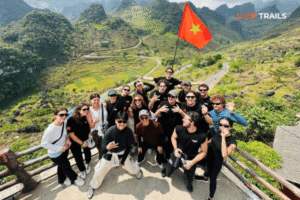


Thúy Kiều (Grace) is a travel blogger and content contributor for Loop Trails Tours Ha Giang. She holds a bachelor’s degree in Sustainable Tourism from Vietnam National University, Hanoi, and has a strong passion for exploring and promoting responsible travel experiences in Vietnam’s northern highlands.
When people ask “Is Cao Bang safe?” they’re usually asking about one of two things:
First, personal safety. Will I get robbed? Is the area stable? Are locals friendly to tourists?
Second, road safety. Can I actually drive these mountain roads without dying?
This guide answers both honestly, without the exaggeration that makes every destination sound either perfectly safe or terrifyingly dangerous. Cao Bang has real considerations, but they’re manageable with the right information.
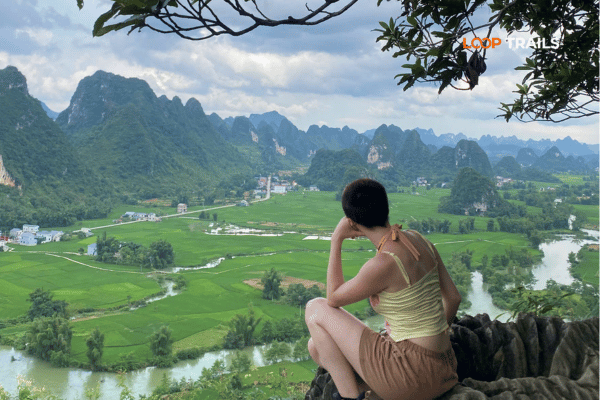
Learn more: Ha Giang Loop Tours
Personal safety: Cao Bang is very safe. Violent crime against tourists is extremely rare. Petty theft exists but is uncommon in rural areas. Local communities are welcoming and helpful.
Road safety: This is where the nuance lives. Cao Bang’s roads require respect. They’re mountain roads with curves, elevation changes, and occasional challenging conditions. Safe for experienced riders and drivers. Potentially risky for beginners or those unfamiliar with Vietnamese road conditions.
Overall verdict: Cao Bang is safe for travelers who prepare appropriately. The main risk isn’t crime or instability; it’s overestimating your own driving abilities or underestimating the roads.
Now let’s get into specifics.
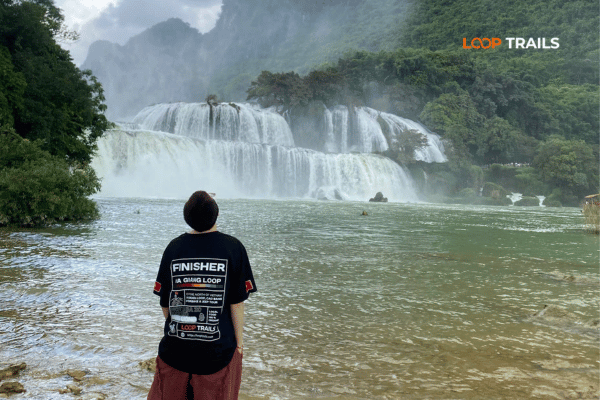
Learn more: Ha Giang Loop 2 Days 1 Night
Cao Bang province is one of Vietnam’s safest regions for travelers. Here’s the reality:
Violent crime: Essentially non-existent toward tourists. Cao Bang is a rural, mountainous province with tight-knit ethnic minority communities. Outsiders are noticed and, in most areas, genuinely welcomed.
Theft: Opportunistic theft can happen anywhere in the world, including Cao Bang. However, rates are low compared to major tourist destinations. Lock up valuables, don’t leave bags unattended, use basic common sense.
Scams: Far fewer than in major cities like Hanoi or Ho Chi Minh City. The tourism industry in Cao Bang is still developing, which means you’re less likely to encounter professional tourist scammers. That said, be aware of standard practices like checking prices before ordering food, confirming tour inclusions before booking, etc.
Political stability: Vietnam is politically stable, and Cao Bang, while near the Chinese border, sees no issues related to that border for tourists. The area is peaceful.
Cao Bang is home to multiple ethnic minority groups, including Tay, Nung, Dao, and H’Mong communities. These communities are generally:
Welcoming: Tourism provides income, and most locals understand this. You’ll often receive genuine hospitality, especially in homestays.
Curious but respectful: In remote areas, you might attract attention simply for being foreign. This is almost always friendly curiosity, not threatening behavior.
Helpful: If you have a breakdown, get lost, or need assistance, locals will often try to help, even with language barriers.
Cultural note: Rural communities in Cao Bang maintain traditional practices. Dress modestly when visiting villages, ask before photographing people, and respect local customs. This isn’t a safety issue; it’s basic courtesy.
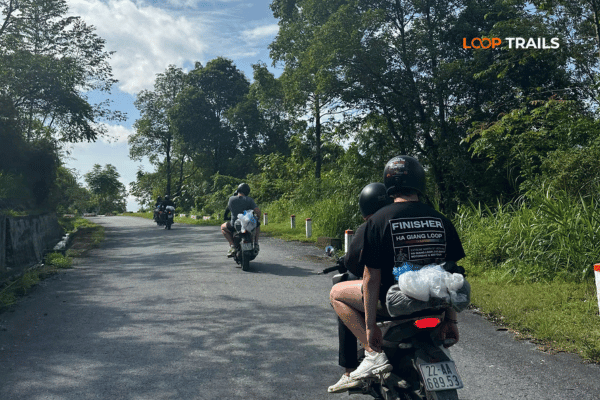
Learn more: Ha Giang Loop 3 Days 2 Nights
If there’s one section of this guide that matters most, it’s this one.
Cao Bang’s roads are the primary safety consideration for travelers. Not because they’re unusually dangerous, but because they require skills and awareness that not every traveler has.
Main highways: The main roads connecting Cao Bang City to Hanoi and to Ha Giang are generally well-maintained. Paved, marked, and regularly used by trucks, buses, and local traffic.
Provincial roads: Roads to attractions like Ban Gioc Waterfall or through rural areas are variable. Some are excellent; others have sections with potholes, gravel patches, or narrow widths.
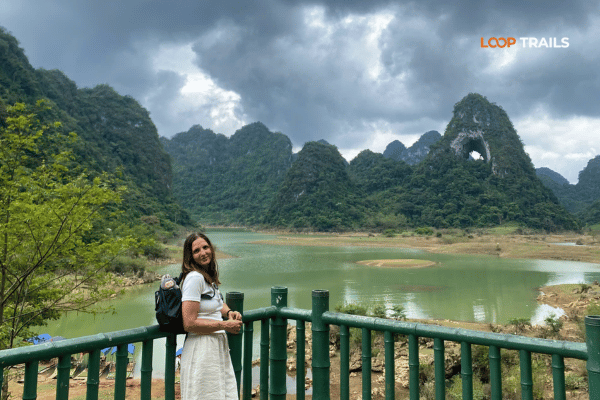
Mountain roads: The scenic mountain routes (similar to Ha Giang but generally less extreme) include hairpin turns, steep gradients, and cliff-edge sections. These are the roads that require experience.
Seasonal variation: Road conditions worsen during rainy season (May to September). Landslides occasionally block routes. Standing water can hide potholes. Surfaces become slippery.
If you’re coming from Ha Giang to Cao Bang, you’ve already experienced mountain roads. If Cao Bang is your first mountain riding experience in Vietnam, understand what’s involved:
Elevation changes: Constant climbing and descending. Your vehicle (and brakes) will be working hard.
Hairpin turns: Dozens of sharp switchbacks on mountain passes. Some are blind corners.
Narrow roads: Many sections are single-lane or barely two lanes. Oncoming traffic (including trucks) may force you close to the edge.
Edge exposure: Some sections have significant drops with minimal or no barriers.
Loose surfaces: Gravel, sand, or mud patches appear without warning, especially after rain.
Animals on road: Cattle, dogs, chickens, and other animals cross roads without warning.
The good: Cao Bang has much less traffic than major cities. Outside main highways, you may have roads almost to yourself.
The challenging: When you do encounter other vehicles, Vietnamese driving culture applies: Passing happens anywhere, including on curves Horn use is communication, not aggression Lane discipline is flexible Trucks have de facto right of way (physics, not law)
Speed considerations: Posted speed limits exist but are often ignored by locals. Drive your own safe speed, not theirs.
Learn more: Ha Giang Loop 4 Days 3 Nights
Weather significantly affects safety in Cao Bang, especially for motorcyclists.
Road conditions: Wet surfaces reduce grip. Mud and debris appear on roads. Potholes fill with water, hiding their depth.
Visibility: Heavy rain dramatically reduces visibility. Fog and low clouds are common in mountains.
Landslides: Occur occasionally, blocking roads temporarily. Rarely dangerous if you’re not driving during active slides, but can disrupt travel plans.
Recommendation: Rainy season travel is possible but requires extra caution. Jeep tours are particularly good in this period since you stay dry and have better vehicle control.
Road conditions: Generally optimal. Dry surfaces, better grip, clearer visibility.
Dust: Some unpaved sections get dusty. Not dangerous but can affect visibility and breathing.
Cold weather (December to February): Temperatures can drop significantly, especially at elevation. Cold hands affect bike control. Fog is possible in mornings.
Heavy rain while riding: Seriously dangerous. If you’re caught in heavy rain on mountain roads, consider stopping and waiting it out.
Fog on passes: Reduces visibility to meters. Slow down dramatically or stop.
Night driving: Mountain roads at night are significantly more dangerous. Poor lighting, drunk drivers returning from events, animals harder to see.
→ [See Cao Bang tour options for all seasons] (link to Cao Bang tours page)
Learn more: Ha Giang Cao Bang 5 Days 4 Nights
Cao Bang City: Has hospitals and clinics capable of handling common issues: minor injuries, infections, basic emergencies.
Rural areas: Very limited medical facilities. Serious injuries may require evacuation to Cao Bang City or Hanoi.
Hanoi: Full international-standard medical care. About 6 to 8 hours from Cao Bang by road.
Motion sickness: Very common on mountain roads. Bring medication if you’re susceptible.
Dehydration: Especially in warm months. Carry water.
Sunburn: Open-vehicle travel (especially motorcycles) means sun exposure. Use sunscreen.
Insect bites: Mosquitoes exist. Dengue is present in Vietnam though less common in mountainous areas. Use repellent.
Foodborne illness: Possible anywhere. Stick to busy local restaurants, avoid undercooked food, be cautious with ice.
Essential, not optional. Make sure your policy covers: Motorcycle riding (if you’re self-driving) Emergency medical evacuation Activities you’re planning (hiking, etc.)
Important note: Many standard travel insurance policies exclude motorcycle riding or have license requirements. Verify your coverage before traveling.
→ [Read our Vietnam Travel Insurance Guide] (link to insurance blog post)

Learn more: Cao Bang Loop 3 Days best kept secret
Partially valid. Vietnam has high road accident statistics nationally. However, this is mostly concentrated in urban areas and on major highways where speed and traffic volume are high. Rural Cao Bang roads are different: slower traffic, less congestion, more predictable patterns.
The danger on Cao Bang roads isn’t the roads themselves; it’s rider/driver error. The roads are challenging but manageable with proper skill and caution.
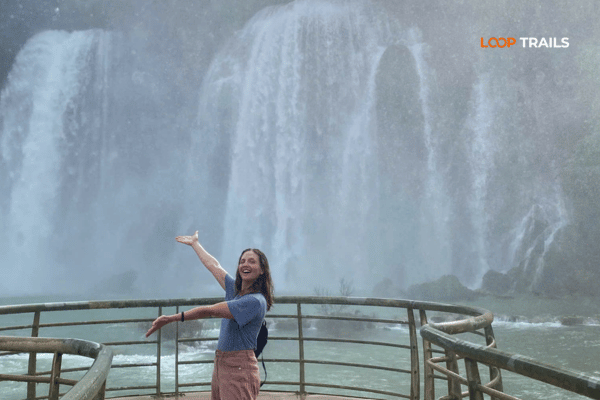
Not a concern. The Vietnam-China border in Cao Bang is peaceful. Ban Gioc Waterfall sits directly on the border; you can take boat rides in the international zone. There are no security issues or restrictions for normal tourist activities.
Yes. Cao Bang is as safe for solo women as anywhere in Vietnam. Normal precautions apply: don’t accept drinks from strangers, trust your instincts, stay in reputable accommodations. But there’s no specific elevated risk in this region.
Valid concern. Phone signal exists in most areas but not everywhere. If you break down in a remote location: Someone will usually come along within 30 minutes to an hour Locals are generally helpful even with language barriers Tour operators can assist if you’re on a guided tour Carry basic tools and know how to do simple fixes
Yes. Homestays in Cao Bang are family-run, often in ethnic minority villages. You’re staying in someone’s home. It’s among the safest accommodation types in Vietnam. Normal precautions: lock valuables, be aware of your surroundings, but serious incidents are rare.
Same as anywhere in Vietnam. Eat where locals eat. Avoid empty restaurants. Be cautious with raw vegetables and uncooked items if you have a sensitive stomach. Street food is generally fine when it’s freshly cooked.
Learn more: Ha Giang Motorbike Rental
Your choice of tour type significantly impacts your safety exposure in Cao Bang.
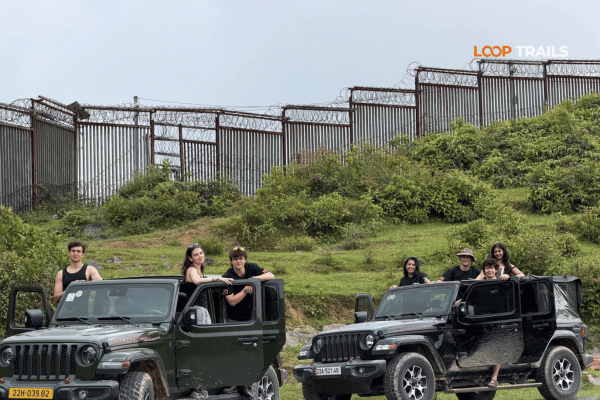
Why it’s safest: Professional driver with local road knowledge Enclosed vehicle protects from weather Better stability and control than motorbikes Comfortable in rain or challenging conditions No personal driving skill required
Trade-off: Less “adventurous” feel than riding yourself. Higher cost per person for small groups.
Best for: First-time Vietnam travelers, families, couples prioritizing comfort, anyone nervous about mountain roads, rainy season visitors.
Why it’s safe: You’re a passenger; experienced local driver handles the road Drivers know every curve and hazard They adjust for conditions automatically You can focus on scenery, not survival
Trade-off: You don’t control the ride. Some people feel less comfortable as a passenger.
Best for: Those who want the motorbike experience without the driving risk, solo travelers, anyone without motorcycle experience.
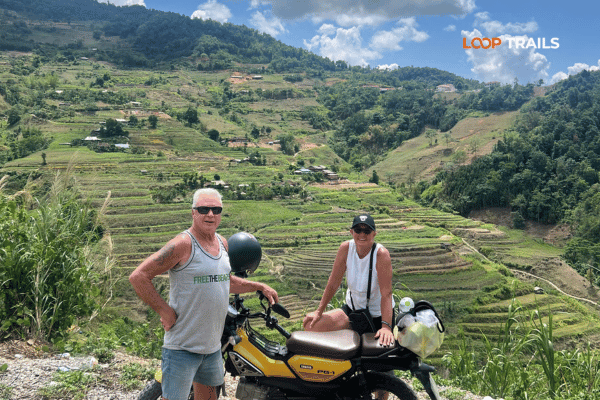
Safety depends on you: Your experience level determines risk You’re responsible for decisions Mistakes are yours to make
When it’s safe: For experienced motorcycle riders who have ridden in challenging conditions before, understand Vietnamese traffic patterns, and are comfortable with mountain roads.
When it’s risky: For beginners, those with only city riding experience, those unfamiliar with manual bikes, those uncomfortable with heights or exposure.
→ [Compare all tour types] (link to main tours page)
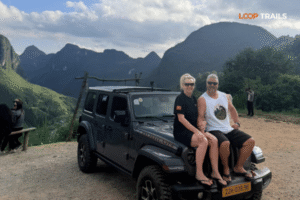
Learn more: Ha Giang Loop by Wrangler Rubicon Jeep
You’re traveling with family or a partner who doesn’t ride You want to enjoy scenery without concentration on driving You’re visiting in rainy season You have any physical limitations affecting balance or control You’ve never ridden in Vietnam before You prioritize comfort and safety over adventure
You want the motorbike experience without driving You’re solo and don’t want to ride alone You’re moderately experienced but not confident on mountain roads You want local knowledge without the responsibility
You have genuine motorcycle experience (years, not months) You’ve ridden in developing countries before You understand and can handle challenging road conditions You’re comfortable with Vietnamese traffic You specifically want the independence and control
Honest recommendation: If you’re asking “Is Cao Bang safe?” and genuinely worried, consider Easy Rider or Jeep. The people who self-drive successfully usually aren’t worried; they know their capabilities.
→ [Book your preferred Cao Bang tour option] (link to tours page)
Learn more: Ha Giang Cao Bang 6 Days 5 Nights
If you decide to self-drive in Cao Bang, these tips will help:
Assess honestly: Are you actually experienced enough? Mountain roads are not the place to learn.
Check your bike: Brakes, tires, lights, horn. Everything must work properly.
Get proper insurance: Confirm your travel insurance covers motorcycle riding.
Study the route: Know what’s ahead. Understand the challenging sections.
Speed kills: Seriously. The most common cause of accidents is going too fast for conditions.
Assume blind corners: Every curve might have something around it: a truck, a cow, a landslide.
Brake before curves: Enter curves slow. You can accelerate out if clear.
Watch for gravel: Especially on corners. Gravel on pavement is extremely slippery.
Keep distance: From vehicles ahead and especially from trucks.
Use your horn: Vietnamese driving relies on horns for communication. Use yours on blind corners and when passing.
Rest regularly: Fatigue causes accidents. Stop every hour or so.
Don’t night ride: Mountain roads at night are significantly more dangerous. Plan to arrive before dark.
If you crash: Stay calm. Assess injuries. Move off the road if possible. Call for help.
If someone else crashes: Stop and help. Call emergency services (115 for ambulance).
If weather turns bad: Consider stopping. Find shelter. Wait it out.
If your bike breaks down: Get off the road. Try to flag down help. Most passing vehicles will stop.
Learn more: Best time to visit Cao Bang
Police: 113
Ambulance: 115
Fire: 114
General emergency: 112 (may connect to appropriate service)
Note: English-speaking operators are not guaranteed. Having a Vietnamese speaker call (hotel staff, tour operator, local helper) is often more effective.
If you’re on a tour, your operator should provide emergency contact numbers. Save these in your phone before you travel.
Your country’s embassy in Hanoi can assist with serious emergencies (lost passport, arrest, major incidents). Keep contact information accessible.
Cao Bang General Hospital (Bệnh viện Đa khoa Cao Bằng) handles emergencies. Your hotel or tour operator can provide directions and assistance.
Learn more: Ha Giang Border Area Permit 2026
Yes. Cao Bang is one of Vietnam’s safest provinces for travelers. Personal crime against tourists is rare, locals are welcoming, and the region is politically stable. The main safety consideration is road conditions for those self-driving.
It depends on your experience. For skilled motorcycle riders comfortable with mountain roads, yes. For beginners or those unfamiliar with challenging conditions, the roads present real risks. Consider Easy Rider (as passenger) or Jeep tours if uncertain.
They’re mountain roads requiring appropriate skill and caution. Not unusually dangerous for their type, but not simple either. Curves, elevation changes, occasional narrow sections, and variable surfaces require attention and experience.
Yes. Solo female travelers report feeling safe in Cao Bang. Normal precautions apply, but there’s no elevated risk compared to other Vietnamese destinations. Homestays and local communities are welcoming.
For most travelers, overestimating their own driving abilities or underestimating road conditions. This isn’t about Cao Bang being particularly dangerous; it’s about mountain road realities. Choose your tour type based on honest self-assessment.
Yes. The Vietnam-China border at Ban Gioc is peaceful. Tourists visit the waterfall and take boat rides in the international zone without issues. There are no security concerns for normal tourist activities.
Standard travel insurance should cover most situations. However, if you’re self-driving a motorbike, verify that your policy covers motorcycle riding and meets any license requirements. Evacuation coverage is recommended given the distance from major medical facilities.
Stay calm. Assess injuries and call for help (emergency number 115 for ambulance). If on a tour, contact your operator immediately. Move off the road if possible. Local people often stop to help. Seek medical attention even for minor injuries.
Yes, with normal cautions. Eat where locals eat, choose freshly cooked items, be cautious with raw vegetables if you have a sensitive stomach. Foodborne illness is possible anywhere; Cao Bang isn’t higher risk than other Vietnamese regions.
No areas are specifically unsafe for tourists. Some very remote areas have limited phone signal and services. Stay on main routes and with tours unless you’re experienced and prepared for independent travel.
No significant wild animal threats on roads or in tourist areas. You may see cattle, buffalo, dogs, chickens, etc. on roads; treat them as obstacles rather than dangers. In very remote areas, wild animals exist but avoid humans.
Yes, with appropriate preparation. Roads can be slippery, visibility reduced, and occasional landslides occur. Jeep tours are particularly good in rainy season. Self-driving requires extra caution. Check conditions before traveling.
Cao Bang is genuinely safe for travelers who approach it with realistic expectations.
The region offers stunning landscapes, authentic cultural experiences, and welcoming communities. The main “danger” isn’t crime or instability; it’s the gap between traveler ambition and traveler capability on mountain roads.
If you’re experienced and honest with yourself about that experience, self-driving can be wonderful. If you’re not, there’s no shame in choosing Easy Rider or Jeep options. The smartest travelers know when to delegate.
Whatever option you choose, Cao Bang is worth the journey.
Ready to explore Cao Bang safely?
→ [Ha Giang Cao Bang Combine Tours] (link to combo tours page)
→ [Cao Bang Loop Tours] (link to Cao Bang page)
→ [Questions about safety? WhatsApp: +84 862 379 288] (link to contact)
Contact information for Loop Trails
Website: Loop Trails Official Website
Email: looptrailshostel@gmail.com
Hotline & WhatSapp:
+84862379288
+84938988593
Social Media:
Facebook: Loop Trails Tours Ha Giang
Instagram: Loop Trails Tours Ha Giang
TikTok: Loop Trails
Office Address: 54A Tran Phu, Ha Giang 2, Tuyen Quang
Address: 54A Tran Phu, Ha Giang 2, Tuyen Quang
Facebook X Reddit Table of Contents Learn more: Ha Giang Loop Tours Most people drive past the Quan Ba area twice on
Facebook X Reddit Table of Contents Learn more: Ha Giang Loop Tours The Ha Giang Loop has a reputation problem with older