


Thúy Kiều (Grace) is a travel blogger and content contributor for Loop Trails Tours Ha Giang. She holds a bachelor’s degree in Sustainable Tourism from Vietnam National University, Hanoi, and has a strong passion for exploring and promoting responsible travel experiences in Vietnam’s northern highlands.
Learn more: Ha Giang Loop Tours
Nobody plans to get sick on vacation. But knowing what to do if it happens matters more in remote areas like the Ha Giang Loop than in cities with international hospitals on every corner.
The honest reality: medical facilities on the Loop are limited. There are clinics and pharmacies, but not hospitals with English-speaking staff and advanced equipment.
This guide covers what exists, what to bring, and what to do if something goes wrong. Read it before you need it.
Learn more: Ha Giang Loop 2 Days 1 Night
Let’s be realistic about what’s available.
Provincial General Hospital (Bệnh viện Đa khoa tỉnh Hà Giang)
What it is: The largest hospital in Ha Giang province Basic emergency services General medical care Surgery capability (limited)
What to expect: Vietnamese-speaking staff primarily Basic equipment by Western standards Can handle common emergencies Serious cases may require transfer to Hanoi
Location: Ha Giang City center Accessible before or after the Loop
Best for: Pre-trip or post-trip medical needs Non-emergency care Starting point for serious issues
District Health Center (Trung tâm Y tế huyện Đồng Văn)
What it is: District-level clinic Basic first aid and treatment Limited equipment
What to expect: Can handle minor injuries Basic medications available Limited English May refer serious cases to Ha Giang City
Location: Dong Van town center
Best for: Minor injuries Basic illness treatment Initial assessment
District Health Center (Trung tâm Y tế huyện Mèo Vạc)
What it is: Similar to Dong Van District-level care Basic services
What to expect: Comparable to Dong Van Basic care available Serious cases referred elsewhere
Location: Meo Vac town center
District Health Center
What it is: Smaller facility Basic services First point of contact on Day 1 of most Loop routes
Remote sections of the Loop: No formal medical facilities Rely on villages for basic help Evacuation required for serious issues
What this means: You may be hours from proper care Self-sufficiency is important Prevention matters more than treatment
→ [Guided tours include support for medical situations] (link to Tours page)

Learn more: Ha Giang Loop 3 Days 2 Nights
What actually happens to travelers on the Loop.
Why it happens: Winding mountain roads Hours of curves Elevation changes
Symptoms: Nausea Dizziness Vomiting Cold sweats
Treatment: Stop and rest Fresh air Motion sickness medication (take before travel) Ginger candy can help
Prevention: Take medication before riding, not after symptoms start Sit in front (car) or drive (motorbike) Focus on horizon Avoid reading or screens
Why it happens: New food Different water Changed diet Stress on body
Symptoms: Diarrhea Stomach cramps Nausea Bloating
Treatment: Oral rehydration salts Anti-diarrhea medication (Imodium/loperamide) Clear fluids Rest Bland food (rice, bread)
When to worry: Blood in stool Fever over 38.5°C (101°F) Unable to keep fluids down for 6+ hours Symptoms lasting more than 3 days
Why it happens: Ha Giang reaches 1,500 to 2,000 meters Rapid altitude gain possible Individual sensitivity varies
Symptoms (mild): Headache Slight shortness of breath Fatigue Difficulty sleeping
Symptoms (serious): Severe headache Vomiting Confusion Loss of coordination
Treatment (mild): Hydration Rest Pain relievers (ibuprofen, acetaminophen) Time to acclimatize
Treatment (serious): Descend immediately Seek medical care Don’t ignore worsening symptoms
Why it happens: Motorcycle accidents Falls at viewpoints Slips on wet surfaces
Common injuries: Scrapes and abrasions (“road rash”) Sprains Minor fractures Cuts
What to do: Clean wounds thoroughly Apply antibiotic ointment Bandage appropriately Seek care for anything beyond minor scrapes Watch for infection signs
Why it happens: Sun exposure all day Dehydration Physical exertion
Symptoms: Headache Fatigue Dizziness Excessive sweating (or stopped sweating, which is dangerous)
Treatment: Get to shade Hydrate Cool down Rest
Prevention: Drink water constantly Wear sun protection Take breaks
What bites: Mosquitoes Various flies Occasional other insects
Treatment: Antihistamine for itching Hydrocortisone cream Watch for infection signs
Prevention: Insect repellent Long sleeves at dawn/dusk

Learn more: Ha Giang Loop 4 Days 3 Nights
Pharmacies exist on the Loop. Here’s what to know.
Ha Giang City: Multiple pharmacies Widest selection Best place to stock up before the Loop
Dong Van: Pharmacy available Basic supplies Limited selection compared to city
Meo Vac: Pharmacy available Similar to Dong Van
Smaller towns: May have a small pharmacy or none Don’t rely on finding what you need
Vietnam pharmacy regulations are more relaxed than many Western countries. Many medications that require prescriptions elsewhere are available over the counter.
Commonly available: Pain relievers (paracetamol, ibuprofen) Anti-diarrhea medication Oral rehydration salts Antihistamines Cold and flu medications Antibiotic ointments Basic antibiotics (varies by pharmacy) Motion sickness tablets Eye drops Stomach medications
Potentially difficult: Specific brand medications Western brands (generic Vietnamese equivalents often available) Specialized medications Contraceptives beyond basic pills
How to ask: Show the packaging or name of what you need Use translation app Bring photo of medication Point and gesture
Names to know: Pain: đau (pronounced “dow”) Stomach: dạ dày Diarrhea: tiêu chảy Fever: sốt
Stock your kit in Ha Giang City: Better selection Time to communicate needs No urgency pressure Prices may be lower
Learn more: Ha Giang Cao Bang 5 Days 4 Nights
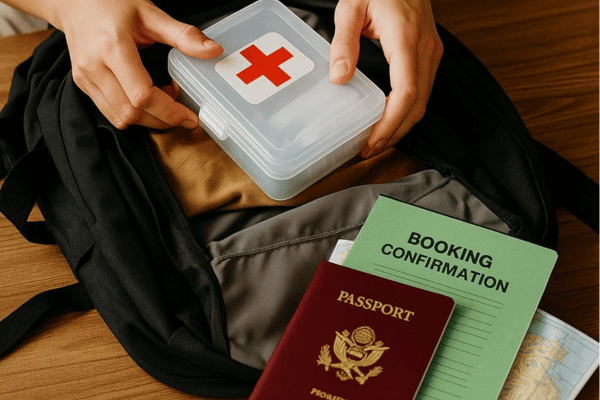
Your personal medical kit for the Loop.
Pain relievers (paracetamol, ibuprofen), Anti-diarrhea medication (loperamide/Imodium), Oral rehydration salts (several packets), Antihistamine (for allergies or reactions), Motion sickness medication (if susceptible), Personal prescription medications (enough for trip plus extra)
Adhesive bandages (various sizes), Sterile gauze pads, Medical tape, Antibiotic ointment, Antiseptic wipes or solution, Tweezers (for splinters), Small scissors, Blister care supplies
Sunscreen (high SPF), Lip balm with SPF, Insect repellent, Hand sanitizer, Wet wipes, Thermometer (optional but useful), Eye drops (dusty roads)
Travel insurance card and details, Emergency contact numbers, List of allergies (translated if possible), List of current medications, Blood type (if you know it), Embassy contact information

Learn more: Cao Bang Loop 3 Days best kept secret
How to assess if you need medical care.
Handle yourself: Mild headache Minor stomach upset Small cuts and scrapes Mild sunburn Insect bites without reaction Common cold symptoms
Self-treatment approach: Use your medical kit Rest if needed Monitor for worsening Continue if improving
Visit a clinic if: Wound needs stitches Suspected sprain (significant swelling) Fever lasting more than 24 hours Diarrhea lasting more than 2 days Any symptoms that concern you
Clinic expectations: Basic examination Possible medication May need to return for follow-up Keep records of what they give you
Seek immediate help for: Difficulty breathing Chest pain Severe bleeding Head injury with confusion High fever (over 39°C / 102°F) Signs of severe dehydration Any accident involving loss of consciousness Severe allergic reaction
What to do: Get to nearest clinic/hospital immediately Call emergency services if available (115 in Vietnam) Contact tour operator or accommodation for help Don’t wait to see if it improves
May require evacuation to Hanoi: Suspected fractures (beyond simple sprains) Internal bleeding Heart or stroke symptoms Any condition requiring surgery Serious head or spinal injury

Learn more: Ha Giang Cao Bang 6 Days 5 Nights
What to do when something serious happens
1. Assess the situation Is the person conscious? Are they breathing? Is there severe bleeding?
2. Get help Alert others nearby Call for assistance Don’t move person if spinal injury suspected
3. Basic first aid Control bleeding with pressure Keep person calm Don’t give food or water if surgery might be needed
Emergency number: 115 (ambulance) Note: Response time in remote areas is slow
Tour operator: If on a tour, call immediately They have local contacts Can arrange transport faster than you
Accommodation: Homestay or hotel staff can help They know local resources Can translate and communicate
Insurance hotline: Call for advice Start claim process May coordinate evacuation
The honest truth: Helicopter evacuation is not available in Ha Giang Ground transport is the only option This takes time (hours, not minutes) Serious emergencies require transport to Hanoi (6+ hours)
What this means: Prevention is crucial Don’t take unnecessary risks Choose tour type based on risk tolerance Insurance with evacuation coverage is essential
Learn more: Ha Giang Motorbike Rental
This is not optional for the Ha Giang Loop.
Remote location: Limited medical facilities Evacuation may be necessary Ground transport to Hanoi expensive
Motorcycle risk: Higher accident rate than typical travel Serious injuries possible Medical bills can be significant
Coverage needs: Medical treatment Emergency evacuation Repatriation if necessary Trip interruption
Essential coverage:
☐ Medical expenses: At least $100,000 USD ☐ Emergency evacuation: At least $50,000 USD ☐ Motorcycle coverage: Explicitly included (many policies exclude) ☐ Adventure activities: Ha Giang qualifies ☐ 24/7 assistance hotline: For emergencies
Critical issue: Many standard travel insurance policies exclude motorcycle injuries Some only cover if you have a valid license Some exclude engine sizes over 125cc
What to check: Does the policy cover motorcycles explicitly? What license requirements apply? Is Ha Giang considered “adventure” requiring extra coverage? Are Easy Rider passengers covered differently than drivers?
Before booking: Buy insurance before departure Read motorcycle/adventure clauses carefully Screenshot or print policy details Save emergency numbers in phone
On the trip: Carry insurance card Have policy number accessible Know how to contact assistance line Keep receipts for any medical expenses
→ [See our travel insurance guide for motorcycles] (link to Insurance blog)

Learn more: Ha Giang Loop Mistake to Avoid
Prevention is better than treatment.
Why it matters: High altitude increases fluid needs Sun exposure all day Physical activity (even riding) Easy to forget when focused on riding
How much: 2 to 3 liters minimum per day More in hot weather More if active (hiking, walking)
Tips: Carry water bottle always Drink before you feel thirsty Watch urine color (pale yellow = good)
General approach: Eat at busy places (high turnover) Hot, freshly cooked food is safest Avoid raw vegetables if concerned Peel fruit yourself
Water: Bottled water only Check seal is intact Use bottled water for brushing teeth if concerned
Why it’s intense: High altitude = stronger UV Reflective surfaces (road, rocks) Long exposure on motorbike
Protection: Sunscreen on exposed skin Reapply every few hours Hat when not wearing helmet Sunglasses
Why it matters: Fatigue affects immune system Judgment impairs when tired Recovery slower when exhausted
How much: 7 to 8 hours sleep Rest days if possible on longer trips Don’t push through exhaustion
Adventure travel can be stressful: Unfamiliar environment Physical demands Decision fatigue Isolation feelings
Support yourself: Acknowledge difficult moments Stay connected with travel partners Know your limits It’s okay to stop or change plans
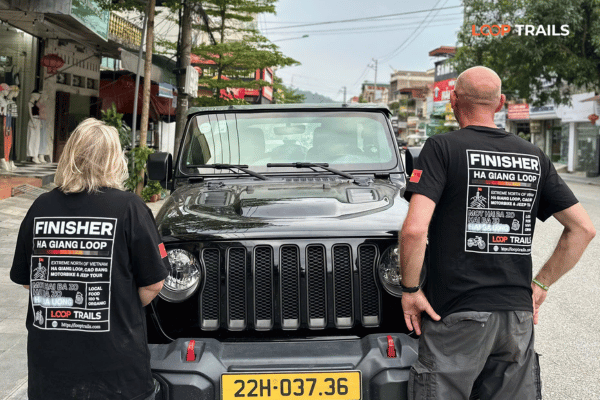
Learn more: Ha Giang Loop by Wrangler Rubicon Jeep
Ha Giang City has the provincial hospital, which is the most capable facility. Dong Van and Meo Vac have district health centers for basic care. There are no hospitals along remote sections.
Many medications available only by prescription in Western countries are sold over the counter in Vietnam, including basic antibiotics, pain medications, and digestive medicines. However, selection is limited in small towns.
Minor injuries: Clean and bandage, continue if safe. Moderate injuries: Get to nearest clinic. Serious injuries: Call for help, don’t move if spinal injury suspected, contact tour operator or accommodation for assistance.
Some policies do, many don’t. Check your policy explicitly for motorcycle coverage, license requirements, and adventure activity clauses. Easy Rider passengers may be covered differently than self-drivers.
Pain relievers, anti-diarrhea medication, oral rehydration salts, antihistamines, bandages, antiseptic, antibiotic ointment, and any personal medications. See the full checklist in this article.
From the most remote sections, reaching Ha Giang City hospital could take 3 to 4 hours by road. Evacuation to Hanoi (for serious care) is 6+ hours. There is no helicopter evacuation service.
The Loop reaches 1,500 to 2,000 meters. Most people have mild or no symptoms. If you’re sensitive to altitude, acclimatize slowly, stay hydrated, and descend if symptoms worsen.
Common mild cases: Rest, hydrate with oral rehydration salts, eat bland food, use anti-diarrhea medication if needed. Seek medical help if: high fever, blood in stool, unable to keep fluids down for 6+ hours.
Generally no. Bring a translation app, show pictures of symptoms or medications, and use gestures. Your tour guide or accommodation staff can help translate in emergencies.
Minor cold symptoms may be okay. Anything involving fever, digestive issues, or significant discomfort: postpone. Being sick in a remote area with limited facilities is much harder than being sick at home.
Getting sick on the Ha Giang Loop is not common for prepared travelers. Most people complete the journey without medical issues.
But remote travel demands preparation. The facilities are basic, help is hours away, and self-reliance matters.
Pack your medical kit. Buy proper insurance. Know your limits. And if something feels wrong, trust your instincts.
The mountains will still be there if you need to turn back.
Plan your Ha Giang trip:
→ [Ha Giang Loop Tours (with guide support)] (link to Tours page)
→ [Questions? WhatsApp: +84 862 379 288] (link to contact)
Contact information for Loop Trails
Website: Loop Trails Official Website
Email: looptrailshostel@gmail.com
Hotline & WhatSapp:
+84862379288
+84938988593
Social Media:
Facebook: Loop Trails Tours Ha Giang
Instagram: Loop Trails Tours Ha Giang
TikTok: Loop Trails
Office Address: 54A Tran Phu, Ha Giang 2, Tuyen Quang
Address: 54A Tran Phu, Ha Giang 2, Tuyen Quang

Facebook X Reddit Table of Contents Learn more: Ha Giang Loop Tours The Ha Giang Loop has a reputation problem with older

Facebook X Reddit Table of Contents The passes get the photos. The homestay nights get the stories. Ask anyone who’s done the