
Driving in Vietnam with a US License: What Americans Must Know
Facebook X Reddit Table of Contents Learn more: Ha Giang Loop Tours This is the part of Vietnam trip planning that catches

Thúy Kiều (Grace) is a travel blogger and content contributor for Loop Trails Tours Ha Giang. She holds a bachelor’s degree in Sustainable Tourism from Vietnam National University, Hanoi, and has a strong passion for exploring and promoting responsible travel experiences in Vietnam’s northern highlands.
Learn more: Ha Giang Loop Tours
Two weeks is enough time to do northern Vietnam properly. Not sprint through it, not tick boxes, but actually slow down and let the places land.
This itinerary covers the three destinations that most experienced travelers would call the core of a northern Vietnam trip: Hanoi, Ha Long Bay, and the Ha Giang Loop. Each one is different enough from the others to feel like a separate journey. Together, they give you a picture of northern Vietnam that is genuinely complete.
Hanoi is the city brain of the region: dense, layered, caffeinated, and more interesting than most people expect. Ha Long Bay is the landscape that makes every photographer stop mid sentence. And Ha Giang is the one that stays with you longest, for reasons that are harder to explain and easier to just experience.
This is a 14-day route that works whether you are a first time visitor to Vietnam, a traveler who has done the south before, or someone who has heard about Ha Giang for years and is finally planning to go.
Learn more: Ha Giang Loop 2 Days 1 Night
The north has a different texture to the rest of Vietnam. The weather is more variable, the terrain is more extreme, the food is more restrained, and the cultural landscape is more complex. The cities and the mountains sit close to each other: you can go from a Hanoi street corner to a mountain pass in Ha Giang in twelve hours on a night bus.
Two weeks gives you enough time to spend two to three days in each major destination without rushing. It also gives you one flexible buffer built in, which matters in the north, where weather or road conditions can occasionally shift a day’s plan.
What makes this particular combination so good: the three destinations provide genuine contrast. Hanoi is urban and historic. Ha Long is coastal and dramatic. Ha Giang is mountain and remote. You are not spending two weeks doing variations of the same experience. You are moving through genuinely different Vietnams.
Learn more: Ha Giang Loop 3 Days 2 Nights
A few practical notes before the itinerary begins.
Direction of travel: This route runs Hanoi → Ha Long → Hanoi → Ha Giang. You start and end in Hanoi, which keeps flights simple. If you want to add Sapa or extend into Cao Bang, the options for doing that are covered at the end.
Best time of year: October through April is the recommended window for the north. October to December brings cool, clear skies and excellent conditions for both Ha Long and Ha Giang. January and February are cold in the mountains. March and April are pleasant everywhere but can bring some haze. July and August are rainy and less ideal for Ha Giang mountain roads.
Night buses: The standard way to get between Hanoi and Ha Giang is the night sleeper bus, which runs overnight and arrives in the early morning. This saves a full day of travel time and is comfortable on the main operators. Ha Long is a shorter route from Hanoi and can be reached by various bus options in a few hours.
Book Ha Giang in advance: Ha Giang tours, especially jeep tours and guided small group options, can fill up quickly in peak season (October to December). Book at least two to three weeks ahead if you are traveling in those months.
Visa: Check your country’s current Vietnam visa requirements before booking anything. Rules and entry conditions change. Most nationalities can apply for an e visa online. Verify before you travel.

Learn more: Ha Giang Loop 4 Days 3 Nights
| Days | Location | What You Are Doing |
|---|---|---|
| 1 to 2 | Hanoi | Arrive, explore the Old Quarter and lakes, adjust to the pace |
| 3 to 4 | Ha Long Bay or Cat Ba | Overnight cruise or island base for karst landscape |
| 5 | Hanoi | Return, evening night bus to Ha Giang |
| 6 to 9 | Ha Giang Loop | 4 days, 3 nights on the mountain route |
| 10 | Ha Giang or transit | Rest day or bus back to Hanoi |
| 11 to 12 | Hanoi or Ninh Binh | Final days, city or countryside |
| 13 to 14 | Hanoi | Depart or extra buffer |
The Cao Bang extension option (see below) replaces Days 10 to 14 with an additional mountain leg.
Learn more: Ha Giang Cao Bang 5 Days 4 Nights
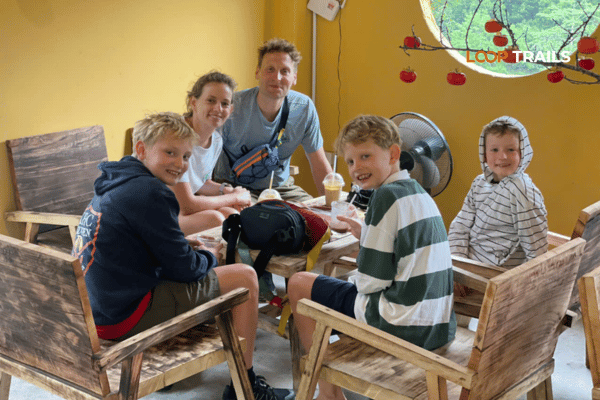
Ha Long Bay is one of those places that photographs cannot fully prepare you for. The scale of it is the thing: thousands of limestone karst islands rising out of the Gulf of Tonkin, some of them the size of small hills, others with caves and emerald lagoons carved into them.
The standard way to see Ha Long Bay is an overnight cruise departing from Ha Long City or from the piers near Tuan Chau Island. Cruises range from budget to high end, and the experience of waking up in the middle of the bay with islands on every side is something that holds up regardless of what boat you are on.
Cat Ba Island is the alternative base for travelers who prefer a land based approach. Cat Ba is Ha Long Bay’s largest island, with its own town, national park, and access to the bay by local boat. It is more practical for budget travelers and for those who want more flexibility in how they explore the water.
For this itinerary, two days works well: one night on a bay cruise plus a morning in the water before heading back, or two nights on Cat Ba with a day trip into the bay. Either way, you are back in Hanoi by late afternoon on Day 5 with the evening free to prep for the Ha Giang night bus.
One practical note: Ha Long Bay is Vietnam’s most visited destination and the cruise quality varies significantly. Book through a reputable agency or accommodation and read recent reviews before committing. The bay itself is always spectacular. The boat you are on determines how relaxed the experience is.
Learn more: Ha Giang Motorbike Rental
Day 5 is a transit day. You arrive back in Hanoi from Ha Long in the afternoon, which gives you time to eat, shower, sort your pack for the Ha Giang portion of the trip, and catch the night bus.
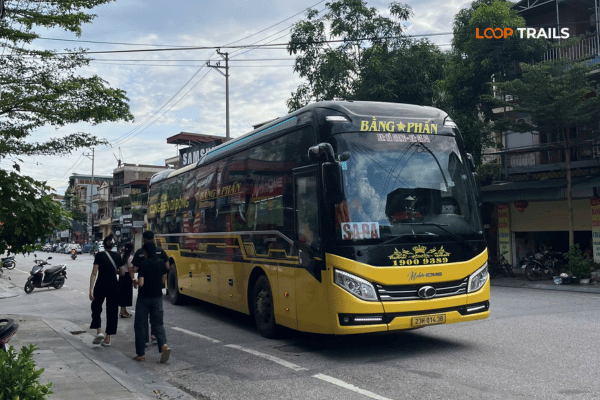
The Ha Giang night bus departs from central Hanoi in the evening and arrives at Ha Giang city in the early morning. Most buses on this route are sleeper coaches with flat or semi flat beds, which makes the overnight trip manageable. Loop Trails can arrange the bus for you in both directions as part of your tour booking.
When you arrive in Ha Giang in the morning of Day 6, you check in at Loop Trails Hostel, rest for a couple of hours, and get ready for the route briefing that starts your loop.
Planning to do the Ha Giang Loop as part of a longer northern Vietnam trip? Loop Trails runs tours that start and end in Ha Giang city, with bus connections to Hanoi in both directions. Check the tour page for the 4-day option or message us on WhatsApp if you have questions about timing your trip.
Learn more: Quan Ba Heaven Gate
The Ha Giang Loop 4-day, 3-night route is the version of the loop that gives you everything. The full route from Ha Giang city, up through the Quan Ba Heaven Gate, across the Dong Van Karst Plateau, over Ma Pi Leng Pass, down through Meo Vac, and back through Du Gia to Ha Giang. Every significant pass, valley, village, and viewpoint. Three evenings at local homestays with dinner, music, and corn wine.
Here is how those four days actually unfold.
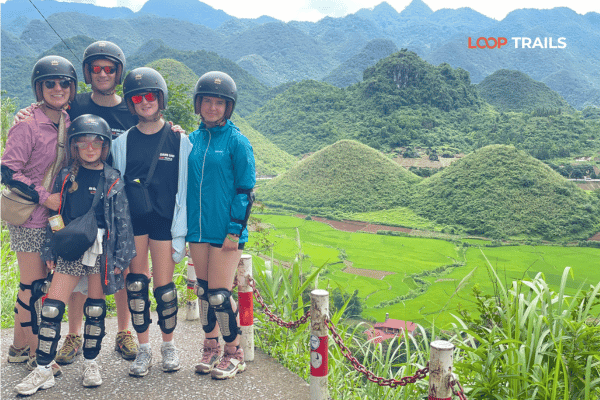
After breakfast and the morning briefing at Loop Trails Hostel, the route begins. The first major stop is the Bac Sum Pass and the Quan Ba Heaven Gate, a ridge viewpoint looking down into the Sung La valley with its two round hills. The landscape opens up immediately: the Ha Giang Karst region has a visual drama that is unlike anything else in Vietnam.
The route continues through Tam Son town for lunch, then to Lung Khuy Cave in Quan Ba: a cave system in the limestone hills that is genuinely remarkable and rarely crowded compared with the more famous caves in other parts of Vietnam. By late afternoon, the group arrives in Yen Minh for the first night at a local homestay.
The evenings on the loop have their own rhythm: a family cooked dinner, some form of traditional music or local games if the hosting family is in the mood, and the ritual glass of corn wine that seems to be non negotiable on every night of the Ha Giang Loop.
Day 2 is the cultural deepest day of the route. After breakfast at the homestay, the morning goes into the Dong Van Karst Plateau proper. Stops include Tham Ma Pass (a viewpoint that gives you the first real sense of the plateau scale), Lao Sa village (a cluster of traditional H’Mong houses right at the China border, architecturally distinct and rarely visited), and Vuong Palace: the former residence of the H’Mong king, a French era building with Chinese architectural details set into a valley that still carries the weight of its history.
The afternoon pushes north to Lung Cu Flag Tower, the northernmost point of Vietnam. Standing at the tower with China visible on the other side of the valley is one of those moments that translates well into words. The flag is enormous. The view is genuinely staggering. The fact that you are at the literal edge of the country has a different effect on most travelers than they expect.
After Lung Cu, the route comes back south through Lo Lo Chai village, one of the best preserved examples of Lo Lo ethnic community architecture in Vietnam, before reaching Dong Van town for the second night.

Learn more: Ma Pi Leng Pass
Day 3 is the one that travelers talk about most. The morning ride from Dong Van takes you onto Ma Pi Leng Pass: one of the four great mountain passes of Vietnam, and by most accounts the most dramatic. The road curves along the cliff face above the Nho Que River valley. The drop below is significant. The views go on further than you can comfortably comprehend.
At Ma Pi Leng, the group does the Skywalk: a trail along the ridge of the pass with the canyon dropping away on both sides. After the Skywalk, the route descends through Tu San Canyon, passing the point where the Nho Que River is deepest and narrowest, and then a boat tour on the river itself, looking up at the canyon walls from the water.
Lunch is in Sung Trai after the river. The afternoon continues through M Pass (named for the shape the road makes on the hillside as it descends) and Lung Ho viewpoint before reaching Du Gia village for the third and final homestay night.
Du Gia is one of the most peaceful stops on the loop. The valley is green, the river is close, and the homestay evenings here have a particular warmth that travelers who have done multiple nights on the loop tend to cite as their favourite.
The final morning starts with breakfast and a swim at Du Gia waterfall: a cold, clear pool in the forest that is a reliable crowd pleaser regardless of the temperature. The return route back toward Ha Giang goes through Duong Thuong valley, passing through H’Mong farming communities in the high valley before descending toward Lung Tam village.
Lung Tam is the place to stop for anyone interested in traditional textile work: the village is known for its linen weaving families, who use indigo dye and hand looms in the same way they have for generations. A short visit with the families here, with a guide who can explain what you are seeing and handle the introductions, is one of those experiences that you think will take fifteen minutes and ends up taking an hour.
Lunch in Thai An, then a forest road section along the Mien River back to Ha Giang city by mid afternoon. Arrive at Loop Trails Hostel. From here, the options are: rest and take the night bus back to Hanoi, or continue to Cao Bang.

Learn more: Cao Bang Loop 3 Days best kept secret
If you have five or six days to spare instead of four, the Ha Giang to Cao Bang combined tour extends the mountain leg significantly. From Ha Giang, the route continues east through Bao Lac, Ha Quang, and Tra Linh before reaching the Cao Bang province and the Ban Gioc waterfall area.
Cao Bang is less visited than Ha Giang and arguably more dramatic in certain sections. The passes between Meo Vac and Bao Lac are long and remote. The landscape through Ha Quang has a different character to the Dong Van Plateau: broader valleys, taller forest, quieter roads. And Ban Gioc itself, the enormous twin fall waterfall on the China border in Trung Khanh district, is one of the largest waterfalls in Southeast Asia and worth the journey to reach.
The Cao Bang extension ends in Cao Bang city, from which a night bus runs back to Hanoi. If you are including Cao Bang, you would use Days 6 through 11 or 12 on the combined route and arrive back in Hanoi with two to three days remaining for the end of your trip.
Loop Trails runs the Ha Giang to Cao Bang 5 day, 4 night and 6 day, 5 night combined tours in the same easy rider, self drive, and jeep formats as the standard Ha Giang Loop.
Learn more: Northern Viet Nam Itinerary 2026
If you have come back from Ha Giang (not Cao Bang), you arrive in Hanoi on the morning of Day 10 after the overnight bus. This gives you two to three full days for the end of your trip.
Hanoi again, with fresh eyes after the mountains, is a different experience. The city feels louder, busier, more colourful. The contrast with the quiet of the loop homestays is marked. This is a good time to eat well, visit any Hanoi museums or galleries you missed at the start, or simply sit in a rooftop cafe and process the previous week.
Ninh Binh is worth a day trip or overnight from Hanoi if you have not been before. It is approximately two hours by bus from Hanoi and offers a landscape that is often described as Ha Long Bay on land: limestone karst formations rising out of paddy fields, with river tours through the caves at Trang An and bike rides through the valley at Tam Coc. It is a very different experience to Ha Giang but a complementary one, and the round trip from Hanoi fits easily into a day.
For the final days in Hanoi: eat everything you have not eaten yet. The food in northern Vietnam is genuinely one of the things that stays with travelers. Pho, bun cha, banh cuon, cha ca La Vong, bun oc. None of these need to be found in tourist restaurants to be excellent. The city is full of good food at street level.

Learn more: Ha Giang and Ha Long Bay
Getting between the destinations on this route is straightforward on the main corridors.
Hanoi to Ha Long Bay: Multiple bus options run daily from Hanoi’s My Dinh bus station and various tourist pickup points. The journey takes a few hours depending on traffic and the pier you depart from. Cruise companies often include shuttle pickup from central Hanoi.
Ha Long Bay back to Hanoi: Cruise packages include return transport. If you are based on Cat Ba, the ferry and bus combination gets you back to Hanoi in a few hours.
Hanoi to Ha Giang: Night sleeper bus. Departures in the evening, arrival in Ha Giang early morning. Loop Trails can arrange this for you as part of the tour booking. Bus options include standard sleeper, VIP sleeper, cabin sleeper, and limousine bus formats. Private car transfer is also available on request.
Ha Giang back to Hanoi (or onward): Same route in reverse. Loop Trails books the return bus as part of the tour package. If you are ending in Cao Bang instead, the night bus from Cao Bang city to Hanoi operates on a similar schedule.
For all these routes: Travel times and schedules change seasonally. Book through your accommodation, your tour operator, or a reliable booking platform rather than showing up at the bus station on the day.
Learn more: Ha Giang Loop Easy Rider
The Ha Giang section of this itinerary is the most important thing to get right. It is where the trip either becomes the story you tell for years or a version of something you could have done better.
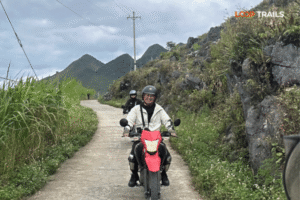
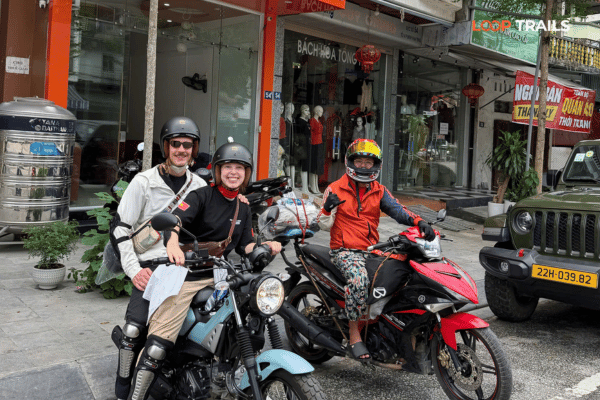
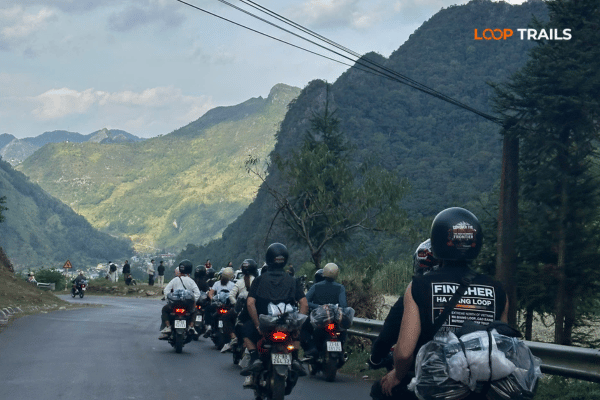
Easy rider (pillion passenger): You ride behind your guide on their motorbike. No licence required. The guide handles everything: the riding, the route, the stops, the cultural introductions. Best for first time riders, anyone without mountain road experience, and anyone who wants to focus entirely on the experience rather than the mechanics of getting between stops.
Self drive motorbike: You ride your own bike, with the guide leading the group. This requires a valid international driving permit in the 1968 format (IDP 1968). Best for experienced riders who want the physical experience of handling the mountain roads themselves.
Jeep Wrangler Rubicon: You travel in a purpose built 4×4 with an experienced driver. The same stops, the same villages, the same homestay evenings. Best for families, couples who want comfort, travelers with any physical concerns about sustained motorbike riding, and anyone who wants the full Ha Giang experience without the exposure of the open road.
All three formats cover the same route in the same time. The difference is how you travel between stops, not what you see when you get there.
If you are unsure which format suits your group, get in touch before you book. We can talk through your experience level, your group composition, and what you actually want from the Ha Giang section of the trip.
Learn more: Ha Giang Packing list
Packing for a trip that goes from a city to a bay to mountain passes requires some thought. Here is what matters most.
For Hanoi and Ha Long Bay, the standard light tropical packing applies: breathable clothes, a rain layer, comfortable walking shoes, and some form of sun protection on the water.
For Ha Giang, the considerations change. The mountain passes are significantly cooler than the valleys, especially in the mornings and at altitude. October through December can be genuinely cold at the top of Tham Ma or Ma Pi Leng. A windproof layer, a light fleece, and long trousers for the riding sections make a real difference to comfort. Sunscreen at altitude is also more important than most travelers expect.
The practical Ha Giang packing list:
You do not need to bring everything for the full 14 days into Ha Giang. Loop Trails Hostel has luggage storage, so you can leave your main bag and take only what you need for the loop days.

Learn more: Ha Giang Loop by Wrangler Rubicon Jeep
Yes, comfortably. This itinerary leaves buffer days at the end and can be adjusted depending on your pace. If you want to rush less at any one stop, you can cut Ninh Binh from the end or reduce Hanoi to one day at the start
Adding Sapa would make it a tight 2 weeks or require cutting something else. Sapa is north of Hanoi and in a different direction to Ha Giang. Some travelers do Hanoi + Sapa + Ha Giang in 2 weeks, but the transit between each leg adds up. A 3-week trip handles the three northern destinations more comfortably
Before. This itinerary puts Ha Long Bay second (Days 3 to 4) and Ha Giang later, which makes logistical sense: both Ha Long and Ha Giang involve transit from Hanoi, but the Ha Giang night bus fits better as a final departure point since you return to Hanoi afterward. Also, doing Ha Giang last means the trip builds to its strongest experience rather than away from it
October to December is the sweet spot. Clear skies at Ha Long Bay, dry and cool conditions on the Ha Giang passes, and good light throughout. March and April also work well. Avoid July and August if possible
Yes, especially in October and November when the buckwheat flowers are in bloom on the plateau and demand for tours peaks. Book the Ha Giang loop at least 2 to 3 weeks in advance during peak months. The rest of the itinerary (Ha Long cruises, Hanoi accommodation) should also be booked ahead in peak season
You can rent a motorbike and ride independently. However, you would miss the local knowledge, the cultural access, the homestay introductions, and the safety management that a guided tour provides. The Ha Giang Loop is one of those routes where guided makes a meaningful difference to the experience, not just to the logistics
The Ha Giang Loop 4 days, 3 nights with Loop Trails runs from approximately 4,890,000 VND per person for self drive up to 39,990,000 VND for a 4-person jeep group. Easy rider rates sit between those points. Check the current tour pages for exact pricing and inclusions, as rates can be updated
Leave it at Loop Trails Hostel in Ha Giang city. Luggage storage is available. You ride the loop with a small daypack. The hostel keeps your main bag until you return
Reasonably so on the VIP sleeper and cabin options. It is a mountain road for part of the route, so light sleepers might find the movement of the bus noticeable. Most travelers adapt after the first hour. Earplugs and a light eye mask help
Yes. Travel insurance with medical cover, emergency evacuation, and adventure activity coverage (including motorbike riding if you are doing self drive) is essential for Ha Giang specifically. Check the fine print of your policy before leaving home
Contact information for Loop Trails
Website: Loop Trails Official Website
Email: looptrailshostel@gmail.com
Hotline & WhatSapp:
+84862379288
+84938988593
Social Media:
Facebook: Loop Trails Tours Ha Giang
Instagram: Loop Trails Tours Ha Giang
TikTok: Loop Trails
Office Address: 54A Tran Phu, Ha Giang 2, Tuyen Quang
Address: 54A Tran Phu, Ha Giang 2, Tuyen Quang
Facebook X Reddit Table of Contents Learn more: Ha Giang Loop Tours This is the part of Vietnam trip planning that catches

Facebook X Reddit Table of Contents Learn more: Ha Giang Loop Tours The Ha Giang to Cao Bang combined tour ends in

Facebook X Reddit Table of Contents This is one of the most common planning questions for northern Vietnam travelers, and it deserves