
Ha Giang Loop: 3 Days or 4 Days? An Honest Comparison
Facebook X Reddit Table of Contents Learn more: Ha Giang Loop Tours This is the question that sits in almost every Ha

Thúy Kiều (Grace) is a travel blogger and content contributor for Loop Trails Tours Ha Giang. She holds a bachelor’s degree in Sustainable Tourism from Vietnam National University, Hanoi, and has a strong passion for exploring and promoting responsible travel experiences in Vietnam’s northern highlands.
Learn more: Ha Giang Loop Tours
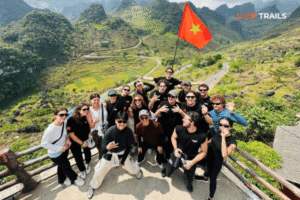
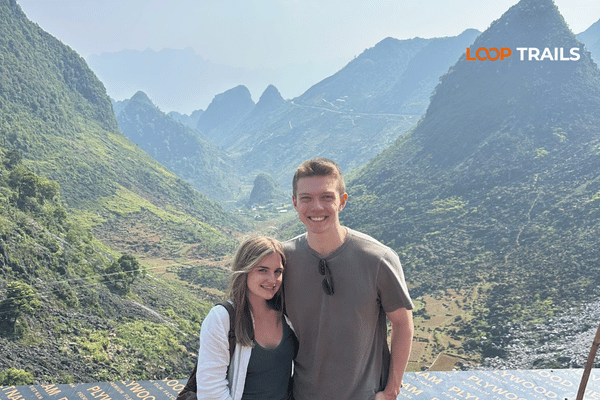
A few things hit you the moment you crest the first pass north of Ha Giang City. The air gets thinner. The road tightens. Limestone karst stacks rise like broken teeth out of green valleys, and within twenty minutes you stop trying to take photos because every corner is somehow more ridiculous than the last.
This is the start of the Ha Giang Loop, and it’s the reason a backpacker route in northeast Vietnam has quietly become one of Asia’s best motorbike rides.
I’ve ridden this loop more times than I can count, in dust and rain and the kind of mountain fog that turns headlights useless. What follows is not a postcard. It’s a working guide for travelers who want to plan a real Ha Giang adventure, choose the right type of trip, avoid the mistakes most people make, and come back with stories instead of regrets.
Learn more: Ha Giang Loop 2 Days 1 Night
Most people land in Vietnam thinking of Halong Bay or the beaches in the south. Ha Giang sits at the opposite end of the spectrum: rural, mountainous, and overwhelmingly H’mong, Tay, Dao, and Lo Lo in culture. Roads were rough until relatively recently. The province only fully opened to independent foreign travelers a few years ago.
The result is a place that still feels like it belongs to itself. Markets are markets, not performances. Homestays are usually run by families who actually live in the house. The kids who wave at you from the school gate aren’t doing it for tips.
The riding is the headline, but the loop is really about what’s between the headline stops: a grandmother carrying a baby on her back through head-high corn, a buffalo blocking your lane on a blind curve, a five-year-old waving so hard he nearly falls over. You don’t get that on a tour bus.

Learn more: Ha Giang Loop 3 Days 2 Nights
Ha Giang City is the start and end of every Ha Giang adventure. There’s no airport in the province. You’re getting there overland from Hanoi, and there are three ways to do it.
The classic backpacker move. Sleeper buses leave Hanoi in the evening and arrive in Ha Giang City early the next morning, which lines up perfectly with most tour briefings. You sleep through the boring section. The downside: the road is winding for the last few hours, so light sleepers struggle. Bring earplugs and an eye mask.
Smaller, faster, more comfortable. Modern minivans with reclining seats and USB ports run several times a day between Hanoi and Ha Giang City. Costs more than a sleeper bus but the difference is small for what you get, especially if you’re tall.
If you’re a couple or small group with bags, a private car can be worth it. You can stop for coffee, choose your departure time, and skip the chaos of bus stations. Ask your tour operator to arrange one as part of the package. Loop Trails handles this if requested.
A note on flying: the closest airports are in Hanoi or, less commonly, Dien Bien. Don’t try to fly into anything closer. There isn’t one.

Learn more: Ha Giang Loop 4 Days 3 Nights
There is no objectively bad time to ride Ha Giang. There are, however, very different versions of the same route depending on the month.
Wildflowers start showing up on hillsides, especially the famous pink plum blossoms in February to March and yellow rapeseed flowers later on. Mornings can still be cold. Afternoons warm up nicely. Light rain shows up here and there. Visibility is generally good.
Lush, dramatic, green. Rice terraces fill with water and reflect the sky like mirrors. The flip side: this is the wettest part of the year. Heavy rain can trigger landslides on certain stretches, and sections of road occasionally close. If you ride in summer, build in a buffer day and don’t book a flight out of Hanoi the same evening you finish the loop.
The most popular window, and for good reason. Rice terraces turn gold from late September into October. Skies clear up. Buckwheat flowers (purple-pink) bloom across Dong Van and Meo Vac in October to November and are genuinely beautiful, not a marketing line. Book early because rooms fill.
Cold. Sometimes very cold, especially around Dong Van and Lung Cu where temperatures can drop near freezing on bad days. Fog rolls in thick and visibility on Ma Pi Leng can be limited. The trade-off: fewer travelers, dramatic landscapes, and the chance of seeing peach blossoms near Tet. Pack proper layers, not just a hoodie.
Quick tip: Whatever month you pick, check the forecast 3 to 5 days before departure. Mountain weather changes fast, and rules around closed sections can shift. Always confirm road conditions with your operator the morning of your ride.
Learn more: Ha Giang Loop Easy Rider
This is the decision that defines your trip. Most regret on the loop comes from picking the wrong option, not from the loop itself.
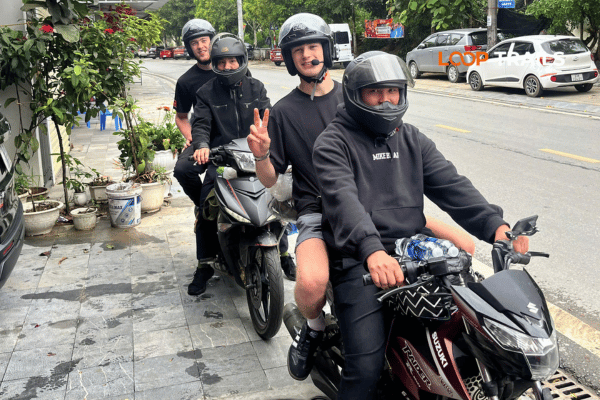
You ride pillion (on the back) behind an experienced local rider. Your guide handles the bike, the route, the photo stops, and the sketchy bits in the rain. You sit, look around, and actually take in the scenery instead of staring at the asphalt.
This is what I recommend for the majority of first-time visitors, especially solo travelers who don’t ride. It’s also the safest way for couples where only one person has motorbike experience. A good easy rider is part driver, part translator, part local fixer. Loop Trails runs these with vetted guides we’ve worked with for years.
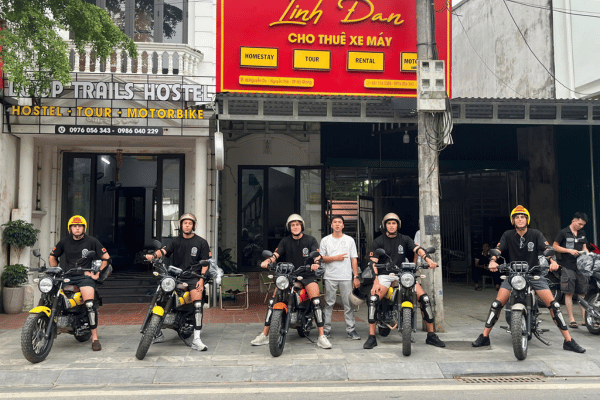
Learn more: Ha Giang Motorbike Rental
For travelers with real motorbike experience, this is the version with the most freedom. You stop where you want, you ride at your pace, you handle every curve yourself.
Caveats. The roads are not difficult by motorcycle standards, but they are mountain roads with trucks, fog patches, gravel spills, and the occasional cow. If you’ve never ridden a manual gearbox, Ha Giang is a bad place to learn. Semi-automatic bikes are friendlier and totally fine for the loop if you’re a reasonably confident rider.
A few honest words about licenses. Vietnam’s rules around foreign motorbike licenses are murky and have changed over the years. Some travelers ride without issue. Others get fined. We don’t make promises about what will or won’t happen on a given day; rules can change, so check current local updates before you commit. If you don’t want to deal with that uncertainty at all, take an easy rider or jeep tour.
If you do want to ride yourself, rent from somewhere that maintains its bikes properly. Loop Trails offers motorbike rental in Ha Giang with bikes that are actually serviced between trips, not just wiped down.
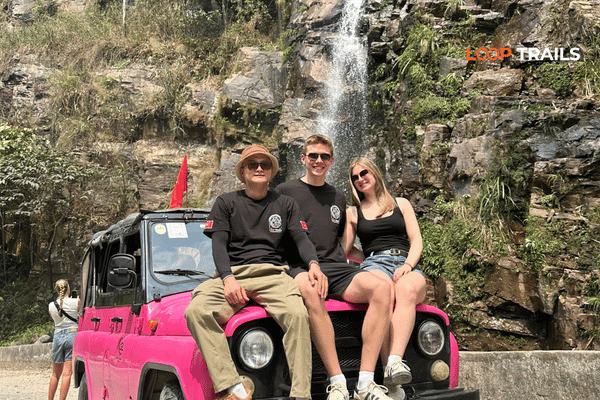
Learn more: Ha Giang Cao Bang 5 Days 4 Nights
The newest and most comfortable way to do the loop. You ride in a 4×4 with a driver, ideally with the windows down and a guide in the front seat. You see everything, you stop anywhere, you don’t get rained on.
Jeeps are great for older travelers, families with kids, anyone with back or knee issues, and people who simply don’t want to be on two wheels. They’re also the only way some bigger groups can travel together comfortably. The downside is cost (more than easy rider) and slightly less of that wind-in-the-face feeling. You’re still very much in the landscape, just inside it instead of on top of it.
A quick gut check:
| You are… | Best option |
|---|---|
| First time in Vietnam, never ridden a motorbike | Easy Rider |
| A confident rider with real manual experience | Self-Drive |
| A couple where only one person rides | Easy Rider (both as passengers) |
| A family with kids or older parents | Jeep |
| A solo traveler who wants new friends | Easy Rider group tour |
| A photographer chasing comfort and access | Jeep |
| Limited time, no time to learn the bike | Easy Rider or Jeep |
If you’re still unsure, message us on WhatsApp with your group size and travel dates. We’d rather talk you into the right option than upsell the wrong one.
Ready to lock in your trip? Take a look at our Ha Giang Loop tours and pick the format that fits your group. If you want to ride your own bike, our Ha Giang motorbike rental page has the current fleet.

Learn more: Cao Bang Loop 3 Days best kept secret
Three days is doable but rushed. Five days is great if you have time. Four is the sweet spot for most travelers, and it’s the version most quality operators build their tours around.
Distances are short on paper but slow in real life. Roads twist, you stop often, lunch takes longer than you think. Average speeds are not highway speeds.
Bike fitting and briefing in the morning, then north on the QL4C. The first big payoff is Quan Ba, sometimes called Heaven’s Gate. From the viewpoint you look out over the Twin Mountains and the valley spreading out below, and that’s when most travelers realize the next few days are going to be a lot.
Lunch in Tam Son. The afternoon takes you through Yen Minh forest, a pine landscape that doesn’t look like anywhere else in Vietnam. Easy first day. You arrive at the homestay before dark, eat a family-style dinner, and probably sleep harder than you expected.
The big day for cultural sites. You ride past the Vuong Family Mansion, an old H’mong king’s residence that’s worth the entry fee. Then north to the Lung Cu Flag Tower, the symbolic northernmost point of Vietnam. Climbing the tower steps gets your legs working after a morning on the bike.
The road from Lung Cu down to Dong Van traces the contours of valleys most travelers never see in any other country. You arrive in Dong Van Old Quarter in the late afternoon. Walk the lantern-lit streets, find a coffee, eat dinner outside if the weather allows.
This is the day people remember. The ride from Dong Van to Meo Vac runs across Ma Pi Leng Pass, which is genuinely one of the great mountain roads in Asia. Stop often. There’s a famous viewpoint locals call the “Skywalk” with a view straight down to the Nho Que River.
If you have time and decent weather, take a short boat trip on the Nho Que through Tu San Canyon. It’s calm, it’s quiet, and the cliff walls make you feel very small in a good way.
After lunch in Meo Vac, ride south to Du Gia. The road changes character: forest, river crossings, fewer trucks, more buffalo. Du Gia village has a waterfall and a swim hole that’s perfect after a sweaty day. Homestays here run dinners that often turn into rice wine sessions. Sleep accordingly.
The shortest riding day. Quiet roads, more rural landscapes, a few last passes before the loop closes back at Ha Giang City. You’re usually back by lunchtime, which gives you the afternoon to clean up, repack, and catch an evening sleeper bus or van back to Hanoi if you’re heading out the same day.
Want to slow it down? A 5-day version adds an extra night in Du Gia or a side trip toward Phu Linh. A 6-day combine version tacks on Cao Bang province (more on that below).

Learn more: Ha Giang Cao Bang Ba Be Lake 6 Days 5 Nights
You can ride right past most “must-see” lists and still have a great time, but a handful of stops genuinely deserve their reputation.
The headline. A road carved into the side of a near-vertical canyon, with the Nho Que River 800 meters below. There’s a reason every Ha Giang photo on Instagram looks roughly the same; you can’t take a bad picture here. Ride it slowly. There are several pull-outs, some informal, some with cafes built right on the cliff edge.
The turquoise river you keep seeing in drone shots. The boat trip through Tu San Canyon takes about an hour and a half. Boats run regularly during high season. Confirm operating hours with your guide because they change with water levels and weather.

Learn more: Dong Van Old Quater at Night
A small grid of old houses with tiled roofs and wooden shutters, lit with red lanterns at night. There’s a Sunday market that’s worth lingering for if your dates line up. The coffee scene has gotten surprisingly good in the last couple of years.
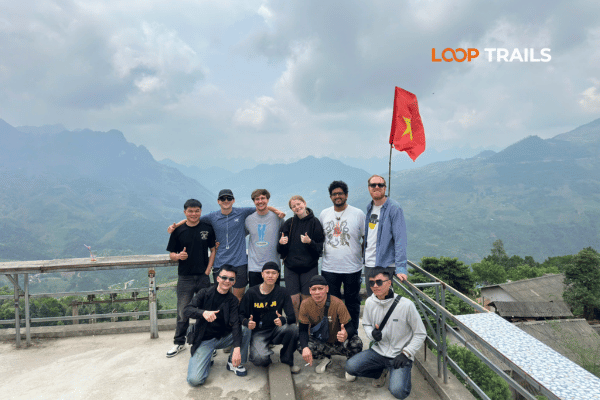
The symbolic northernmost tip of Vietnam. The huge red flag at the top is visible for miles. Climb the steps, take the obligatory photo, then look out across the karst hills toward China. It’s a moment that lands harder than it sounds.
A small valley with rice paddies, a waterfall, and homestays that don’t feel like hotels. Du Gia is where most of the loop’s “loose social energy” lives. If you want to meet other travelers, this is where it happens.
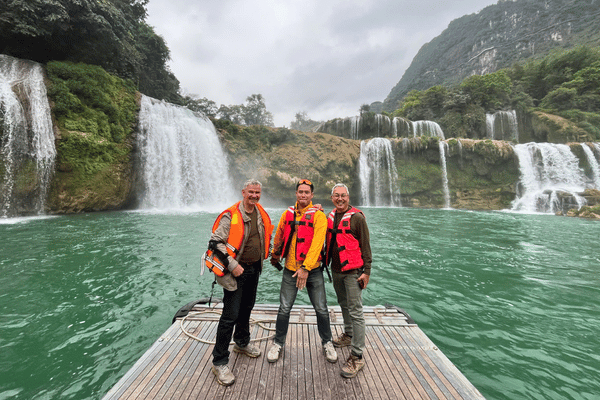
Learn more: Ban Gioc Waterfall Guide
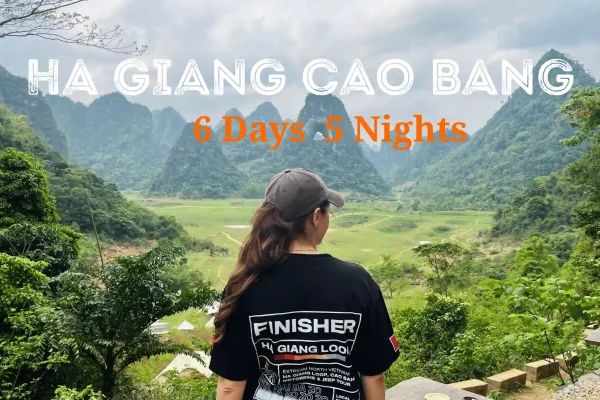
If you have more time and want fewer crowds, the next move is east into Cao Bang province. Cao Bang has waterfalls (Ban Gioc is the headline; it’s the largest waterfall on a national border in Southeast Asia), karst landscapes that rival Ha Giang, and far fewer travelers. Phia Oac National Park is the high-altitude bonus.
The Ha Giang to Cao Bang stretch isn’t a casual day ride. You typically need at least three extra days to do Cao Bang justice. We run a Ha Giang and Cao Bang combine tour for travelers who want both in one trip without the logistics headache, and a standalone Cao Bang loop for those who’ve already done Ha Giang.
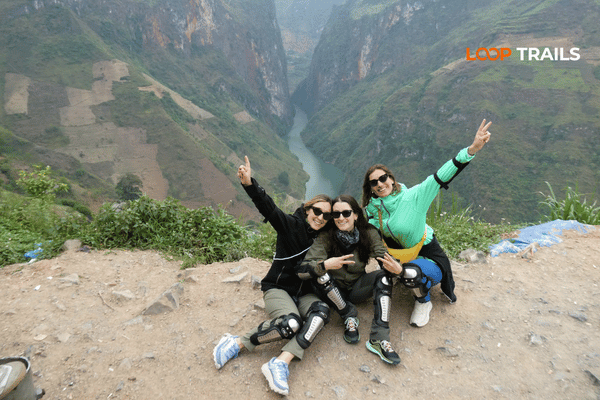
Learn more: Ha Giang Safety Tips
Pack light but pack right. You’ll be on a bike for hours each day.
Essentials:
Useful:
Skip:
If you’re on a self-drive rental, ask whether the bike comes with a luggage rack and bungee cords. Most reputable operators include them. Loop Trails does, but always confirm at pickup.
Learn more: Motorbike License IDP Guide 2026
Time for the part most blogs gloss over.
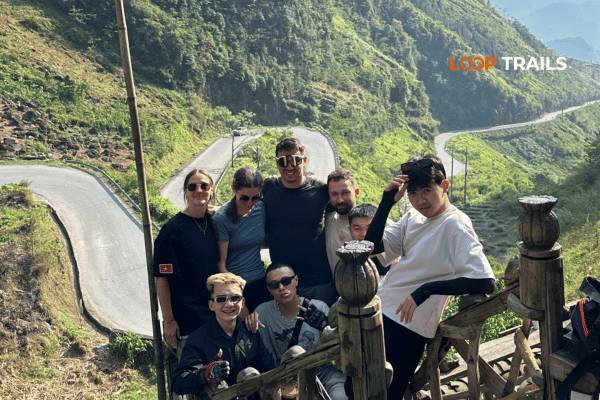
The Ha Giang Loop is not dangerous in the same way some mountain roads in South America or India can be. The asphalt is mostly good. Traffic is light outside cities. Trucks are slow.
What gets people in trouble is usually one of three things:
Wear your helmet, every minute, even on the short hop to dinner. Don’t ride drunk, even after one rice wine “for the photo.” If the weather turns ugly, stop. The pass will still be there tomorrow.
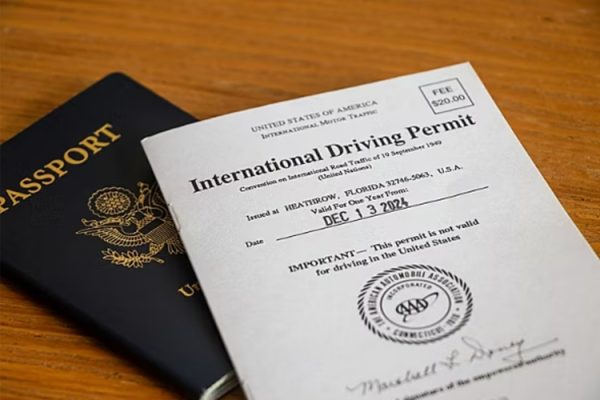
On licenses: Vietnam technically requires a Vietnamese motorbike license or a recognized international permit for the engine size you’re riding. Enforcement varies. Police checks happen. Rules change. If you don’t have a recognized license, your travel insurance may not cover a motorbike accident, which is the bigger issue. Always check the latest updates with your insurer and your tour operator before you commit. If any of this gives you pause, take an easy rider or jeep tour. You’ll have a better trip and zero stress.
Learn more: Ha Giang Loop Cost & Tips
Prices change, so I won’t pretend to give you an exact number. What I can say is roughly what goes into the cost so you can compare quotes intelligently.
A typical 3 to 4 day Ha Giang Loop tour package includes:
What’s usually not included:
Ask any operator for a written breakdown of inclusions before booking. If they can’t produce one, that’s a flag.
Soft pitch: If you want a no-nonsense quote with the inclusions actually written down, send us a message on WhatsApp with your dates and group size. We’ll send back a clear price the same day, usually within a few hours.

Learn more: Ha Giang Loop Mistake to Avoid
After years on this loop, the mistakes are predictable. Skip these and you’re ahead of most.
Trying to do the loop in two days. It’s possible, but you’ll be exhausted and you’ll miss the point. Three days minimum, four is better.
Booking the cheapest tour you can find online. Ha Giang has every kind of operator now, from excellent to actively unsafe. Cheap usually means tired bikes, overworked guides, and “homestays” that are just dorm rooms with thin mattresses. You don’t need to pay luxury prices, but pay attention to who you’re booking with.
Renting a bike and planning to ride alone with no offline maps. Phone signal drops out. Google Maps gets confused. Always download offline maps before you leave Ha Giang City. Even better, ride with a friend or join a group.
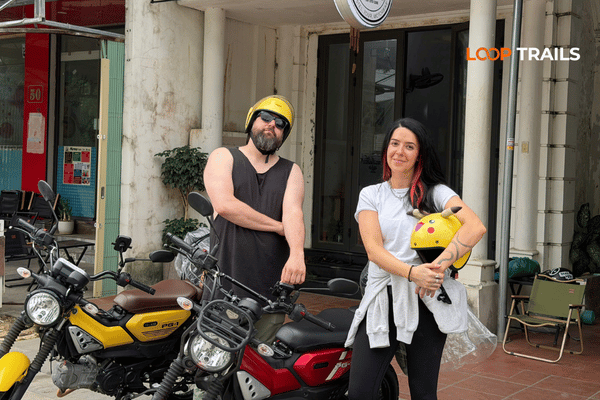
Showing up without a long-sleeve top. Sun on the back of your neck for six hours becomes a problem fast.
Underestimating winter cold. Ha Giang is high. Dong Van and Meo Vac sit above 1,000 meters in places, and night temperatures can drop near freezing in December and January. A fleece is not enough.
Drinking the rice wine without pacing it. Locals can put it back. You probably can’t. Be polite but be honest about your limit.
Booking a flight out of Hanoi the same evening you finish the loop. Roads close, buses run late, weather shifts. Build a buffer night in Hanoi. Always.
Learn more: What to wear on Ha Giang Loop?
We’re a small team based in Ha Giang. We run Ha Giang Loop tours in three formats, easy rider, self-drive, and jeep, and we keep groups small on purpose. We also handle motorbike rentals for independent riders, and we offer combined trips that link Ha Giang with Cao Bang for travelers with extra time.
What we promise is plain. Bikes are maintained between every trip. Guides are local riders we’ve worked with for years, not freelancers we found last week. Schedules run on time. If something goes wrong on the road, we pick up the phone.
The fastest way to plan your trip is to message us directly on WhatsApp with your travel dates, group size, and any preferences (riding experience, dietary needs, fitness level). We’ll come back with options and a clear quote, no pressure.
Your Ha Giang adventure isn’t going to look like the last person’s. The road, the weather, the people you meet at the homestay, those are the variables that make this trip what it is. Our job is to make sure the bike is solid, the route makes sense, and you come home with the version of the loop you actually wanted.
See you up north.
Learn more: Cao Bang Travel
For experienced motorbike riders, no. The roads are mostly paved with gentle curves and light traffic. The challenge is altitude, weather, and unfamiliarity. If you’ve never ridden a manual or you’re new to motorbikes generally, take an easy rider or jeep tour instead.
Three days is the minimum. Four days is the sweet spot. Five lets you slow down and explore side roads. If you want to combine with Cao Bang, plan at least six to seven days total.
Late September to November for golden rice terraces and clear skies. March to April for plum and rapeseed flowers. Avoid late June through August if you hate heavy rain. Winter is dramatic but cold; pack accordingly.
Vietnam’s rules require a recognized motorbike license. Enforcement is inconsistent and rules can change, so check current local updates and your travel insurance terms before you ride. If license uncertainty stresses you out, take an easy rider tour.
Generally yes. The province is rural and friendly, and small-group tours are an easy way to travel with company. Use the same common sense you’d use anywhere else.
Yes, by taking an easy rider tour where a local guide drives and you ride pillion, or by booking a jeep tour. Both are popular and run daily during high season.
Prices vary by season, group size, and tour type. The right way to compare is to ask for a written list of inclusions. Cheaper isn’t always better; you want serviced bikes and experienced guides, not corner-cutting.
Ha Giang City. Most tours pick you up at your hotel or the bus station in the morning and drop you back at the end of the loop.
Yes. Most reputable operators store your big bag for free during the tour and return it on your last day. You ride with a small daypack only.
Ha Giang is more famous, more developed for tourism, and has the iconic Ma Pi Leng Pass. Cao Bang is quieter, has Ban Gioc Waterfall, and feels less commercial. Many travelers do both on a combined trip.
Spotty. Major towns have 4G. Mountain passes often don’t. Download offline maps before you leave Ha Giang City. Your guide will have local connections regardless.
Yes, and you should. Most tours include or offer it as an add-on. Boat operations depend on weather and water levels; confirm with your guide the morning of.
Contact information for Loop Trails
Website: Loop Trails Official Website
Email: looptrailshostel@gmail.com
Hotline & WhatSapp:
+84862379288
+84938988593
Social Media:
Facebook: Loop Trails Tours Ha Giang
Instagram: Loop Trails Tours Ha Giang
TikTok: Loop Trails
Office Address: 48 Nguyen Du, Ha Giang 1, Tuyen Quang
Address: 48 Nguyen Du, Ha Giang 1, Tuyen Quang
Facebook X Reddit Table of Contents Learn more: Ha Giang Loop Tours This is the question that sits in almost every Ha

Facebook X Reddit Table of Contents Learn more: Ha Giang Loop Tours Most people drive past the Quan Ba area twice on

Facebook X Reddit Table of Contents Learn more: Ha Giang Loop Tours The Ha Giang Loop has a reputation problem with older