
Ha Giang Airport: Is There One? How to Get There
Facebook X Reddit Table of Contents If you’ve been researching a trip to Ha Giang and typed “Ha Giang airport” into a

Thúy Kiều (Grace) is a travel blogger and content contributor for Loop Trails Tours Ha Giang. She holds a bachelor’s degree in Sustainable Tourism from Vietnam National University, Hanoi, and has a strong passion for exploring and promoting responsible travel experiences in Vietnam’s northern highlands.
Learn more: Ha Giang Loop Tours
Most travelers discover Ha Giang through the photos — buckwheat flowers in October, golden rice terraces in September, the vivid green of early summer along the Nho Que River. The loop in peak season is spectacular and for good reason. But there’s a version of Ha Giang that fewer people talk about: December and January, when the plateau goes quiet, the air gets sharp, frost settles on the limestone in the early mornings, and the roads belong mostly to you.
If you’re spending Christmas or New Year somewhere in Southeast Asia and you want something genuinely different — not a beach resort countdown, not a crowded temple, not another Hanoi bar street — the Ha Giang Loop in winter is one of the more unusual and rewarding choices you can make.
This guide covers what to expect, what to pack, what the holiday period looks and feels like on the loop, and how to plan it properly.
Learn more: Ha Giang Loop for Couples
The obvious reason: Ha Giang in late December is emptier than Ha Giang in October. The buckwheat season draws significant crowds to the Dong Van plateau between October and November, and those crowds thin out sharply as temperatures drop. By Christmas week, the loop is genuinely quieter. Viewpoints that were lined with tourists two months earlier are peaceful. Homestays that needed advance booking in autumn are more available. The road to Ma Pi Leng Pass feels like yours.
But there’s more to it than just fewer people.
Winter on the Dong Van Karst Plateau has a specific character that’s worth experiencing in its own right. The light is different — lower, cleaner, more directional. The air is crisp enough that the views to the horizon are sharp rather than hazy. The limestone karst mountains, stripped of the lush summer green, take on a more austere and dramatic quality. Villages on the plateau feel more like working communities and less like stopping points on a tourist route.
It’s a harder Ha Giang in some ways — colder, occasionally foggy, demanding warmer gear and a bit more patience at certain viewpoints. But it’s also an honest one. And for the right type of traveler, that’s exactly the appeal.

Learn more: Ha Giang In winter
Honesty first: Ha Giang in December is cold. Not Himalayan cold, but meaningfully cold by Southeast Asia standards, especially on the Dong Van plateau, which sits at high altitude and catches wind off the mountains near the Chinese border.
Daytime temperatures in Dong Van and Meo Vac in late December typically sit somewhere in the range of 8–15°C. That’s manageable in good gear, but it feels much colder when you’re on the back of a motorbike moving at speed along an exposed ridge road.
At night, temperatures on the plateau can drop to near or below freezing — frost on the ground in Dong Van and the surrounding villages is common in January and occasionally appears in late December during cold snaps. Ha Giang City, lower and more sheltered, stays warmer than the plateau, but the contrast when you climb is real.
Check local weather forecasts in the days before your loop — conditions can shift, and a cold front rolling in from China can drop temperatures significantly within 24 hours. This is mountain weather: variable and worth monitoring.
Morning fog on the plateau is common in winter. It typically lifts by mid-morning, but the timing varies. On days when fog sits thick over Ma Pi Leng Pass, the famous view down to the Nho Que River gorge disappears entirely — you’re riding along a cliff edge with nothing visible below, which is atmospheric in its own way but not quite what most people come for.
The practical implication: don’t rush the mornings. Waiting until 9:30 or 10am before tackling Ma Pi Leng rather than leaving at 7am can mean the difference between seeing nothing and seeing everything. A well-paced 4-day itinerary, rather than a rushed 3-day, gives you the flexibility to wait out morning fog without blowing the whole day’s schedule.
Frost on the road itself is less common but possible in January. On the plateau roads and shaded sections near Dong Van and Lung Cu, frost patches can make surfaces slippery in the early morning hours. This is another reason why early starts on cold winter days need to be approached carefully — a local guide who knows the roads and the conditions is genuinely useful here.

Learn more: Ha Giang Loop Weather
None of the above is meant to discourage. The same conditions that make winter challenging also make it beautiful.
Clear winter days in Ha Giang — and there are many of them — produce some of the best visibility the loop offers all year. The air is clean, the horizon is sharp, and the limestone karst towers stand against a deep blue sky with a clarity that summer haze never allows. The Nho Que River looks different in winter light: greener, more dramatic, the gorge walls more imposing.
The buckwheat fields are gone, but the plateau has a sparse, windswept beauty that photographers who visit in both seasons often prefer. And waking up in a Dong Van homestay to frost on the courtyard and steam rising off a bowl of pho — that’s a specific sensory memory that stays with you.
Learn more: Ha Giang Road Conditions 2026
The Ha Giang Loop’s peak season runs September to November. By mid-December, tourist traffic has dropped noticeably. The Christmas–New Year window is busier than early December — it’s one of the few Western holiday periods that generates real demand for Ha Giang tours — but it’s still substantially quieter than autumn.
What this means practically: viewpoints are less crowded, popular homestays are more likely to have availability, the road through Meo Vac and Dong Van feels less like a procession and more like a journey.
That said, the Christmas and New Year window specifically does see a spike in demand from Western travelers on holiday. Accommodation and guided tours in Ha Giang City and on the loop can fill up faster than travelers expect for late December dates. Don’t assume quiet season means unlimited availability — see the booking section below.
The dry season in Ha Giang runs roughly October through April, which includes the Christmas and New Year period. This is good news for road conditions: landslides and washouts from rainy season are not a concern, and the roads on the main loop circuit are generally in better shape in winter than in July or August.
The main winter road caveat is frost — addressed above — and the occasional dust on dry mountain roads on sunny days. Neither is a serious obstacle with appropriate preparation.
Winter light in Ha Giang is lower and more golden during the riding hours of the day. Photographers who know northern Vietnam well often rate December and January as some of the best months for the plateau specifically — the light is directional, shadows are long, and the sparse vegetation reveals the structure of the karst landscape rather than softening it with green.
The trade-off is shorter daylight hours. Darkness arrives earlier than in summer, which affects how much riding you can do before needing to be at your overnight stop. Factor this into your daily itinerary planning.
Learn more: Dong Van Old Quater at Night
Bluntly: Christmas is not a Vietnamese public holiday and it’s not widely observed outside urban centres and Christian communities. Ha Giang City has a small Catholic population and some churches will hold services on Christmas Eve and Christmas Day — worth visiting if you’re interested, as the local observances are genuine and understated.
On the loop itself — in Dong Van, Meo Vac, Yen Minh, the plateau villages — Christmas Day is a normal day. Guesthouses and homestays are open, food is available, the roads are clear. There are no decorations in village markets, no Christmas music in roadside cafés, no countdown events. If you’re looking for a Christmas-specific atmosphere, you won’t find it on the plateau.
What you will find is the loop at its quietest and most authentic. Many travelers who’ve done the Ha Giang Loop over Christmas specifically choose it because it’s a complete break from the commercialised holiday atmosphere elsewhere. Spending Christmas Day on Ma Pi Leng Pass with the Nho Que River gorge below you is, by most accounts, a better present than anything under a tree.
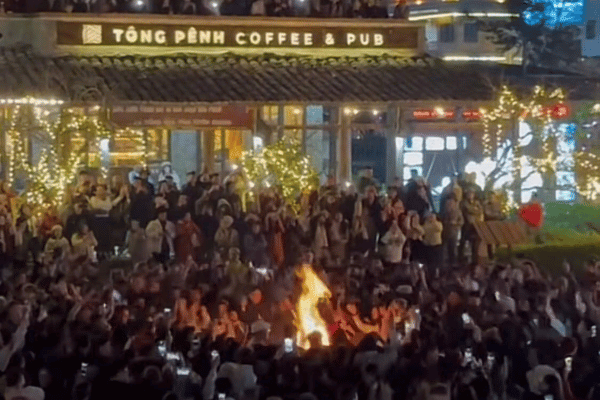
New Year’s Eve (December 31) is different. Ha Giang City does mark the occasion — there are typically fireworks at midnight, gatherings in the central park or main square area, and the local restaurants and bars see more activity than usual. It’s not a massive celebration by city standards, but it’s genuinely festive and easy to participate in.
If you want to be in Ha Giang City for New Year’s Eve, plan your loop itinerary so you return to the city on December 31 or arrive back by late afternoon. Watching fireworks from Ha Giang City before heading out on the loop January 1 is a perfectly workable plan — and starting the loop on New Year’s Day has its own quiet appeal.
Alternatively, spending New Year’s Eve in Dong Van Old Quarter is worth considering. The atmosphere is more local, more subdued, and completely different from any countdown you’ve experienced before. A warm meal, a few locally brewed drinks, and midnight in a centuries-old trading town on the Chinese border. Some travelers find that deeply satisfying.
Learn more: Ha Giang Loop 4 Days 3 Nights
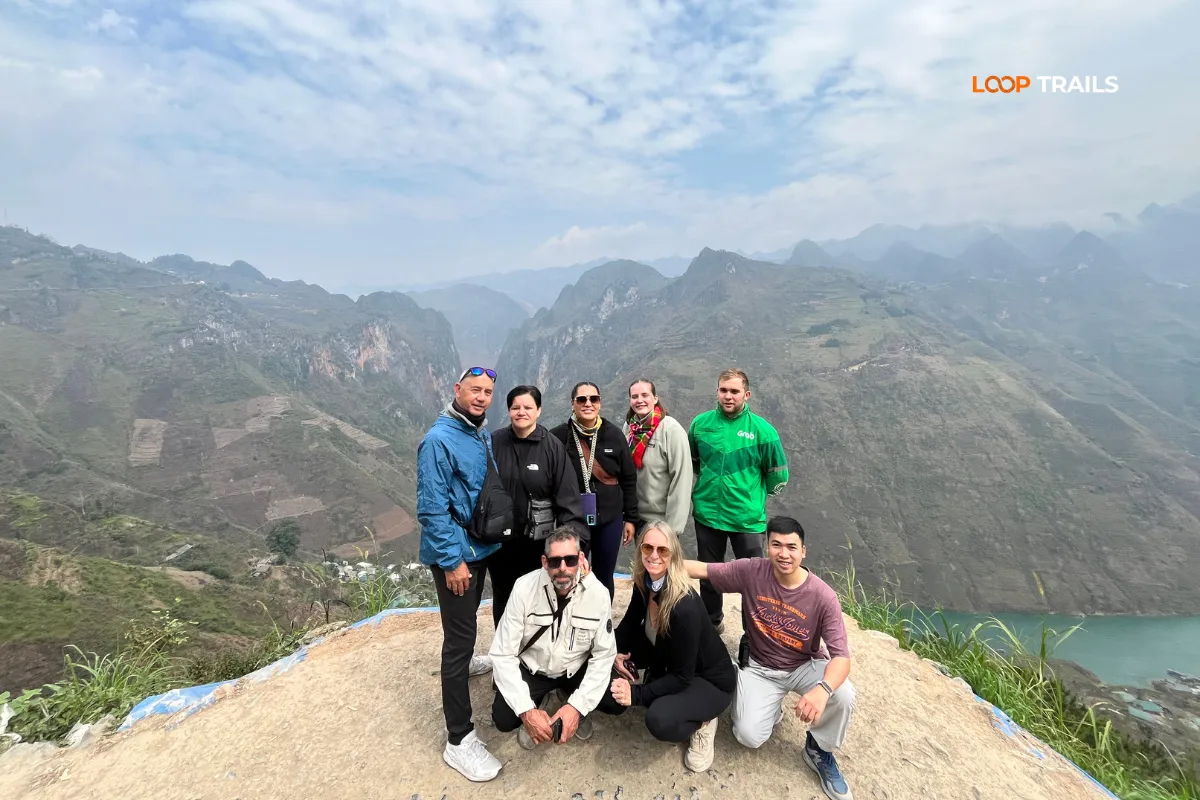
This sample runs December 23–26, bringing you back to Ha Giang City in time to travel onward before New Year if needed. Adjust based on your start date.
Day 1 — December 23: Ha Giang City → Yen Minh or Dong Van
Day 2 — December 24 (Christmas Eve): Dong Van full day
Day 3 — December 25 (Christmas Day): Dong Van → Ma Pi Leng → Meo Vac
Day 4 — December 26: Return to Ha Giang City
This pacing works for both Easy Rider tours and self-drive riders. The key winter adjustment is not rushing morning departures and planning to be at your overnight stop before 5pm.
Learn more: Ha Giang Packing List
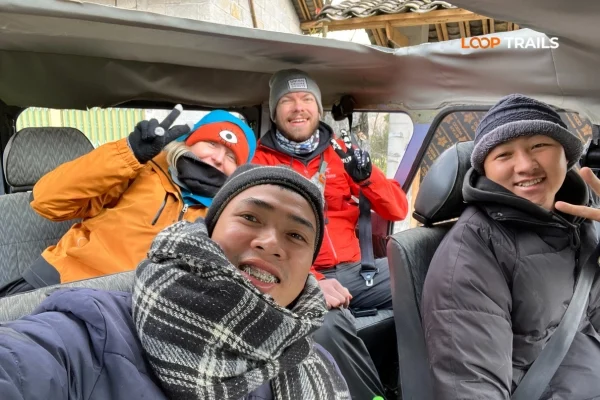
The packing question matters more for a winter loop than at any other time of year. The difference between being properly dressed and under-dressed on a motorbike at altitude in December is significant — not dangerous in most circumstances, but genuinely uncomfortable in ways that affect how much you enjoy the experience.
Essential winter layers:
What you don’t need to overpack:
If you’re renting a motorbike or booking an Easy Rider tour through Loop Trails, ask about what gear is available locally in Ha Giang City — thermal layers and gloves can sometimes be purchased or rented there if you’re travelling light. But don’t rely on this entirely; bring your own base layers at minimum.

Learn more: Ha Giang to Cao Bang
If you have 8–10 days free over the Christmas–New Year break, combining Ha Giang with Cao Bang Province is one of the most rewarding extended northern Vietnam itineraries possible.
Cao Bang in December has its own winter character. Ban Gioc Waterfall — one of the largest waterfalls in Southeast Asia, straddling the Vietnamese-Chinese border — is spectacular in the dry season when flow is lower but the water runs clear and the surrounding landscape is stark and beautiful. Nguom Ngao Cave, Trung Khanh town, and the forests around Phia Oac National Park are all more accessible in dry-season conditions.
A combined Ha Giang and Cao Bang itinerary over a 10-day holiday break is genuinely exceptional — two of northern Vietnam’s most dramatic provinces, both at their quietest and most authentic in December.
Loop Trails runs combined Ha Giang and Cao Bang tours. If this interests you, it’s worth reaching out before holiday dates get booked — December availability for combined itineraries moves faster than people expect. [See Ha Giang and Cao Bang combined tour options here.]
Learn more: Ha Giang Loop Easy Rider
Winter conditions on the Ha Giang Loop make the choice of tour format slightly more important than in other seasons. Here’s how each option plays out in December–January.
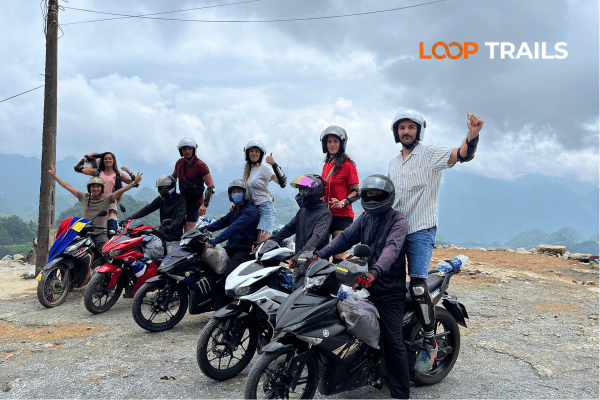
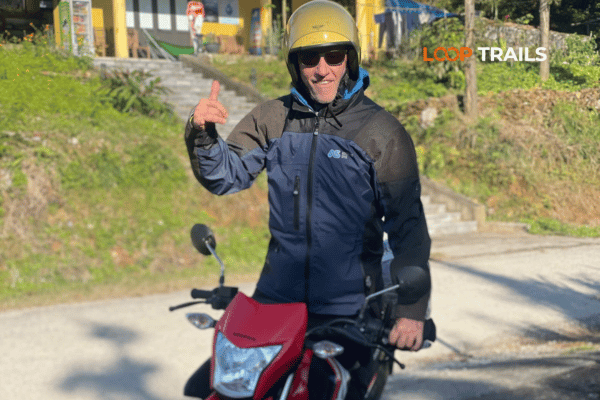
An Easy Rider tour — riding pillion behind an experienced local guide — is probably the most comfortable and sensible format for a winter loop, particularly for first-time Ha Giang visitors.
Your guide knows the road conditions, knows when frost is likely on specific sections, and knows from experience when to wait for fog to lift versus when to push through. That local knowledge isn’t just about convenience — in winter conditions, it genuinely improves both safety and the quality of what you see.
The pillion position on the bike is also warmer than self-driving, counterintuitively — you’re sheltered slightly behind the guide and you’re not holding cold handlebars for hours.
Loop Trails Easy Rider tours run year-round with guides who know the winter loop well. Small groups or private options available. [See Easy Rider tour options here.]
Learn more: Ha Giang Loop Self-Drive & Motorbike Rental
Self-drive in winter is absolutely possible for experienced riders — but the conditions warrant honest assessment before you commit.
The specific concerns: frost on shaded road sections in the early morning, reduced visibility in fog, and the cold affecting your reaction time and focus over long riding days. None of these make the loop dangerous for a competent rider, but they’re real factors.
If you’re self-driving in winter, the practical adjustments are: don’t ride the most exposed sections before 9am, invest in proper riding gear (not just regular clothes), check road conditions in Dong Van before riding Ma Pi Leng on foggy mornings, and give yourself a 4-day rather than 3-day schedule so you’re not forced to push through bad conditions.
[Browse motorbike rental options for Ha Giang here.]
Learn more: Ha Giang Loop by Jeep for Families & Groups
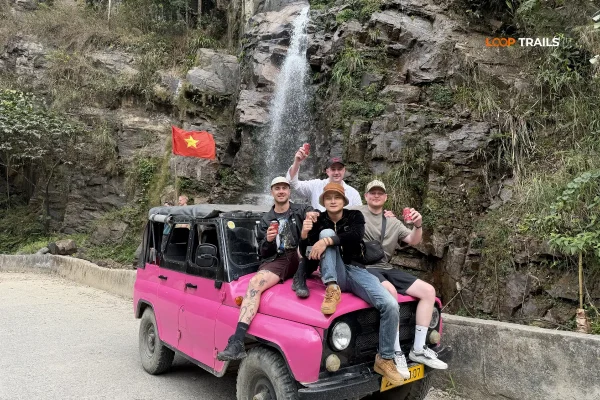
A jeep tour is genuinely excellent in winter and arguably more comfortable than any other season. You’re enclosed, the 4WD handles any road variability well, and you can see the scenery from inside a warm vehicle when temperatures are at their lowest. If cold weather was a deterrent for motorbike-based touring, a jeep makes the winter loop completely accessible.
The trade-off — as always with jeep tours — is a slight distance from the landscape. But on a grey, foggy morning, that trade-off is easier to accept than on a perfect autumn day.
Learn more: Ha Giang Loop for Beginners
Choose an Easy Rider guided tour if:
Choose self-drive if:
Choose a jeep tour if:
Not sure which format fits your group and dates? Drop Loop Trails a message on WhatsApp — the team responds same day and will give you a straight, honest recommendation for the holiday period. [Contact us here.]
Learn more: Ha Giang Loop Insurance
This section exists because it’s the thing people most often regret not reading before the trip.
The Christmas and New Year window — roughly December 22 through January 3 — generates demand that is disproportionate to what you’d expect from a quiet winter season. Western travelers on fixed holiday leave, couples planning something special, gap-year travelers finishing a Southeast Asia circuit — they all converge on the same dates.
The Ha Giang Loop’s best guides and best rental bikes are not unlimited. Reputable operators have fixed capacity. The guesthouses and homestays in Dong Van that are actually comfortable and well-located are a small number. When those fill, what’s left is less good.
Practical booking guidance:
Loop Trails manages a small number of tours and rentals at any given time, which is part of what keeps quality consistent. Holiday period slots do fill. If your dates are fixed, reaching out sooner rather than later is simply the practical move. [Check availability for your holiday dates here.]
Learn more: Ha Giang Loop FAQ
Yes, the loop is fully operational in late December. The Ha Giang Loop runs year-round, and December falls in the dry season — no rainy-season road closures or landslide risk. Cold weather and occasional morning fog are the main considerations, not road access.
Daytime temperatures on the Dong Van plateau typically range from around 8–15°C, though cold fronts from China can push this lower. At altitude and on a moving motorbike, it feels colder than the air temperature suggests. Nights in Dong Van can approach or reach freezing in late December and January. Come prepared with proper winter layers.
This varies. Some guesthouses in Ha Giang City have electric heaters. On the loop itself — particularly in Dong Van and rural homestays — heating can be minimal or non-existent. Electric blankets are sometimes available; ask when you book. A good sleeping bag liner or extra thermal layer for sleeping is worth packing.
Christmas is not a national holiday in Vietnam and isn’t widely observed in Ha Giang Province. Ha Giang City has a Catholic community and churches hold services on Christmas Eve and Christmas Day. On the loop itself — in Dong Van, Meo Vac, and rural areas — Christmas Day is a regular day. Don’t expect decorations or seasonal atmosphere outside the city.
Ha Giang City marks New Year’s Eve with fireworks at midnight and a gathering atmosphere in the main square area. It’s a modest but genuine local celebration — more community event than party scene. A pleasant way to see in the New Year if your itinerary brings you back to the city on December 31.
For experienced motorbike riders, yes — with appropriate precautions. The main winter-specific risks are frost on shaded road sections in the early morning and reduced visibility in fog. Starting riding after 9am on cold mornings and carrying proper warm gear addresses most of the practical concerns. Inexperienced riders should consider a guided tour or jeep instead.
No. Buckwheat flowers on the Dong Van plateau typically bloom from late October through November. By December, the flowers have gone and the fields are bare or planted with winter crops. The landscape is beautiful in a different, more austere way, but if buckwheat flowers are specifically why you want Ha Giang, aim for October or early November.
Yes — more urgently than you might expect for a winter destination. The Christmas–New Year window generates real demand from Western travelers, and the best accommodation in Dong Van specifically has limited capacity. Six to eight weeks in advance is a reasonable minimum; earlier is better for fixed holiday dates.
Yes, and it’s an excellent combination if you have 8–10 days. Cao Bang in December has Ban Gioc Waterfall, Nguom Ngao Cave, Phia Oac National Park, and Pac Bo Historical Site — all accessible in dry season conditions. Loop Trails runs combined itineraries covering both provinces.
An Easy Rider guided tour. Your guide handles road conditions, fuel, navigation, and timing — all of which matter slightly more in winter conditions than in other seasons. You get the full loop experience without the added complexity of cold-weather self-drive logistics.
As early as possible — ideally 6–8 weeks before your intended start date for the holiday window. Christmas week and the days around January 1 fill significantly faster than regular December dates.
Contact information for Loop Trails
Website: Loop Trails Official Website
Email: looptrailshostel@gmail.com
Hotline & WhatSapp:
+84862379288
+84938988593
Social Media:
Facebook: Loop Trails Tours Ha Giang
Instagram: Loop Trails Tours Ha Giang
TikTok: Loop Trails
Office Address: 48 Nguyen Du, Ha Giang 1, Tuyen Quang
Address: 48 Nguyen Du, Ha Giang 1, Tuyen Quang
Facebook X Reddit Table of Contents If you’ve been researching a trip to Ha Giang and typed “Ha Giang airport” into a

Facebook X Reddit Table of Contents Learn more: Ha Giang Loop Tours Running out of fuel on a mountain road in northern
Facebook X Reddit Table of Contents Learn more: Ha Giang Loop Tours Both come up in every northern Vietnam itinerary conversation. Both