

Thúy Kiều (Grace) is a travel blogger and content contributor for Loop Trails Tours Ha Giang. She holds a bachelor’s degree in Sustainable Tourism from Vietnam National University, Hanoi, and has a strong passion for exploring and promoting responsible travel experiences in Vietnam’s northern highlands.
Learn more: Ha Giang Loop Tours
There’s a specific kind of quiet that hits you on your first night in a Ha Giang homestay. You’re lying on a wooden platform bed, under three layers of blankets because the mountain cold crept in fast, and you can hear the family in the next room doing — whatever families do at 9pm in a remote Mèo Vạc village. Someone’s stirring something. A kid laughs. A rooster makes a bizarre pre-midnight announcement.
And you think: this is exactly why I came here.
Ha Giang’s homestays aren’t a tourist product in the polished sense. They’re not boutique guesthouses with locally-inspired décor. Most are exactly what they sound like — someone’s home, with a room cleared out and a mattress put in it for you. That’s the whole point.
This guide is for travelers doing the Ha Giang Loop who want to understand homestay life before they land in it. Where to sleep, what it costs, what to bring, how to behave, and how to avoid the common trip-ups that turn an authentic experience into an awkward one.

Learn more: Ha Giang Loop 3 Days 2 Nights
The term “homestay” gets used loosely across Vietnam, but Ha Giang is one of the few places where it still mostly means the real thing: you’re staying with a local family, often in a traditional wooden or earthen house, in a village that sees a fraction of the tourist traffic that Sapa or Hội An gets.
Ha Giang province sits in Vietnam’s far north — a rugged, high-altitude landscape of karst mountains, river gorges, and ethnic minority communities that have lived here for centuries. The Ha Giang Loop is the main route travelers follow: a roughly 300–350km circuit through towns like Yên Minh, Đồng Văn, Mèo Vạc, and Du Già, with detours toward Lũng Cú (Vietnam’s northernmost point) and the Nho Quế River.
What makes homestays here genuinely different:
If you’re someone who needs reliable WiFi, hot showers every night, and a menu in English — that’s fine, and there are guesthouse options. But if you want the part of Ha Giang that doesn’t end up on postcards, the homestay path is worth leaning into.
Learn more: Ha Giang Loop 4 Days 3 Nights
Not all homestays are the same. Understanding the rough categories helps you set realistic expectations.
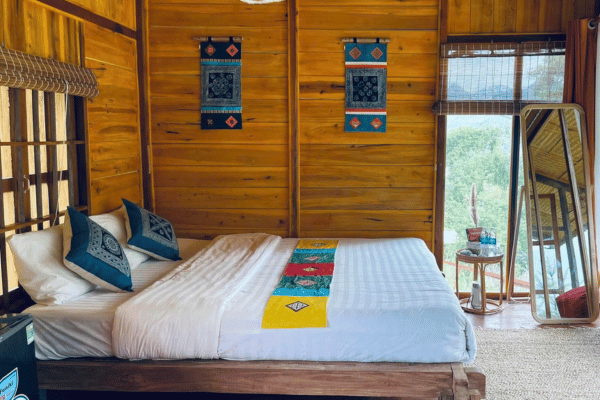
These are the most common and most “local” option. The family lives in the same house. You eat dinner with them (or at least alongside them). Rooms are basic — often a wooden sleeping platform with thin mattresses, a fan or nothing, and shared bathroom facilities. English is minimal to nonexistent, which adds both charm and challenge.
Quality varies enormously. Some family homestays are genuinely warm, comfortable, and unforgettable. Others are functional but cold (temperature and otherwise). Word of mouth and recent reviews are your best guide — what was great two years ago might have changed hands or let standards slide.

Learn more: Ha Giang Loop for Families & Groups
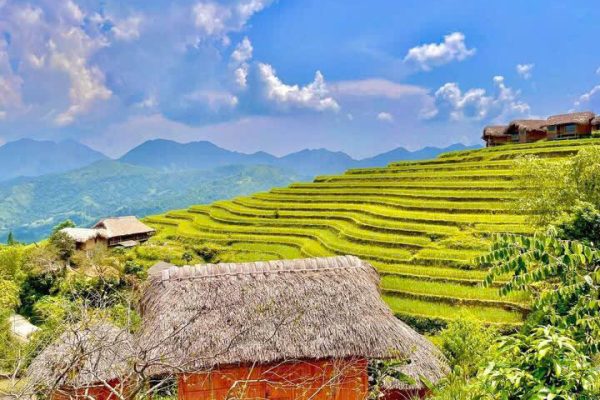
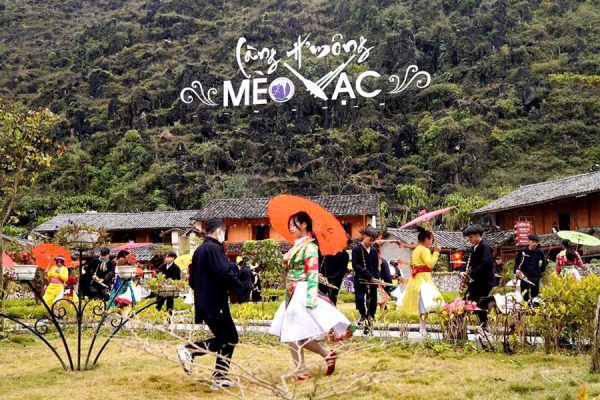
A subcategory worth noting. In villages with H’Mông or Dao communities — particularly around Đồng Văn, Lũng Cú, and the Du Già valley — some families have specifically set up homestay accommodation as part of community-based tourism efforts. These are often the most culturally rich stays: you might see traditional weaving, indigo dyeing, or corn wine-making up close. Food is usually more traditional too.
Some of these are organized through local tourism cooperatives or NGO-supported networks, which helps with quality consistency. If your Ha Giang tour guide or driver knows the area well, they’ll know which ones are worth booking versus which ones are just trading on the name.
In Ha Giang’s larger stopover towns — particularly Đồng Văn and Mèo Vạc — you’ll find places that market themselves as homestays but function more like small guesthouses. The owner may or may not live on-site. Rooms are more standardized, hot water is more reliable, and there might even be a menu. These are perfectly good options, especially if you want a bit more comfort without going full hotel.
The word “homestay” in Vietnamese tourism is used broadly. Don’t assume it means family-sharing just because it says so on the sign.

Learn more: Ha Giang Loop Private Car from Hanoi
Here’s a town-by-town breakdown of where the homestay scene is strongest — and what to look for in each.
Often the first real overnight stop when coming from Hà Giang City, Yên Minh is a small market town surrounded by green hills. The homestay options here are primarily guesthouse-style, which is fine for a first night on the loop. It’s a gentle introduction — not the most dramatic scenery, but a decent night’s sleep before things get more rugged.
Look for places along the main road or slightly outside town toward the Tày villages if you want something more local.

Learn more: Ha Giang Cao Bang by Jeep and motorbike
Đồng Văn Old Quarter is one of the most historically significant spots on the loop — a UNESCO-recognized ancient town sitting at around 1,600m altitude, surrounded by limestone plateau. Homestay options here range from basic family rooms in the old quarter itself to slightly more comfortable guesthouses with mountain views.
Staying inside or right next to the old quarter is worth it — wandering the stone lanes at night, when the tour groups have gone, is one of those Ha Giang moments. Look for places with rooftop access or old stone architecture if that matters to you.
Don’t expect warmth in winter (October–March). It gets genuinely cold at night, and not all homestays have adequate bedding. Ask specifically about blankets.
For many travelers, Mèo Vạc is the highlight of the loop — the town perches above the Nho Quế River gorge, and the approach via Mã Pí Lèng Pass is one of the most spectacular road sections in Southeast Asia.
The homestay scene here is split between the town itself (a few good family-run spots and guesthouses) and the valley below, closer to the river and the Mã Pí Lèng Skywalk area. Valley homestays are quieter and more scenic but require planning — you’ll want your accommodation sorted before you ride down.
Mèo Vạc’s Sunday market draws H’Mông, Lô Lô, and Giáy communities from surrounding villages. If your timing lines up, it’s worth staying an extra night.
Learn more: Ha Giang Loop route and itinerary
The Du Già valley is the quieter, greener counterweight to the rocky plateau near Đồng Văn. This area — particularly around Lung Tam village — is known for its community homestays run by H’Mông and Tày families, traditional weaving workshops, and the Du Già Waterfall nearby.
If you want the most “authentic homestay” experience on the entire loop, Du Già is probably your best bet. The scenery is softer, the pace is slower, and the community-run homestays here have a longer track record with travelers. Bring cash, bring patience, and don’t rush.
One of the real advantages of traveling the Ha Giang Loop with a knowledgeable guide or on an organized tour is access to village homestays that don’t appear on booking platforms. These are the best ones — families that host occasionally, in locations with zero tourist infrastructure, where you’re genuinely a guest rather than a customer.
These aren’t something you can plan from a laptop in Bangkok. They come from local knowledge and trust relationships. If this kind of experience is your priority, it’s worth considering a guided loop tour specifically for this access.
→ Interested in guided tours that include off-grid homestay nights? Check our Ha Giang Loop tour options — Easy Rider, Jeep, and self-drive itineraries available.

Learn more: Ha Giang Loop Self-Drive & Motorbike Rental
Let’s be practical here.
Most basic family homestays offer:
Dorm-style setups exist too, especially in budget-focused guesthouses that use the “homestay” label. If you want a private room, ask specifically (phòng riêng).

Learn more: Ha Giang Food guide
This is usually the highlight. Home-cooked meals at a Ha Giang homestay typically involve:
Meals are usually communal, eaten at a low table together. There’s rarely a “menu.” You eat what’s made. For travelers with serious dietary restrictions (particularly veganism or severe allergies), this can be genuinely challenging — communicate clearly in advance, ideally through your guide or booking contact.
Breakfast is usually simple: rice congee, eggs, bread, or whatever the family has. Don’t expect a café setup.
Hot water: Hit or miss. Many basic homestays have electric shower heads (functional, not luxurious). In colder months, confirm hot water before booking — it matters when the temperature drops below 10°C at night.
WiFi: Often available in town-based homestays and guesthouses. In village homestays, assume there’s none. Mobile data (Viettel or Vietnamobile SIM) works in most towns but drops out in valleys and remote sections. This is part of the deal.
Electricity: Reliable in most places. Occasional power cuts in remote areas — not common, but worth knowing.

Learn more: Ha Giang Loop Cost & Tips
Ha Giang is one of the most affordable destinations in Vietnam. As a general guide (note: prices change — always check current rates when booking):
| Type | Approximate Cost Per Night |
|---|---|
| Basic family homestay (shared bath) | 80,000–150,000 VND (~$3–6 USD) |
| Family homestay with private bath | 150,000–250,000 VND (~$6–10 USD) |
| Guesthouse-style “homestay” | 200,000–350,000 VND (~$8–14 USD) |
| Dinner (included or add-on) | 50,000–100,000 VND per person |
| Breakfast | 30,000–60,000 VND per person |
Many homestays offer a half-board package (room + dinner + breakfast) which is usually better value and easier to arrange. Ask when booking.
Prices in the Du Già valley tend to be slightly lower than in Đồng Văn or Mèo Vạc town centres, where demand is higher. Prices across the board increase during Vietnamese public holidays and peak travel season (September–November). Always confirm prices in advance and clarify what’s included — a meal “included” at some places means a small dish; at others, it’s a full family feast.
Pay in cash. ATMs exist in Ha Giang City, Đồng Văn, and Mèo Vạc, but are unreliable. Carry enough VND for the full loop before you leave the city.
Learn more: Ha Giang Motorbike Rental
You have three main options:
1. Book through your tour operator or guide If you’re on an organized loop tour — Easy Rider, Jeep tour, or guided self-drive — your operator will handle accommodation. Good operators have relationships with trusted homestays, which means better-vetted spots, advance notice for food preparation, and no “sorry, we’re full” surprises. This is the easiest and often best approach.
2. Use booking platforms Booking.com, Agoda, and occasionally Airbnb list some Ha Giang homestays and guesthouses. Coverage is uneven — the best family homestays in remote villages rarely appear online. Useful for town-based stays in Đồng Văn or Mèo Vạc, less useful for off-road spots.
3. Show up and ask Common practice among self-drive backpackers, and it works most of the time during off-peak months. In peak season (September–November), village homestays fill up fast — especially in Du Già and around the Đồng Văn plateau. Showing up without a booking in peak season is a gamble.
For the best experience, combine: book your first and last nights in advance, and leave the middle of the loop flexible if you’re self-driving and want to follow your instincts.
→ Planning to self-drive the loop but want accommodation handled? Our Ha Giang Loop self-drive packages include pre-booked homestays along the route.
Learn more: Hmong Culture in Ha Giang
This section matters. Ha Giang’s homestay culture is genuine, which means it’s also fragile. Tourism done poorly can erode exactly what makes it special. A few things worth taking seriously:
Ask before photographing. People in traditional dress, children, and anyone inside the home — ask first. A smile and gesture toward your camera is the minimum; ideally have your guide translate a proper request. Photographing someone who clearly doesn’t want to be photographed is rude anywhere and more so in someone’s home.
Accept the corn wine gracefully. You don’t have to drink. But if the host pours a round and toasts, refusing completely can be read as disrespect. A small sip, a thank you, and putting the cup down is fine. Most hosts understand.
Remove shoes before entering. Standard in most homes across Vietnam and particularly in ethnic minority households. If you see shoes at the door, yours join them.
Don’t wander into private areas of the house. Your room and the communal areas are your territory. The family’s sleeping space, kitchen, and storage areas are not.
Leave things as you found them. Basic traveler responsibility, but more pointed here. These families are extending genuine hospitality.
Don’t haggle aggressively on accommodation prices. Ha Giang homestays are already some of the cheapest in Vietnam. The margin for the family is small. Bargaining is a matter of local context — asking politely if a price is firm is fine; negotiating aggressively over a $2 difference is not.
Learn more: Dong Van Old Quater at Night
Ha Giang’s accommodation landscape gives you real choice. Here’s how to think about it:
You want maximum cultural immersion → family or ethnic minority homestay in Du Già, Lung Tam, or a remote village off the main loop. You’ll need flexibility, basic expectations, and a guide who knows where to go.
You want the balance of comfort + local experience → guesthouse-style homestay in Đồng Văn or Mèo Vạc. Better amenities, still locally run, still Ha Giang atmosphere.
You want the experience handled end-to-end → book a guided loop tour. Easy Rider, Jeep, or self-drive with itinerary support — your guide handles the accommodation, the introductions, and the translation, so you can actually enjoy the meal instead of anxiously googling how to say “thank you” in H’Mông.
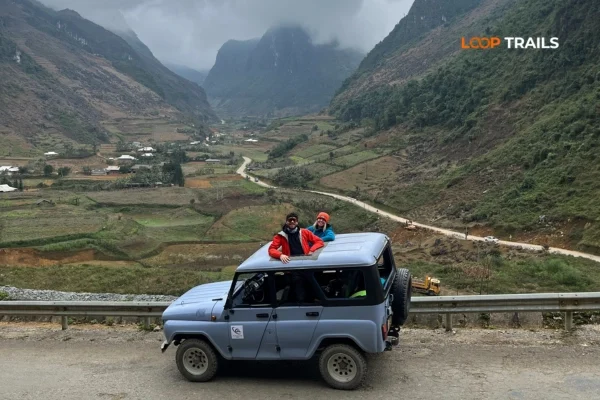
The way you ride the loop shapes the homestay experience too. A Jeep tour means group dynamics, someone else handling logistics, scenic pace. Easy Rider means one-on-one with a local guide who often knows these families personally. Self-drive means freedom and improvisation.
→ Not sure which tour type fits your travel style? Compare our Ha Giang Loop tours here — or message us on WhatsApp and we’ll help you figure it out.
Learn more: Ha Giang to Cao Bang
Assuming hot water and WiFi are standard. They’re not. Check before booking if these matter to you.
Not carrying enough cash. The loop has limited ATMs beyond Ha Giang City and the major towns. Running out of cash mid-loop is stressful and solvable only by backtracking. Withdraw more than you think you need.
Booking in peak season without advance reservations. September, October, and early November are the most popular months for the loop. The best homestays — especially in Du Già and Lung Tam — book out weeks in advance. Plan ahead.
Expecting restaurant-quality food. Homestay meals are home cooking. Sometimes exceptional, sometimes very basic. If you’ve been eating at cafés all trip, the adjustment takes a meal or two.
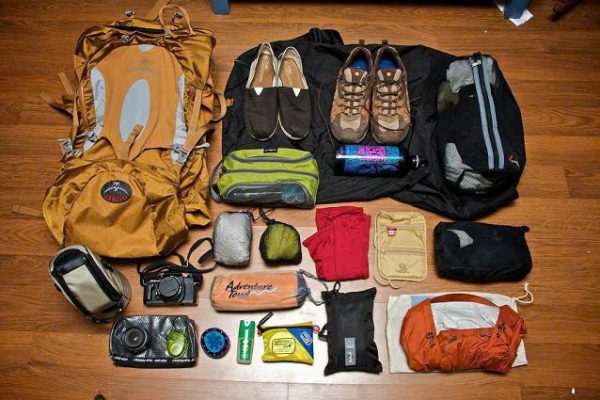
Overpacking for the nights. You’re staying in small rooms with minimal storage. A daypack with what you need for the night is better than dragging a full backpack into a family home.
Ignoring altitude and temperature. The Đồng Văn plateau sits at 1,600m+. October through March, nights are genuinely cold — sometimes below 5°C. Budget travelers who skip warm layers because “it’s Vietnam” regret this. Check the season before you pack.
Booking the cheapest possible stay and expecting the experience. The best village homestays aren’t always the cheapest. A few extra dollars often means a family that’s been hosting travelers for years, cooks better food, and makes you feel genuinely welcome rather than tolerated.
Learn more: Ha Giang Packing List
You don’t need much, but the right things make a difference:

Learn more: Ha Giang Loop FAQ
A Ha Giang homestay is accommodation in a local family’s home — or a home-style guesthouse — along the Ha Giang Loop. Stays typically include a basic private or shared room, home-cooked meals, and direct interaction with local communities, many from H’Mông, Tày, or Dao ethnic groups.
Generally, yes. The region is known for being welcoming to travelers. Standard travel precautions apply — don’t leave valuables visible, be respectful of cultural norms, and if riding a motorbike, take road conditions seriously. Road safety on the loop is a separate topic worth reading up on before you go.
No, but it helps — even a few basic phrases (thank you, hello, how much) go a long way. Most basic family homestays have limited or no English. If communication is important to you, staying with a guided tour where your guide can translate is the easiest solution.
In off-peak months (December–August roughly), showing up works in most places. In peak season (September–November), key spots — especially Du Già and Lung Tam — fill up. Booking in advance for peak travel is strongly recommended.
Mostly local northern Vietnamese and ethnic minority dishes: black sticky rice, stir-fried mountain vegetables, pork, freshwater fish, corn wine. Food quality varies. Special dietary needs (strict veganism, severe allergies) are hard to accommodate in remote areas without advance planning.
Many have electric shower heads with warm water. In more basic or remote homestays, water may be cold — particularly in winter months. Confirm hot water availability before booking if it matters to you.
Roughly 80,000–350,000 VND per night ($3–14 USD) depending on room type and location. Most include or offer meals for an additional 50,000–100,000 VND. Cash only in most cases.
The Du Già valley and Lung Tam village area are widely considered the most authentic and well-organized for community homestays. Đồng Văn and Mèo Vạc offer the best combination of comfort and local atmosphere.
Yes — Ha Giang’s people are genuinely warm toward children, and kids often connect effortlessly across language barriers. The practical considerations (cold temperatures, basic facilities, long road days) are the bigger factors to weigh. A Jeep tour with homestays built in is easier for families than self-driving.
Through a reputable local tour operator (who has established relationships with the best hosts), through booking platforms for town-based guesthouses, or by showing up outside peak season. For the most authentic and off-grid stays, a guided tour is your best access point.
September to November for buckwheat flowers and dramatic scenery (book well ahead). March to May for milder weather and less crowd. December to February is the coldest but also the quietest — genuinely beautiful but pack warm layers.
Foreigners require a permit to visit certain areas of Ha Giang province, particularly near the Chinese border zone. Rules can change — verify current requirements before you travel, and ensure any tour operator or rental provider confirms permit arrangements in advance.

Learn more: Loop Trails Tour Ha Giang
A Ha Giang homestay isn’t an amenity. It’s not a feature you tick off a booking site. It’s waking up to a family making breakfast in the next room, eating rice in a house that’s been standing for a century, looking out at mountains that don’t care about your agenda.
The travelers who love it most are the ones who came prepared — not with low expectations, but with the right ones. Basic rooms. Extraordinary food. Warmth that doesn’t need a shared language. Cold mornings. The kind of quiet that reminds you why you travel.
The loop will handle the rest.
→ Ready to plan your trip? Explore our Ha Giang Loop tours — from Easy Rider to Jeep to self-drive, with homestay accommodation handled. Or get in touch on WhatsApp and we’ll help you build the right itinerary.
Contact information for Loop Trails
Website: Loop Trails Official Website
Email: looptrailshostel@gmail.com
Hotline & WhatSapp:
+84862379288
+84938988593
Social Media:
Facebook: Loop Trails Tours Ha Giang
Instagram: Loop Trails Tours Ha Giang
TikTok: Loop Trails
Office Address: 48 Nguyen Du, Ha Giang 1, Tuyen Quang
Address: 48 Nguyen Du, Ha Giang 1, Tuyen Quang
Facebook X Reddit Table of Contents They’re both in the north. They both involve dramatic limestone formations. And if you search “best
Facebook X Reddit Learn more: Ha Giang Loop Tours Table of Contents There’s a conversation that happens in every hostel common room