
Ha Giang Easy Rider: The Complete Guide (2026)
Facebook X Reddit Table of Contents Learn more: Ha Giang Loop Tours There’s a moment, usually somewhere on Ma Pi Leng Pass,
Thúy Kiều( Grace) is a travel blogger and content contributor for Loop Trails Tours Ha Giang. She holds a bachelor’s degree in Sustainable Tourism from Vietnam National University, Hanoi, and has a strong passion for exploring and promoting responsible travel experiences in Vietnam’s northern highlands.
When you ride through the limestone peaks and terraced valleys of Ha Giang, you’re not just passing through stunning landscapes. You’re traveling through the homeland of the Flower Hmong people, one of Vietnam’s most visually striking and culturally rich ethnic minority groups.
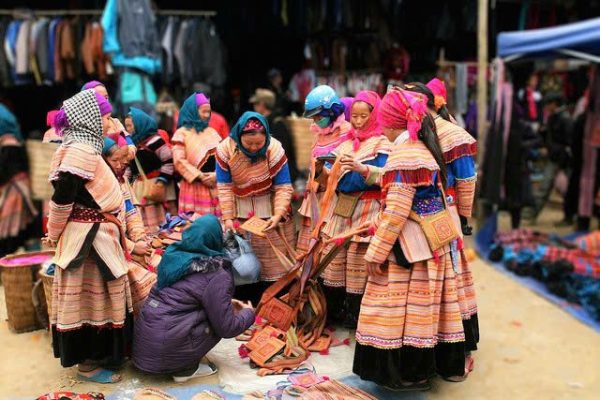
The Flower Hmong women you’ll see at markets in Dong Van or weaving hemp in Lung Tam wear outfits that look like walking art galleries—deep indigo fabric covered in neon pink, electric blue, and sunshine yellow embroidery. But their culture runs much deeper than beautiful clothing. Understanding who the Hmong are, how they live, and what their traditions mean makes your Ha Giang Loop experience shift from scenic tourism to genuine cultural connection.
This guide covers everything you need to know about Flower Hmong culture before and during your trip. You’ll learn which villages offer the most authentic interactions, how to engage respectfully, and why certain traditions matter to the communities who’ve called these mountains home for centuries

Learn more: Ha Giang Loop Tours
Learn more: Ha Giang Loop 3 Days 2 Nights
The Hmong people aren’t originally from Vietnam. Their ancestors migrated southward from southern China over the past 300 years, settling in the high-altitude regions of northern Vietnam, Laos, and Thailand. In Vietnam, they’re concentrated in Ha Giang, Lao Cai, Lai Chau, and Son La provinces, with Ha Giang holding the largest population.
The Hmong chose the highest, most remote mountain areas—places other ethnic groups found too difficult to farm. This isolation helped preserve their distinct culture but also made their lives incredibly challenging. They practice slash-and-burn agriculture on steep slopes, grow corn and rice on terraced fields, and raise livestock in conditions that would exhaust most farmers.
The Hmong aren’t a monolithic group. Vietnam recognizes several Hmong subgroups based on clothing colors and dialect differences: White Hmong, Black Hmong, Red Hmong, and Flower Hmong. The Flower Hmong are the most prominent group in the Dong Van Karst Plateau region, which is exactly where the Ha Giang Loop takes you.
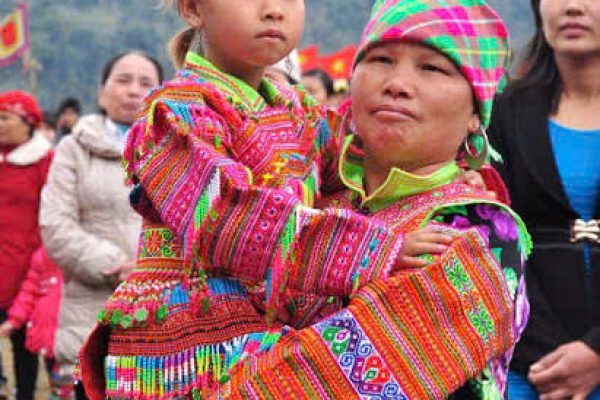
“Flower Hmong” isn’t what they call themselves—it’s a descriptor outsiders use because of their incredibly colorful traditional clothing. While other Hmong subgroups wear predominantly white, black, or red outfits, Flower Hmong women wear indigo-dyed clothing decorated with brilliant, multi-colored embroidery and appliqué that resembles blooming flowers.
The Vietnamese name is “Hmong Hoa” (Hmong Flower). When you see a woman at Dong Van market wearing a dark blue jacket with sleeves covered in pink, yellow, green, and orange geometric patterns, that’s Flower Hmong traditional dress.
The men’s clothing is far less elaborate—typically plain black or indigo shirts and pants. This gender difference in dress complexity is common across many ethnic minority groups in northern Vietnam, where women’s clothing serves as the primary marker of ethnic identity.

Learn more: Ha Giang Loop 4 Days 3 Nights
If you take the four-day Ha Giang Loop, you’ll likely stop at Lung Tam, a village famous for hemp and linen weaving. This isn’t a tourist performance. Lung Tam women have been producing textiles this way for generations, and it remains a vital part of their economy.
The process is labor-intensive:
A single outfit can take months to complete. The indigo dyeing process alone requires multiple soaks—sometimes 15-20 times—to get that signature dark blue that looks almost black.
When you visit Lung Tam, you can watch women working at looms, see the indigo dye pots, and often purchase finished textiles or clothing. Prices vary based on complexity and size, but expect to pay fairly for the skill and time involved.
The embroidery patterns aren’t random decorations. They carry cultural meaning, though interpretations vary between families and villages.
Common motifs include:
Older women tend to wear darker, more subdued embroidery. Younger unmarried women wear the brightest, most elaborate outfits, especially during festivals and market days. This visual hierarchy communicates social status and age within the community.
The most impressive pieces are worn during Tet (Lunar New Year) and special ceremonies. Daily work clothing is simpler—often just indigo-dyed without heavy embroidery, which would be impractical for farming.
A traditional Flower Hmong woman’s outfit consists of several pieces:
Girls learn embroidery from their mothers and grandmothers starting around age 7-8. By their teenage years, they’re creating their own outfits. When a young woman prepares for marriage, she’ll often spend a year or more creating her wedding outfit and the clothes she’ll wear in the first years of married life.
The clothing serves practical purposes too. The multiple layers provide warmth in the cold mountain winters. The indigo dye acts as a natural insect repellent. The sturdy hemp fabric withstands rough use during farm work.
Learn more: Ha Giang Loop route and itinerary
The beauty of riding the Loop—whether on a motorbike or in a jeep—is that you pass directly through Hmong communities rather than viewing them from a distance.
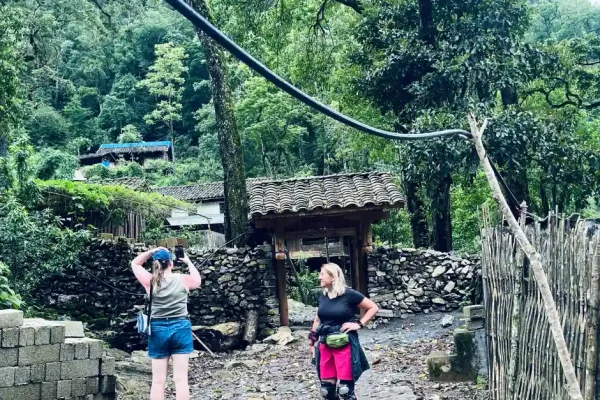
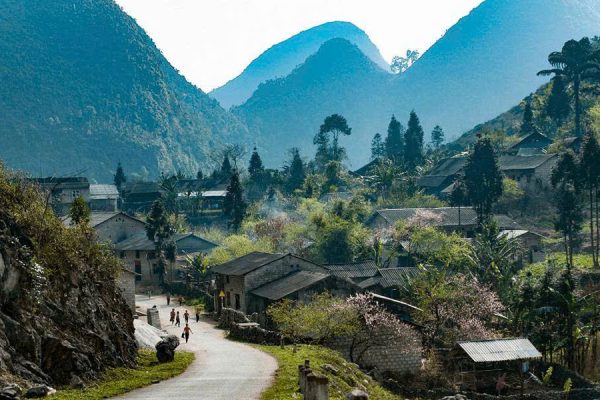
Lao Xa sits in the highlands near Dong Van, accessible via a road that climbs through terraced corn fields. The village consists of traditional Hmong houses built from stone and wood, with roofs made from local materials.
What makes Lao Xa notable is its relative isolation. It’s not on the main tourist route, so life here proceeds at its own pace. You’ll see women weaving outside their homes, children herding livestock, and men working in the fields.
Many Ha Giang Loop tours include a homestay in villages like Lao Xa. This is where you’ll experience “happy water” (local corn wine), traditional music, and actual interaction with Hmong families rather than just photographing them from your bike.

Learn more: Du Gia Waterfall
Du Gia isn’t a single village but a valley containing several Hmong and Tay communities. The landscape here is breathtaking—terraced rice fields carved into steep mountainsides, with traditional houses scattered across the slopes.
Du Gia is famous for its waterfall, which most Loop tours visit on the final day. But the real attraction is the morning scene: mist rising from the rice terraces, buffalo being led to the fields, and women in traditional dress heading out to farm work.
The homestays in Du Gia tend to be family-run operations where you sleep on mattresses in a communal room, eat meals with the family, and get a genuine glimpse of daily life. It’s not luxurious, but it’s authentic.
Learn more: Sung La Valley
Sung La is a small Hmong village perched near the Chinese border, accessible via a rough road off the main route between Yen Minh and Dong Van. The houses here are traditional stone structures, built to withstand harsh winters and strong winds.
What’s striking about Sung La is how close it is to China—you can literally see across the border. The landscape is stark and beautiful, with limestone karst formations jutting from the valley floor.
Fewer tourists make it to Sung La compared to more accessible villages, which means interactions here feel less rehearsed. Children might stare curiously at foreign visitors, and elders often don’t speak Vietnamese (only Hmong language), which creates a genuine sense of cultural otherness.
Learn more: Ha Giang Markett days
Traditional Flower Hmong houses are remarkably adapted to mountain conditions. Most are built using:
The interior typically features:
Wealthier families might have separate buildings for livestock, while poorer families keep animals in a lower section of the same structure. The body heat from buffalo and pigs actually helps warm the house during winter.
Modern influences are changing things. Some families now use corrugated metal roofing instead of thatch, install solar panels for electricity, and add concrete floors. You’ll see this mixture of old and new throughout the Loop—traditional stone walls with satellite dishes on the roof.
The Hmong transformed Ha Giang’s steep mountains into productive farmland through centuries of terrace-building. These terraces prevent soil erosion and create flat planting surfaces on otherwise impossible slopes.
Primary crops include:
The agricultural calendar dictates much of Hmong life. Planting season (March-April) and harvest season (September-October) are the busiest times. During these periods, entire families work the fields from dawn to dusk.
You’ll notice that Hmong farmers use buffalo for plowing rather than tractors. The terrain is too steep and rocky for mechanization. Everything from planting to harvesting to transporting crops involves human or animal labor.
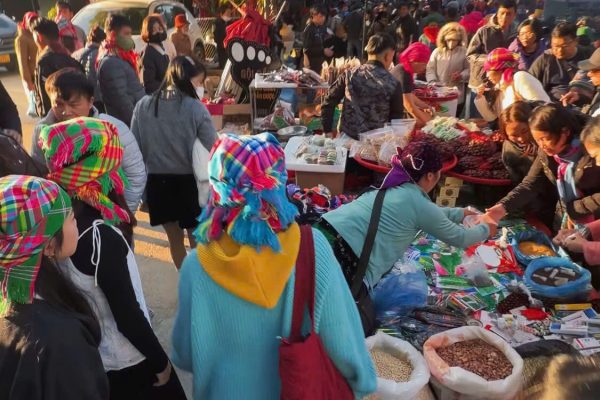
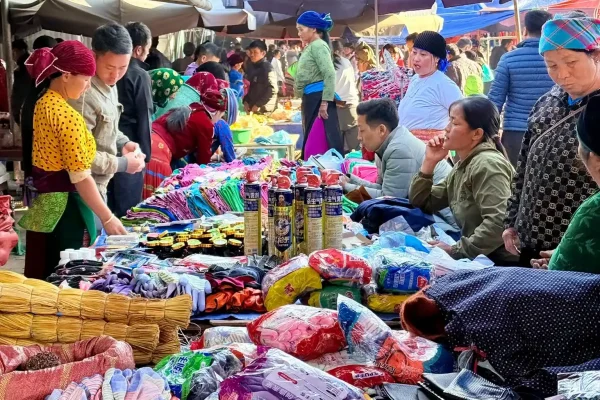
Markets are social events as much as economic transactions. The major markets in Hmong areas include:
At these markets, Hmong people from surrounding villages gather to:
If your Loop timing aligns with a market day, it’s worth adjusting your schedule. The visual spectacle of hundreds of people in traditional dress, the sounds of livestock trading, and the smell of street food create an overwhelming sensory experience.
Photography etiquette matters here. Many Hmong people are comfortable being photographed, but always ask first. Some elderly people believe cameras capture their spirit and will refuse. Respect their decision.
Learn more: Ha Giang Cao Bang 5 Days
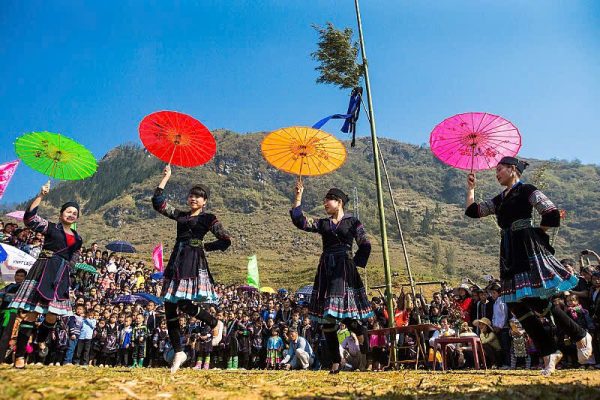
The Hmong celebrate their own Lunar New Year, which often falls a few weeks earlier or later than the Vietnamese Tet. The exact date varies by village and is determined by traditional calendar calculations.
Tet Hmong celebrations last three days and include:
The atmosphere is festive but also spiritually significant. This is when families reconnect with ancestors, settle debts, and start the new year with a clean slate.
If you’re planning a winter Ha Giang Loop trip (late December or January), ask your tour operator about potential Tet Hmong dates. Witnessing even part of these celebrations provides insight into Hmong culture that regular touring can’t match.
The Khau Vai Love Market is Ha Giang’s most famous cultural event, held annually on the 27th day of the 3rd lunar month (usually late April). It takes place in Khau Vai village, between Meo Vac and Bao Lac.
The legend says that decades ago, a Hmong boy and a Tay girl from rival families fell in love but couldn’t marry. They agreed to meet once a year at this location. Over time, it evolved into a market where former lovers who are now married to other people can meet for one day to reminisce.
Today’s reality is more complex. The market has become heavily touristic, with thousands of visitors flooding a small village. Authentic moments still happen—you might see elderly couples quietly talking under a tree, clearly emotional about their reunion. But you’ll also see vendors selling cheap souvenirs, tour buses clogging the road, and influencers staging photo shoots.
If you want to attend, book accommodations months in advance and brace for crowds. The cultural authenticity is debatable, but the spectacle and the people-watching remain interesting.
Learn more: Ha Giang Loop for Beginers
The Hmong speak Hmong language, which has multiple dialects. In Ha Giang, most speak either White Hmong or Flower Hmong dialect. These dialects are mutually intelligible but have vocabulary and pronunciation differences.
Hmong is a tonal language, like Vietnamese, but with different tone patterns. It’s part of the Hmong-Mien language family, completely unrelated to Vietnamese (which is Austroasiatic).
Traditionally, Hmong was an oral language with no writing system. Christian missionaries created a Romanized alphabet in the 20th century, but literacy in written Hmong remains low, especially among older generations.
Most young Hmong people in Ha Giang speak Vietnamese as a second language, learned in school. English is rare outside of those directly involved in tourism. When staying in Hmong homestays, communication often happens through gestures, smiles, and the limited Vietnamese you’ve picked up.
This language barrier is part of the experience. It forces slower, more intentional interaction and reminds you that you’re genuinely in a different cultural world, not a themed tourist attraction.
The Hmong practice a blend of animism and ancestor worship, though some have converted to Christianity through missionary influence.
Traditional Hmong spiritual beliefs include:
Ancestor spirits – Deceased family members watch over the living and must be honored through rituals and offerings. Most homes have an ancestor altar where incense is burned and offerings are placed.
Nature spirits – Mountains, rivers, forests, and large trees contain spirits that must be respected. Cutting certain trees or disturbing sacred sites can bring misfortune.
Household spirits – The door spirit, hearth spirit, and bedroom spirit protect different areas of the home. Specific taboos govern behavior around these spaces.
Soul concept – Humans have multiple souls that can become separated from the body through shock, illness, or spiritual attack. Shamans perform ceremonies to call souls back.
Shamans (txiv neeb) – Spiritual healers who mediate between human and spirit worlds, diagnose spiritual causes of illness, and perform healing rituals.
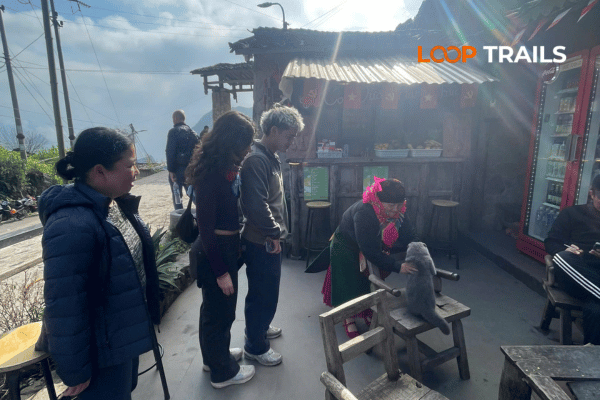
You might witness small spiritual practices during your homestay: incense burning at the ancestor altar, ribbons tied around a child’s wrist (soul-calling), or a family avoiding certain activities on inauspicious days.
These aren’t superstitions to the Hmong—they’re functioning spiritual systems that structure daily life. Treat them with the same respect you’d give any religious practice.
Learn more: Ha Giang Loop Photography
Interacting with Hmong communities requires cultural sensitivity. These aren’t actors in a theme park—they’re people living their lives who happen to occupy space tourists pass through.
DO:
DON’T:
The underlying principle: treat Hmong people the way you’d want to be treated if your hometown became a tourist destination. You’re a guest in their homeland, not a consumer at a cultural zoo.
Learn more: Ha Giang Loop for Seniors
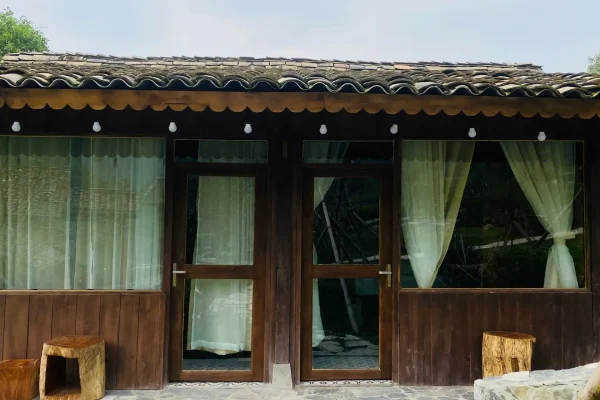
The most immersive cultural experience comes from homestays. Most multi-day Loop tours include 1-2 nights in Hmong (or Tay) family homestays.
What to expect:
Sleeping arrangements – Usually mattresses on the floor in a communal room, with mosquito nets provided. Sometimes you’ll share space with other travelers.
Bathrooms – Basic squat toilets, cold water showers (or bucket baths). Some newer homestays have Western toilets.
Meals – Family-style dinners with rice, stir-fried vegetables, meat (pork or chicken), and soup. Vegetarians should notify tour operators in advance.
Evening activities – After dinner, families might play traditional music, teach you Hmong games, or simply chat around the fire while passing around corn wine.
Alcohol – “Happy water” (corn wine) is traditional hospitality. You’ll be offered multiple shots. Drink what you’re comfortable with, but refusing entirely might offend. A good compromise: accept the glass, take a sip, then explain you can’t drink much.
Morning routine – Families wake early (5:30-6:00 AM) for farm work. You’ll usually have breakfast around 7:00 AM before continuing your Loop.
The quality of homestay experiences varies. Some families have been hosting tourists for years and have the routine down. Others are newer to tourism and might seem shy or uncertain. Both can be rewarding—the polished experience is comfortable, while the awkward one feels more authentic.
Learn more: Ha Giang Loop Self-Driver
You have several options for riding the Loop, each offering different levels of cultural interaction:
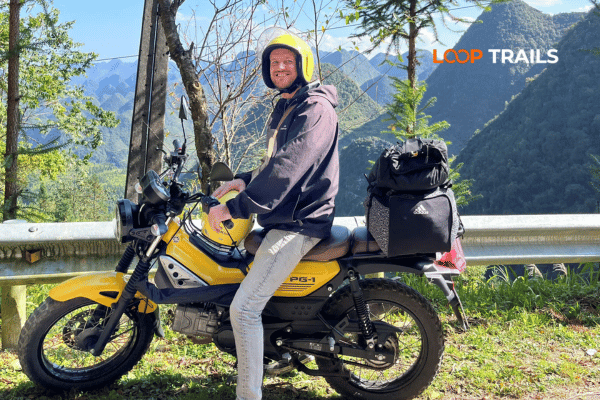
Easy Rider Tours (you ride as passenger, local guide drives):
Self-Drive Motorbike Tours (you ride your own bike, guide leads the group):
Jeep Tours (small group in 4WD vehicle):
Independent Self-Drive (rent bike, ride alone):
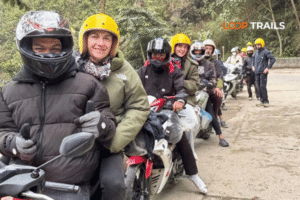
For genuine cultural understanding, Easy Rider tours provide the best experience. Your guide is usually from the area, speaks Hmong, and can explain cultural context you’d miss otherwise. They bridge the language gap and smooth over cultural misunderstandings.
Jeep tours work well for families. Kids can interact with Hmong children during homestays without the exhaustion of long riding days.
Self-drive tours offer a middle ground—you get cultural access through organized homestays while maintaining riding independence.
The Loop Trails Ha Giang tours include cultural stops like Lung Tam weaving village, visits to Hmong markets (schedule permitting), and homestays in ethnic minority villages. Your guide’s local knowledge makes these interactions more meaningful than just passing through would be.
Learn more: Ha Giang Loop Cost & Tips
Tourism brings money to Ha Giang, but it can also disrupt traditional life. Here’s how to ensure your visit benefits rather than harms Hmong communities:
Buy textiles directly from artisans – When you visit Lung Tam or other weaving villages, purchasing directly from the woman who made the item ensures she receives full payment. Prices are usually fair—these pieces take months to create. A fully embroidered Hmong jacket might cost 1-3 million VND depending on complexity. That’s reasonable for months of skilled handwork.
Choose tour operators who support local communities – Ask how much of your tour fee goes to homestay families, local guides, and community projects. Responsible operators pay fair wages and invest in local infrastructure.
Eat at local restaurants – When stopping for lunch in Yen Minh, Dong Van, or Meo Vac, eat at Vietnamese restaurants run by local families rather than tourist-oriented places with inflated prices.
Hire local guides – Hmong guides from the region provide better cultural insight and keep money in the community. Loop Trails employs local guides who know the area intimately.
Don’t create dependency – Avoid giving money, candy, or gifts directly to children. This encourages begging. If you want to contribute, ask your guide about appropriate ways to support schools or community projects.
Respect farming cycles – Understand that during planting or harvest season, families are incredibly busy. Homestay hospitality might be less elaborate because hosts are exhausted from fieldwork. This is reality, not poor service.
Learn and share accurately – After your trip, share information about Hmong culture accurately. Don’t exoticize or romanticize. They’re not untouched noble savages—they’re modern people maintaining cultural traditions while navigating economic development.
The best thing you can do is approach Hmong communities with genuine respect, fair economic exchange, and willingness to learn rather than just photograph.
Learn more: Ha Giang Loop for Families & Groups
If this deep dive into Hmong culture has you ready to book your trip, here’s how to make it happen.
Loop Trails offers several tour options that include cultural immersion:
Ha Giang Loop 4 Days 3 Nights – The comprehensive experience with maximum cultural exposure. You’ll visit Lung Tam weaving village, stay in Hmong homestays in Yen Minh/Lao Xa and Du Gia, potentially catch market days in Dong Van or Meo Vac (depending on your schedule), and have time for unhurried village interactions.
Ha Giang Loop 3 Days 2 Nights – Covers major highlights with homestays in Dong Van and Du Gia. Still includes cultural stops but moves faster.
Ha Giang Loop 2 Days 1 Night – Fast-paced with limited cultural immersion. You’ll see landscapes and do one homestay, but won’t have time for in-depth village visits.
Ha Giang + Cao Bang 5 Days 4 Nights – Extends the Loop into Cao Bang province, encountering additional ethnic groups (Tay, Nung, Dao) alongside Hmong communities. Maximum cultural diversity.
For pricing and detailed itineraries, check the current rates (they may change seasonally). Tours include homestay accommodations, meals, guide services, and cultural activity stops. Bus transfers from Hanoi/other cities are available as add-ons.
You can also rent a motorbike if you want to ride independently, but remember the cultural access limitations mentioned earlier.
The best time for cultural experiences is during festival seasons (late December-January for Tet Hmong, late April for Khau Vai) or during market days. Ask when booking if your dates align with any special events.
Learn more: Ha Giang Buckwheat Flowers Season
The Flower Hmong people aren’t museum pieces frozen in time. They’re living communities adapting to modernization while maintaining cultural identity. Young people increasingly migrate to cities for education and work. Traditional practices shift as economic opportunities change. Smartphones and solar panels coexist with hemp looms and ancestor altars.
Your visit is a snapshot of a culture in transition. The homestay grandmother who serves you dinner might be one of the last generation to speak only Hmong, never attending school. The teenager translating might move to Hanoi next year for university. The traditional jacket you admire might be made not for daily wear but specifically to sell to tourists.
This complexity doesn’t diminish the authenticity of your experience—it makes it more real. The Hmong culture you encounter on the Ha Giang Loop is genuine because it’s messy, changing, and human rather than a perfectly preserved cultural performance.
Go with respect. Learn what you can. Support communities fairly. Don’t pretend three days of homestays makes you an expert. And when you return home, remember the Flower Hmong as people you met, not exotic subjects you observed.
The mountains will still be stunning. The Ma Pi Leng Pass will still take your breath away. But the human connections—sharing corn wine with a Hmong farmer, watching a grandmother teach her granddaughter to embroider, seeing kids play the same games their ancestors played centuries ago—those are what transform a scenic ride into something that stays with you.
Most Hmong people in Ha Giang villages speak only Hmong language, with younger generations also speaking Vietnamese from school. English is very rare except among those directly working in tourism (guides, some homestay hosts in popular areas). Communication during homestays often happens through gestures, smiles, and basic Vietnamese, which is part of the authentic cross-cultural experience.
The elaborate embroidery and bright colors distinguish Flower Hmong from other Hmong subgroups (White Hmong, Black Hmong, etc.). The tradition likely developed as a marker of ethnic identity. The patterns also demonstrate a woman’s skill—more intricate embroidery indicates greater talent and dedication. Young unmarried women wear the brightest outfits to attract potential husbands during festivals and market days.
Yes, especially in Lung Tam weaving village and at markets in Dong Van and Meo Vac. Authentic handmade pieces range from 500,000 VND for simple items to 3+ million VND for fully embroidered jackets that took months to create. Buy directly from the maker when possible rather than from middleman shops. Be aware that some “traditional” items sold in touristy areas are factory-made in lowland cities and lack authentic craftsmanship.
Not universally, but always ask first. Many Hmong people, especially younger ones and those in tourist areas, are comfortable with photos. However, some elderly people believe cameras capture their spirit and will refuse. Respect their decision without argument. Never photograph ceremonies or inside homes without explicit permission. During markets, asking before shooting is basic courtesy and often results in better, more natural photos anyway.
“Happy water” is corn wine (ruou ngô), a clear alcohol made from fermented corn that’s traditional Hmong hospitality. When staying in homestays, you’ll likely be offered multiple shots during dinner. You don’t have to drink heavily, but refusing entirely can seem rude. A good compromise: accept the glass, take a small sip, and explain you can’t drink much. Most hosts understand not everyone can handle strong alcohol and won’t force you.
Tipping 50,000-100,000 VND per person per night is appropriate and appreciated. This is separate from your tour fee. The tip goes directly to the family for their hospitality, extra effort in cooking, and sharing their home. If the family went particularly out of their way (special performances, taught you games, took extra time showing you around), consider tipping at the higher end.
Easy Rider tours (where you ride as a passenger behind a local guide) provide significantly better cultural access. Your guide translates conversations, explains cultural context, facilitates village visits, and bridges language gaps. Self-drive tours (you ride your own bike) offer more independence but less cultural depth since you can’t easily communicate with villagers without a translator. For cultural immersion, Easy Rider is strongly recommended.
Any time works, but specific periods offer unique opportunities: Late December-January for Tet Hmong (Lunar New Year celebrations with traditional ceremonies and games), late April for Khau Vai Love Market, and Sundays for weekly markets in Dong Van and Meo Vac. September-October (harvest season) shows agricultural life in full swing with terraced fields ready for harvest. Avoid late June-August if possible—heavy rains make roads dangerous and disrupt daily activities.
Define comfortable. You’ll sleep on mattresses on the floor with mosquito nets, use basic squat toilets, have cold water showers (or bucket baths), eat family-style meals, and share space with other travelers. It’s clean, safe, and adequate but not luxurious. Some newer homestays have upgraded bathrooms and better bedding. If basic conditions bother you, consider jeep tours that sometimes use slightly more comfortable accommodation or choose hotels in Dong Van and Meo Vac instead of village homestays.
Physically, yes—many villages are accessible by road. Practically, it’s not recommended. Without a local guide, you’ll face language barriers (most villagers don’t speak English or Vietnamese well), won’t understand cultural context, might unknowingly violate taboos, won’t know which families welcome visitors, and could struggle finding homestay accommodation. Independent travel works better in Southeast Asian beach towns than in remote ethnic minority villages where cultural sensitivity and communication matter immensely.
Skip candy (causes begging behavior in kids) and money (already covered by tour fees and tips). Good options include fruit from the market, tea, or rice wine from a shop in Dong Van or Meo Vac. Honestly, your tip and respectful behavior are the best gifts. If you’re traveling with school supplies or children’s books (Vietnamese language), ask your guide which families have kids who could use them, and donate thoughtfully rather than randomly distributing.
Tourism brings income but also pressure. Some families now make traditional clothing primarily for tourist sales rather than personal use. “Happy water” ceremonies have become expected performances rather than spontaneous hospitality. Young people increasingly learn tourist-oriented jobs instead of farming. However, tourism also provides economic incentive to maintain traditional skills like weaving and embroidery that might otherwise disappear. The impact is mixed—economic benefit but cultural adaptation. Responsible tourism minimizes negative impacts through fair payment, respectful behavior, and supporting traditional crafts.
Contact information for Loop Trails
Website: Loop Trails Official Website
Email: looptrailshostel@gmail.com
Hotline & WhatSapp:
+84862379288
+84938988593
Social Media:
Facebook: Loop Trails Tours Ha Giang
Instagram: Loop Trails Tours Ha Giang
TikTok: Loop Trails
Office Address: 48 Nguyen Du, Ha Giang 1, Tuyen Quang
Address: 48 Nguyen Du, Ha Giang 1, Tuyen Quang
Facebook X Reddit Table of Contents Learn more: Ha Giang Loop Tours There’s a moment, usually somewhere on Ma Pi Leng Pass,
Facebook X Reddit Table of Contents Learn more: Ha Giang Loop Tours There’s a version of the Ha Giang Loop that people
Facebook X Reddit Table of Contents Learn more: Ha Giang Loop Tours There’s a moment on the Ma Pi Leng Pass —