
Ha Giang Easy Rider: The Complete Guide (2026)
Facebook X Reddit Table of Contents Learn more: Ha Giang Loop Tours There’s a moment, usually somewhere on Ma Pi Leng Pass,

Thúy Kiều( Grace) is a travel blogger and content contributor for Loop Trails Tours Ha Giang. She holds a bachelor’s degree in Sustainable Tourism from Vietnam National University, Hanoi, and has a strong passion for exploring and promoting responsible travel experiences in Vietnam’s northern highlands.
Planning a Ha Giang Loop trip feels overwhelming at first. You’re scrolling through dozens of tour companies, comparing prices that seem to vary wildly, and trying to figure out whether you need an international driving permit or if your regular license works. I’ve watched hundreds of travelers go through this process, and most of them overthink it.
The truth is, booking your Ha Giang Loop comes down to three decisions: how you want to ride (motorbike or jeep), how long you want to spend, and when you’re going. Everything else falls into place once you nail those basics.
This guide walks you through the entire booking process with actual prices, real transport schedules, and the kind of practical details that tour company websites usually skip. No fluff, no “delving into the heart of Vietnam” nonsense—just the information you need to book confidently.
Learn more: Ha Giang Loop Tours
Learn more: Ha Giang Motorbike Rental
The Ha Giang Loop isn’t a single product you buy off the shelf. It’s more like choosing between different ways to experience the same incredible route. Some people treat it like an adventure sport, others approach it as a cultural deep-dive, and plenty just want beautiful scenery without the stress of navigating.
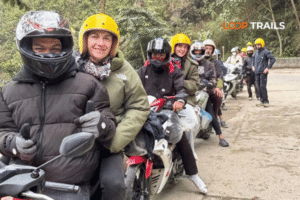
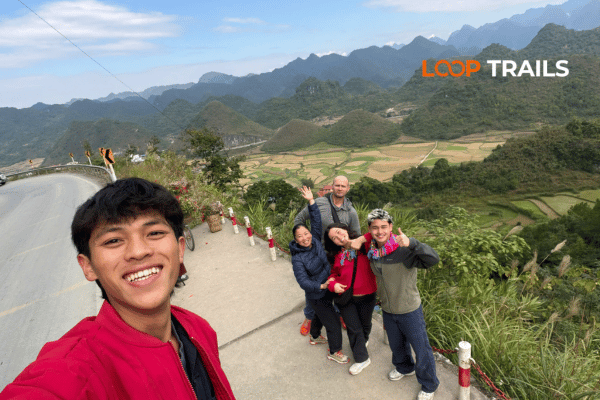
Easy Rider tours put you on the back of a semi-automatic motorbike with an experienced local guide driving. Your guide handles navigation, traffic, and typically speaks enough English to explain what you’re seeing. This setup works brilliantly if you’ve never ridden a motorbike before, if you want to focus on photography without worrying about the road, or if you just prefer conversation over concentration.
The guides on Easy Rider tours are usually from ethnic minority communities in Ha Giang. They know shortcuts to viewpoints that don’t appear on any map, they have cousins running homestays in villages you’d never find alone, and they can spot a traffic checkpoint three kilometers before you reach it. That local knowledge changes the experience completely.
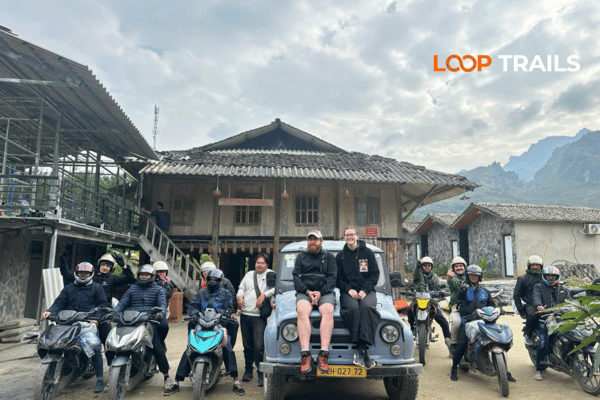
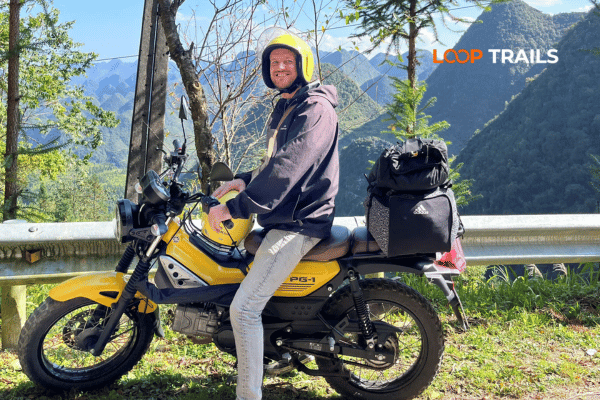
Self-drive tours give you your own motorbike (usually a Honda XR150 or similar semi-automatic) while you follow a guide vehicle or ride in a group with other travelers. You control your own pace, you can stop whenever you want for photos, and you get that freedom-of-the-open-road feeling that makes the Loop famous.
The catch with self-drive is that you actually need to know how to ride. Not just “I rented a scooter in Bali once” level—you need to handle steep mountain roads with occasional gravel, tight hairpin turns, and the reality that Vietnamese traffic doesn’t work like traffic back home. If you’re confident on two wheels, self-drive is fantastic. If you’re not, it’s stressful.
Jeep tours are the option nobody talks about enough. You ride in a 4WD vehicle with a driver, usually in groups of 1-4 people, and you see everything the motorbike tours see without any of the riding skill requirements. This works perfectly for families with kids, for couples who want to enjoy the scenery together, for older travelers, or for anyone who just doesn’t want to spend four days on a bike.
Jeeps handle the roads easily, you can carry more luggage, and you’re protected from rain and cold. The trade-off is that you don’t get that “wind in your hair” adventure feeling, and you’re slightly more separated from the environment you’re traveling through. But you see the same places, stay in the same homestays, and eat the same meals.
Learn more: Ha Giang Cao Bang by Jeep and motorbike
The classic Ha Giang Loop takes 3-4 days, but that’s not the only option worth considering.
2 Days Express Loop covers the highlights in a condensed format. You’ll see Dong Van, ride Ma Pi Leng Pass, and get back to Ha Giang city in 48 hours. This option only works as an Easy Rider tour—nobody offers self-drive for 2 days because the pacing is too tight for less experienced riders. Choose this if you’re genuinely short on time, but understand that you’re trading depth for speed.
3 Days Classic Loop hits the sweet spot for most travelers. You see the main attractions without feeling rushed, you get two nights in local homestays, and you have time to actually talk to people instead of just photographing them. This is what most backpackers book, and it works.
4 Days Complete Loop adds extra time for places the 3-day tour rushes through. You visit Lung Khuy Cave, you swim in Du Gia waterfall without rushing, you explore Lung Tam weaving village properly, and you ride through Duong Thuong valley. The pace feels more relaxed, the photography opportunities multiply, and you end each day less exhausted.
5 Days Ha Giang-Cao Bang combination extends beyond the traditional Loop into Cao Bang province, adding Ban Gioc Waterfall (Vietnam’s largest), Nguom Ngao Cave, and several passes that rival Ma Pi Leng for drama. This option requires a minimum of 2 people and makes sense if you want the most comprehensive northern Vietnam experience in one trip.
Learn more: Ha Giang Loop 3 Days 2 Nights
Let me give you actual numbers instead of vague “starting from” pricing that doesn’t help you budget.
2 Days 1 Night:
3 Days 2 Nights:
4 Days 3 Nights:
5 Days 4 Nights (Ha Giang-Cao Bang):
The price difference between Easy Rider and self-drive reflects the guide’s experience and the additional responsibility they take on. Easy Rider guides aren’t just driving—they’re translating, negotiating, fixing mechanical problems, and handling the thousand small situations that arise on multi-day trips.
Jeep tours price per vehicle, not per person, which makes them surprisingly affordable for groups.
3 Days 2 Nights (Ha Giang Loop):
4 Days 3 Nights (Ha Giang Loop):
5 Days 4 Nights (Ha Giang-Cao Bang):
Break down that 4-day jeep tour for a couple: 22,990,000 VND divided by two people equals 11,495,000 VND each—which is actually more expensive than the Easy Rider motorbike option. But for families or groups of three or four, the per-person cost drops significantly and becomes very competitive.
Every tour includes:
What’s not included:
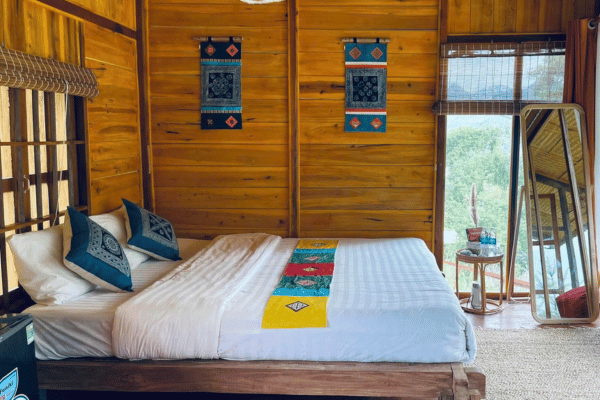
The dorm accommodation is standard bunks in local homestays—clean, basic, and often shared with 4-8 other travelers. These aren’t luxury hotels, but they’re also not rough camping. You get a mattress, blankets, mosquito net, and usually a bathroom with hot water. Some homestays have better facilities than others, and you can’t choose which ones you stay at.
Learn more: Ha Giang Sleeper Bus
Getting to Ha Giang from wherever you are in Vietnam requires planning, because Ha Giang city isn’t a major transport hub. The most common route starts in Hanoi, but you have other options depending on where you’re coming from.
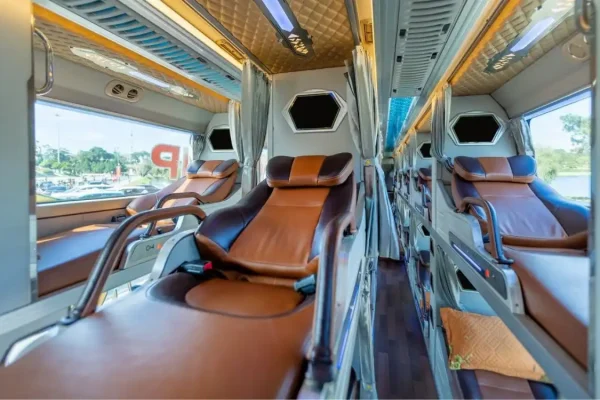
Night buses from Hanoi to Ha Giang take 6-7 hours and arrive early morning, which works perfectly with tour start times. You have several bus standards to choose from:
VIP Sleeper Bus (350,000 VND):
Cabin Sleeper Bus (300,000 VND):
Regular Sleeper Bus (250,000 VND):
Limousine Bus (300,000 VND):
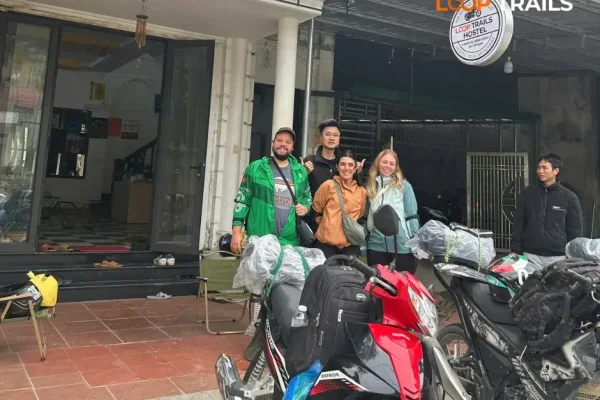
The 21:00 night bus from Hanoi is what most travelers take. You arrive in Ha Giang around 04:00-05:00, head to Loop Trails Hostel to check in and shower, grab breakfast at 08:00, and start your tour at 09:00. It’s a long day, but it doesn’t waste your daylight hours sitting on a bus.
From Ninh Binh:
From Cat Ba:
From Ha Long:
These routes make sense if you’re doing a northern Vietnam circuit: Hanoi → Ninh Binh → Ha Long/Cat Ba → Ha Giang → back to Hanoi. The overnight bus times work well for connecting between destinations without wasting days in transit.
VIP Sleeper: 350,000 VND (departures 18:00, 11:00 | returns 11:00)
Cabin Sleeper: 300,000 VND (departures 18:00, 11:00 | returns 11:00)
Limousine: 300,000 VND (departures 09:00, 17:00 | returns 17:00)
Sapa to Ha Giang is about 4-5 hours depending on the route. Some travelers do Sapa first, then Ha Giang. Others reverse it. There’s no “right” order—both areas are spectacular, just different styles of landscape and tourism development.
After your tour ends, you can catch buses from Ha Giang back to any of these destinations, or if you’re doing the 5-day Cao Bang extension, you can finish in Cao Bang city and take transport from there.
Learn more: Ha Giang Loop Self-Drive
This section matters if you’re booking a self-drive motorbike tour. Skip it if you’re doing Easy Rider or jeep.
For self-drive tours in Vietnam, you legally need three documents:
Your home country license must specifically allow motorcycles—a car license doesn’t count. The IDP 1968 is a booklet issued by automobile associations in your country that translates your license into multiple languages. It’s not a standalone document; it only works when presented together with your original license.
Vietnam recognizes the 1968 Convention on Road Traffic, which means you need an IDP 1968. The older IDP 1949 format is not legally valid in Vietnam, even though some countries still issue it. Make sure you’re getting the right version when you apply.
Getting an IDP is straightforward in most countries—you apply through your national automobile association, pay a fee (usually $15-30 USD), provide passport photos and your license, and receive it by mail or in person. The process takes anywhere from immediate issuance to two weeks depending on the country.
Important reality check: Many travelers ride the Ha Giang Loop without proper documentation and never encounter problems. Many others get stopped at traffic checkpoints and face fines. The risk is real, the enforcement is inconsistent.
If police stop you without proper licensing, fines range from 2,000,000 to 6,000,000 VND (roughly $80-240 USD). The actual amount depends on several factors: the officer’s mood, whether your guide can negotiate, how many other violations they find, and honestly, a bit of randomness.
When you’re riding with a tour guide—even on a self-drive tour where you control your own bike—the guide usually handles checkpoint interactions. They speak Vietnamese, they know the local police, and they can often negotiate fines down or occasionally smooth things over without a fine at all. Solo riders without guides face the full penalty with no negotiation buffer.
The checkpoint frequency varies. Some trips pass through without a single stop. Others get checked twice. There’s no pattern to predict. The safest approach is having your documents in order. The realistic approach is understanding the risk if you don’t.
ttis, pulvinar dapibus leo.

Learn more: Ha Giang Loop for Families & Groups
Different travelers need different tour formats. A 22-year-old solo backpacker and a family of four with kids aren’t looking for the same experience, even if they’re riding the same roads.
3 Days Easy Rider hits the sweet spot for solo travelers. You’re on the back of a bike with a local guide who knows the area intimately, you join a group of other travelers doing the same tour, and you get that social hostel-style atmosphere at the homestays.
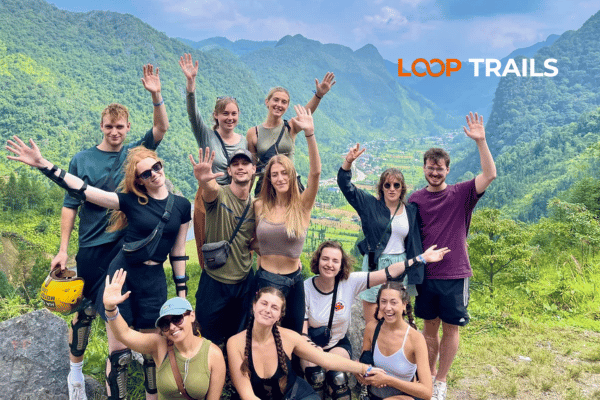
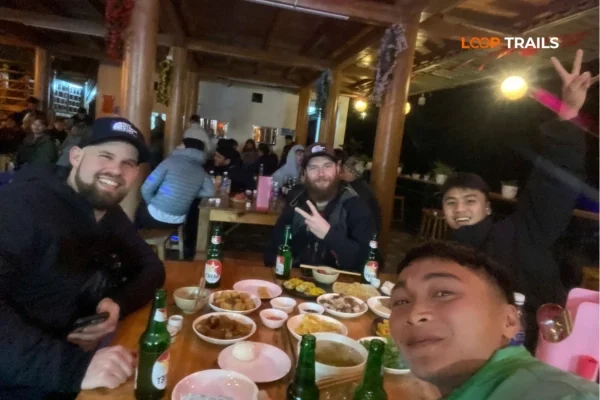
The group dynamic on Easy Rider tours tends toward socializing. You eat meals together, you share rooms, you play drinking games with rice wine in the evenings, and by day three you’ve made friends from six different countries. If you want solo time, you can take it. If you want company, it’s built into the structure.
Budget-wise, Easy Rider tours cost more than self-drive, but for solo travelers who would otherwise be paying single-person jeep prices, it’s actually the most economical option that still provides guidance and safety.
4 Days Self-Drive gives couples the independence to set their own pace. You can stop for photos without holding up a group, you can ride in comfortable silence, and you can skip the evening party scene if you’d rather just talk quietly over dinner.
That said, many couples choose Easy Rider specifically because they want to ride together on one bike. One person drives while the other enjoys the scenery, and you can switch positions at lunch. You’re still experiencing it together, just with a guide handling the navigation stress.
Jeep tours work wonderfully for couples who want the Loop experience without the physical demands of riding. You sit together, you can have conversations while moving, and you arrive at each stop actually fresh instead of windblown and road-weary.
Jeeps are the only realistic option for families with children under 12. Kids can’t legally ride motorbikes in Vietnam, and even if they could, the roads aren’t appropriate for inexperienced young riders.
The 4-person jeep pricing makes sense for families: one vehicle, everyone together, split the cost. A family of four doing the 4-day Loop pays 30,990,000 VND total—about 7,747,500 VND per person, which is comparable to individual motorbike tours once you factor in the comfort and safety advantages.
Young kids (under 7-8) handle the jeep days well because they can nap in the vehicle, they’re not exposed to cold wind, and they can bring toys or tablets for the longer driving stretches. The homestay evenings are usually their favorite part—local kids to play with, animals to watch, completely different environment from home.
Learn more: Ha Giang Loop 4 Days 3 Nights
The routes vary slightly between tour lengths, but certain landmarks appear on every version. Here’s what you’re actually seeing and doing each day.
Day 1: Hanoi to Ha Giang on the night bus. Morning briefing at 08:00. Ride through Bac Sum Pass and stop at Heaven Gate for the classic photo overlooking Quan Ba valley. Lunch in Yen Minh. Afternoon ride through Dong Van Karst Plateau Geopark, stopping at Tham Ma Pass and traditional H’Mong villages near the China border. Evening arrival in Dong Van with homestay dinner and local rice wine.
Day 2: Breakfast and checkout. Ride Ma Pi Leng Pass, one of Vietnam’s most dramatic mountain roads, with sheer drops and incredible valley views. Pass through Meo Vac town, continue over M Pass (named for its shape), then return through Quan Ba. Arrive back in Ha Giang city around 16:00. Option for night bus back to Hanoi.
This version moves fast. You see the highlights but you don’t linger. It works if you genuinely only have two days, but the 3-day version is worth the extra day if you can manage it.
Day 1: Same start as the 2-day tour—night bus arrival, morning briefing, ride to Dong Van via Heaven Gate and Yen Minh. The pacing is identical because you’re covering the same distance to reach the same overnight destination.
Day 2: Ma Pi Leng Pass and skywalk trekking. Boat ride on Nho Que River through Tu San Canyon, one of Southeast Asia’s deepest gorges. The canyon walls rise vertically on both sides, and the river below looks almost turquoise depending on the light. Lunch in a small town, then ride to Du Gia village through M Pass and Lung Ho viewpoint. Overnight in Du Gia at a peaceful homestay surrounded by rice terraces.
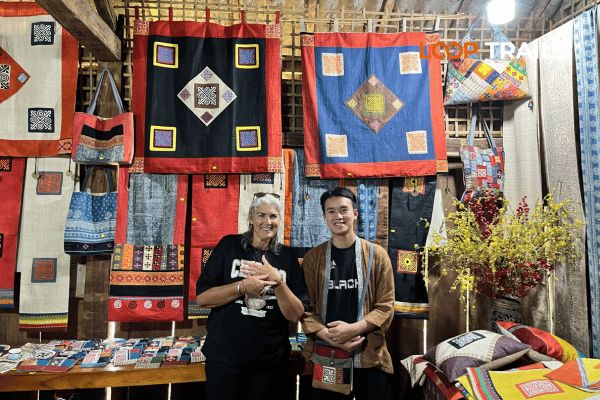
Day 3: Breakfast overlooking the valley. Swim in Du Gia waterfall—genuinely refreshing after two days on dusty roads. Visit Lung Tam linen village where H’Mong women still weave traditional textiles on wooden looms. Back to Ha Giang city by 16:00.
The 3-day tour adds Du Gia waterfall and Lung Tam village, both of which significantly enhance the cultural experience. You’re not just looking at scenery—you’re swimming in it and learning how people actually live in these mountains.
Day 1: Same route to Yen Minh, but with time added for Lung Khuy Cave—a limestone cave in Quan Ba with impressive stalactites and underground formations. The cave requires about an hour including the trek in and exploration time. Overnight in Yen Minh homestay instead of pushing through to Dong Van.
Day 2: Morning ride through Dong Van Plateau. Extended stops at Sung La village, Vuong Palace (the former H’Mong king’s residence), and Lung Cu Flag Tower at Vietnam’s northernmost point. Lunch in Lung Cu. Afternoon visit to Lo Lo Chai village, home to the Lo Lo ethnic minority who build distinctive stone and earth houses. Overnight in Dong Van.
Day 3: Full day for Ma Pi Leng Pass with proper time at the skywalk. Boat tour on Nho Que River with no rushing. Pass through Tu San Canyon, lunch in Sung Trai, then ride M Pass and stop at Lung Ho viewpoint. Arrive Du Gia village with time to actually explore before dinner.
Day 4: Breakfast by the rice fields. Du Gia waterfall swim. Ride through Duong Thuong valley—a stunning mountain valley that most tours skip. Lunch in Thai An. Visit Lung Tam village, then take the scenic forest road along Miền River back to Ha Giang. Arrive around 16:00.
The 4-day version removes the rushed feeling completely. You spend appropriate time at each location, you can take photos without your guide tapping their watch, and you end each day at a reasonable hour instead of racing to reach the next homestay before dark.
Days 1-2 follow a modified version of the 4-day Loop covering Ha Giang highlights and ending in Meo Vac town instead of returning to Ha Giang city.
Day 3: Ride from Meo Vac into Cao Bang province. Cross Khau Coc Cha pass—15 switchbacks climbing through mountain forest. Hike at the pass viewpoint to see Xuan Truong valley spread out below. Lunch in Bao Lac. Afternoon at Na Tenh pass and Pac Po historical site. Overnight at Me Farmstay in Ha Quang.
Day 4: Morning ride through Tra Linh. Lunch in Trung Khanh. Hike to Pi Pha viewpoint at Ngoc Con for panoramic mountain views. Take countryside shortcut roads to Ban Gioc Waterfall on the Vietnam-China border. Optional swim at Rock Village. Overnight near the waterfall.
Day 5: Explore Nguom Ngao Cave—massive limestone cavern with incredible formations, much larger than Lung Khuy. Visit Quay Son river and Phuc Sen traditional paper factory where Nung people still make paper by hand. Stop at Phia Thap incense village. Final stop at God’s Eye Mountain in Cao Bang—a unique mountain formation with a natural hole through the peak. Arrive Cao Bang city around 16:30. Option for buses to Hanoi or other destinations.
This 5-day combination works best for travelers who want maximum scenery and cultural immersion without repeating routes. You see two major regions, you ride roads that feel genuinely remote, and you end up far from where you started.
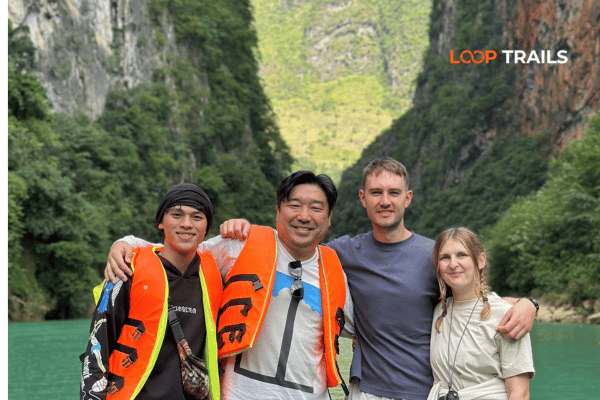
Learn more: Tu San Canyon & Nho Que River Boat Trip
Here’s how booking actually works, from first contact to showing up ready to ride.
Peak season (September-November, March-May): Book 7-14 days ahead minimum. Popular weekend departure dates fill up faster. If you’re traveling with a group or need multiple private rooms, add a few extra days to that timeline.
Shoulder season (June-August, December-February): 3-5 days advance booking usually works. Weather is less predictable during these months, but tour availability is much better and you have more flexibility with dates.
Last-minute (1-2 days out): Possible but risky. You might get your preferred tour, or you might end up on a different date or tour style than you wanted. During peak months, last-minute bookings often mean no availability at all.
Groups larger than 6 people should book at least two weeks ahead regardless of season. Tour companies need time to arrange additional guides and vehicles.
Most Ha Giang tour companies, including Loop Trails, work on a deposit system. You pay a portion upfront to secure your spot, then pay the balance when you arrive at the hostel before the tour starts.
Standard deposit is usually 30-50% of the tour price. For a 4-day Easy Rider tour at 5,490,000 VND, expect to pay around 2,000,000-2,750,000 VND as deposit.
Payment methods vary by company, but typically include:
Keep your deposit receipt or confirmation email. You’ll need to show it when you check in.
Last-minute bookings work better than you’d expect during shoulder season. Companies often have bikes and guides available, and they’re happy to fill empty spots. The risk is that your preferred tour length or style might be fully booked, forcing you to adjust your plans.
If you’re arriving in Ha Giang without a booking, the smart move is to have a backup plan: be flexible on tour length (if the 4-day is full, can you do 3 days?), be willing to leave the next day instead of same-day, and consider switching between self-drive and Easy Rider if one has more availability.
During peak season weekends, last-minute bookings become genuinely difficult. The combination of limited guide availability, limited bikes, and high demand means you might spend a day or two in Ha Giang city waiting for the next available tour slot.
Learn more: Ha Giang Loop Photography Guide
Booking a tour is one thing. Knowing what you’re actually signing up for is another.
Homestays in Ha Giang range from family homes with a few guest beds to purpose-built guesthouses in traditional style. Your tour company doesn’t control which specific homestays you use—they work with a network and assign groups based on availability.
Standard dorm accommodation means:
The homestays aren’t trying to be hotels. They’re family homes adapted for tourism. Walls might be thin, you might hear roosters at 5:00 AM, and the bathroom might be down an outdoor corridor. This is part of the experience—you’re staying in actual villages, not purpose-built tourist facilities.
Every meal is included: breakfast, lunch, and dinner for each day of the tour. The food is Vietnamese home cooking style, which means rice, vegetables, protein (chicken, pork, fish, sometimes beef), soup, and seasonal vegetables grown locally.
Meals are served family-style—large dishes in the center of the table, everyone takes what they want. Portions are generous. If you’re still hungry, they’ll bring more food. If you have dietary restrictions (vegetarian, vegan, allergies), tell your guide at the start and they’ll communicate with each homestay ahead of time.
Breakfast is typically rice porridge, rice with side dishes, bread, eggs, and tea or coffee. Lunch and dinner follow similar formats: rice, multiple vegetable dishes, a protein dish, soup. Water and tea are included. Soft drinks and beer are available for purchase.
The “happy water” mentioned in itineraries is rice wine made locally. It’s strong (40-50% alcohol), it’s traditional, and refusing it can seem impolite in Vietnamese culture. You’re welcome to decline, but expect gentle encouragement to at least try a sip.
Typical tour groups range from 6 to 15 people depending on the season and specific departure date. Smaller groups (under 10) tend to be more intimate and flexible. Larger groups (over 12) have more social energy but require more coordination.
The social dynamic shifts based on tour style:
Easy Rider tours naturally create more interaction because you’re sharing guides, sharing transport to lunch stops, and riding at roughly the same pace. Evening activities at homestays usually involve group games, shared meals, and lots of conversation. If you want solo time, you can take it, but the default setting is social.
Self-drive tours give you more control. You’re riding your own bike, you can hang back from the group if you want, and you’re not physically attached to a guide all day. That said, meals and evenings are still group affairs.
Jeep tours fall somewhere in the middle. You’re in close quarters with whoever else is in your jeep (1-4 people), but you’re more separated from other jeeps in the tour. The evening homestay experience is the same as motorbike tours.
If you’re traveling solo and want to meet people, Easy Rider tours deliver. If you’re traveling as a couple or with friends and want more independence, self-drive or jeep works better.
Learn more: Ha Giang Cao Bang 5 Days
The base tour price includes dorm accommodation. Most travelers are fine with this—it’s part of the backpacker adventure, and you’re usually so tired at the end of each day that you fall asleep quickly anyway.
Private rooms are available at most (but not all) homestays along the route. Pricing varies by location and season, but expect to pay roughly 200,000-400,000 VND extra per night for a private room with double bed.
You can’t guarantee private room availability for every night of your tour—some homestays genuinely don’t have spare rooms, especially during peak season when every bed is needed. Ask your tour company when booking whether they can secure private rooms for your dates.
For couples who absolutely need privacy, jeep tours with smaller group sizes sometimes make it easier to secure private rooms because fewer total people need accommodation.
If you book a 3-day or 4-day Ha Giang Loop and then decide halfway through that you want to extend to the full 5-day Cao Bang route, it’s sometimes possible—but not guaranteed.
The challenge is logistics. The 5-day tour takes a different route after Meo Vac instead of returning to Ha Giang city. If your tour company has another group doing the Cao Bang extension departing at the right time, you might be able to switch. If not, you’d need to arrange private transport or wait for the next available group.
The easier approach is booking the 5-day tour from the start if you think you might want it. You can always cut it short and return early (though you won’t get a refund for unused days), but extending mid-tour is complicated.
At the end of your tour, you have several options depending on where you want to go next:
Return to Hanoi: Night buses depart Ha Giang (or Cao Bang if you did the 5-day tour) in the evening, arriving Hanoi early morning. This connects well if you have a flight the next day.
Continue to Sapa: Direct buses from Ha Giang to Sapa take 4-5 hours. Some travelers do Ha Giang first, then Sapa, then back to Hanoi.
Head to Ninh Binh or Ha Long: Buses connect Ha Giang to both destinations, though you might need to route through Hanoi and transfer.
Stay in Ha Giang: Some travelers extend their stay at Loop Trails Hostel or other guesthouses in Ha Giang city to rest, do laundry, and decompress before moving on.
Book your return transport when you book your tour. The bus tickets sell out during peak season, and waiting until the last day of your tour to arrange transport can leave you stuck without seats.
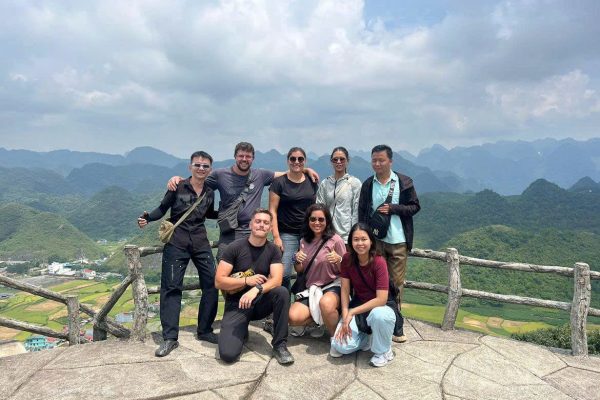
Learn more: Quan Ba Heaven Gate
After watching hundreds of travelers book Ha Giang Loop tours, certain mistakes come up repeatedly. Most are easy to avoid once you know about them.
Mistake: Arriving in Ha Giang city on a Friday afternoon during October and expecting to join a Saturday tour without advance booking.
Reality: Weekend tours in peak months fill up completely. You’ll spend two days in Ha Giang waiting for Monday availability, or you’ll end up on a different tour than you wanted.
Fix: Book weekend tours at least 10 days ahead during September-November. If you’re traveling in October (the absolute peak month), book two weeks out.
Mistake: Assuming your car driving license allows you to ride a motorbike, or thinking an IDP 1949 works in Vietnam.
Reality: You need a specific motorcycle license and an IDP 1968. The IDP 1949 format is outdated and not recognized under Vietnamese law, even though some countries still issue it.
Fix: Check your license type and IDP version at least a month before your trip. If you don’t have the right documents and you’re not comfortable with the fine risk, book an Easy Rider tour instead of self-drive.
Mistake: Budgeting exactly the tour price and forgetting about transport to Ha Giang, private room upgrades, and incidental expenses.
Reality: A 4-day Easy Rider tour costs 5,490,000 VND, plus 350,000-700,000 VND each way for buses (depending on your route), plus 200,000-400,000 VND per night if you want a private room, plus drinks and snacks.
Fix: Budget the full amount:
For that 4-day tour, your realistic total cost ranges from 6,500,000 to 9,000,000 VND depending on your choices.
Mistake: Being vegetarian or having allergies and not mentioning it until the first meal.
Reality: Homestays prepare meals hours in advance. Your guide needs to communicate your requirements to each homestay the day before you arrive there, or you’ll end up with limited options.
Fix: Mention dietary restrictions when booking, mention them again at the tour briefing, and remind your guide each morning. Vietnamese cuisine adapts well to vegetarian diets (Buddhism is common), but homestay hosts need advance notice.
Mistake: Booking a December tour without bringing warm layers because “Vietnam is tropical.”
Reality: Ha Giang sits at elevation in the far north. December temperatures drop to 5-10°C at night, and mountain passes can hit near freezing. Rain is possible any month.
Fix: Pack layers regardless of season. Bring a rain jacket even if the forecast looks clear (mountain weather changes fast). Tour companies provide raincoats, but they’re basic plastic ponchos—your own rain gear is better.
Learn more: Ha Giang Loop route and itinerary
You’ve decided on tour length, tour style, and departure date. Now you need to actually book it.
The booking process starts with contact—either through the website, WhatsApp, or email. You’ll provide basic information: preferred dates, tour type (Easy Rider/Self-Drive/Jeep), number of people, dietary restrictions if any, and whether you want private room upgrades.
Loop Trails responds with availability confirmation and total pricing including any extras you’ve requested. If your dates are available, they’ll send payment instructions for the deposit.
After you pay the deposit and send confirmation, you’ll receive a booking voucher or confirmation email with:
On arrival day:
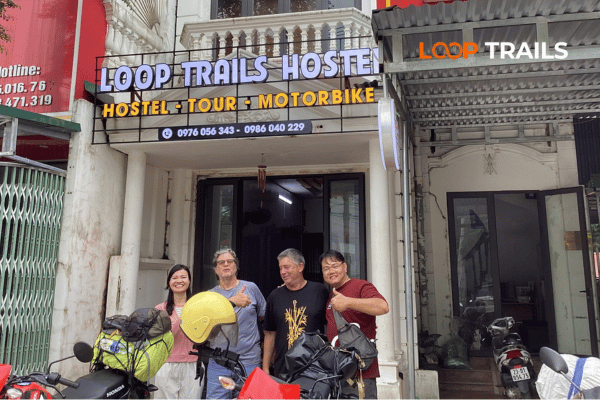
If you’re arriving on the night bus from Hanoi at 04:00-05:00, the hostel allows early check-in so you can shower and rest before the tour briefing. No one expects you to start a multi-day motorbike tour without at least washing the bus journey off.
Questions to ask when booking:
The cancellation policy matters more than most people think. Peak season tours often require non-refundable deposits or charge substantial cancellation fees. Shoulder season bookings tend to be more flexible. Know the terms before you pay.
Learn more: Ha Giang Buckwheat Flowers Season
Yes, but availability isn’t guaranteed, especially on weekends during peak season (September-November). Most tour companies keep a few last-minute spots available, but you might need to wait 1-2 days for the next departure. Booking 3-7 days ahead is safer.
Basic travel insurance is included in the tour price, but it covers minimal medical expenses. If you’re doing self-drive, proper travel insurance with motorcycle coverage is highly recommended. Check your policy—many standard travel insurance plans exclude motorbiking.
Tours run in rain. Guides provide basic rain ponchos, though bringing your own rain jacket is better. Roads become slippery and more challenging in wet conditions. If weather is dangerous (heavy storms, flooding), guides may adjust the route or delay departure, but tours rarely cancel completely.
Yes, tour companies store your main luggage at their hostel in Ha Giang city. You bring only a small backpack on the tour with 2-3 days of clothes, toiletries, and essentials. Your big bag stays locked up safely until you return.
Easy Rider tours are safe for anyone regardless of riding experience—you’re a passenger, not the driver. Self-drive tours require genuine motorbike skills. The roads include steep grades, tight turns, loose gravel, and significant traffic. If you learned to ride last month, this isn’t the place to practice.
September-November offers clear weather, golden rice terraces, and comfortable temperatures. March-May brings blooming flowers and green landscapes. December-February is cold (5-15°C) but less crowded. June-August sees rain and occasional flooding. Each season has advantages—choose based on your weather tolerance and crowd preference.
Legally yes, practically challenging. You’d need to arrange your own motorbike rental, navigate without GPS (signal is unreliable), handle your own accommodation bookings, and deal with any problems (breakdown, accident, checkpoint) alone. Most travelers find that tour prices are reasonable enough that independent travel doesn’t save much money while adding significant hassle.
Some do, many don’t. Cell signal is inconsistent throughout Ha Giang—strong in towns, weak or absent in remote areas. Treat the Loop as a digital detox opportunity. If you absolutely need internet, ask about homestay WiFi when booking, but don’t count on it working everywhere.
Usually yes, if you’re struggling with the riding. Tour companies can arrange for a guide to take over your bike and you become a passenger. There might be an additional fee to cover the guide’s expense, but it’s safer than continuing to ride if you’re uncomfortable.
At minimum, you should be comfortable riding a 125cc semi-automatic motorbike in traffic and on hills. The Ha Giang roads aren’t beginner-friendly—if you’ve only ridden an automatic scooter on flat roads, you’ll struggle. Most tour bikes are 150cc semi-automatics. If you can’t handle a bike that size in your home country, you can’t handle it in Ha Giang.
Policies vary by company. Some accept cards (with processing fees), most prefer cash VND. ATMs exist in Ha Giang city, but bring enough cash to cover your tour balance plus extra expenses. Don’t count on ATMs in remote areas.
Yes, jeep tours work well for families with children. Kids under 12 can’t legally ride motorbikes in Vietnam, making jeeps the only viable option. Bring car seats for very young children if needed—homestays don’t provide them.
Contact information for Loop Trails
Website: Loop Trails Official Website
Email: looptrailshostel@gmail.com
Hotline & WhatSapp:
+84862379288
+84938988593
Social Media:
Facebook: Loop Trails Tours Ha Giang
Instagram: Loop Trails Tours Ha Giang
TikTok: Loop Trails
Office Address: 48 Nguyen Du, Ha Giang 1, Tuyen Quang
Address: 48 Nguyen Du, Ha Giang 1, Tuyen Quang
Facebook X Reddit Table of Contents Learn more: Ha Giang Loop Tours There’s a moment, usually somewhere on Ma Pi Leng Pass,

Facebook X Reddit Table of Contents Learn more: Ha Giang Loop Tours There’s a version of the Ha Giang Loop that people
Facebook X Reddit Table of Contents Learn more: Ha Giang Loop Tours There’s a moment on the Ma Pi Leng Pass —