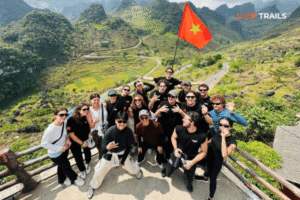


Thúy Kiều (Grace) is a travel blogger and content contributor for Loop Trails Tours Ha Giang. She holds a bachelor’s degree in Sustainable Tourism from Vietnam National University, Hanoi, and has a strong passion for exploring and promoting responsible travel experiences in Vietnam’s northern highlands.
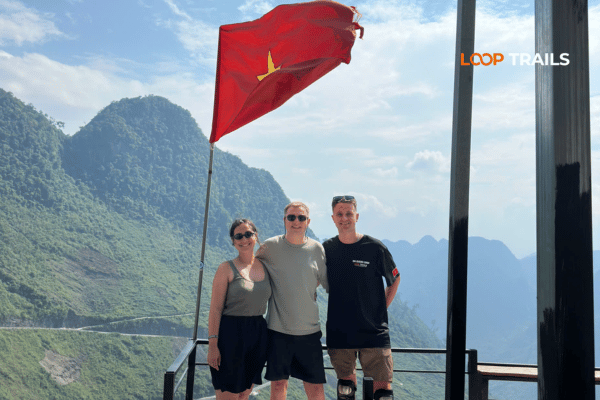
Learn more: Ha Giang Loop Tours
By the time Day 4 rolls around, most people riding the Ha Giang Loop are running on a mix of sore legs, lingering wonder, and the quiet sadness that comes with knowing it’s almost over. The dramatic plateau of Dong Van, the sheer drops of Ma Pi Leng, the chaos of Meo Vac market all of that is behind you now.
But Day 4 doesn’t coast. It has two genuine highlights that a lot of guides undervalue: a waterfall tucked inside a valley that most tourists miss entirely, and a weaving village where you can watch women turn raw linen into something extraordinary in a single afternoon. And then, before sunset, Ha Giang city civilization, cold beer, and a full night’s sleep.
Here’s everything you need to know to get the most out of your last day on the Loop.
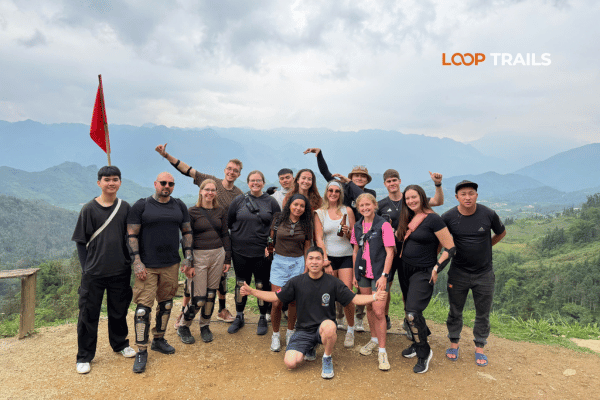
Learn more: Ha Giang Loop 2 Days 1 Night
On a standard 4 days 3 nights Ha Giang Loop itinerary, Day 4 is the return leg. You start either in Dong Van or Meo Vac (depending on your tour structure), ride southwest through increasingly warmer and more lush terrain, stop at Du Gia Waterfall and Lung Tam Village along the way, and arrive back in Ha Giang city in the mid-to-late afternoon.
The distance covered varies by route, but it’s generally a long day of riding more than the previous legs in terms of total hours in the saddle, though the roads are easier and there’s less dramatic cliff-edge driving than on Day 2 and Day 3.
That said, “easier” is relative. Parts of the return road are remote, some stretches are still rough depending on recent weather, and the cumulative fatigue from three previous days of riding is real. Budget some energy.
Quick Day 4 overview:
Thinking about the 4 days 3 nights Ha Giang Loop? Browse our [Ha Giang Loop tour options] easy rider, self-drive, and jeep formats are all available, with small group departures and private options year-round.
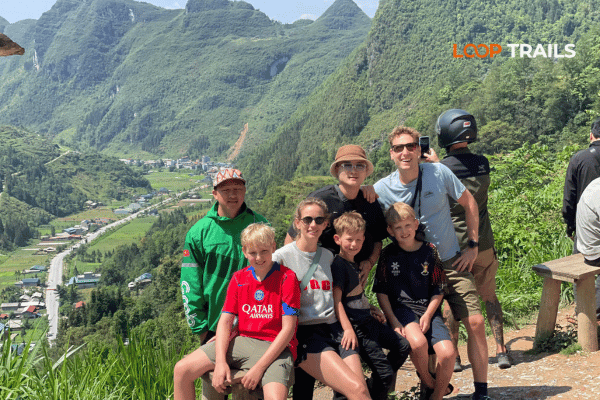
Learn more: Ha Giang Loop 3 Days 2 Nights
There’s a specific quality of light early on Day 4. If you stayed in Dong Van, you’re probably leaving while the rock plateau is still cool and grey. The town of Dong Van itself tightly packed French-colonial shophouses, the old market quarter, stone walls looks completely different in morning light than at midday. If you haven’t walked around before breakfast, do it. You won’t regret giving it 20 extra minutes.
The descent from the rocky plateau of Dong Van toward the lower valleys is the morning’s main visual event. The landscape transforms gradually, then suddenly. The stark karst formations and grey rock fields of the plateau give way to terraced fields, banana trees, and the warmer, greener palette of valley Vietnam. It’s the same kind of tonal shift you get flying into the tropics.
The roads on Day 4 are generally in better condition than the wilder northern stretches. That said, “better” doesn’t mean perfect. A few things to be aware of:
Conditions change seasonally and road works affect specific sections without much warning. Your guide is your best source of real-time road information. If you’re self-driving, ask at your accommodation the night before and check in with your tour operator that morning.
The mid-morning section of Day 4 is less about dramatic viewpoints and more about texture. You ride through villages that see far fewer tourists than the big stops on Days 2 and 3 small hamlets, kids on bikes heading to school, farmers moving cattle on the road. The Nho Que River valley reappears briefly. You pass secondary market towns that rarely make any travel blog.
This stretch rewards people who slow down. If you’re on an easy rider tour, your guide will likely know a particular tea stop or village worth a few minutes. If you’re self-driving, trust your instincts when you see something interesting the schedule on Day 4 is relatively forgiving.

Learn more: Ha Giang Loop 4 Days 3 Nights
Yes. Genuinely.
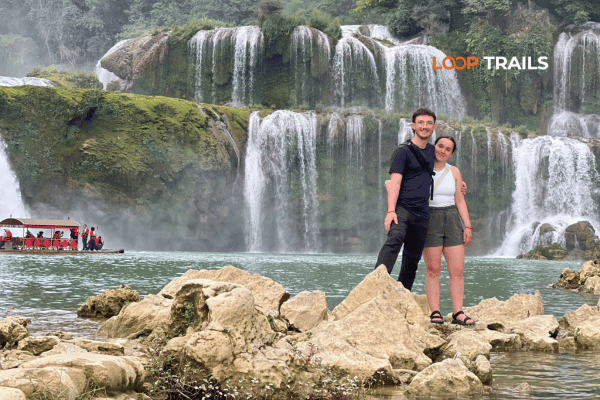
Du Gia Waterfall is one of those Ha Giang Loop stops that doesn’t photograph as dramatically as Ma Pi Leng or Lung Cu, so it tends to get undersold in itineraries and overlooked in listicles. But in person, it earns its place.
The waterfall sits inside the Du Gia Nature Reserve, a quiet valley that most visitors bypass on the main Ha Giang road. To reach it, you leave the main road and follow a smaller track down into the valley the kind of turn that feels like it might be wrong until it suddenly opens up.
The waterfall itself cascades into a series of tiered natural pools surrounded by dense jungle. The water comes down with real force during rainy season. The surrounding area has the feel of a nature reserve that hasn’t been overdeveloped: some basic facilities, a few local vendors, but no loud music or tourist crowds on the scale of the more famous waterfalls in the country.
Getting in typically involves a small entry fee (check current rates locally prices can change). The path to the falls is short and relatively easy to walk.
The pools at Du Gia are swimmable, and on a warm Day 4 morning, this is actually one of the more refreshing things you can do on the entire loop. The water is cold and clear, especially early in the day.
A few practical notes:
If your tour’s schedule has you arriving at Du Gia midday or later and you’re worried about time, ask your guide whether you can adjust the departure from the previous stop. The waterfall is best in the morning.
Learn more: Ha Giang Cao Bang 5 Days 4 Nights
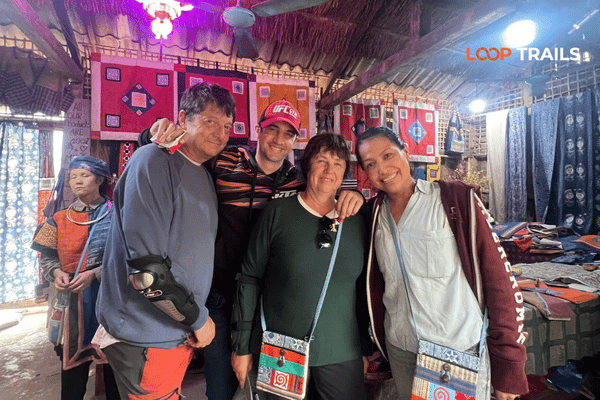
Lung Tam is a H’mong Lolo village in the Quan Ba district, and it’s home to one of the most intact traditional weaving communities in northern Vietnam. The village specializes in lanh tho hand-woven linen made from flax grown right here on the hillsides.
This is not a staged cultural show. It’s a working community that has chosen to welcome visitors, and the difference is palpable.
The linen weaving process at Lung Tam has been passed down through generations of women in the village. The flax is grown locally, harvested, soaked, dried, and then spun and woven on traditional handlooms that look almost medieval but produce remarkably fine cloth.
What makes Lung Tam different from other craft villages in northern Vietnam is the vertical integration you can witness: from growing the raw plant to spinning thread to weaving to the finished product, all within the same community. On a good visit, you can watch multiple stages of the process happening simultaneously in the front yards and open workshop spaces.
The fabrics produced here table runners, scarves, clothing are the kind of thing that doesn’t feel like a tourist souvenir. They feel like something a person would actually keep.
Practical purchasing notes:
Most itineraries budget 45 minutes to an hour here. That’s enough if you want to walk through, watch the weaving, and make a purchase or two.
If you’re genuinely interested in the craft process, an hour and a half is better. Some tour operators can arrange longer village experiences with lunch, but this needs to be pre-arranged rather than decided on the day.
Don’t rush Lung Tam. The contrast with the dramatic scenery of the previous three days is actually part of the point after the emotional intensity of the plateau, the quiet, domestic rhythm of a weaving village is its own kind of conclusion.
Learn more: Ha Giang Cao Bang Ba Be Lake 6 Days 5 Nights
After Lung Tam, it’s the final stretch into Ha Giang city. The road improves significantly once you’re past the Quan Ba area you’re back on main provincial roads, traffic picks up slightly, and the mountain drama gives way to rolling green hills and river plains.
Arrival times depend on the specific itinerary and how long you spend at the stops. As a general guide, most 4 days 3 nights tours aiming for an afternoon bus back to Hanoi structure the return to arrive in Ha Giang city by early-to-mid afternoon. Tours planning an extra night in Ha Giang city have more flexibility.
If you have a night bus from Ha Giang back to Hanoi booked which leaves in the late evening you generally have plenty of time. But don’t assume this: confirm your arrival time with your guide or tour operator before you start the day.
Key point: if you need to catch an early-evening bus or have a tight connection in Hanoi, communicate this clearly when booking, not on the morning of Day 4.
If you have a free evening in Ha Giang city before the bus back, a few suggestions:
If you’re heading straight back to Hanoi on the overnight bus, the city bus station is easy to reach. Your tour operator should confirm pick-up or drop-off logistics when you book.
Learn more: Ha Giang Motorbike Rental
Day 4 is genuinely good in all formats, but each has a different character.
Easy Rider (guided motorbike): This is the best format for the cultural stops. Your guide can explain the weaving process at Lung Tam, translate conversations with village residents, and lead you off the main track to viewpoints and small villages that don’t appear on any map. The Du Gia waterfall stop is more relaxed because your guide handles parking and timing.
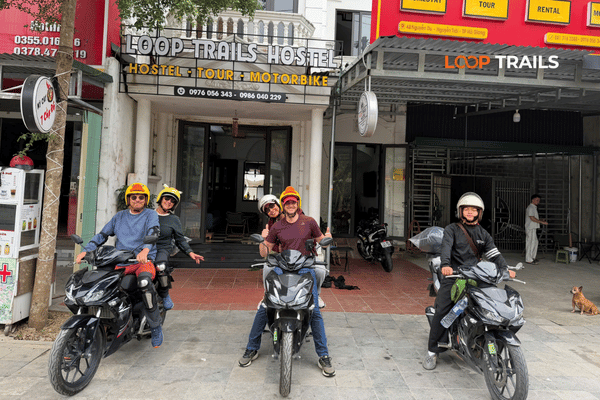
Self-Drive Motorbike: Day 4 is one of the more forgiving days to self-drive — the roads are less technical than the previous legs, and the route is relatively clear. You have the freedom to linger at Du Gia as long as you want and explore the valley. The trade-off is that you’ll experience Lung Tam as an outsider without translation or context.
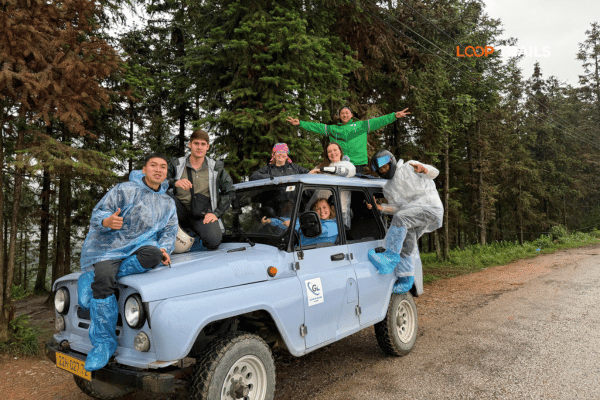
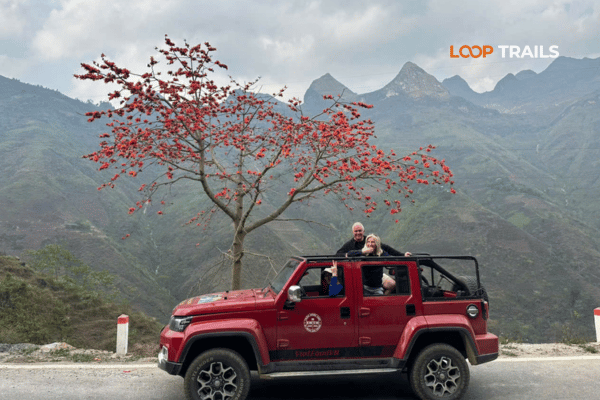
Jeep Tour: The jeep format is particularly good on the return day for anyone who is physically fatigued after three days of riding. You see all the same stops, you’re comfortable and shaded, and the longer driving distances feel less demanding. The trade-off is a slightly more distanced experience at the village stops compared to arriving on a motorbike.
Not on the Loop yet? If you’re still planning, here’s a quick breakdown of options:
Check out our [Ha Giang Loop tour page] and our [Ha Giang motorbike rental] page if you’re planning a self-drive trip. Questions about which format suits you? You can reach us directly on [WhatsApp] we’re happy to give an honest recommendation based on your experience level and travel style.
Learn more: Ha Giang Loop by Army Jeep Tours
After three days of packing and repacking a bag every morning in a homestay, most people have found their system by Day 4. But there are a few things specific to this last day worth flagging.
The morning pack:
At Du Gia Waterfall:
At Lung Tam Village:
Logistics for the return:
Energy for Day 4:
It sounds obvious, but eat a proper breakfast. Day 4 has deceptively long riding legs that sneak up on people who underestimate them because “it’s the last day.” The fatigue from Days 1 through 3 is cumulative, and an empty stomach makes the morning stretch harder than it needs to be.
Learn more: Cao Bang Loop 3 Days best kept secret
In terms of road difficulty, Day 4 is generally more straightforward than Days 2 and 3, which involve the steepest and most exposed mountain roads. However, it covers a significant distance and cumulative fatigue from the previous days means it can feel demanding. Easy is relative on the Ha Giang Loop.
You can, but it’s worth building time in if you can. Du Gia is genuinely different from the landscape-focused highlights of the earlier days and offers something more intimate and refreshing. If you’re pressed for time because of a bus or flight, communicate your schedule to your tour operator when you book rather than cutting stops on the day.
Not always. Lung Tam is a popular stop on 4 days 3 nights itineraries, but some shorter or faster tours skip it or make it optional. Check your specific itinerary before departure or ask when booking.
Yes, the natural pools at Du Gia are swimmable. The water is cold and refreshing. Conditions vary by season wet season means stronger flow and slightly cloudier water, dry season offers clearer pools but less dramatic falls. Bring a small towel and a dry change of clothes if swimming is a priority.
The handwoven linen products are the main draw: scarves, table runners, bags, and fabric by the meter. The naturally dyed pieces using indigo are particularly distinctive. Prices are set by the families, negotiation is minimal, and buying here directly supports the village economy.
This depends on your itinerary, pace, and stop duration. Most 4 days 3 nights tours aim to return to Ha Giang city by mid-to-late afternoon. Your tour operator should give you a clear estimate — confirm this before departure on the morning of Day 4, especially if you have a bus or transfer booked.
Some tour packages include the return bus to Hanoi; others don’t. Check your booking details carefully. If you need to book independently, the Ha Giang bus station has multiple operators running overnight sleeper buses back to Hanoi. Book at least a day or two in advance, particularly in peak season.
The Day 4 route descends from the high plateau into lower, warmer valleys, so temperatures are generally more comfortable than the previous days. In wet season (roughly May to September), there’s a higher chance of afternoon rain and the Du Gia valley area can be particularly humid. In dry season (October to April), the return leg is usually clear and pleasant.
Yes. The village can be reached by vehicle, making it suitable for jeep tour groups. The experience of wandering through the village on foot is the same regardless of how you arrive.
If you’re not riding yourself (easy rider or jeep tour), Day 4 is accessible for anyone. If you’re self-driving, Day 4 roads are among the more manageable sections of the Loop, but the Ha Giang Loop as a whole is not recommended for people with no motorbike experience — that’s a decision to make before you start, not on the last day.
Light to moderate rain is manageable, especially on the main roads of the return leg. Heavy rain can make the track into Du Gia Waterfall slippery. Your guide or tour operator will advise on adjusting the stop order or duration based on conditions. Stay flexible and listen to local advice.
Contact information for Loop Trails
Website: Loop Trails Official Website
Email: looptrailshostel@gmail.com
Hotline & WhatSapp:
+84862379288
+84938988593
Social Media:
Facebook: Loop Trails Tours Ha Giang
Instagram: Loop Trails Tours Ha Giang
TikTok: Loop Trails
Office Address: 48 Nguyen Du, Ha Giang 1, Tuyen Quang
Address: 48 Nguyen Du, Ha Giang 1, Tuyen Quang
Facebook X Reddit Table of Contents Learn more: Ha Giang Loop Tours Most people drive past the Quan Ba area twice on

Facebook X Reddit Table of Contents Learn more: Ha Giang Loop Tours The Ha Giang Loop has a reputation problem with older