
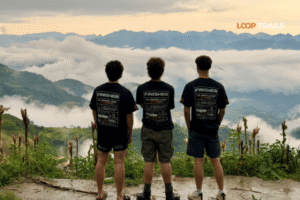
Vietnam Trekking Guide: 5 Best Hikes for Every Fitness Level
Facebook X Reddit Table of Contents Learn more: Ha Giang Loop Tours If you’re dreaming of high-altitude peaks, hidden waterfalls, and trails

Thúy Kiều (Grace) is a travel blogger and content contributor for Loop Trails Tours Ha Giang. She holds a bachelor’s degree in Sustainable Tourism from Vietnam National University, Hanoi, and has a strong passion for exploring and promoting responsible travel experiences in Vietnam’s northern highlands.
Learn more: Ha Giang Loop Tours
When I first heard about Vietnam’s cave systems, I imagined dark tunnels and cramped spaces. I was wrong on almost every count. What I found instead were cathedral-like chambers the size of apartment buildings, underground rivers that glow under certain light, and formations so surreal they look photoshopped.
The problem isn’t finding caves in Vietnam, it’s choosing between them. Three names keep coming up in traveler conversations: Phong Nha, Nguom Ngao, and Lung Khuy. Each one has its own personality, its own challenge level, and its own reason to visit. But they’re not all the same experience, and picking the wrong one could leave you disappointed.
I’ve spent enough time exploring these systems, and talking to guides who know them inside and out, to break down what makes each one different. This guide will help you figure out which cave matches your fitness level, your travel schedule, and what you’re actually looking for when you descend into the darkness.
Learn more: Ha Giang Loop 2 Days 1 Night
Here’s something most first-time visitors don’t realize: Vietnam sits on top of one of the world’s largest karst regions. That means limestone formations. Lots of them. And wherever there’s old, weathered limestone, there are caves. Lots of those too.
The Phong Nha–Ke Bang National Park alone contains over 2,000 identified caves. Two thousand. Many have never been properly explored. Some were only discovered in the last 15 years.
For travelers, this isn’t just geography trivia. It means you’re not looking at commercialized tourist traps that have been worn smooth by millions of visitors. You’re looking at places that feel genuinely wild, where you can still hear the echo of your footsteps and feel like you’re among the first people to see certain formations.
That said, not all caves are equal. Some have been developed with stairs, lighting, and guides. Others involve rappelling, climbing, and scrambling through tight spaces. Some you can do in sandals. Others demand serious gear and fitness.
Before we dive into each one, here’s what you need to know at a glance:
Learn more: Ha Giang Loop 3 Days 2 Nights
Phong Nha is the celebrity of Vietnamese caves. If you’re visiting central Vietnam and cave hunting, Phong Nha is probably on your list.
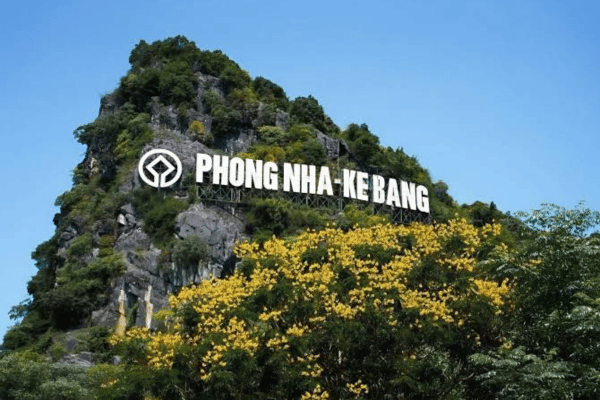
Phong Nha isn’t just one cave, it’s part of the Phong Nha–Ke Bang National Park, a UNESCO World Heritage Site. The cave system has been inhabited on and off for thousands of years. Archaeologists have found evidence of human settlement dating back to the Stone Age. During the Vietnam War, locals used the caves as bomb shelters. Now it’s one of the country’s most popular natural attractions.
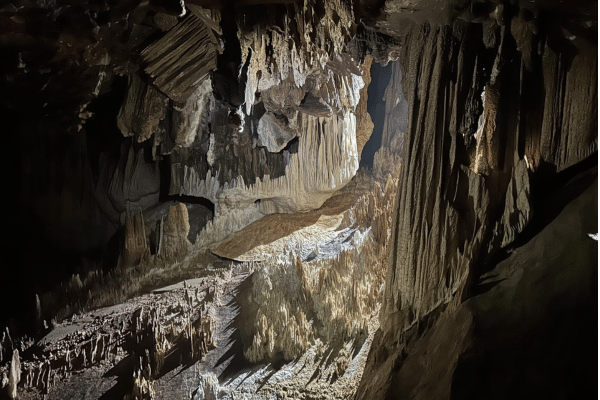
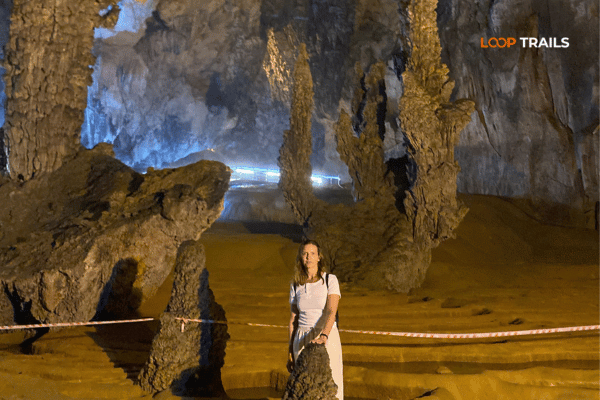
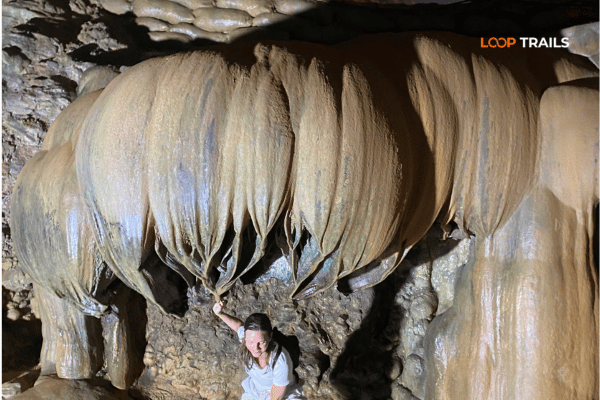
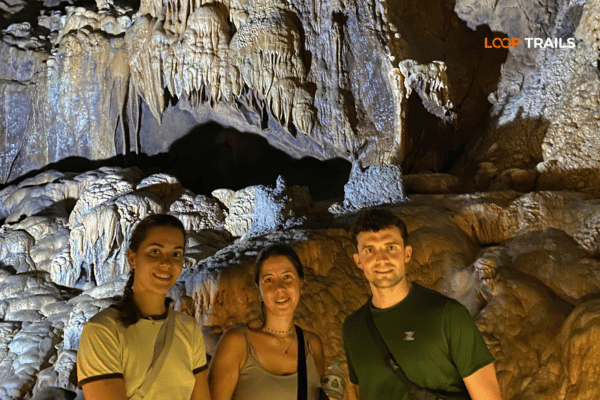
The reason it gets so much traffic? It delivers. The cave is massive. The entrance chamber alone feels like a cathedral. Light filters through the opening in a way that makes limestone walls glow. The formations are dramatic: towering stalactites, delicate curtains of mineral deposits, rock formations that look like frozen waterfalls.
The Entrance Chamber
This is the money shot. You walk in through a relatively narrow opening, and suddenly you’re standing in a cavern big enough to fit a building inside. Your eyes adjust to the dim light, and you realize how small you actually are. The guides will point out formations with names: “Turtle Rock,” “Phoenix,” “Buddha’s Seat.” Some imaginary, some actually resembling what they’re named after.
The Temple Zone
Deeper inside, you’ll reach areas where stalactites and stalagmites have grown together, creating pillar-like formations. These sections are quieter, more atmospheric. It’s where you start to feel disconnected from the tour group, even though you’re surrounded by people.
Underground River (seasonal)
During the wet season, an actual river runs through parts of Phong Nha. During the dry season, you’ll see the riverbed but not much water. Either way, the carved channels in the rock show just how long water has been at work here.
Most visitors book through tour companies or their hotels. The standard tour lasts about 2 hours and includes:
The tour groups can get large. During peak season, 20–30 people on a single tour isn’t unusual. If you go early morning (around 6–7 AM), you’ll beat much of the crowd.
Physical Difficulty: Easy to moderate. If you can walk a hiking trail, you can do Phong Nha. The main sections are paved or have handrails. There’s some climbing over rocks, but nothing technical.
Duration: The main tour takes 1.5–2 hours inside the cave, plus travel time. You can spend a full day exploring the national park (there are other caves, scenic viewpoints, and hiking trails).
What to Bring: Comfortable walking shoes, not flip-flops, as the ground gets wet and slippery. A light jacket since it’s cool inside. Water. Your phone or camera (the photo ops are excellent).
Cost: Tours typically run 300,000–600,000 VND per person, depending on group size and operator. This usually includes park entry and guide. Check what’s included before paying.
Crowds: Phong Nha is never quiet, but you can reduce crowds by visiting early or visiting on weekdays instead of weekends.
Learn more: Ha Giang Loop 4 Days 3 Nights
This is where things get less touristy.
Nguom Ngao, also spelled “Ngu Om,” is located in Thailand, not Vietnam, but it’s close enough to the Vietnam border that many travelers doing the Ha Giang Loop or exploring northeastern Vietnam make the trip. The cave sits near the village of Ban Nong Khaem, about 4–5 hours from Ha Giang town.
The journey to Nguom Ngao is half the adventure. You’ll ride or drive through rural mountain areas, cross the Vietnam–Thailand border, and approach a cave that feels genuinely remote. Unlike Phong Nha, which is accessed from a developed national park, Nguom Ngao feels like you’ve discovered something yourself.
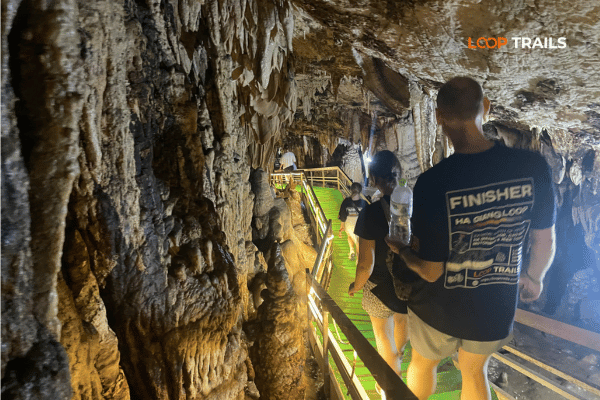
The cave entrance is dramatic: a large opening carved into a limestone cliff, with jungle vegetation hanging around the opening. The walk up to the entrance involves scrambling over rocks and roots, not following a manicured path.
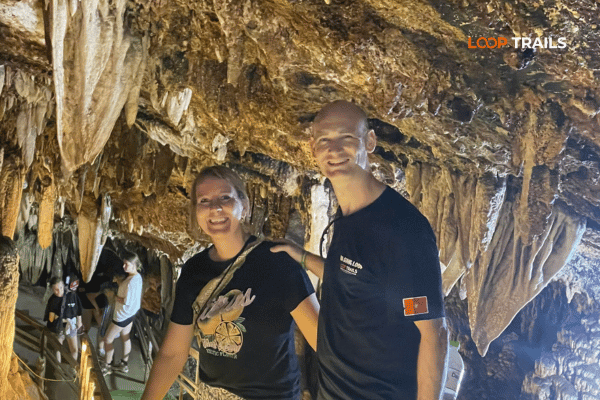
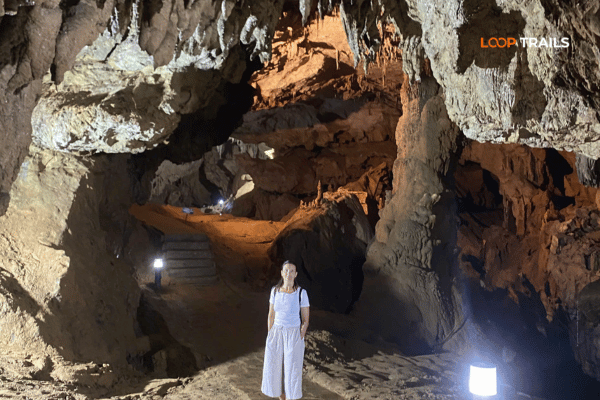
Inside, Nguom Ngao impresses with scale and atmosphere. The main chamber is cavernous, similar in size to Phong Nha’s entrance, but with a rawer, less-polished feeling. There’s less commercial lighting, which means the cave has a more authentic, adventurous atmosphere.
The formations are equally stunning: massive stalactites, drapery formations, and pools of clear water. Some sections require wading through shallow water or climbing over debris, giving it a more exploratory feel than the sanitized Phong Nha experience.
Photography Note: The lower lighting and more dramatic formations create excellent photo opportunities, especially if you bring a tripod or use longer exposures. The cave feels less “staged” for cameras and more genuinely cavernous.
Getting There: Most travelers access Nguom Ngao from Ha Giang, usually as part of a 2–3 day tour that combines the Ha Giang Loop with the Thailand border crossing. You can also do it from Cao Bang province, which is slightly closer.
The Border Crossing: This is simpler than it sounds. You’ll pass through a small border checkpoint. Most travelers with a Vietnamese or Thai visa, or visa exempt status, can cross without issues. If you’re unsure about your visa status, check before planning the trip.
Tour Options:
Physical Difficulty: Moderate to challenging. This involves scrambling, climbing, and wading. You’ll need reasonable fitness and comfort with steep, slippery terrain.
Duration: Plan 1.5–3 hours inside the cave, depending on how far you explore. The remoteness means you’ll spend more time traveling than you would with Phong Nha.
What to Bring: Good hiking shoes, essential as the rocks are slippery. Quick dry clothing, as you’ll get wet. A headlamp or good phone flashlight. Enough water for the journey.
Cost: Through tour operators, expect to pay 1,500,000–2,500,000 VND for a 2–3 day tour that includes Nguom Ngao, depending on group size, accommodation, and meals included. Entry to the cave itself is free or minimal, ask your guide.
Best Time to Visit: Dry season, October–March, is ideal. During wet season, the cave can flood in certain sections, and the approach becomes muddy and dangerous.
Learn more: Ha Giang Cao Bang 5 Days 4 Nights
If Phong Nha is the celebrity and Nguom Ngao is the adventure, Lung Khuy is the authentic local experience.
Lung Khuy is located within Ha Giang province, making it the most accessible of the three if you’re already exploring the Ha Giang Loop. It’s less commercialized than Phong Nha and more accessible than Nguom Ngao.
Lung Khuy doesn’t have the international marketing machine that Phong Nha has. It wasn’t plastered across Instagram until recently. For locals and experienced travelers, that’s exactly the appeal.
The cave is also significant historically. Local communities have used it as a shelter for centuries. There’s a small Vietnamese temple or shrine near the entrance, a reminder that this place is living history, not just a geology exhibit.
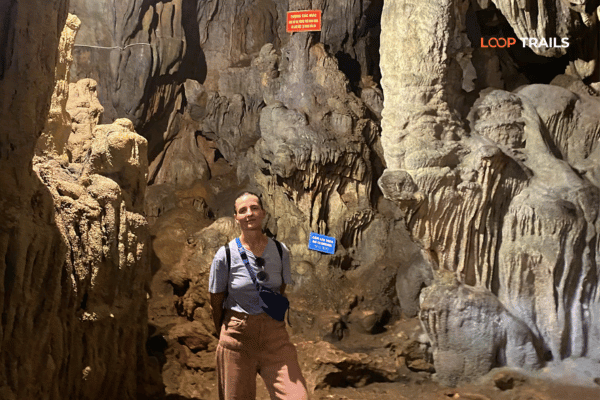
Lung Khuy is tighter and more intimate than the massive chambers of Phong Nha. Rather than walking through cathedral-like spaces, you’ll navigate narrower passages, climb through confined sections, and occasionally squeeze through tight spots. If you’re claustrophobic, this might not be your cave.
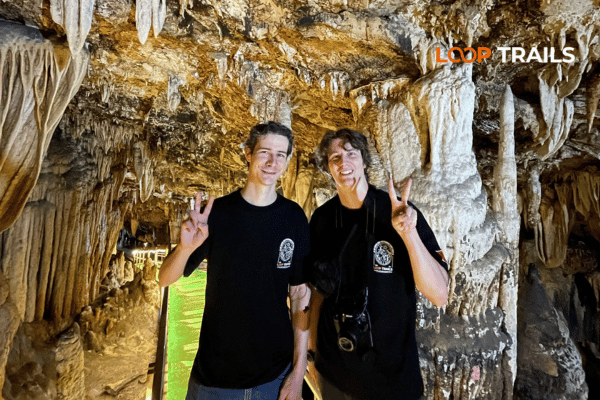
The reward for the tighter fit? You get to see formations up close. The stalactites and stalagmites feel within arm’s reach. There are pools of water, rock formations that create natural “seats,” and passages that require climbing that feels genuinely adventurous without being dangerous.
The interior is less aggressively lit than Phong Nha, giving it a more atmospheric quality. Your eyes adjust, and the formations emerge from the darkness rather than being flood lit.
Lung Khuy is accessed from within Ha Giang province. Most visitors reach it as part of a Ha Giang Loop tour or by arranging a local guide. The cave doesn’t have the same tourist infrastructure as Phong Nha, so independent visits require a bit more planning and local knowledge.
Via Tour Operator: Many Ha Giang tour operators, including Loop Trails, offer cave experiences that include Lung Khuy either as a standalone half day or as part of a multi day Ha Giang Loop tour.
Via Private Guide: You can hire a local guide in Ha Giang who knows the cave and can arrange transportation and entry. This is more flexible but requires coordination.
Physical Difficulty: Moderate. There’s climbing and some tight spaces, but nothing requiring technical equipment. Reasonable fitness helps, but determination matters more than gym strength.
Duration: 1–1.5 hours inside the cave. You’ll spend additional time on transportation from Ha Giang town.
What to Bring: Good shoes. A headlamp, important as the cave isn’t well lit. Water. Clothes that can get wet.
Cost: Through a tour operator, expect 300,000–800,000 VND depending on how it’s packaged, standalone half day versus part of a longer tour. Private guide arrangements vary.
Best Time to Visit: Year round, but dry season, October–March, is easier. Wet season is less ideal for the approach, but the cave itself remains accessible.
Learn more: Cao Bang Loop 3 Days best kept secret
At this point, you’re probably wondering which one is actually right for you. Let’s compare them directly across the factors that matter most.
| Cave | Fitness Required | Technical Skills | Best For |
|---|---|---|---|
| Phong Nha | Low | None | Families, first timers, anyone |
| Lung Khuy | Moderate | None, climbing, not rappelling | Fit travelers, young visitors |
| Nguom Ngao | Moderate High | Adventure comfort | Experienced adventurers, challenge seekers |
Phong Nha is crowded. During peak season, you’ll share the experience with dozens of other tourists. The upside: professional guides, predictable experience. The downside: constant noise, less atmosphere, frequent stops while guides manage groups.
Lung Khuy has moderate crowds if you go as part of a tour, but individual tour groups are small, 8–12 people typically. It feels more authentic than Phong Nha.
Nguom Ngao feels the most remote, simply because fewer travelers make the journey. You’ll encounter other tourists, but the experience feels more exploratory and less packaged.
All three are visually stunning, but they photograph differently.
Phong Nha: Professional lighting means perfect shots, but the cave looks “done,” lit for maximum impact. Great for dramatic photos, but less “natural” feeling.
Lung Khuy: Lower lighting, more intimate scale. Better for moody, atmospheric shots. Less optimal for wide angle “epic cave” photos.
Nguom Ngao: Best for adventurous photography. The dramatic entrance, the wild setting, the less polished formations create the most “undiscovered cave” aesthetic.
Rough pricing from tour operators, prices fluctuate so always confirm current rates:
Phong Nha Cave Tour: 300,000–600,000 VND per person, guided group tour
Lung Khuy Cave Tour (Ha Giang): 400,000–800,000 VND, often bundled into larger Ha Giang Loop packages
Nguom Ngao Cave Tour (2–3 days): 1,500,000–2,500,000 VND per person, including accommodation, meals, transportation, and cave entry
If you’re calculating cost per hour, Phong Nha is the cheapest. If you’re looking at total value for a multi day adventure, Nguom Ngao offers the most complete experience.
Phong Nha is Best For:
Lung Khuy is Best For:
Nguom Ngao is Best For:
Learn more: Ha Giang Motorbike Rental
Here’s how to actually decide:
Most likely best match: Lung Khuy or Phong Nha, depending on your adventurousness
If you’re on the backpacker circuit and passing through Ha Giang, Lung Khuy as a half day addition to the Ha Giang Loop makes sense. You get the cave experience without detouring significantly.
If you’re in central Vietnam, Phong Nha is convenient and social. You’ll definitely meet other travelers on the tour, which is great for solo travelers looking to meet people.
If you have 2–3 days to spare and want to push yourself, Nguom Ngao rewards the extra effort with a more memorable experience.
Most likely best match: Nguom Ngao, if you have the time, or Phong Nha, if you don’t
Couples often appreciate the adventure and relative remoteness of Nguom Ngao. The journey itself becomes part of the story. There’s something romantic about exploring a cave that feels genuinely wild, without tour groups constantly bumping into you.
Phong Nha is fine for couples, but the crowds can dampen the romance. However, if you visit early morning and stick to quieter sections of the cave, it works.
Lung Khuy works as a romantic adventure if you’re already committed to the Ha Giang Loop. The smaller group size feels more intimate than Phong Nha.
Most likely best match: Phong Nha
Phong Nha is designed for large groups. The paths are safe, the guides are experienced with families, and the experience is predictable. Kids might get tired, but they won’t be scared or in danger.
Lung Khuy is fine for families with kids 10 and up, but the climbing and tighter passages might frustrate younger children.
Nguom Ngao is better reserved for families with teenagers or very fit, adventurous kids.
Most likely best match: Nguom Ngao, for adventure, or Phong Nha, for photography
If you live for the experience of exploration, Nguom Ngao delivers. Yes, you have to travel further, but the payoff is a genuinely adventurous cave experience.
If photography is your priority, Phong Nha’s professional lighting and dramatic formations give you stunning shots. The crowded conditions are annoying, but the photo potential is exceptional.
Lung Khuy is the dark horse for photographers seeking moody, atmospheric shots in less touristy conditions.
Learn more: Best Adventure Activities in Vietnam
Once you’ve chosen your cave, you need to prepare. Here’s what actually matters:
Dry Season (October–March)
This is the ideal window. Weather is clear, the approach to caves is safe, and the ground is stable. In Phong Nha and Ha Giang, dry season is also the busiest, so expect crowds.
Wet Season (April–September)
Cave systems experience higher water flows. Some passages flood. The approach routes become muddy and slippery. Travel times increase. That said, wet season isn’t impossible, just more challenging. Fewer tourists means less crowding, if you’re willing to accept wetter conditions.
For Phong Nha, either season works fine, it’s developed for all weather access. For Lung Khuy and especially Nguom Ngao, dry season is significantly more enjoyable.
Do Pack:
Don’t Bother With:
Optional But Nice:
Slip and Fall Prevention
This is the real risk in any cave. Surfaces are wet and often slippery. Wear good shoes, move slowly in wet sections, and use handrails or guide ropes where provided. If you see someone ahead of you slip, don’t assume you’ll have better luck on the same surface.
Hypothermia Risk (Minor)
Caves stay cold year round. If you get wet and there’s a breeze, you can get cold surprisingly fast. Bring a light layer and dry off when you can.
Getting Separated
Stay with your guide and your group. If you’re exploring independently, not recommended without local knowledge, mark your path and don’t venture into passages you’re unsure about. Bring multiple light sources.
Physical Overexertion
Caves are disorienting. You might feel fine until you suddenly hit exhaustion. Pace yourself, rest when needed, and tell your guide if you’re struggling. There’s no shame in going slower or not pushing further.
Health Check:
If you have respiratory issues, claustrophobia, or significant fitness limitations, mention this to your guide before entering. They’ll either work with you or redirect you to a more suitable cave.
The honest answer: it depends on the cave.
For Phong Nha: No special fitness required. Elderly visitors and people with mild mobility limitations do this tour regularly.
For Lung Khuy: Moderate fitness helps. It’s not a gym bro requirement, but being able to climb stairs and walk for 1 plus hours without serious struggle makes the experience better.
For Nguom Ngao: You should be reasonably fit. Not “training for a marathon” fit, but “can hike for 3–4 hours with elevation gain” fit. The approach, the cave, and the return journey add up.
If you’re out of shape but determined, either cave is possible, it’ll just be slower and more tiring. Build up your hiking fitness a few weeks before the trip if you’re planning Nguom Ngao.
Learn more: Northern Viet Nam Itinerary 2026
Phong Nha is located in Quang Binh Province, central Vietnam. Most travelers reach it from Dong Hoi city, which is the closest town with an airport and accommodations.
By Air: Fly to Dong Hoi, domestic flights from Hanoi, Da Nang, or Ho Chi Minh City, then take a taxi or book a tour that includes transportation.
By Bus or Car: If you’re on an overland route through central Vietnam, Phong Nha lies on the main north south corridor. Many tourist buses stop here.
From Hanoi: 8–10 hours by bus or car.
From Da Nang: 4–5 hours by car.
Once There: Tour operators in Dong Hoi or at your accommodation can arrange transport to Phong Nha National Park and the cave tour.
Lung Khuy is accessed from Ha Giang town. It’s not a standalone destination, most people visit it as part of a Ha Giang Loop tour or a half day excursion from Ha Giang town.
Getting to Ha Giang: Bus from Hanoi, 8–10 hours, or internal flights via connecting cities. Most backpackers arrive overland.
From Ha Giang Town: 30–60 minutes by vehicle, depending on which Lung Khuy, there are multiple caves with similar names; confirm with your guide.
Tour Options: Easy Rider tours, Jeep tours, or self drive/motorbike tours that include cave access. If you have motorbike experience, you can also self navigate, though local guides add significant value.
Nguom Ngao requires the most travel, which is part of its appeal, and its barrier.
Base: Ha Giang or Cao Bang Province.
Route: From Ha Giang, it’s roughly 100–120 km to the Thailand border and the cave. This takes 4–5 hours by vehicle depending on road conditions.
Border Crossing: The Vietnam–Thailand border is traversable, but confirm visa requirements before booking. If you don’t have a Thai visa or visa exempt status, you can’t legally enter Thailand, obvious, but worth stating.
Tour Access: Most travelers book a 2–3 day tour that handles all transportation, border logistics, accommodation, and cave access. This is significantly easier than DIY navigation.
Self Drive: Possible for experienced riders or drivers with good navigation skills. Requires arranging access to the cave independently, hire a local guide.
Learn more: Ha Giang Loop Mistake to Avoid
Tourists get taken advantage of, but usually through preventable mistakes. Here’s what to watch for:
Some tour operators will quote you inflated prices if you book directly versus through a hotel. Solutions: compare quotes from multiple operators, book online before you arrive, ask other travelers what they paid.
A few tour operators show up late or use unsafe vehicles. Before booking, ask to see reviews (TripAdvisor, Google) and confirm what vehicle type you’ll have. Reputable operators are proud of their cars and drivers.
If you’re self navigating to Lung Khuy or attempting Nguom Ngao independently, you can easily end up on wrong trails or in inaccessible areas. Solution: hire a local guide. The 100,000–200,000 VND extra investment pays for itself in time and stress saved.
If you’re an experienced caver, fine. If you’re not, guides provide safety, context, and prevent you from pushing into passages that look cool but are genuinely unsafe. It’s not a “tourist tax,” it’s insurance.
Booking a Nguom Ngao tour without checking weather forecasts, and then canceling or rescheduling. Always check weather before traveling to remote caves. If there’s heavy rain, the accessible route might change.
The most common mistake: someone books Nguom Ngao thinking it’s like Phong Nha, easy walk, then struggles physically and has a miserable experience. Know what you’re signing up for.
Learn more: Pac Bo Historical Site
If you made it this far, you’re probably imagining what it’ll feel like standing inside one of these caves, listening to the echo of your own breathing, watching light filter through formations that took millions of years to build.
That moment is worth planning for.
Here’s the simple decision tree:
Whichever you choose, bring good shoes, bring water, and show up early to beat the crowds, except at Nguom Ngao, where there aren’t crowds to beat
If you’re exploring Ha Giang and want to extend your adventure, we run multi day tours that include cave experiences. If you’re planning a motorbike or Jeep journey through the region, caves are a natural add on. Drop us a message on WhatsApp if you want to discuss which cave fits your trip, or check out our Ha Giang Loop tours and Cao Bang combine tours to see full itineraries.
The caves aren’t going anywhere. But the time to explore them? That’s now.

Learn more: Ha Giang Loop by Wrangler Rubicon Jeep
Phong Nha is the most accessible. The paths are developed, the guide presence is strong, and the difficulty is low. No climbing or crawling required. If you’ve never been caving and want to stay comfortable, start here.
Technically, yes, Phong Nha you can enter independently, pay park entry. However, guides add essential safety, historical context, and they know which passages are optimal. For Lung Khuy and Nguom Ngao, hiring a guide is not optional; you won’t find the caves or access them safely alone.
Phong Nha: Minimal wetness unless you wade in seasonal water. Lung Khuy: Expect wet feet and possibly wet legs. Nguom Ngao: You’ll likely get partially wet, especially during wet season. Always bring quick dry clothes.
Early morning, 6–7 AM, beats crowds, especially at Phong Nha. The light is also better for photography. Afternoon visits are quieter at less famous caves like Lung Khuy.
Phong Nha cave itself takes 1.5–2 hours, but plan a full day to explore the national park. Lung Khuy takes 1–1.5 hours in the cave plus travel time. Nguom Ngao is usually a 2–3 day tour including travel, cave, and accommodation.
Phong Nha: Park entry is cheaper if you go alone, but organized tours include transportation and often professional English guides. Total cost is comparable. Lung Khuy and Nguom Ngao: Tour companies simplify logistics, transportation, permits, guides. DIY is cheaper but more complicated.
Phong Nha: Yes, for ages 5 and up. Lung Khuy: Yes, for ages 10 and up, depending on fitness. Nguom Ngao: Better for ages 12 and up, and only if they’re comfortable with adventure.
For Phong Nha, just good shoes. For Lung Khuy and Nguom Ngao, add a headlamp, quick dry clothes, and water. No rappelling gear or technical caving equipment required for any of these three caves.
Phong Nha has mostly large, open chambers, so mild claustrophobia is manageable. Lung Khuy has tighter passages, so it’s riskier. Skip Lung Khuy if tight spaces panic you. Nguom Ngao is a mix: some large sections, some tighter crawls.
Cameras: Yes, always. Bring a headlamp or good flashlight to see what you’re photographing. Drones: No. Caves are enclosed, and drones aren’t permitted in national parks.
Phong Nha has professional lighting, so shots are technically easy and look dramatic. Lung Khuy offers moody, atmospheric shots in low light, bring a tripod. Nguom Ngao’s entrance and raw formations are best for adventurous, less polished photos.
Phong Nha: Yes, park entry is 250,000–350,000 VND per person. Lung Khuy: Usually included in tour pricing; entry directly is minimal. Nguom Ngao: No entrance fee, but you’ll pay for a local guide, essential, and travel.
Contact information for Loop Trails
Website: Loop Trails Official Website
Email: looptrailshostel@gmail.com
Hotline & WhatSapp:
+84862379288
+84938988593
Social Media:
Facebook: Loop Trails Tours Ha Giang
Instagram: Loop Trails Tours Ha Giang
TikTok: Loop Trails
Office Address: 54A Tran Phu, Ha Giang 2, Tuyen Quang
Address: 54A Tran Phu, Ha Giang 2, Tuyen Quang
Facebook X Reddit Table of Contents Learn more: Ha Giang Loop Tours If you’re dreaming of high-altitude peaks, hidden waterfalls, and trails

Facebook X Reddit Table of Contents Learn more: Ha Giang Loop Tours Vietnam looks manageable on a map. Then you drive it.
Facebook X Reddit Table of Contents Learn more: Ha Giang Loop Tours Most people ride Ha Giang the way you eat a