

Ba Be Lake Between Ha Giang and Cao Bang: Worth the Detour?
Facebook X Reddit Table of Contents Open any map of northern Vietnam and Ba Be Lake looks like it belongs on your

Thúy Kiều (Grace) is a travel blogger and content contributor for Loop Trails Tours Ha Giang. She holds a bachelor’s degree in Sustainable Tourism from Vietnam National University, Hanoi, and has a strong passion for exploring and promoting responsible travel experiences in Vietnam’s northern highlands.
Learn more: Ha Giang Loop Tours
If you’re dreaming of high-altitude peaks, hidden waterfalls, and trails carved through limestone mountains, Vietnam needs to be on your hiking bucket list. But here’s the thing: Vietnam isn’t just one type of hike. Whether you’re a casual walker looking for a day-long stroll or an experienced mountaineer ready to bag a 3,000-meter peak, this country delivers.
I’ve spent the last few years exploring Vietnam’s most iconic trails, talking to local guides, and honestly getting lost more than once. Through that experience, I’ve learned what makes a great hike in Vietnam, and more importantly, which ones actually live up to the hype.
So if you’re trying to figure out where to trek in Vietnam, what to expect, and how to do it safelyread on. I’ve broken down five of the country’s best hikes, covering everything from route options and fitness requirements to the ideal season and what you’ll actually encounter out there
Learn more: Ha Giang Loop 2 Days 1 Night
Vietnam’s geography is spectacular. In just 30,000 square kilometers, you’ve got everything: tropical jungles, misty mountain ranges, limestone karsts rising from turquoise water, and dramatic river gorges. The climate is diverse too, which means hiking seasons vary wildly depending on location.
What makes Vietnam special for trekking is the combination of accessibility and challenge. Most trails are relatively affordable, guides are plentiful and reasonably priced, and you don’t need specialist mountaineering skills for most popular routes. At the same time, you get genuine wilderness experiences without the overcrowding you’d find in Thailand or Cambodia.
Plus, the local communities along many routes are welcoming to hikers. You’ll often find homestays, small cafes, and guides who’ve been working these trails for decades. There’s something different about a trek where you can actually connect with the places and people you’re passing through.

Learn more: Ha Giang Loop 3 Days 2 Nights
Let’s start with the iconic one: Fansipan. At 3,143 meters, it’s Vietnam’s highest peak, and it’s become something of a pilgrimage for hikers visiting northern Vietnam.
The mountain sits about 45 kilometers from Sapa, a popular hill station where many treks begin. The views from the top are genuinely stunning on clear days, you can supposedly see Laos from the summit, though I’ll be honest, I’ve only experienced that once in three attempts.
Here’s where it gets interesting, because Fansipan isn’t a one-size-fits-all experience anymore.
Option 1: The Cable Car is the easiest path. A modern Fansipan Legend cable car runs from Sapa Town up to the peak. It takes about 15 minutes and requires zero trekking. You get the view, the selfies, and the “I summited Fansipan” badge. This works perfectly if you’re short on time, have mobility issues, or just want the summit without the sweat. Reality check: it’s touristy, and you’ll share the experience with hundreds of other visitors daily.
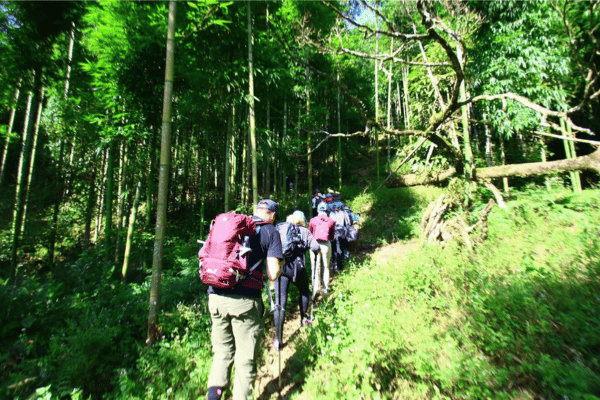
Option 2: The Classic Trek is the one most serious hikers tackle. You trek from Sapa Town upward through rhododendron forests, passing through minority villages, with overnight stays in homestays or basic shelters. The full route typically takes 2 to 3 days. You’ll experience the mountain in a more intimate way watching sunrise above the clouds is genuinely magical. The downside: it’s physically demanding, and many sections involve steep, exposed scrambles with fixed ropes.
Option 3: The Hybrid Route combines the cable car with hiking. Some hikers cable car up one way and trek down, or vice versa. This splits the difference between comfort and adventure.
Learn more: Ha Giang Loop 4 Days 3 Nights
I’m going to level with you: the full trek is harder than many casual hikers expect. At altitude, with steep sections and sometimes muddy, slippery conditions, it demands respect. Start early, pace yourself, and don’t be stubborn about turning back if conditions worsen.
May through September is technically possible, but late September to early October is your sweet spot. The weather is stable, visibility is high, and it’s not brutally hot. Avoid November through April if possible fog rolls in, trails become slippery, and you might summit only to see nothing but cloud.
Budget expectation: If you’re hiring a guide (recommended), expect to pay anywhere from $80–$200 for a 2–3 day trek, depending on group size and accommodation level. The cable car is around $20–$30 one-way.
Learn more: Ha Giang Cao Bang 5 Days 4 Nights
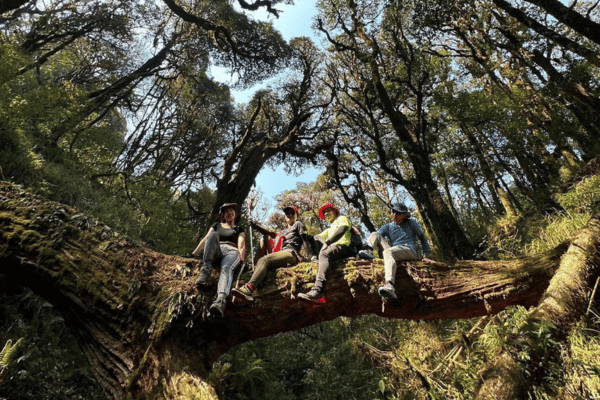
If Fansipan is Vietnam’s most famous peak, Pu Luong is the destination serious trekkers whisper about to their friends. It’s less crowded, more scenic in a different way, and genuinely feels like you’ve discovered something.
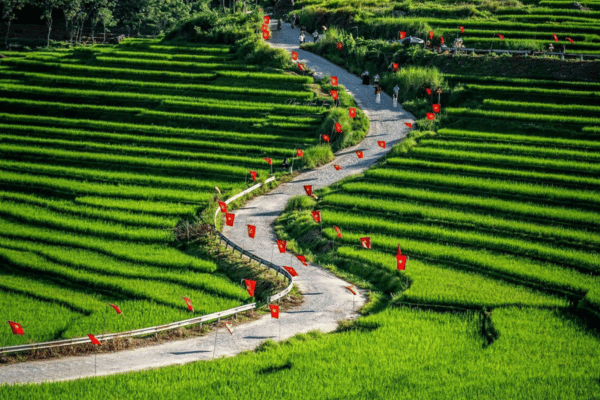
Pu Luong is a protected nature reserve in Thanh Hoa Province, about 150 kilometers south of Hanoi. The landscape is entirely different from Fansipan: think limestone mountains, lush valleys, emerald terraced rice fields, and the possibility of spotting langurs or even bears (though sightings are rare).
The big difference is that Pu Luong treks usually involve homestay nights with local Muong or Dao people. Your guide isn’t some guy from town who took a course—they’re often from the villages you’re trekking through, which means you get genuine insight into how people actually live here.
The trails are also less rigidly defined than Fansipan. You’re not always following a clearly marked path. Some sections are genuinely adventurous—scrambling through streams, pushing through jungle, navigating by landscape rather than markers.
A typical 3 days Pu Luong trek looks like this:
Day 1: Trek through rice terraces and bamboo forests, descend into the valley. Noon arrival at a homestay. Afternoon exploring the surrounding trails or relaxing. Evening cooking dinner with the family (yes, you participate it’s charming).
Day 2: Early start for a longer trek, possibly climbing to higher viewpoints. Swimming in a natural pool if water levels allow. Return to homestay or possibly move to a second family’s house.
Day 3: Shorter morning trek to scenic viewpoints, descend to the main road, and head back to civilization.
What you’re paying for isn’t the difficulty of the trail, it’s the experience and the connection to the landscape and community. Most Pu Luong treks aren’t particularly technically challenging, but they’re immensely rewarding.
Budget expectation: $60–$120 per day, including guide, meals, and accommodation. It’s affordable partly because homestays are inexpensive and guides are often locals who don’t charge tourist-premium rates.
Best season: October to November and February to March. Avoid May to September (rainy and slippery) and December to January (can be chilly).
Learn more: Ha Giang Motorbike Rental
Here’s where things get interesting for adventurers who want more than just peak-bagging.
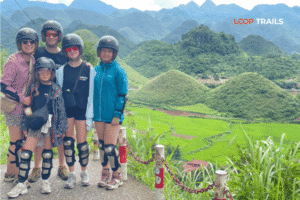
Ha Giang is in Vietnam’s far north, bordering China. It’s famous for the Ha Giang Loop: a roughly 300+ kilometer circuit of back roads, passes, and mountain scenery. Most people do it on motorbikes, and for good reason, the views are stunning.
But here’s what many travelers don’t realize: you can absolutely trek portions of the Ha Giang Loop, combining hiking with scenic motorbike rides to access trailheads.
The Ha Giang Loop has some of Vietnam’s most dramatic scenery. Ma Pi Leng Pass literally drops 500+ meters to the Nho Que River below. The limestone formations are alien-like. The roads twist through remote villages where you might see more water buffalo than tourists.
Compared to typical tourist trails, it’s refreshingly underdeveloped. You won’t find neon signs or souvenir shops. What you get is authenticity and raw natural beauty.
The hiking options vary widely. Some days you’re doing serious hill climbs with minimal trail markers. Other days are gentler valley walks. You stay in small towns or village homestays, eat incredibly cheap and delicious food, and sleep soundly from exhaustion.
A smart way to experience Ha Giang is a multi-day mix: ride key sections to see the big views, then step off the bike to trek specific valleys, passes, or lesser-known trails. For example:
This approach gives you flexibility. You’re not exhausted every single day, and you cover way more ground than hiking alone would allow.
September to November and February to April. These windows offer stable weather, mild temperatures, and decent visibility. December through January can be chilly at night, and May through August is rainy roads get slippery and muddy, views disappear into cloud.
Budget expectation: $50–$100 per day including motorbike rental, guide (if you want one for trekking days), food, and lodging. If you’re renting a Jeep for a group, costs spread better think $150–$200 per person per day.
Learn more: Cao Bang Loop 3 Days best kept secret
Vietnam’s got plenty beyond these three. Here’s a quick rundown of other worthwhile treks:
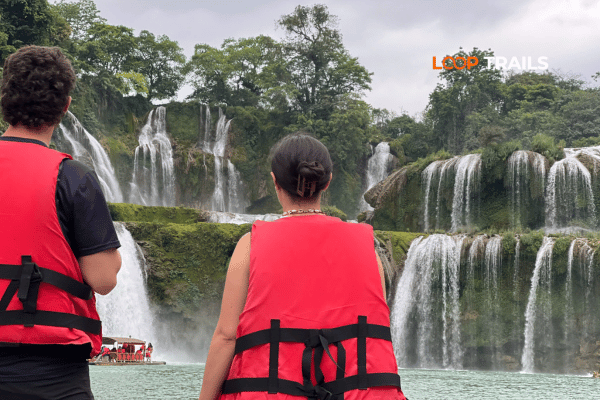
Located in Cao Bang Province near the Chinese border, Ban Gioc is Asia’s second-largest waterfall and absolutely spectacular. A few hours of trekking gets you up close to the cascade. It’s typically combined with exploring the nearby limestone gorges. The hiking is moderate, the scenery is dramatic, and it’s far less crowded than Fansipan.
Best visited alongside Ha Giang as part of a combined Ha Giang to Cao Bang itinerary. The combination creates a more comprehensive northern Vietnam experience.
A newer addition to the Vietnam hiking circuit, Phia Oac offers wild mountain scenery, remote village interactions, and minimal tourist infrastructure. It’s genuinely off-the-beaten-path, which means less crowd but also less hand-holding. Suitable for more experienced, self-sufficient hikers.
Sapa town itself is hugely touristy, but the surrounding valleys still offer worthwhile hikes. Sin Chai, Muong Hoa Valley, and trails to Ta Phin village are classics. They’re not as dramatic as Ha Giang or Pu Luong, but they’re accessible and give you a flavor of upland Vietnam. Good for time-limited visitors or those wanting a less demanding trek.
Learn more: Best Adventure Activities in Vietnam
So you’ve picked your trail. Now let’s talk about the practical stuff that actually makes the difference between a great trip and a miserable one.
Beginner hikers should stick with Fansipan’s cable car, easy Sapa valley walks, or the easier Pu Luong routes. These don’t require prior experience.
Intermediate hikers (comfortable with 6–8 hours of hiking daily, some steep sections) can handle Pu Luong full circuits, hybrid Fansipan routes, and easier Ha Giang trekking days.
Advanced hikers can tackle the full Fansipan trek, serious Ha Giang loops, or exploratory trekking in places like Phia Oac.
Here’s an honest tip: most people underestimate Vietnam’s trails. The elevation gain might not be extreme, but humidity, heat, trail conditions, and altitude combine to tire you faster than you’d expect. If you’re on the fence about fitness, book easier options and upgrade if you’re feeling strong.
| Season | Best For | Avoid If |
|---|---|---|
| Sept–Oct | Fansipan, Ha Giang (stable, clear) | You dislike cool mornings, crowds |
| Nov–Jan | Pu Luong, Sapa (cool, less humid) | You prefer warmth; Dec–Jan can be cold |
| Feb–March | Most hikes (dry, mild, visible) | You book late (guides fill up) |
| April–May | Lower altitude hikes only (hot) | High altitude (heat + altitude) |
| June–August | Sapa only (lush but wet) | Most other regions (heavy rain, muddy) |

Learn more: Ha Giang Packing list
Essentials for any Vietnam hike:
Safety points to know:

Learn more: Ha Giang Loop by Wrangler Rubicon Jeep
Let me help you narrow it down, because choosing the right hike makes all the difference.
Choose Fansipan if: You have limited time (1–3 days), want Vietnam’s most famous peak, or need flexibility in your route difficulty. The cable car guarantees a summit experience regardless of fitness. The classic trek offers genuine challenge and wilderness.
Choose Pu Luong if: You want authenticity and community connection, you’re not obsessed with reaching a peak, and you have 3–4 days. It’s perfect if you’re medium fitness and want to avoid intense scrambling. Fair warning: it’s addictive. People often return.
Choose Ha Giang if: You’re an adventurous traveler looking for something less discovered, you enjoy motorbikes or are willing to try one, and you have 4–7 days. It’s ideal if you want flexibility between hiking and riding days. The landscape is genuinely different from other Vietnam hikes almost otherworldly.
Choose a combination: The smartest option? Combine Ha Giang Loop trekking with Cao Bang’s Ban Gioc waterfall over 5–7 days. You get diverse landscapes, fewer tourists than Fansipan, and a more complete picture of northern Vietnam’s mountain culture. We offer a Ha Giang to Cao Bang combine tour that handles the logistics.
Not sure which suits your style? We’re here to help. You can WhatsApp us with details about your fitness level, available time, and what kind of experience you’re after, and we’ll recommend the exact itinerary. No pressure, no sales pitch just honest advice.
Learn more: Ha Giang Border Area Permit 2026
For the cable car, no. For the full trek, ideally yes. You need to be comfortable scrambling, exposure to height, and pushing through fatigue. If you’ve hiked mountains before, you’re ready. If you’re brand new, the hybrid route or cable car alone is smarter.
Leeches exist in wet, jungle sections, especially June–August. Salt in your pack discourages them. Dangerous animals are rarem ost wildlife avoids humans. You’re statistically safer than hiking in bear country in North America.
Yes, but hiring a guide is strongly recommended. It’s safer, you’ll get more from the experience, and guides are inexpensive. Group trekking is also an option, many operators run scheduled departures.
September through October for Fansipan. February through March for most others. December can work but nights are cold. Avoid May–August for high-altitude hikes due to rain and poor visibility.
Budget $50–$200 per day all-in (guide, lodging, meals). Fansipan cable car is $20–$30. The range depends on group size, accommodation style, and whether you hire private guides.
Yes. Local guides are professionals, tourist infrastructure is developed, and Vietnam’s hiking community is welcoming. Standard travel sense applies: use reputable operators, inform people of your itinerary, and trust your instincts.
Absolutely. Choose Pu Luong, the Fansipan cable car, or easy Sapa walks. Hiking is about enjoyment, not athleticism. Pace yourself, take breaks, and enjoy the views.
Fansipan at 3,143m can cause mild altitude effects for some people—headache, shortness of breath. It’s not extreme because you ascend gradually and most people are accustomed at sea level beforehand. Descent cures it quickly.
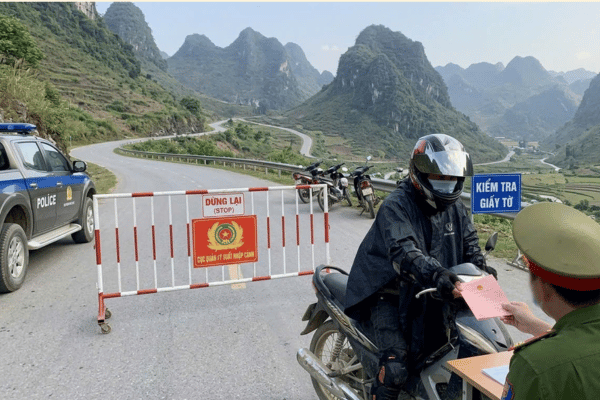
Generally no. Ha Giang border areas might have minor local regulations guides handle these. Pu Luong is a reserve but open to tourists. Check current conditions with your operator.
Booking in advance (especially for Fansipan September–October) guarantees availability and coordination. Booking locally can be cheaper but riskier—guides might not be available, and quality varies. For your first time, booking in advance with a reputable operator is smarter.
Either the Fansipan cable car experience or Pu Luong’s easier trails. Both are achievable, scenic, and safe. Neither requires previous experience.
Moderate fitness is plenty. You’re not doing extreme technical climbing. Long days and elevation change demand stamina, but nothing dramatic. Most reasonably active people handle it fine.
Contact information for Loop Trails
Website: Loop Trails Official Website
Email: looptrailshostel@gmail.com
Hotline & WhatSapp:
+84862379288
+84938988593
Social Media:
Facebook: Loop Trails Tours Ha Giang
Instagram: Loop Trails Tours Ha Giang
TikTok: Loop Trails
Office Address: 54A Tran Phu, Ha Giang 2, Tuyen Quang
Address: 54A Tran Phu, Ha Giang 2, Tuyen Quang
Facebook X Reddit Table of Contents Open any map of northern Vietnam and Ba Be Lake looks like it belongs on your
Facebook X Reddit Table of Contents Four days on a motorbike across a limestone plateau takes more out of you than the
Facebook X Reddit Table of Contents Two of the best landscapes in northern Vietnam sit about a province apart, and most people