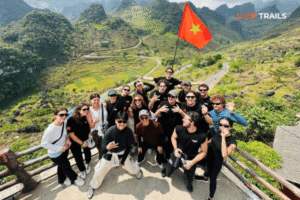


Thúy Kiều (Grace) is a travel blogger and content contributor for Loop Trails Tours Ha Giang. She holds a bachelor’s degree in Sustainable Tourism from Vietnam National University, Hanoi, and has a strong passion for exploring and promoting responsible travel experiences in Vietnam’s northern highlands.
Learn more: Ha Giang Loop Tours
When you’ve got three weeks to explore Vietnam, you’re in that sweet spot. Long enough to go deep, short enough that you can’t afford to waste days sitting on buses. This itinerary takes you through the North’s limestone karst landscapes, into Cao Bang’s untamed beauty, and down the coast to Central Vietnam’s charming towns with real options for how you want to move through it.
I’ve pieced this together from trips with travelers who skipped the typical tourist gauntlet and came back with stories worth keeping. Here’s what three weeks actually looks like when you do it right.

Learn more: Ha Giang Loop 2 Days 1 Night
Days 1–2: Settle in Hanoi
Arrive in Hanoi and give yourself at least two full days. Yes, you could power through, but Hanoi deserves that. Walk the Old Quarter in early morning before the traffic builds. Eat pho at a place where locals queue (not the restaurant with perfect English signage). Get your bearings at Hoan Kiem Lake. Figure out your onward transport.
These two days also buffer for jet lag: something every international traveler underestimates. A miserable ride on a winding mountain pass plays differently when you’ve slept 12 hours.
Days 3–7: Ha Giang Loop
This is where the journey actually starts. The Ha Giang Loop is roughly 360 kilometers of road that spirals through limestone peaks, valleys, and minority villages. Whether you’re riding your own motorbike or joining a guided tour, five days here is the bare minimum to feel it.
The loop passes through recognizable stops: Du Gia (marble-cutting village), Dong Van (the quirky old town), Meo Vac (perched on a high plateau), and Ma Pi Leng Pass (the crown jewel, a 1,600-meter pass with views that make phone photos feel inadequate). Between these named places are the real moments: a random stream crossing, a family’s roadside pho stand, the smell of wood smoke from a cooking fire.
Which riding style for Ha Giang?
If you’re comfortable on two wheels and have some overseas motorcycle experience, self-driving gives you freedom. You stop when you want, take that unmarked turn, chat with a cafe owner for an hour. The trade-off is navigation, mechanical worries, and riding when you’re tired.
An Easy Rider tour pairs you with a local driver on the back of a bigger bike: a dream for those who want the experience without the responsibility. You focus on scenery; they handle the road.
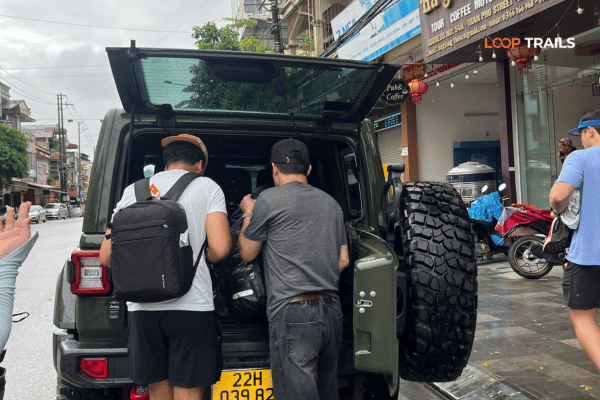
A Jeep tour keeps a group together in a vehicle with climate control, better for families or larger groups, though you lose some of that intimate connection with the landscape.
The loop roads are paved but narrow, with switchbacks that demand respect. The condition is generally solid, better than many Southeast Asian roads, but weather matters. Rain turns them slick; fog rolls in and erases the view entirely.
Learn more: Ha Giang Cao Bang 5 Days 4 Nights
Days 8–10: Transfer & Settle in Cao Bang
Cao Bang sits about 350 kilometers northeast of Hanoi, roughly a five-to-six-hour drive depending on which route you take. Most travelers skip it because it’s “not on the way” or because they haven’t heard of it. That’s exactly why it’s worth three days of your time.
Ban Gioc Waterfall is the obvious stop: it’s Vietnam’s largest waterfall and sits on the China border. The scale is genuine. Water thunders down into a lake-blue pool; limestone cliffs rise behind it. Go early, before tour groups pile up. The tourist infrastructure is light here compared to the South, which means less English signage and smaller crowds.
Days 11–14: Exploring Beyond the Waterfall
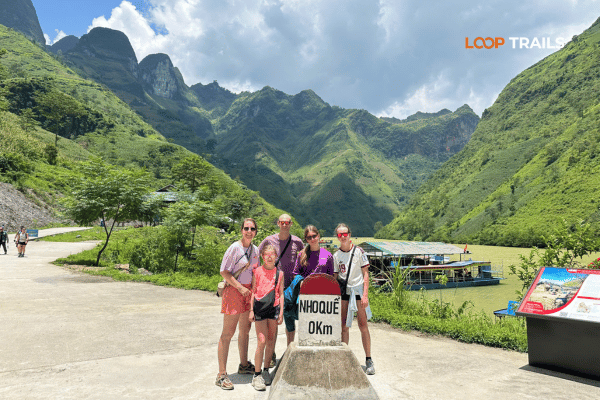
Cao Bang has a quiet richness that doesn’t photograph well on Instagram. There are caves: Phia Oac, Nuoc Mooc, where stalactites catch morning light and the air cools suddenly as you walk deeper. There’s the Nho Que River, which you can tube or kayak depending on season (water levels vary significantly; check before booking).
Spend time in Cao Bang town itself. Talk to people who run small guesthouses. Eat at unmarked noodle shops. The tourism economy here still revolves around locals, not expats, which changes the feeling of everything.
This is also where you can loop back west toward Ha Giang if you missed parts, or push forward toward the central coast. Both routes are long rides, so don’t underestimate the time.

Learn more: Ha Giang vs Ninh Binh
Days 15–18: Ninh Binh
Ninh Binh sits about 90 kilometers south of Hanoi: a much shorter journey than it seems when you factor in Vietnam’s driving speeds. It’s the gateway to central Vietnam and a good place to transition from mountain rides to a different pace.
Tam Coc is the famous spot: limestone karsts rising from rice paddies, bamboo boats poled by locals (slightly touristy now but still beautiful at dawn). The cycling roads around Ninh Binh are flat and easy if you’re tired from riding mountains. Combine that with mild food like crab soup, and you start to feel the shift happening.
Cuc Phuong National Forest is an hour away and offers genuine jungle walking if you’ve got the energy. Most travelers in week three don’t.
Days 19–21: Hoi An
Hoi An is 300 kilometers south, a long drive that you might break up with a night in Hai Phong or another coastal town. Once you arrive, Hoi An operates on a different clock. The old town is walking-only, the vibe is settled, and tourist infrastructure is mature: which means good cafes, proper restaurants, and accommodations at every budget level.
Hoi An is where you can rest properly. Sit in Thu Bon River’s breeze. Watch the sunrise from Japanese Bridge. Get a custom tailored: it takes two days, costs almost nothing compared to Western prices, and people actually do end up happy with the results.
Use these final days to process everything. Three weeks of winding roads, altitude changes, new faces, and unfamiliar food adds up mentally. Hoi An gives you space to land it.
Learn more: Ha Giang Loop 3 Days 2 Nights
A critical mistake: Americans especially try to make every day count by riding eight hours, seeing two regions, and sleeping in a different town. That’s exhausting and you miss the texture of places.
A realistic day structure: Ride for three to four hours in the morning. Stop by midday. Eat lunch slowly. Explore the immediate area on foot. Sleep. Repeat.
This means covering less distance but absorbing more. On a winding mountain pass, four hours of actual riding is plenty. It’s focused, safer, and you’ll remember more of it.
Incorporate rest days: one every five or six days minimum. Use them to do laundry, journal, read, nap. You’ll ride better when you’re not running on fumes.

Learn more: Ha Giang Loop by Wrangler Rubicon Jeep
Easy Rider Tours
An Easy Rider (or “Harley tour”) pairs you with a local driver who provides the bike and handles navigation. You’re a passenger but an interactive one: you can request stops, ask questions, and get a local perspective on everything passing by.
Pros: Safe for inexperienced riders, local knowledge, less planning stress, genuinely fun conversations with drivers who grew up in these regions.
Cons: Less independence, more expensive than self-renting, you’re tied to the driver’s schedule.
Best for: Couples, first-timers, anyone who wants storytelling alongside the road.
Self-Drive Motorbike
You rent a bike (XR150 is standard; semi-auto or manual transmission depending on your preference) and ride independently with a printed map, GPS, or intuition.
Pros: Complete freedom, cheaper daily rate, you’re in total control of pace and detours, immersive learning curve.
Cons: You’re liable for accidents and bike damage, navigation can be chaotic, safety depends entirely on your judgment.
Best for: Experienced riders with international motorcycle experience, solo travelers, people who want to push their own boundaries.
Jeep Tours
A guide and driver plus three to six other travelers in a 4WD vehicle, stopping at planned points and staying in preset accommodations.
Pros: Comfortable, safer for challenging weather, social (you meet other travelers), no navigation burden, best for groups or families.
Cons: Less spontaneity, slower pace through some areas (vehicles can’t access narrow paths), you’re on someone else’s schedule.
Best for: Families with kids, larger groups, anyone who prioritizes comfort and safety structure.
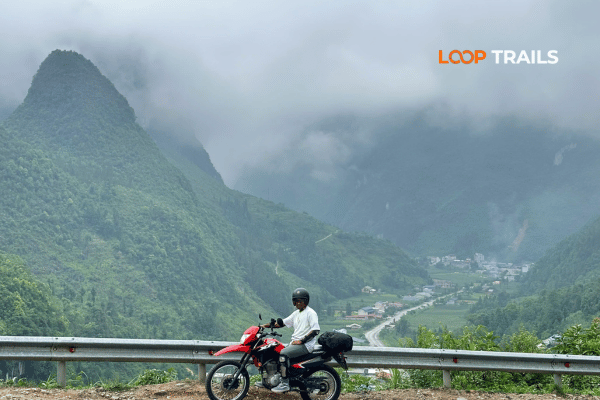
Learn more: Ha Giang Motorbike Rental
If you’re self-driving, rental terms matter.
Bike Types
XR150 is the Vietnam standard: light enough to handle, reliable, parts available everywhere. Semi-auto versions (no clutch) are easier for nervous riders; manual transmission gives more control and is slightly cheaper.
Daily Rates
Expect to pay between USD $8–15 per day for a decent XR, maybe $20–30 for something newer. Hanoi is cheaper than tourist towns. Check the bike thoroughly before you commit: brakes, tires, lights, horn.
Documents You Actually Need
An International Driving Permit (from your home country’s automobile association) gives you legal coverage in Vietnam. Technically, Vietnam also requires a Vietnamese driver’s license: check current regulations because they shift. The honest answer: many foreign riders navigate this ambiguously. Bigger rentals are stricter; small guesthouses aren’t. It’s a calculated risk either way.
Insurance
Comprehensive motorbike insurance through your rental is essential. Negotiate the daily damage deposit (often USD $50–150). Take photos of existing damage before you ride.
Fuel & Maintenance
Fuel costs almost nothing. Petrol stations are frequent. A full tank covers 200+ kilometers. Maintenance? Well-maintained bikes rarely break, but if they do, roadside mechanics exist in villages you didn’t know were there. It’s usually cheap.
Learn more: Ha Giang Loop 4 Days 3 Nights
The Roads Themselves
Ha Giang and Cao Bang roads are better than their reputation suggests. Main routes are paved. Switchbacks are well-marked. That said, they’re mountain roads in a country where traffic rules are gentle suggestions. Oncoming vehicles take your lane if they feel like it. Buses pass on blind curves. Livestock appears suddenly.
Defensive riding isn’t paranoia: it’s baseline.
Weather
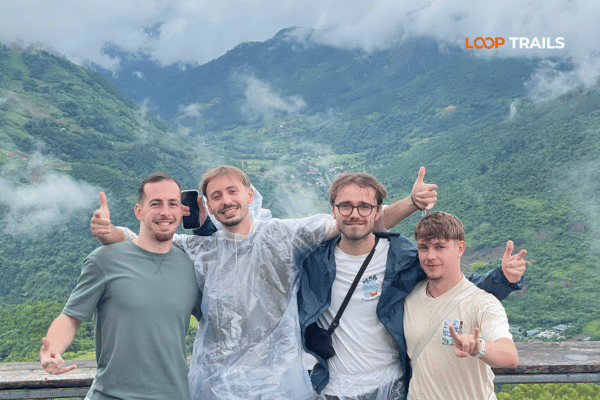
May through September brings monsoons to the North. Rain makes passes slippery and visibility drops. Roads are still passable but conditions change within hours. September-April is the sweet spot: cool, dry, and clear. If you’re going during rainy season, expect delays and adjust your itinerary flexibility accordingly.
Police & Regulations
Vietnam’s traffic police stop foreigners occasionally, especially on main routes. The interaction is usually routine: they want to see your documents, make sure you’re not reckless, and sometimes ask for a small “fine” (which is borderline extortion and you’re under no legal obligation to pay, but it’s a judgment call in the moment). Avoid riding at night and riding aggressively. Helmets are legally required: wear it properly, not on your backpack.
Current regulations around driving permits can change. Before you go, check official Vietnamese tourism or embassy websites for the latest. I can’t predict what’s legal six months from now, but I can tell you to verify.
Real Talk About Risk
Vietnam’s motorbike accident rate is higher than Western countries. You’re exposed: no crumple zone, no airbag. The risk is real but manageable: ride sober, ride alert, ride within conditions. Thousands of international travelers do this every year without incident because they respect the road.

Learn more: Best time to visit Cao Bang
Week 1: Ha Giang (Hanoi + Loop)
Flights to Hanoi: $600–1,500 depending on your origin. Accommodation in Hanoi (2 nights): $30–80. Ha Giang Loop accommodation (5 nights): $25–60 per night. Food (per day, eating local): $8–15. Easy Rider tour (5 days all-inclusive): $250–400, or motorbike rental plus fuel/food ($10–30/day total). Subtotal: approximately $650–950 (excluding international flights).
Week 2: Cao Bang
Accommodation: $20–50 per night. Food: $8–15 per day. Transport (Hanoi to Cao Bang, or Ha Giang to Cao Bang): $40–80. Activities (waterfall tours, caves, kayaking): $15–50. Subtotal: approximately $300–450.
Week 3: Central Vietnam
Accommodation (Ninh Binh + Hoi An): $30–80 per night. Food: $10–20 per day. Transport: $30–60. Activities: $20–40. Subtotal: approximately $450–650.
Total for 3 weeks (excluding international flight): approximately $1,400–2,050 USD, depending on accommodation choices and activity level.
This is rough. You can go cheaper in guesthouses and local restaurants. You can spend more on tours and nicer hotels. The math is elastic.
Learn more: Tu San Canyon & Nho Que River Boat Trip
September–November
The sweet spot. Monsoon rain clears out, temperatures drop, humidity falls. Skies are clear for those mountain views. Tourism is picking up but not peak yet.
December–February
Cool and dry, but more crowded as Christmas holidays hit and Chinese New Year draws visitors. Hotels book faster; prices tick up slightly.
March–April
Still pleasant but warming. Early tourists arrive; so do tour groups.
May–August
Hot, humid, and monsoon rains arrive (especially May–August). Riding is harder; visibility decreases; landslides close roads periodically. Most travelers avoid this stretch, so prices drop and crowds thin: trade-off to consider.
Learn more: Ha Giang Cao Bang Packing List
Clothing
Base layers for altitude changes: Ha Giang and Cao Bang are high and cool at night. Shorts and t-shirt by day, a warm layer for evening.
Waterproof jacket and pants (monsoon or just unexpected showers).
Sturdy walking shoes (not flip-flops) because you’ll be on your feet at markets, villages, and waterfalls. Motorbike-specific boots if you’re riding.
Hat or cap (sun protection is serious at this latitude).
Gear
Quality sunscreen and lip balm (you will burn).
Basic first aid: blister treatment, pain relievers, antibiotic ointment. Vietnamese pharmacies are stocked but fewer English speakers outside Hanoi.
Lightweight toiletries (most items are available, but your specific toothpaste or deodorant might not be).
Phone charger and a portable battery (some homestays don’t have full charging infrastructure).
Documents
Passport (valid six months minimum), visa (check requirements for your citizenship), travel insurance (essential: make sure it covers motorbike riding if that’s your plan).
International Driving Permit (from your home country automobile association).
Copies of important documents stored separately.
Miscellaneous
A daypack for hiking and exploring (20–30 liters is enough).
Reusable water bottle (refill at guesthouses, buy bottled water at stops).
Lightweight scarf or sarong (versatile for temple visits and unexpected cold).
Earplugs or a sleep mask (motorbike repair shops and roosters don’t respect sleep schedules).
Learn more: Ha Giang Loop Mistake to Avoid
Packing Too Heavy
You think you’ll need everything. You won’t. A 7-kilo backpack feels light in a travel agency; on day eight of riding through mountains it feels like a loaded fire extinguisher. Strip it down further than seems reasonable.
Riding Too Far in One Day
“I’ll just make it to the next town.” Next town is six hours away; you’re tired; it’s getting dark. Three-hour riding days compound into real distances over three weeks. Don’t underestimate how much winding roads drain you.
Skipping Smaller Towns
There’s pressure to hit the marquee spots: Ma Pi Leng Pass, Ban Gioc Waterfall. But the unmarked village with the family guesthouse and the cook who learned her recipes from her grandmother might be the part you remember most vividly. Give yourself time for detours.
Assuming All Roads Are Created Equal
Ha Giang roads are generally solid. Cao Bang roads vary more. Central Vietnam has excellent highways. Each region has personality. Going in blindly and expecting everywhere to be equally rideable leads to frustration.
Renting Bikes Without Inspecting Them
A cute guesthouse owner and a bike with smooth-talking rental history can conceal brake issues, bald tires, or a clutch that’s close to failing. Spend 10 minutes checking the fundamentals before you pay anything.
Not Leaving Buffer Time for Border/Administrative Detours
Vietnam’s traffic police, border checkpoints, and occasional road closures add unpredictability. If you’re trying to cover a specific distance by a specific time, you’ll be stressed. Build in flexibility.
Eating Only Tourist Food
Noodle soups, rice, and seasonal vegetables at local restaurants cost a dollar and taste better than anything at a Western cafe. Learn to order by pointing, embrace the adventure.
Learn more: Ha Giang Loop Easy Rider
Are you a confident motorcyclist with international riding experience? Go self-drive. You’ll have the most freedom and the lowest cost. Solo travel gets easier this way.
Are you traveling as a couple or small group and want a mix of independence and local knowledge? Easy Rider is your best bet. You get the adventure, the storytelling, and someone who knows which restaurants aren’t tourist traps.
Do you have family with kids, or does the idea of eight hours daily on a motorbike make you anxious? Jeep tours let you cover the ground, see the sights, and arrive in one piece without white-knuckling switchbacks.
Are you time-limited (fewer than three weeks) or looking to move fast? Jeep covers more distance with less effort. You’ll see more places but fewer quiet moments.
Do you want the cheapest option? Self-drive motorbike rental is lowest cost, followed by Easy Rider, then Jeep tours. But “cheapest” often doesn’t mean “best value” by week two.
Learn more: Ha Giang Cao Bang for Couples
For Easy Rider & Guided Tours
Contact Loop Trails directly via WhatsApp or email. Experienced guides will build an itinerary around your dates, preferences, and fitness level. They handle accommodations, logistics, and route planning. You show up ready to ride.
For Self-Drive Motorbike Rental
Rent in Hanoi or once you’ve arrived. Most guesthouses coordinate rentals or refer you to trusted shops. Handle inspections thoroughly before departing. Ask for recommendations on side routes and places to eat: locals know better than apps.
For Jeep Tours
Loop Trails also operates multi-day Jeep tours through similar regions. These run on fixed schedules (often with a few participants already booked), so book two to three weeks in advance if possible.
Final Logistics
Book accommodations as you go rather than pre-planning everything. Having flexibility to stay an extra night somewhere you love, or shortening a stop that isn’t clicking, keeps the trip dynamic.
Get travel insurance before you leave home. Make sure it covers accident, illness, and whatever activity level you’re planning.
Tell someone at home your rough route and check in weekly. It’s not dramatic: it’s sensible.
Learn more: Best Adventure Activities in Vietnam
Technically yes, but you’d spend three of those days just moving between regions. The real three-week rhythm balances riding and resting. Two weeks works if you pick just Ha Giang Loop and Hoi An, cutting Cao Bang entirely.
It depends on your comfort level with risk. First-time riders benefit from Easy Rider tours where the driver handles navigation and traffic stress. Self-driving is possible but steeper learning curve. Jeep removes the motorbike element entirely if you’d rather not risk it.
September–November is reliably pleasant. December–February is cool and dry. March–August gets progressively hotter and wetter; monsoon peaks June–August. Check Vietnam weather forecasts closer to your travel date for precise data.
An International Driving Permit (from your home country automobile association) is standard and usually sufficient. Vietnam technically requires a Vietnamese license, but enforcement is inconsistent. Check current requirements with the Vietnamese embassy before you travel: regulations shift.
Expect $1,500–2,000 USD including flights from North America, or $1,000–1,500 if you’re already in Southeast Asia. Accommodation ($25–50/night), food ($8–15/day), and motorbike rental ($10–20/day) form the bulk. Activities and longer tours add $200–500 depending on choices.
Pharmacies in larger towns are well-stocked. Guesthouses help arrange doctors. Most illnesses (stomach upset, minor infections) are manageable with rest and medication. Serious issues mean getting to Hanoi for proper medical care. Travel insurance is essential.
Guided tours (Easy Rider, Jeep) need advance booking. Guesthouses and motorbike rentals can often be arranged last-minute, but booking ahead gives you choices. A hybrid approach: tours locked in, everything else flexible, works well.
WhatsApp is fastest. Email works for longer queries. They can customize itineraries based on your actual interests, physical fitness, and travel dates. Initial consultation is free.
Six-to-seven-hour drive (hired vehicle or motorbike taxi sharing). Budget extra time for delays. Alternatively, book return transportation with your tour operator.
Switchbacks are technical but the road surface is solid. Difficulty depends on your riding confidence. First-timers often underestimate how tiring concentration on winding roads can be: take it slow. Experienced riders find it manageable and genuinely fun.
Contact information for Loop Trails
Website: Loop Trails Official Website
Email: looptrailshostel@gmail.com
Hotline & WhatSapp:
+84862379288
+84938988593
Social Media:
Facebook: Loop Trails Tours Ha Giang
Instagram: Loop Trails Tours Ha Giang
TikTok: Loop Trails
Office Address: 54A Tran Phu, Ha Giang 2, Tuyen Quang
Address: 54A Tran Phu, Ha Giang 2, Tuyen Quang

Facebook X Reddit Table of Contents Learn more: Ha Giang Loop Tours Most people drive past the Quan Ba area twice on

Facebook X Reddit Table of Contents Learn more: Ha Giang Loop Tours The Ha Giang Loop has a reputation problem with older