
Thúy Kiều (Grace) is a travel blogger and content contributor for Loop Trails Tours Ha Giang. She holds a bachelor’s degree in Sustainable Tourism from Vietnam National University, Hanoi, and has a strong passion for exploring and promoting responsible travel experiences in Vietnam’s northern highlands.
Learn more: Ha Giang Loop Tours
Here’s something most travel guides won’t tell you clearly: Ban Gioc Waterfall looks completely different depending on when you visit.
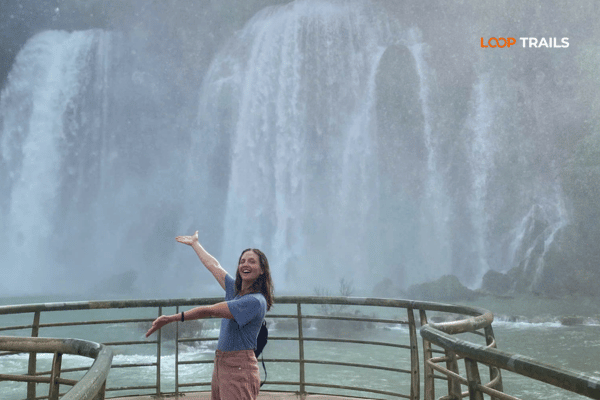
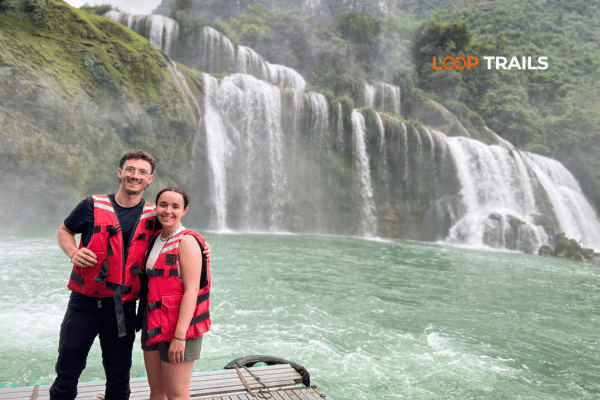
In August, after weeks of monsoon rain, Ban Gioc thunders with the force of a small earthquake. The water crashes down in a continuous white wall, mist rises hundreds of meters into the air, and you can feel the vibration in your chest from the viewing platform.
In March, that same waterfall is a series of thin streams trickling over exposed rock. Pretty, yes. But not the same experience. Not even close.
This guide breaks down Ban Gioc’s water levels month by month, so you can decide when to visit based on what you actually want to see.
Learn more: Ha Giang Loop 2 Days 1 Night
Ban Gioc Waterfall (also written as Bản Giốc or sometimes called Detian Falls on the Chinese side) is Southeast Asia’s largest transborder waterfall. At maximum flow, it stretches roughly 300 meters wide and drops about 30 meters in multiple tiers.
But those impressive statistics only apply when there’s enough water.
Ban Gioc sits on the Quay Son River, which is fed by rainfall in the surrounding mountains of Cao Bang province and southern China. The river’s volume fluctuates enormously between wet and dry seasons:
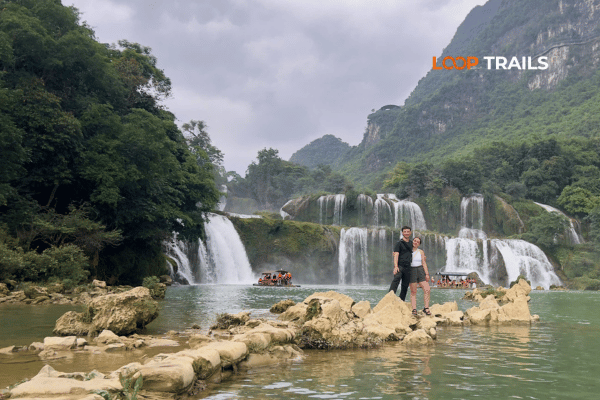
Peak flow (rainy season): The falls are a continuous wall of white water. All three tiers are fully connected. Mist clouds rise constantly. The sound is deafening.
Low flow (dry season): The falls separate into distinct cascades. Rocky outcrops become visible. Some sections may have minimal water. The sound is gentle.
Neither is “wrong” to visit. But if you’ve seen photos of Ban Gioc at its most spectacular and want that experience, timing matters.
Learn more: Ha Giang Loop 3 Days 2 Nights
Water level: Low to very low
What to expect: This is dry season. The Quay Son River is at its annual minimum. Ban Gioc’s three tiers are often separated, with significant rock exposed between cascades. Some smaller side streams may be completely dry.
Visual character: Delicate, elegant, with clear visibility of the rock structure. The falls look smaller than they are.
Photography: Excellent visibility, no mist obscuring views, but less dramatic impact. Good for long exposures showing smooth water flow.
Weather: Cold and dry. Clear skies common. Temperatures around 10°C to 18°C (50°F to 64°F).
Crowds: Low. This is off-peak season for domestic and international tourists.
Verdict: Visit if you prioritize good weather and few crowds over waterfall drama. Not ideal if you want to see Ban Gioc at full power.
Water level: Low to moderate (gradually increasing)
What to expect: Spring rains begin, slowly raising water levels. March is still quite dry; by May, early monsoon showers start adding volume. The falls begin to connect but aren’t yet at peak flow.
Visual character: Increasingly full. April and May show noticeable improvement over winter months.
Photography: Improving conditions. Late May can have decent flow combined with spring greenery.
Weather: Warming up. March is pleasant; April can be warm; May brings increasing humidity and occasional showers.
Crowds: Moderate. Domestic tourism picks up around Vietnamese holidays.
Verdict: A reasonable compromise period. You won’t get maximum drama, but conditions are improving and weather is comfortable.
Water level: High to maximum
This is when Ban Gioc transforms into the waterfall you’ve seen in dramatic photos.
June: Monsoon rains begin in earnest. Water levels rise quickly. By mid-June, the falls are typically impressive.
July: Peak rainy season. The Quay Son River is at or near maximum volume. Ban Gioc thunders with full force. All tiers connect into a near-continuous wall of water.
August: Typically the wettest month. Water levels remain very high. The falls are at their most powerful. Mist clouds can rise dramatically.
September: Rain begins to decrease but water levels remain high from accumulated monsoon flow. Often the best combination of full water and slightly improving weather.
What to expect: Continuous white water across the full width Massive mist clouds rising from the base Audible thunder from hundreds of meters away Wet spray reaching the main viewing platforms The falls looking exactly like the best photos you’ve seen
Visual character: Powerful, dramatic, overwhelming. This is Ban Gioc at maximum impact.
Photography: Challenging due to mist and spray, but results can be spectacular. Waterproof camera protection recommended. Polarizing filter helps cut glare.
Weather: Hot and humid. Rain is likely, often in afternoon. Morning is typically clearer.
Crowds: Moderate. Some tourists avoid rainy season, so despite being peak waterfall season, it’s not peak tourist season.
Verdict: The best time to see Ban Gioc at full power. If waterfall drama is your priority, visit June to September.
→ [See Ha Giang to Cao Bang tours (including Ban Gioc)] (link to combo tours page)
Water level: High to moderate (gradually decreasing)
What to expect: Monsoon ends, but significant water volume remains from recent rains. Levels slowly drop through these months.
October: Still impressive. Water levels remain high from September rains. Weather improving significantly.
November: Noticeably decreasing but still substantial. Good balance of water and weather.
December: Moderating. Levels approaching dry season. Cold weather arrives.
Visual character: Full enough to be impressive in October/November, becoming more delicate by late December.
Photography: October offers a sweet spot: good water levels with clearer weather for photography.
Weather: Improving through October. November and December are cool and dry.
Crowds: October/November can be busy (peak Ha Giang season, some travelers extend to Cao Bang). December quieter.
Verdict: October and early November offer arguably the best overall conditions: substantial water flow combined with comfortable weather. Late December approaches dry season levels.
Learn more: Ha Giang Loop 4 Days 3 Nights
The answer depends on what you prioritize:
Best months: July, August, September
Trade-off: High chance of rain. You might get wet. Some days might be heavily overcast.
But: When the sun breaks through and Ban Gioc is thundering at maximum volume, it’s unforgettable. Nothing else in Vietnam compares.
Best months: September, October
Why September: Still very high water from peak monsoon, but rain frequency decreasing. You get most of the drama with better odds of clear moments.
Why October: Water levels remain impressive, weather is significantly better (dry, clear, comfortable temperatures). Possibly the single best month for most visitors.
Best months: November, March, April
Trade-off: Reduced water levels. The falls are pretty but not spectacular.
But: If you’re combining Ban Gioc with Ha Giang Loop and want ideal Loop conditions, November is excellent for the whole trip.
Priority | Best Months | Water Level | Weather Risk |
Maximum drama | July, August | Maximum | High rain chance |
Best balance | September, October | High | Moderate to low |
Weather first | November, March, April | Moderate to low | Low |
Avoid | January, February | Very low | Low rain, but cold |
Learn more: Ha Giang Cao Bang 5 Days 4 Nights
Let’s be honest about what each season means:
The good: Ban Gioc at its most spectacular Surrounding landscape at maximum green Fewer crowds than you’d expect Dramatic skies and clouds
The challenging: Rain is likely (though not constant) Morning usually clear, afternoon showers common Humidity is high Some trails and areas may be muddy or slippery Mist can obscure photography
Practical note: Rain doesn’t mean you can’t enjoy Ban Gioc. The waterfall is outdoors; you’re going to get wet from spray anyway. Pack rain gear, embrace it.
The good: Clear skies, comfortable temperatures (though cold) Easy travel conditions Fewer tourists Good photography visibility
The challenging: Dramatically reduced water flow The falls look smaller and less impressive Some side cascades may be dry Not the “wow” experience most visitors expect
Honest assessment: If you’ve only seen rainy season photos of Ban Gioc and visit in dry season, you may be disappointed. Set expectations accordingly.
Why this works: You get most of the water from monsoon season with significantly better weather odds. September is wetter; October is drier. Both offer impressive falls.
The only downside: October is peak tourism season for northern Vietnam (Ha Giang Loop rice harvest). More crowds if combining destinations.
Learn more: Cao Bang Loop 3 Days best kept secret
Beyond water levels, the entire experience shifts:
Rainy season (June to September): Surrounding mountains are lush and green. Rice paddies are vibrant. Everything looks fresh and alive.
Dry season (December to February): Vegetation is browner and sparser. Some trees may be bare. Less lush overall.
Spring (March to May): New growth emerging. Green returning to the landscape.
Autumn (October to November): Golden rice harvest (early October), then post-harvest landscape. Still attractive.
Peak flow months: The entire area around Ban Gioc feels powerful. The sound is constant. Mist hangs in the air. Your clothes get damp just from standing near the viewing platforms. It’s immersive.
Low flow months: Peaceful, almost meditative. You can have conversations at normal volume. The falls become background rather than dominant.
Rainy season: Adventure mode. Expect to get wet. Bring waterproof gear. The payoff is seeing one of Asia’s great natural spectacles at full power.
Dry season: Relaxed mode. Comfortable sightseeing. Pretty but not dramatic.
→ [Best Time to Visit Ha Giang: Complete Guide] (link to timing blog post)
Learn more: Ha Giang Cao Bang 6 Days 5 Nights
Challenges: Mist and spray constantly coating your lens Variable lighting as clouds move High humidity fogging equipment Sudden rain showers
Solutions: Bring lens cloths (many of them) Use a rain cover or waterproof camera bag Wipe lens between every few shots Shoot during morning breaks in weather Consider a waterproof compact camera for worry-free shooting
What works: Long exposures showing the force of the water Silky water effects (if you can keep lens clear) Wide shots capturing the full scale Close-ups of individual cascades Video captures the sound and motion better than photos
Advantages: Clear visibility, no mist Stable lighting No equipment moisture concerns More time to compose shots
What works: Long exposures for silky water effect (essential when flow is lower) Detail shots of rock formations The three-tier structure is most visible Early morning and late afternoon light Reflections in calmer pool areas
Best of both worlds: Impressive water flow Clearer weather windows Less persistent mist than peak monsoon Good light opportunities
Recommended approach: Arrive early morning for best light and weather Be patient through any morning mist Midday can be harsh but dramatic Afternoon may bring clouds but also softer light Bring waterproof protection just in case
Learn more: Best time to visit Cao Bang
Ban Gioc is located in Cao Bang province, approximately 90 kilometers north of Cao Bang City and about 350 kilometers from Hanoi.
Jeep tour (most comfortable, especially in rainy season) Easy Rider (passenger on motorbike) Self-drive (for experienced riders)
→ [View Ha Giang Cao Bang Combine Tours] (link to combo tours page)
If you’re based in Cao Bang City, you can visit Ban Gioc as a day trip or overnight excursion.
From Cao Bang City: Approximately 90km, 2 to 2.5 hours by car or motorbike.
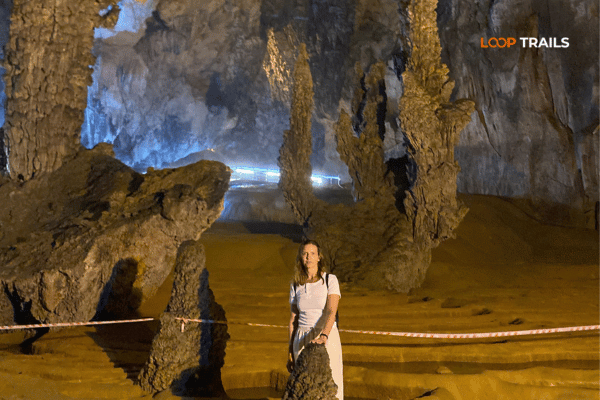
What to include: Most visitors combine Ban Gioc with Nguom Ngao Cave, which is about 3km away and equally impressive.
Some travelers go directly from Hanoi to Cao Bang/Ban Gioc without doing the Ha Giang Loop.
Travel time: Approximately 6 to 8 hours by bus or private car.
Consideration: This misses the Ha Giang Loop, which many consider the highlight of northern Vietnam. If you have time, combining both is strongly recommended.
Entrance fee: There is an entrance fee to the Ban Gioc waterfall area. Check current prices locally as these can change.
Facilities at the site: Viewing platforms at multiple levels Walking paths around the area Small restaurants and food stalls Boat rides available (approach the falls by water) Souvenir shops
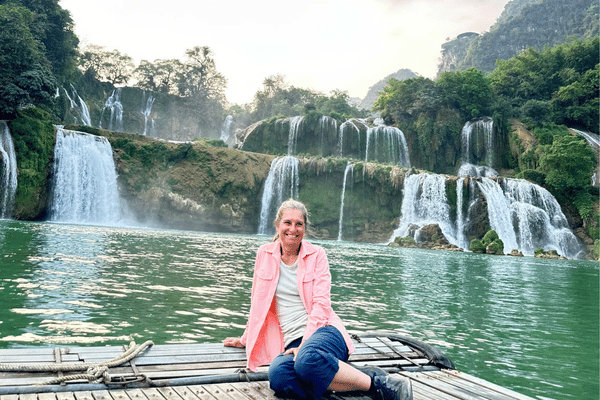
Boat ride: You can take a bamboo raft to approach the base of the falls. This is particularly worthwhile during high water when you can feel the power up close. The ride crosses into the “international” zone between Vietnam and China.
Learn more: Caving in Vietnam
Lorem ipsum dolor sit amet, consectetur adipiscing elit. Ut elit tellus, luctus nec ullamcorper mattis, pulvinar dapibus leo.
If you’re visiting Ban Gioc, consider adding:
Just 3 kilometers from Ban Gioc, this is one of Vietnam’s most impressive caves. Well-lit walking paths take you through massive chambers with stalactites and stalagmites. Most tours combine Ban Gioc and Nguom Ngao on the same day.
For those interested in nature and cooler mountain climate. Less visited than Ban Gioc but beautiful in its own way.
A pleasant small city that serves as a base for exploring the region. Good food, reasonable accommodation, and a glimpse of everyday Vietnamese life away from tourist centers.
Learn more: Ha Giang Loop by Wrangler Rubicon Jeep
July and August typically have the highest water levels due to peak monsoon rainfall. September also has very high flow from accumulated rains. These months show Ban Gioc at its most powerful.
Yes, but set expectations accordingly. Dry season (December to February) shows reduced water flow. The falls are still beautiful but significantly less dramatic than peak season photos suggest.
For most visitors, October offers the best balance: impressive water levels from recent monsoon plus comfortable, drier weather. September is excellent for maximum water if you accept higher rain chances.
Dramatically. Peak flow (July to September) can be 10 times or more the volume of dry season (January to February). The visual difference is enormous.
Yes, and many argue you should. Rainy season (June to September) is when Ban Gioc is most spectacular. Rain typically falls in afternoon, with mornings often clear. Bring waterproof gear.
Yes. During rainy season, heavy rain can temporarily flood access roads or reduce visibility. However, the waterfall itself is always accessible during normal operating hours regardless of weather.
Yes. The waterfall sits on the border, and the Chinese side (where it’s called Detian Falls) also has viewing areas. From Vietnam, you can see the full falls and take boat rides that enter the international zone.
Most visitors spend 2 to 3 hours, including walking the viewing platforms, taking photos, possibly doing a boat ride, and having lunch. Combined with Nguom Ngao Cave, allow half a day.
During peak water season (June to September), expect to get damp from spray near the falls. Wear quick-dry clothing and bring rain gear. Comfortable walking shoes are essential year-round.
Yes. There is an entrance fee to the waterfall area. Boat rides are an additional optional cost. Check current prices locally as they can change.
Ban Gioc is approximately 160 to 180 kilometers from Ha Giang City, roughly 4 to 5 hours by road. Most travelers visit Ban Gioc as part of a 4 to 5 day Ha Giang to Cao Bang combine tour rather than a day trip from Ha Giang.
Yes, especially during high water season when you can approach the thundering falls and feel the power up close. The boat ride also takes you into the international zone between Vietnam and China.
Learn more: Ha Giang Motorbike Rental
Ban Gioc Waterfall is one of Southeast Asia’s most impressive natural sights, but timing genuinely matters. A visit in September shows you a thundering wall of white water. A visit in February shows you delicate cascades over exposed rock. Both are Ban Gioc, but they’re very different experiences.
If you can choose your timing, aim for September or October for the best combination of water and weather. If you’re visiting during Ha Giang Loop peak season (October/November for rice harvest), extending to Cao Bang and Ban Gioc is absolutely worthwhile since water levels will still be impressive.
However you visit, Ban Gioc is worth the journey. Just know what to expect based on the month.
Ready to see Ban Gioc at full power?
→ [Ha Giang Cao Bang Combine Tours] (link to combo tours page)
→ [All Ha Giang Loop Tours] (link to main tours page)
→ [Questions? WhatsApp: +84 862 379 288] (link to contact)
Contact information for Loop Trails
Website: Loop Trails Official Website
Email: looptrailshostel@gmail.com
Hotline & WhatSapp:
+84862379288
+84938988593
Social Media:
Facebook: Loop Trails Tours Ha Giang
Instagram: Loop Trails Tours Ha Giang
TikTok: Loop Trails
Office Address: 54A Tran Phu, Ha Giang 2, Tuyen Quang
Address: 54A Tran Phu, Ha Giang 2, Tuyen Quang
Facebook X Reddit Table of Contents Learn more: Ha Giang Loop Tours Most people drive past the Quan Ba area twice on

Facebook X Reddit Table of Contents Learn more: Ha Giang Loop Tours The Ha Giang Loop has a reputation problem with older