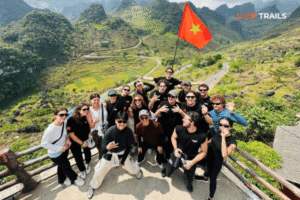


Thúy Kiều (Grace) is a travel blogger and content contributor for Loop Trails Tours Ha Giang. She holds a bachelor’s degree in Sustainable Tourism from Vietnam National University, Hanoi, and has a strong passion for exploring and promoting responsible travel experiences in Vietnam’s northern highlands.
Learn more: Ha Giang Loop Tours
Deciding when to tackle the Ha Giang–Cao Bang combo isn’t just about checking a calendar. It’s about matching the season to your style, comfort level, and what kind of memories you want to take home.
I’ve guided hundreds of travelers through this route, and I can tell you: there’s no single “best” time. But there are definitely better times depending on what you’re after.
The Ha Giang–Cao Bang loop spans two distinct climate zones with dramatic seasonal shifts. You’re looking at dry season (roughly October through April) versus wet season (May through September). The difference isn’t trivial—it can mean the difference between smooth mountain passes and roads that feel like washing machines.
If you’re new to Vietnam’s north, dry season is your safest bet. You get clear skies, stable road conditions, and comfortable riding temperatures. This is when 80% of travelers visit, which means reliable tour schedules and full accommodation availability.
The trade-off? You’ll share the road with other adventurers. Popular spots like Ma Pi Leng Pass fill up with motorbikes and Easy Riders. Prices climb. But the experience is solid, predictable, and beginner-friendly.
Wet season is for experienced riders and those who crave fewer crowds. The landscapes turn intensely green, mist creeps through valleys at dawn, and roads clear out. It’s genuinely beautiful—moody, atmospheric, raw.
But here’s the reality: landslides happen. Roads get slick. You need solid riding skills, patience with delays, and flexibility if a route closes. Some tours scale back or pause entirely during July-August.
Learn more: Ha Giang Loop 2 Days 1 Night
Let me walk you through each quarter so you can pick your window.
Weather: This is the money season. Temperatures drop to a comfortable 15–22°C (59–72°F). Humidity sits around 60%. Rainfall is minimal.
Roads: Excellent condition. Dry, grippy surfaces. No landslides.
Crowds: Heavy, especially October–November half-term holidays.
Booking: Tours book out 2–3 weeks ahead. Book early.
Vibe: Clear blue skies, visibility of 50+ km across mountain ranges. Stunning for photography.
Cost: Peak pricing. Expect to pay full rate.
If you’ve got your dates flexible around Christmas/New Year, December 1–10 offers a sweet spot: still good weather, slightly fewer travelers than October–November, and prices haven’t spiked for holidays yet.
Weather: Cold-ish mornings (8–15°C / 46–59°F), warmer afternoons (18–25°C / 64–77°F). Dry, stable.
Roads: Perfect. No rain, no debris. This is rider’s heaven.
Crowds: Moderate-to-high. Chinese New Year (late January/early February) pushes numbers up briefly.
Booking: Still essential to book 1–2 weeks ahead.
Vibe: Golden light in early mornings. Fewer tourists than Oct–Nov. Spring energy without rain.
Cost: Still peak but slightly softer than Oct–Nov. Hotels may negotiate on multi-night stays.
March marks the tail end of easy traveling before summer humidity creeps in. If you’re choosing between January and March, go March for lower prices and similar weather. February brings Tet holiday traffic if you’re cycling through major towns.
Weather: April still mostly dry (20–28°C / 68–82°F). May starts sporadic showers. June—full wet season kicks in.
Roads: April, solid. May onward, watch for water runoff. Landslide risk increases by late May.
Crowds: Thin in April, sparse by June. Many tours don’t operate July–August, so May is the gate.
Booking: Easy. Availability is high. Last-minute bookings work.
Vibe: Lush green mountains if rains start. Fewer backpackers. More locals you’ll meet.
Cost: 15–25% discount from peak pricing. Accommodation drops noticeably in May–June.
April is genuinely underrated. You get dry conditions and lower costs. May is riskier but doable if you’re flexible and experienced. June, honestly, is better skipped unless you love rain and mud.
Weather: Hot and wet. Temperatures 22–28°C (72–82°F) but feels hotter due to humidity (70–80%). Afternoon downpours are standard.
Roads: Slippery, with active landslide risk especially in August. Some passes close temporarily.
Crowds: Minimal. Quiet trails.
Booking: Many independent tour operators pause. Larger operators may run reduced schedules.
Vibe: Moody, atmospheric. Forest feels alive. Few tourists.
Cost: Deepest discounts of the year (30–40% off peak). But fewer tour options.
Visiting wet season isn’t wrong if you’re experienced, love solitude, and pack patience. Just accept that things move slowly and plans shift. One client rode through August 2023 and got stranded by a landslide for 12 hours—she loved the adventure, but it rattled her confidence.
Learn more: Ha Giang Loop 3 Days 2 Nights
Let me be direct: road quality drives half your decision here.
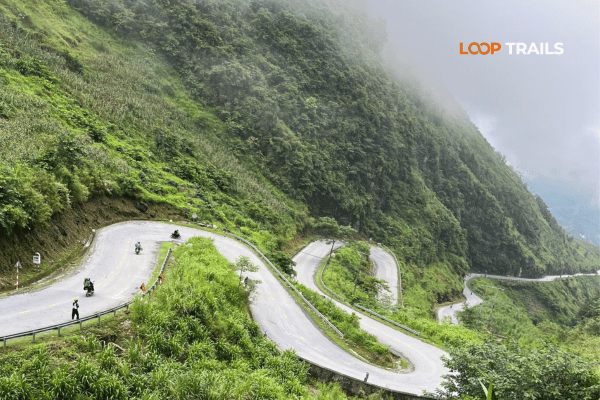
The Ma Pi Leng Pass, Meo Vac hairpins, and all major mountain routes are well-maintained and dry. Even so, surfaces vary:
Visibility is near-perfect. You can see incoming traffic around curves. Bike grip is maximum.
Same routes, different character:
Cao Bang, particularly the approach to Ban Gioc Falls and sections near Phia Oac, can flood in heavy August rains. Local guides will redirect, but delays happen.
July and August carry the highest risk. The terrain around Lung Cu and certain high passes (3,000+ meters) sees occasional slides. These are usually minor (rockfall clearing within hours), but they close roads temporarily.
Ground rule: If your guide says a pass is closed, there’s a legitimate reason. No amount of cajoling changes geology.
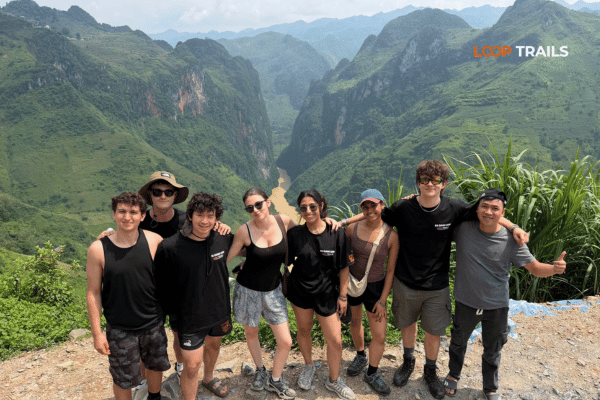
Learn more: Ha Giang Loop 4 Days 3 Nights
You’ll see tour groups on the road. Popular viewpoints (Ma Pi Leng Pass summit, Du Gia village) get busy 9am–3pm. Accommodation fills fast. Restaurants near tourist zones charge premium rates.
Tour operator schedules: Fully booked. Easy Rider tours run double shifts. Jeep tours have daily departures.
Advantage: Social energy. It’s lively. You’ll meet other travelers.
Downside: Noise, queues, higher prices.
Noticeably quieter than peak. Still busy compared to off-season, but you won’t feel crowded.
Tour operator schedules: Regular, reliable, but not overbooked.
Advantage: Balance—good conditions and manageable crowds.
Downside: No significant discounts yet (unless you book directly and negotiate).
Real solitude. Some days you’ll see only locals and maybe one or two other traveler groups. It feels like you’ve claimed the mountains.
Tour operator schedules: Reduced or suspended. Independent riders and small groups still come. Larger tour companies often close July–August.
Advantage: Authentic, quiet, memorable.
Downside: Fewer services. If your bike breaks down, wait times are longer. Weather is unpredictable.
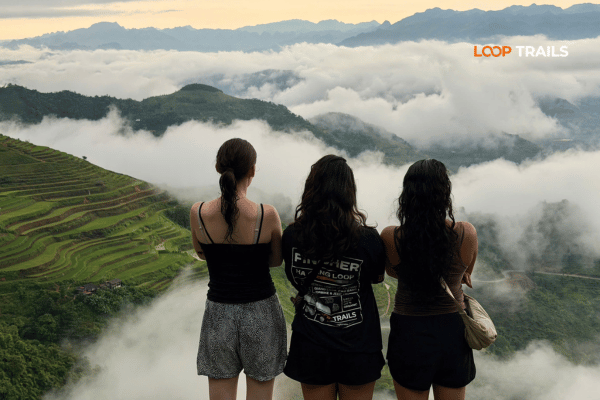
Learn more: Ha Giang Cao Bang 5 Days 4 Nights
Pricing swings are real. Let me give you an honest sense.
Total budget estimate for 4–5 days: $400–650 USD for one person (tour included) or $250–400 (self-arrange).
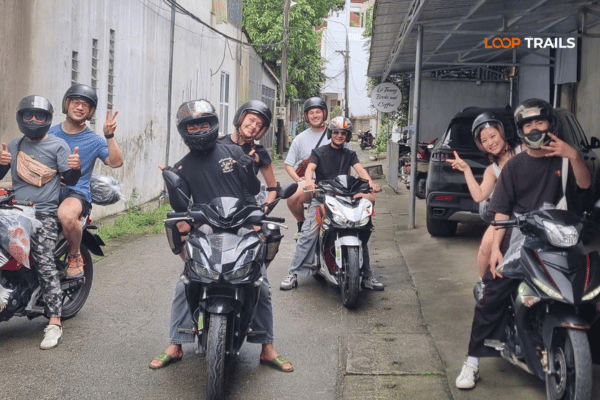
Learn more: Ha Giang Motorbike Rental
Prices drop 5–10% from peak.
Total estimate for 4–5 days: $380–600 USD.
Discounts noticeably kick in.
Total estimate for 4–5 days: $280–450 USD.
Deepest savings, but fewer organized options.
Total estimate for 4–5 days: $220–380 USD.
Note: These are approximate ranges based on 2024 pricing. Always confirm current rates directly with operators.
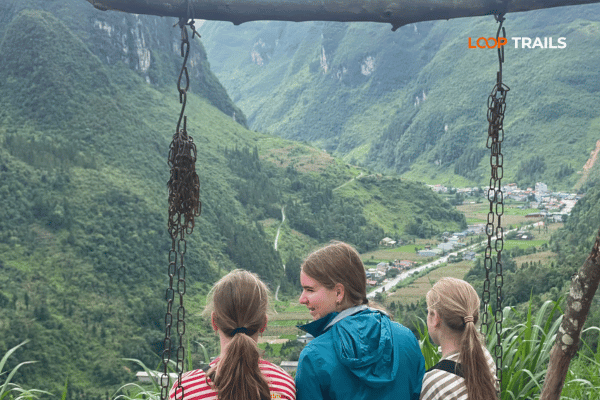
Learn more: Ha Giang Loop Photography Guide
Not everyone’s after the same experience. Let’s match seasons to your travel personality.
Best: October–March (dry season)
You want confidence on the bike, good visibility, and predictable conditions. Wet season adds technical challenge that requires years of tropical riding experience.
If you’re renting an XR150 or semi-auto, stick to dry season. November is peak beautiful, January–February offer lower crowds at similar conditions.
Best: October–November, February–March
Easy Rider tours run year-round, but guides and infrastructure are optimized for dry season. October and November have the most tour departures and largest groups (if you like company).
February–March trim the crowds while keeping the reliability. April and May are borderline; many operators reduce schedules heading into wet season.
Best: October–April (entire dry season)
Self-drive jeeps give you flexibility, so you can navigate crowds better than tour groups. Pick any month October–April and you’ll have a solid experience.
December–January has holiday chaos in major towns but open roads in mountains. February–March are genuinely my top recommendation for jeep travelers: weather is stable, roads pristine, and groups are smaller.
Best: October–April (entire dry season)
Self-drive jeeps give you flexibility, so you can navigate crowds better than tour groups. Pick any month October–April and you’ll have a solid experience.
December–January has holiday chaos in major towns but open roads in mountains. February–March are genuinely my top recommendation for jeep travelers: weather is stable, roads pristine, and groups are smaller.
This splits into two camps:
Option A (Classic beauty, clear skies): October–March
Option B (Moody, atmospheric, fewer tourists): May–June
If you’re a photographer, honestly, shoot both seasons if you can. Dry season teaches you light; wet season teaches you mood.

Learn more: Ha Giang Packing list
Both seasons: Carry a basic first-aid kit. Antibiotic ointment, blister pads, pain reliever, antihistamine for bug bites (mosquitoes are year-round, but worse in wet season).
Learn more: Cao Bang Loop 3 Days best kept secret
Once you’ve picked your season, here’s how to lock in a trip.
Quick decision framework:
October–November: Book 3–4 weeks in advance. Tours fill quickly.
December–January: Book 2–3 weeks ahead, earlier if holidays are involved.
February–March: 2 weeks should be sufficient.
April–May: 1–2 weeks; very flexible.
June–September: Often bookable last-minute, though fewer options exist.
Check tour operators’ websites for real-time availability. Be specific about your dates and group size. Ask about cancellation policies (important in wet season when weather might force reschedules).
Questions to ask before booking:
Travel insurance: Seriously consider it, especially if riding motorbikes. Medical care is affordable but evacuation from mountains can be expensive.
Learn more: Ha Giang Loop Mistake to Avoid
I’ve seen these repeatedly, and most are preventable.
Traveler mindset: “A little rain? I can handle it.”
Reality: Wet season isn’t just rain. It’s visibility drops to 50 meters, landslide debris, slippery surfaces, and emotional fatigue from concentrating intensely for hours.
Avoid it: If you’re inexperienced with tropical riding, wait for dry season. Dry season delivers everything wet season offers except the mud.
Mistake: “I’ll just show up in late October.”
Reality: Hotels are full. Easy Rider tours booked solid. You end up in a less-ideal guesthouse 10km outside town, paying peak prices.
Avoid it: Book accommodation and tours together, 3–4 weeks ahead.
Mistake: “I’ll just ride through and adapt.”
Reality: 5–7 hours daily on a motorbike riding technical mountain passes with poor food and minimal sleep wears you down. Add high altitude (Lung Cu is nearly 1,600 meters) and some travelers bonk hard.
Avoid it: Arrive a day early to acclimatize. Eat proper meals. Sleep well before riding. Your body will thank you.
Mistake: “I’ve got Google Maps and a guidebook.”
Reality: Roads change. Landslides reroute traffic. Local scams shift. The best guesthouse from 2019 reviews is now run by someone else. A local guide or reputable operator keeps you current.
Avoid it: Use a registered tour operator or hire through a trusted guesthouse connection, not random WhatsApp strangers.
Mistake: “It’s just a motorbike tour. I’m careful.”
Reality: One wrong turn, one gravel patch, one oncoming vehicle = emergency room. Mountain roads have real risk.
Avoid it: Get travel insurance that covers motorbike riding (some standard policies exclude it). It’s $20–40 USD for a week and potentially saves you thousands.
Mistake: Bringing a 50-liter backpack for a 5-day trip.
Reality: You’re managing weight on a motorbike across mountain passes. Every kg matters for bike balance and your energy.
Avoid it: Pack in a 30-liter bag, maximum. Guesthouses do laundry cheaply; you’ll reuse clothes

Learn more: Ha Giang Loop by Wrangler Rubicon Jeep
November. You get peak beautiful weather, reliable tours and guides, full services, and you’ll share the road with enough travelers that help is nearby if issues arise. December 1–10 is the close second with slightly fewer crowds.
Yes, if you have years of riding experience in tropical conditions. If you’ve ridden in Thailand or Laos during monsoon, you can handle Ha Giang in July–August. If your motorbike experience is Europe or dry climates, wait for October.
June and July. Crowds drop significantly, costs are low, and you’ll have authentic encounters with locals. The trade-off is road conditions are uncertain and tour options are limited.
30–40% cheaper than peak season. A tour costing $70/day in November might run $45/day in July. Accommodation drops from $30 to $15/night. Food costs stay the same.
Ideally, yes—2 weeks ahead. Booking can still happen last-minute, but you might miss preferred times or get less ideal accommodations.
Absolutely. February is underrated. Weather is stable and dry, crowds are moderate (post-holiday), prices are 5–10% lower than January, and you still have full tour availability. If I had to pick one month outside October–November, it’s February.
Work with experienced operators and stay flexible. Inform your guide ahead of time about your date constraints. A 5-day trip might become 6 days if a pass closes. Book cancellation-friendly tours. Download offline maps. Carry rain gear and a positive attitude.
Slightly. Ha Giang (lower altitude, 400–1,500m) dries faster after rain. Cao Bang (proximity to Black River, some areas approach 1,000m) retains moisture longer. During May–June, Ha Giang clears quicker; Cao Bang stays moody. In practical terms, they follow the same seasonal pattern, but Cao Bang carries marginally higher flood risk in August.
April or September. Both months sit on the edge of seasons: weather is transitional but generally okay, crowds are thinning, and prices drop 20–25% from peak. April is safer (weather improving); September is riskier (weather degrading), but both work if you’re flexible.
Nội dung thu gọn
Yes, reduce it to 3–4 days instead of 5–7. Shorter trips mean less exposure to unpredictable weather. You hit highlights faster and minimize road risk. Book a tighter itinerary with fewer remote villages (which are harder to access when roads are compromised).
Nội dung thu gọn
For motorbike riding in mountains, yes. Standard travel insurance often excludes motorcycle activities. Get a policy that explicitly covers motorbike tours. It costs $25–50 USD for a week and covers evacuation, medical, and repatriation. One accident makes it worth every dollar.
Nội dung thu gọn
July 20–August 30 if you’re inexperienced, or if your schedule is absolutely rigid. Wet season is manageable if you’re flexible and skilled, but if you can’t pivot when roads close or if you need everything to go perfectly, wait for dry season.
Contact information for Loop Trails
Website: Loop Trails Official Website
Email: looptrailshostel@gmail.com
Hotline & WhatSapp:
+84862379288
+84938988593
Social Media:
Facebook: Loop Trails Tours Ha Giang
Instagram: Loop Trails Tours Ha Giang
TikTok: Loop Trails
Office Address: 54A Tran Phu, Ha Giang 2, Tuyen Quang
Address: 54A Tran Phu, Ha Giang 2, Tuyen Quang
Facebook X Reddit Table of Contents Learn more: Ha Giang Loop Tours Most people drive past the Quan Ba area twice on
Facebook X Reddit Table of Contents Learn more: Ha Giang Loop Tours The Ha Giang Loop has a reputation problem with older