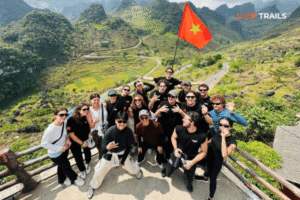


Thúy Kiều (Grace) is a travel blogger and content contributor for Loop Trails Tours Ha Giang. She holds a bachelor’s degree in Sustainable Tourism from Vietnam National University, Hanoi, and has a strong passion for exploring and promoting responsible travel experiences in Vietnam’s northern highlands.
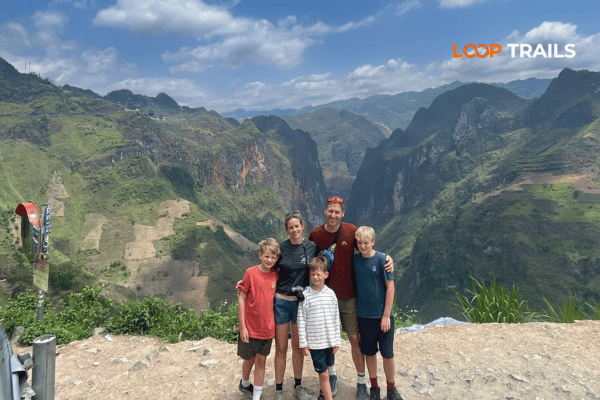
Learn more: Ha Giang Loop Tours
There’s a moment, somewhere between Meo Vac and Bao Lac, where the country shifts under you. Not the country as in Vietnam, but the country as in the look of the place. Ha Giang’s wild limestone plateau, all jagged karst and switchback passes, softens into the green basins of Cao Bang. The road, which had been clinging to a cliff an hour earlier, drops down into river valleys with rice terraces stretching to the horizon. You stop the bike. You get off. You stand there longer than you planned to.
That stretch, and what comes after it, is why people do the Ha Giang Cao Bang loop tour instead of just one or the other. This guide is the version we wish we’d had on our first run. It’s written from the seat of a motorbike, mostly, by a team that runs this route every week. No hype, no fluff, just what you actually need to plan, ride, and enjoy this trip.
If you only want the short version: yes, you should do the combo. Yes, 5 days is enough. And yes, you can do it without owning a license, riding skill, or perfect Vietnamese.
The long version starts here.
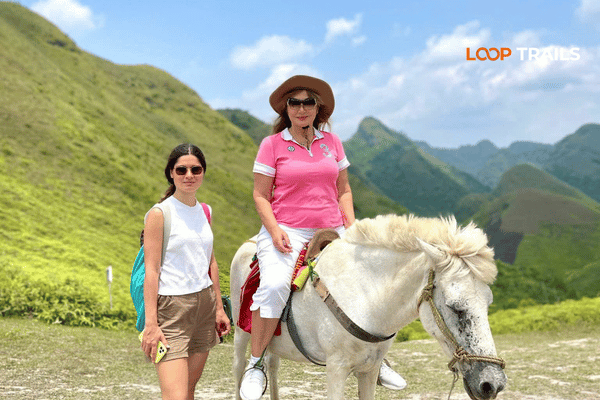
Learn more: Ha Giang Loop 2 Days 1 Night
The Ha Giang Loop is the famous one. Roughly 350 km of mountain riding through Vietnam’s far northeast, looping out from Ha Giang City through Quan Ba, Yen Minh, Dong Van, Meo Vac, and back. It’s the trip that ate Sapa’s lunch on Instagram around 2019 and never gave it back.
Cao Bang is the next province east. Quieter, greener, less hyped, with the country’s most dramatic waterfall (Ban Gioc), some genuinely strange caves, ethnic Tay villages built entirely of stacked black stone, and a road network that’s improved a lot in the last few years.
The “combo loop” links them. You ride the classic Ha Giang Loop for the first 3 days, then instead of returning to Ha Giang City, you cut east through Bao Lac and into Cao Bang province. You finish at Ban Gioc Waterfall on the Chinese border, then either bus back to Hanoi from Cao Bang City or fly out from somewhere closer.
It’s not a new route. Locals and adventure riders have been linking these two provinces for years. What’s new is that the road quality has caught up, and reliable tour operators (including ours) now run it as a packaged option instead of a DIY headache. If you’re looking at the standalone version, our Ha Giang Loop tours cover the western half. The full combo is the 5 days Ha Giang Cao Bang tour.
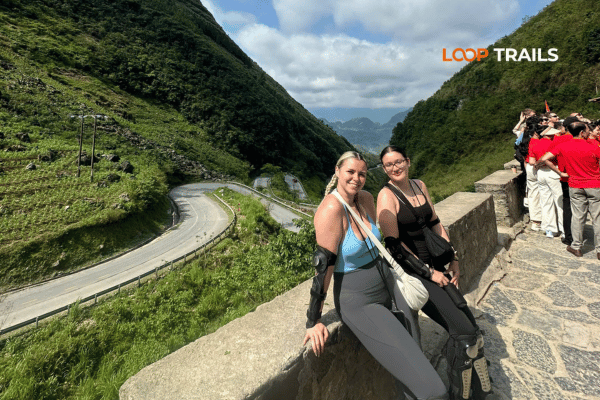
Learn more: Ha Giang Loop 3 Days 2 Nights
The honest answer: because you’re already there.
Most travelers who fly into Hanoi for “the loop” only have a week or so for the north. They do 3 days on the Ha Giang side, take the night bus back to Hanoi, then either rush down to Halong or skip Cao Bang entirely. They go home and eventually see a friend’s photo of Ban Gioc Waterfall and feel a small, specific pang of regret.
The combo solves that. You’re already on a bike, already acclimated to the mountain roads, already in the right corner of the country. Adding 2 more days at the end gets you Ban Gioc, the cave systems, and a totally different landscape, without having to repeat the bus journey from Hanoi.
A few practical reasons it works as one trip:
You’re not paying double either. A 5 days combo runs more than a 3 days Ha Giang Loop, but the per-day cost usually drops because logistics get more efficient as the trip extends.
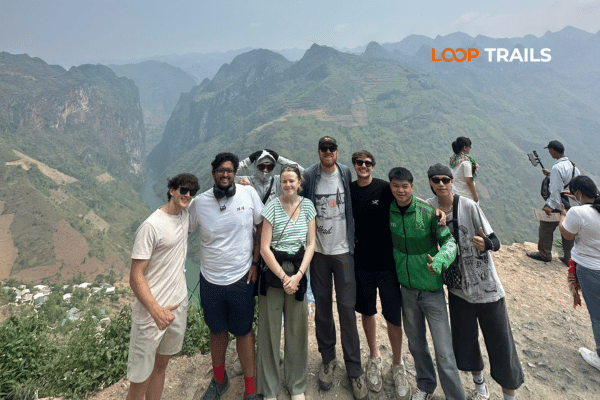
Learn more: Ha Giang Loop 4 Days 3 Nights
This depends on your tolerance for being on a vehicle 5 to 6 hours a day, and what you want out of it.
This is the most popular version, and the one we run most weeks. It’s enough time to do the full Ha Giang Loop properly, ride the transition stretch through Bao Lac, and spend a full day at Ban Gioc and the surrounding sites. Most days you’re on the bike 4 to 6 hours with stops, which leaves real time at viewpoints, lunch villages, and homestays. You finish in Cao Bang City on the evening of Day 5.
Add a night and it gets noticeably more relaxed. The extra day usually goes to either a slower Day 3 (with a Nho Que River boat trip and a longer evening in Meo Vac) or a buffer day at Ban Gioc. Good if you’re traveling with someone who isn’t used to long days on a bike, or if you just want the trip to breathe a bit more. Some operators run the 6 days version with a different routing through deeper Cao Bang, into the Phia Oac forest area.
If you only have 3 days, do the standard Ha Giang Loop and skip Cao Bang for now. Trying to compress the combo into 4 days means either rushing the Ha Giang side (which is the better-known, photo-heavier half) or sprinting past the Cao Bang highlights. Neither is satisfying. Save Cao Bang for when you can give it 2 days minimum.
Ready when you are. If 5 days fits your trip and you want to skip the planning, our Ha Giang Cao Bang combo tour covers transport, accommodation, food, guides, and permits in one package. No hidden costs, no last-minute add-ons.
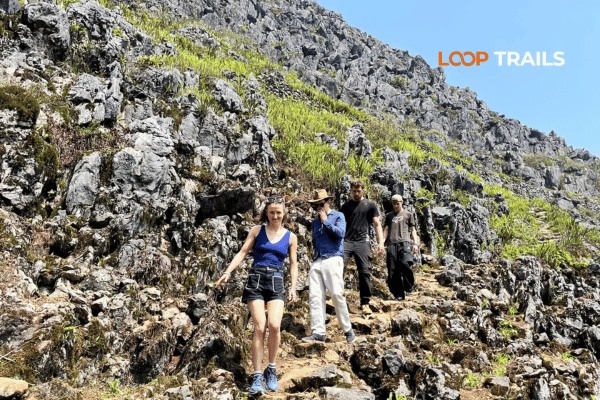
Learn more: Ha Giang Cao Bang 5 Days 4 Nights
Northern Vietnam has clear seasons, and they matter on a bike. Here’s what each part of the year actually looks like on this route. Local weather can shift fast, so check forecasts in the 48 hours before your departure rather than committing to a month based on averages.
January to February. Cold. Genuinely cold at altitude, with mornings near freezing on the high passes. Skies are often gray with low cloud, but you also get those crisp blue-sky days where the karst landscape looks unreal. Tet (Lunar New Year) usually falls in this window, and many homestays close for a week. If you ride in this period, expect to wear every layer you brought.
March to April. The shoulder season everyone underrates. Rain is still light, temperatures are mild, and you get pink wild peach blossoms across the highlands in early March. The Hmong harvest is happening. Roads are dry. We push this window to repeat customers because it’s the closest thing to a sweet spot.
May to early September. Wet season. Rice fields are stunning, particularly in late August when the terraces flood and shimmer. The trade-off is the rain. It can come in walls, especially on Day 2 and Day 3. Roads stay rideable but landslides happen in heavy weeks. If you’re picking dates in this window, build in a buffer day, and prefer late August over June or July if you can.
Mid September to October. The famous “rice harvest” months. Terraces turn gold. Photographers come from everywhere. Crowds peak on Ha Giang’s western half but Cao Bang stays calm. Book accommodation early if your dates are in this window.
November. The buckwheat flower season in Ha Giang. Pink-purple fields around Lung Cu and Sung La. Cool, dry, generally beautiful. Our personal favorite month for the combo.
December. Cold creeping back in but skies often clear. Less crowded than November. A solid choice for travelers who don’t mind layering up.
If we had to pick one month for a first-timer? Late October or early November. Dry, cool, scenery at its best, and Cao Bang is at its photogenic peak.
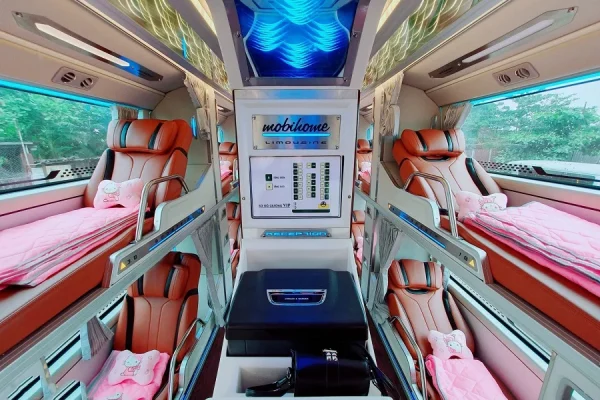
Learn more: Ha Giang Sleeper Bus
Ha Giang City is your starting line. It’s about 290 km north of Hanoi, no airport, so you’re looking at road transport. Three real options:
Sleeper bus. The classic backpacker move. You leave Hanoi around 9 PM, arrive in Ha Giang around 4 to 5 AM. It’s cheap, you save a night of accommodation, and you’re rolling on your bike before lunch. The downside is that “sleeper” is generous. The roads are bumpy and you’ll wake up with a sore neck. Several companies run this route nightly.
Limousine van. A 9 to 11 seater minivan with proper recliner seats, departing Hanoi a few times a day. Faster than the bus (around 6 to 7 hours), more comfortable, daytime departures available. Costs more than the sleeper bus but a lot less than a private transfer. This is what we recommend most travelers book.
Private car or transfer. A door-to-door car from your Hanoi hotel to Ha Giang. Around 6 hours. Most flexible, most expensive. Worth it for groups of 3 or 4 splitting the cost, or if you have heavy luggage to drop at storage.
Our team can arrange any of the three when you book a tour. If you’re sorting transport yourself, book the limousine van at least 2 days in advance during peak season (October, November, March).
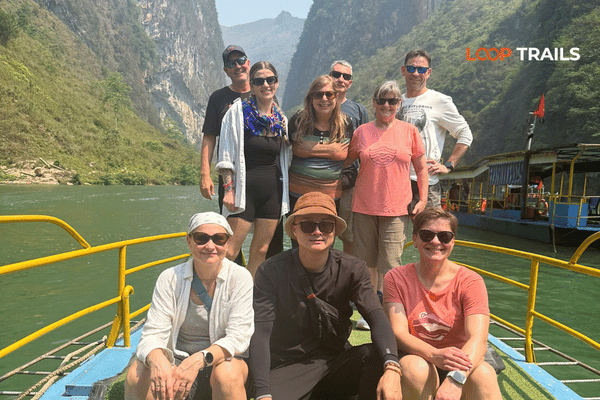
Learn more: Ha Giang Cao Bang Ba Be Lake 6 Days 5 Nights
This is the version we run. Other operators tweak the order or stops, but the bones are the same. Distances are approximate. Riding times depend on weather, stops, and group pace.
Distance: roughly 100 km. Riding time: 4 to 5 hours with stops.
The opening day eases you in. You leave Ha Giang City after a briefing and a bike check, head north on QL4C, and within an hour you’re climbing into the Quan Ba district. The first big stop is Heaven’s Gate (Cong Troi Quan Ba), a viewpoint over the Twin Mountains and the green basin below. It looks like someone airbrushed it.
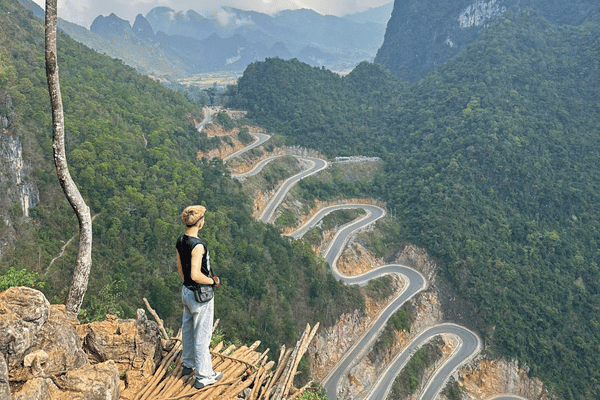
After Quan Ba, the road tightens through Tham Ma Pass, where switchbacks stack down a hillside in a way that’s been on every Ha Giang Instagram post for the last 6 years. You’ll stop at the top, take the photo, and then ride down it.
Lunch is usually in Yen Minh or just before, at a roadside place that does Vietnamese mountain staples: grilled pork, sticky rice in bamboo, fresh greens, watery beer if you want one (most riders don’t). The afternoon is a shorter ride into your first homestay, with time to walk around the village before dinner.
Sleep: Yen Minh or a Hmong/Tay village homestay nearby.
Distance: roughly 90 km. Riding time: 5 to 6 hours with stops.
This is the day you ride to the very top of Vietnam, almost literally. The detour up to Lung Cu Flagpole takes you to a tower on a hilltop overlooking the Chinese border. There’s a small climb up to the flag itself. The view, on a clear day, is the kind that makes the rest of the trip feel justified before you’ve even hit Ma Pi Leng.
The route from Lung Cu down to Dong Van passes the Hmong King’s Palace at Sa Phin, an early 20th century compound built by a local chief who got rich on opium trading. It’s odd, atmospheric, and worth the hour you’ll spend there.
You arrive in Dong Van Old Quarter in the late afternoon. It’s a pocket of low, ochre-walled buildings and a small market square that comes alive at night with lanterns and street food. Sunday morning is the famous Dong Van market, packed with ethnic minority traders if your trip falls right.
Sleep: Dong Van, in either a guesthouse on the old quarter or a homestay just outside town.
Learn more: Cao Bang Loop 3 Days best kept secret
Distance: roughly 110 km. Riding time: 5 to 7 hours with stops.
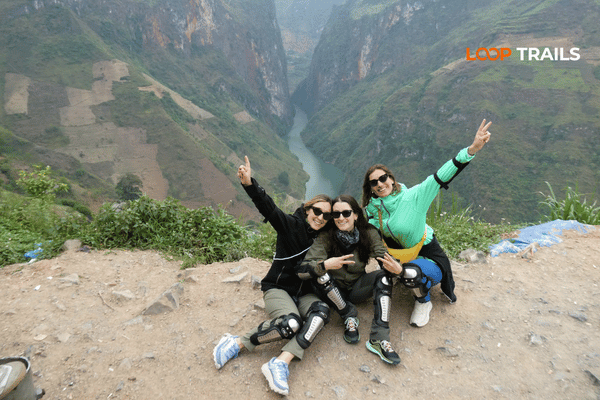
The big one. Ma Pi Leng Pass is the third day’s centerpiece, and it earns its reputation. The road carves along a cliff face hundreds of meters above the Nho Que River, which winds through a turquoise canyon below. There’s a viewpoint just before the pass where most groups stop for 30 to 60 minutes. Wear something with sleeves. The wind comes through.
After Ma Pi Leng, the road drops into Meo Vac. You can do an optional boat trip on the Nho Que River here, a 1 hour float through the canyon walls that puts you right inside the landscape you were just riding above. Strongly worth it if your group has time.
From Meo Vac, you cross into Cao Bang province via Bao Lac. This is the transition stretch we mentioned at the beginning. The karst peaks gradually flatten into rolling farmland, the river valleys open up, and the traffic thins out. By the time you reach Bao Lac, you’re in a different feeling of country.
Sleep: Bao Lac, small-town hotel or family-run guesthouse.
Distance: roughly 150 km. Riding time: 5 to 6 hours with stops.
The longest pure riding day, but not the hardest. The roads east of Bao Lac are smoother, the bends are wider, and the scenery alternates between river valleys and forest. You pass through small towns where, depending on the day, you might catch a local market.
You arrive at Ban Gioc Waterfall in the late afternoon. The waterfall straddles the Vietnam-China border, which means the photo you’ll take has both flags in it. It’s the largest waterfall in Vietnam by volume, especially in September and October when it runs at full power. There’s a viewing area, a bamboo raft option that takes you closer to the curtain, and a pagoda on the hill above for a wide-angle perspective.
Sleep: A hotel or lodge near Ban Gioc, often in the village of Trung Khanh nearby.
Distance: roughly 90 km. Riding time: 3 to 4 hours.
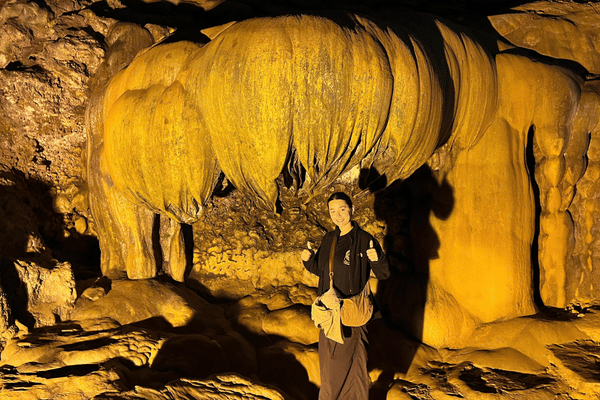
A lighter final day. After breakfast, you ride to Nguom Ngao Cave, about 5 km from Ban Gioc. It’s a 2 km walk through a vast karst cave system, with stalactites lit by colored lights. Touristy in places, but the scale is genuine.
On the way to Cao Bang City you can stop at Khuoi Ky stone village, a cluster of houses built entirely from black stacked stone, traditional to the local Tay community. It’s a 20 minute stop, and a strong photo location.
You arrive in Cao Bang City in the afternoon. There’s time for lunch, a shower, and maybe a beer at a street cafe before the evening transfer to Hanoi (more on that below). Trip ends.
Want a Cao Bang focus instead? If you only have 3 days and want to skip the Ha Giang side this trip, our Cao Bang loop tours run the eastern province as a standalone, with deeper time at Phia Oac and the Pac Bo cave area.
Learn more: Ha Giang Motorbike Rental
How you do this trip changes the experience more than where you sleep or what you eat. Four real options.
Self drive motorbike. You ride your own bike, usually a 150cc semi-automatic or a manual XR. You go at your own pace, stop when you want, and feel every meter of the road. It’s the most freedom, and the most responsibility. Recommended only if you have real experience on twisty mountain roads. Ha Giang is not where you learn.
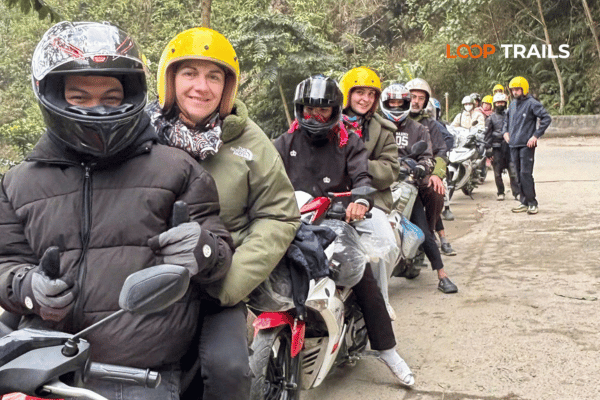
Easy rider. You ride pillion (passenger) on a bike driven by a local guide. You get the wind, the scenery, the open-air feel, without the responsibility of riding. Most groups have a 1:1 ratio of guides to riders. The guide handles roads, fuel, navigation, and the inevitable conversations with the police. This is what most international travelers book.
Self drive with a guide leading. A middle option. You ride your own bike, but a guide rides ahead, handles the route, and stops with the group at viewpoints and meals. You get the freedom to ride, but you don’t navigate or worry about getting lost. Solid for confident riders who want the social side of a tour.
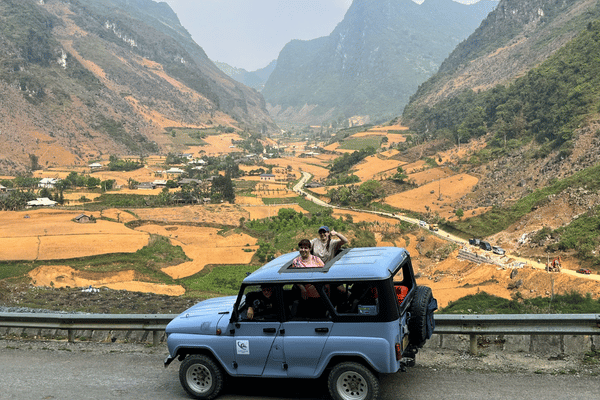
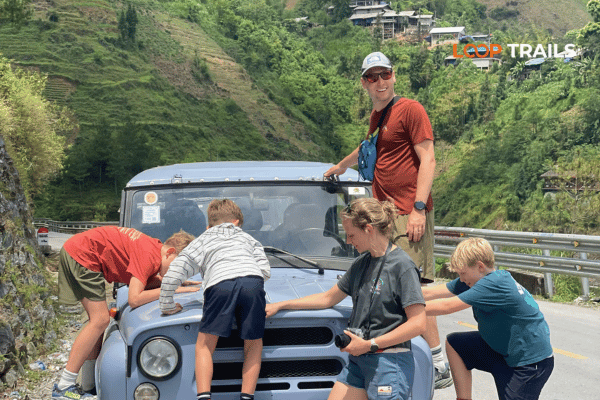
Jeep. You ride in an open-air or convertible jeep, with a driver, alongside the rest of the group. You see everything the bikers see, but seated, with bags secured, and rain doesn’t end your day. Best for couples where one person doesn’t ride, families, older travelers, or anyone who’s done a long ride trip before and wants something different this time. We run jeep options on the same route, identical stops.
A quick decision frame:
| You… | Recommended option |
|---|---|
| Have ridden mountain twisties before, want freedom | Self drive |
| Want the bike experience, no riding stress | Easy rider |
| Have license + some experience, but want a guide | Self drive with guide |
| Travel as a couple where one person doesn’t ride | Jeep |
| Have back issues or are over 55 | Jeep or easy rider |
| Worry about rain | Jeep |
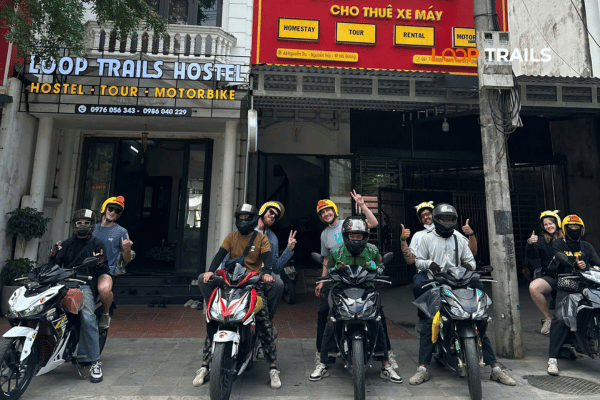
If you want to ride your own bike but you’re flying into Vietnam without one, we rent motorbikes in Ha Giang (XR150 and semi-automatic options) that you can take on either the loop or the combo. We don’t list specific bike specs in this article because models rotate, so check our rental page or message us for the current fleet.
Learn more: Ha Giang Jeep Tours
Honest version, no marketing.
Ha Giang side (Days 1 to 3). The main road, QL4C, is paved and in good condition for 90 percent of the route. The sections that go bad are usually short stretches where rainfall has loosened the surface, or construction zones near villages. You’ll hit gravel patches, the occasional pothole, and switchbacks tight enough that you’ll downshift on a 150cc bike. Surface is rideable in any normal weather. After heavy rain, expect mud on the inside of corners.
Bao Lac transition (mid Day 3 to Day 4 morning). The road from Meo Vac into Bao Lac has been steadily improved. There are still patches that are rough, especially after rain, but it’s not the goat track it was a few years ago. You’ll lose mobile signal in places.
Cao Bang side (Day 4 onwards). Generally smoother and wider than Ha Giang. Less scenic in pure ride terms (fewer dramatic passes) but easier on you and the bike. The road to Ban Gioc is paved and fine. The road to Nguom Ngao Cave is short and easy.
Traffic. Trucks on the main highways, scooters in towns, buffalo on the rural sections. The dangerous moments are usually at blind corners with overtaking trucks, which is why even confident self drivers tend to ride conservatively here. Don’t overtake into a corner. Don’t ride after dark. These two rules cover most of the safety story.
Road conditions can change with weather and construction. Check current conditions in the week before you ride, or just book a tour and let the operator handle it.
Learn more: Tu San Canyon & Nho Que River Boat Trip
A few stops earn extra attention.
The single most photographed stretch of road in northern Vietnam, and for good reason. The pass cuts along the side of a 1500 meter mountain wall above the canyon. The river below glows turquoise in dry season, more brown-green after rain. The viewpoint just before Meo Vac is where every photo you’ve seen was taken.
If your group has time, do the Nho Que boat trip. It’s an hour on a small motorboat through the canyon. You’ll see the pass from below. It rearranges your sense of scale.
The old quarter of Dong Van is small but atmospheric, especially at dusk. The Sunday market is a real ethnic minority market, not a staged one. Lung Cu Flagpole is touristy but the view is genuine. Combined, these are the cultural and visual heart of the western half.
Vietnam’s biggest waterfall by volume, on the Chinese border. Best in September and October when the flow peaks. The bamboo raft ride is cheap and worth it. The pagoda on the hill gives you the wide shot. Allow 2 to 3 hours minimum on site.
Nguom Ngao is a 2 km walk through a karst cave system. Cool, atmospheric, lit. Khuoi Ky is a 5 minute walk through a village of houses built from stacked black stone. The two together make a satisfying half day on the way back to Cao Bang City.
We could list 10 more stops, but if you only see these four (plus the riding itself), you’ve done this trip right.
Learn more: Ha Giang Homestay Guide
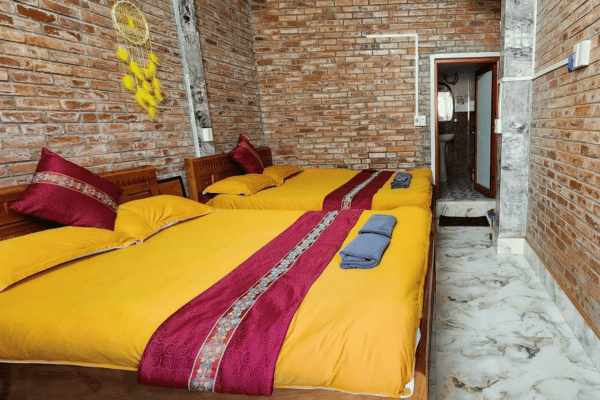
Mixed accommodation is normal on this route. Set your expectations correctly and you’ll be fine.
Homestays (Ha Giang side). Mostly Hmong, Tay, or Dao family homes that have added a guest wing. Shared bathrooms in the older ones, private bathrooms in the newer ones. Mattresses on raised platforms, mosquito nets, blankets. Family-style dinner, usually with the family, often with rice wine if your hosts are in a good mood. They’re not luxury. They are the heart of the trip for most travelers.
Guesthouses (Dong Van, Bao Lac, Ban Gioc area). Small hotels with private rooms, en-suite bathrooms, hot water, sometimes air conditioning. Cleaner and more private than homestays. Less of the cultural experience.
Hotels (Ha Giang City, Cao Bang City). Standard 2 to 3 star hotels at start and end of the trip. Reliable, comfortable, nothing remarkable.
A typical 5 days combo we run mixes 2 nights of homestay (Ha Giang side), 1 night of guesthouse in Bao Lac, 1 night near Ban Gioc, and a final hotel night in Cao Bang City. If you specifically want all hotels (no homestays), we can usually arrange that, though you lose the dinner-with-the-family element.

Learn more: Ha Giang Loop Price
Real talk on costs. Prices change, so we’re talking ranges, not quotes. Get a current quote from us or any reputable operator before you commit.
A guided 5 days Ha Giang Cao Bang combo tour from a mid-market operator (us, others) typically lands in a per-person range that includes accommodation, all dinners and most lunches, transport (motorbike or jeep), guide, fuel, permits, and entry fees. The variation comes from:
DIY costs less if you already have riding experience and Vietnamese basics. You’ll save on the guide and group logistics, but you’ll pay full retail on bike rental, accommodation, fuel, food, and the bus back from Cao Bang. Our rough sense, after running these trips for years, is that DIY saves around 25 to 35 percent versus a guided tour, in exchange for handling everything yourself.
Hidden costs travelers forget:
For a current package quote, message our team on WhatsApp with your dates and group size. We send back a clear, itemized number, no haggling needed.

Learn more: Ha Giang Packing list
Pack light. You’ll be moving every day, and bags ride with you on the bike or in the jeep.
Essentials
Documents
Things you don’t need
If you’re riding self drive, also bring riding gloves and proper riding pants if you have them. The basic gloves rental shops provide are fine for the easy rider passenger, less fine if you’re the one on the bars.
Learn more: Motorbike License IDP Guide 2026
This is the section where we have to be careful, because rules change and individual situations vary. Here’s the framework.
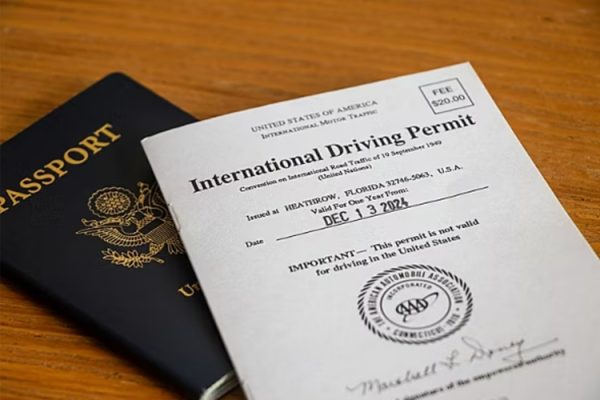
Permits. Lung Cu Flagpole, Ban Gioc Waterfall, and the border-adjacent areas of both provinces require a permit for foreign travelers. If you’re on a guided tour, the operator handles this. If you’re doing it yourself, you’ll need to apply at the immigration office in Ha Giang City and Cao Bang City, with your passport, and budget some time. Don’t assume you can ride into a border zone without one.
Driving license. Vietnam law on foreign drivers has been tightening over the last few years. The general expectation is that you should hold a valid motorbike license from your home country, plus an International Driving Permit (IDP) that includes the relevant motorbike category (typically A1 for bikes up to 175cc, A2 for above). Rules can change, enforcement varies, and “what travelers actually do” and “what’s technically legal” don’t always align. Check the latest updates before you travel, and don’t take advice from forum posts more than a year old. If in doubt, easy rider with a licensed local driver removes the question entirely.
Insurance. Most travel insurance excludes motorbike riding by default, or only covers it up to a certain engine size. Read the fine print. Some policies upgrade for a small additional fee. If you’re riding without coverage, you’re betting on a low-probability, high-cost event. We strongly recommend riders sort insurance before they fly.
Helmets. Mandatory by law, provided by every legitimate rental shop and tour. Wear it. Police checks happen.
This whole section is the kind of thing a tour operator just handles. If you’d rather not think about it, that’s exactly what you’re paying for when you book.
Learn more: Ha Giang Loop Mistake to Avoid
Patterns we’ve seen, repeatedly.
Booking the wrong season. Rolling up in late June and being surprised it rains. Or arriving in early February and being surprised it’s cold. Both are predictable. Pick your month with eyes open.
Underestimating the cold at altitude. Ha Giang is in the mountains. Even in summer, mornings on Ma Pi Leng can be cool, and in winter they can be sharp. Bring a warm layer regardless of month.
Trying to do too much in too few days. Compressing the combo into 4 days, or trying to add Sapa to the same week. The route is best at the standard pace. Don’t fight it.
Self driving without the experience. Mountain roads, blind corners, occasional rain, foreign traffic patterns. If you’ve ridden a scooter around Bali or Bangkok, that’s not the same. Be honest about your skill level. Easy rider is not a downgrade.
Skipping the Nho Que boat trip. It looks optional on the itinerary. It’s the moment most people remember after the trip. Do it.
Booking too late in October and November. The good homestays and guesthouses fill up 4 to 6 weeks ahead during peak. If your dates are in this window, lock them in early.
Treating Cao Bang as a footnote. The eastern half is the quieter, less-photographed side, but Ban Gioc, Nguom Ngao, and Khuoi Ky are reasons to come, not afterthoughts. Give them real time.
Learn more: Ha Giang Cao Bang Tour
You finish the trip in Cao Bang City, and Hanoi is about 280 km south. Two main options.
Sleeper bus. Cao Bang to Hanoi runs nightly, around 7 to 8 hours, arriving in Hanoi early morning. Cheap, simple, slightly cramped. Several companies cover the route. You can usually buy tickets the day before at a local agent or have your guide arrange them.
Limousine van. A faster, more comfortable daytime van service from Cao Bang to Hanoi. Around 7 hours. Costs more than the sleeper bus.
A few flights connect from nearer airports if you really want to skip the road, but it’s usually more hassle than it’s worth.
If you booked a tour through us, we’ll arrange your return transport at the time of booking. You don’t have to think about it on Day 5.
Learn more: Ha Giang Loop Easy Rider
A short decision tree, based on what we hear from travelers most often.
You’re a first-timer to Vietnam, traveling solo or as a couple, want the iconic ride without the stress. Book the 5 days easy rider combo. You get the full Ma Pi Leng to Ban Gioc experience, you ride pillion with a local guide, and everything is handled. This is what most of our customers choose.
You ride at home, you want the freedom to handle the bike yourself. Book the 5 days self drive combo. We’ll provide a properly maintained bike, route guidance, and a guide who rides ahead, so you have freedom but not loneliness on the road.
One of you rides and one doesn’t, or you’re traveling with parents, or anyone over 55. Book the 5 days jeep combo. Same route, same stops, more comfort, no rain stress.
You only have 3 or 4 days. Skip the combo this trip. Do the standard Ha Giang Loop and save Cao Bang for next time. Compressing it doesn’t work.
You only have a motorbike but no license, no IDP, and you’re not comfortable riding mountain roads. Don’t self drive. Easy rider is for you.
You want to come back and do Cao Bang properly later. Look at our Cao Bang loop as a standalone, or ride straight through with us on a combo and skip nothing.
Quick way to lock it in. Message our team on WhatsApp with your dates, group size, and which mode you’re leaning toward. We send back a clear quote, the exact accommodation list, and the deposit instructions. Most travelers go from first message to confirmed booking in under 24 hours. Book the Ha Giang Cao Bang combo tour here.
Either way, the trip is sitting there waiting. Most people who do it once tell us the same thing afterwards: that they understood why people kept saying you had to go to Ha Giang, and that they were quietly glad they didn’t stop at the obvious half. The road keeps going east. So should you.
Learn more: Ha Giang Loop with Kids
The standard version is 5 days and 4 nights, starting in Ha Giang City and finishing in Cao Bang City. There’s a 6 days extended option for travelers who want a slower pace or a deeper Cao Bang section.
The route itself is safe, but self driving the mountain roads requires real riding experience. First-time travelers without solid mountain riding skill should book the easy rider or jeep option, where a local guide handles the bike. The roads have improved a lot in recent years, but they’re still mountain roads with switchbacks and occasional weather.
Late October to early November is widely considered the best window: dry weather, cool temperatures, rice harvest scenery on the Ha Giang side, and Cao Bang at its greenest. March and April are an underrated alternative. Avoid the peak rain weeks of June and July if you can.
Yes, by booking an easy rider or jeep tour. You ride as a passenger, no license needed. If you want to self drive, you should hold a valid motorbike license plus an International Driving Permit covering the right category. Rules can change, so check the latest before you travel.
The Ha Giang Loop is a 3 days, 350 km circle through Ha Giang province only, returning to Ha Giang City. The combo continues east into Cao Bang province for 2 more days, finishing at Ban Gioc Waterfall and Cao Bang City. You don’t return to Ha Giang at the end.
Sleeper buses run nightly, around 7 to 8 hours. Daytime limousine vans are faster and more comfortable. Most tour operators arrange return transport as part of the booking. Total travel time back to Hanoi is similar in either direction.
Foreign travelers need permits for these border-adjacent areas. Tour operators handle the permits as part of the booking. If you’re traveling independently, you’ll need to apply in person at the immigration offices in Ha Giang and Cao Bang Cities.
Layers (mornings get cold at altitude even in summer), a waterproof jacket or poncho, closed-toe shoes, sunglasses, sunscreen, a buff for road dust, a power bank, and a small dry bag for your luggage. Pack light overall. Big bags don’t ride well on motorbikes.
Yes. Open-air jeep options run the same route with the same stops. Jeep tours are popular with couples where one person doesn’t ride, families, older travelers, and anyone who wants the scenery without the saddle time.
For peak season (October, November, March, April), book 4 to 8 weeks ahead. For shoulder seasons, 2 to 4 weeks is usually fine. Jeep tours fill faster than motorbike tours because availability is more limited, so book those as soon as you have firm dates.
For most travelers, yes. It’s Vietnam’s largest waterfall by volume, the road in is now smooth, and the surrounding sites (Nguom Ngao Cave, Khuoi Ky stone village) make it more than a single photo stop. If you have the days, add Cao Bang. If you genuinely don’t, save it for next trip rather than rushing.
Rain is part of riding in northern Vietnam, especially May through September. Tour operators have wet weather plans, including poncho stops, route adjustments, and shorter riding days when needed. The trip rarely cancels for rain. If weather turns dangerous (landslide risk, very heavy storms), guides will reroute or pause for safety.
Contact information for Loop Trails
Website: Loop Trails Official Website
Email: looptrailshostel@gmail.com
Hotline & WhatSapp:
+84862379288
+84938988593
Social Media:
Facebook: Loop Trails Tours Ha Giang
Instagram: Loop Trails Tours Ha Giang
TikTok: Loop Trails
Office Address: 48 Nguyen Du, Ha Giang 1, Tuyen Quang
Address: 48 Nguyen Du, Ha Giang 1, Tuyen Quang
Facebook X Reddit Table of Contents Learn more: Ha Giang Loop Tours Most people drive past the Quan Ba area twice on

Facebook X Reddit Table of Contents Learn more: Ha Giang Loop Tours The Ha Giang Loop has a reputation problem with older