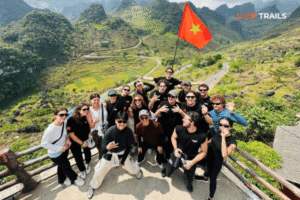


Thúy Kiều (Grace) is a travel blogger and content contributor for Loop Trails Tours Ha Giang. She holds a bachelor’s degree in Sustainable Tourism from Vietnam National University, Hanoi, and has a strong passion for exploring and promoting responsible travel experiences in Vietnam’s northern highlands.
Learn more: Ha Giang Loop Tours
By the third afternoon on the Ha Giang Loop, most people stop asking how far the next pass is and start asking one quieter question: where am I sleeping tonight? It sounds small. It isn’t. The place you crash at the end of a long riding day shapes how the whole trip feels, the people you meet, the food on your plate, and how rough or rested you are when the engine fires up again at sunrise.
You’ll keep bumping into the same decision out here, sometimes for the same night: a homestay or a guesthouse. The two main types of Ha Giang Loop accommodation get talked about loosely, the listings blur together online, and plenty of travelers end up booking the wrong one for how they actually like to travel. This guide breaks down what each one really is, what you trade and what you gain with both, and how to match your stays to the trip you want rather than the trip a booking site assumed you wanted.
We run the Loop most weeks of the year, so this is written the way we’d explain it to a friend over a beer the night before they set off, not the way a hotel chain would sell it.
Learn more: Ha Giang Loop 2 Days 1 Night
Before you can choose, it helps to know that the labels up here are slippery. A place calling itself a “homestay” might be a polished mini hotel, and a quiet “guesthouse” might turn out to be a family living downstairs while you sleep above the kitchen. Here is roughly how it shakes out in reality.
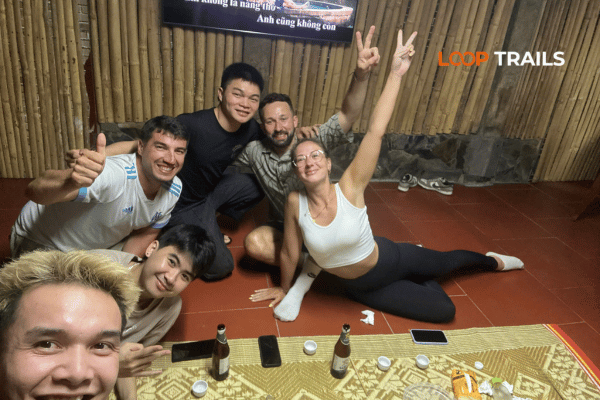
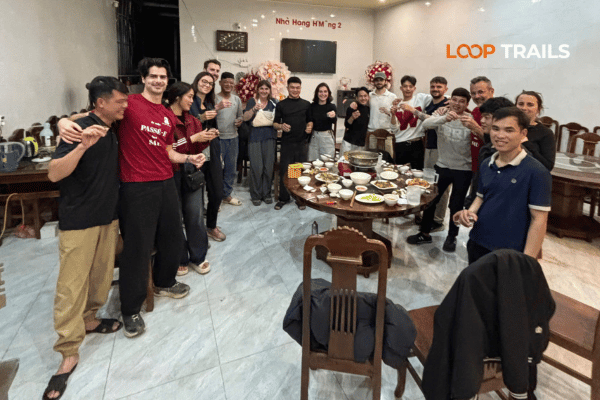
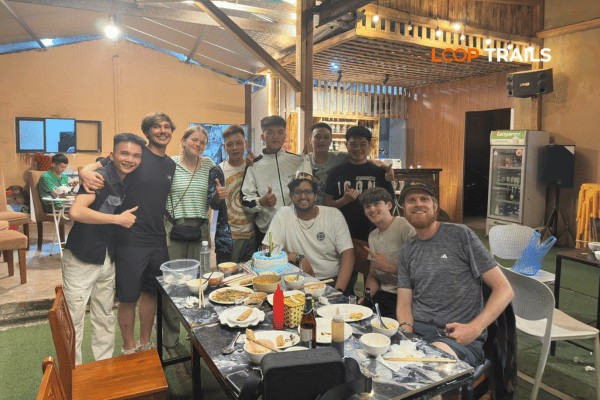
A genuine homestay means you sleep in or beside a local family’s house, usually Hmong, Tay, Dao, or Lo Lo depending on where you are. The classic version is a big communal room, often on stilts, lined with mattresses on the floor, each with its own mosquito net and a thick blanket for the cold nights. You share the space with other travelers. Dinner is frequently cooked by the host family and eaten together at one long table, and the evening tends to drift into shared bowls of corn wine and a lot of laughing across a language barrier.
Some homestays have moved upmarket and added private rooms, real beds, and hot showers while keeping the family dinner. Others are still wonderfully basic. The common thread is that the experience is built around people, not the room.
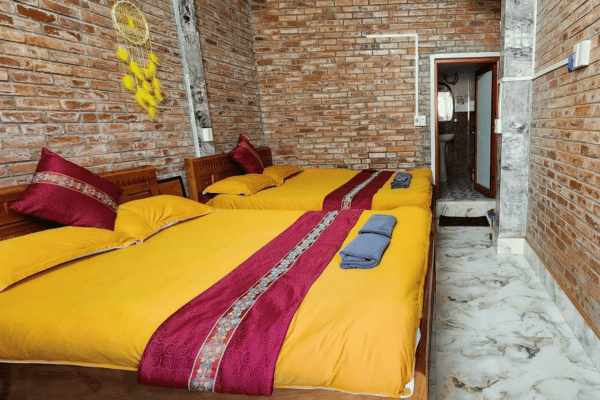
A guesthouse on the Loop is closer to what most travelers picture as a budget hotel: private rooms, a door that locks, your own bathroom in most cases, and far less expectation that you’ll socialize. They cluster in the bigger towns like Yen Minh, Dong Van, and Meo Vac, where you’ll also find a handful of proper small hotels. You get privacy, a predictable standard, and the freedom to eat where and when you like.
What you usually don’t get is the host family dinner or the easy, accidental friendships that homestays create. You’re a guest, not a temporary part of the household.
This is the part that trips people up. A lot of newer places use the word homestay because it sells, but they’re effectively guesthouses with a few floor mattresses out back. That isn’t a scam, it’s just marketing. The fix is simple: don’t book on the label, book on the details. Read whether dinner is shared, whether rooms are private or dorm style, and whether there’s actually a host family on site. Two minutes of reading saves you a mismatch.
Learn more: Ha Giang Loop 3 Days 2 Nights
Riding all day in the mountains is more tiring than people expect, so sleep quality matters more here than on a city trip. Both options can give you a good night, but they get you there differently.
Guesthouses win on privacy, full stop. You get a room to yourself or your group, a door, and quiet when you want it. Homestays, in their traditional form, put you in a shared room where someone two mattresses over might snore like a chainsaw or pack a bag at 5am for a sunrise run. If you sleep lightly, that’s worth knowing in advance.
Most guesthouses give you a private bathroom with reliable hot water. Many homestays now have hot showers too, but not all, and the setup can be shared or a little rustic. If hot water at the end of a cold riding day is non negotiable for you, check before you book rather than assume.
This is the big one people underestimate. Up on the high passes the nights get genuinely cold in the winter months, and warm in the wet summer. Few places have central heating either way. Homestays handle the cold with thick blankets and sometimes a fire, which is cozy but not exactly climate control. Guesthouses sometimes have heaters or air conditioning, but it varies a lot place to place. Weather in Ha Giang swings hard by season and even by day, so check a current forecast close to your dates and pack for the real conditions, not the postcard.
Here’s the quick side by side:
| Factor | Homestay | Guesthouse |
|---|---|---|
| Sleeping setup | Often shared room, floor mattresses, nets | Private room, real bed |
| Privacy | Low to medium | High |
| Bathroom | Shared or private, sometimes rustic | Usually private |
| Hot water | Common but not guaranteed, ask first | Usually reliable |
| Winter warmth | Blankets, sometimes a fire | Heaters or air con at some places |
| Noise at night | Can be lively, light sleepers beware | Generally quiet |
| Meeting people | High, built in | Low, you do your own thing |
| Best for | Social travelers, the full local experience | Rest, privacy, couples, families |
Learn more: Ha Giang Loop 4 Days 3 Nights
Money is usually part of the decision, so let’s be straight about it without quoting numbers that go stale the week after we publish them.
As a rule, a bed in a shared homestay room is the cheapest way to sleep on the Loop. A private room, whether in a fancier homestay or a guesthouse, costs more. A proper small hotel in town costs the most of the three. Where exactly your night lands depends on the season, how far ahead you book, and how comfortable a standard you want, so check current rates close to your travel dates rather than budgeting off an old blog figure.
One thing worth flagging: at many homestays the cost difference shrinks once you factor in dinner. A shared family meal is often included or offered cheaply, which can make a homestay surprisingly good value once you account for the food and drink you’d otherwise pay for separately at a restaurant. Guesthouses almost always charge for the room only.
If you book a guided trip with us, this whole question mostly disappears. Accommodation is built into the package, the standard is sorted in advance, and you’re not haggling over a room rate at the end of a long ride when all you want is a shower. More on that further down.
Learn more: Ha Giang Cao Bang 5 Days 4 Nights
If you ask travelers what they remember most about the Loop, plenty won’t name a viewpoint. They’ll name a dinner.
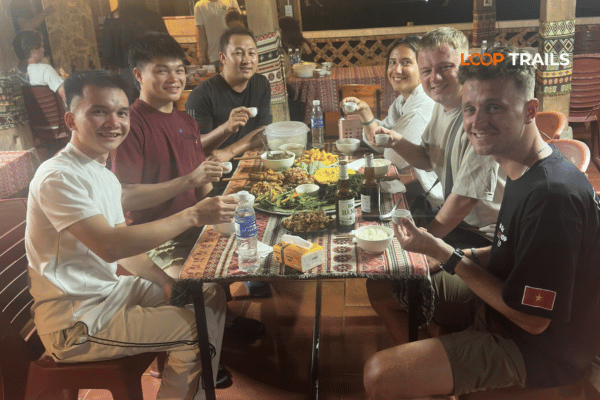
The communal homestay dinner is, for a lot of people, the single best part of the trip. Picture a long table, plates of local food coming out faster than you can eat them, the host family topping up your glass with corn wine, and a room full of strangers from six countries slowly turning into a group that’s still talking at midnight. It’s the kind of evening that’s hard to engineer and easy to stumble into here, simply because the setup pushes everyone together.
Villages like Du Gia, Nam Dam, and the Hmong cultural cluster near Meo Vac are particularly known for these nights. If connecting with people and getting a real taste of local life is high on your list, lean homestay for at least one night.
The flip side is just as valid. After a hard day in the saddle, sometimes you don’t want to be social. You want a hot shower, your own room, and silence. Couples often want privacy. Families with kids usually want predictability and an early, quiet night. Anyone running on little sleep needs the room to actually rest. There’s nothing wrong with choosing the guesthouse precisely because it asks nothing of you.
Planning your nights already? If you’d rather not gamble on which place is which, our team sorts the stays for you. Have a look at our Ha Giang Loop tours or message us on WhatsApp and tell us your style, social and lively, quiet and comfortable, or a mix, and we’ll match the route to it.
Learn more: Ha Giang Cao Bang Ba Be Lake 6 Days 5 Nights
Food deserves its own mention because it’s tied so tightly to where you sleep.
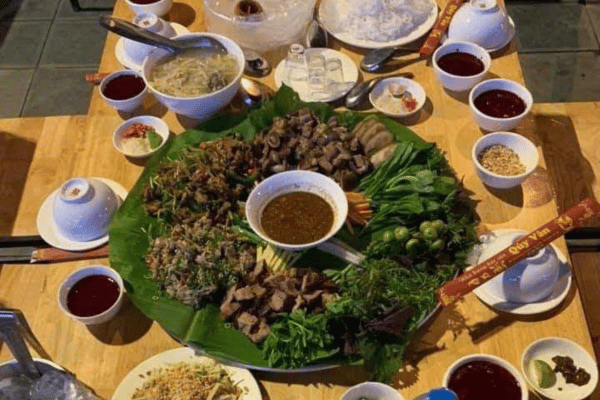
At a homestay with a family dinner, you eat what the household cooks, and that’s a feature, not a limitation. It’s usually fresh, local, generous, and far better than anything you’d order off a menu nearby. The catch is that you eat on their schedule and you eat what’s served, so picky eaters and people with strict dietary needs should give a heads up when booking. Most families will happily adjust for vegetarians or allergies if you ask ahead, but a last minute request is harder.
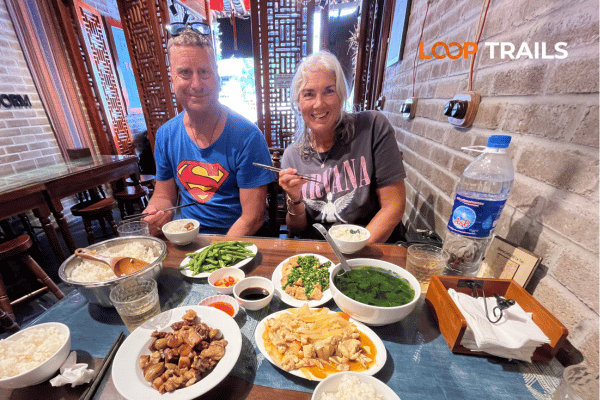
Guesthouses leave you to fend for yourself, which is great if you like choosing your own meals, eating late, or wandering a town like Dong Van’s old quarter looking for whatever catches your eye. It’s less great if you’re exhausted and there’s nowhere good within walking distance. Town based guesthouses usually solve this, remote ones sometimes don’t, so check what’s nearby.
Learn more: Cao Bang Loop 3 Days best kept secret
Comfort and vibe matter, but so does where each option physically drops you, because that shapes your sunrises, your photos, and your riding the next morning.
Guesthouses and small hotels concentrate in the towns. Basing yourself in Dong Van, Meo Vac, or Yen Minh means easy food, shops, fuel, and a comfortable bed close to the route. The trade is that you wake up in a town, not in the middle of the scenery, and you’ll need to ride a bit to reach the quiet viewpoints before the crowds.
Homestays put you out in the villages and valleys, which is where the Loop’s magic actually lives. Waking up to mist sliding off the karst hills outside a stilt house in Du Gia, or stepping out of a Dao homestay in Nam Dam into rice fields, beats any town view. Lo Lo Chai near Lung Cu is a lovely example of a village stay with real character. You’re closer to nature and to the morning light, but further from conveniences, so plan fuel and food around it.
A practical note for any base: roads in the region get rerouted for repairs, weather closes sections, and access to spots like the Nho Que River or stretches of the Ma Pi Leng Pass can change. Always check local conditions on the day rather than trusting a route you saw online months ago.
Learn more: Ha Giang Homestay Guide
Here’s the part you came for. Run yourself through these and the answer usually falls out on its own.
You don’t have to pick a side for the whole trip, and honestly most people shouldn’t. The sweet spot for a lot of travelers is one or two homestay nights for the social, local heart of the experience, plus a guesthouse or hotel night when they want to recharge properly. A 3 days 2 nights Loop might be one homestay night and one comfortable town night. A 4 days 3 nights gives you room to do both homestay villages and still rest. You get the dinners and the friendships without burning out on shared rooms.
Learn more: Ha Giang Motorbike Rental
How you book the trip changes how much of this you have to manage yourself.
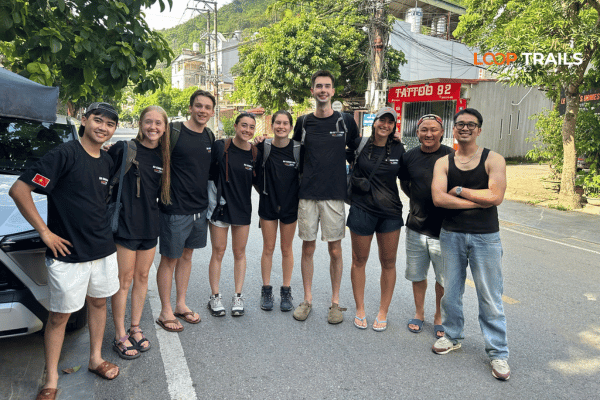
If you ride with us as a passenger on an easy rider trip, or join a guided group, the accommodation is already arranged and included. We pick the stays, balance comfort against character, and slot in a homestay night where it makes sense. You don’t research, you don’t book, and you don’t negotiate a room rate at 7pm with mud on your boots. For most first time Loop travelers, that’s a big part of why a tour is worth it. Take a look at our Ha Giang Loop tour options to see how the nights are structured.
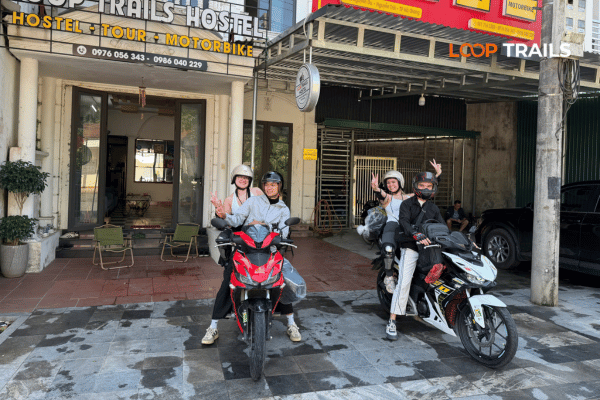
If you rent a bike and ride the Loop independently, the stays are on you, which some people love and others find stressful. You get total freedom over where you sleep, but you’re also the one reading listings, checking whether “homestay” means dorm or private, and gambling on availability in peak season. If you go this route, book at least your first night or two ahead so you’re not searching for a bed after dark, and use this guide’s checklist below. Need wheels? Our motorbike rental in Ha Giang sets you up with a well kept bike and honest advice on the route.
Plenty of riders also do a hybrid: rent the bike for the freedom, but let us pre book the homestay nights so the social evenings are locked in and the rest sorts itself out.
Learn more: Ha Giang Loop by Army Jeep Tours
A few things we see go wrong, and how to dodge them.
Quick booking checklist:
Common mistakes to avoid:
None of this is meant to scare you off. The Loop is welcoming and most stays are run by genuinely kind people. A little reading just makes sure you get the night you actually wanted.

Learn more: Ha Giang Packing list
You don’t need much, but a few items make both homestays and guesthouses far more comfortable:
Learn more: Ha Giang Loop Coporate Retreat
To make it concrete, here’s one popular way to split the nights on a classic 3 days 2 nights Loop. Routes and stops vary by operator and by road conditions, so treat this as a shape, not a rule.
| Night | Rough base | Type that suits it | Why |
|---|---|---|---|
| Night 1 | Yen Minh or Dong Van | Guesthouse or comfortable homestay | Settle in after the first big riding day, rest up, easy food nearby |
| Night 2 | Du Gia or a Hmong village near Meo Vac | Homestay with shared dinner | The social, local heart of the trip, the corn wine evening everyone remembers |
| (Return) | Back toward Ha Giang city | n/a | Ride out after breakfast, trip wraps |
On a 4 days 3 nights version you simply add another village or rest night, which lets you do both a lively homestay and a proper recharge without rushing. If a 5 days route through to Cao Bang is on your radar, the same logic applies, mix social village nights with comfortable town nights so you arrive at Ban Gioc still enjoying yourself rather than running on empty.
The real takeaway is this: there’s no single best Ha Giang Loop accommodation, only the best fit for how you travel and how each night of your trip should feel. Get that match right and the Loop goes from a great ride to a trip you’ll be telling people about for years.
Want it sorted without the guesswork? Tell us how you like to travel and we’ll build the stays around it. Browse our Ha Giang Loop tours, check our Ha Giang and Cao Bang combo if you’ve got more time, or message us on WhatsApp for honest, no pressure advice on where to sleep on the Loop.

Learn more: Ha Giang Loop Photography Guide
Neither is better overall, they suit different travelers. Homestays win for socializing, local food, and scenery. Guesthouses win for privacy, comfort, and rest. Most people enjoy a mix of both across the trip
It varies. Traditional homestays are basic, with floor mattresses in a shared room, but many now offer private rooms and hot showers. Comfort has improved a lot, just read the details before booking so you know what you’re getting.
Many do, but not all, and it can be shared or rustic. If hot water matters to you, especially in colder months, confirm it with the host before you book rather than assuming.
The high passes get genuinely cold in winter and warmer in the wet summer, and few places have central heating. Pack warm layers and check a current forecast close to your dates, since conditions swing by season and even by day.
A shared homestay bed is usually cheapest, a private room costs more, and a town hotel costs the most. Prices shift with season and demand, so check current rates near your travel dates. On guided tours, accommodation is included.
In busy seasons, yes, at least your first night or two so you’re not searching after dark. On a guided or easy rider tour, we handle all the bookings for you, so there’s nothing to arrange.
Absolutely, and most travelers should. A common approach is one or two homestay nights for the social experience plus a guesthouse night to recharge. It gives you the best of both without burning out.
For many people they’re the highlight of the whole trip. You eat fresh local food cooked by the host family at a shared table, usually with corn wine and a lively crowd. If meeting people is your thing, don’t skip it.
Du Gia, Nam Dam, and the Hmong cultural area near Meo Vac are well known for great village stays and communal dinners. Lo Lo Chai near Lung Cu is another with real character.
No. On our guided and easy rider tours, the stays are chosen and included, with a homestay night slotted in where it fits. You just show up. Independent riders book their own, which is where this guide helps most.
Tell the host or your tour operator in advance and most will happily accommodate vegetarians or allergies. Last minute requests are harder at family homestays since meals are cooked for the group, so give a heads up when you book.
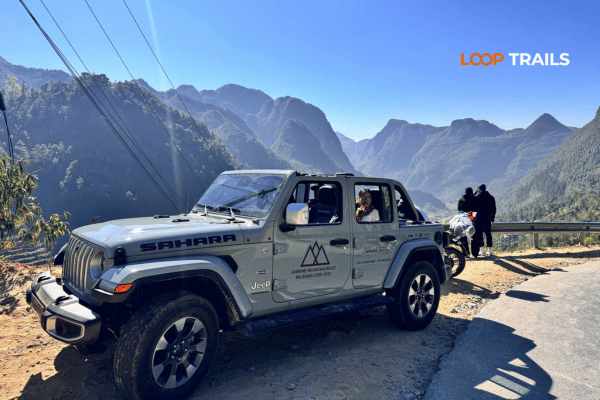
Yes. Stick to guesthouses and small hotels in the towns for privacy and a reliable standard, and consider a jeep based trip if you’d rather not ride a motorbike. You can have a comfortable Loop and still see all the same scenery.
Contact information for Loop Trails
Website: Loop Trails Official Website
Email: looptrailshostel@gmail.com
Hotline & WhatSapp:
+84862379288
+84938988593
Social Media:
Facebook: Loop Trails Tours Ha Giang
Instagram: Loop Trails Tours Ha Giang
TikTok: Loop Trails
Office Address: 48 Nguyen Du, Ha Giang 1, Tuyen Quang
Address: 48 Nguyen Du, Ha Giang 1, Tuyen Quang
Facebook X Reddit Table of Contents Learn more: Ha Giang Loop Tours Most people drive past the Quan Ba area twice on

Facebook X Reddit Table of Contents Learn more: Ha Giang Loop Tours The Ha Giang Loop has a reputation problem with older