
Ha Giang Loop: 3 Days or 4 Days? An Honest Comparison
Facebook X Reddit Table of Contents Learn more: Ha Giang Loop Tours This is the question that sits in almost every Ha

Thúy Kiều (Grace) is a travel blogger and content contributor for Loop Trails Tours Ha Giang. She holds a bachelor’s degree in Sustainable Tourism from Vietnam National University, Hanoi, and has a strong passion for exploring and promoting responsible travel experiences in Vietnam’s northern highlands.
Learn more: Ha Giang Loop Tours
The first time I rolled into Ha Giang, I was tired, slightly underdressed, and convinced I’d already seen “the mountain bit” of Vietnam in Sapa. Three days later I came back with a dust line on my forehead, a sunburnt nose, and that quiet feeling you get when somewhere genuinely surprises you.
If you’re researching a Ha Giang tour, you’re already on the right track. This is the most rewarding multi-day trip in Vietnam right now, and it isn’t close. The question isn’t whether to go. It’s how to do it: with a local driver, on your own bike, or in a jeep with the windows down.
This guide is written for travelers who want a straight answer. No fluff, no “hidden gem” clichés, no fake prices. Just the things I’d tell a friend over coffee in Ha Giang City the night before they ride out.
Learn more: Ha Giang Loop 2 Days 1 Night
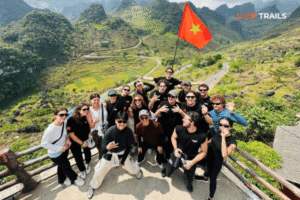
Ha Giang sits in the far north of Vietnam, pressed against the Chinese border. The province is mostly limestone karst, river canyons, and ethnic minority villages, with the Dong Van Karst Plateau Geopark recognized by UNESCO. The “loop” is a roughly 350 km circular route through the most dramatic stretch of it, usually starting and ending in Ha Giang City.
What makes it different from other mountain regions in Vietnam:
If you’ve already done Sapa or Hoi An and want something with more grit and more sky, Ha Giang is the answer.
Learn more: Ha Giang Loop 3 Days 2 Nights
Skip the rest of the internet for a minute. Here’s the honest version.
| Tour type | Best for | Skill needed | Vibe |
|---|---|---|---|
| Easy Rider | Solo travelers, couples, anyone who wants to enjoy the views | None | Social, relaxed, photo-heavy |
| Self-Drive | Confident riders with real motorbike experience | High | Independent, flexible, more effort |
| Jeep / Car | Families, older travelers, riders nursing injuries, monsoon season | None | Comfortable, dry, slightly removed from the road |
| Ha Giang + Cao Bang | Travelers with 7+ days who want fewer people and Ban Gioc Waterfall | Depends on format | Longer, quieter, more variety |
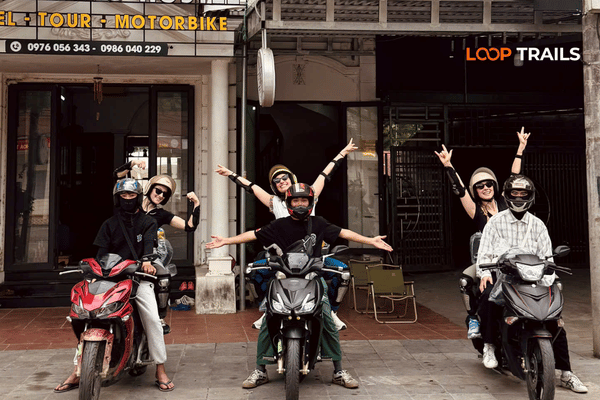
Learn more: Ha Giang Loop Easy Rider
You ride on the back of a motorbike with a local driver. You do nothing except hold the grab bar, look around, and occasionally pass a snack forward. The driver knows the road, knows where to stop, and knows what to do if it rains.
This is what most first-time visitors should book. It’s also the option couples love, because you can swap stories at viewpoints instead of stressing about gravel.
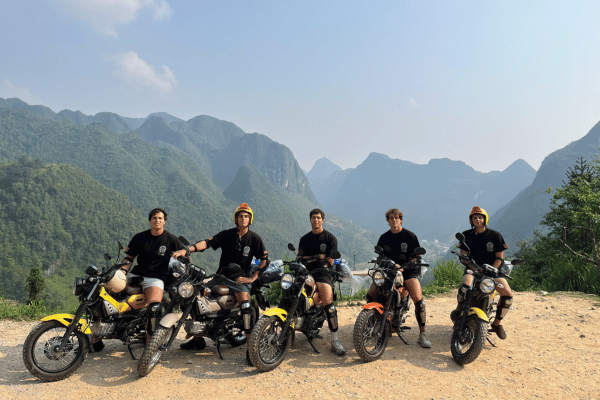
Learn more: Ha Giang Loop Self-Drive & hire a motorbike
You rent a bike, you ride it, you keep up with the group (or not). You’ll get a guide leading the convoy, but the riding decisions are yours.
Be honest with yourself before choosing this. The loop has steep climbs, hairpin turns, gravel patches, occasional landslides in wet months, and trucks that don’t always stay on their side of the line. If you’ve never ridden a manual or semi-auto bike on real mountain roads, this isn’t the place to learn. If you have, it’s incredible.
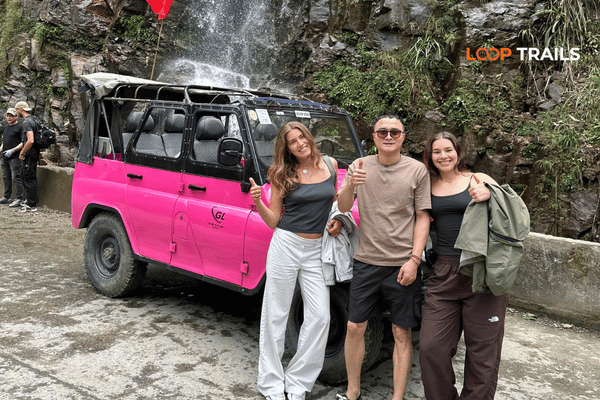
Learn more: Ha Giang Loop 4 Days 3 Nights
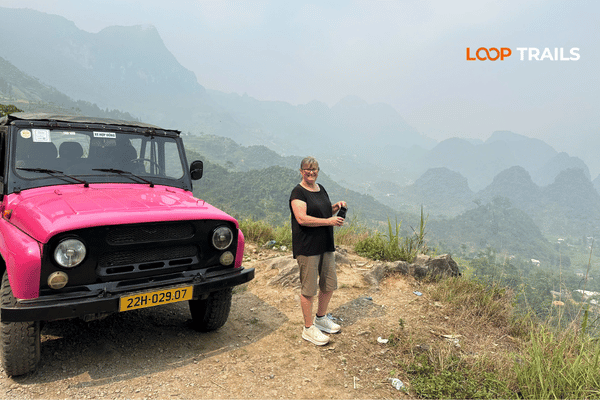
You ride in a 4×4 or comfortable car with a driver. Same route, same views, same homestays, just with windows and a roof. People assume jeeps are only for older travelers, but they’re also the smart pick if you’re traveling with a small child, recovering from anything, visiting in heavy rain, or simply prefer your photos taken with both hands free.
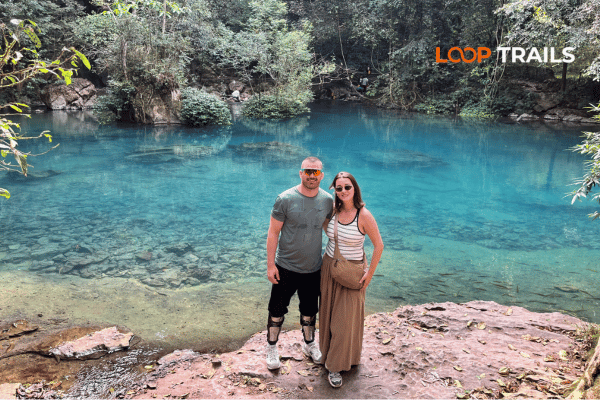
Learn more: Ha Giang Cao Bang 5 Days 4 Nights
If you’ve got a full week or more, combining Ha Giang with neighboring Cao Bang province turns a great trip into a serious one. You add Ban Gioc Waterfall, the Phia Oac mountain area, quieter roads, and far fewer travelers. Some sections are linked by transfer day rather than ridden, depending on the format.
Thinking out loud about which one fits? Most travelers I host end up choosing easy rider for their first time. It removes 90% of the things that go wrong on the loop while keeping all of the things that make it special. You can always come back and self-drive on round two.
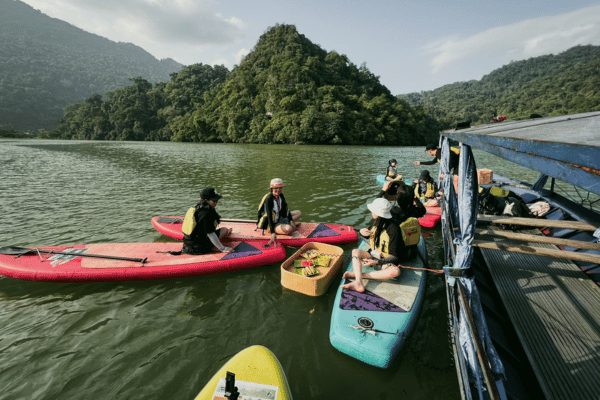
Learn more: Ha Giang Cao Bang Ba Be Lake 6 Days 5 Nights
There’s no single right answer, but there’s a pattern.
The classic. Ha Giang City to Yen Minh and Dong Van on day one, around the northern circuit on day two, and back via Du Gia or Meo Vac on day three. It works, and most operators run it. The trade-off is pace: you’ll be on the bike longer each day, with less time at viewpoints.
Pick this if you’re tight on time and don’t mind a fuller riding day.
The sweet spot. The same route, plus an extra night that you can spend either at Du Gia (waterfall and swim) or in a quieter village rather than rushing back. Days feel relaxed, not rushed.
Pick this if you want to actually enjoy the trip rather than tick it off.
For travelers who want to slow down. Add a longer stay at Lung Cu, an extra night in Dong Van’s old quarter, or a Du Gia rest day with hiking and swimming. Some travelers also use the extra days to detour toward Bao Lac or down toward Ba Be Lake on the way back to Hanoi.
Pick this if photography, culture, or simply not being in a hurry is the point of your trip.
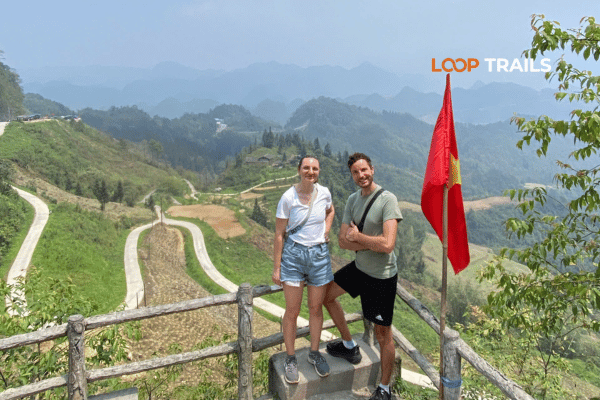
Learn more: Quan Ba Heaven Gate
This is the version Loop Trails runs most often. Treat it as a template, not a rule. Weather and road conditions can shift things, and a good guide will adjust on the fly.
You’ll likely arrive in Ha Giang City early morning by overnight bus from Hanoi. Breakfast, a quick safety briefing, and you’re rolling by 9 a.m.
Highlights of the day:
You’ll sleep in Dong Van. The old town is small but atmospheric, with a few cafes that stay open late and a Sunday market that’s worth timing your trip around if you can.
This is the day people remember.
Sleep in Meo Vac, which is a quieter base than Dong Van but with more authentic local rhythm. If your trip lands on a Sunday, the Meo Vac cattle market is one of the best in northern Vietnam.
A different kind of day. The road south to Du Gia winds through small Hmong villages, terraced fields, and stretches where you barely see another vehicle.
Du Gia is one of those places that doesn’t photograph well but feels great. Sleep in a stilt house homestay.
A shorter, easier ride day. You’re back in Ha Giang City by early afternoon, which gives you time to clean up and either catch the night bus back to Hanoi or stay one more night.
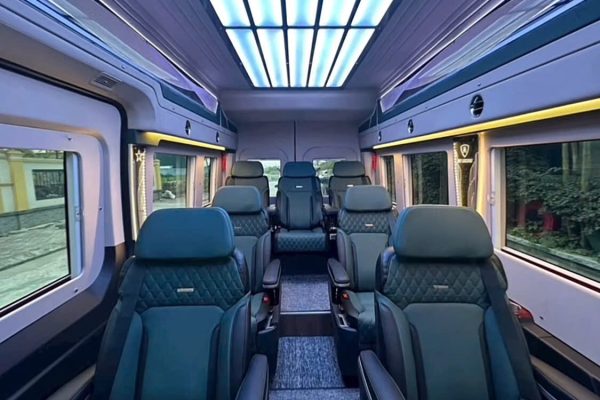
Learn more: Ha Giang Loop Private Car from Hanoi
Ha Giang isn’t connected by plane or train directly. You’ll be doing this by road. The good news is that the bus options out of Hanoi are well-established and cheap.
Overnight sleeper buses run from Hanoi to Ha Giang City, leaving in the late evening and arriving early the next morning. You get a flat bunk (sort of), a blanket, and a few rest stops along the way.
It’s not luxurious, but it’s the option most backpackers use, and it saves you a hotel night. Try to book a bottom bunk away from the toilet.
Smaller, faster, more comfortable. Limousine vans run during the day and at night. They cost more than a sleeper bus but are easier on your back and usually have better drivers.
If you’re a bit older or just don’t enjoy sleeper buses, this is the call.
A private car (or 7-seater) door to door. Costs more, but you can leave when you want, stop when you want, and travel with your own group. Good for families or small groups of three to four splitting the cost.
You can take a train toward Lao Cai or stop at Yen Bai and connect to Ha Giang by bus, but it’s a long, awkward route and most travelers skip it. Use this only if you specifically prefer trains and have time to spare.
Departure points and schedules can shift, especially around Vietnamese holidays like Tet. Check the latest updates before booking.
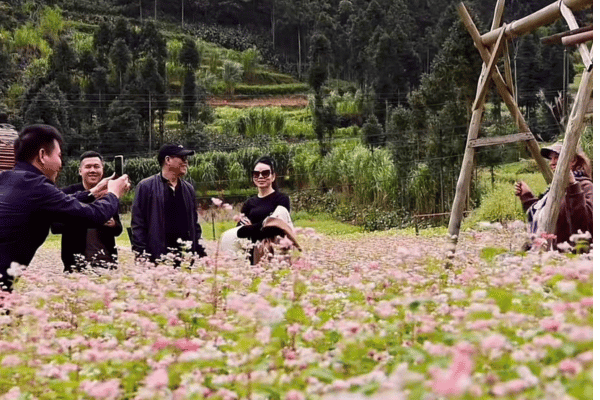
Learn more: Ha Giang Buckwheat Flowers Season
Ha Giang has a real four-season feel that most of Vietnam doesn’t. The mountains change character through the year, and the right month depends on what you want to see.
The famous one. Hillsides turn pink and white with blooming buckwheat (tam giac mach) flowers. Photographers love this season, and it’s when most international travelers visit.
Trade-off: more crowded, especially at the well-known viewpoints. Book early.
The terraces near Hoang Su Phi turn gold before harvest. Less famous than Sapa’s terraces but arguably more beautiful because there are fewer people. If you go in September, consider adding Hoang Su Phi at the start or end of your loop.
Generally good riding weather: cooler temperatures, less rain, clearer skies. December and January can be genuinely cold in Dong Van, especially at night. Bring layers.
May through August can bring heavy rain, occasional landslides, and cloud-covered passes. The loop is still beautiful, but visibility at viewpoints can be hit or miss, and self-drive becomes more challenging.
January and February can have cold snaps, fog on Ma Pi Leng, and even rare frost on Lung Cu. Pack accordingly.
Weather windows on the loop change year to year. Locals don’t book seasons by month, they book by checking the weather a few days ahead. If you’re flexible, do the same.
Learn more: Ha Giang Loop Cost & Tips
Pricing changes constantly with fuel costs, accommodation upgrades, and demand. Here’s what an honest cost structure looks like rather than a fake “from $XX” number.
What you’re paying for on a tour:
What’s usually NOT included:
Easy Rider tours generally cost more than self-drive because there’s a paid driver per traveler. Jeep tours cost the most because you’re sharing the cost of a vehicle and driver across fewer seats.
If a price seems significantly lower than market average, ask what’s missing before you book. Common cuts: cheaper homestays without hot showers, smaller breakfasts, fewer scenic stops to save fuel, and old bikes.
Want a current quote tailored to your dates and group size? Reach out via WhatsApp and we’ll send a real number, not a “from” number.

Learn more: Ha Giang Loop by Jeep for Families & Groups
Operators in Ha Giang vary wildly. Here’s what we include because we think it’s the bare minimum to do the loop properly:
This isn’t a sales pitch so much as a reference point: if another operator is missing something on this list, you’ll feel it on day two.
Learn more: Ha Giang Road Conditions 2026
Let’s talk about the part nobody covers honestly.
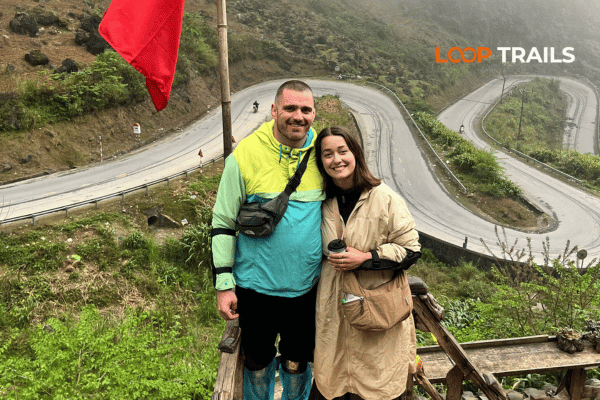
The main loop is paved. That doesn’t mean it’s smooth. You’ll deal with:
Roads can also change condition month to month. A section that’s perfect in March can be patchy after monsoon. Always trust your guide’s call on routing if they suggest a change.
This part gets bent online by operators trying to make a sale. The honest version:
The safe move: ride pillion with a licensed local driver (easy rider), or check the most current regulations carefully if you plan to self-drive. Ask your operator directly, and don’t take “you’ll be fine” as an answer.
Travel insurance that explicitly covers motorbike riding in Vietnam, not just generic travel cover. Many policies exclude motorbikes by default or limit cover by engine size. Read the small print before you arrive, not after.
If you’re on an easy rider or jeep tour, insurance is still worth having for general medical and trip-disruption reasons.
Learn more: Ha Giang Loop Mistake to Avoid
Most travelers have a clean trip. The common pitfalls aren’t dramatic, but they’re real:
If something feels off about an operator, the booking, the bike, or the itinerary, slow down and ask. Loop Trails is happy to answer questions even if you end up booking elsewhere.
Learn more: Ha Giang Motorbike Rental
Use this as a quick filter:
Whichever you pick, your trip is better when the operator answers questions before they answer wallets.

Learn more: Ha Giang Packing list
Pack light, but pack right.
Clothing
Gear
Skip
Learn more: Ha Giang Food guide
This is the part that turns a good trip into a memorable one.
Food on the loop is honest mountain cooking. Stir-fried greens, pork with bamboo shoots, grilled chicken, tofu in tomato sauce, rice noodles, and at family meals, communal plates served with rice and a small bowl of soup. Thang co is a traditional horsemeat stew you’ll see at markets, an acquired taste but a real one. Five-color sticky rice appears in Tay villages. Coffee is genuinely good in Dong Van’s old quarter.
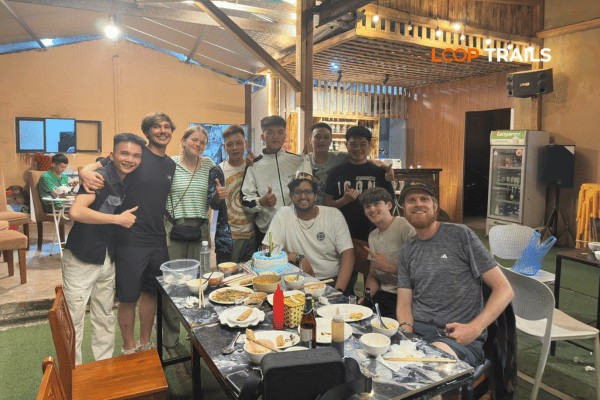
Homestays in Ha Giang are usually wooden stilt houses with shared sleeping areas (mattresses on the floor with mosquito nets) or small private rooms. Don’t expect five-star comfort. Do expect warm hosts and a chance to actually meet local families. Hot showers exist in most homestays now, but pressure varies.
Markets are the cultural core of the region. Sunday markets in Dong Van and Meo Vac, Saturday market in Lung Phin, and smaller weekday markets in villages along the way. They start early. Sleeping in is a choice with consequences.
Etiquette basics:
Learn more: Ha Giang Loop route and itinerary
The booking process should feel simple. Here’s how it works with us at Loop Trails:
If you’ve still got questions you’d ask a friend, ask us. Booking should feel like that, not like buying a flight.
Ready to lock in dates? Get in touch and we’ll match you to the right tour for your group. We run small groups year round, with flexibility for couples and solo travelers.
Learn more: Cao Bang Loop 3 Days best kept secret
The loop is safe for most travelers when ridden sensibly with the right tour format. Easy rider and jeep tours remove most of the risk. Self-driving requires real motorbike experience. Roads can change after rain, so trust your guide’s calls.
Three days is the minimum, four is the sweet spot, and five or more lets you slow down and add Du Gia, Lung Cu, or extra cultural stops. Don’t try to compress it into two; you’ll spend more time on the bus to Hanoi than on the loop.
Yes, you can rent a bike independently and ride solo. It’s harder, riskier, and you’ll miss insider stops. Most first-time visitors are happier with a guided easy rider or self-drive convoy.
Driving requirements in Vietnam vary by bike size and change over time. If you plan to self-drive, check current regulations carefully and confirm with your operator. The simplest workaround is an easy rider tour with a licensed local driver.
October to April is generally drier and cooler. October and November bring buckwheat flowers. September has rice terraces nearby. Summer (May to August) is greener but rainier.
Overnight sleeper bus is the most popular route. Limousine vans are more comfortable, private cars are most flexible. Trains don’t go to Ha Giang directly. Plan for around six to seven hours of travel time.
Yes, with the right setup. Jeep tours are the comfortable option in heavy rain. Easy rider works with a rain poncho and a flexible itinerary. Self-driving in monsoon season is doable for experienced riders but adds real risk on hairpin descents.
Sapa is more developed, more crowded, and easier to access. Ha Giang feels rawer, with bigger landscapes, fewer tourists, and a stronger road-trip element. If you’ve already done Sapa, Ha Giang will feel like a different country.
Costs vary by tour type, group size, season, and inclusions. Easy rider, self-drive, and jeep formats sit at different price points, with jeep generally the highest per person. Ask for a tailored quote rather than relying on generic “from” prices online.
A jeep tour is a reasonable option for families with older kids who travel well. Long days on a bike aren’t fun for younger children. Talk to the operator about pacing, day lengths, and homestay options before booking.
Ha Giang plus Cao Bang is a popular extended itinerary, with Ban Gioc Waterfall as the highlight. Combining with Sapa is also doable but involves a longer transfer day. We can build either combination on request.
Loop Trails reschedules or adjusts itineraries when weather makes the route genuinely unsafe. We’ll move you to a jeep, change the riding day, or adjust the route based on conditions. Travel insurance that covers weather disruption is a smart backup.
Contact information for Loop Trails
Website: Loop Trails Official Website
Email: looptrailshostel@gmail.com
Hotline & WhatSapp:
+84862379288
+84938988593
Social Media:
Facebook: Loop Trails Tours Ha Giang
Instagram: Loop Trails Tours Ha Giang
TikTok: Loop Trails
Office Address: 48 Nguyen Du, Ha Giang 1, Tuyen Quang
Address: 48 Nguyen Du, Ha Giang 1, Tuyen Quang
Facebook X Reddit Table of Contents Learn more: Ha Giang Loop Tours This is the question that sits in almost every Ha
Facebook X Reddit Table of Contents Learn more: Ha Giang Loop Tours Most people drive past the Quan Ba area twice on

Facebook X Reddit Table of Contents Learn more: Ha Giang Loop Tours The Ha Giang Loop has a reputation problem with older