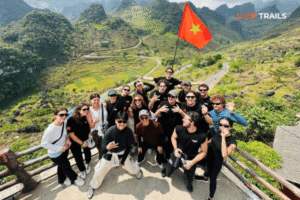


Thúy Kiều (Grace) is a travel blogger and content contributor for Loop Trails Tours Ha Giang. She holds a bachelor’s degree in Sustainable Tourism from Vietnam National University, Hanoi, and has a strong passion for exploring and promoting responsible travel experiences in Vietnam’s northern highlands.
Learn more: Ha Giang Loop Tours
The Ha Giang Loop in 2010 had around 2,000 foreign visitors a year. In 2023, the province logged over 3 million. That’s not a typo. The road network, the homestays, the markets, the rivers, the ethnic minority villages, the entire fragile system that makes this place worth visiting in the first place: all of it absorbed that growth in roughly a decade.
Most travelers who ride the loop don’t know any of that. They show up, do 3 days of incredible scenery, and head home with great photos. The trip is real, the views are real, the experience is real. Nothing wrong with any of that. But how you ride this region, who you book with, what you do in the villages, and where your money lands afterwards: those things matter more here than they do on most trips.
This is a practical guide, not a lecture. I run tours on this loop with LoopTrails, and I’ve watched the road change. The point of this article isn’t to make you feel guilty about coming. It’s to help you come well.
Learn more: Ha Giang Loop 2 Days 1 Night
Strip out the marketing language and there are three buckets:
Most travelers think about the first two and forget the third entirely. The third is often the most important.
A responsible Ha Giang Loop trip isn’t about saying no to things. It’s about saying yes to the right things. You can absolutely have a wild, beautiful, memorable trip and still leave the place better than the average traveler. The two aren’t opposed.
Learn more: Ha Giang Loop 3 Days 2 Nights
I’ll be straight with you about what the road looks like now compared to five years ago, because it matters when you’re deciding how to behave.
The growth is mostly domestic Vietnamese travelers, but the foreign share has exploded too, especially since 2022. The infrastructure has scaled with it, sort of. New homestays in every district. New cafes with espresso machines. New rental shops in Ha Giang City. New paved sections of the loop. Some of that is genuinely good. Cheaper coffee for Hmong farmers selling corn at roadside isn’t a bad thing.
But the curve has been steep. Some of the development is well thought through. A lot of it isn’t. The province is still figuring out how to manage volumes that doubled in 18 months.
None of this means you shouldn’t come. It means you should come thinking about which side of the trend line you want to be on.
Learn more: Ha Giang Loop 4 Days 3 Nights
This is the single biggest decision you’ll make on a Ha Giang trip, and most travelers think about it for about 90 seconds before booking the cheapest option from a hostel notice board. Slow down. Where you book changes everything else.
A motorbike convoy of 25 riders changes the character of a village the moment it pulls in. The noise alone affects how locals experience their afternoon. Add 25 people taking photos, asking for water, using the toilet, and buying coke from the one shop, and you’ve gone from “interesting foreigners visiting” to “the loud group from this morning.”
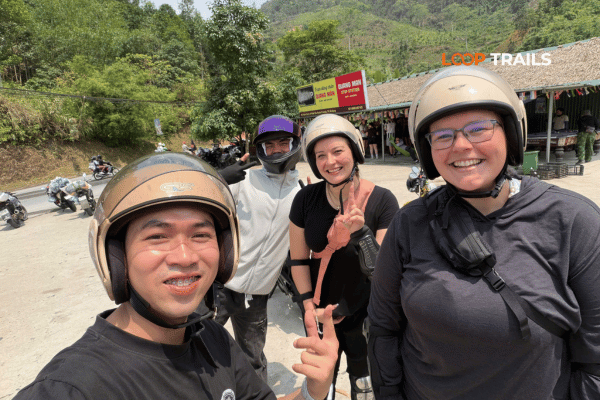
Smaller groups absorb better. Most reputable operators on the loop cap their convoys at 8 to 10 riders, sometimes fewer. We keep ours small at LoopTrails on purpose. It’s not a marketing point, it’s a practical limit: more than that and the experience degrades for everyone, locals included.
When you’re comparing tours, ask about maximum group size. If the answer is vague or above 12, look elsewhere.
This is the part operators don’t usually talk about. When you pay for a 3 days tour, where does the cash actually end up?
A responsible operator will spend a meaningful chunk on:
Less responsible operators cut corners on all of the above. They negotiate aggressive rates with homestays (which means the family makes almost nothing per guest), use the cheapest fuel, skip maintenance, and route lunches to the same handful of large restaurants that pay commission.
You can’t always see this from the outside, but you can ask. Reputable operators will tell you the breakdown.
If you want to look at a real example of how a small group, locally rooted operator structures tours, check our [Ha Giang Loop tours page] for the formats and what’s included.
Send these to any operator you’re considering. Their answers will tell you a lot:
If they fumble on three or more, keep looking. If they answer all eight clearly, you’re probably in good hands.
I’m not saying every cheap tour is bad. Some genuinely run lean operations and pass savings on. But if everything else looks wrong and the price is also suspiciously low, it usually is.
Learn more: Ha Giang Cao Bang 5 Days 4 Nights
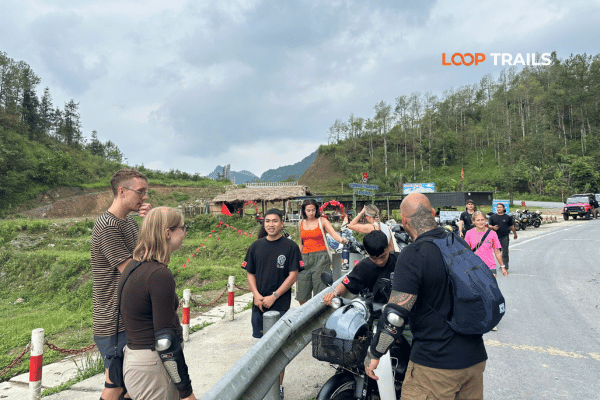
Whether you’re on the back of an easy rider’s bike, driving your own, or sitting in a jeep, your behavior on the road shapes the trip for the locals who live there.
The loop has become a content engine. People come here to film, and that affects how they ride. Revving engines for the camera. Cutting corners for the shot. Riding faster than conditions warrant to make a video look more dramatic.
Locals notice. The Hmong family eating dinner with their door open hears your aftermarket exhaust for about a kilometre. The children walking home from school step into the verge when they hear engines approaching at speed.
You don’t need to ride like a monk. You do need to ride like an adult. Match your speed to the conditions. Don’t rev unnecessarily through villages. Don’t honk except for safety.
Switchback corners on the loop are tight. The Ma Pi Leng Pass has multiple unmarked stretches where the shoulder is essentially zero. Stopping on a blind bend for a photo isn’t just risky for you, it’s a hazard for everyone behind you.
Official viewpoints exist for a reason. Use them. If you spot something you want to photograph mid section, ride to the next safe pullout and walk back if you have to.
A few things that have become issues:

Learn more: Ha Giang Cao Bang Ba Be Lake 6 Days 5 Nights
Seventeen ethnic minority groups live within the geopark. They didn’t sign up to be a tourism backdrop. Treat them the way you’d want to be treated if a foreign tourist showed up in your neighborhood and started photographing your kids.
This is the biggest one. A few practical rules:
The Hmong grandmother with the embroidered jacket carrying a baby in a back sling: she’s the most photographed person on the loop. She knows. She’s tired of it. If you take that photo, do it with permission and respect, not as a drive by.
You don’t need to dress conservatively in any extreme sense, but use common sense. Short shorts and tight crop tops in a small Hmong village read as disrespectful even if no one says it. Cover shoulders if you’re entering a private home. Take shoes off when invited inside. Don’t sit with the soles of your feet pointing at anyone.
Speak quietly in villages, especially early morning and after dark. Sound carries in stone houses.
Local markets are one of the great experiences on the loop. Meo Vac Sunday market is the famous one, but there are smaller ones in Lung Phin, Yen Minh, and Hoang Su Phi worth seeking out.
Buy directly from makers when you can. The embroidered jackets, hemp textiles, silver jewelry, indigo dyed fabrics: most of these are made by hand by women in the surrounding villages. Money paid to them goes much further than money paid to a souvenir shop in Ha Giang City.
What to avoid:
You’ll see this at viewpoints. Tourists hand candy to kids, or money, or small toys. It feels generous. The longer term effect is genuinely harmful.
Kids who can earn at viewpoints often skip school. Communities lose generations of education. The dynamic shifts from “child of farmer” to “small beggar with a sales script.” Some children end up trafficked to tourist spots by adults who profit off them.
If you want to help, do it through homestays, tour operators, or registered community projects. Buy from a market stall a grandmother is running. Tip your homestay family well. Don’t put crumpled notes into the hands of children at Heaven’s Gate.
Learn more: Ha Giang Loop Price
Where your spending lands is one of the most underrated parts of responsible travel.
A few practical moves:
Tipping isn’t universal in Vietnam but is normal on the loop:
If you can’t afford to tip, that’s fine. Don’t skip it because it’s awkward; skip it because the service genuinely wasn’t good.
Real scams on the loop are rare but exist. You don’t need to be paranoid, just aware:
Most of the scams the internet warns you about are exaggerated. The biggest risk on the loop isn’t getting ripped off, it’s the road itself. Spend your worry budget there.
Learn more: Ha Giang Motorbike Rental
You can have an enormous impact on this with very little effort.
The loop has a plastic problem. Walk to the unofficial viewpoint above Ma Pi Leng and look down. It’s not pretty.
Two simple moves:
You’ll generate way less waste than you think if you skip the snack runs.
Most homestay bathrooms run on septic systems that can’t handle wet wipes or thick tissue. Standard rule across rural Vietnam: paper goes in the bin next to the toilet, not in the bowl.
Wet wipes are worse. They don’t break down. If you bring them, bring a small zip lock to pack them out until you reach a proper bin.
Same for menstrual products. Bin, not toilet. Some travelers carry small dog poo bags for this exact use.
This is underrated. The loop runs through stone villages where the acoustics carry every sound. A loud motorbike at 6 am wakes the village. A Bluetooth speaker on a viewpoint affects everyone there.
Be quiet around homes early morning and after dark. If you want to play music, use headphones. Don’t rev for content where you don’t have to.
Wildlife on the loop is mostly birds, lizards, the occasional snake, and some endangered species you almost certainly won’t see (Tonkin snub nosed monkey, Asian black bear). Two simple rules:
Learn more: Cao Bang Loop 3 Days best kept secret
Homestays are the heart of the loop experience. The way you behave inside them matters.
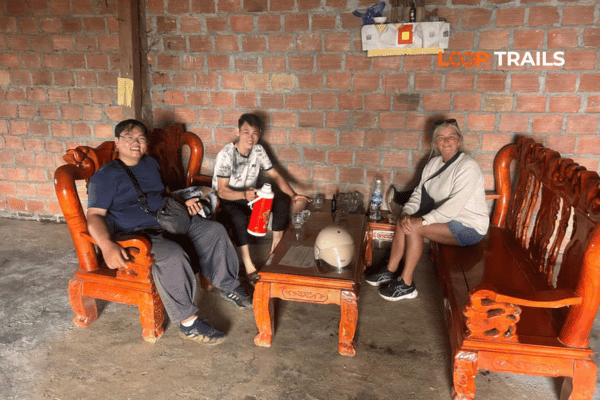
Most homestays are family homes that have added a few extra rooms or a dormitory. You’re sleeping in someone’s house.
Local corn wine (ruou ngo) is the standard hospitality drink. Hosts pour it generously. Refusing one glass is fine, refusing all of them can read as rude.
Two practical glasses, polite. Six glasses, unwise on a riding day. Eight glasses, you’re now part of the family lore.
If you don’t drink, say so early and friendly. Most hosts will swap you onto tea without a fuss.
The bigger issue isn’t your hangover, it’s riding the next morning. Don’t ride drunk or hungover at altitude on switchbacks. It’s how minor crashes become serious ones.
Hot water at homestays is typically solar heated, which means:
These aren’t strict rules. They’re small considerations that make a real difference to families running on tight margins.
Learn more: Ha Giang Jeep Tours
A short positive list, the stuff that makes a trip better for you and the place:
Learn more: Ha Giang Loop Mistake to Avoid
A practical reference list to look at before you book and again before you leave.
Before booking:
Packing for low impact:
On the road:
At the homestay:
Learn more: Ha Giang Loop Easy Rider
Quick decision framework based on what you care about.
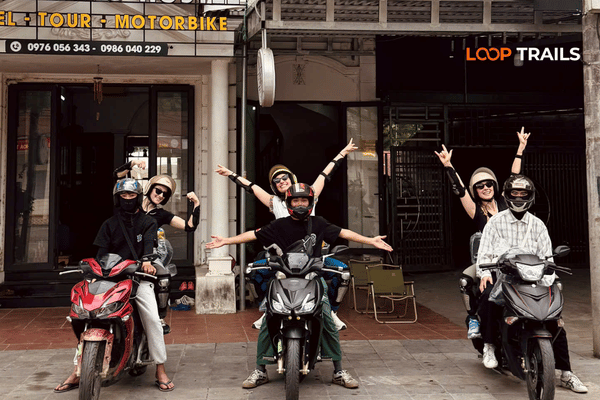
Easy rider with a small group: probably the best choice for first time visitors who want to travel responsibly. You’re on the back of a local rider’s bike, so the income goes directly to someone local. You can ask questions, learn about what you’re seeing, and slow down at the spots that matter. Group sizes are easy to keep small. This is what most travelers should pick.
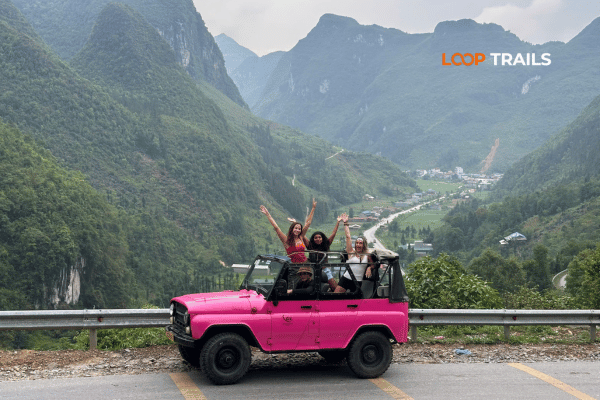
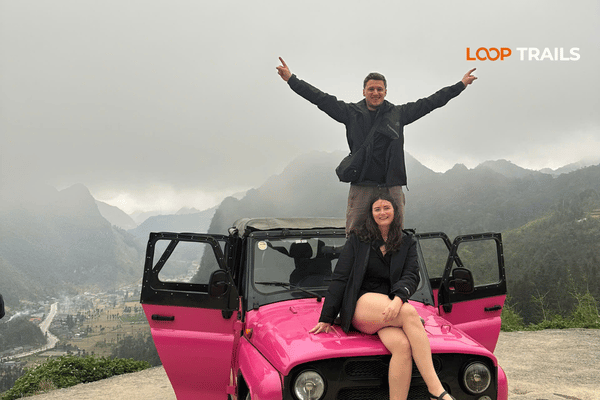
Jeep tour: also a strong responsible option, especially for couples, small groups, or non riders. Open air 4×4, same villages, same stops, less noise on entry, more comfortable in bad weather. Lower environmental footprint per person than two separate motorbikes if you’re traveling as a pair. Worth checking the [Ha Giang Loop jeep tour] options if you’d rather not ride.
Self drive motorbike: responsible only if you actually have mountain riding experience and you’re willing to ride at a pace that matches the conditions. The freedom is real, but so is the impact if you ride loud, fast, or carelessly. Pick this only if you’ve ridden manual or semi auto bikes on real roads before. We rent solid bikes to experienced riders, full details on our [motorbike rental Ha Giang page].
Ha Giang plus Cao Bang combo: the long form responsible trip. More days, more spending spread out, two UNESCO geoparks visited slowly instead of one rushed. Worth considering if you’ve got 5 to 6 days. See our [Ha Giang Cao Bang combine tours page] for routing options.
If you want a quick recommendation based on your group, dates, and pace, message us on WhatsApp via the [contact page]. A few minutes of conversation usually lands the right format.

Learn more: Ha Giang Loop with Kids
Anyone writing a “responsible travel” guide while running tours is going to get the side eye, and fair enough. Here’s the honest version: we’re not perfect. We pick our homestays carefully but we still buy fuel from the same petrol stations as everyone else. We try to keep groups small but we run a business that needs paying guests. We can tell you what we do well and what we’re still working on.
The thing about responsible travel is that perfect isn’t on the menu. Better is. Keep choosing better operators, better behavior, better small decisions on the road, and the loop stays the kind of place people will still want to visit in 20 years.
If you want to talk through what a low impact, well structured Ha Giang trip looks like, message us. No sales pressure. We’d rather you book the right tour somewhere else than the wrong tour with us.
In specific spots and specific seasons, yes. October to November buckwheat season is the most crowded. Choose lower season months (March, late September, late January) for a quieter experience that also spreads tourism revenue across the year.
Ask about group size, local employment, homestay sourcing, and itinerary transparency. If they answer clearly and specifically, they probably are. If they’re vague or evasive, look elsewhere.
With permission, yes. Without, no, even if they’re in a public space. A smile and a camera gesture is enough to ask.
No. Markets aren’t tourist bazaars. Light bargaining is fine, but pushing hard on a 50,000 dong piece of fabric to save a dollar is poor form. Pay close to what’s asked.
Yes, if you have the riding experience and behave well on the road. No, if you’ve never ridden in mountains and you’re treating the trip as a content stunt. The bike itself isn’t the problem, the rider sometimes is.
Yes, several. Small group operators based in Ha Giang who employ local riders and use family homestays are generally a better bet than mass operators based in Hanoi. We’re one of them but we’re not the only one.
Choose a small group operator that pays local guides and homestay families directly, and stay 3 to 4 days instead of rushing through in 2. Both of those decisions matter more than any single behavior on the road.
If you stand on the edge, yes. If you walk into the field for the shot without asking the farmer, no. Some farmers now charge a small fee. Pay it.
No. It encourages skipping school and can be part of an exploitative chain. If you want to support local children, donate to a registered community project or tip your homestay family generously.
Regulations on drone use in Vietnam can change and border areas have restrictions, so check current rules first. Even where legal, the buzzing disturbs villages and wildlife. If you do fly, do it briefly, away from people and homes.
Lower carbon footprint than private transfer, fine choice. Sleeper buses do the route in 8 to 9 hours. The bus operators are local businesses, which is a plus.
Sometimes a little, often roughly the same. Operators who pay fair wages and use family homestays tend to be in the mid range, not the cheapest and not the most expensive. The cheapest tours are usually cheap for reasons that aren’t responsible.
Contact information for Loop Trails
Website: Loop Trails Official Website
Email: looptrailshostel@gmail.com
Hotline & WhatSapp:
+84862379288
+84938988593
Social Media:
Facebook: Loop Trails Tours Ha Giang
Instagram: Loop Trails Tours Ha Giang
TikTok: Loop Trails
Office Address: 48 Nguyen Du, Ha Giang 1, Tuyen Quang
Address: 48 Nguyen Du, Ha Giang 1, Tuyen Quang
Facebook X Reddit Table of Contents Learn more: Ha Giang Loop Tours Most people drive past the Quan Ba area twice on

Facebook X Reddit Table of Contents Learn more: Ha Giang Loop Tours The Ha Giang Loop has a reputation problem with older