

Thúy Kiều (Grace) is a travel blogger and content contributor for Loop Trails Tours Ha Giang. She holds a bachelor’s degree in Sustainable Tourism from Vietnam National University, Hanoi, and has a strong passion for exploring and promoting responsible travel experiences in Vietnam’s northern highlands.
Learn more: Ha Giang Loop Tours
I’ve been bringing a camera up the Ha Giang Loop for years, and I still come back from every trip with photos I didn’t expect. That’s the thing about this place: the headline scenes (Ma Pi Leng, the Nho Que River, the buckwheat fields) are spectacular, but the photos that end up framed on people’s walls are usually something smaller. A woman in indigo carrying a basket down a stone path. A kid grinning out of a stilt house window. A fog bank rolling up a valley while a buffalo crosses the road.
This guide is for people who care about coming home with images, not just selfies. I’ll walk you through where to shoot, when the light is on your side, what gear actually earns its weight on a motorbike, and how to time a four day loop so you’re in the right place at the right hour. I’ll also tell you the unflattering truth about what most photographers get wrong up here.
If you’ve shot the Italian Dolomites or Patagonia, Ha Giang will surprise you. It’s denser, more layered, and the cultural element runs through every frame. You don’t switch off the camera between viewpoints; the road itself is the subject.
Learn more: Ha Giang Loop 2 Days 1 Night
A lot of road trips give you maybe ten or fifteen frame worthy moments across a week. Ha Giang gives you that many in a single morning, and they’re not all the same type of shot.
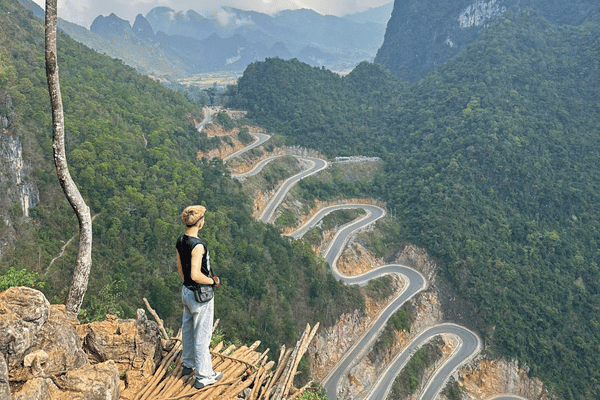
You’ve got geological drama: karst peaks stacked behind each other for fifty kilometers, ridge after ridge, the kind of layered backgrounds landscape photographers travel halfway around the world for. You’ve got road scenes that justify any wide angle you brought: Ma Pi Leng’s switchbacks above the Nho Que canyon are one of the most cinematic stretches of road in Southeast Asia.
But the cultural density is what pushes Ha Giang above other landscape destinations. More than twenty ethnic groups live across the province. Markets happen on rotating days in different towns, and they’re real markets where real people trade, not staged showcases. Homes are stilt houses with mud walls and roof tiles weathered black. Kids run barefoot on dirt yards. Women carry babies in patterned cloth carriers and walk for hours along the road shoulders.
The texture is endless. You can shoot a wide landscape, switch lenses, and have a portrait worth keeping ten minutes later. That’s rare.
The terrain also rewards patience. Fog rolls in and out. Light gets blocked, then released. A valley you photographed in the morning will look like a different planet by 4pm. Bring the camera every time you stop, not just at the famous viewpoints.
Learn more: Ha Giang Loop 3 Days 2 Nights
Photography conditions in Ha Giang change dramatically by season, and even more by hour. Here’s how to plan around both.
| Season | What you get | What you sacrifice |
|---|---|---|
| March to April | Wildflowers, fresh greens, plum and pear blossoms, clearer light | Some haze, occasional cold mornings |
| May to mid June | Rice planting season, terraces filled with water and reflections, lush colors | Increasing rain, slippery roads |
| Late June to August | Peak monsoon, dramatic skies, mist, waterfalls full | Heavy rain, road closures, mud, fog can shut down views entirely |
| September | Hoang Su Phi rice terraces turn gold, dramatic harvest scenes | Some lingering rain |
| October to November | Buckwheat flowers (pink and white), crisp air, best long range visibility | Crowds at famous spots, especially during Buckwheat Festival |
| December to February | Cold dry season, sharpest light, clear long range views, plum blossoms late Feb | Cold (near freezing in mornings), shorter daylight, occasional thick fog |
If photography is the entire reason you’re going, my pick is late October to mid November. The buckwheat is in bloom, the rice has just been harvested in lower valleys, the haze of summer is gone, and the long range visibility is at its best of the year. The light during this window has that crisp autumn quality that lifts every frame.
A close second is March to early April, when wildflowers carpet the high passes and the air is still clean from winter.
This isn’t going to surprise anyone who shoots landscapes, but the obvious times really do matter more here than in flat country.
The hardest discipline up here is staying out late. After a full day of riding, you’ll be tired. The best photographers I’ve guided force themselves to walk back out after dinner, and they always come back with the keepers.
Learn more: Ha Giang Loop 4 Days 3 Nights
Here’s the inventory you should be ticking off mentally as you ride. I’ve grouped them by type because most photographers will lean one direction more than the other.
Learn more: Cao Bang Loop 3 Days best kept secret
These are the ones that separate a good photo set from a memorable one.
If you want help planning a route that actually visits these spots at the right time of day, our Ha Giang Loop tours can be customized for photographers. We can route you through the right villages on market days, build in the early starts for sunrise viewpoints, and slow the pace where it matters.
Learn more: Ha Giang Cao Bang 5 Days 4 Nights
The temptation is to bring everything. Don’t. You’re on a motorbike or in a jeep on rough roads, and a heavy bag will ruin your trip by day two.
Essential:
Useful, not essential:
Drone (read carefully): Drones are legally complicated in Vietnam. Rules change. Flying without proper permits, especially near border areas (Lung Cu is on the Chinese border), can get your gear confiscated. If you’re serious about drone work, research the current regulations before you arrive, and don’t fly near military or border installations. If in doubt, leave it.
This matters more than you think. Options:
Pack the camera in a dry bag inside the box if rain is forecast. The mud and dust on this loop is relentless, and rain showers come up fast.
Learn more: Ha Giang Cao Bang Ba Be Lake 6 Days 5 Nights
Most travelers do the Loop in three days. Photographers should do four. The extra day buys you the buffer to wait for light, double back for a shot, and actually walk into a village instead of riding through.
This itinerary assumes you start and end in Ha Giang City.
Leave early. Aim to be at Quan Ba Heaven’s Gate viewpoint by 9am for clean morning light on the Twin Mountains. The drive there is about an hour and a half from Ha Giang City. After Quan Ba, the road climbs through stone villages and bamboo forest. Stop often.
Lunch in Tam Son or Yen Minh. After lunch, head out for the Tham Ma Pass switchbacks in late afternoon side light. You’ll arrive at Yen Minh in time for a sunset walk in the surrounding hills. Overnight in Yen Minh or push another twenty minutes to a homestay outside town.
Key shots: Quan Ba Twin Mountains, Tham Ma switchbacks, roadside H’mong houses.
This is the high day. Leave at first light if you can manage it. Sung La valley at sunrise is unreal in October and November. Spend most of the morning in the Sung La / Pho Cao / Sa Phin area: stilt houses, stone walled gardens, the H’mong King’s Palace, all within twenty minutes of each other.
After lunch, push north to Lung Cu Flagpole. The flagpole itself is a quick stop; the surrounding villages of Lo Lo Chai are more interesting. Spend a couple of hours walking. If you’re staying overnight in Lo Lo Chai (good for night sky), set up for blue hour.
Otherwise, drop down to Dong Van for the evening. The Old Quarter at blue hour is its own subject: tungsten lights against deep blue sky, narrow stone streets.
Key shots: Sung La buckwheat fields (Oct/Nov), Sa Phin H’mong King’s Palace, Lung Cu village life, Dong Van Old Quarter at dusk.
Learn more: Ma Pi Leng Pass
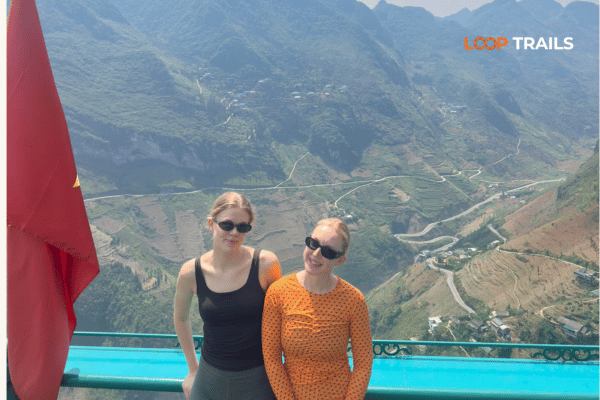
The headline day. Get up before dawn. Eat breakfast on the road if you have to. You want to be standing at Ma Pi Leng Pass viewpoint at sunrise, not arriving at 10am with the rest of the tour buses.
Spend the whole morning around Ma Pi Leng. Walk along the road, find the side paths, get down onto lower viewpoints if there’s time. A polarizer cuts the haze and brings out the river color. If you have a long lens, isolate boats on the Nho Que River from above.
Lunch in Meo Vac. If it’s Sunday, the market is right there and you’ve got hours of cultural shooting ahead. Otherwise, head out to nearby villages for afternoon work, or rest, you’ll have earned it.
If your dates allow, stay an extra night in Meo Vac. Especially if Sunday market overlaps with your itinerary.
Key shots: Ma Pi Leng sunrise, Nho Que River from above, Meo Vac market (if Sunday), village life around Meo Vac.
The detour day. From Meo Vac, take the road south to Du Gia. The drive itself is one of the most beautiful stretches of the entire loop: less photographed than the northern section, with rolling valleys, terraced fields, and very little traffic.
Du Gia village is a cluster of stilt houses in a wide green basin. Walk the village. Visit the nearby waterfall. Have lunch at a homestay.
After lunch, the road back to Ha Giang City takes around four hours, depending on stops. Time it so you’re descending in late afternoon light. You’ll pass through some of the most under shot landscapes on the entire loop.
Key shots: Du Gia village, Du Gia waterfall, southern loop terraces, late light on the road home.
This is the kind of itinerary that’s easiest to do with a local rider or guide who can read the weather and adjust on the fly. Our easy rider photographer trips work well for camera focused travelers because you’re riding pillion, your hands are free, and you don’t have to think about the road.
Learn more: Ha Giang Motorbike Rental
You will, inevitably, see something you want to shoot while you’re moving. Here’s how to handle it without crashing or losing the moment.
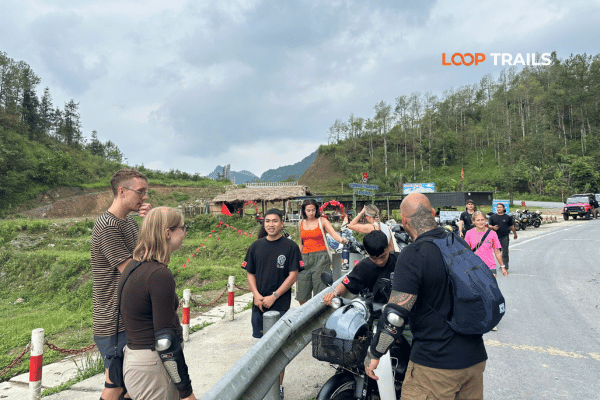
If you’re driving yourself: Don’t shoot from a moving bike. It looks easy in YouTube videos. It is not easy on these roads. Pull over, every time. Even if it costs you the shot. There are always more shots.
If you’re a pillion passenger: You can shoot on the move, with a few rules. Strap your camera. A wrist strap is the minimum; a sling strap that crosses your body is better. Loose cameras have a way of becoming airborne on these passes. Keep the strap snug.
Use a fast shutter speed. 1/1000s or faster if you’re shooting moving roadside scenes. The motorbike vibrates more than you realize.
Anticipate. Have your camera out, settings dialed in, and lens cap off well before the viewpoint you want. Fumbling with bags at 50km/h costs you the shot.
Don’t shoot through your helmet visor. It causes flares and the visor scratches. Lift it if your bike rider is going slow enough.
Set the camera up for one handed operation. You’ll often want to hold the bike rider’s shoulder or the grab rail with your other hand. Use a single point auto focus, aperture priority, and a high enough ISO that you won’t think about exposure on the fly.
A note on phones: modern phone cameras are remarkable, and a lot of “real” photographers underestimate them on a trip like this. For environmental and reportage shots on the move, a phone is sometimes the better tool because it’s faster to deploy and less obvious. Don’t fight it. Use both.
Learn more: Ha Giang Loop Photography Guide
This deserves its own section because it’s where most photographers, including experienced ones, get it wrong.
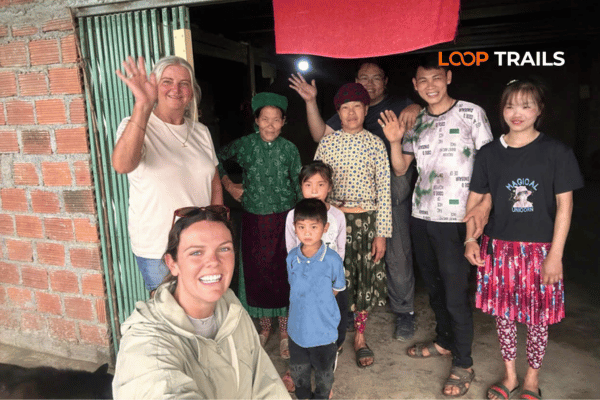
The cultural shooting in Ha Giang is the reason it’s such a special destination. It’s also the reason it can feel exploitative when handled badly. Here’s how to do it right.
Ask first, almost always. A nod, a smile, a gesture toward the camera, and a wait for a response. Most people will say yes. Some won’t. Respect both.
Don’t pay for portraits casually. It distorts the whole interaction. If someone offers to pose in exchange for money, you can decide, but don’t initiate the transaction yourself. Instead, buy something from their stall. Tip generously at homestays. Eat at the local restaurant. The money flows the right way.
Skip the staged ethnic costume shoots. Some tourist spots offer photo ops with people in traditional dress for a fee. They feel hollow because they are. The real cultural photos happen in real life, not on a stage.
Be patient at markets. Don’t push through with a camera in front of your face. Walk, browse, sit down, drink tea. By the time you start shooting, you’ll know which corners are alive and which faces are open to you.
Show people their photos. A small thing that goes a long way. Flip the camera around, hand them the back screen, let them see. Kids especially love it. Grandparents often don’t recognize themselves.
Don’t photograph altars, ceremonies, or rituals without permission. This is the line that matters most. Ancestor worship, funerals, certain spiritual rituals, off limits unless explicitly invited.
Don’t photograph kids without parents nearby. Yes, the kids will run up to you and pose. The parents may not have consented. Find the parent, get a nod, then shoot.
The unwritten rule: if you’d be annoyed by a photographer doing it in your own town, don’t do it here either.
Learn more: Ha Giang Loop Mistake to Avoid
In rough order of how often I see them.
Sleeping through sunrise. This is the single biggest one. People plan for weeks, spend real money to get up here, then sleep until 8am. By the time they reach Ma Pi Leng, the light is gone and the tour buses have arrived. Set the alarm. Coffee in the homestay courtyard while it’s still dark. You’ll thank yourself.
Shooting only the headline viewpoints. Ma Pi Leng is famous because it’s spectacular, but it’s also where every other photographer in the world is standing. The frames that stand out from a Ha Giang trip are usually shot two kilometers down the road from the famous spot, or on the way to a viewpoint nobody named.
Spending too long at any one stop. It’s a long loop. If you spend two hours at Quan Ba in flat midday light, you’ll miss the late afternoon light at Tham Ma. Move with the sun.
Treating the people like landscape props. Approaching strangers with a long lens and shooting from across the road. People notice. The shots look extractive. Walk closer, say hello, ask. The image quality and the experience both improve.
Bringing the wrong lens. People show up with a single 50mm prime and wonder why their landscape shots feel cramped. Or they bring a 100 to 400 zoom for portraits and never use the wider end. Pack at least one wide and one short telephoto if you can.
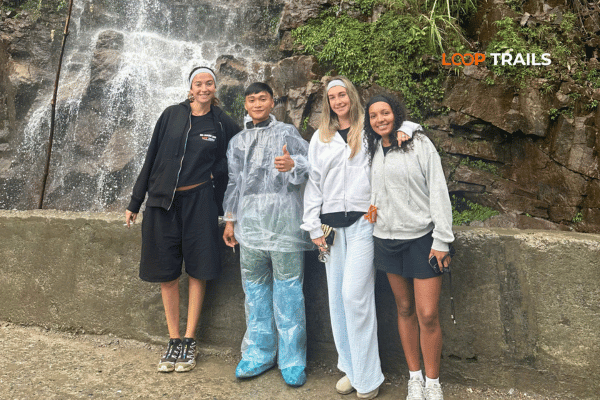
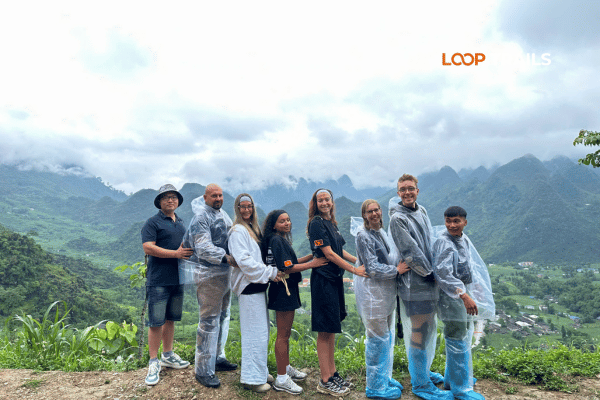
Skipping the rain days. When the weather turns, photographers tend to put the camera away. The fog is often the best subject the trip will offer. Wet stone houses, mist drifting between karst peaks, monks under umbrellas. Shoot anyway. Protect the gear, but shoot.
Over editing. The temptation to push saturation and contrast on Ha Giang photos is real. The buckwheat fields look pink enough already. Pull back. The most powerful images of this region tend to be slightly muted, letting the geology and texture do the work.
Not backing up. Memory cards fail. Bikes fall. Bags get rained on. Back up to a second card, a phone, or the cloud (cell signal exists in most towns) every evening.
Learn more: Ha Giang Loop Easy Rider
This question comes up a lot from photographers planning a trip. Here’s the honest answer.
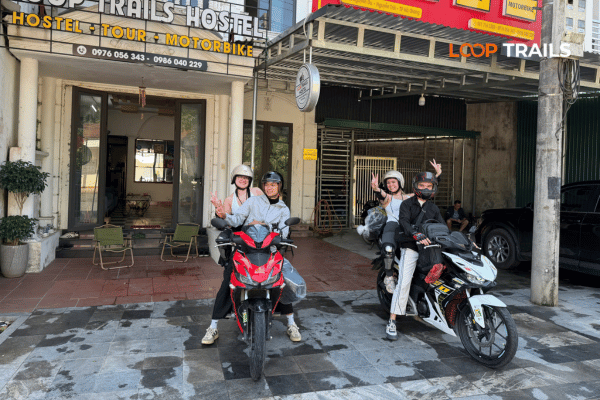
Easy Rider tour: best for serious photographers. You ride pillion behind an experienced local driver. Your hands are free, your eyes are on the landscape, you’re not thinking about the road. You can shoot on the move, ask the rider to stop anywhere, and you arrive at viewpoints fresh instead of exhausted. The riders know the light, know the back roads, and know which villages to detour through on which days. If photography is your main goal, this is the option I’d recommend without hesitation.
Self drive motorbike: best for confident riders who want full control. You stop when you want, detour into any village that catches your eye, and you don’t have to coordinate with anyone. The downside is that you can’t shoot on the move, you’re managing the road instead of looking at it, and after a full day of riding the mountains, you’ll be too tired to shoot golden hour. Only recommended if you have real motorbike experience. If you want to ride independently, we also do motorbike rental in Ha Giang without a guided tour, so you can plan your own photo route.
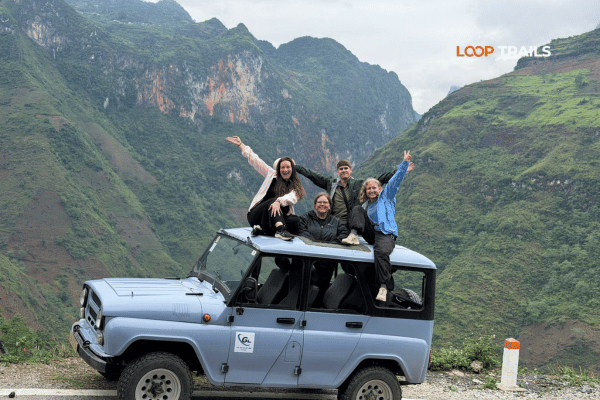
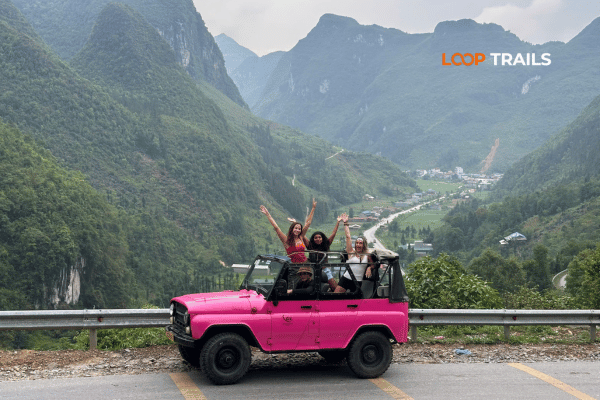
Jeep tour: best for photographers carrying serious gear or shooting in cold months. A jeep means you can bring a tripod, a laptop, more lenses, and a drone case without worrying. You can shoot from the vehicle on the move (we’ll stop the moment you ask). In December and January, when the cold makes long days on a motorbike rough, a jeep keeps you warm and lets you focus on the work. Also a great option for groups of two or three photographers traveling together.
Combo with Cao Bang: best for photographers with five or six days. Pairing Ha Giang with Cao Bang gives you a fuller picture of northern Vietnam. Ban Gioc Waterfall (one of the largest waterfalls in Asia), Nguom Ngao cave, the karst landscape around Phong Nam, all photograph beautifully and aren’t yet overrun by tourists the way the famous Ha Giang viewpoints are. Our Ha Giang Cao Bang combo tours cover both provinces in one continuous trip.
If you’re not sure which option fits your style of photography, just send us a message. We’ve guided everyone from National Geographic contributors to first time travel photographers, and we’ll be honest about which setup works best for your priorities.
Learn more: Ha Giang Jeep Tours
Late October to mid November is the most reliable: clear air, buckwheat in bloom, soft autumn light. Late March to early April is a close second with wildflowers and fresh greens. December to February gives the sharpest cold weather light but shorter days.
Drone regulations in Vietnam are restrictive and enforcement varies. Border areas like Lung Cu are sensitive. Check current regulations before traveling, and if you’re not confident in the legal status of your flights, leave the drone at home rather than risk confiscation.
Only if you’re a passenger, not the driver. Even then, use a fast shutter speed, strap your camera, and don’t shoot through a scratched visor. If you’re driving, always pull over, you’ll be glad you did.
A 24 to 70mm or 24 to 105mm equivalent zoom covers about 70% of what you’ll shoot. If you can add one more, a wide angle prime for landscapes and a short telephoto for cultural portraits will round out the kit.
For personal and travel photography, no. Commercial shoots with crews and lighting may need local coordination. If you’re shooting for a publication or brand, talk to a local fixer before you arrive.
With respect, yes. Always ask first, never push, and don’t shoot ceremonies or rituals without explicit permission. Markets and daily life are generally fine if you’re polite. Show people the photos, smile, take your time.
Four days minimum if you want to actually shoot. Three days is enough for sightseeing but rushed for photography. Five days gives you weather and light buffers and lets you spend more time in places like Du Gia or Lo Lo Chai.
Yes, if you tell us up front that photography is your priority. Tours can be customized: earlier starts, longer stops at viewpoints, market timing, evening blue hour returns. Default itineraries don’t always have the right pacing for camera work, so flag it at booking.
Possible from remote villages like Lo Lo Chai or higher passes. Clear nights from October to April give good visibility. Bring a tripod, a wide fast lens, and warm clothing. Mountain villages get cold after dark.
Pack rain protection for both you and your gear. Embrace the bad weather days, fog and mist are often the best subjects of the trip. If a viewpoint is fogged in, wait twenty minutes; conditions change fast up here.
For most trips, extra memory cards plus backing up to your phone is enough. Bring a laptop only if you’re shooting tethered, editing on the road, or producing daily content.
Generally very safe. Theft is rare. The bigger risks are rain, mud, dust, and dropping gear on rough roads. Pack dry bags, use straps, and keep your kit in a hard case when not in use.
Contact information for Loop Trails
Website: Loop Trails Official Website
Email: looptrailshostel@gmail.com
Hotline & WhatSapp:
+84862379288
+84938988593
Social Media:
Facebook: Loop Trails Tours Ha Giang
Instagram: Loop Trails Tours Ha Giang
TikTok: Loop Trails
Office Address: 48 Nguyen Du, Ha Giang 1, Tuyen Quang
Address: 48 Nguyen Du, Ha Giang 1, Tuyen Quang
Facebook X Reddit Table of Contents Learn more: Ha Giang Loop Tours Most people drive past the Quan Ba area twice on
Facebook X Reddit Table of Contents Learn more: Ha Giang Loop Tours The Ha Giang Loop has a reputation problem with older