

Thúy Kiều (Grace) is a travel blogger and content contributor for Loop Trails Tours Ha Giang. She holds a bachelor’s degree in Sustainable Tourism from Vietnam National University, Hanoi, and has a strong passion for exploring and promoting responsible travel experiences in Vietnam’s northern highlands.
Learn more: Ha Giang Loop Tours
Two of Southeast Asia’s most popular destinations. Both offer incredible adventures. But they’re very different kinds of adventures.
Thailand is the established star of Southeast Asian tourism. Decades of infrastructure development, English everywhere, world-class diving, and a tourism machine that runs smoothly.
Vietnam is the rising challenger. Rougher around the edges, less developed in parts, but offering something Thailand often can’t: the feeling that you’re genuinely discovering something rather than following a well-worn path.
This guide compares both countries honestly for adventure travelers. Not which is “better” overall, but which offers the adventures you’re actually looking for.
Learn more: Ha Giang Loop 4 Days 3 Nights
| Factor | Vietnam | Thailand |
|---|---|---|
| Best for | Motorbike tours, caves, mountain trekking | Diving, islands, rock climbing |
| Adventure style | Raw, rugged, exploratory | Polished, accessible, diverse |
| Cost level | Lower | Moderate |
| Tourism development | Developing | Well-established |
| English availability | Limited outside cities | Widely spoken in tourist areas |
| Ease of travel | Moderate | Easy |
| Crowd level | Lower (varies by region) | Higher in popular areas |
| Unique advantage | Untouched mountain roads | World-class diving |
Quick verdict: Vietnam for land-based adventures and discovery. Thailand for water-based adventures and convenience
Learn more: Ha Giang Loop 3 Days 2 Nights
The fundamental difference isn’t about specific activities. It’s about what kind of adventure experience you want.
Vietnam’s adventure appeal comes from feeling like you’re somewhere that hasn’t been fully figured out by tourism yet.
What that means: Infrastructure is less developed, especially in mountain regions Fewer tourists on many routes and trails Less English spoken outside major cities More problem-solving required on your journey Higher reward when you find amazing experiences
The trade-off: Things don’t always go smoothly. You might struggle to communicate, get lost, or find fewer obvious tourist services. For some travelers, this IS the adventure. For others, it’s just frustrating.
Thailand has been perfecting tourist infrastructure for decades. Adventures here are often world-class precisely because the industry has matured.
What that means: Well-organized tours and activities English widely available High safety standards for most activities Easy booking and logistics Professional equipment and guides
The trade-off: Some experiences feel packaged or crowded. The sense of discovery can be lower. You’re following paths well-traveled by millions before you.
Neither is wrong. Vietnam rewards those who want adventure with rough edges. Thailand rewards those who want adventure with smooth operations.
Learn more: Ha Giang Cao Bang 5 Days 4 Nights
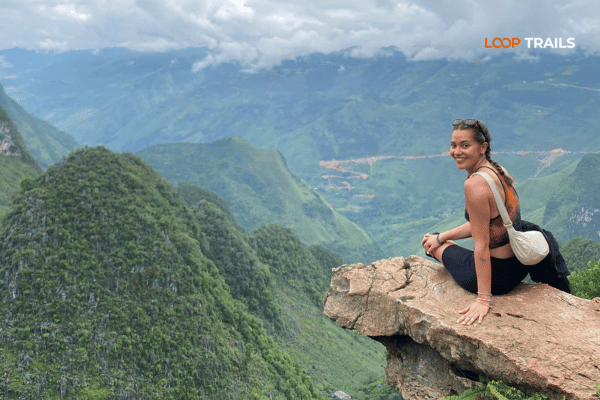
This is Vietnam’s crown jewel for adventure travel, and arguably one of the best motorbike destinations in the world.
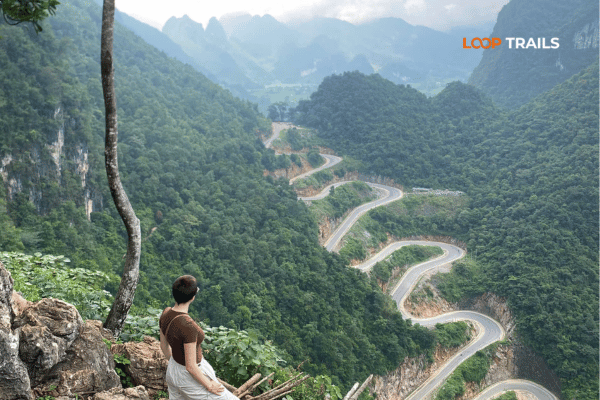
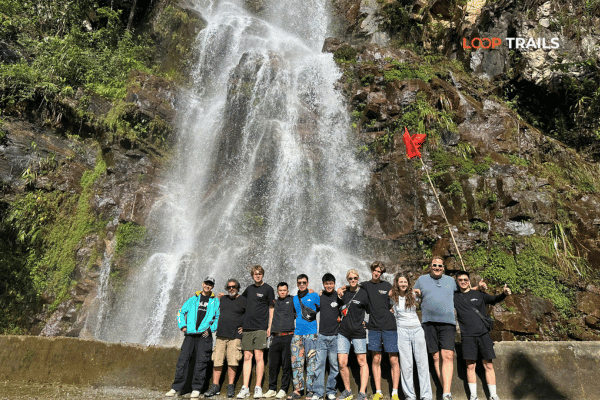
Ha Giang Loop: The most famous. 3 to 5 days through Vietnam’s northernmost mountains. Cliff-hugging roads, ethnic minority villages, dramatic karst peaks. Ma Pi Leng Pass is considered one of Asia’s most spectacular roads.
Ha Giang to Cao Bang: Extended route adding Ban Gioc Waterfall and more remote terrain. 5 to 6 days of continuous mountain riding.
Northwest Vietnam (Mu Cang Chai, Lai Chau): Less famous but equally stunning rice terraces and mountain roads.
Central Highlands: Different character: volcanic landscapes, coffee plantations, waterfalls.
Why Vietnam wins on motorbikes: The roads themselves are the attraction. They were carved through impossible terrain, creating natural drama that’s hard to find anywhere else. Thailand has nice riding, but nothing matching Ha Giang’s scale.
→ [Explore Ha Giang Loop tours] (link to tours page)
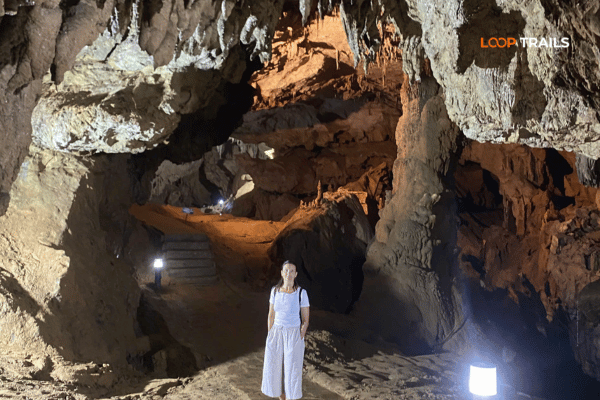
Vietnam contains some of the world’s most significant cave systems.
Phong Nha, Ke Bang: Home to Son Doong, the world’s largest cave. Also Paradise Cave, Phong Nha Cave, and many others. Multi-day cave expeditions available.
Cao Bang: Nguom Ngao Cave near Ban Gioc. Less famous but impressive.
Ninh Binh: “Dry Ha Long Bay” with boat trips through karst formations.
Why Vietnam wins on caves: The caves are larger, more numerous, and often less commercialized than Thai equivalents. Son Doong expedition is a genuine world-class adventure.
Sapa region: Classic rice terrace trekking. Multi-day routes through ethnic villages.
Ha Giang: Trekking options along the Loop route.
Cat Ba Island: Jungle trekking near Ha Long Bay.
Fansipan: Indochina’s highest peak. Cable car available for non-trekkers.
Honest assessment: Vietnam’s trekking is good but not world-class. Nepal, Peru, and other destinations offer more dramatic terrain. Vietnam’s strength is combining trekking with cultural experiences.
Ha Long Bay: Kayaking through limestone karsts. Beautiful but heavily touristed.
Mekong Delta: River exploration by boat. Cultural rather than physical adventure.
Phu Quoc: Snorkeling and diving. Good but not Thailand-level.
Honest assessment: Vietnam’s water adventures are decent but not its strength. If water is your priority, Thailand wins.

Learn more: Best Adventure Activities in Vietnam
Thailand has some of the world’s best accessible diving.
Koh Tao: Budget diving capital. Cheap certification, diverse sites, great visibility.
Similan Islands: World-class diving. Manta rays, whale sharks (seasonal).
Koh Phi Phi: Famous sites, though crowded. Good variety.
Andaman Sea: Generally better diving than Gulf of Thailand.
Why Thailand wins on diving: Infrastructure, visibility, marine diversity, and options from budget to luxury. Vietnam simply can’t compete here.
Railay Beach: World-famous limestone climbing. Routes for all levels. Stunning backdrop.
Chiang Mai: Growing climbing scene.
Why Thailand wins: Railay is globally significant. Vietnam has some climbing, but nothing comparable.
Chiang Mai region: Multi-day treks through hill tribe villages.
Khao Sok National Park: Rainforest trekking, lake exploration.
Doi Inthanon: Thailand’s highest peak, easier than Fansipan.
Honest assessment: Thailand’s jungle trekking is accessible and well-organized but not extraordinary. Similar to Vietnam: good but not the main reason to visit.
Phuket, Koh Samui: Full range of water sports: jet skiing, parasailing, sailing.
Krabi: Kayaking through mangroves and islands.
Surf beaches: Hua Hin, Phuket (limited season).
Why Thailand wins: Sheer variety and infrastructure. Whatever water activity you want, Thailand probably has a polished operation offering it.
Learn more: Northern Viet Nam Itinerary 2026
Accommodation: Budget homestays from $8 to $15. Mid-range hotels $25 to $50.
Food: Local meals $2 to $4. Restaurant meals $5 to $10.
Tour costs: Ha Giang Loop 3-day tour from $130 to $200 (motorbike). Jeep tours higher.
Transport: Buses are cheap. Internal flights reasonable.
Daily budget: Budget: $30 to $50 Mid-range: $60 to $100 Comfort: $120+
Accommodation: Budget dorms from $8 to $15. Mid-range hotels $40 to $80.
Food: Local meals $3 to $5. Restaurant meals $8 to $15.
Activity costs: Diving course $250 to $400. Island tours $30 to $100.
Transport: Reasonably priced but island transfers add up.
Daily budget: Budget: $40 to $60 Mid-range: $80 to $150 Comfort: $150+
Vietnam is approximately 20 to 40% cheaper than Thailand for comparable experiences. The gap widens in tourist hotspots (Thai islands are expensive) and narrows in developed cities.
For adventure activities specifically: Vietnam’s motorbike tours are often more affordable than Thailand’s diving courses or multi-day treks.
Learn more: Ha Giang Motorbike Rental
Why: English widely spoken in tourist areas Well-established transportation network Familiar Western amenities available Booking infrastructure (apps, websites) works smoothly Tourism industry highly professional
Challenge: Peak season crowds can complicate logistics Popular islands require ferry planning Bangkok traffic is legendary
Why: Less English outside major cities Transportation can be confusing for first-timers Booking sometimes requires local help Infrastructure still developing in many regions
Challenge: Communication barriers real in rural areas Navigation can be difficult Less predictable service standards
Thailand is significantly easier for first-time Southeast Asia travelers. Vietnam rewards those willing to work a bit harder or use tour services that handle logistics.
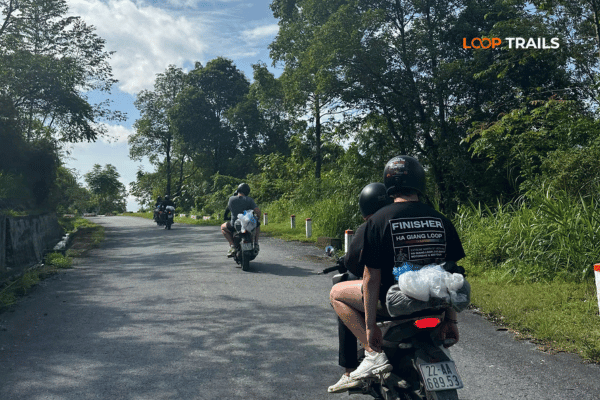
For Ha Giang specifically: tours solve most accessibility challenges. You don’t need to navigate solo; your guide handles communication and logistics.
→ [See how Ha Giang tours handle logistics] (link to tours page)
Learn more: Ha Giang Cao Bang 6 Days 5 Nights
Popular areas: Phuket beaches, Bangkok temples, Chiang Mai night markets, Phi Phi islands can feel overcrowded, especially in high season.
Off-beaten-path: Exists but requires more planning. Isaan region, smaller northern towns, remote beaches are less visited.
Tourism maturity: Thailand receives 40+ million visitors annually. Infrastructure is built for mass tourism.
Popular areas: Ha Long Bay is crowded. Ho Chi Minh City is busy. Hoi An fills up.
Adventure regions: Ha Giang Loop, Cao Bang, Phong Nha are significantly less touristed. You can have major attractions largely to yourself.
Tourism maturity: Growing rapidly but from a smaller base. Many regions still feel like discoveries.
If avoiding crowds matters to you, Vietnam offers more options. Ha Giang in particular remains relatively uncrowded even in peak season because the loop spreads visitors across hundreds of kilometers.
Learn more: Cao Bang Loop 3 Days best kept secret
Both countries are generally safe for adventure travelers. Specific considerations:
Road safety: The main concern. Vietnamese traffic is chaotic in cities. Mountain roads require experience.
Crime: Low against tourists. Petty theft exists but violent crime is rare.
Health: Standard tropical precautions. Medical facilities good in cities, limited in rural areas.
Political: Stable. No tourist-affecting unrest.
For Ha Giang: Tours dramatically reduce risk. Professional drivers know the roads. Jeep tours eliminate motorcycle risk entirely
Road safety: Better than Vietnam overall, but still Southeast Asian standards. Motorbike accidents are common among tourists.
Crime: Low but present in tourist areas. Scams exist (tuk-tuk, gem shops, etc.).
Health: Good medical facilities. Standard tropical precautions needed.
Political: Generally stable. Occasional protests in Bangkok rarely affect tourists.
Water safety: Rip currents, boat safety. Important to use reputable operators.
Both are reasonably safe with normal precautions. Vietnam’s roads require more respect; Thailand’s tourist areas require more scam awareness. Neither should deter experienced adventure travelers.

Learn more: Ha Giang Loop by Wrangler Rubicon Jeep
Best overall: September to November. Good weather, rice harvest scenery, comfortable temperatures.
Regional variation: North (Ha Giang): Sept to Nov for golden terraces. Dec to Feb cold but clear. Central: Feb to May (beach season). Avoid Sept to Nov (typhoon risk). South: Nov to Apr (dry season).
Monsoon consideration: Vietnam’s geography means different regions have different wet seasons.
Best overall: November to February. Cool, dry, comfortable.
Regional variation: Everywhere: Nov to Feb is peak season. Dive season (Similan): Nov to May. Gulf coast (Koh Samui): Can be good year-round, different monsoon pattern.
Monsoon consideration: Thailand has a more unified wet season (roughly May to October).
Similar optimal windows (September to February) but Vietnam’s regionality allows more flexibility. In Thailand, high season is clearly defined and everywhere gets crowded simultaneously.
Learn more: Ha Giang Loop by Jeep for Families & Groups
Vietnam is the right choice if:
You want motorbike adventures. Vietnam has Southeast Asia’s best motorcycle touring. Thailand has nice rides but nothing like Ha Giang.
You prefer land-based exploration. Mountains, caves, rice terraces, jungle: Vietnam’s strength is terrestrial.
You dislike crowds. Vietnam’s adventure regions are significantly less touristed than Thai equivalents.
You want lower costs. Vietnam stretches your budget further.
You seek authentic discovery. Vietnam feels less packaged. You’ll work harder but may feel rewarded differently.
You’re comfortable with rough edges. Less English, less predictable services, more problem-solving required.
→ [Explore Vietnam’s best motorbike adventure: Ha Giang Loop] (link to tours page)
Learn more: Ha Giang Border Area Permit 2026
Thailand is the right choice if:
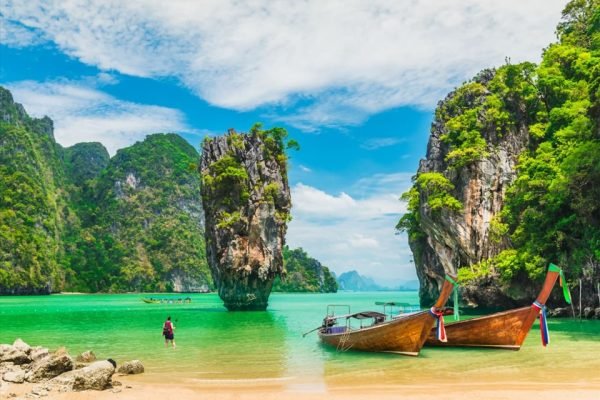
You want water adventures. Diving, snorkeling, island hopping, water sports: Thailand wins clearly.
You value ease of travel. English everywhere, professional services, simple logistics.
You’re a first-time Southeast Asia traveler. Thailand’s smoother experience is a gentler introduction.
You want diverse options in one trip. Beach, jungle, city, culture: Thailand packs variety into accessible packages.
You want climbing. Railay is world-class. Vietnam has nothing comparable.
You prefer comfort. Thailand’s tourist infrastructure means more consistent quality.
Learn more: Ha Giang Loop Coporate Retreat
Absolutely. And for serious adventure travelers, you probably should.
Vietnam focused (with Thailand transit): Fly into Bangkok, explore briefly, fly to Hanoi. Do Ha Giang Loop and northern Vietnam. Return via Bangkok.
Thailand focused (with Vietnam addition): Main trip in Thai islands/jungle. Add a week in Vietnam for Ha Giang or Phong Nha caves.
Split trip: Two weeks: one week each country. Start in one, end in the other (flights between are cheap and frequent).
The adventures don’t overlap. Thailand’s diving and Vietnam’s motorbike roads are completely different experiences. Doing both gives you the full Southeast Asian adventure picture.
Practical combination: Vietnam for mountains and caves (Ha Giang, Phong Nha) Thailand for water and islands (Koh Tao diving, Railay climbing)
Two weeks gives you meaningful time in both.
Learn more: Ha Giang Loop Easy Rider
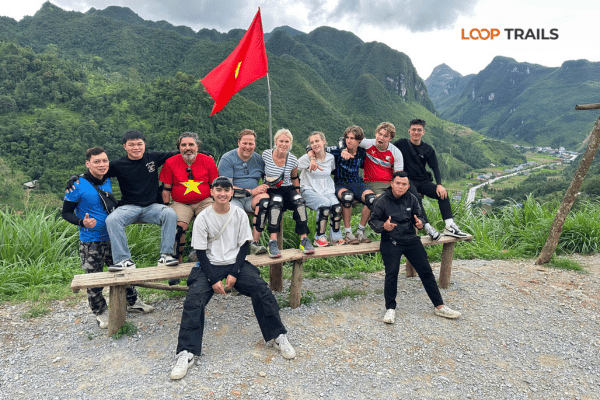
Since this site focuses on Ha Giang, here’s why it stands out even in a regional comparison:
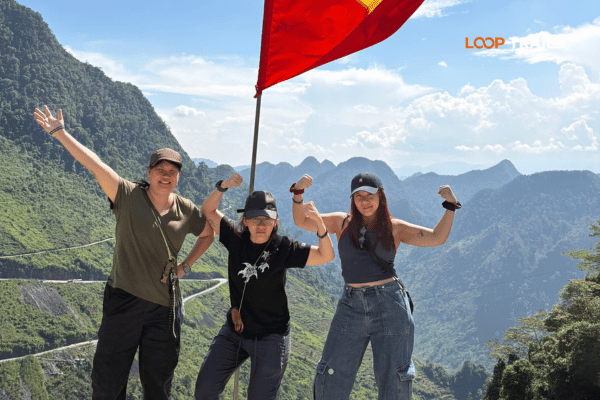
Globally significant: Ma Pi Leng Pass and the Dong Van Karst Plateau are UNESCO Geopark territory. This isn’t “nice scenery.” It’s geologically and visually world-class.
The road itself is the adventure: Unlike most destinations where you travel TO see something, Ha Giang’s roads ARE the thing. Every kilometer offers something.
Multiple tour options: Self-drive: Ride your own motorcycle, following a guide Easy Rider: Ride as passenger behind an experienced local driver Jeep: Travel in a private 4×4 with professional driver
Extension possibilities: Ha Giang to Cao Bang combine tour adds Ban Gioc Waterfall Cao Bang Loop explores even further off the beaten path
Honest pitch: If “Southeast Asian motorcycle adventure” is on your bucket list, Ha Giang is the one to do. Thailand has nice riding. Laos has great scenery. But Ha Giang combines both at a level that’s hard to match anywhere in the region.
→ [View Ha Giang Loop tour options] (link to tours page)
→ [Ha Giang Cao Bang Combine for extended adventure] (link to combo tours)
Learn more: Best time to visit Cao Bang
There’s no wrong choice between Vietnam and Thailand for adventure travel. Both offer incredible experiences unavailable elsewhere.
Choose Vietnam if: Motorbike touring calls to you, you prefer mountains to oceans, you want something that feels less discovered, and you’re comfortable with rougher logistics.
Choose Thailand if: Water adventures are your priority, ease of travel matters, you want reliable infrastructure, and variety in a single trip appeals to you.
Best approach: Do both. They complement rather than compete. Start with whichever speaks to you most, then add the other on a future trip, or combine them if time allows.
For pure adventure that feels genuinely exploratory, Vietnam’s mountains currently offer something harder to find in increasingly touristed Thailand. But for world-class diving and polished adventure experiences, Thailand remains unmatched in the region.
Choose based on your adventure style, not on which country is “better.”
Ready to explore Vietnam’s mountains?
→ [Ha Giang Loop Tours (3 to 5 days)] (link to tours page)
→ [Ha Giang Cao Bang Combine (5 to 6 days)] (link to combo tours)
→ [Questions? WhatsApp: +84 862 379 288] (link to contact)
Learn more: Ha Giang Sleeper Bus
Neither is objectively better. Vietnam excels at land-based adventures: motorbike touring, caves, and mountain trekking. Thailand excels at water-based adventures: diving, snorkeling, rock climbing, and island exploration. Choose based on your interests.
Generally yes, by 20 to 40%. Vietnam’s lower tourism development means lower prices overall. A Ha Giang motorbike tour often costs less than a Thai diving certification.
Both are reasonably safe with normal precautions. Vietnam’s roads require more respect (especially for self-driving). Thailand’s tourist areas have more scam risks. Neither should deter experienced travelers.
Yes. Less English is spoken, infrastructure is less developed, and logistics require more planning. However, using tour services (like guided Ha Giang tours) eliminates most difficulties.
Not really. Thailand has pleasant motorcycle touring (Mae Hong Son Loop, for example) but nothing matching Ha Giang’s dramatic cliff roads and karst scenery. Ha Giang is globally unique in this regard.
Thailand is easier for first-timers due to widespread English, established infrastructure, and smoother logistics. Vietnam rewards those willing to work harder or use guided services.
Yes. Flights between Hanoi/Ho Chi Minh City and Bangkok are frequent and cheap. A two-week trip can meaningfully cover both countries.
The Ha Giang Loop is widely considered Vietnam’s top adventure experience. Other excellent options include Phong Nha caves and Sapa trekking.
Diving in the Similan Islands or Koh Tao is world-class. Rock climbing at Railay Beach is globally significant. Both are hard to match elsewhere.
Similar optimal periods: September to February for both. Vietnam has more regional variation allowing more year-round options; Thailand has a more unified monsoon pattern.
Thailand is significantly more crowded in popular areas. Vietnam’s adventure regions (Ha Giang, Cao Bang, Phong Nha) remain relatively uncrowded even in peak season.
Both have excellent food. Vietnam is generally considered to have more refined street food (pho, banh mi, bun cha). Thai food is more varied with strong regional differences. Neither disappoints food lovers.
Contact information for Loop Trails
Website: Loop Trails Official Website
Email: looptrailshostel@gmail.com
Hotline & WhatSapp:
+84862379288
+84938988593
Social Media:
Facebook: Loop Trails Tours Ha Giang
Instagram: Loop Trails Tours Ha Giang
TikTok: Loop Trails
Office Address: 54A Tran Phu, Ha Giang 2, Tuyen Quang
Address: 54A Tran Phu, Ha Giang 2, Tuyen Quang

Facebook X Reddit Table of Contents Learn more: Ha Giang Loop Tours The Ha Giang Loop has a reputation problem with older
Facebook X Reddit Table of Contents The passes get the photos. The homestay nights get the stories. Ask anyone who’s done the